
Reviewed · MARANGU ROUTE CLIMBS
6 Days Marangu Route Kilimanjaro Trekking
Kilimanjaro saves its hardest day for last.
The Marangu Route gives you a clear six-day plan up Africa’s highest mountain, with sleeping huts instead of tents, porters handling camp equipment, and a full acclimatization day at Horombo. I like the practical hut setup and the chance to see several habitats in one climb, from rainforest to alpine desert. The main concern is the summit schedule: the push from Kibo Hut begins around 11:30 p.m., then combines a long ascent with a very long descent.
This private trek from Arusha costs $1,930 per person. That is a serious price, but it covers park and rescue fees, accommodation on the mountain, porters, a professional guide, cooking equipment, and meals. Check the start time before booking, since the information gives both a 7:30 p.m. meeting time and an early breakfast pickup plan.
In This Review
- Key Points to Know Before You Go
- What the $1,930 Price Really Covers
- Day 1: Rainforest From Marangu Gate to Mandara Hut
- Day 2: Maundi Crater and the Moorland at 3,720 Meters
- Day 3: A Full Acclimatization Day at Horombo
- Day 4: Alpine Desert and Kibo Hut at 4,700 Meters
- Day 5: Gillman’s Point, Uhuru Peak, and a Long Descent
- Day 6: Celebration, Certificates, and the Walk Back to Arusha
- Guide Support, Porters, and the Human Side of the Trek
- Who Should Choose the Marangu Route?
- Practical Details to Confirm Before Paying
- Should You Book This Six-Day Climb?
- FAQ
- Where does the Kilimanjaro trek start?
- Where does the trek end?
- How long is the experience?
- What route does the trek use?
- Do I sleep in tents?
- Is there an acclimatization day?
- Does the price include a sleeping bag?
- Are meals included?
- Are tips included?
Key Points to Know Before You Go
- Sleeping huts replace tents: Marangu is the only Kilimanjaro route in this plan with hut accommodation, including bunks, mattresses, and shared sleeping areas.
- Horombo gives you a full acclimatization day: This is a valuable pause before the higher camps and includes an optional hike toward Mawenzi Hut at 4,600 meters.
- The summit day is demanding: You climb from Kibo Hut at night, reach Gillman’s Point at 5,681 meters, continue to Uhuru Peak at 5,895 meters, then descend all the way to Horombo.
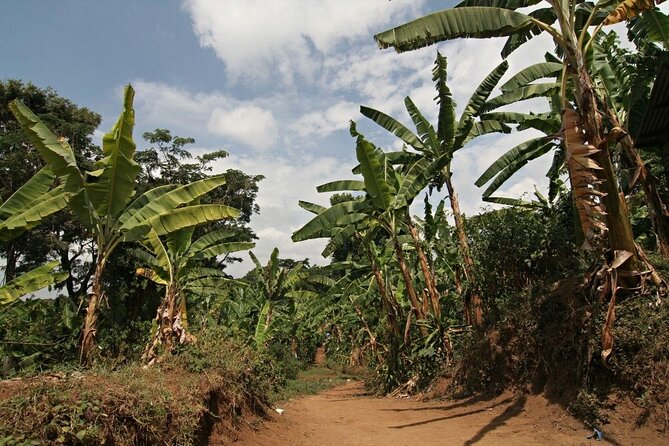
- You pass through four distinct habitats: Expect montane forest, moorland, alpine desert, and stone scree near the summit.
- Erastus receives specific praise: A previous guest credited Erastus of Mafie Adventures with helping organize clothing and equipment as well as the trek itself.
- The trek is private: Only your group participates, which gives you a more personal arrangement than a large shared departure.
What the $1,930 Price Really Covers
At $1,930 per person, this is not a cheap mountain walk. The price makes more sense when you look at what a Kilimanjaro climb requires. You are paying for access to Kilimanjaro National Park, rescue fees, taxes, mountain accommodation, porters, a professional guide, and cooking equipment.
The camping equipment listed includes a mess tent, mattress, and cooking gear. On the Marangu Route, the sleeping huts are the key difference. You are not carrying a tent or sleeping on bare ground, though the huts are shared and basic. The first hut area sleeps up to 60 hikers, while Horombo can sleep up to 120, so do not picture a private mountain cabin.
Meals are listed as breakfast, lunch, and dinner, with lunch shown as optional in the details. Clarify exactly which meals are included in your booking and how packed lunches work on the acclimatization day. You should also budget for a sleeping bag, climbing gear if you need to rent it, tips, travel insurance, visa fees, souvenirs, bath towels, and accommodation in Arusha before or after the trek.
The price does not include international flights or hotel nights at either end. It also does not protect you from possible government increases in taxes or park fees. For a private six-day climb with porters and rescue fees included, the package has solid value, but only if you already understand the extra costs.
More Marangu Route climbs:
- Private Full Day Hiking Experience to Marangu Route
★ 5.0 · 61 reviews - From Arusha/Moshi: Kilimanjaro Hike Marangu Route Day Trip
★ 4.5 · 54 reviews - Mount Kilimanjaro Day Hike Through Marangu Route to Mandara Hut
★ 5.0 · 37 reviews
Day 1: Rainforest From Marangu Gate to Mandara Hut
The trek begins with pickup from Arusha, listed at about 1,400 meters, and a drive to Marangu Gate at 1,980 meters. The plan calls for an early breakfast before departure, although the meeting information gives a 7:30 p.m. start time. That mismatch deserves a quick message to Mafie Adventures before you arrive.
At the gate, you and your guide register with Tanzania National Parks, known as TANAPA. Porters organize and pack the group’s belongings while you wait. This is an important part of the morning, so do not expect to leave the gate the instant you arrive.
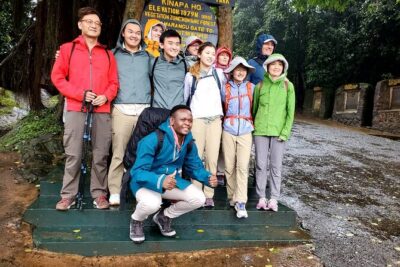
The first walk takes roughly three to four hours and covers about 12 kilometers. You enter montane forest, where rain, mud, and fog are normal parts of the day. Good waterproof layers and shoes with reliable grip matter more here than fancy summit clothing.
Keep an eye out for colobus monkeys. The forest section is also a gentler introduction to the steady uphill rhythm required on Kilimanjaro. You are not yet facing the severe cold or thin air found higher up, but the damp conditions can make the first day feel longer.
Mandara Hut sits at 2,700 meters. The huts have six to eight bunks each, with space for up to 60 hikers in the camp. The staff prepare drinking and washing water, and dinner is cooked by the camp chef. This is comfortable by mountain standards, but shared bunks and basic facilities are part of the deal.
Day 2: Maundi Crater and the Moorland at 3,720 Meters
After breakfast, you leave the forest and enter heath and moorland. The route covers about 15 kilometers and takes around six hours, so this is a longer walking day than the first.
The Maundi Crater is the main stop. You can climb to its rim for a view toward Kibo Crater, the high volcanic summit area. It gives you a useful sense of the mountain’s scale without requiring a separate summit effort.
The plant life changes quickly. Giant lobelia and groundsel give the moorland an unusual appearance, and the open setting gives you wider views than the forest. This is one of the best reasons to choose a route that moves gradually through different habitats rather than rushing straight upward.
Horombo Hut is at 3,720 meters on a small plateau. It sleeps up to 120 hikers, so this is the largest and busiest hut stop in the plan. Your porters again prepare drinking and washing water, followed by snacks and dinner.
Expect a cold night. Temperatures at Horombo can drop below freezing. You will want warm sleepwear and a properly rated sleeping bag, which is not included unless rented separately. The hut removes the need to carry a tent, but it does not remove the cold.
Day 3: A Full Acclimatization Day at Horombo
This rest day is one of the strongest parts of the six-day schedule. You stay at Horombo to let your body adjust to altitude before moving toward Kibo Hut.
You have the option of a guided day hike toward Mawenzi Hut at 4,600 meters. This is useful because it lets you walk higher than Horombo and then return to sleep at the lower camp. Breakfast and dinner are served at the hut, while lunch can be packed or taken at the hut depending on your preference.
Do not treat this as a wasted day. The extra time can make the following stages more manageable, though no itinerary can guarantee that you will avoid altitude sickness. Pace yourself, follow your guide’s instructions, and do not turn the optional hike into a race.
The route toward Mawenzi also gives you another view of Kilimanjaro’s volcanic form. The upper trail on Day 4 follows the same direction used for this day hike, so you gain some familiarity with the terrain before the most demanding section.
More treks in Arusha:
- 8-Day Small-group Lemosho Kilimanjaro Summit Trekking
★ 5.0 · 186 reviews - Mountain Kilimanjaro Day Hike
★ 5.0 · 102 reviews - 4 Days Mount Meru Trekking
★ 5.0 · 55 reviews - 4 days Best experience Kilimanjaro Hike, Serengeti &Ngorongoro
★ 5.0 · 54 reviews
Day 4: Alpine Desert and Kibo Hut at 4,700 Meters
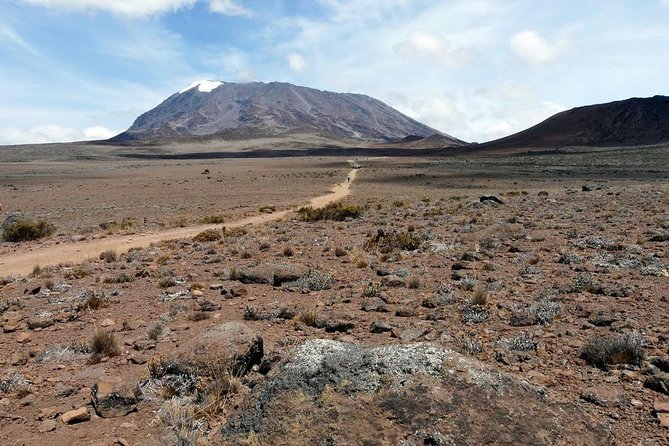
Day 4 takes about six hours and covers approximately 15 kilometers. The forest and plant life are now behind you. You move into alpine desert, where the route becomes more exposed and the surroundings feel stark and spare.
From Horombo, you can choose between two trails to Kibo Hut. The upper route follows the direction used for the Mawenzi Hut acclimatization walk. The lower route is more popular because it saves about an hour of hiking.
Kibo Hut sits at 4,700 meters in the Saddle, the broad area between Mawenzi and Kibo. This camp has no water supply, and the information says hikers can buy mineral water there. Bring enough cash for that purchase and confirm current prices with your operator.
The high camp is basic, and the altitude can make even resting feel tiring. Dinner comes before an early night, but sleep may be difficult because your summit wake-up is around 11:30 p.m. Tea and biscuits are provided before you start the climb.
This is the point where the six-day plan becomes very serious. The acclimatization day helps, but you are still sleeping at a high altitude and beginning the summit effort in darkness.
Day 5: Gillman’s Point, Uhuru Peak, and a Long Descent
Summit day is listed as eight hours to Uhuru Peak, followed by six hours down to Horombo. The numbers describe the walking time, not the full day. With a 11:30 p.m. wake-up, breaks, the summit attempt, and the descent, you should expect a very long stretch on your feet.
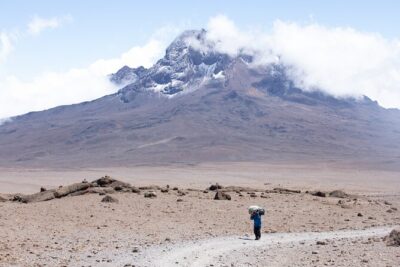
The ascent begins on rocky ground and passes Hans Meyer Cave at about 5,150 meters. From there, the trail continues toward Gillman’s Point at 5,681 meters. This section is steep and rocky, and the altitude is the real test.
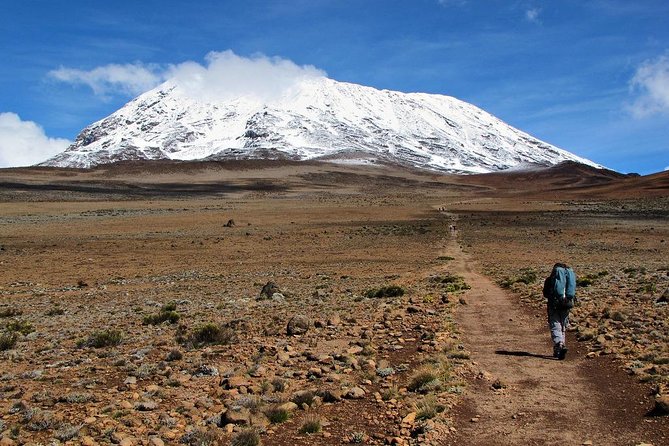
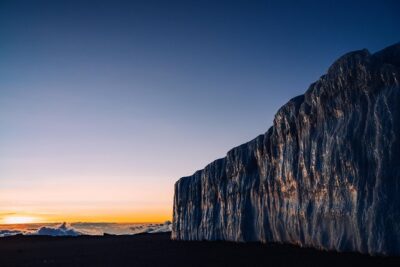
Gillman’s Point sits on the crater rim. Reaching it earns a green completion certificate if you finish the required park procedures. From there, the route usually becomes snow-covered as you continue toward Uhuru Peak.
Uhuru Peak is at 5,895 meters, the highest point on Kilimanjaro. Reaching it earns a gold certificate. The route description rightly treats this as a major achievement, but you should not think of the summit as the end of the day. You still have to descend to Horombo, covering about 21 kilometers of descent according to the plan.
The total distance is listed as roughly six kilometers of ascent and 21 kilometers of descent. That is a punishing combination. Poles, layered clothing, gloves, head protection, and a careful pace will matter. Climbing gear is available for rent, but the package does not include it, so arrange what you need in advance.
Day 6: Celebration, Certificates, and the Walk Back to Arusha
After breakfast, the crew holds a celebration with dancing and singing. This is also when you present tips to the guide, assistant guides, chef or chefs, and porters. Tips are not included, so prepare for them as a normal part of the total budget.
You then descend for about six hours to Marangu Gate at 1,980 meters. The distance is listed as approximately 27 kilometers, which makes this another long day even though you are heading downhill.
At the gate, all hikers must sign their names to receive their certificates. Gillman’s Point earns the green certificate, while Uhuru Peak earns the gold one. Afterward, the group drives back to Arusha for showers and further celebration.
The final day is not glamorous, but it completes the practical arc of the trek. You leave the mountain, collect proof of your achievement, and return to town without needing to arrange separate transport.
Guide Support, Porters, and the Human Side of the Trek
The plan includes a professional driver and guide, porters, and a chef. That support changes the experience in a major way. You carry your personal day items while the porters handle the main load, camp equipment, and supplies.
One named contact connected with the experience is Erastus of Mafie Adventures. A previous guest praised him for arranging extra clothing and equipment, not just managing the basic itinerary. That is useful because forgotten warm layers or missing gear can become a real problem above Horombo.
Still, ask clear questions before paying. Confirm who your lead guide will be, how many porters are assigned to your group, what weight limits apply, which equipment is rented, and how meal choices are handled. The activity is private, so only your group participates, but the exact group size is not given.
The staff celebration at the end also makes the tipping issue plain. Bring enough money to thank the guide, assistant guides, chef, and porters separately. Since tips are excluded, they belong in your trip budget from the start.
Who Should Choose the Marangu Route?
I would choose this route if sleeping in huts matters to you more than having the quietest possible trail. It is also a sensible match for someone who prefers a clearly organized mountain plan with meals, porters, rescue fees, and transport back to Arusha included.
The six-day schedule suits a fit hiker who can handle several long days and a very demanding summit night. The Horombo acclimatization day is a major advantage, but you should not mistake it for an easy holiday. The summit attempt involves high altitude, cold, darkness, steep rock, and a long return.
The route may not suit you if you want private rooms, short walking days, or a relaxed summit morning. The huts are shared, Kibo has no water supply, and the most important day starts before midnight.
The single published rating is five out of five, and the strongest personal praise centers on Erastus and the practical help with extra clothing and equipment. That is encouraging, but one rating is not enough to judge every guide team or departure. Ask for current details before you commit.
Practical Details to Confirm Before Paying
Pickup is offered from Arusha, and the activity ends back at the meeting point after the return drive. The start information says 7:30 p.m., while Day 1 describes an early breakfast pickup, so confirm the exact departure time.
A mobile ticket is offered, and booking confirmation is received at the time of booking. The experience is near public transportation, though you are expected to arrange your own accommodation before and after the trek.
Most people can participate according to the supplied information, but the climb still requires serious physical effort. Your travel insurance should cover trekking and rescue, since personal insurance is not included.
The cancellation rule is strict: the experience is non-refundable and cannot be changed for any reason. Do not book until your dates, health, equipment, and travel plans are firm.
Should You Book This Six-Day Climb?
Book it if you want the classic Marangu hut experience, a private group, porter support, and a built-in acclimatization day. The package offers a lot for $1,930, especially with park, rescue, guide, porter, accommodation, cooking equipment, and meals included.
Think twice if you want a gentle walk or a flexible cancellation policy. The summit day is long, the camps are cold and shared, and the price does not cover gear, sleeping bags, tips, insurance, or Arusha hotels.
Before booking, ask Mafie Adventures to confirm the meeting time, meal inclusions, rental equipment, staff names, and current park fees. If those details are clear and you are ready for the physical demands, this is a practical way to tackle Kilimanjaro without carrying a tent up the mountain.
FAQ
Where does the Kilimanjaro trek start?
The trek starts in Arusha, Tanzania, with pickup offered from the city.
Where does the trek end?
The activity ends back at the Arusha meeting point after the descent to Marangu Gate and the return drive.
How long is the experience?
The trek lasts approximately six days.
What route does the trek use?
It uses the Marangu Route, also called the Tourist Route or Coca-Cola Route.
Do I sleep in tents?
No. The Marangu Route uses sleeping huts. Camping equipment is still included for the mess tent, mattresses, and cooking equipment.
Is there an acclimatization day?
Yes. Day 3 is spent at Horombo Hut, with an optional guided hike toward Mawenzi Hut at 4,600 meters.
Does the price include a sleeping bag?
No. Sleeping bags are available for rent but are not included in the listed price.
Are meals included?
Breakfast, lunch, and dinner are listed, but some meal entries are marked optional. Confirm the exact meal plan before booking.
Are tips included?
No. Tips for the guide, assistant guides, chef or chefs, and porters are not included.
Just added in Arusha
- Safari “Kifaru” – 5 days in the most famous Parks in the world★ 5.0 · 4 reviews
- Saadani Day Trip★ 5.0 · 13 reviews
- 3 Days Tanzania Short and Spicy★ 5.0 · 6 reviews
- 5 Day Tanzania Safari Camping Adventure Private Tour★ 5.0 · 2 reviews
- Day Trip to Ngorongoro Crater from Arusha★ 5.0 · 1 review
- SERENGETI NATIONAL PARK Tour★ 4.5 · 5 reviews
- 3 Days Serengeti Park & Ngorongoro Crater Adventure Safari★ 5.0 · 8 reviews
- 6 Days Tanzania Bush Experience Safari★ 5.0 · 6 reviews
Marangu Route Climbs, compared.
Private Full Day Hiking Experience to Marangu Route
Read our review →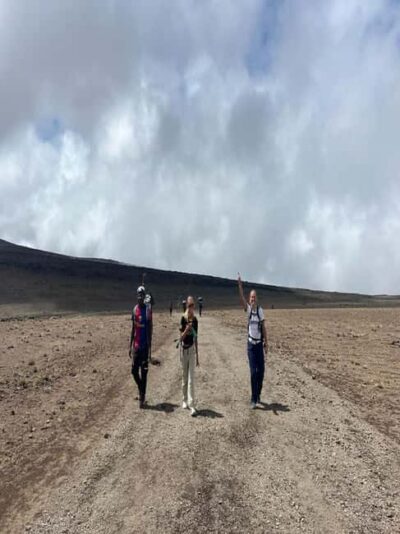
From Arusha/Moshi: Kilimanjaro Hike Marangu Route Day Trip
Read our review →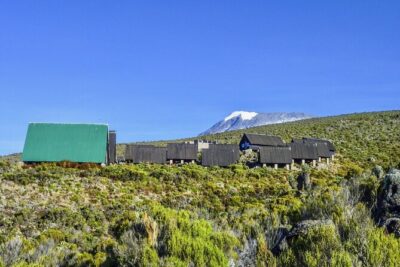
Mount Kilimanjaro Day Hike Through Marangu Route to Mandara Hut
Read our review →
Marangu waterfall & Coffee making Cultural Tour | BURIGI CHATO SAFARIS CO LTD
Read our review →
Climb Kilimanjaro – Marangu Route 8 Day Program
Read our review →Browse the lists this tour appears in