
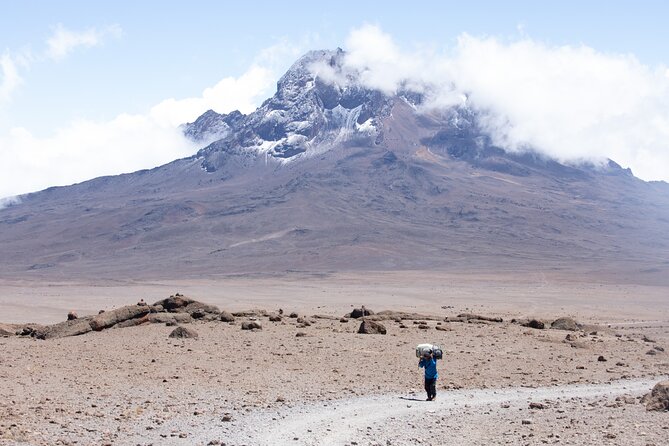
Reviewed · MARANGU ROUTE CLIMBS
Climbing Kilimanjaro – Marangu Route
Africa’s highest summit demands respect. This five-day Marangu Route trek gives you a guided, organized way to reach Uhuru Peak without tackling one of Kilimanjaro’s longer approaches. I like the simple route structure and the fact that meals, park fees, mountain crew, rescue fees, airport transfers, and Moshi hotel nights are bundled into the price.
I also like the steady change in scenery, from wet rainforest and colobus monkeys to open moorland, volcanic saddle, and the icy crater rim. The drawback is important: Marangu may be the shortest and easiest route technically, but altitude makes it very hard, especially because the standard plan reaches the summit after only a few nights on the mountain.
In This Review
- Key points to know before booking
- What you are really signing up for on Marangu
- From Moshi to the Marangu Gate on day one
- Mandara Huts to Horombo and the first altitude warning
- The high saddle between Mawenzi and Kibo
- The 1 AM summit push to Uhuru Peak
- The long walk back through the forest
- Food, huts, crew, and daily comfort
- What to pack and what the price leaves out
- Who should choose this Kilimanjaro climb?
- Is the $2,004.11 price good value?
- Should you book the Marangu Route with Zara Tours?
- FAQ
- How long does the Marangu Route experience last?
- Where does the climb begin?
- What time does the first hiking day begin?
- Is airport pickup included?
- Are meals included?
- Are sleeping bags included?
- Is accommodation included in Moshi?
- How large can the group be?
- Can I cancel for a full refund?
Key points to know before booking
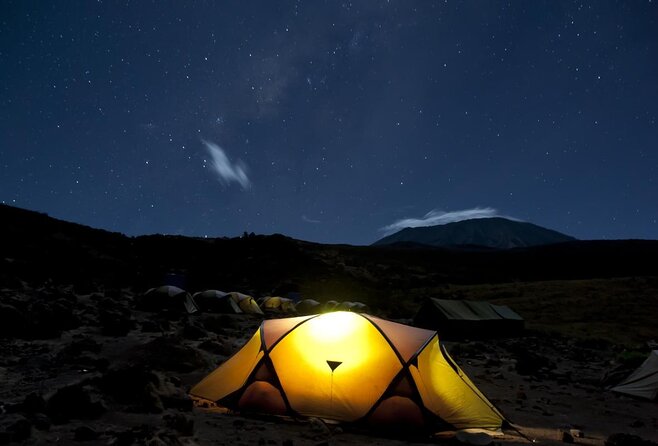
- The summit night begins at 1 AM, with a midnight wake-up and a light breakfast before the steep climb toward Gilman’s Point and Uhuru Peak.
- Marangu uses mountain huts along the route, with basic sleeping arrangements and running water available at Horombo, but not at Kibo.
- A sixth day can improve acclimatization, usually by adding a rest or short climbing day at Horombo Huts.
- The tour includes a full mountain support team, including guides, porters, a cook, and a waiter, plus meals and boiled water.
- The rainforest can be wet and muddy, so gaiters, trekking poles, rain gear, and warm layers are practical from the first morning.
- The group size can reach 15 people, which keeps the price reasonable but may feel less personal than a private climb.
What you are really signing up for on Marangu
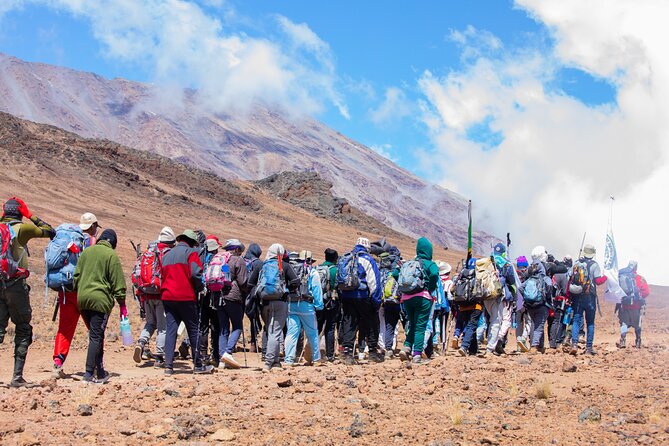
This is not a casual walk with a dramatic photo at the end. Kilimanjaro rises to 5,895 meters, and your body has to cope with thin air even though the route itself does not require technical climbing skills.
The Marangu Route approaches the summit from the mountain’s eastern side. It is often chosen by people who want a straightforward trail and hut accommodation instead of sleeping in tents every night. That convenience comes with a tradeoff: the route is short, so your body has less time to adjust to altitude.
The standard trip lasts about five days, though the itinerary also allows a six-day version. If you can afford the extra day, I would give it serious thought. The added time at Horombo can provide a useful pause before you continue to Kibo and the summit.
At $2,004.11 per person, the cost is not small, but it covers many expenses that quickly add up on Kilimanjaro. You get two nights at the Springlands Hotel in Moshi, national park and hut fees, crew salaries, food, boiled water, rescue fees, airport transfers, and basic mountain equipment such as foam sleeping pads, cooking gear, and eating utensils.
You still need to budget for tips, a sleeping bag, personal gear, travel insurance, visa fees, flights, drinks not listed, and any extra hotel nights. The price is strongest for someone who values having the logistics arranged in one package.
More Marangu Route climbs:
- Kilimanjaro climb, Marangu route (6-day)
★ 5.0 · 72 reviews - Kilimanjaro Climbing 5 days Marangu route
★ 5.0 · 22 reviews - Moshi: Kilimanjaro Climb Marangu Route Guided Tour
★ 4.3 · 6 reviews
From Moshi to the Marangu Gate on day one
The day begins with breakfast and a guide briefing before the drive from Moshi. The stated departure from Moshi is 9 AM, and the drive to Marangu Gate takes about 45 minutes. The meeting information also gives an 8 AM start at Kilimanjaro Airport, so confirm your exact pickup plan before arrival, especially if you are coming directly from a flight.
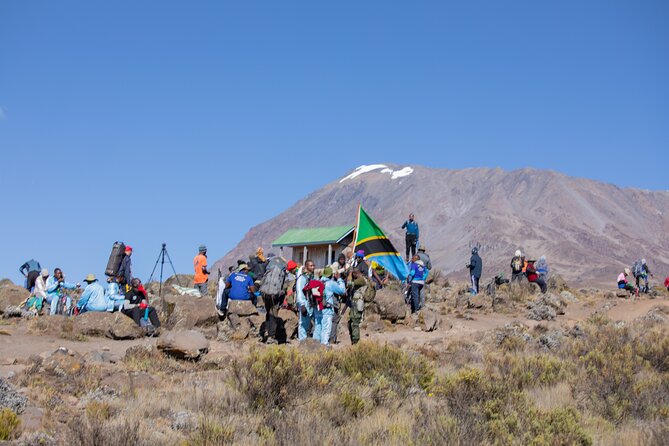
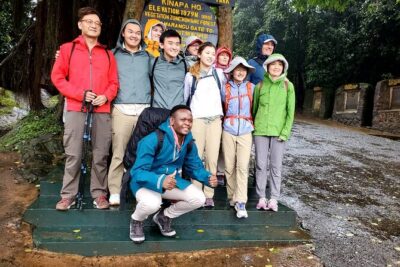
At the national park gate, you register and begin walking at about 10:30 AM. This first section passes through rainforest, where tall eucalyptus trees, birds, and colobus monkeys may appear along the route. The forest is a good reminder that Kilimanjaro is not simply a bare volcanic cone. The mountain changes dramatically as you climb.
Expect damp ground and possible mud at this altitude. Gaiters help keep wet soil out of your boots, while trekking poles make slippery sections easier. You may start in shorts and a T-shirt, but keep rain gear and warmer clothing within reach. Mountain weather can change quickly, and your daypack should not be buried in the luggage carried by the porters.
A lunch stop breaks up the first day. You should reach Mandara Huts around 2 or 3 PM, giving you time to unpack, rest, and have tea or coffee. The short walk to Maundi Crater is worth considering if you still have energy. It offers a wider view of the surroundings and a gentle introduction to the scenery beyond the forest.
The first day is listed at about eight hours, though the walking portion and breaks can vary. Do not treat the early finish as a reason to rush. Save energy, drink regularly, and use the afternoon to organize your sleeping bag and clothing for the next morning.
Mandara Huts to Horombo and the first altitude warning
Day two starts with breakfast at 7:30 AM. You pack, leave camp around 8:30 AM, and spend roughly an hour moving through rainforest openings before the vegetation shifts to heathland.
This is one of the most interesting parts of the route. Giant lobelias and groundsels replace the taller forest plants, and then the trail opens into moorland with low shrubs. The mountain feels bigger here because the trees no longer block your views.
A lunch stop provides views toward Mawenzi, Kilimanjaro’s sharply shaped second summit. By about 3 PM, you reach Horombo Huts, where Kibo’s summit comes into view. Bathrooms with running water are available here, a useful comfort after the first two nights on the mountain.
Horombo is also where altitude may begin to affect you. Headache, tiredness, poor sleep, and nausea can become serious concerns at elevation. The supplied plan wisely offers an extra day here, either for rest or for a climb toward a basecamp beneath Mawenzi’s sub-peak.
That extra day is not wasted time. It is the most sensible improvement you can make to the five-day schedule if your body, budget, and timing allow it. The standard itinerary is demanding because it moves upward quickly. A sixth day gives you more time to adjust before the summit push.
The high saddle between Mawenzi and Kibo
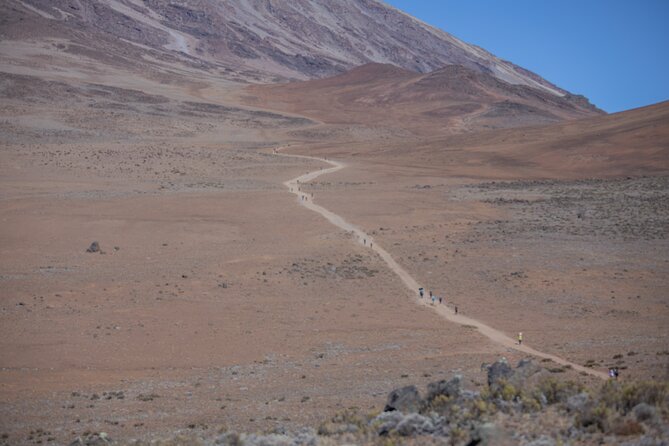
After breakfast on day three, you leave Horombo and climb through thinning heathland. The vegetation gradually gives way to a stark, almost lunar setting as you cross the broad saddle between Mawenzi and Kibo.
This section can feel exposed and empty compared with the forest below. You will see the two major volcanic cones and get a clear sense of the scale of the mountain. At lunch, take the chance to look toward the summit route. You are not yet climbing the steep final slopes, but you can study the challenge waiting for you.
The saddle is larger than many people expect. It can seem like a long, open crossing, and altitude may make the distance feel greater than it appears. Walk slowly, follow your guide’s pace, and do not try to prove anything by moving ahead.
Kibo Huts are the final overnight stop before the summit. There is no running water here, so fill your bottles earlier and organize your hygiene supplies accordingly. Conditions are basic, and you should expect little distraction beyond eating, resting, and preparing for the midnight wake-up.
This is a good evening to lay out every item you need for the summit: warm layers, gloves, hat, headlamp, water, snacks, and camera. Keep the next morning’s clothing close at hand. At 1 AM, you will not want to search through a duffel bag in the dark.
A few more options to weigh up in Moshi
- Kilimanjaro climb by Lemosho Route (7-day)
★ 5.0 · 651 reviews - Safari Serengeti And Ngorongoro
★ 5.0 · 288 reviews - Kilimanjaro climb, Machame Route (7-day)
★ 5.0 · 262 reviews - Kilimanjaro Climbing Lemosho Route 8 Days.
★ 5.0 · 186 reviews
The 1 AM summit push to Uhuru Peak
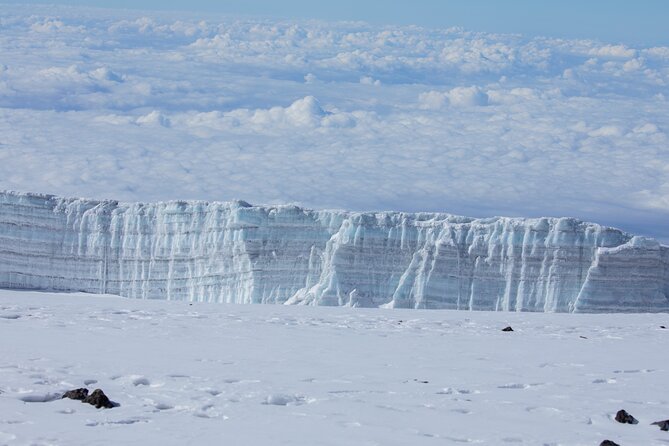
Summit night is the hardest part of the climb. You wake around midnight, eat a light breakfast, and leave at approximately 1 AM.
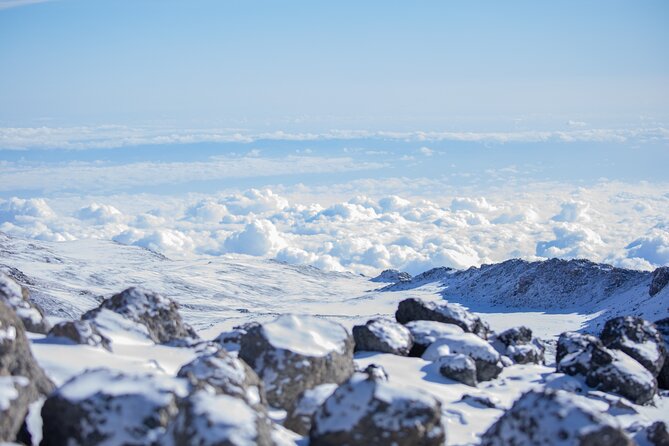
The route climbs steep switchbacks over scree, with possible snow depending on conditions. You move slowly in darkness, often taking short steps to conserve energy. The goal is to reach Gilman’s Point on the crater rim between 5 and 7 AM, at an elevation of 5,861 meters.
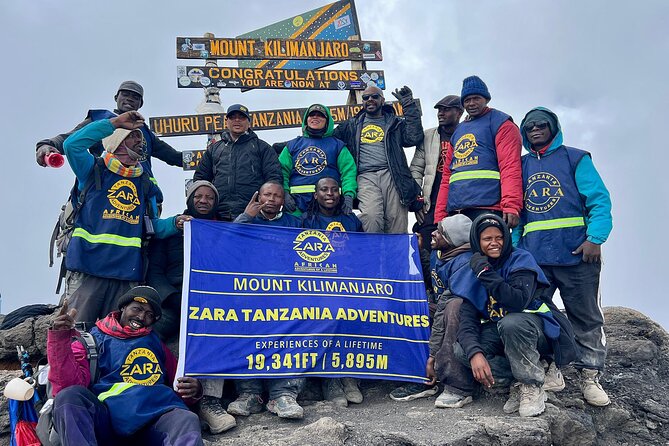
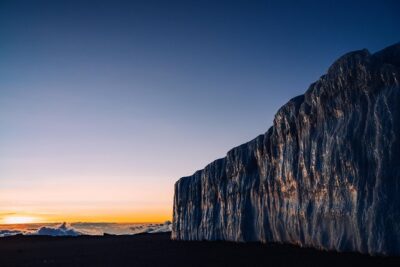
Reaching Gilman’s Point is a major achievement, but it is not the true summit. From there, the itinerary allows about two more hours along the crater rim toward Uhuru Peak. The crater and ice fields provide the dramatic reward, and the plan aims to reach Africa’s highest point around 9 AM.
The timing is designed to put you near the summit after sunrise, when visibility may improve and photographs become possible. Still, weather, pace, altitude, and individual fitness can change the schedule. Your guide’s judgment matters greatly here.
The supplied equipment includes pulse oximeters and a first aid kit, while national park rescue fees are covered. Emergency oxygen is not included, so ask the operator about its availability and cost before you start. More important, take altitude symptoms seriously. The itinerary itself tells you to watch for signs of altitude sickness, and this is not a detail to shrug off.
After the summit, you descend to Kibo Huts for a rest before continuing down toward Horombo. The descent is long and tiring. Your legs may feel better once you lose elevation, but the loose volcanic ground can still punish tired knees and ankles.
The long walk back through the forest
Day five begins with packing and a descent through the moorland to Mandara Huts. You have lunch there before continuing down through the rainforest to the park gate.
The return walk gives you a different view of the route. Plants appear taller, air feels thicker, and the forest becomes more humid as you lose altitude. After the stark summit zone, the greenery can feel almost overwhelming.
You should reach the gate around 2 or 3 PM. This is where you say goodbye to the guides, cooks, porters, and waiter who supported the climb. Tips are not included, so bring enough Tanzanian shillings or another agreed form of payment and ask the operator for current tipping guidance before departure.
A vehicle returns you to Springlands Hotel in Moshi. The included hotel night is well placed for a shower, a proper bed, and a celebratory meal. The company can also arrange extra activities around Moshi and the Kilimanjaro area, including waterfall tours and cultural village visits, but these cost extra.
Food, huts, crew, and daily comfort
All mountain breakfasts, lunches, and dinners are included. The food has been praised as decent and sufficient, which is the right expectation for a high-altitude trek. You are not booking a culinary holiday, but reliable warm meals matter when your appetite and energy are under pressure.
Boiled water is included on the mountain. You should still bring suitable bottles or a hydration system, since water access changes as you climb. At Kibo, there is no running water, so plan ahead.
The package includes qualified guides, porters, a cook, and a waiter, along with their mountain entry fees, accommodation, and salaries. The strongest praise connected with this operator centers on supportive staff, helpful guides, good service, and porters who keep luggage moving on time.
Specific guides named in positive feedback include Gilbert Kasaba, Charles, Living, Ambrose, Eddie, and Felix, though the exact team for your departure may be different. Ask for the names of your guide team during the briefing. A good guide should explain the pace, monitor your condition, and tell you clearly when a change of plan is safest.
Hut accommodation is basic. You should not expect hotel comforts on the mountain, and the supplied information confirms that some facilities are limited. The five-day schedule is physically demanding, so comfort comes less from the huts than from the crew, meals, warm clothing, and a sensible pace.
What to pack and what the price leaves out
Your largest extra expense may be equipment. Sleeping bags are not included, and some mountain equipment can be rented. Ask for the rental price list before you arrive so you can compare rental costs with bringing your own gear.
At minimum, plan carefully for:
- A warm sleeping bag suitable for high mountain conditions
- Waterproof hiking boots and spare socks
- Rain gear and gaiters for the forest
- Warm layers, gloves, and a hat for summit night
- Trekking poles
- A headlamp for the 1 AM start
- Water bottles and personal snacks
- Personal toiletries and medication
- Travel insurance and required visa documents
Do not pack only for the warm lower slopes. The first morning may be mild, but Kibo is a different world. Your summit clothing must be accessible, dry, and ready before you sleep.
The price also excludes flights, visas, insurance, personal expenses, unspecified meals and drinks, emergency oxygen, extra hotel nights, and single-room supplements at Springlands Hotel. The one-person rate is noted as an exception to the single-room supplement.
Who should choose this Kilimanjaro climb?
I would recommend this experience to a person with moderate physical fitness who wants a guided route with organized support and hut accommodation. It suits nature lovers and adventure seekers who prefer a clear schedule, included meals, and a crew handling many practical tasks.
It is less suitable for anyone expecting an easy sightseeing walk. The word easiest can mislead you. Marangu is the shortest and least technically demanding route in this package, but the summit night remains steep, cold, dark, and physically draining.
If you have flexibility, choose the six-day option and use the additional time at Horombo for acclimatization. If you are traveling on a tight schedule, the five-day version is possible, but it leaves less margin for altitude problems and fatigue.
The maximum group size is 15. That is large enough to keep the rate reasonable and provide company, but it may mean less one-to-one attention than a private climb. Ask about the expected group size and guide-to-climber ratio before paying.
Is the $2,004.11 price good value?
The price is fair for a packaged Kilimanjaro climb because so many major costs are included. Park fees, hut fees, rescue fees, airport transfers, two Moshi hotel nights, food, mountain crew salaries, boiled water, and basic camp equipment would be difficult and expensive to arrange separately.
The value depends on how much gear you already own and how many extras you need. Sleeping bag rental, tips, insurance, visa fees, and transport outside the stated airport transfers can add a noticeable amount.
I would not choose this trip solely because it is cheap or because Marangu is called easy. I would choose it because the operator provides a full support team and a simple route plan, then improve the odds of success by adding the acclimatization day.
Cancellation is free when you cancel at least 24 hours before the local start time. Cancellations or changes made later are not accepted for a refund, so check your flight schedule and insurance before the deadline.
Should you book the Marangu Route with Zara Tours?
Book it if you want a structured Kilimanjaro climb with meals, huts, guides, porters, hotel nights, and airport transfers arranged in advance. The strongest reasons are the supportive crew, included mountain services, clear five-day plan, and option to add a sixth day.
Think twice if your fitness is low, you dislike basic accommodation, or you need a slow schedule but cannot add the extra acclimatization day. Before booking, confirm the pickup time, exact guide team, equipment rental costs, tipping expectations, emergency oxygen arrangements, and whether the six-day version is available at your chosen price.
For the right person, this is a serious but manageable route to Uhuru Peak. Come prepared, walk slowly, respect the altitude, and treat the summit as a bonus rather than a guarantee.
FAQ
How long does the Marangu Route experience last?
The standard climb lasts approximately five days. A six-day version is also available, with extra time intended for rest or acclimatization at Horombo Huts.
Where does the climb begin?
The climb begins at Marangu Gate on the eastern side of Mount Kilimanjaro, after a drive of about 45 minutes from Moshi.
What time does the first hiking day begin?
The itinerary states that you leave Moshi at 9 AM, arrive at the gate after the drive, register with the national park, and begin hiking at about 10:30 AM.
Is airport pickup included?
Yes. Airport transfers from Kilimanjaro International Airport are included. The meeting information lists Kilimanjaro Airport as the starting point with an 8 AM start time, so confirm the exact pickup details when booking.
Are meals included?
Yes. Breakfast, lunch, and dinner are included on the mountain. The package lists five breakfasts, five lunches, and five dinners.
Are sleeping bags included?
No. Mountain equipment such as sleeping bags is not included. Some equipment is available to rent, and rental prices should be confirmed before the climb.
Is accommodation included in Moshi?
Yes. Two nights at Springlands Hotel in Moshi are included, one before and one after the mountain climb. Extra nights and some single-room supplements cost more.
How large can the group be?
The maximum group size is 15 people.
Can I cancel for a full refund?
Yes, if you cancel at least 24 hours before the experience start time, based on local time. Cancellations or changes made less than 24 hours before the start are not accepted for a refund.
Just added in Moshi
- THE BEST 2 DAYS ON TREK – MARANGU ROUTE TOUR ADVENTURES★ 5.0 · 1 review
- Mount Kilimanjaro National Park Day Trip★ 5.0 · 7 reviews
- Mount Kilimanjaro Climbing in Tanzania Full-Day Trip★ 5.0 · 1 review
- Mount Kilimanjaro Day Hike – All-Inclusive, No Hidden Fees★ 4.0 · 7 reviews
- Mount Kilimanjaro Trekking Tour – Climb with Local Guides★ 5.0 · 1 review
- Mount Kilimanjaro: 7 Days Hike Lemosho Route★ 5.0 · 1 review
- Moshi:Chemka Hot Springs, Materuni Waterfalls & Coffee Tour★ 5.0 · 1 review
- Moshi Town: Walking Tour: Theme Urban lifestyle★ 3.1 · 4 reviews
Marangu Route Climbs, compared.
Private Full Day Hiking Experience to Marangu Route
Read our review →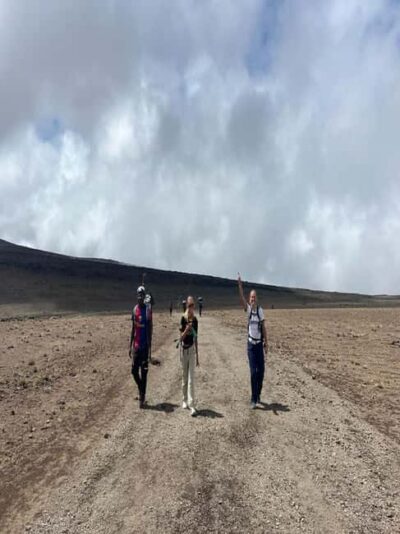
From Arusha/Moshi: Kilimanjaro Hike Marangu Route Day Trip
Read our review →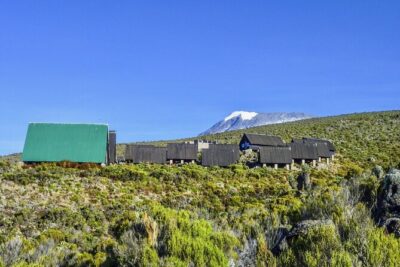
Mount Kilimanjaro Day Hike Through Marangu Route to Mandara Hut
Read our review →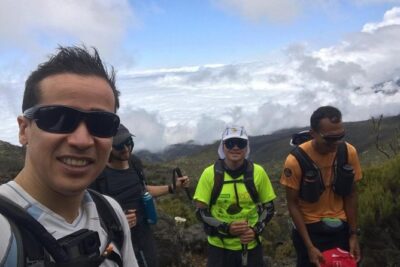
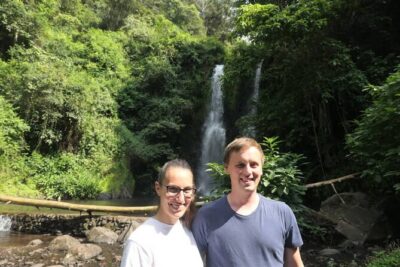
Marangu waterfall & Coffee making Cultural Tour | BURIGI CHATO SAFARIS CO LTD
Read our review →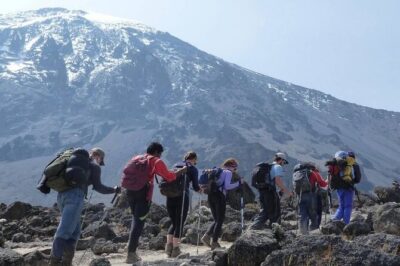
Climb Kilimanjaro – Marangu Route 8 Day Program
Read our review →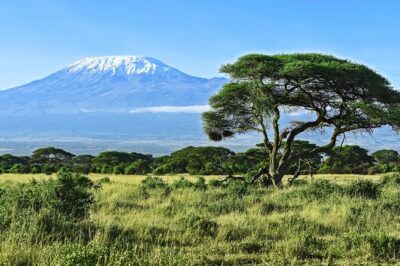
Private Tour to Marangu Waterfalls, Chagga Caves, Coffee tour & Hot Springs
Read our review →Browse the lists this tour appears in