
Reviewed · MARANGU ROUTE CLIMBS
Kilimanjaro climb, Marangu route (6-day)
The roof of Africa demands patience. This six-day Marangu Route climb gives you a guided path up Kilimanjaro, with hut accommodation, porters, cooks, park fees, airport transfers, and a full support crew included. You move from rainforest to high volcanic slopes and finally to the cold arctic desert near Uhuru Peak.
I like the strong safety setup, including Wilderness First Responder guides, medical checks, oxygen tanks, oximeters, and medical kits. I also like the practical comfort of huts, hot meals, drinks, and porters carrying group equipment. The main drawback is the pace: six climbing days leave less time to adjust to altitude than longer routes, and summit day is a demanding 12-hour effort.
Altezza Travel charges $2,902 per person for the approximately eight-day program from Moshi. That price covers a great deal, but you still need to budget for international flights, a visa, insurance, personal mountain gear, hotel lunches and dinners, and crew tips. The experience is best for you if you want a well-supported climb and prefer huts to camping.
In This Review
- What makes this Kilimanjaro climb different
- Arriving in Moshi and preparing at Aishi Machame Hotel
- Day 2: Marangu Gate to Mandara Hut through rainforest
- Day 3: Horombo Hut and the first acclimatization hike
- Day 4: A slower day at 3,720 meters
- Day 5: Horombo to Kibo Hut at 4,700 meters
- Day 6: The night climb to Uhuru Peak
- Day 7: The long walk out to Marangu Gate
- Meals, huts, porters, and the human support system
- Is $2,902 good value?
- What the strongest praise tells you
- Who should book this route?
- Should you book the six-day Marangu climb?
- FAQ
- How long does the full Kilimanjaro experience last?
- What altitude does Uhuru Peak reach?
- Are park fees included in the price?
- Are meals and drinks included?
- Can dietary requirements be accommodated?
- Is airport transportation included?
What makes this Kilimanjaro climb different
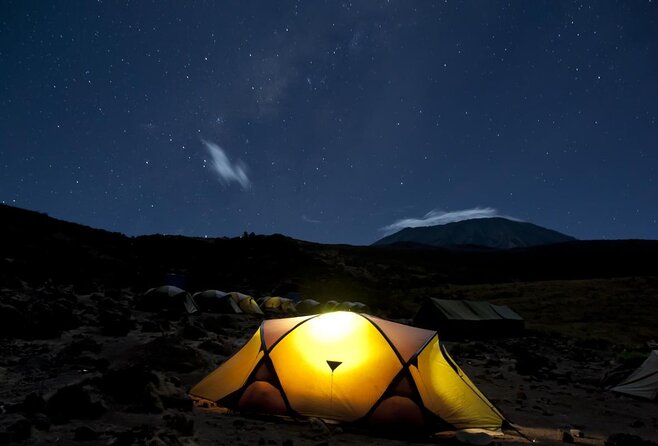
- Marangu uses mountain huts, with shared rooms holding 8 to 16 people under national park rules.
- The itinerary includes two acclimatization hikes from Horombo Hut before the climb to Kibo Hut.
- Uhuru Peak comes after a night departure, followed by a long descent to Horombo Hut on the same day.
- A pair of climbers receives close guide support, with guides monitoring stamina and mental focus during the summit push.
- Meals can be adapted for vegetarian, vegan, lactose-free, gluten-free, halal, and other dietary needs.
- The package includes airport transfers and two hotel nights, making the arrival and departure days simple.
Arriving in Moshi and preparing at Aishi Machame Hotel
Your trip begins with pickup at Kilimanjaro International Airport. An Altezza representative meets you at JRO and takes you to Aishi Machame Hotel, where two people share a room unless you pay extra for single accommodation.
The hotel stay is useful, not decorative. You get hot water, Internet access, a swimming pool, and a chance to sleep after your flight before heading uphill. Breakfast is included, but hotel lunch and dinner cost extra, with an average price of about $15 per meal.
That evening, the company holds a briefing. This is when you should ask direct questions about clothing, footwear, sleeping bags, altitude symptoms, luggage, and the next morning’s departure. The equipment check matters because personal gear is not included in the tour price, though some items are available for hire.
A small but useful detail: the final hotel checkout is at 11:00 AM. If your flight leaves in the evening, you can pay for a late checkout. Airport transfers are included both ways, so you do not need to arrange a separate taxi at the beginning or end.
More Kilimanjaro climbs:
- Kilimanjaro climb by Lemosho Route (7-day)
★ 5.0 · 651 reviews - Kilimanjaro climb, Machame Route (7-day)
★ 5.0 · 262 reviews - Kilimanjaro Climbing Lemosho Route 8 Days.
★ 5.0 · 186 reviews
Day 2: Marangu Gate to Mandara Hut through rainforest
The climb starts at Marangu Gate, on Kilimanjaro’s eastern side. The gate sits at 1,860 meters, and the day’s destination is Mandara Hut at 2,700 meters.
Before walking, the group completes permit formalities and registers with the search and rescue service. This administrative step can feel slow when you are eager to start, but it is part of the mountain’s safety system.
The first walking day passes through rainforest. This is one of the most pleasant sections of the route, with a gradual change from ordinary village surroundings to thick tropical vegetation. Rain is highly likely, so pack waterproof clothing where you can reach it quickly. Spare socks and a dry change of clothes are sensible choices.
The day lasts about seven hours. At Mandara Hut, the support crew handles camp needs and prepares dinner. The supplied information refers to the crew pitching tents in one part of the description, while the accommodation details specify huts on Kilimanjaro. Confirm the exact sleeping arrangement before departure, though Marangu is known here as the hut route.
Day 3: Horombo Hut and the first acclimatization hike
After breakfast, you walk from Mandara Hut to Horombo Hut, gaining more than 1,000 meters and reaching 3,720 meters. The planned walking time is about eight hours, so this is a proper mountain day rather than a gentle stroll.
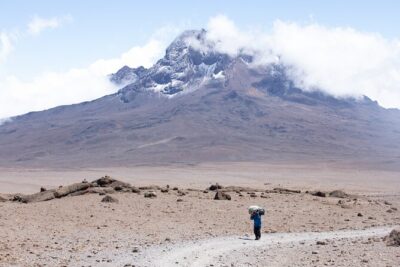
Horombo is one of the most memorable points on the route because you can see Kibo and Mawenzi, two of Kilimanjaro’s volcanic cones. The views open up as the rainforest gives way to higher, more exposed ground.
After lunch, you take an acclimatization hike toward Kibo Hut, gaining roughly 200 meters before returning to Horombo. This follows the useful mountain rule of walking high and sleeping lower. You do not sleep at the higher point, but your body gets a short test of the altitude.
Take this afternoon walk seriously, even though it is described as easy. Carry water, move slowly, and tell your guide if you develop a headache, nausea, unusual tiredness, or dizziness. The guides are there to watch your condition, not simply to lead the way.
Day 4: A slower day at 3,720 meters
Day four is designed around acclimatization rather than distance. You hike toward Kibo Hut and back, reaching a point around 4,500 meters. The hike covers about 5 to 8 kilometers and takes three to four hours.
This is valuable because the next two days take you much higher. You have time to walk, take photos of Mawenzi Volcano, eat lunch, and rest before the night departure for the summit.
Many people make the mistake of treating an acclimatization day as optional sightseeing. I would use it as a health check. If your body reacts badly to the higher point, you have a chance to report it before the Kibo Hut night and summit attempt.
The huts are a major advantage for anyone who dislikes tents or wants a more settled place to sleep. They are shared, not private, and the national park rules place 8 to 16 people in each hut. That means you should expect company, noise, and limited personal space.
More Marangu Route climbs:
- Climbing Kilimanjaro – Marangu Route
★ 5.0 · 65 reviews - Kilimanjaro Climbing 5 days Marangu route
★ 5.0 · 22 reviews - Moshi: Kilimanjaro Climb Marangu Route Guided Tour
★ 4.3 · 6 reviews - #1. Kilimanjaro 5-days hiking Marangu joining tour
★ 4.8 · 4 reviews
Day 5: Horombo to Kibo Hut at 4,700 meters
The walk to Kibo Hut covers about 10 kilometers and takes four to eight hours. Physically, the route is not presented as the hardest walking of the climb. The real challenge is the altitude and the need to conserve energy for the summit.
You gain about 980 meters from Horombo Hut to Kibo Hut, reaching 4,700 meters. The scenery becomes much barer here, and the air feels thinner. Your group should keep a steady pace rather than rushing early and fading later.
After lunch at Kibo, the plan is simple: drink, rest, and avoid strenuous activity. Sleeping may be difficult at this height, and the night departure means you will not have much time in bed. Keep your summit clothing, headlamp, water, and snacks ready before trying to sleep.
Three meals a day are included on the mountain, along with tea, coffee, juices, soda, and other drinks. The kitchen team is an important part of the climb. Good food will not remove the altitude, but it makes it easier to keep eating and drinking when your appetite drops.
Day 6: The night climb to Uhuru Peak
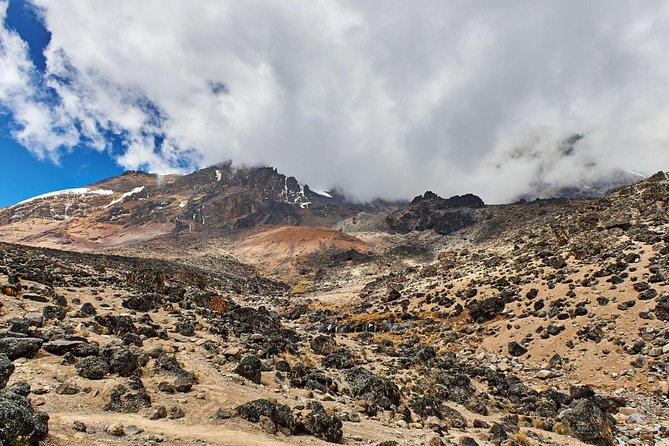
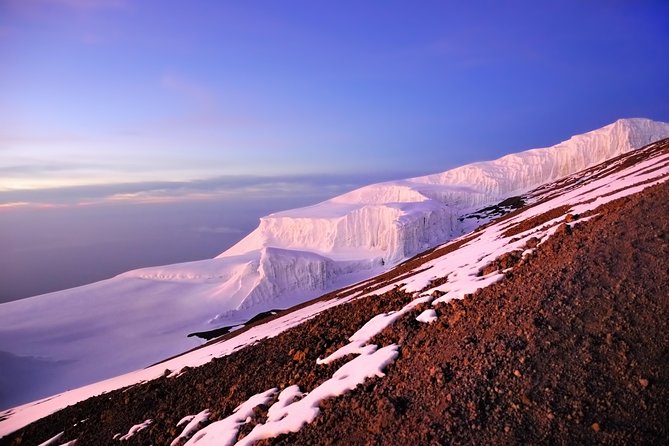
The summit attempt begins at night from Kibo Hut. You climb toward Uhuru Peak at 5,895 meters, the highest point on Kilimanjaro.
The itinerary describes the walking as moderate but makes clear that altitude is the serious issue. You need physical stamina, but you also need the mental patience to keep moving slowly in the dark and cold. Each pair of climbers is accompanied by its own guide during this section, with close attention to energy, condition, and resolve.
The safety provisions are reassuring without making the climb risk-free. Guides hold Wilderness First Responder certification, and the crew carries oxygen tanks, oximeters, and medical kits. Medical checkups are also part of the program. These tools support good decisions, but they do not replace suitable insurance or honest communication about how you feel.
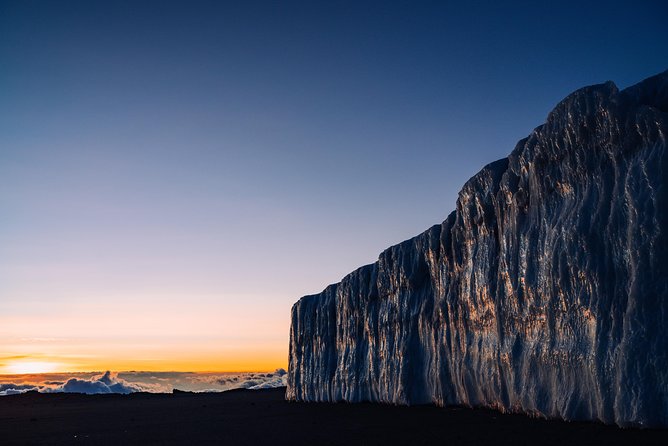
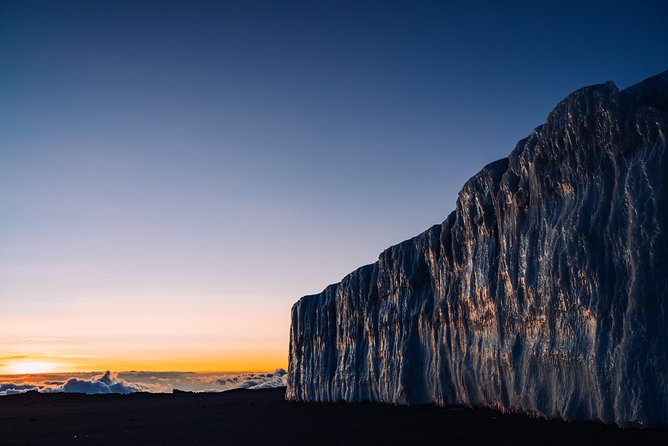
After reaching Uhuru Peak, you may descend to the nearest glacier if conditions and your guide allow. The plan then takes you back to Kibo Camp for about two hours of rest before continuing down to Horombo Hut.
This is the hardest day by far. Summit success is only half the work because the descent is long, tiring, and tough on the legs. The itinerary specifically warns that many accidents happen during descent, so do not rush the downhill section just because the summit photo is already in your camera.
The total day lasts about 12 hours. You need warm layers, reliable boots, gloves, a hat, water, and personal snacks. Since personal clothing and gear are not included, pack carefully or arrange rentals in advance.
Day 7: The long walk out to Marangu Gate
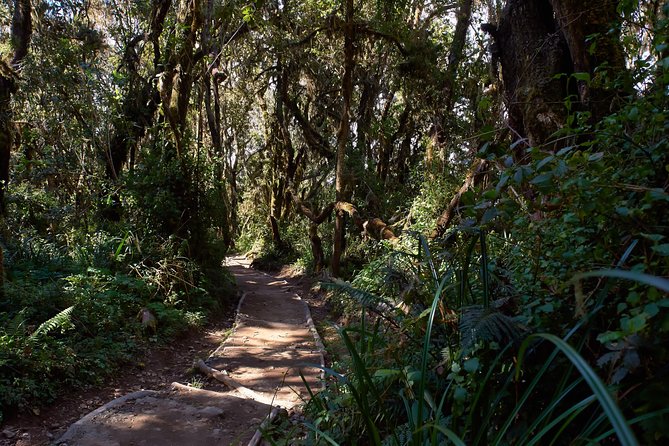
After breakfast at Horombo, you descend to Marangu Gate at 1,860 meters. The route covers about 18 kilometers and takes five to six hours.
The descent returns you to greener surroundings and thicker forest. It can feel easier because the air improves, but your knees and feet may disagree. Use trekking poles if you have them, shorten your steps, and keep enough water for the final hours.
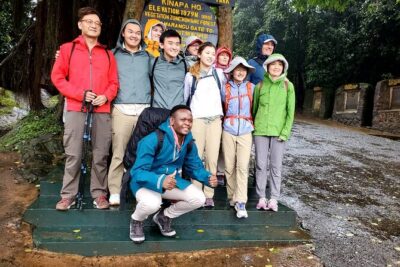
At the gate, the group gathers to celebrate. You can write in the guestbook, receive commemorative certificates at the company office, and transfer back to the hotel. The airport is not part of this same immediate transfer unless arranged according to the final schedule, so keeping the included hotel night is sensible.
Meals, huts, porters, and the human support system
The package includes five dinners, six lunches, and seven breakfasts, along with drinks on the mountain. The kitchen team prepares energy-rich meals with choices at each sitting, and the company lists support for several dietary plans.
Tell the operator about your food needs before you arrive. Vegetarian and vegan meals are specifically available, as are lactose-free, gluten-free, halal, and other options. One useful detail from the supplied experiences is that the food received especially warm praise, including strong support for vegetarian diets.
Porters carry equipment, while cooks handle meals and guides manage the route and your condition. This makes the climb possible without carrying the full load yourself. It also means you should think carefully about tipping. Tips are not included and are optional, based on your satisfaction.
The route is described as a group climb, while the additional information calls the activity private, meaning only your booked group participates. Ask how your party will be organized before paying if group size is important to you.
Is $2,902 good value?
At $2,902 per person, this is not a cheap holiday, but the price covers more than the walking itself. You receive:
- Airport pickup and drop-off at JRO
- Ground transportation
- Two hotel nights with breakfast
- Shared hut accommodation
- Kilimanjaro National Park fees
- Guides, porters, and cooks
- Group equipment such as sleeping mats, chairs, crockery, and cutlery
- Mountain meals and drinks
- Medical checks and safety equipment
The included park fees are significant because Kilimanjaro costs can rise quickly once permits, conservation charges, rescue registration, food, crew wages, and accommodation are added separately. Having these costs bundled makes the total easier to understand.
You still need to add airfare, visa fees, insurance, personal equipment, hotel lunches and dinners, and tips. Most nationalities pay $50 for a Tanzanian visa at JRO, while US passport holders pay $100. Insurance should specifically cover mountain trekking activities.
The value is strongest if you want a managed climb rather than a stripped-down trip. It is weaker if you already own all equipment, plan your own transfers, and prefer to arrange every service separately.
What the strongest praise tells you
The clearest pattern is the quality of the support team. Guides are repeatedly described as friendly, encouraging, professional, and attentive from the first hotel briefing through the airport transfer.
Several names appear in the supplied experiences, including Justin, Joseph, Rashid, Charles, and Richard Chande. Families especially praised Rashid and Charles for their care and humor, while other accounts singled out the guides for helping climbers stay focused during difficult sections.
The food also receives unusually strong praise for a mountain trip. One account highlights chef Victor’s cooking, while another describes the team adapting well to vegetarian needs. Small comforts such as hot water bottles, extra drinks, and help on the descent also made a difference.
A few personal touches appear as well, including birthday cake on the mountain, certificates after the climb, and commemorative medals. These details do not change the altitude or the weather, but they can make a demanding trip feel more personal.
The rating information shows 72 reviews, a five-star score, and 100 percent recommendation. That is a strong signal about organization and staff care, but it should not make you underestimate the six-day schedule. A well-run climb can improve your chances, not guarantee a summit.
Who should book this route?
I would choose this trip if you want the classic Marangu approach, prefer huts over tents, and value a large support system. It suits someone with moderate fitness who can handle long walking days and a night summit attempt.
It also fits families and private groups that want direct guide attention. The supplied experiences include a family with children aged 11 and 16, though age alone does not determine readiness. Your guide and medical condition matter more than enthusiasm.
I would think twice if you want a relaxed acclimatization schedule. Six climbing days move quickly, and the summit push follows only one night at Kibo Hut. A longer Kilimanjaro program may offer more time for your body to adjust, but this particular package is built around six days on the mountain.
Free cancellation is available if you cancel at least 24 hours before the local start time. Changes or cancellations inside that window are not accepted for a refund.
Should you book the six-day Marangu climb?
Book it if you want a carefully organized Kilimanjaro climb with hut accommodation, strong guide support, included park fees, and meals that can match several dietary needs. The airport transfers and hotel nights also remove much of the early planning work.
Do not book it simply because the summit can be reached in six days. You need moderate fitness, proper personal gear, trekking insurance, and the discipline to walk slowly, drink often, rest when told, and report altitude symptoms honestly.
For a first Kilimanjaro climb, Altezza Travel offers a reassuring structure and a support crew that receives consistent praise. The main question is not the quality of the logistics. It is whether you are comfortable with the short acclimatization schedule and the very long summit day.
FAQ
How long does the full Kilimanjaro experience last?
The program lasts approximately eight days, including arrival and departure hotel nights. Six days are spent climbing the Marangu Route.
What altitude does Uhuru Peak reach?
Uhuru Peak reaches 5,895 meters. The climb begins at Marangu Gate at 1,860 meters and includes overnight stops at Mandara, Horombo, and Kibo huts.
Are park fees included in the price?
Yes. All fees collected by Kilimanjaro National Park are included, along with search and rescue registration.
Are meals and drinks included?
Breakfast, lunch, dinner, and drinks on Kilimanjaro are included according to the stated meal schedule. Hotel lunches and dinners are not included.
Can dietary requirements be accommodated?
Yes. Vegetarian, vegan, lactose-free, gluten-free, halal, and other meal plans are available.
Is airport transportation included?
Yes. Pickup and drop-off at Kilimanjaro International Airport, along with ground transportation, are included.
Just added in Moshi
- THE BEST 2 DAYS ON TREK – MARANGU ROUTE TOUR ADVENTURES★ 5.0 · 1 review
- Mount Kilimanjaro National Park Day Trip★ 5.0 · 7 reviews
- Mount Kilimanjaro Climbing in Tanzania Full-Day Trip★ 5.0 · 1 review
- Mount Kilimanjaro Day Hike – All-Inclusive, No Hidden Fees★ 4.0 · 7 reviews
- Mount Kilimanjaro Trekking Tour – Climb with Local Guides★ 5.0 · 1 review
- Mount Kilimanjaro: 7 Days Hike Lemosho Route★ 5.0 · 1 review
- Moshi:Chemka Hot Springs, Materuni Waterfalls & Coffee Tour★ 5.0 · 1 review
- Moshi Town: Walking Tour: Theme Urban lifestyle★ 3.1 · 4 reviews
Marangu Route Climbs, compared.
Private Full Day Hiking Experience to Marangu Route
Read our review →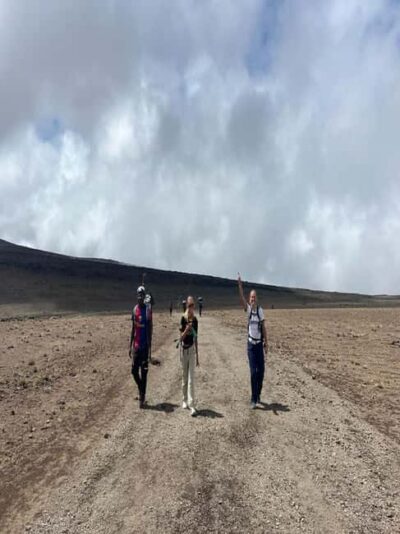
From Arusha/Moshi: Kilimanjaro Hike Marangu Route Day Trip
Read our review →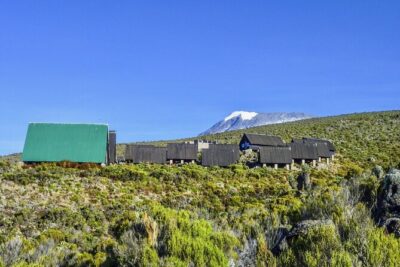
Mount Kilimanjaro Day Hike Through Marangu Route to Mandara Hut
Read our review →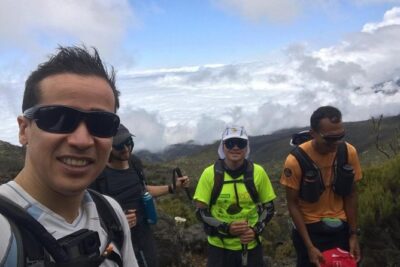
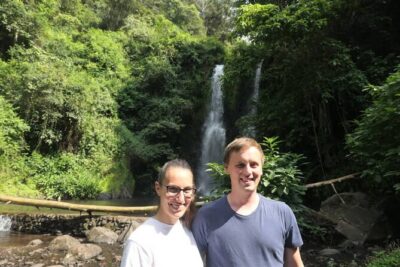
Marangu waterfall & Coffee making Cultural Tour | BURIGI CHATO SAFARIS CO LTD
Read our review →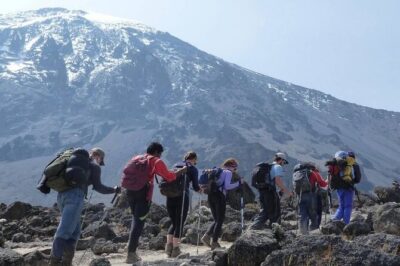
Climb Kilimanjaro – Marangu Route 8 Day Program
Read our review →
Private Tour to Marangu Waterfalls, Chagga Caves, Coffee tour & Hot Springs
Read our review →Browse the lists this tour appears in