
Reviewed · WILDEBEEST MIGRATION SAFARIS
7 Days Wildebeest Migration – Ndutu Calving Season
New life draws hungry predators. This seven-day private safari follows the wildebeest calving season around Ndutu, where an estimated 500,000 calves may be born in a short window. I like the strong wildlife focus and the smart route through Manyara, Ngorongoro, Ndutu, and Serengeti, giving you forest, crater, soda lake, and open grassland in one trip.
I also like that the price includes meals, bottled water, park costs, and Flying Doctor emergency evacuation. The main consideration is time on the road. Several days involve long drives, and the schedule is tightly packed, especially the final return to Arusha and Kilimanjaro International Airport.
The tour costs $4,004 per person and runs as a private activity for your own group. That is a serious price, but it covers a seven-day safari with varied parks, camp and lodge stays, a dedicated itinerary, and substantial transport. If you want a relaxed resort holiday, this is not it. If you want a focused chance to see calving and predator action, it makes good sense.
In This Review
- Key points before you book
- Why Ndutu calving season is worth planning around
- Day 1: Arusha gives you a soft landing
- Day 2: Manyara changes the scenery
- Day 3: Ngorongoro Crater packs wildlife into one great bowl
- Days 4 and 5: Two chances to catch Ndutu at its best
- Day 6: Serengeti widens the view
- Day 7: A long return to Arusha and the airport
- What the $4,004 price covers
- How the private format changes the experience
- Who should choose this safari?
- Booking details worth checking first
- Should you book the Ndutu safari?
- FAQ
- How long is the safari?
- Which parks and conservation areas are included?
- Is this a private tour?
- What is included in the price?
- Are guide tips included?
- When is wildebeest calving season around Ndutu?
- What happens if poor weather cancels the tour?
Key points before you book
- Ndutu is the main event: The calving season usually peaks around February and lasts roughly three weeks, though the wider season is associated with December through March.
- Predator action is possible: Young wildebeests attract lions, cheetahs, and hyenas, creating strong opportunities for dramatic wildlife photography.
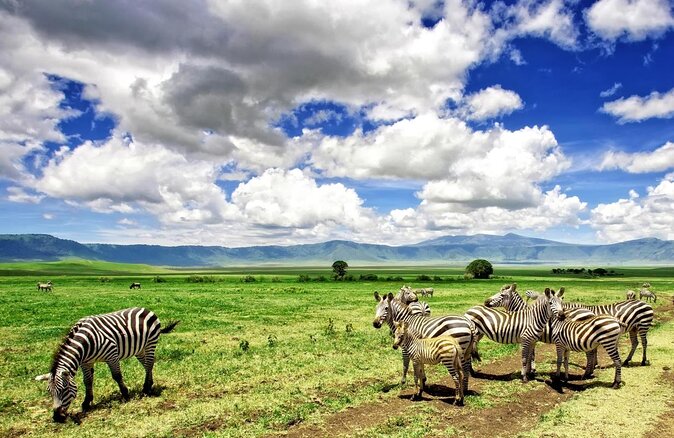
- Four very different settings: You move from Manyara’s groundwater forest to Ngorongoro Crater, Ndutu’s soda lakes and short grass plains, and Serengeti’s vast open spaces.
- Private travel matters: Only your group takes part, so the safari is not a large coach operation and may be better suited to photographers or families who want a shared pace.
- Meals and water are covered: Seven breakfasts, seven lunches, six dinners, and an unlimited supply of bottled mineral water are included.
- Expect full days: Day 2, Day 3, and the final transfer are listed at about 12 to 15 hours, so early starts and long drives are part of the deal.
Why Ndutu calving season is worth planning around
The appeal of this safari is timing. You are not simply visiting Tanzania and hoping to encounter wildlife. The route is built around one of the most active periods in the annual migration cycle.
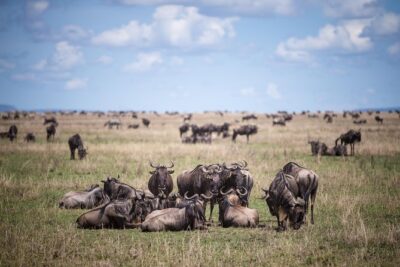
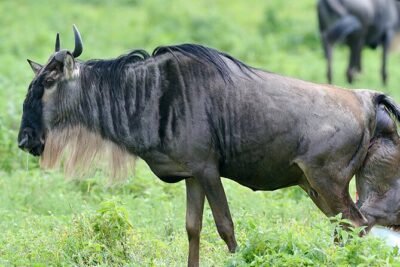
Around Ndutu, wildebeests gather on short grass plains and give birth in large numbers. A newborn calf can run within minutes, and within about three days it is strong enough to keep up with the herd. That rapid start is essential in a place where lions, cheetahs, and hyenas are also watching.
This creates a strange mix of tenderness and tension. You may see a calf staying close to its mother, then notice hyenas or big cats working the edges of the herd. Nothing is guaranteed, of course. Wildlife follows its own timetable, and a safari operator cannot promise a hunt or kill. But the concentration of animals gives you a better chance of seeing predator behavior than a general wildlife trip might offer.
The Ndutu area also gives you more than wildebeests. Elephants, birds, and resident game are common features of the program, while giraffes and buffalos may appear among the flat-topped acacias and broad grasslands. For photography, the mix of newborn animals, large herds, predators, and open views is the central attraction.
The timing needs careful attention. The plan identifies December through March as the period when many wildebeests are in the area, with the main calving burst normally around February. If calving is your priority, ask Gilmag Safaris to confirm the expected dates before paying. Nature does not use a wall calendar, and conditions can shift.
More migration safaris:
- Great Migration Safari In Tanzania
★ 5.0 · 71 reviews - 8 Days Great Wildebeest Migration – Mara River Crossing
★ 5.0 · 28 reviews - 6 Days Mara River Crossing – The Great Migration
★ 5.0 · 5 reviews
Day 1: Arusha gives you a soft landing
Your safari begins at Kilimanjaro International Airport. A Gilmag Safaris representative meets you after customs, provides a briefing, and transfers you about 60 kilometers to Mount Meru Hotel in Arusha.
This first night is useful rather than flashy. You have time to recover from the flight, sort your luggage, and hear how the next six days will work. Arusha sits close to many of northern Tanzania’s major attractions, and its comfortable climate makes it a practical base before the road portion begins.
The airport transfer and briefing also reduce the usual first-day confusion. You do not need to find your own way into town or guess where to meet the safari vehicle. That said, the day is listed at around 12 hours because it begins with your international arrival, so your actual rest time depends on your flight schedule.
Day 2: Manyara changes the scenery
After an early breakfast, you leave Arusha with a picnic lunch for Lake Manyara National Park, about 120 kilometers away. The park sits at the base of the Rift Valley escarpment and feels different from the dry open plains that come later.
Manyara’s groundwater forest is the star here. Dense green growth and shaded woodland provide a welcome change from the more open areas of the safari. Elephants are especially prominent, and they are one of the park’s reliable attractions.
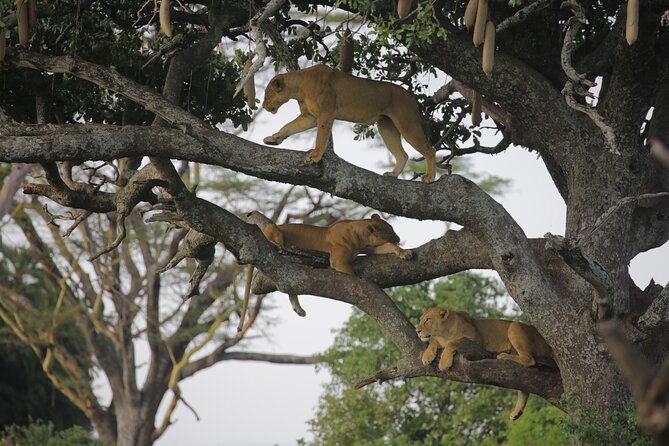
The park is also famous for tree-climbing lions, but you should keep your expectations sensible. The cats are not always easy to find, and the name of the park does not guarantee a lion in a tree. Your guide will be watching for them, but the real value of Manyara is the change in habitat and the chance to see elephants in a forest setting.
This is a long day, listed at about 15 hours including the drive and game viewing. After leaving the park, you continue to Karatu for dinner and overnight at Ngorongoro Coffee Lodge. The schedule gives you a useful first wildlife day, but it may feel tiring if you are still adjusting to international travel.
Day 3: Ngorongoro Crater packs wildlife into one great bowl
The drive continues toward the Ngorongoro Conservation Area. You descend more than 600 meters into Ngorongoro Crater for a full-day game drive, then climb back to the rim for the night at Ngorongoro Serena Safari Lodge.
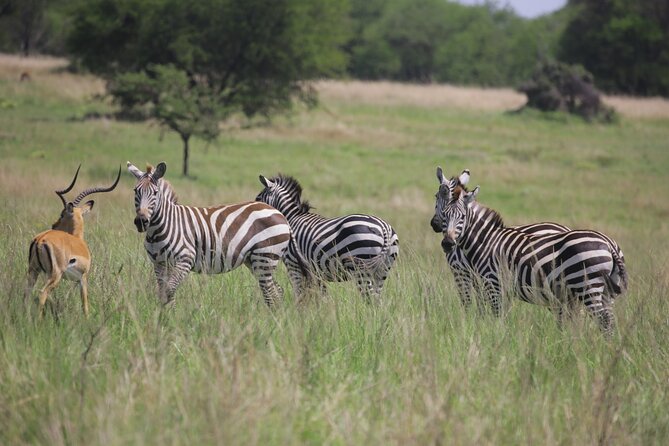
The crater is one of the strongest parts of this itinerary because its water and grazing areas support wildlife throughout the year. You may see wildebeests, zebras, buffalos, elands, warthogs, hippos, and large African elephants in a relatively contained setting.
Lake Magadi, a broad shallow alkaline lake in the crater’s southwest, is one of the day’s named features. It adds a different visual element and can attract animals, particularly when the surrounding grasslands are busy.
I like the overnight on the crater rim. It keeps you close to the next day’s route and gives the stop a strong sense of place. The tradeoff is another full day, listed at about 15 hours. You descend, spend the day among wildlife, ascend, and then settle in for dinner. This is rewarding but not leisurely.
Ngorongoro also serves as a useful contrast to Ndutu. The crater is enclosed and concentrated, while Ndutu opens into a wider ecosystem where the location of the herds matters much more.
A few more options to weigh up in Kilimanjaro
- 7 Days Kilimanjaro via Machame route affordable price
★ 5.0 · 110 reviews - Kilimanjaro Airport taxi to/from Moshi town/Arusha town
★ 5.0 · 60 reviews - 6 Days Tanzania Classic Safari
★ 5.0 · 52 reviews - 6 Days Climbing Mount Kilimanjaro Machame Route
★ 5.0 · 40 reviews
Days 4 and 5: Two chances to catch Ndutu at its best
After breakfast, you head to the Ndutu area, which sits in the Ngorongoro Conservation Area and forms part of the wider Serengeti ecosystem. You reach Sense of Wilderness Migration Camp in time for lunch, then head out for an afternoon game drive.
This first afternoon lets you get oriented. Ndutu includes swamps, woodlands, soda lakes, and short grass plains, so the setting can change quickly. Lake Ndutu is alkaline, like many Rift Valley lakes, and the water gives the area a distinctive character.
The real advantage is having two nights in the area. One afternoon alone can be unlucky. By staying through Day 5, you get a full day to search for herds, newborn calves, elephants, birds, and resident wildlife. That extra time matters more here than it would on a simple point-to-point park visit.
On Day 5, you spend the entire day game viewing around Ndutu. The great herds of wildebeests and zebras are the focus, with calving activity normally reaching its peak around February. The main calving period is said to last about three weeks, so your dates are critical.
A full day also gives your guide more room to respond to fresh sightings. If a group of vehicles gathers around a predator, you may have time to wait and watch rather than immediately leaving for the next scheduled stop. Since this is a private safari, you can discuss the pace with your guide, though park rules and wildlife conditions still set limits.
Sense of Wilderness Migration Camp provides dinner and accommodation on both Ndutu nights. The information supplied does not specify the exact tent style or room facilities, so ask for current camp details if comfort standards matter to you. The name suggests a mobile migration camp, which fits the location and season, but you should confirm the setup directly.
Day 6: Serengeti widens the view
After breakfast, you leave Ndutu with a picnic lunch and continue toward Serengeti National Park, enjoying game viewing along the way. Accommodation is at Tanzania Pure Tented Camp in Central Serengeti.
Serengeti is Tanzania’s largest and most famous park, covering 14,763 square kilometers of protected area and bordering Kenya’s Maasai Mara. The scale is the point. You move from the concentrated wildlife of the crater and calving grounds into far-reaching plains marked by acacia trees and stone kopjes.
Kopjes are rocky outcrops that provide shelter and vantage points for animals. They also break up the open grasslands visually, giving your guide more types of habitat to check. The wide views can make wildlife seem small, but that sense of space is part of the Serengeti experience.
This day is not only a transfer. Game viewing happens along the route, so the drive itself remains part of the safari. Still, you should understand the tradeoff. It is another day in a vehicle, and the time spent moving between areas means less time in one concentrated zone than you had at Ndutu.
Central Serengeti is a sensible finish because it places you within the park before the final journey back toward Arusha. Tanzania Pure Tented Camp gives you a final night in the safari setting rather than sending you straight to town.
Day 7: A long return to Arusha and the airport
After breakfast, you leave camp with a packed lunch and watch for game along the return route. The drive passes through the Ngorongoro Conservation Area before reaching Arusha in the evening, followed by drop-off at Kilimanjaro International Airport for your onward flight.
This is the least flexible day. It is listed at about 12 hours, and flight timing becomes important. You should give yourself a generous buffer before departure because road travel can take longer than expected. The itinerary promises an evening arrival, but it does not state a guaranteed airport arrival time.
The final game viewing can be a pleasant bonus, but do not treat it as a full safari day. The main task is getting you back to the airport. If you can choose your flight time, ask Gilmag Safaris to confirm that it fits the road schedule.
What the $4,004 price covers
At $4,004 per person, this is not a budget safari. The value comes from what is built into the package and from the private format.
Included are:
- Flying Doctor emergency evacuation
- All fees and taxes
- Unlimited bottled mineral water
- Seven breakfasts
- Seven lunches
- Six dinners
The itinerary also includes airport pickup, lodge and camp accommodation, safari transport, and entry arrangements for the listed parks and conservation areas. A private trip can cost more than a shared departure, but it gives your own group the vehicle and schedule rather than placing you with strangers.
The strongest value is the route design. Manyara, Ngorongoro, Ndutu, and Serengeti each offer a different reason to be there. You are paying for access to a specific seasonal event, not just a generic week of game drives.
There are still costs to plan for. Tips for guides are not included. International flights, visas, personal purchases, and anything not named in the inclusions should be confirmed with the operator before booking. The package lists seven lunches but only six dinners, which appears to match the arrival day without a listed dinner. Ask for a final meal plan so there are no surprises.
How the private format changes the experience
This is a private tour, and only your group participates. That matters most during the Ndutu days, when you may want to spend extra time observing a herd or waiting for a predator to move.
The private format can also help if your group has different interests. A photographer may want longer stops, while a family may need a more flexible pace. The description does not promise a specific vehicle model, but past strong feedback connected the company with clean, spacious safari vehicles and open jeep viewing. Confirm the vehicle setup if that is important for camera work or comfort.
Communication is another praised part of the operation. Mary and Vivian are names connected with trip planning, while guides including Nicholas, Nickson, Jimmy, and Gilbert have received especially warm attention. You are not guaranteed a particular person unless Gilmag confirms it, so request your preferred guide early if that matters.
The operator also offers mobile tickets and group discounts. Since the tour is already private, ask how the discount applies to your party size rather than assuming it is automatic.
Who should choose this safari?
I would recommend it most strongly to you if:
- You want your trip centered on the wildebeest calving season.
- You care about photography and predator behavior.
- You prefer a private vehicle and your own group’s pace.
- You want a mix of major northern Tanzania parks rather than one single reserve.
- You can handle early mornings, long drives, and full game-viewing days.
- You value having meals, water, park costs, and emergency evacuation arranged in advance.
It may not suit you if you want slow mornings, a resort-style holiday, or very little time in a vehicle. The program is ambitious. You cover a lot of ground in seven days, and the final airport transfer requires careful planning.
The tour also suits first-time safari visitors who want a broad introduction to northern Tanzania. You get the forest of Manyara, the enclosed wildlife setting of Ngorongoro, the seasonal drama of Ndutu, and the wide-open scale of Serengeti. That variety helps you understand how different habitats shape animal behavior.
Booking details worth checking first
Pickup begins at Kilimanjaro International Airport, and the activity ends back at the meeting point after the return transfer. Most people can participate, according to the supplied information, but the long vehicle days are worth considering if you have health or mobility concerns.
Confirmation is normally provided at booking. If you book within 12 hours of departure, confirmation comes as soon as possible and depends on availability.
The cancellation terms are strict close to departure. You can receive a full refund if you cancel at least six full days before the start time. A cancellation two to six full days ahead allows a 50 percent refund, while less than two full days means no refund. Any weather cancellation offers a different date or a full refund.
Should you book the Ndutu safari?
Book it if the calving season is your main reason for visiting Tanzania and you want a private, all-in-one route through the northern parks. The two nights around Ndutu are the strongest planning choice here, giving you more than a quick look at the herds.
The price is high, but the package includes a substantial amount of transport, food, park access, accommodation, and emergency support. I would ask three questions before committing: What exact dates give the best chance of calving? Who will be the guide? What vehicle and camp setup will be provided?
If the answers suit you, this is a focused safari with real seasonal purpose. If your dates fall outside the main February calving window, choose a different itinerary or adjust your expectations. The animals will still be there, but the newborn-wildebeest drama may not be.
FAQ
How long is the safari?
The safari lasts approximately seven days, beginning with pickup at Kilimanjaro International Airport and ending back at the meeting point after the return transfer.
Which parks and conservation areas are included?
The route includes Lake Manyara National Park, the Ngorongoro Conservation Area and Crater, the Ndutu area, and Serengeti National Park.
Is this a private tour?
Yes. Only your group participates in the activity.
What is included in the price?
The package includes Flying Doctor emergency evacuation, bottled mineral water, all fees and taxes, seven breakfasts, seven lunches, and six dinners.
Are guide tips included?
No. Tips for guides are not included in the stated price.
When is wildebeest calving season around Ndutu?
The wider Ndutu season is described as running around December through March, with the main calving period normally occurring around February and lasting about three weeks.
What happens if poor weather cancels the tour?
You will be offered a different date or a full refund if the experience is canceled because of poor weather.
Just added in Kilimanjaro
- Tanzania Wildlife Encounters – 6 Days★ 5.0 · 1 review
- Day Trip To Tarangire National Park★ 4.5 · 2 reviews
- Mount Kilimanjaro 7 Days – Machame Route★ 5.0 · 5 reviews
- 5 days Serengeti Wildebeest Migration Safari★ 5.0 · 3 reviews
- Mount Kilimanjaro 6 days – Machame route★ 4.0 · 5 reviews
- Marangu Cultural tour.★ 5.0 · 1 review
- Lemosho Route★ 5.0 · 21 reviews
- Airport Transfers at Kilimanjaro International Airport – JRO★ 5.0 · 2 reviews
Wildebeest Migration Safaris, compared.
8 Days Great Wildebeest Calving Migration Safari from Arusha
Read our review →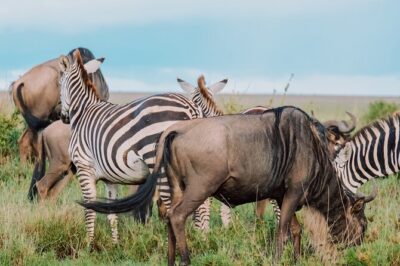
10-Day Serengeti Wildebeest Migration Safari from Arusha
Read our review →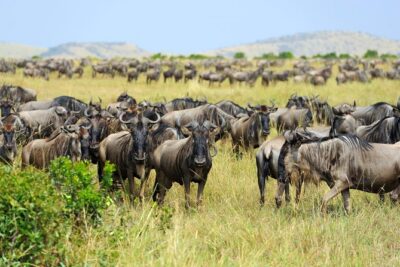
8 Day Spectacular Migration Serengeti mid -Range Tanzania Safari
Read our review →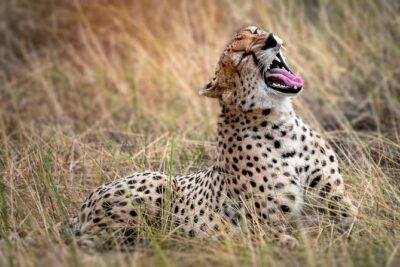
9-Day Serengeti Migration Footsteps Tanzania Safari
Read our review →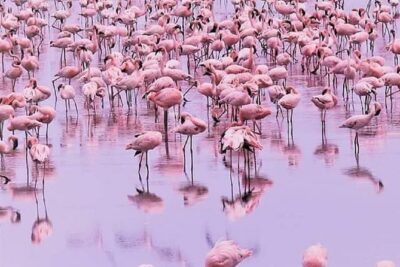
Private 6-Day Great Migration Ndutu Serengeti Safari Tour
Read our review →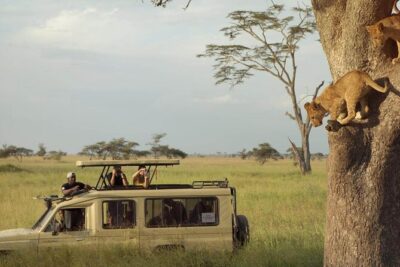
4 Day Great Migration Safari Serengeti & Ngorongoro Crater
Read our review →Browse the lists this tour appears in