
Reviewed · WILDEBEEST MIGRATION SAFARIS
8 Days Great Wildebeest Migration – Mara River Crossing
The river crossing is nature at full volume. This eight-day private safari combines the northern Tanzania parks with local culture, long game drives, full-board lodging, and a chance to watch wildebeest gather at the crocodile-filled Mara River. I especially like the private guide, which gives you more room to shape each game drive, and the clever route through Lake Manyara, Serengeti, northern Serengeti, Lobo, and Ngorongoro Crater. The main caution is simple: no operator can promise a crossing, even during migration season.
You will spend much of the trip in a safari vehicle, often leaving early and covering long distances on rough park roads. That is part of the bargain. In exchange, you get a strong mix of wildlife, scenery, local contact, and some of Tanzania’s best-known protected areas, all for $4,374 per person.
In This Review
- Key points to know before booking
- Arusha arrival: a useful first night
- Mto wa Mbu and Lake Manyara: culture before wildlife
- Entering Serengeti through the Ngorongoro Conservation Area
- Northern Serengeti and the Mara River crossing
- Two game drives along the Mara River
- Lobo: a different side of Serengeti
- Ngorongoro Crater: a compact wildlife finale
- Maasai village, Arusha, and the journey home
- What the $4,374 price includes
- Guiding and service: what to expect
- The main drawbacks to weigh
- Should you book this Tanzania safari?
- FAQ
- When does the Mara River crossing usually occur?
- Is this a private tour?
- Is airport pickup included?
- Are meals included?
- What wildlife might I see?
- What is the cancellation policy?
Key points to know before booking
- Mara River timing matters: The best stated window is July through mid-October, but the wildebeest decide when and where to cross.
- A private safari vehicle gives you flexibility: Only your own group participates, with a private guide rather than a large shared departure.
- The route covers several distinct wildlife zones: Lake Manyara, central and northern Serengeti, Lobo, and Ngorongoro Crater each offer something different.
- Cultural stops add human contact: You visit Mto wa Mbu, a Maasai village, a local market, and the Cultural Heritage Centre.
- The package covers the practical basics: Accommodation, seven breakfasts, seven dinners, eight lunches, bottled water, park fees, and emergency air rescue insurance are included.
- The price reflects a full safari package: At $4,374 per person, the value depends on the quality of guiding, accommodation, transport, and migration timing.
Arusha arrival: a useful first night
Your safari begins with airport pickup and a transfer to Kibo Palace Hotel in Arusha. The first day is mainly a landing day, with a briefing, dinner, and overnight stay. That is sensible after an international flight, since you do not want your first game drive competing with jet lag.
The schedule describes a full 12-hour arrival day, but that does not mean you will spend 12 hours touring. Your actual time will depend on your flight and airport arrival. Confirm the pickup details in advance, especially if you are arriving at Kilimanjaro International Airport rather than another airport in the Arusha area.
A private setup can make this first evening easier. You have one contact point for the transfer and safari briefing, rather than needing to find your way around Arusha before the trip begins.
More migration safaris:
- Great Migration Safari In Tanzania
★ 5.0 · 71 reviews - 6 Days Tanzania Budget Camping Safari with Migration
★ 5.0 · 31 reviews - Tanzania Safari – The Great Migration in the North of the Serengeti and Lake Natron
★ 5.0 · 25 reviews
Mto wa Mbu and Lake Manyara: culture before wildlife
Day two starts with a drive to Mto wa Mbu, a town near Lake Manyara. The guided village walk is one of the more appealing parts of the route because it breaks up the usual park routine. You can visit local homes, see banana and rice farms, meet people in the community, and taste traditional beer.
That local visit gives you a look at daily life beyond the safari lodges. It is also a good reminder that northern Tanzania is not simply a collection of parks and scenic viewpoints. Communities live around these protected areas, and the town visit adds context to the region.
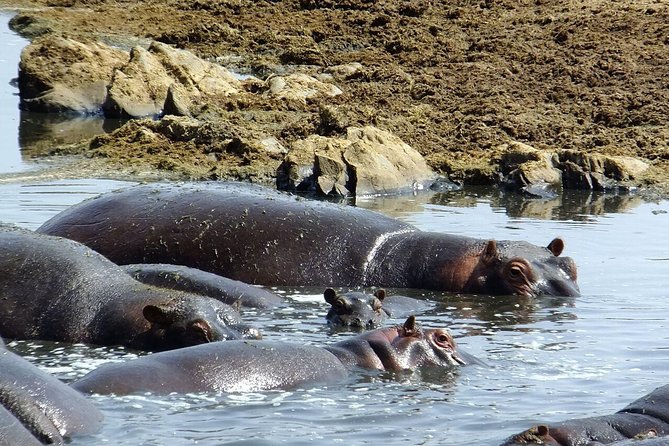
Afterward, you continue into Lake Manyara National Park for game viewing. The park can produce a varied first wildlife day, with elephants, giraffes, hippos, impalas, dik-dik, waterbucks, flamingos, and monkeys listed among the possible sightings. You may also encounter leopards and the park’s famous tree-climbing lions.
I like this stop because it offers variety rather than focusing only on one headline animal. The drawback is that the day combines a village walk, driving, and a game drive, so it can feel busy. You finish at Marera Valley Lodge in Karatu, a practical base for the next stage.
Entering Serengeti through the Ngorongoro Conservation Area
On day three, you drive toward Serengeti National Park through the Ngorongoro Conservation Area. You arrive in time for lunch at Hippo Trails Camp in central Serengeti, then head out for an afternoon game drive.
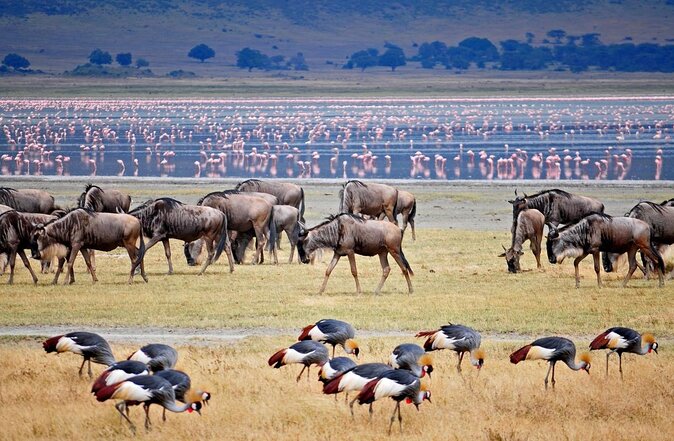
Central Serengeti is a strong all-purpose wildlife area. You could see elephants, giraffes, hippos, warthogs, gazelles, impalas, lions, leopards, cheetahs, and other species. The appeal here is the range of habitats and animals rather than one single event.
The afternoon timing is useful. After the road transfer, you still have a chance to see wildlife before returning to camp for a hot shower and dinner. That small comfort matters. Safari days can be dusty and tiring, so having a proper rest at the end of the day helps.
Accommodation is described as comfortable and full board. Still, you should ask for the exact camp category and room details before paying, since comfort can mean different things across safari operators. Hippo Trails Camp is used again later in the trip, which gives the route some continuity.
Northern Serengeti and the Mara River crossing
Day four is the turning point. You begin with an early morning game drive, return for breakfast, then leave with a packed lunch for northern Serengeti. The purpose is to reach the Mara River area during the period when wildebeest may be gathering to cross into Kenya’s Maasai Mara.
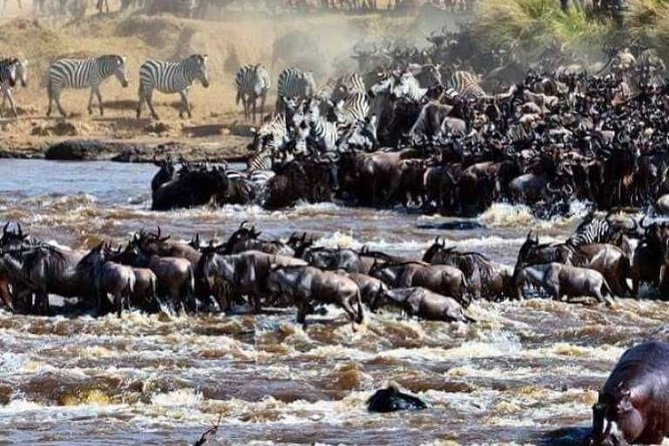
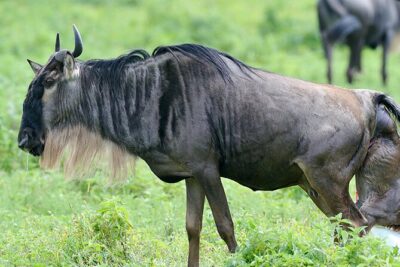
The crossing is dramatic because it is not a neat procession. Wildebeest may crowd the bank, hesitate, scatter, and return later. When they finally enter the water, crocodiles create a serious danger, and the current adds another. You may see a spectacular crossing, a tense gathering with no crossing, or ordinary wildlife activity along the river.
That uncertainty is not a flaw in the safari. It is the central fact of migration viewing. The itinerary uses strong language about the chance of seeing crossings, but you should treat the event as a possibility rather than a guarantee. Even a full day near the river cannot make the animals move.
You spend the night at Mara River Camp in northern Serengeti. The early departure and packed lunch are practical choices because they keep you in the wildlife zone instead of sending you back to camp at midday.
A few more options to weigh up in Moshi
- Kilimanjaro climb by Lemosho Route (7-day)
★ 5.0 · 651 reviews - Safari Serengeti And Ngorongoro
★ 5.0 · 288 reviews - Kilimanjaro climb, Machame Route (7-day)
★ 5.0 · 262 reviews - Kilimanjaro Climbing Lemosho Route 8 Days.
★ 5.0 · 186 reviews
Two game drives along the Mara River
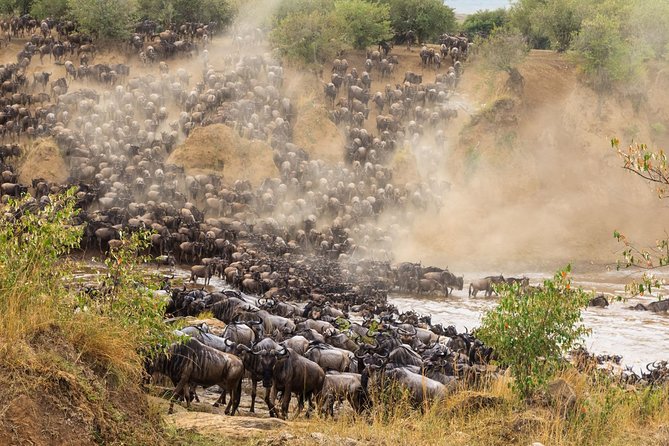
Day five gives you the best chance to focus on the river. There is a morning and afternoon game drive, with an early departure. The stated migration period runs from July to mid-October, when wildebeest may cross toward Kenya and later return to Serengeti.
The extra time here is valuable. One short stop at the river would be a gamble. Two drives give you more opportunities to watch the herds, study the riverbanks, and look for other wildlife in the area.
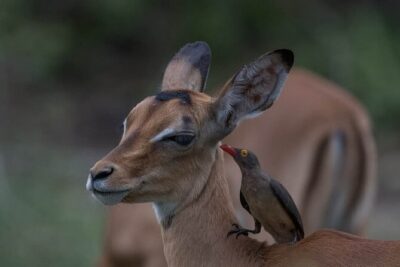
Northern Serengeti is not only about wildebeest. You may see big cats, elephants, giraffes, impalas, and hippos. The area is also presented as a good place to look for the endangered black rhino. Sightings are never assured, but the range of possible animals gives the day value even if the river remains quiet.
A private vehicle is especially useful here. You can discuss how long to wait at a promising river viewpoint, when to move on, and which animal sightings matter most to your group. A private guide does not control nature, but it can make the waiting more comfortable and personal.
Lobo: a different side of Serengeti
After breakfast on day six, you drive toward Lobo in the northeastern part of Serengeti for game viewing. The route then returns to central Serengeti for dinner and another night at Hippo Trails Camp.
Lobo is known on this itinerary for leopards, cheetahs, large lion prides, and klipspringer antelopes. The terrain around Lobo has a distinct feel from the river region, with rocky outcrops and open areas that can offer different animal sightings.
This day is also one of the trip’s longer transfer days. You are moving from northern Serengeti back toward the center, so expect plenty of time in the vehicle. That is the price of covering a large park in eight days. I would value this day more for the chance to see new wildlife zones than for relaxation.
If you enjoy cats, this is a strong addition. If you prefer a slow safari with minimal driving, the route may feel ambitious. Ask the operator how much time is normally spent on game viewing compared with road travel on this day.
Ngorongoro Crater: a compact wildlife finale
Day seven takes you from central Serengeti to Ngorongoro Crater with a packed lunch. You spend the day on the crater floor, where the enclosed setting can make wildlife viewing feel concentrated and rewarding.
Possible sightings include black rhinos, flamingos at Lake Magadi, Thomson’s and Grant’s gazelles, warthogs, hippos, zebras, waterbucks, hyenas, jackals, and lions. The crater is particularly useful late in the safari because it brings many types of wildlife into one day of viewing.
The crater floor is not a zoo, and sightings still depend on conditions and animal movement. But its enclosed geography gives you a strong chance to encounter a broad selection of species. Black rhino is a major draw, though you should keep expectations realistic.
You leave the crater in the evening and return to Marera Valley Lodge in Karatu. The ascent from the crater floor and the drive afterward make this another full day. Pack snacks if you need them, though lunch and bottled water are included.
Maasai village, Arusha, and the journey home
The final morning takes you back toward Arusha, with a stop at a traditional Maasai village. This is a fitting cultural close after the Mto wa Mbu village visit at the beginning. You then have a hot lunch in Arusha, time for the local Maasai market if you want souvenirs, and a visit to the Cultural Heritage Centre.
These final stops are useful if you want to buy crafts without carrying them through the whole safari. The Cultural Heritage Centre adds an art and cultural element, while the market gives you a chance to shop more casually. You can skip the shopping if your flight schedule is tight, but the itinerary includes both before airport transfer.
The listed final day lasts about six hours, but flight timing is important. The operator transfers you to Kilimanjaro International Airport, so confirm that your departure time leaves enough room for the drive, airport procedures, and any delays on the road.
What the $4,374 price includes
The $4,374 per-person price includes the core costs that can make a Tanzanian safari expensive:
- Accommodation as listed
- Park fees and other stated taxes
- Seven breakfasts
- Eight lunches
- Seven dinners
- Bottled drinking water
- Emergency air rescue insurance
- Airport pickup and transfers as arranged
That is a substantial amount of coverage for an eight-day private safari. You are not paying only for game drives. The price also supports transport across several parks, lodging, meals, guiding, and entry costs.
The value looks strongest if you want a private trip and plan to visit both the Mara River region and Ngorongoro Crater. A cheaper group safari may reduce the price, but it can also reduce flexibility. Here, you have only your own group in the vehicle, and group discounts may be available if you are traveling with several people.
You still need to budget for tips, visa costs, flights, laundry, travel insurance, and alcoholic or nonalcoholic drinks. Emergency air rescue insurance is included, but that is not a substitute for a full travel insurance policy. Ask what the emergency coverage includes before you rely on it.
Guiding and service: what to expect
The strongest praise connected with Gilmag Safaris focuses on planning, quick communication, timely pickups, accommodation, and guides who add humor and useful wildlife explanations. Mary is repeatedly singled out for careful trip planning and quick replies, while guides named Nickson, Chris, Gilbert, and Abu receive personal praise for their work on different safaris.
Nickson is specifically associated with a successful Mara River migration trip and with a good sense of humor. That detail matters because you will spend many hours beside your guide. A calm, observant guide can make long waits and slow wildlife days much more enjoyable.
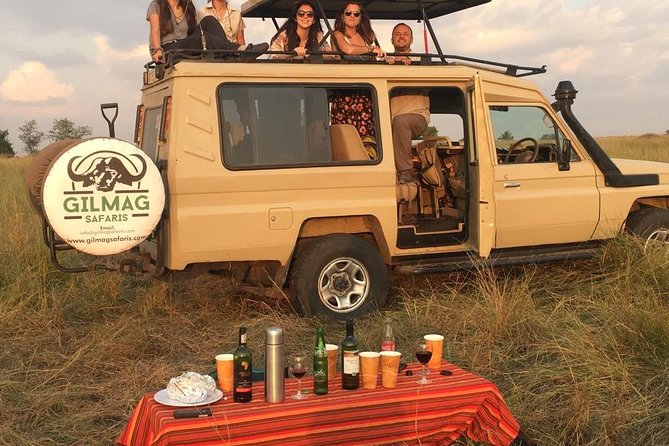
The private format should suit couples, families, and small groups with shared priorities. Most people can participate, and service animals are allowed. The published information does not give a vehicle model, room-by-room accommodation details, or a firm daily driving schedule, so ask those questions before booking.
The main drawbacks to weigh
The first concern is the crossing itself. The tour is built around the Mara River, but wildlife follows its own timetable. July through mid-October improves your odds, yet a crossing may happen before you arrive, after you leave, or at another section of the river.
The second concern is the pace. You cover a lot of ground, including the drive from central Serengeti to northern Serengeti, the return through Lobo, and the trip to Ngorongoro. You should be comfortable with early starts, packed lunches, dust, and long stretches in a safari vehicle.
The third is that the itinerary names comfortable camps and lodges but does not provide full accommodation specifications. If room size, private bathrooms, electricity, or camp style are important to you, request the exact properties and lodging standards in writing.
Cancellation terms are fairly strict close to departure. Cancel at least six full days before the start for a full refund. A cancellation two to six days before departure receives 50 percent, while cancellation less than two full days before the start receives no refund.
Should you book this Tanzania safari?
I would choose this trip if your priority is a serious attempt to see the wildebeest migration while also visiting several major northern Tanzania wildlife areas. The private guiding, two days focused on the Mara River, full-board arrangement, cultural stops, and strong praise for communication make it a practical choice for a first Tanzania safari.
I would hesitate if you need a relaxed schedule, dislike long drives, or require a guaranteed river crossing. No safari can provide that guarantee. But if you can accept uncertainty and want a broad, well-filled route with time in the right region during migration season, this tour offers solid value at $4,374 per person.
FAQ
When does the Mara River crossing usually occur?
The stated migration period for the Mara River is from July to mid-October. The exact crossing date and location cannot be guaranteed.
Is this a private tour?
Yes. Only your group participates, and the experience includes a private guide.
Is airport pickup included?
Pickup is offered, and the itinerary includes arrival transfer to Kibo Palace Hotel and departure transfer to Kilimanjaro International Airport.
Are meals included?
Yes. The package includes seven breakfasts, eight lunches, and seven dinners. Alcoholic and nonalcoholic drinks are not included.
What wildlife might I see?
Possible sightings include the Big Five, wildebeest, elephants, giraffes, hippos, cheetahs, leopards, lions, zebras, gazelles, hyenas, flamingos, warthogs, and black rhinos. Sightings are not guaranteed.
What is the cancellation policy?
You can receive a full refund if you cancel at least six full days before the start time. Cancellations two to six full days before departure receive a 50 percent refund. Cancellations less than two full days before departure are not refunded.
Just added in Moshi
- THE BEST 2 DAYS ON TREK – MARANGU ROUTE TOUR ADVENTURES★ 5.0 · 1 review
- Mount Kilimanjaro National Park Day Trip★ 5.0 · 7 reviews
- Mount Kilimanjaro Climbing in Tanzania Full-Day Trip★ 5.0 · 1 review
- Mount Kilimanjaro Day Hike – All-Inclusive, No Hidden Fees★ 4.0 · 7 reviews
- Mount Kilimanjaro Trekking Tour – Climb with Local Guides★ 5.0 · 1 review
- Mount Kilimanjaro: 7 Days Hike Lemosho Route★ 5.0 · 1 review
- Moshi:Chemka Hot Springs, Materuni Waterfalls & Coffee Tour★ 5.0 · 1 review
- Moshi Town: Walking Tour: Theme Urban lifestyle★ 3.1 · 4 reviews
Wildebeest Migration Safaris, compared.
8 Days Great Wildebeest Calving Migration Safari from Arusha
Read our review →
10-Day Serengeti Wildebeest Migration Safari from Arusha
Read our review →
8 Day Spectacular Migration Serengeti mid -Range Tanzania Safari
Read our review →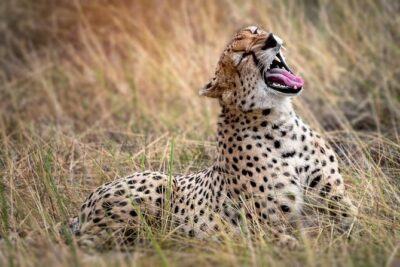
9-Day Serengeti Migration Footsteps Tanzania Safari
Read our review →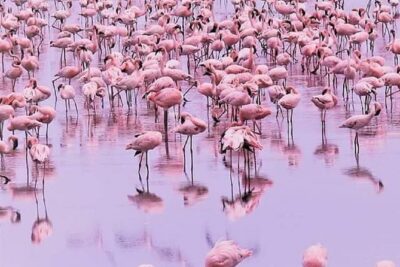
Private 6-Day Great Migration Ndutu Serengeti Safari Tour
Read our review →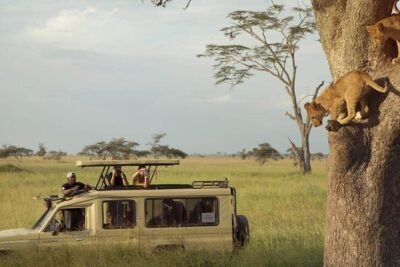
4 Day Great Migration Safari Serengeti & Ngorongoro Crater
Read our review →Browse the lists this tour appears in