
Reviewed · CITY TOURS
Ancient Bagamoyo City Day Tour
History comes alive along Tanzania’s coast. This private 10-hour tour from Dar es Salaam takes you through Bagamoyo’s Swahili, Arab, German colonial, missionary, and trading past. I like the way it combines major historical sites with a crocodile and reptile sanctuary, and I also like that lunch, snacks, bottled water, drinks, and admission fees are included. The main drawback is the long day: at $200 per person, this is a serious spend, especially if you are traveling alone.
The tour works best for people who want context rather than a quick photo stop. Guides such as Erick and Emmanuel have been praised for friendly, detailed explanations, while Jacqueline has helped guests choose Bagamoyo when weather disrupted other plans. You should also expect a full schedule, a 7:00 am start, and a coastal history lesson that includes slavery, trade, religion, architecture, and colonial rule.
In This Review
- Key points to know before booking
- Why Bagamoyo is worth a full day from Dar es Salaam
- Bagamoyo Museum: begin with the difficult chapters
- Kaole Ruins: older than Bagamoyo itself
- The Old Boma and Bagamoyo’s trading role
- The cathedral and places linked to David Livingstone
- A crocodile and reptile sanctuary for a change of pace
- Lunch, drinks, and the real value of $200
- What the guides add to the day
- Timing, comfort, and practical planning
- Who should book the Ancient Bagamoyo City Day Tour?
- FAQ
- How long does the Ancient Bagamoyo City Day Tour last?
- What time does the tour begin?
- Is pickup available?
- Is this a private tour?
- What is included in the price?
- Can I cancel the tour for a refund?
- Should you book it?
Key points to know before booking
- Bagamoyo Museum gives the day its historical backbone, with displays connected to the slave trade and the town’s former importance.
- Kaole Ruins reach farther back than colonial Bagamoyo, linking the area to an older Swahili settlement dating to the 8th century.
- The tour is private, so only your group participates and the pace can suit your interests.
- Lunch, snacks, water, alcoholic drinks, and entry tickets are included, which makes the $200 price easier to assess.
- The crocodile sanctuary changes the mood, adding a close-up wildlife stop after several hours of history.
- The schedule is weather-sensitive, with free cancellation up to 24 hours before departure and a refund or alternate date if poor weather cancels the tour.
Why Bagamoyo is worth a full day from Dar es Salaam
Bagamoyo is not simply an old coastal town. It is a place where several strands of East African history meet.
The town was founded toward the end of the 18th century, but it grew from Kaole, an older Swahili settlement dating to the 8th century. Later, Arab traders, European missionaries, German administrators, and merchants all shaped the town. That makes Bagamoyo useful for understanding how coastal East Africa changed over many centuries.
The town also became the capital of German East Africa. Its position on the Indian Ocean made it an important port for trade during the late 19th and early 20th centuries. You will see that past in customs buildings, religious sites, ruins, and museum collections rather than in one grand monument.
I like this kind of historical outing because it does not reduce Tanzania to safaris and beaches. Bagamoyo offers a different view of the country, one tied to the sea, Swahili culture, forced migration, colonial power, and religious change.
The journey takes about 10 hours in total, so this is not a casual afternoon excursion. The 7:00 am departure helps fit the main stops into one day, but you should be ready for an early start and a long return to Dar es Salaam.
A few more options to weigh up in Dar es Salaam
- Dar es Salaam: City Tour
★ 4.7 · 159 reviews - Dar es Salaam City Center: Walking Tour
★ 4.8 · 102 reviews - Dar es Salaam City Tour – Everyday
★ 5.0 · 64 reviews
Bagamoyo Museum: begin with the difficult chapters
The Bagamoyo Museum is scheduled for one hour, with admission included.
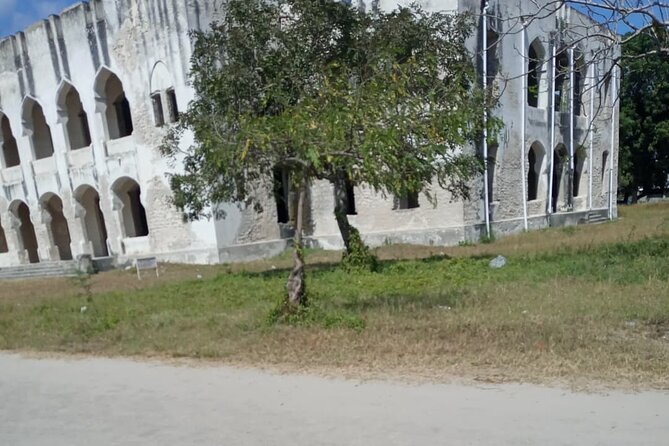
This is the place to begin because it gives the rest of the day a framework. The museum focuses on the slave trade and the history of Bagamoyo as an important former capital and port. That subject can be painful, but it is central to understanding the town’s role on the East African coast.
You may find that the museum changes how you view the later stops. The old Boma, the port area, and the religious buildings are not isolated curiosities. They belong to a wider story of movement, commerce, coercion, and political control.
The museum visit is also a good chance to ask your guide questions early. Erick has been praised for combining friendliness with clear explanations, and Emmanuel has been described as especially attentive to a group’s interest in history. If you want more than dates and names, tell your guide that from the start.
One limitation is the fixed one-hour slot. If you read every display carefully, you may want more time. The benefit of a private tour is that you can ask whether the schedule allows extra attention to subjects that matter most to you, though the listed plan still has several stops to cover.
Kaole Ruins: older than Bagamoyo itself
The Kaole Ruins receive another hour, and admission is included.
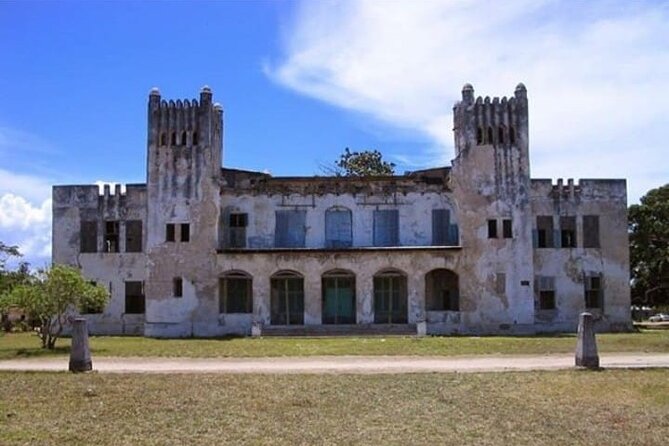
This stop reaches back before the better-known colonial story of Bagamoyo. Kaole was an older Swahili settlement, dating to the 8th century, and its remains help explain how coastal communities developed long before German rule.
The ruins are presented as evidence of progress in technology, culture, and trade. They also help explain the growth of other trading towns and the spread of Kiswahili along the East African coast. That makes Kaole especially useful if you want to understand Swahili culture as a product of long contact across the Indian Ocean.
I would pay close attention to the contrast between Kaole and the later sites. At Kaole, you are looking at the roots of a coastal society. In Bagamoyo itself, you see later layers added by Arab traders, missionaries, German administrators, and port commerce.
The site may feel more open and less polished than a formal museum. That is part of its appeal, but it also means your guide matters. Ask for help connecting the remains to everyday life, trade, language, and local culture. A good explanation turns old walls into a readable part of the town’s story.
The Old Boma and Bagamoyo’s trading role
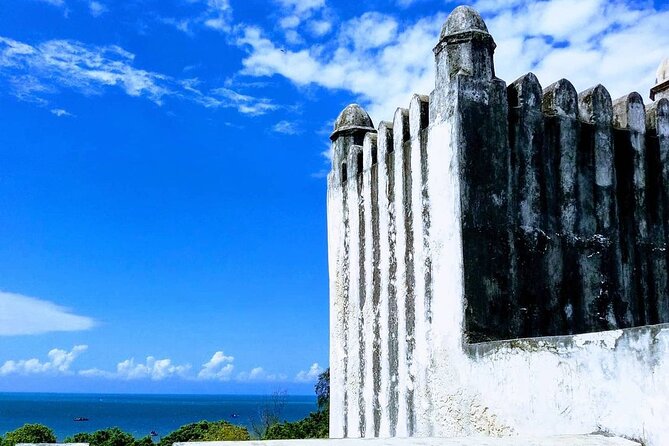
The Old Boma is a shorter stop, scheduled for about 30 minutes. Admission is included.
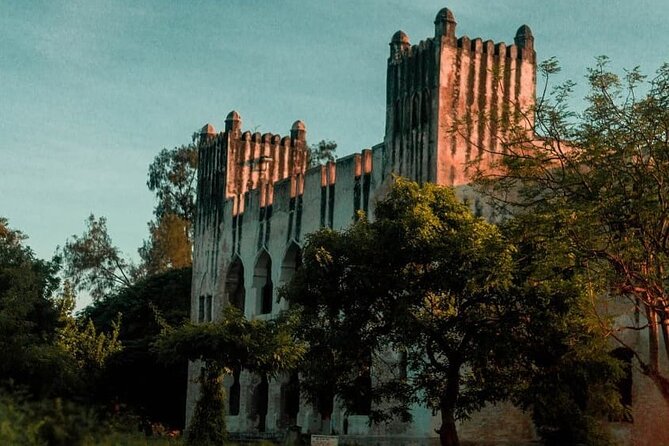
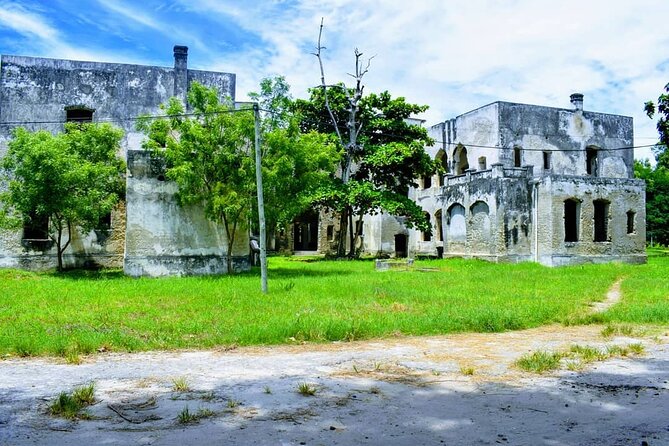
Located near the beach and close to the center of town, the building functioned as a customs point. Its location tells you plenty. Bagamoyo’s importance depended on its connection to the coast, and customs work was part of the system that regulated goods and port activity.
The Old Boma also shows why Bagamoyo mattered during the colonial era. It was not only a settlement with attractive old buildings. It was a strategic place where trade and administration met.
Thirty minutes is enough for an introduction and photographs, but not a long architectural study. If old buildings interest you, look beyond the walls themselves. Notice the setting near the beach and consider how the building fitted into the town’s commercial life.
The tour’s focus here is historical rather than leisurely. You should not expect a long beach break at this point, even though the Boma is close to the shore.
A different kind of day out entirely:
- MIKUMI NATIONAL PARK – 3 Days
★ 4.5 · 63 reviews - 2 nights 3 days safari to mikumi national park
★ 5.0 · 62 reviews - 2 Days 1 Night Mikumi National Park from Dar es salaam
★ 5.0 · 60 reviews - The Best/Top Rated Cultural City Tour in Dar es Salaam
★ 5.0 · 57 reviews
The cathedral and places linked to David Livingstone

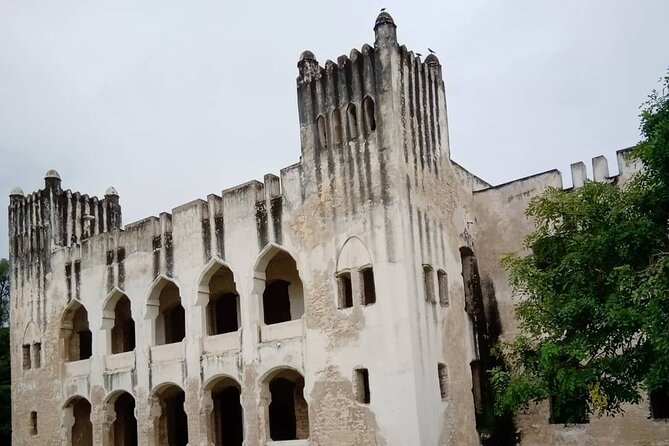
The next Bagamoyo stop includes the old cathedral and locations associated with the explorer David Livingstone. This portion lasts about an hour, and no separate admission fee is listed.
The cathedral adds a religious and missionary chapter to the day. You have already seen the older Swahili and Arab-connected past at Kaole, then the commercial and colonial side at the Old Boma. The cathedral shows another force that shaped Bagamoyo: Christian mission work and European involvement.
The reference to Livingstone gives the site added historical weight, but your guide’s explanation will be important. Places connected to famous figures can easily become a quick name check. Ask how the cathedral and surrounding areas fit into the wider history of Bagamoyo and the period of missionary activity.
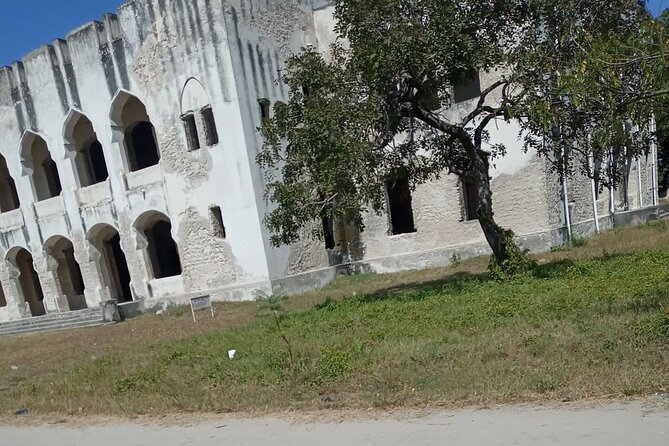
The architecture is another reason to slow down. The town is known for old buildings and coastal artistic traditions, including wood carving. One of the strongest themes in the tour is the contrast between practical colonial structures, religious buildings, and local design.
This stop may appeal most to people interested in religion, exploration, architecture, or the meeting of African and European histories. If your main interest is ancient archaeology, Kaole will probably be the stronger stop.
A crocodile and reptile sanctuary for a change of pace
After several hours focused on history, the crocodile and reptile sanctuary offers a very different experience. The visit lasts about 40 minutes, and no admission fee is listed.
The attraction is the chance to see crocodiles and other reptiles at close range. You may hold them if you want photographs, although that should be treated as an optional activity, not an obligation. If you are uncomfortable with close contact, you can still observe the animals and let others handle the photo opportunity.
This stop is particularly useful for families or groups with mixed interests. Not everyone wants a day made up entirely of museums, ruins, and colonial buildings. The sanctuary gives younger visitors a clear visual highlight and breaks up the historical schedule.
At the same time, it is not the reason to book the tour. If you want a wildlife-focused outing, this short visit will not replace a safari. Think of it as a compact wildlife stop that adds variety to a day centered on Bagamoyo’s past.
Lunch, drinks, and the real value of $200
The price is $200 per person. That is not a budget day trip, but the inclusions matter.
Lunch, snacks, bottled water, alcoholic beverages, and admission tickets are included. Pickup is offered, and the activity is private, meaning only your group takes part. Those details make the cost easier to justify for couples, families, or small groups that value a dedicated guide and a planned day.
The private format is the biggest value point. You are not sharing the experience with a large mixed group, and you can ask questions about slavery, German East Africa, Kiswahili, missionary work, or architecture without waiting for a general explanation to finish.
The value is weaker for a solo visitor. At $200 per person, the private arrangement can feel expensive unless Bagamoyo is a major priority. Couples can split the benefits of a private schedule, and families may appreciate the flexibility and included food.
Alcoholic beverages are included, but the minimum drinking age is 18. If you do not drink, the package still includes lunch, snacks, water, and entry fees, so the tour is not dependent on that part of the offer.
The high rating across nine submitted ratings supports the idea that service and hospitality are major strengths. Praise has focused on friendly guides, professional handling, good explanations, and seafood. I would still judge the price mainly by your interest in history and the value you place on private touring.
What the guides add to the day
The strongest part of this experience may be the human element.
Erick has been described as friendly and professional. Emmanuel has been praised for noticing when guests wanted more historical detail and responding with extra explanation. Jacqueline appears to help with planning and recommendations, including suggesting Bagamoyo when rain made a safari impractical.
That matters because several sites require interpretation. A ruined settlement, customs building, or old cathedral cannot explain itself. You need someone to connect the buildings to trade, slavery, religion, language, and colonial rule.
The experience also seems to place real value on coastal hospitality. The comments about warm local people and excellent seafood suggest that lunch is not treated as an afterthought. Still, the exact restaurant, menu, and meal timing are not specified, so you should not book expecting a particular dish or dining venue.
Timing, comfort, and practical planning
Plan for a 7:00 am start and roughly 10 hours overall. The early departure is necessary for fitting in the museum, ruins, Old Boma, cathedral area, and sanctuary, but it can be tiring if you have arrived in Dar es Salaam late the night before.
Wear comfortable clothing and shoes suitable for walking around historic sites. This is practical advice for a day with ruins and old buildings, though the exact walking conditions are not specified.
The tour requires good weather. You can cancel for a full refund if you do so at least 24 hours before the local start time. Changes or cancellations made inside that window are not accepted, and no refund is provided. If poor weather forces the operator to cancel, you are offered another date or a full refund.
Confirmation is provided when you book. Service animals are allowed, the tour is near public transportation, and most people can participate. Since pickup is offered, confirm the pickup details before the day begins.
Who should book the Ancient Bagamoyo City Day Tour?
I would recommend this tour if you want a serious look at coastal Tanzania beyond the usual wildlife circuit. It suits history enthusiasts, couples, families, architecture fans, and anyone curious about how Swahili culture, Arab trade, European missions, and German colonial rule shaped one town.
It is also a good fallback when weather disrupts a safari plan, as long as you understand that Bagamoyo is a historical town and not a substitute for viewing wildlife in a national park.
I would hesitate if you dislike long day trips, have little interest in museums or old buildings, or are traveling on a strict budget. The crocodile sanctuary adds variety, but most of the day remains focused on history and cultural sites.
FAQ
How long does the Ancient Bagamoyo City Day Tour last?
The tour lasts approximately 10 hours.
What time does the tour begin?
The scheduled start time is 7:00 am.
Is pickup available?
Yes, pickup is offered.
Is this a private tour?
Yes. Only your group participates in the activity.
What is included in the price?
Lunch, snacks, bottled water, alcoholic beverages, and admission tickets for the Bagamoyo Museum, Kaole Ruins, and Old Boma are included.
Can I cancel the tour for a refund?
Yes. You can cancel at least 24 hours before the experience start time for a full refund. If poor weather causes the operator to cancel, you are offered another date or a full refund.
Should you book it?
Book this tour if Bagamoyo’s past sounds more appealing than another standard day by the coast. The combination of Kaole’s early Swahili roots, the slave-trade story, German colonial sites, the old cathedral, and a short reptile visit gives you a varied and thoughtful day.
At $200 per person, the best reason to book is the private format and the quality of the guiding, not simply the number of stops. Choose it with enough time for the early start, accept the long day, and tell your guide if you want extra attention to history. For the right visitor, Bagamoyo offers one of Dar es Salaam’s clearest windows into Tanzania’s coastal past.
Just added in Dar es Salaam
- Zanzibar: 3 Days to Mikumi and Chizua Waterfalls★ 3.5 · 5 reviews
- 3 Days and 2 Nights Mikumi Private Safari Adventure★ 5.0 · 2 reviews
- UDZUNGWA NATIONAL PARK AND WATERFALLS – 3 Days★ 4.5 · 2 reviews
- Explore Dar es Salaam: Full-Day Private City Tour★ 5.0 · 18 reviews
- Stone Town & Spice Tour★ 4.5 · 2 reviews
- Trip to the old City of Bagamoyo★ 5.0 · 1 review
- 2 Day Wildlife Experience and Masai Culture Mikumi Park★ 5.0 · 5 reviews
- Sunrise Beach Walk with Picnic Breakfast Activity★ 5.0 · 3 reviews
City Tours, compared.

Arusha Guided Walking City Tour, Culture, Lifestyle & History
Read our review →
The Best/Top Rated Cultural City Tour in Dar es Salaam
Read our review →
Browse the lists this tour appears in