
Reviewed · MAASAI VILLAGE VISITS
Arusha: Maasai Village Tour
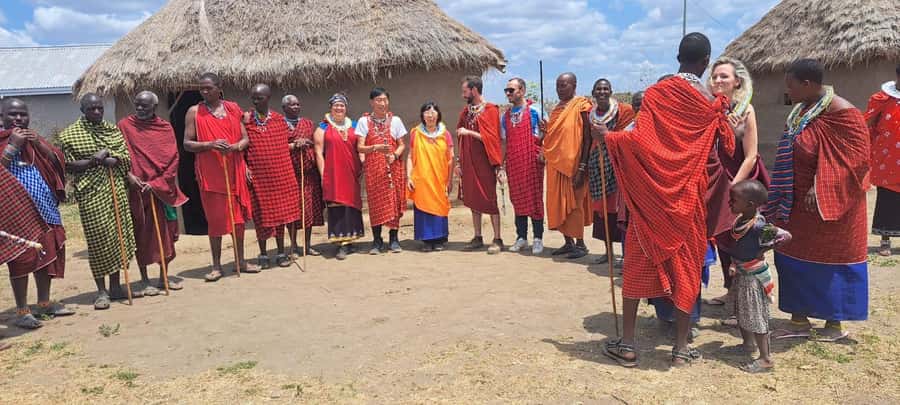
Culture comes alive beyond the city. This day trip takes you from Arusha to a Maasai boma, where you meet a village elder, learn how homes are built, hear about traditional medicine, and take part in the famous jumping dance. I especially like the direct contact with the community and the chance to learn about daily life rather than simply viewing a cultural performance. The option to add Chemka Hot Springs or a nearby waterfall also gives you a useful way to round out the day.
The main point to consider is the length of the outing. With about three hours of driving in total and four hours at the village, this is a full day. The strong sun can also be a problem, so bring sunscreen and a hat. You may also feel some pressure to buy handmade items at the end, with one visitor noting prices of about $10 per item.
In This Review
- Key things to know before you go
- From Arusha to the Maasai boma
- Meeting the village elder
- Seeing how Maasai homes are built
- Traditional medicine and spiritual beliefs
- Wearing Maasai clothing and joining the jumping dance
- Lunch, water, and the practical rhythm of the day
- Is $110 a fair price?
- Sun, clothing, and respectful behavior
- Who will enjoy this tour most?
- Should you book the Maasai Village Tour?
- FAQ
- Where does the Maasai Village Tour begin?
- How long does the tour last?
- How long is the drive to the Maasai village?
- How much does the tour cost?
- Is lunch included?
- Which languages are available?
- Will I meet a Maasai village elder?
- Can I wear traditional Maasai clothing?
- Can I join the Maasai jumping dance?
- Can I add Chemka Hot Springs or a waterfall?
Key things to know before you go
- The village visit lasts about four hours: That gives you time for conversation, demonstrations, traditional dress, dancing, and questions without reducing the experience to a quick photo stop.
- A village elder leads the welcome: You learn about Maasai customs, beliefs, social structure, homes, and herbal medicine from someone connected to the community.
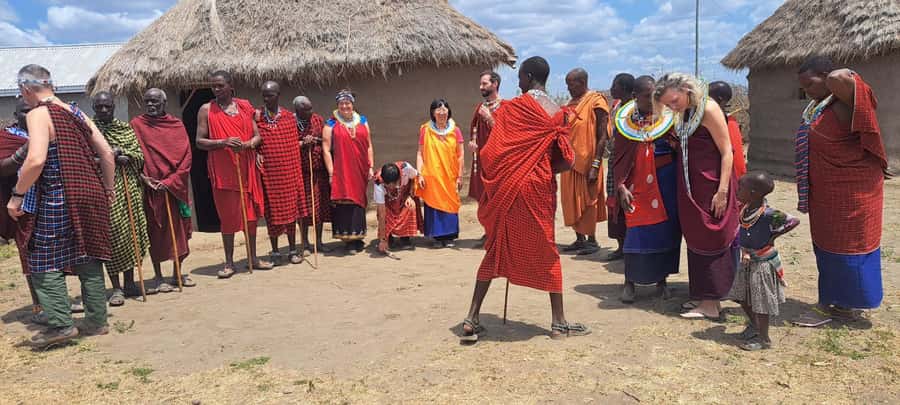
- The jumping dance is participatory: You are invited to wear Maasai clothing and join the dancing, rather than watching the entire activity from the side.
- The drive takes about three hours total: Pickup and return are included from Arusha in a dark grey van, with each road section listed at roughly 1.5 hours.
- Chemka Hot Springs or a waterfall can be added: These options can make the day more varied, though you should confirm the added cost and exact timing before booking.
- Imran is a frequently praised guide: He speaks excellent English, shares information about Tanzania, and helps make the drive part of the experience rather than dead time.
From Arusha to the Maasai boma
Your day begins with pickup in Arusha. The tour provider uses a dark grey van and includes transport from your hotel or residence, so you do not need to arrange a separate taxi to the meeting point. The drive to the village takes about 1.5 hours, followed by a similar return journey.
That road time matters. This is not a short city excursion squeezed into a spare morning. You are giving most of a day to the outing, and the drive is part of the trade-off for reaching a village setting outside Arusha.
A good guide can make that journey much more useful. Imran receives particularly warm praise for his English, humor, openness, and broad knowledge of Tanzania and its people. He also gives recommendations beyond the tour itself. If you are lucky enough to have him as your guide, use the drive to ask questions about Maasai life, Tanzania, local customs, and places you plan to visit next.
The van ride also gives you time to settle into the day. Pickup times can vary because the activity lasts between six and eight and a half hours, so check the available starting time when you reserve. The longer version is likely to include one of the optional stops, though the exact schedule should be confirmed in advance.
More Maasai Village Visits in Arusha
- 5 Days Camping Tarangire, Serengeti & Ngorongoro crater & Visiting Maasai
★ 5.0 · 229 reviews - Maasai village visit, Materuni waterfalls & coffee experience
★ 4.5 · 95 reviews - Kilimanjaro: Maasai Village Visit, Waterfalls, & Coffee Tour
★ 4.9 · 27 reviews
Meeting the village elder
Arrival at the Maasai boma marks the real beginning of the tour. A village elder welcomes you and introduces you to the community, its customs, and its way of life. This first meeting gives the visit a human center. You are not simply walking through an open-air display of objects and buildings. You are being introduced to the place by someone who can explain what you are seeing.
The visit covers several parts of Maasai society. You learn how the community is structured, how traditional homes are made, and how beliefs shape daily life. These subjects are useful because they connect physical details to the larger culture. A house is not just a small structure to photograph. Its construction reflects local skills, materials, and practical needs.
You also hear about traditional medicine and spiritual beliefs. The information may be especially interesting if you have already seen Tanzania’s wildlife parks and now want to understand more about the people who live in the same wider region. The tour shifts your attention from animals and scenery to family life, social customs, healing, and belief.
The experience is presented as an authentic Maasai village visit, but it is still a planned activity for paying visitors. Keep that distinction in mind. You are being welcomed into a community for a cultural exchange, not arriving at a completely unstructured village gathering. Approach the visit respectfully, listen carefully, and ask before taking close-up photographs.
Seeing how Maasai homes are built
One of the most useful parts of the visit is the explanation of traditional homes. You can see the construction for yourself and learn how the settlement functions as a community.
The tour does not provide a technical building guide, so you should not expect an architectural lecture. Instead, the value comes from seeing the homes in context and hearing how the village is arranged. When an elder explains the buildings and social structure together, you gain a clearer sense of how the community works.
This is also a good moment to ask practical questions. You might ask how long construction takes, who helps build a house, how homes are maintained, or how traditional practices fit with modern life. The exact answers will depend on the community and the guide, but the setting gives you a chance to ask questions that a museum display cannot answer.
I like this part because it slows the tour down. The dance is the most famous activity, but the homes and village organization offer a more grounded look at daily life. You leave with more than a few colorful photographs.
Traditional medicine and spiritual beliefs
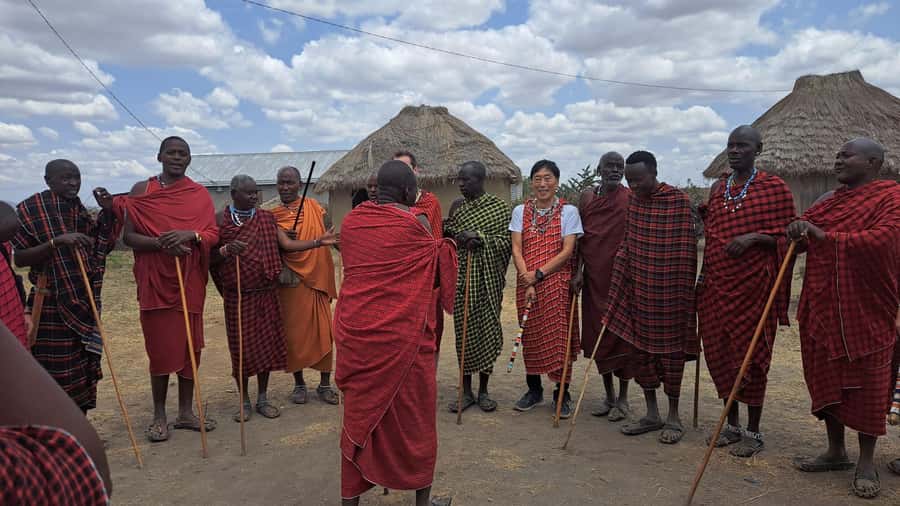
The discussion of herbal medicine gives the visit another layer. You learn about the plants and practices used in traditional healing, along with the beliefs that guide the community. The supplied information does not promise a hands-on medicine workshop, so expect an explanation rather than a medical treatment or formal lesson.
This subject deserves a respectful approach. Traditional medicine is part of the community’s cultural knowledge, but it should not be treated as a replacement for professional medical care. Listen to how the Maasai describe these practices, and avoid turning the subject into a novelty.
The same applies to spiritual beliefs. The point is not to judge them by your own customs. The point is to understand how they help shape the community’s view of health, family, nature, and social duties.
For you, this can be one of the most meaningful sections of the day, especially if you enjoy cultural activities that explain ideas as well as show them. Ask thoughtful questions, and give the elder time to answer. A good cultural visit depends as much on your attitude as on the scheduled program.
A different kind of day out entirely:
- Balloon Safari & Bush Breakfast in Serengeti – Miracle Experience
★ 5.0 · 1,646 reviews - Tanzania Classic – 7 Days
★ 5.0 · 1,151 reviews - 4 Days Group Camping Safari
★ 5.0 · 1,101 reviews - 5 Days Group Camping Safari
★ 5.0 · 730 reviews
Wearing Maasai clothing and joining the jumping dance
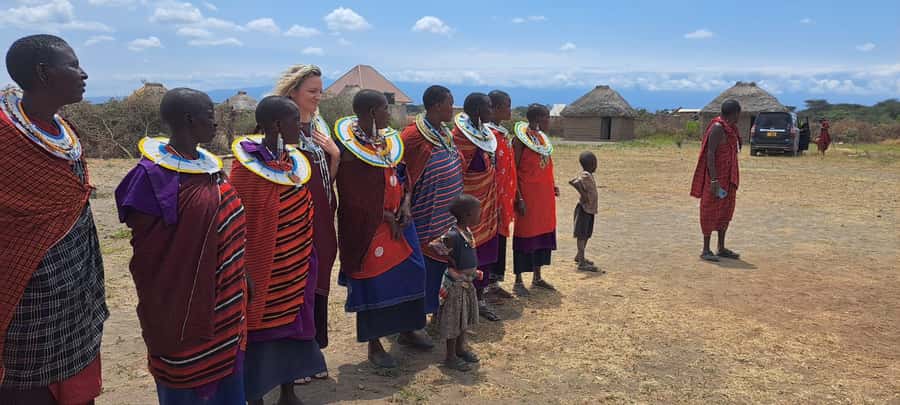
The tour then becomes more active. You are dressed in traditional Maasai clothing and invited to join the famous jumping dance. This is the part most likely to produce big smiles, tired legs, and memorable photographs.
The dance represents strength, unity, and joy. You do not need to be a trained dancer. The invitation is to join the group, follow along, and enjoy the shared energy. If you feel awkward at first, that is normal. A little willingness goes a long way.
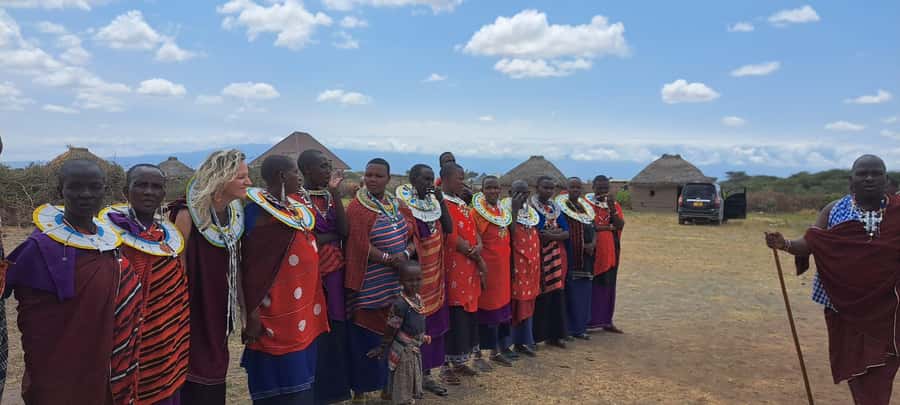
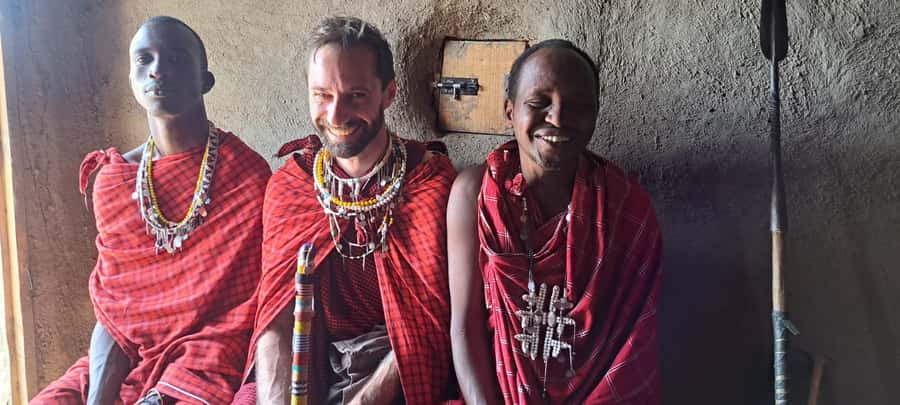
This activity also explains why the tour feels more personal than a standard sightseeing stop. You are not only listening to information. You are taking part in a cultural welcome. Several visitors found the Maasai community warm and made clear that the interaction felt friendly rather than distant.
Still, participation should remain voluntary and respectful. You can join for as long as you feel comfortable, then step aside to watch. Wear clothing that allows easy movement, and remember that the sun may be strong. A hat, sunscreen, and water are sensible additions even though water is included.
The dance is also a reminder that cultural exchange works best when you avoid treating people as performers only. Enjoy the music and movement, but keep your attention on the people, the meaning of the activity, and the welcome you have received.
Lunch, water, and the practical rhythm of the day
Lunch and water are included in the $110 price. That makes budgeting easier, especially on a full-day outing where you are away from Arusha for much of the day.
The supplied details do not specify the lunch menu, so you should not book this expecting a particular dish. If you have dietary needs, ask the operator before departure. The tour description confirms lunch is included, but it does not state that special diets are available.
The day follows a simple rhythm: pickup, drive, village visit, return drive, and back to Arusha. The core itinerary lists four hours for the guided visit. That is enough time for the welcome, explanations, traditional dress, dancing, and conversation, but the pace may feel full if you add another stop.
The optional Chemka Hot Springs or waterfall visit can make the day more varied. Chemka offers a chance to swim in clear water, while the waterfall option involves a short walk. These additions suit you if you want some outdoor time after the cultural visit. They may not suit you if you prefer a focused cultural day with less time on the road.
Because the total duration can stretch to 8.5 hours, ask how the optional stop changes the schedule. This is particularly important if you have an evening flight, a dinner reservation, or another activity in Arusha.
Is $110 a fair price?
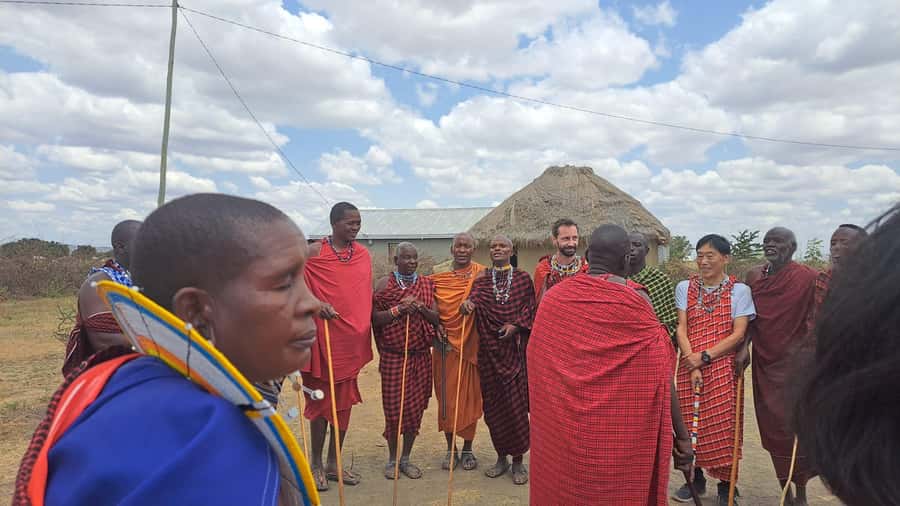
At $110 per person, the tour is not the cheapest way to fill a day in Arusha, but it includes several costs that can add up separately: transport, village access, an English or Swahili-speaking guide, lunch, and water.
The value depends on what you want from the outing. If you want a cultural experience with transport arranged from your accommodation, the price is reasonable. You receive a guided visit, a community welcome, explanations about Maasai traditions, and the chance to participate in the dance. You also avoid having to negotiate separate transport to a rural village.
The price is less attractive if you only want a quick photo opportunity. The road journey takes about three hours in total, and the main visit takes four hours. You are paying for time, access, interpretation, and participation, not simply a transfer and a short stop.
The optional attractions could improve the value, but the information provided does not state their extra prices. Confirm whether Chemka Hot Springs or the waterfall carries an additional fee, and ask if transport and timing are included in the quoted $110.
One budget point deserves attention. Handmade items may be offered for sale at the end of the visit. One visitor felt some pressure to buy and found prices of about $10 per item. You can bring cash if you wish to support the women selling crafts, but you do not need to buy anything to appreciate the tour. Decide your spending limit before you arrive.
Sun, clothing, and respectful behavior
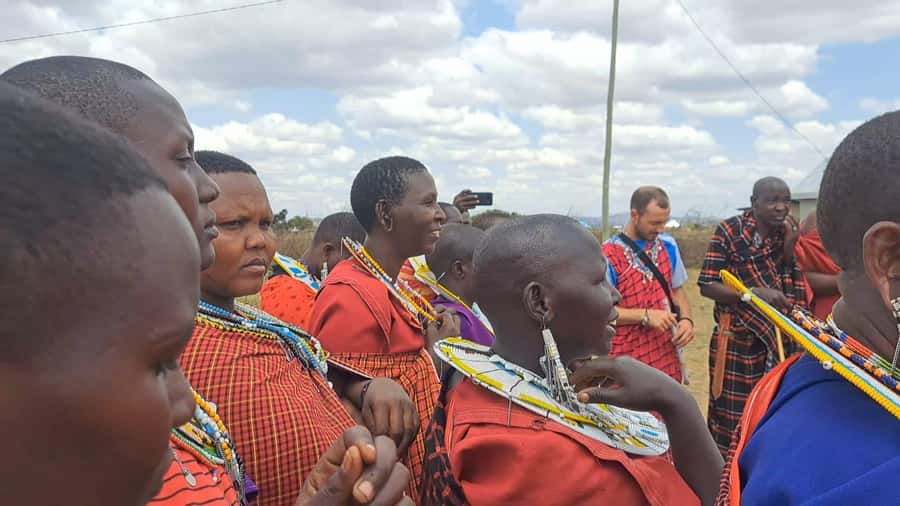
The sun can be intense, and one visitor specifically warned about getting burned. Bring sunscreen, a hat, sunglasses, and a refillable bottle if you have one. Water is included, but an extra bottle can be helpful during a long day outside.
Comfortable clothes will make the dance and village walk easier. Choose something suitable for strong sun and easy movement. You may be given traditional clothing during the visit, so wear a simple outfit underneath.
Ask before photographing people, homes, ceremonies, or personal items. The tour is built around meeting a community, not collecting images without permission. A friendly greeting, patience, and genuine questions will improve the experience.
The tour is listed as wheelchair accessible, which is important information for anyone who needs step-free arrangements. Conditions at the village itself can vary, so discuss your specific mobility needs with the operator before booking.
The guides speak English and Swahili. English-speaking support is included, and the comments about Imran suggest that communication can be a real strength of the experience. If you need information explained slowly or have specific questions, tell the guide early in the day.
Who will enjoy this tour most?
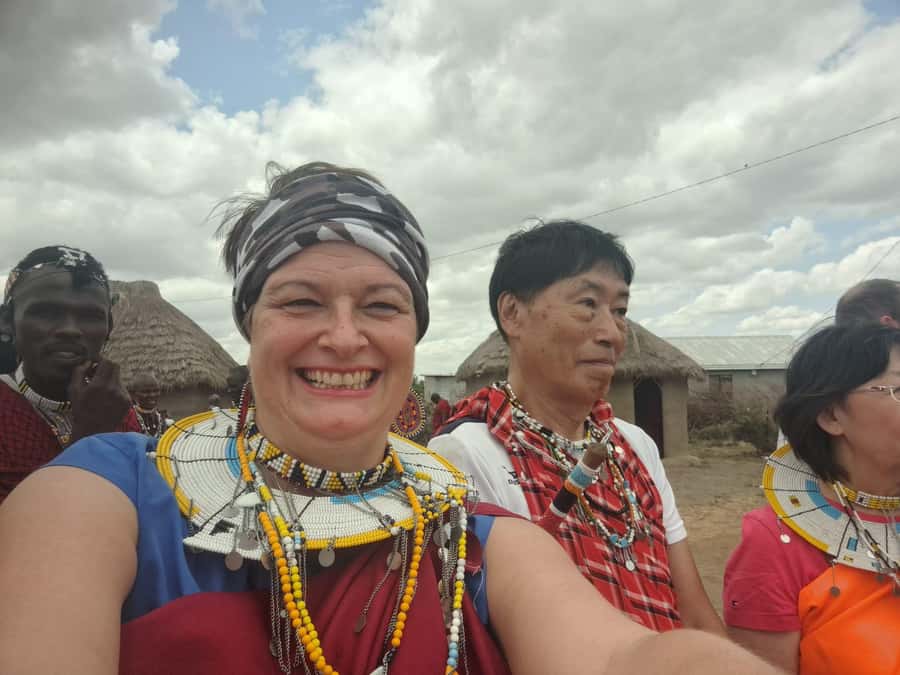
I would recommend this outing to you if you want direct cultural contact and do not mind a full day away from Arusha. It suits people who enjoy conversation, local traditions, hands-on activities, and learning how communities organize daily life.
Families with older children may appreciate the mix of storytelling, clothing, dancing, and a possible swim. The activity is more active and social than a museum visit, though the strong sun and long day may be tiring for very young children.
It also works well after a safari. Wildlife trips show you Tanzania’s animals and natural areas. This tour gives you a chance to focus on people, homes, beliefs, and community customs. The two experiences complement each other without trying to be the same kind of day.
You may want to skip it if you dislike planned cultural visits, prefer independent wandering, or have very little time in Arusha. The drive is significant, and the experience depends on your willingness to take part rather than simply observe.
Should you book the Maasai Village Tour?
Book it if you want a friendly, participatory introduction to Maasai culture and value having transport, lunch, water, and an English-speaking guide included. The village elder, explanations of homes and traditional medicine, and the jumping dance give the day a clear purpose.
Before booking, check the start time, ask how the Chemka or waterfall option affects the duration, and confirm any extra charges. Pack sunscreen, a hat, comfortable clothing, and enough cash only if you want to buy crafts.
I would choose this tour for its human contact and the chance to learn through conversation and participation. It is a long day, but the experience offers more than a quick stop. If you arrive with respect, curiosity, and realistic expectations, it can become one of the most memorable cultural activities near Arusha.
FAQ
Where does the Maasai Village Tour begin?
Pickup is provided from Arusha, including your hotel or residence.
How long does the tour last?
The activity lasts between 6 and 8.5 hours, depending on the selected schedule and possible additions.
How long is the drive to the Maasai village?
The itinerary lists about 1.5 hours by van from Arusha to the village and about 1.5 hours for the return journey.
How much does the tour cost?
The listed price is $110 per person.
Is lunch included?
Yes. Lunch and water are included in the tour price.
Which languages are available?
The live guide service is available in English and Swahili.
Will I meet a Maasai village elder?
Yes. A village elder welcomes you and introduces you to Maasai customs, beliefs, daily life, and community structure.
Can I wear traditional Maasai clothing?
Yes. You are invited to dress in traditional Maasai clothing during the visit.
Can I join the Maasai jumping dance?
Yes. The experience includes an invitation to join the traditional jumping dance.
Can I add Chemka Hot Springs or a waterfall?
Yes. You can add a visit to Chemka Hot Springs or take a short walk to a nearby waterfall. Confirm the timing and any additional cost when booking.
Just added in Arusha
- Safari “Kifaru” – 5 days in the most famous Parks in the world★ 5.0 · 4 reviews
- Saadani Day Trip★ 5.0 · 13 reviews
- 3 Days Tanzania Short and Spicy★ 5.0 · 6 reviews
- 5 Day Tanzania Safari Camping Adventure Private Tour★ 5.0 · 2 reviews
- Day Trip to Ngorongoro Crater from Arusha★ 5.0 · 1 review
- SERENGETI NATIONAL PARK Tour★ 4.5 · 5 reviews
- 3 Days Serengeti Park & Ngorongoro Crater Adventure Safari★ 5.0 · 8 reviews
- 6 Days Tanzania Bush Experience Safari★ 5.0 · 6 reviews
Maasai Village Visits, compared.

5 Days Camping Tarangire, Serengeti & Ngorongoro crater & Visiting Maasai
Read our review →
Maasai village visit, Materuni waterfalls & coffee experience
Read our review →5 Days Camping Tarangire, Serengeti & Ngorongoro crater & Visiting Maasai
Read our review →
Maasai village visit and Chemka hot-springs with hot lunch.
Read our review →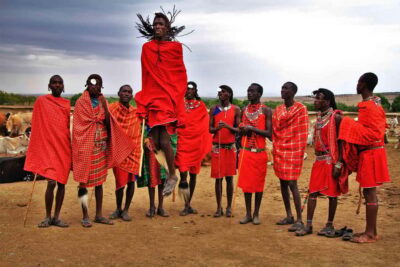
Kilimanjaro: Maasai Village Visit, Waterfalls, & Coffee Tour
Read our review →
5- Days Best Mid-range Safari and Maasai Village experience
Read our review →Browse the lists this tour appears in