
Reviewed · MARANGU ROUTE CLIMBS
Climb Kilimanjaro – Marangu Route 8 Day Program
Kilimanjaro rewards patience more than bravado. This 8-day Marangu Route program gives you a structured climb with hut accommodation, a full acclimatization day, meals, park fees, transport, and a summit attempt timed for sunrise. I especially like the extra day at Horombo Hut, which gives your body more time to adjust, and the hut-based sleeping arrangement, a real comfort advantage on a high mountain. The main caution is that Marangu is called the easiest and shortest route, so some people underestimate it and arrive unprepared for altitude.
I also like the clear logistics. You are collected at Kilimanjaro International Airport, based at Springlands Hotel in Moshi, and supported by guides, porters, and a cook. The climb has a maximum group size of 12, which should make communication easier. Still, you need moderate fitness, suitable gear, health insurance, and money for tips, all of which sit outside the $2,111 price.
In This Review
- Key things to know before you book
- Why the Marangu Route appeals to first-time climbers
- Day 1: Airport pickup and a night in Moshi
- Day 2: Rainforest from Marangu Gate to Mandara Hut
- Day 3: Heathland and the first big views
- Day 4: The acclimatization day at 3,720 meters
- Day 5: Across the saddle to Kibo Hut
- Day 6: The midnight start and Uhuru Peak
- Day 7: Returning through familiar country
- Day 8: Departure or a longer Tanzania trip
- What the $2,111 price covers
- Guides, crew, and group size
- Who should book this climb?
- Should you book the 8-day Marangu Route?
- FAQ
- Where does the climb start?
- How long does the program last?
- What route does the climb use?
- Where do I sleep on the mountain?
- Is an acclimatization day included?
- What time does the summit climb begin?
- What meals are included?
- Is equipment included?
- Are tips included in the price?
Key things to know before you book
- Marangu uses huts instead of tents, with running water at Mandara and Horombo, but no running water at Kibo.
- The extra Horombo day matters, giving you a walk toward Zebra Rocks at about 4,100 meters for acclimatization.
- Summit morning starts around 1:00 a.m., with Gilman’s Point around 7:00 a.m. and Uhuru Peak near 8:30 a.m.
- The route returns by the same path, so you see familiar ground on the descent rather than taking a different trail down.
- Meals, park fees, boiled water, transport, and mountain accommodation are included, which makes the package easier to budget.
- The hardest work is not the distance alone, but handling altitude, cold, early starts, and a long summit day.
Why the Marangu Route appeals to first-time climbers
Marangu is often called the tourist route because it has more built-in services than other Kilimanjaro routes. You sleep in mountain huts rather than tents, follow a well-known trail, and have meals prepared for you. That does not make the climb easy in the usual sense. Kilimanjaro rises to 5,895 meters, and altitude can stop a fit person just as quickly as an unfit one.
I think Marangu suits people who value a simple routine. You walk, eat, rest, and sleep in a hut, then repeat the pattern at a higher altitude. The route is also beautiful, moving from rainforest to heathland, then across the stark saddle between Mawenzi and Kibo.
The tradeoff is that ascent and descent use the same path. On a longer route, the return can feel like a new part of the mountain. Here, you know what is coming, which is comforting for some climbers but less varied for others. Marangu also has a reputation for a lower success rate, partly because its shorter schedule attracts people who assume it will be a gentle hike.
The 8-day format improves your odds compared with a rushed version. The added acclimatization day at Horombo is one of the strongest features of this program.
More Kilimanjaro climbs:
- Mount Kilimanjaro Day Hike Through Marangu Route to Mandara Hut
★ 5.0 · 37 reviews - Mount Kilimanjaro Day Hike
★ 4.5 · 23 reviews - 7 Day Kilimanjaro Climb Lemosho Route & 2 Day Safari
★ 5.0 · 16 reviews
Day 1: Airport pickup and a night in Moshi
Your trip begins with pickup at Kilimanjaro International Airport and transfer to Springlands Hotel in Moshi. The first day is mostly for arrival, settling in, and preparing for the mountain.
This overnight stop is useful. You are not expected to land and immediately walk uphill. You can organize your kit, check personal items, and get into the rhythm of an early mountain start. Pickup is offered, and the listed meeting point is Springlands Hotel, Moshi.
The program price is $2,111 per person. That is not a small amount, but it covers several expensive pieces of a Kilimanjaro climb: national park fees, mountain accommodation, transport, meals, boiled water, and a support crew. You still need to budget for visas, climbing gear, health insurance, personal items, and tips for guides, porters, and drivers.
Day 2: Rainforest from Marangu Gate to Mandara Hut
The morning starts at about 8:00 a.m. with a 45-minute drive to Marangu Gate on the eastern side of Kilimanjaro. Park registration and other paperwork happen at the gate, followed by the walk at roughly 10:30 a.m.
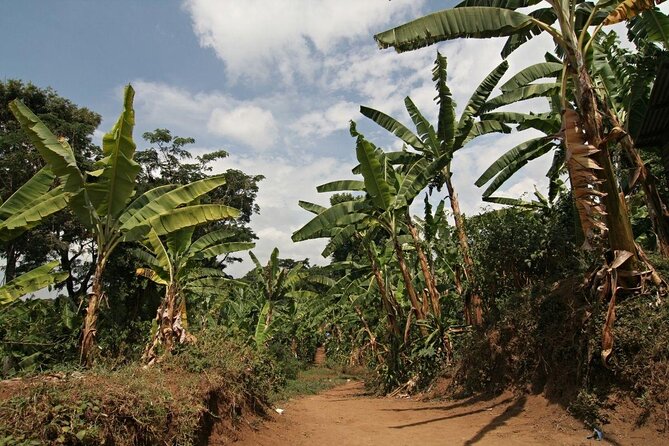
The first hiking day covers about four hours, rising from 1,800 meters to 2,720 meters. The trail passes through rainforest, with lunch taken halfway. You reach Mandara Hut around 2:00 or 3:00 p.m., leaving time to unpack, rest, and have tea or coffee before dinner at about 7:00 p.m.
Mandara is a friendly introduction to the mountain. The rainforest feels alive and shaded, and the hut has bathrooms with running water. You can also take a short side trip to Maundi Crater, about 15 minutes away. From there, you may see Kenya and northern Tanzania, making the small extra walk well worth considering.
The key advice here is not to rush. The first day can feel easy, and that can tempt you to walk too fast. Save your energy. Your guide will set the pace, and you should communicate early if you feel unwell.
Day 3: Heathland and the first big views
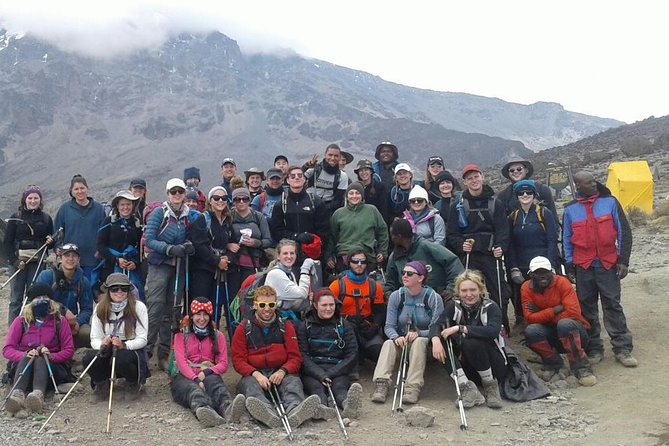
After breakfast around 7:30 a.m., you pack and leave Mandara at about 8:30 a.m. The walk to Horombo Hut takes five to six hours, rising from 2,720 meters to 3,720 meters.
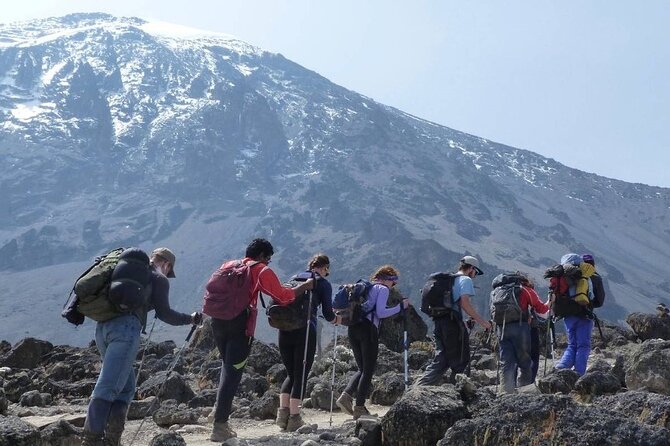
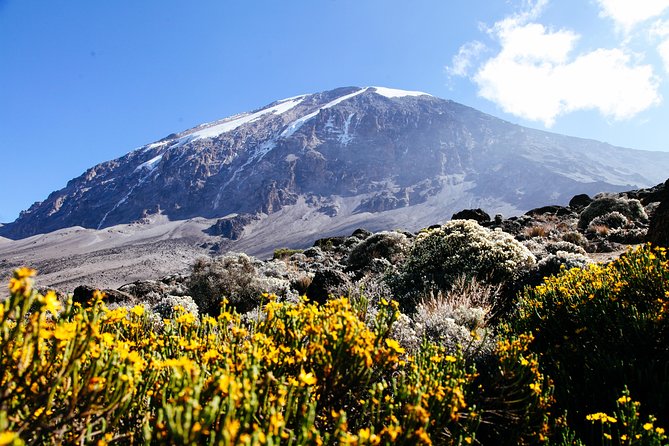
The rainforest gives way to lower heathland, with small shrubs replacing the thicker vegetation. Mawenzi comes into view, and the shape of Kibo, the main summit cone, can be seen from Horombo. These are the kind of views that make the mountain feel larger and more serious.
Lunch is taken halfway, and arrival at Horombo is expected around 3:00 p.m. There is running water in the bathroom area, and you have time to rest before dinner.
Horombo is an important point in the climb. Some people feel fine here. Others begin to notice headache, poor sleep, reduced appetite, or unusual tiredness. You should not hide these signs to look tough. The supplied program specifically advises you to watch for altitude sickness and speak openly with your guide.
More Marangu Route climbs:
- Private Full Day Hiking Experience to Marangu Route
★ 5.0 · 61 reviews - From Arusha/Moshi: Kilimanjaro Hike Marangu Route Day Trip
★ 4.5 · 54 reviews - Marangu waterfall & Coffee making Cultural Tour | BURIGI CHATO SAFARIS CO LTD
★ 5.0 · 12 reviews - Private Tour to Marangu Waterfalls, Chagga Caves, Coffee tour & Hot Springs
★ 5.0 · 7 reviews
Day 4: The acclimatization day at 3,720 meters
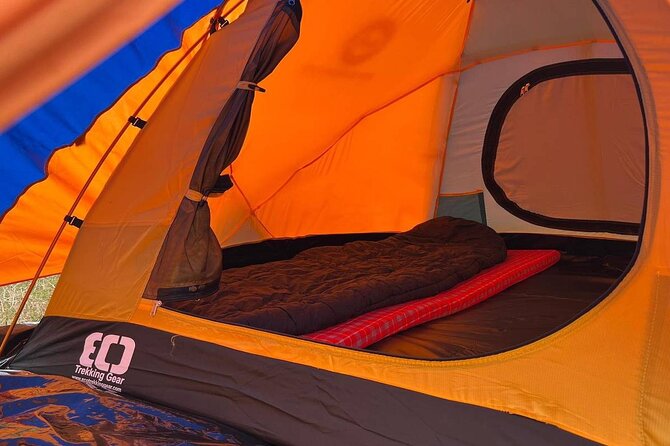
This is the day I value most in the program. You stay at Horombo Hut for an extra night instead of gaining height immediately.
The plan is to walk toward Zebra Rocks at about 4,100 meters, then return to the hut. This follows the useful high-walk, low-sleep idea: your body gets time at a higher elevation, but you spend the night back at Horombo. You also get views of the mountain and a chance to see how you respond to summit-like weather.
This day is not a rest day in the lazy sense. It is training for the body and a chance to learn your own warning signs. You can use it to adjust clothing, water habits, and walking pace before the route becomes more exposed.
It also breaks up the climb. Without this day, the transition from Horombo to Kibo would be more demanding. If your schedule is flexible, this extra night is a strong reason to choose the 8-day program rather than a shorter Marangu version.
Day 5: Across the saddle to Kibo Hut
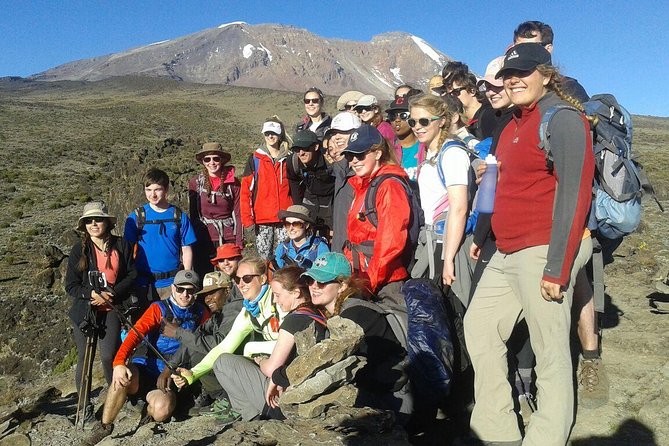
Breakfast and packing come first, followed by the hike from Horombo to Kibo Hut. The route climbs from 3,720 meters to 4,720 meters and takes about six to seven hours.
The morning crosses upper heathland. Later, the trail enters the vast saddle between Mawenzi and Kibo. This is an alpine desert, dry, open, and stark. The feeling changes sharply from the green lower slopes. There are fewer distractions here, and the height becomes impossible to ignore.
Lunch comes halfway through the walk. When you arrive at Kibo Hut, there is no running water, so plan around that limitation. The hut is your launch point for the summit, and the atmosphere is likely to be quieter and more serious than at Mandara or Horombo.
Take altitude symptoms seriously today. You should not assume that a good first few days guarantee a successful summit. Your guide is there to assess how you are doing, but you need to give honest information. A headache that worsens, unusual confusion, serious weakness, or other worrying symptoms should never be treated as a minor inconvenience.
Day 6: The midnight start and Uhuru Peak
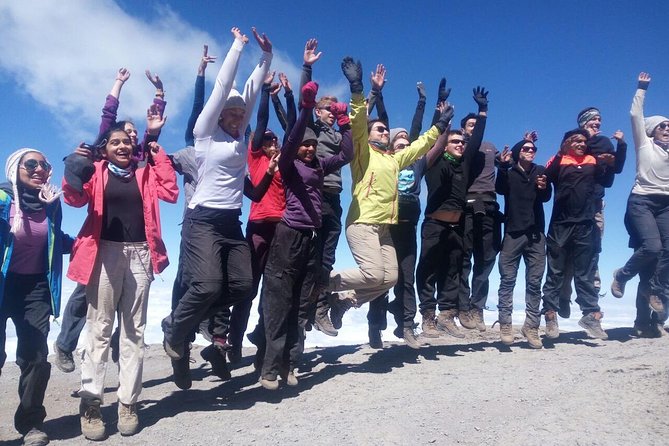
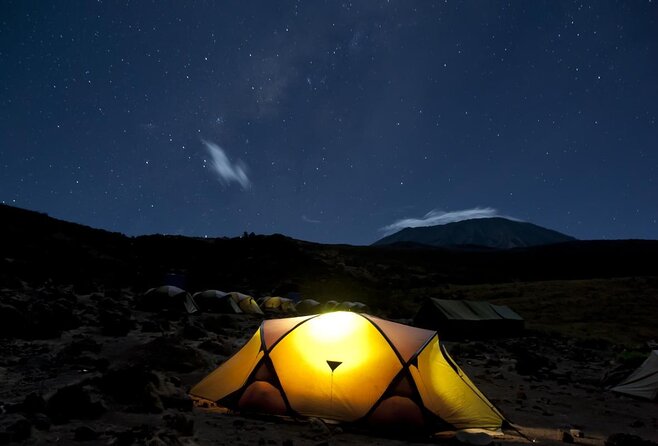
Summit day is the toughest part of the program. You wake around midnight for a light breakfast, prepare in the cold and darkness, and leave at about 1:00 a.m.
The early start is designed to put you at Gilman’s Point near 7:00 a.m., around the crater rim, with views into the crater. From there, the trail continues for about two hours toward Uhuru Peak, expected around 8:30 a.m. The summit reaches 5,895 meters.
The schedule is demanding. The seven-hour ascent is followed by a descent to Kibo Hut, where you collect your belongings, then a crossing of the saddle back toward Horombo Hut. The total day is listed at about 12 hours, including the return. You eat dinner and sleep at Horombo after what may be the longest day of your trip.
Sunrise photos can be spectacular if you reach the upper sections before daylight, but photography should not become a race. The mountain rewards a slow pace. Keep close to your guide, drink the supplied boiled water, eat what you can, and protect your hands and head from the cold.
Reaching Gilman’s Point and continuing to Uhuru Peak are different achievements. The route description aims for Uhuru Peak, but altitude, weather, and individual condition can affect what you manage. A responsible climb treats safety as more important than a certificate.
Day 7: Returning through familiar country
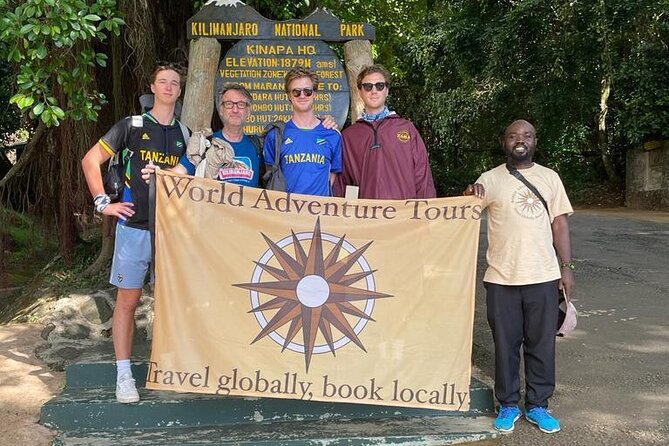
You descend from Horombo to Mandara Hut, stop for lunch, and continue to the park gate. The full descent takes about six hours, with arrival expected around 2:00 or 3:00 p.m.
This is where using the same route both ways becomes noticeable. You may recognize the heathland and rainforest from the ascent, but the direction feels different. Going downhill is easier for your lungs, though tired legs, knees, and feet may complain.
Transport meets you at the gate for the drive back to Moshi and Springlands Hotel. A hot shower and a proper overnight stay will feel well earned.
Successful climbers receive summit certificates at Springlands Hotel. This is also the right time to organize tips. Tips are not included, and they are intended for guides, porters, and drivers. The program says you can give tips to the main guide at the hotel or contact local representatives there for help organizing this.
Day 8: Departure or a longer Tanzania trip
The final day is for airport departure or onward travel. The program suggests adding a Kenya safari, a Zanzibar beach stay, or another trip around Moshi and the Kilimanjaro region.
That flexibility is useful because the climb begins and ends in Moshi rather than leaving you stranded at the mountain gate. If you plan extra arrangements, confirm them before you book, since the climb itself ends back at Springlands Hotel.
What the $2,111 price covers
The package includes:
- National park fees
- Qualified guides and mountain crew
- Mountain hut accommodation
- Transport to the trailhead and back to Springlands Hotel
- Boiled water on the mountain
- Breakfast, lunch, and dinner
- Wi-Fi
- Airport pickup
The meal figures are listed as eight dinners, nine breakfasts, and eight lunches. Since the program lasts eight days, I would ask the operator to clarify exactly when each meal is served, especially on arrival and departure days.
The value is strongest if you want an organized climb rather than piecing together park fees, transport, huts, food, and crew support yourself. Wi-Fi is included, but the information does not explain where or how consistently it is available, so I would treat it as a bonus rather than a reason to book.
You must pay separately for visas, climbing gear, health insurance, personal items, and tips. Gear can be a major extra cost if you do not already own suitable mountain clothing and equipment.
Guides, crew, and group size
The maximum group size is 12. That is large enough to create a social atmosphere but small enough for guides to keep track of people more easily than in a big commercial group.
Several guide names appear in the supplied feedback, including John, Issa, Dustin, and Mmasa. John and assistant guide Issa were praised for encouragement and support. Dustin was singled out for paying close attention to health and personal needs, while Mmasa led another successful group with guides, porters, and a cook.
Those names come from different trips, so you should not assume one specific guide will lead your climb. The broader point is more useful: the support crew is central to the experience. Ask who will lead your group, how altitude checks are handled, and how the company treats porters before you depart.
The strongest praise focuses on smooth planning, supportive guides, helpful porters, and a well-organized team. That matters on Kilimanjaro, where good timing and honest health communication are not optional extras.
Who should book this climb?
I would recommend this program to you if you want:
- Hut accommodation rather than camping
- A defined 8-day schedule
- An extra acclimatization day
- Organized meals and transport
- A group of no more than 12 people
- A first Kilimanjaro climb with substantial crew support
You should think carefully before booking if you have little hiking experience, dislike very early starts, or expect the easiest route to feel easy. The summit day is long, the altitude is serious, and the Kibo Hut section has no running water.
The stated fitness requirement is moderate. You should still prepare properly and speak with a medical professional about high-altitude travel if you have health concerns. No tour operator can remove the physical demands of 5,895 meters.
Booking also requires commitment. The experience is non-refundable and cannot be changed for any reason, so confirm your dates, health insurance, gear, and travel documents before paying.
Should you book the 8-day Marangu Route?
Book it if you value comfort, a clear routine, hut accommodation, and an extra acclimatization night. The route is scenic, the schedule is practical, and the $2,111 cost includes the major operational parts of a guided Kilimanjaro climb.
I would not choose it simply because it is advertised as the easiest and shortest route. Choose it because you are ready for altitude, a midnight start, a 12-hour summit day, and a serious physical effort. If you prepare well and listen to your guide, this program offers a sensible way to attempt Africa’s highest peak without giving up basic shelter and organized support.
FAQ
Where does the climb start?
The meeting point is Springlands Hotel in Moshi, Tanzania. Airport pickup is offered from Kilimanjaro International Airport.
How long does the program last?
The program lasts approximately eight days, including arrival in Moshi, the mountain climb, the return to Moshi, and departure.
What route does the climb use?
It uses the Marangu Route on Kilimanjaro. The ascent and descent follow the same path.
Where do I sleep on the mountain?
Accommodation on the Marangu Route is in huts. Mandara and Horombo have bathrooms with running water. Kibo Hut has no running water.
Is an acclimatization day included?
Yes. Day 4 is an extra day at Horombo Hut, at about 3,720 meters. The planned walk goes toward Zebra Rocks at about 4,100 meters before returning to Horombo.
What time does the summit climb begin?
You wake around midnight for a light breakfast and leave Kibo Hut at about 1:00 a.m.
What meals are included?
The package includes breakfast, lunch, and dinner. The listed amounts are eight dinners, nine breakfasts, and eight lunches.
Is equipment included?
No. Climbing gear is not included, so you need to arrange it separately.
Are tips included in the price?
No. Tips for guides, porters, and drivers are not included. The program recommends arranging tips at Springlands Hotel after the climb.
Just added in Arusha
- Safari “Kifaru” – 5 days in the most famous Parks in the world★ 5.0 · 4 reviews
- Saadani Day Trip★ 5.0 · 13 reviews
- 3 Days Tanzania Short and Spicy★ 5.0 · 6 reviews
- 5 Day Tanzania Safari Camping Adventure Private Tour★ 5.0 · 2 reviews
- Day Trip to Ngorongoro Crater from Arusha★ 5.0 · 1 review
- SERENGETI NATIONAL PARK Tour★ 4.5 · 5 reviews
- 3 Days Serengeti Park & Ngorongoro Crater Adventure Safari★ 5.0 · 8 reviews
- 6 Days Tanzania Bush Experience Safari★ 5.0 · 6 reviews
Marangu Route Climbs, compared.
Private Full Day Hiking Experience to Marangu Route
Read our review →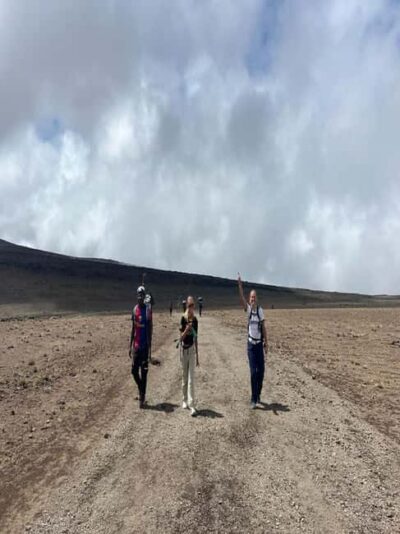
From Arusha/Moshi: Kilimanjaro Hike Marangu Route Day Trip
Read our review →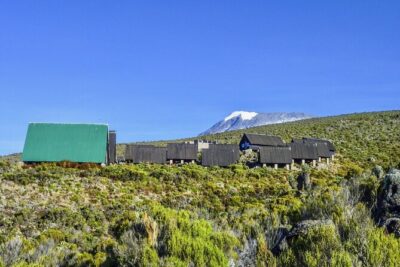
Mount Kilimanjaro Day Hike Through Marangu Route to Mandara Hut
Read our review →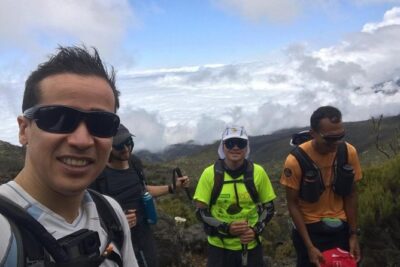
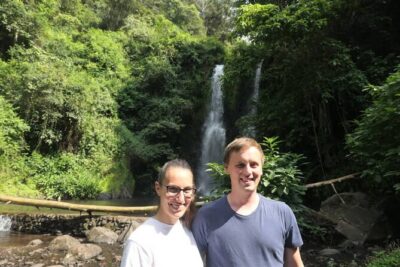
Marangu waterfall & Coffee making Cultural Tour | BURIGI CHATO SAFARIS CO LTD
Read our review →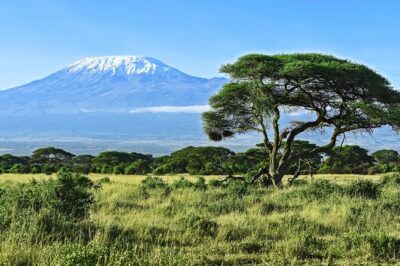
Private Tour to Marangu Waterfalls, Chagga Caves, Coffee tour & Hot Springs
Read our review →Browse the lists this tour appears in