

Reviewed · WALKING TOURS
Coffee walk with stay in the village
Coffee tastes better when you know its journey. This three-day stay near Arusha combines a village visit, an organic coffee walk, home-cooked meals, and two nights on a working coffee farm. I like the direct connection with local life, and I like that the farm pays producers three times the usual rate. The main thing to consider is the walking: this is not a quick tasting stop, and the route includes a 30 to 40 minute walk to the roaster.
I also like the small-scale feel. Guide Samwel has a personal link to the area and can explain local plants, customs, and coffee growing in a way that feels tied to daily life. The trade-off is that the program is simple rather than polished, and the schedule is fairly fixed, with pickup from Arusha at 5:00 p.m. on the first day.
In This Review
- What makes this coffee stay special
- A gentle start from Arusha at 5:00 p.m.
- Walking through Nkoaranga Village
- Seeing organic coffee at the farm
- Lunch in the garden, with a full Tanzanian plate
- Roasting and the final step from tree to cup
- Two nights in the coffee village
- What the $270 price really buys
- Who will enjoy this most
- Timing, pickup, and cancellation advice
- Should you book the coffee walk?
- FAQ
- Where does the coffee walk take place?
- How long does the experience last?
- What time is pickup from Arusha?
- Is airport pickup available?
- What happens on the second day?
- What food is included?
- Can I cancel for a full refund?
What makes this coffee stay special
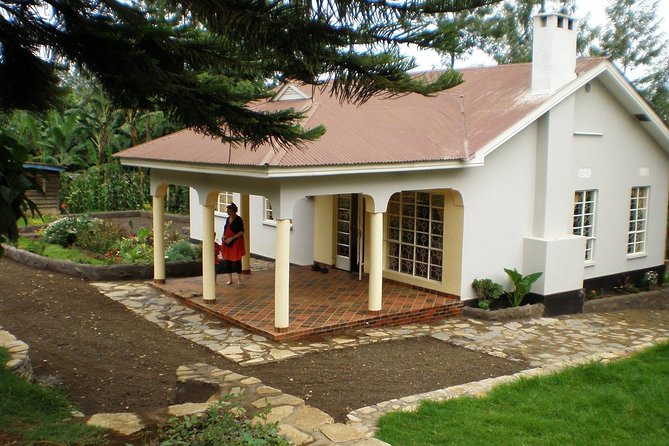
- Sleep on a working coffee farm: Your two-night guesthouse stay puts you in the same village where the coffee is produced.
- Follow coffee from seed to cup: You see organic growing, traditional methods, roasting, and the work behind the finished drink.
- Meet the village on foot: The walk passes the hospital, primary and secondary schools, an orphanage, and the mountain’s oldest church.
- Eat local home cooking: Breakfast and dinner come from the guesthouse kitchen, with a Tanzanian lunch served in the garden.
- Support fairer farm income: The coffee operation says it pays farmers three times the normal price and avoids chemical sprays.
- Enjoy a private experience: Only your group participates, with pickup from Arusha or the airport available by arrangement.
A gentle start from Arusha at 5:00 p.m.
The experience begins with pickup in Arusha town at 5:00 p.m. You provide the pickup address, then ride roughly 30 to 40 minutes to the village. Airport pickup is also possible, which can make this a useful first stop after landing, provided the timing works with your arrival.
The short drive matters. You leave the city without spending half a day in a vehicle, yet you still reach a rural setting where coffee farming is part of ordinary life. On arrival, you check into your room, then have time for a short village walk before dinner.
This first evening is intentionally light. You are not rushed into a full activity after the transfer. That gives you time to settle in, see where you are staying, and prepare for the longer walking day ahead.
The guesthouse is part of the appeal. You are staying in the same village as the coffee farm, rather than visiting a plantation and returning to a city hotel. The setting is simple and local, with homemade breakfast and dinner prepared by the resident chef.
I would choose comfortable, practical clothing for arrival. The trip is not built around luxury hotel service, and the appeal lies in the farm setting, the meals, and the people you meet. If you need a highly polished resort experience, this may feel basic. If you want a closer look at village life, the arrangement makes good sense.
More Walking Tours in Arusha
- Arusha Guided Walking City Tour, Culture, Lifestyle & History
★ 5.0 · 150 reviews - 4 Days lodge safari Tarangire , Ngorongoro crater & Walking
★ 5.0 · 39 reviews - Tanzania – Arusha NP – Private Guided 4×4 Safari – Game Drive & Walking
★ 5.0 · 30 reviews
Walking through Nkoaranga Village
After breakfast on day two, the coffee guide meets you at about 9:30 a.m. From the guesthouse, you walk to the village center. This is more than a transfer to the farm. The route gives you a look at important parts of local life, including a hospital, primary and secondary schools, an orphanage, and the oldest church on the mountain.
That village walk adds context to the coffee story. Coffee is not an isolated crop here. It connects with family income, schooling, health care, and the wider community. When you learn that farmers often receive too little for their crop, the idea of a better payment becomes more than a slogan. It becomes part of the village economy you are seeing around you.
Guide Samwel is one of the names worth requesting if available. He grew up in the area and has a strong grasp of local plants, traditions, and coffee production. His friendly, informal style suits this experience, especially if you enjoy conversation rather than a formal lecture.
The walk also requires reasonable mobility. The full day lasts about six hours, and much of the value comes from moving between the village, the farm, and the roaster on foot. The supplied information says most people can participate, but it does not promise an accessible route for every mobility level. If hills, uneven paths, or a long walk are difficult for you, ask about the route before booking.
Seeing organic coffee at the farm
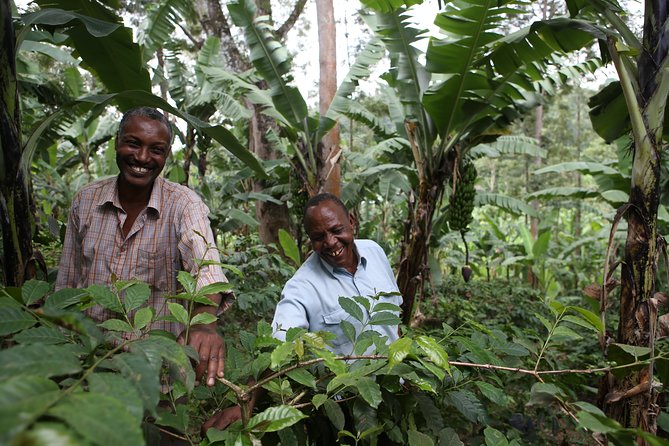
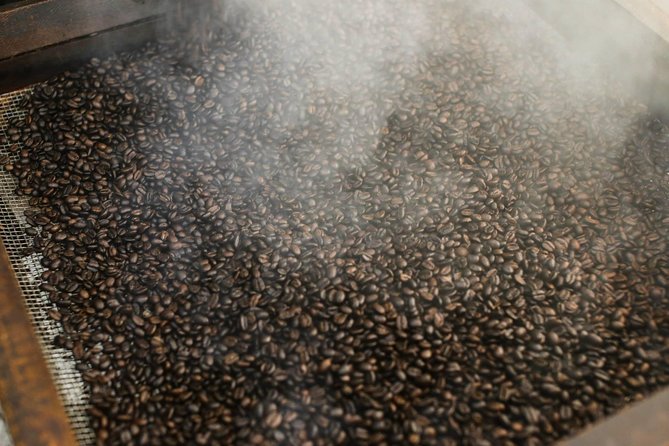
The walk continues to an organic coffee farm, where the guide explains the difference between traditional and organic production. The central lesson is simple: the trees are not sprayed with chemical products. That matters to farm workers who handle the crop, and it matters to people who care about how their coffee is grown.
You also learn how long the process is before coffee reaches your cup. The experience follows the crop from seed and tree to processing and roasting. That makes it more useful than a tasting alone. You leave with a clearer idea of the labor involved and why the price paid to the grower affects the whole chain.
The farm’s Fairtrade approach is another strong point. The operation says it pays farmers three times the normal price. In a region where coffee income may not cover school costs for children, that difference can have a practical effect.
I appreciate that the tour connects ethics with an actual place. You are not simply told to buy fair coffee. You see the farm, meet the people involved in the area, and learn why fair payment matters. Still, you should treat the experience as an educational village visit, not as a technical course in coffee science. The details supplied focus on farming, culture, and roasting rather than laboratory-level processing.
Lunch in the garden, with a full Tanzanian plate
The walk downhill to the roaster takes about 30 to 40 minutes. That timing is useful to know because the day involves steady movement, not just standing beside a coffee tree for photographs.
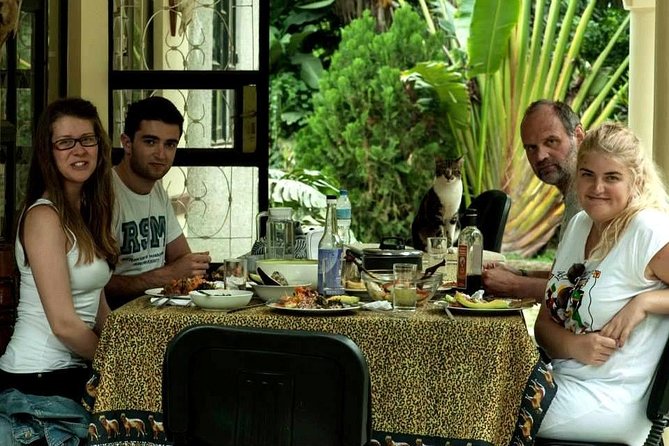
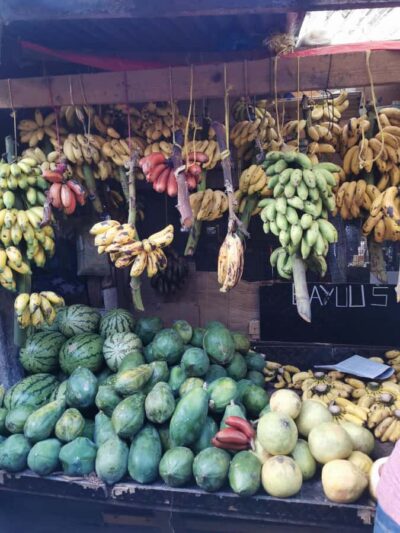
Lunch is served in the garden and includes several Tanzanian and village specialties. You can expect chapati, roasted banana, rice, ugali, goat sauce, spinach, salad, and fruit. It is a generous spread of familiar staples and local dishes, giving you a chance to taste more than the coffee itself.
The food is a major part of the stay. Breakfast and dinner are homemade at the guesthouse, while lunch comes during the day’s farm visit. This makes the $270 price easier to assess, because you are paying for more than a guided walk. The package includes transport from Arusha, two nights of accommodation, meals, and a private coffee and village program.
The exact inclusions should still be confirmed when booking. The supplied details clearly describe the guesthouse, meals, walks, and transfers, but they do not provide a line-by-line list of every possible cost. Ask what is covered if you need to plan tightly.
A few more options to weigh up in Arusha
- Materuni Waterfalls, coffee tour & Kikuletwa Hot Springs
★ 5.0 · 643 reviews - Materuni waterfalls coffee tour & Chemka hot springs Day trip
★ 5.0 · 131 reviews - Maasai village visit, Materuni waterfalls & coffee experience
★ 4.5 · 95 reviews - Materuni Waterfalls & Coffee Tour from Moshi
★ 5.0 · 92 reviews
Roasting and the final step from tree to cup
The roaster is where the coffee story becomes complete. After seeing the crop growing, you follow it toward the finished drink and gain a clearer sense of the work required at each stage.
This final part is especially useful for coffee drinkers who usually encounter the product only after it reaches a café or shop. The tour gives you a reason to slow down and think about farming, processing, payment, and taste as parts of one chain.
The experience does not appear to be built around a large commercial tasting room or a long menu of brewing methods. Its strength is the direct setting and the chance to ask questions. You may find the presentation relaxed and personal rather than highly scripted.
That informal approach has two sides. I see it as a benefit because it leaves room for conversation with the guide. It also means the experience may vary a little with the day, the group, and the guide available. People who prefer a polished factory tour with timed demonstrations may want something else.
Two nights in the coffee village
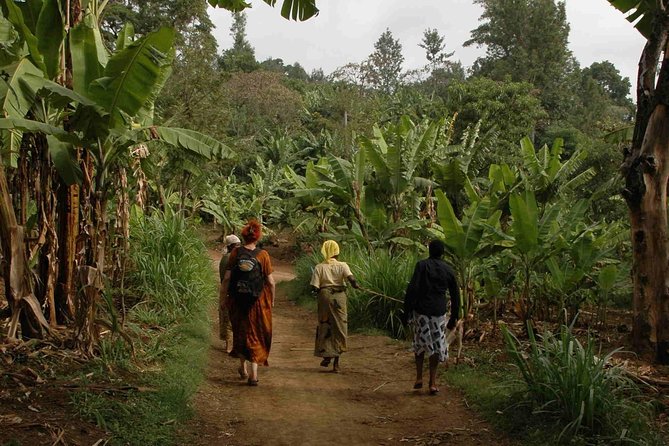
The overnight stay changes the pace of the trip. A short coffee excursion can show you a farm, then return you to Arusha before you have adjusted to the setting. Two nights let you eat at the guesthouse, walk around the village, and spend time in the place where the coffee is made.
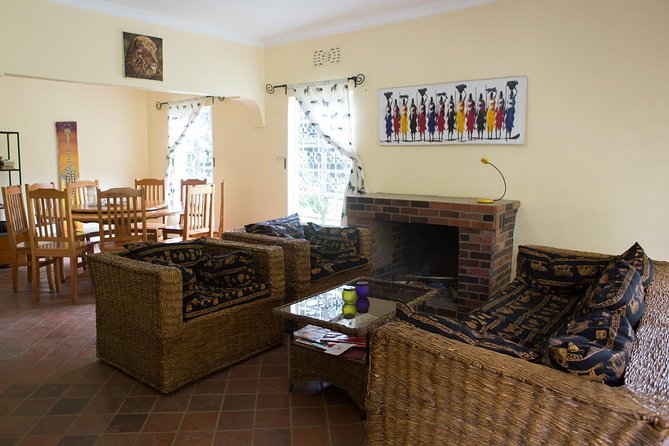
The accommodation is best viewed as a comfortable base for a local experience, not as a reason to book a luxury escape. The supplied information highlights the garden, homemade meals, and friendly staff. It does not provide room categories or detailed facilities, so contact the operator if you need specific information about bedding, bathrooms, or other amenities.
A village stay also asks you to be a considerate visitor. The route passes community buildings and places of daily importance. Dress respectfully, listen to your guide, and remember that this is a lived-in village, not a set built for sightseeing.
The private format is helpful here. Only your group participates, so you can ask questions at your own pace and avoid being folded into a large bus group. Group discounts are available, which could make the cost more attractive for couples, families, or friends booking together.
What the $270 price really buys
At $270 per person, this is not the cheapest coffee outing around Arusha. The price makes more sense if you use the complete package: pickup, two nights, meals, a private guide, village walks, farm access, and the roasting visit.
You are also paying for time. The first day includes the transfer and overnight stay. The second day is about six hours of walking and learning. The third day begins with a slow breakfast before the drive back to Arusha, leaving you free to continue with a safari or another Tanzania plan.
The fair payment model is an important part of the value. The coffee operation says it pays farmers three times the usual rate, and the farm uses organic methods. You should not assume that every dollar goes directly to growers, but the stated approach gives this trip a stronger social purpose than a standard sightseeing stop.
I would consider it good value for someone who already plans to spend time in Arusha and wants a personal, low-key experience. It is less compelling if you only have a few hours or if your main goal is to sample many different coffees. This is a stay in a working village with coffee at its center, not a fast urban tasting.
Who will enjoy this most

I would recommend the experience to you if you like meeting local people, walking through rural areas, and learning how an everyday product is made. Coffee drinkers, responsible tourism supporters, and visitors who want a break from vehicle-based sightseeing should find plenty to enjoy.
It also suits couples and small private groups. One couple used the guesthouse as part of a longer Tanzania holiday, combining the coffee stay with a private safari. That kind of pairing works well: the village offers a slower start or finish around more demanding safari days.
Families may also appreciate the schools, church, orphanage, garden, and farm elements, though the walking distance and the adults’ interest in coffee should guide the decision. Group discounts can help with the price.
I would hesitate to book it if you dislike walking, need highly detailed accessibility guarantees, or want a luxury hotel with a tightly timed professional show. The program is personal and grounded, but it is not designed to feel like a major visitor attraction.
Timing, pickup, and cancellation advice
The experience runs with pickup from Arusha at 5:00 p.m. on day one, the guided walk at approximately 9:30 a.m. on day two, and return to Arusha after a slow breakfast on day three. The overall duration is about three days.
The listed operating hours are Monday through Sunday from 8:30 a.m. to 11:00 p.m., covering the period from January 3, 2020 through June 18, 2026. Confirmation is provided when you book, and mobile tickets are available.
Free cancellation applies when you cancel at least 24 hours before the local start time. A cancellation made within 24 hours is not refundable, and late changes are not accepted. Keep the pickup time in mind when arranging flights or other activities.
Should you book the coffee walk?
Book this if you want coffee explained at its source, a genuine village stay, and a private experience that supports an organic and Fairtrade farm. The strongest reasons are the two nights at the guesthouse, the local guide Samwel, the homemade food, and the chance to connect coffee income with community life.
Skip it if you want a short tasting, a luxury stay, or a tour with no extended walking. For the right visitor, the $270 cost buys a thoughtful three-day introduction to coffee, culture, and rural Tanzania. It is a particularly good choice before or after a safari, when a slower village setting can add another side of the country to your trip.
FAQ
Where does the coffee walk take place?
The experience takes place in the Arusha Region, in the same village where the coffee is produced. The guesthouse is on a coffee farm.
How long does the experience last?
The tour lasts approximately three days and includes two nights at the guesthouse.
What time is pickup from Arusha?
Pickup from Arusha town is scheduled for 5:00 p.m. on the first day. You should provide the exact pickup location when booking.
Is airport pickup available?
Yes, airport pickup is possible. You should arrange the pickup details with the operator.
What happens on the second day?
After breakfast, the coffee guide meets you at about 9:30 a.m. You walk through the village, visit an organic coffee farm, learn about local culture and coffee production, walk to the roaster, and eat lunch in the garden.
What food is included?
The stay includes homemade breakfast and dinner at the guesthouse. Lunch includes dishes such as chapati, roasted banana, rice, ugali, goat sauce, spinach, salad, and fruit.
Can I cancel for a full refund?
Yes, if you cancel at least 24 hours before the experience starts according to the local time. Cancellations made less than 24 hours before the start time are not refunded.
Just added in Arusha
- Safari “Kifaru” – 5 days in the most famous Parks in the world★ 5.0 · 4 reviews
- Saadani Day Trip★ 5.0 · 13 reviews
- 3 Days Tanzania Short and Spicy★ 5.0 · 6 reviews
- 5 Day Tanzania Safari Camping Adventure Private Tour★ 5.0 · 2 reviews
- Day Trip to Ngorongoro Crater from Arusha★ 5.0 · 1 review
- SERENGETI NATIONAL PARK Tour★ 4.5 · 5 reviews
- 3 Days Serengeti Park & Ngorongoro Crater Adventure Safari★ 5.0 · 8 reviews
- 6 Days Tanzania Bush Experience Safari★ 5.0 · 6 reviews
Walking Tours, compared.

3 Hours Private Stone Town walking Tour with Guide
Read our review →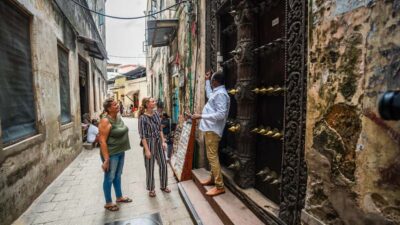
Stone Town Historical Cultural Walking Guided Tour
Read our review →

Arusha Guided Walking City Tour, Culture, Lifestyle & History
Read our review →
Browse the lists this tour appears in