
Reviewed · CITY TOURS
Dar es Salaam City Tour – Visit all attractive places
Dar es Salaam reveals itself one stop at a time. This private 6 to 7-hour tour gives you a practical way to see the city’s main sights, moving from Kariakoo Market and historic churches to the National Museum, fish market, Village Museum, and Mwenge Woodcarvers Market. I especially like the hotel, ferry, or port pickup and the chance to travel at your own pace with only your group. I also like that bottled water, transport, entrance fees, and listed activities are covered. The main point to consider is that lunch is not included, and part of the later journey uses public transport and a tuk tuk rather than the tour vehicle.
The $117 price is fair if you are arriving by cruise ship, have one day in Dar es Salaam, or want to cover several spread-out sights without arranging taxis. The itinerary is full, though, and the market visits are active rather than polished sightseeing stops. Come ready for noise, crowds, changing smells, and a city that asks you to pay attention.
In This Review
- Key points to know before booking
- Why this private tour works well in Dar es Salaam
- Kariakoo Market and the story behind its name
- St Joseph’s Cathedral and Dar es Salaam’s older center
- Askari Monument and the marks of colonial rule
- National Museum of Tanzania in 45 minutes
- Kivukoni Fish Market beside the state compound
- Lunch, public transport, and the Village Museum
- Mwenge Woodcarvers Market and the trip back
- What the $117 price includes
- Who should book this Dar es Salaam city tour?
- Should you book it?
- FAQ
- How long does the Dar es Salaam City Tour last?
- Where can pickup take place?
- Is this a private tour?
- Is lunch included?
- Are entrance fees included?
- Is drinking water provided?
- Does the tour use public transport?
- What is the cancellation policy?
Key points to know before booking
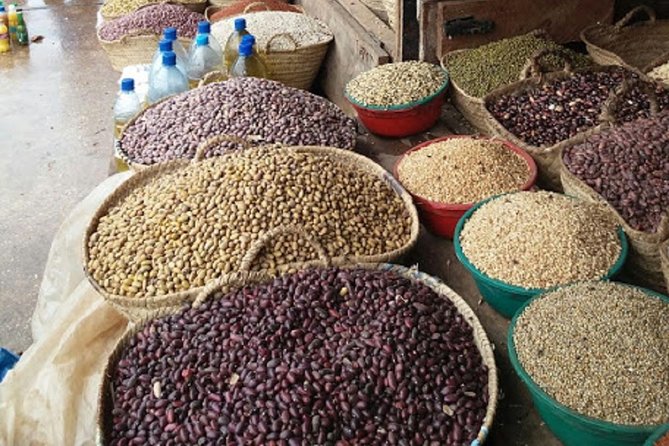
- Kariakoo Market opens the day with local trade: You get a close look at one of Dar es Salaam’s most important markets, with roots reaching back to 1916.
- Pickup is flexible: You can start from your hotel, the ferry area, or the port, which is especially useful for cruise passengers.
- The tour mixes major sights with everyday life: Churches, colonial-era monuments, museums, a fish auction area, and craft stalls all appear in one day.
- Mansoor may be your point of contact: One booking experience praised his steady communication before pickup and the clean minivan with cold water.
- The final museum and dance visit takes time: Allow about 90 minutes at the Village Museum, including traditional ngoma dancing.
- Lunch costs extra: You pay directly at the hotel during the break, and the later transfer includes public transport and a tuk tuk.
Why this private tour works well in Dar es Salaam
Dar es Salaam is spread across a large urban area, and the sights do not sit neatly along one walkable route. A private vehicle saves you from arranging several taxis and lets you spend the day with one driver guide who already knows the sequence of stops.
That matters most if you are visiting for a short time. The tour begins at Kariakoo Market and ends north of the center at Mwenge, so you cover a lot of ground. You are not limited to the obvious waterfront sights, and the day includes places you could easily miss on your own.
The private format also gives your group more control. You are not waiting for strangers at every stop, and the guide can set the pace within the planned schedule. Six to seven hours is enough for a broad introduction, but it is not enough for slow visits at every location. If you love markets and museums, you may wish you had more time at a few stops.
The provided drinking water is a small but useful touch. Dar es Salaam can make a full day outdoors feel longer, especially at the open markets. One guest specifically praised the supply of cold water and the condition of the minivan, so you can reasonably expect comfort to be part of the experience when the vehicle is being used.
A few more options to weigh up in Dar es Salaam
- Dar es Salaam: City Tour
★ 4.7 · 159 reviews - Dar es Salaam City Center: Walking Tour
★ 4.8 · 102 reviews - Dar es Salaam City Tour – Everyday
★ 5.0 · 64 reviews
Kariakoo Market and the story behind its name
Your first stop is Kariakoo Market, with about an hour to look around. This is a strong choice for the opening because it places you in the middle of ordinary city commerce before you move on to monuments and museums.
The market’s name comes from the British colonial period. After British forces captured Dar es Salaam from the Germans during World War I, a former Carrier Corps depot was converted into a market. Swahili speakers pronounced Carrier Corps in a way that became Kariakoo, the name still used today.
That detail gives the market more meaning than a simple shopping stop. You are seeing a place shaped by war, colonial administration, language, and daily business. The market remains a working place, not a display built for sightseeing, so stay alert and respectful while looking at the goods and watching transactions.
An hour gives you time to take in the scale and movement without making the visit exhausting. Keep your valuables secure and ask before taking close photographs of people or their merchandise. The tour does not describe a set shopping program, so you should treat purchases as optional rather than part of the experience.
St Joseph’s Cathedral and Dar es Salaam’s older center
From Kariakoo, the route passes the Uhuru Torch Monument at Mnazi Mmoja and the old Boma before reaching St Joseph’s Cathedral. You spend about 30 minutes here, which is enough for a focused look rather than a long religious architecture visit.
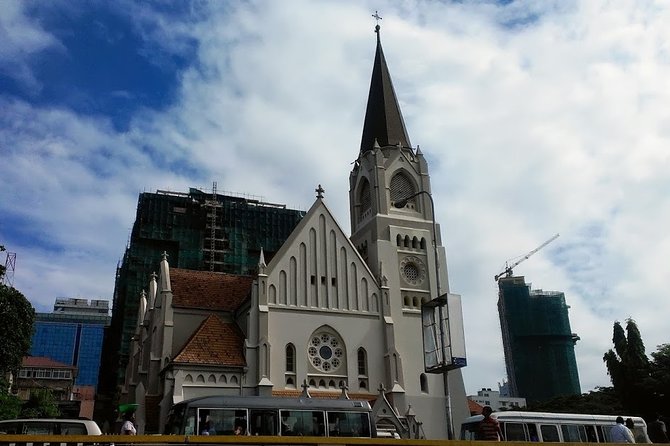
St Joseph’s was the first Roman Catholic cathedral on mainland Tanzania. The main building was completed between 1897 and 1902, and it was consecrated on October 15, 1908. Its Gothic design includes a shingled spire, a vaulted interior, and carved relief above the main altar.
Look for the original German inscriptions inside. They provide a direct reminder of the city’s German colonial period and add a layer of context to the building’s Christian purpose. The cathedral overlooks the harbor, linking the church to the port city around it.
The route also passes the Lutheran Cathedral before reaching the Askari Monument. These short drives are useful because they connect individual sights into a larger picture of old Dar es Salaam. You are not just checking off buildings. You are seeing how German, British, African, and religious influences overlap in the city center.
Askari Monument and the marks of colonial rule
The Askari Monument receives about 15 minutes, with no separate admission charge. It is a brief stop, but it helps explain the political history behind the city’s streets and public spaces.
The British colonial government built the monument after replacing a German statue from 1911. That earlier statue honored Major Herman Von Wissmann, the first Governor of German East Africa, appointed in 1895. The British removed it in 1916 after Germany’s defeat and withdrawal during World War I.
The monument’s short visit works best as a quick history lesson and photo stop. Do not expect a large site with indoor exhibits. Its value comes from the story of changing colonial power, not from the amount of time you spend standing beside it.
A different kind of day out entirely:
- MIKUMI NATIONAL PARK – 3 Days
★ 4.5 · 63 reviews - 2 nights 3 days safari to mikumi national park
★ 5.0 · 62 reviews - 2 Days 1 Night Mikumi National Park from Dar es salaam
★ 5.0 · 60 reviews - The Best/Top Rated Cultural City Tour in Dar es Salaam
★ 5.0 · 57 reviews
National Museum of Tanzania in 45 minutes
The National Museum of Tanzania, also called the Museum and House of Culture, gives the tour a more formal cultural stop. You have about 45 minutes here, with admission included.
The museum was Tanzania’s first national museum. It was established in 1937 and opened to the public on December 7, 1940, first under the name King George V Memorial Museum. In 1962, the name changed to the National Museum.
The stop helps balance the market visits. At Kariakoo and Kivukoni, you watch the city at work. At the National Museum, you get a place for historical and cultural interpretation. Forty-five minutes is enough for a selected visit, but you will need to keep moving if you want to see every section carefully.
This is one reason the private format has value. Your guide can keep the day moving, but you can also decide where to spend your attention. If museums are your main interest, tell the guide early that you would prefer a little more time here and a little less time at a later shopping stop, if the schedule allows.
Kivukoni Fish Market beside the state compound
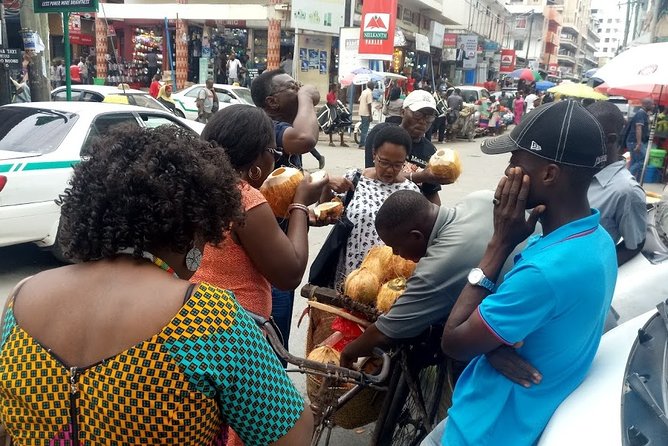
The Kivukoni Fish Market gives you another look at Dar es Salaam’s working life. The tour allows about an hour, and the route passes Tanzania’s State House on the way. Photography is not allowed at the State House, so follow that restriction carefully.
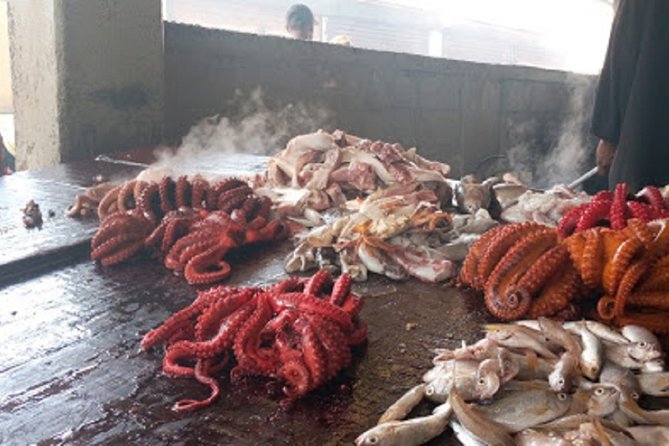
At Kivukoni, fishers sell their catch to restaurant owners and people shopping for home meals. The market is divided into two main sections and eight zones, including an auction area. Elsewhere, fish are cleaned, cooked, and sold again at marked-up prices.
This stop is likely to be one of the most memorable, but it may not suit everyone. Fish markets can be wet, crowded, and strong-smelling. That is precisely why the visit offers a useful view of the city. You see the chain from catch to sale rather than a staged cultural display.
Wear shoes you do not mind using in a working market, and stay close enough to your guide to follow instructions. The provided water helps here, though you should still pace yourself. The one-hour visit is long enough to observe the auction and other sections without turning the stop into an all-day activity.
Lunch, public transport, and the Village Museum
After the fish market, you take a lunch break. Lunch is not included, and you pay directly at the hotel. The exact hotel and menu are not specified, so budget separately and ask your guide about the timing before the day begins.
The transport plan changes after lunch. You take public transport from Kivukoni to Morocco Road, then continue by tuk tuk, also called a rickshaw, to the Village Museum. This is an important detail for anyone expecting private vehicle service from door to door. The public transport segment adds a more local element, but it may feel less comfortable or less predictable than the minivan.
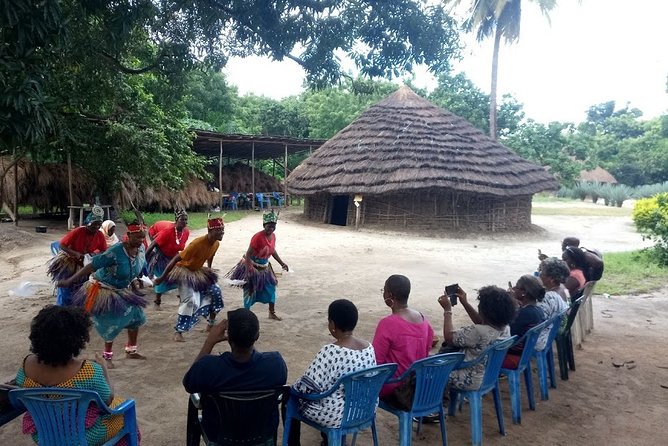
The Village Museum, or Kijiji cha Makumbusho, sits along Ali Hassan Mwinyi Road in Kijitonyama. Its grounds contain about 20 traditional houses representing Tanzania’s more than 120 ethnic groups. You can enter the houses and see furnished huts, cattle pens, and meeting places.
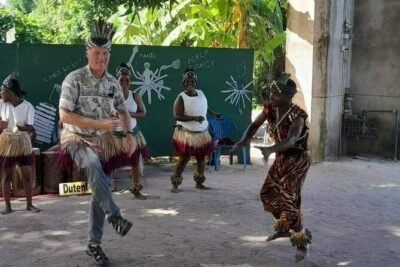
This is the longest cultural stop, at about 90 minutes. It gives you time to look at the buildings instead of simply taking a quick photograph. The arranged ngoma performance adds a live element, with traditional dancing after your walk through the museum.
The museum cannot represent every one of Tanzania’s ethnic groups in a single visit, so think of it as an introduction. Its value is in showing different building styles and domestic spaces in one location. The dance session makes the stop more active, but the quality and exact format of the performance are not described in detail, so keep expectations sensible.
Mwenge Woodcarvers Market and the trip back
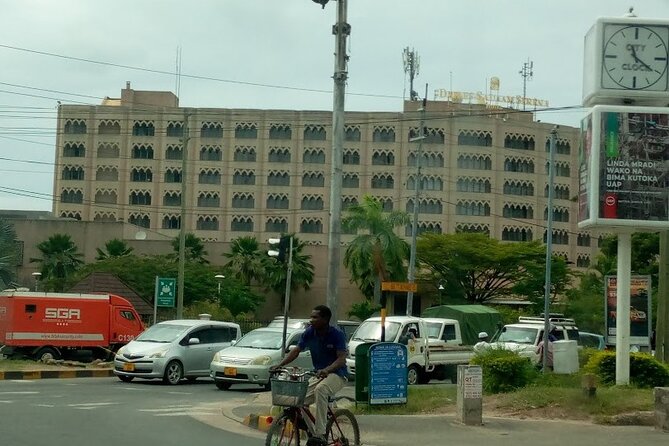
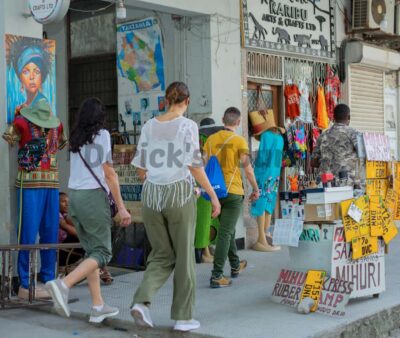
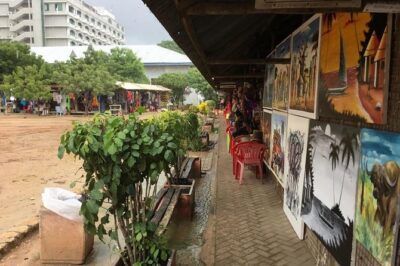
The final stop is Mwenge Woodcarvers Market, with about 30 minutes to browse. Here you see carved products made from African blackwood, also called ebony.
This is the most shopping-focused stop on the tour. Thirty minutes gives you time to look at the workmanship and decide if you want to buy something, but it is not a long bargaining session. If you plan to purchase a large carving, ask about packing and transport before handing over payment. The tour information does not specify shipping services, so you should not assume they are included.
The market also provides a lighter ending after the museum and fish market. You can finish with crafts, then your driver takes you back to your hotel. The final drop-off is included, which saves you from finding a taxi after a full day.
What the $117 price includes
At $117 per person, the tour is not the cheapest way to see one or two Dar es Salaam sights. Its value improves when you use the full day: pickup, a private guide and vehicle for much of the route, public and private transport, admission fees, bottled water, and the listed activities are included.
You also avoid paying entry fees at each stop. That makes the cost easier to track, especially if you are visiting from a ship and have limited time. Group discounts are available, so the per-person value may improve for a larger private group.
Lunch, tips, and anything not listed are extra. The public transport and tuk tuk section is included, but it means the experience is not entirely private in the same way as the minivan portions. Ask about the lunch break and transport sequence when you confirm the booking so the day matches your expectations.
Who should book this Dar es Salaam city tour?
I would choose this tour if you want a broad first look at Dar es Salaam rather than a slow, specialist visit to one museum or market. It suits cruise passengers, first-time visitors, families or friends who prefer a private group, and anyone who does not want to arrange several taxis.
It also fits you if local markets matter as much as famous buildings. Kariakoo and Kivukoni show daily commerce, while the Village Museum and Mwenge market add culture and craft.
I would hesitate if you want a quiet, highly polished sightseeing day or dislike crowded markets, fish-market smells, public transport, and tuk tuk rides. The schedule is active, and some stops are short. Museum specialists may want more time at the National Museum, while serious shoppers may prefer a dedicated craft-market visit.
The tour requires good weather. If poor weather cancels the experience, you are offered another date or a full refund. You can cancel for a full refund up to 24 hours before the start time, but changes or cancellations inside that window are not accepted.
Should you book it?
Book it if your priority is coverage and convenience. In one day, you see Dar es Salaam’s markets, religious architecture, colonial monuments, national museum, traditional houses, dance, and woodcarving. The private setup, included transport, and port pickup make the $117 price easier to justify.
Before booking, be clear about the lunch cost and the switch to public transport and tuk tuk after Kivukoni. If those details suit you, this is a useful city introduction with enough local texture to keep it from feeling like a drive-by photo tour.
FAQ
How long does the Dar es Salaam City Tour last?
The tour lasts approximately 6 to 7 hours.
Where can pickup take place?
Pickup is offered from your hotel, the ferry area, or the port. The stated starting meeting point is the Ferry Ticket Office at 57JW+4XH in Dar es Salaam.
Is this a private tour?
Yes. Only your group participates in the private tour or activity.
Is lunch included?
No. Lunch is not included, and you pay directly at the hotel during the lunch break.
Are entrance fees included?
Yes. All fees and taxes are included, along with admission for the listed activities.
Is drinking water provided?
Yes. Bottled drinking water is included.
Does the tour use public transport?
Yes. After the fish market and lunch, the route uses public transport from Kivukoni to Morocco Road, followed by a tuk tuk to the Village Museum.
What is the cancellation policy?
You can cancel at least 24 hours before the experience start time for a full refund. Cancellations or changes made less than 24 hours before the start time are not accepted. If poor weather causes the tour to be canceled, you are offered a different date or a full refund.
Just added in Dar es Salaam
- Zanzibar: 3 Days to Mikumi and Chizua Waterfalls★ 3.5 · 5 reviews
- 3 Days and 2 Nights Mikumi Private Safari Adventure★ 5.0 · 2 reviews
- UDZUNGWA NATIONAL PARK AND WATERFALLS – 3 Days★ 4.5 · 2 reviews
- Explore Dar es Salaam: Full-Day Private City Tour★ 5.0 · 18 reviews
- Stone Town & Spice Tour★ 4.5 · 2 reviews
- Trip to the old City of Bagamoyo★ 5.0 · 1 review
- 2 Day Wildlife Experience and Masai Culture Mikumi Park★ 5.0 · 5 reviews
- Sunrise Beach Walk with Picnic Breakfast Activity★ 5.0 · 3 reviews
City Tours, compared.

Arusha Guided Walking City Tour, Culture, Lifestyle & History
Read our review →
The Best/Top Rated Cultural City Tour in Dar es Salaam
Read our review →
Browse the lists this tour appears in