
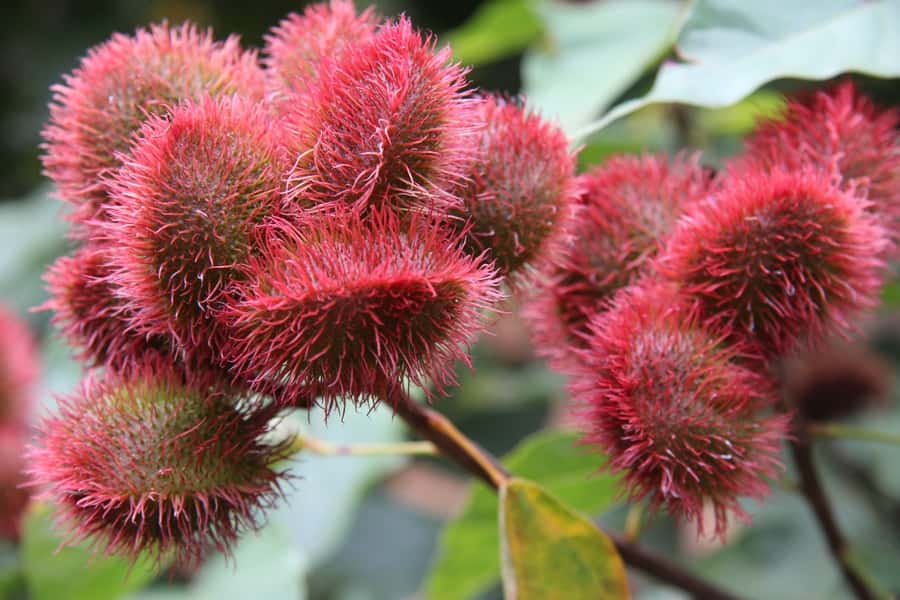
Reviewed · STONE TOWN TOURS
From Stone Town: Spice Tour of Zanzibar
Spice brings Zanzibar’s story to life. This 2.5-hour visit to a small plantation gives you a close look at cloves, vanilla, cinnamon, cardamom, ginger, pepper, nutmeg, and tropical fruit, with a guide explaining how each plant grows and how local people have used it. I especially like the chance to touch, smell, and taste the plants instead of seeing them only as dried goods in a market. The singing coconut climber and fresh coconut water add a memorable local touch.
I also like the easy hotel pickup from Stone Town and the chance to buy spices, soaps, and perfumes directly at the farm. At $30 per person, the tour offers good value if you want transport, a guide, plantation entry, tastings, and a short cultural performance in one outing. The main consideration is that the experience is not ideal for people with mobility impairments, and you should carry cash for purchases and tips.
- See spices growing on the plant: Learn what cloves, vanilla, cinnamon, cardamom, turmeric, ginger, pepper, and nutmeg look like before they reach your kitchen.
- Taste fruit from the farm: Mango, papaya, jackfruit, guava, avocado, and tamarind may appear during the walk, depending on what is available.
- Watch the coconut climber: A performer climbs a palm while singing the traditional Jambo song, then opens a fresh coconut for you.
- Learn local plant uses: The guide explains traditional uses for plants such as neem and the iodine tree.
- Shop at the farm: Buy spices, perfumes, soaps, and other small items to take home.
- Keep the timing simple: Hotel pickup from Stone Town, a 2.5-hour visit, and return transport make this easy to fit into a day of sightseeing.
In This Review
- Why Zanzibar Is Called Spice Island
- Walking Among Cloves, Vanilla, and Cardamom
- Tropical Fruit Tasting Under the Trees
- The Coconut Climber and Fresh Jambo Song
- Buying Spices, Soaps, and Perfumes at the Farm
- Pickup From Stone Town and the 2.5-Hour Schedule
- Who Will Enjoy This Spice Tour Most
- Practical Tips for a Better Visit
- Should You Book This Zanzibar Spice Tour?
- FAQ
- How long does the Zanzibar spice tour last?
- What is included in the price?
- Is hotel pickup available?
- Which languages are available for the guided tour?
- What spices can you see on the plantation?
- Can you taste fruit during the tour?
- Is food included?
- What should you bring?
Why Zanzibar Is Called Spice Island
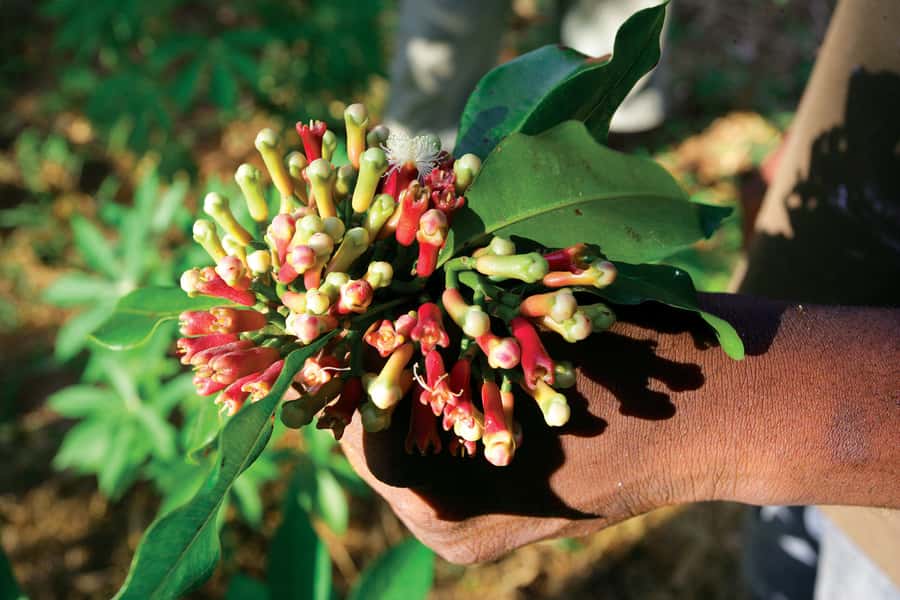
Zanzibar’s spice identity can sound like a slogan until you see the plants themselves. On this farm, spices are not lined up in jars. You see them growing, smell their leaves, and learn which part of each plant becomes the familiar kitchen ingredient.
The visit covers cloves, nutmeg, vanilla, cardamom, cinnamon, curry, menthol, pepper, tamarind, and ginger. You may know many of these as powders or dried pods, but the farm helps you connect the finished product with its source. That simple change in perspective is the heart of the tour.
The guide also explains how spices are harvested and how herbs have been used locally. Neem leaves, for example, were traditionally used as a remedy for malaria and indigestion. The iodine tree has been used to help fight infections in wounds. These explanations add useful local context, but you should treat them as traditional knowledge, not as medical advice.
The farm setting makes this more than a shopping stop. You get a working introduction to plants and their uses, although the exact plants and fruit available can vary. The attraction is strongest for people who enjoy food, gardening, botany, or everyday cultural details.
Walking Among Cloves, Vanilla, and Cardamom
The main part of the outing is a guided walk through the plantation. Your guide points out each plant, explains its origin, and describes how it is harvested or used. English, French, German, Spanish, and Italian guiding is available, which is helpful if you want detailed explanations in a language other than English.
Cloves are one of the most important plants to look for. You see the tree and learn about the spice before it is dried. Cinnamon, ginger, pepper, turmeric, cardamom, and nutmeg give the walk plenty of variety, since each has a different appearance and scent.
Vanilla is particularly interesting because many people rarely see the plant itself. The same goes for cardamom, which can seem like an anonymous pod in a spice jar until you understand where it grows. The guide’s job is important here. The strongest part of the experience is not simply the number of plants, but the explanation that turns a short walk into a useful lesson.
Several people who took the tour had the chance to handle and smell the spices, with some tasting them as well. You should expect direct sensory contact, though tasting every plant is not guaranteed. Some spices are more suitable for smelling or handling than eating in their raw form.
This is also where the tour feels most authentic. You are not only buying a souvenir labeled Zanzibar. You are seeing the source and hearing how plants fit into local life. The plantation is small, so do not expect a vast agricultural estate or a full-day farm visit. The compact size works well for a short excursion, but it also means the walk may feel limited if you want an extensive botanical tour.
More Stone Town walking tours:
- Zanzibar: Stone Town, Spice Tour, Prison Island with Lunch
★ 4.4 · 1,219 reviews - Zanzibar: Prison Island, Stone Town, & Spice Farm Tour
★ 4.5 · 579 reviews - Zanzibar: Stone Town, Spice tour & Prison Island with Lunch
★ 4.6 · 453 reviews
Tropical Fruit Tasting Under the Trees
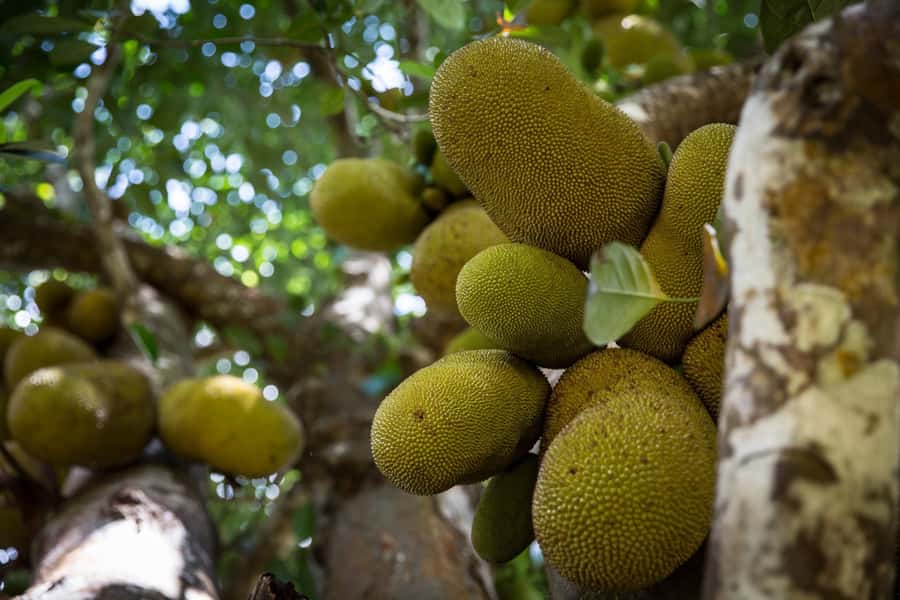
Spices are only half the attraction. The farm also grows tropical fruit, and the guide introduces you to papayas, mangoes, jackfruit, guava, avocado, and other seasonal produce. Tasting fruit directly at the plantation gives the outing a pleasant change of pace after the spice walk.
Jackfruit is often the most unusual fruit for first-time tasters. It is large, strongly textured, and quite different from the familiar mango or papaya. Guava and avocado offer their own contrast, while mango provides an easy crowd-pleaser when it is available.
The fruit selection is seasonal, so you should not expect every item listed on every visit. The useful point is that the tour lets you taste what is growing on the farm rather than presenting a fixed menu. That makes the experience feel connected to the site, even if the exact tasting varies.
The tasting also helps explain why Zanzibar’s produce matters beyond spices. The plantation is not just a place for dried goods. It shows how several food plants share the same tropical setting and how much flavor comes from eating fruit close to where it grows.
The Coconut Climber and Fresh Jambo Song
Near the end, a coconut climber provides the tour’s most theatrical moment. He climbs a coconut palm while singing the traditional Jambo song, then cuts down a coconut for you to drink.
This performance is fun, but it is also the part where you should understand the social expectations. Cash tips may be expected for the guide, assistant, and coconut climber. Tipping is not included in the $30 price, so carry small notes if you want to show your appreciation.
Some visitors receive handmade gifts or woven crowns, and the coconut moment can include fresh fruit as well. These extras are not the main reason to book, but they make the ending more memorable than a simple walk to a shop.
The coconut climber is also a reminder that this is a hosted cultural experience, not a self-guided botanical garden. The people working at the farm are part of the attraction. You are paying for their explanations, demonstrations, and time, not just access to the plants.
Buying Spices, Soaps, and Perfumes at the Farm
The tour ends at the farm shop. You can buy fresh spices for cooking at home, along with perfumes, soaps, and other handmade items. This is convenient because you have already seen the plants and can make a more informed choice about what interests you.
I would set aside some cash before leaving Stone Town. The shop is a key part of the outing, and at least one person had to be reminded to bring money for both purchases and tips. Food is not included, but fruit tastings are part of the farm visit. Do not confuse the small tasting opportunity with a full meal.
Shopping here is best approached as a souvenir stop rather than a guaranteed bargain. The value comes from buying something tied directly to the experience. A packet of cinnamon or cloves means more after you have seen the plant, smelled it fresh, and heard how it is harvested.
If you have limited luggage space, plan carefully. Large bags and luggage are not allowed on the tour. A small, comfortable day bag is the practical choice.
More Spice Farm Tours in Zanzibar:
- Full-Day Private Stone Town +Spice Farm and Prison Island Tour
★ 4.5 · 216 reviews - Spice Tour + Stone Town Tour + Prison Island
★ 4.5 · 130 reviews - Zanzibar: Spice Tour & Stone Town Walking Tour
★ 4.8 · 115 reviews - Zanzibar: Stone Town & Spice Farm Tour with Lunch
★ 4.5 · 97 reviews
Pickup From Stone Town and the 2.5-Hour Schedule
Pickup is available from any hotel within Stone Town. You wait at the hotel reception, and the operator collects you for the ride to the farm. This saves you from arranging separate transport and makes the tour easy to pair with other Stone Town activities.
Communication about pickup has generally been strong, including WhatsApp contact with Babu Tours when a hotel could not be selected correctly on the booking map. One pickup went to the wrong hotel first, but the problem was fixed through direct contact. If your hotel is difficult to locate, confirm the name and pickup point with the operator before the day of the tour.
The listed duration is 2.5 hours. That is a useful middle ground. You get enough time for the farm walk, tastings, coconut demonstration, and shop without giving up an entire day. Check the available start times when booking, since the schedule can vary.
The experience provider is Babu Tours & Safaris. Farm guides have included Juma, who was praised for being funny and informative, along with Sulley, who worked as an assistant guide. Individual guides can change, so regard those names as useful examples rather than a guarantee.
Transport, entrance fees, the guide, and government taxes are included. Food is not. At $30 per person, that package is fair for a short guided outing, especially if you value hotel pickup. You are paying more than a simple walk into a farm, but you are also getting transport, interpretation, and organized access.
Who Will Enjoy This Spice Tour Most
This is a good choice if you want a light educational outing from Stone Town. It suits couples, families with older children, solo visitors, and anyone who likes food, plants, or local traditions.
It is especially useful early in your Zanzibar stay. After the tour, you will recognize spices in markets and restaurants and have a better sense of how they grow. It also works well for a half-day schedule, since the 2.5-hour format leaves room for Stone Town sightseeing.
The tour may not suit you if you want a strenuous farm trek, a formal cooking class, or a long agricultural visit. It is a guided introduction, not an advanced lesson in spice production. The walking may also be difficult for people with mobility impairments, despite wheelchair accessibility being listed in the activity details. If mobility is a concern, confirm the ground conditions and assistance available before booking.
Comfortable shoes are the one clear packing requirement. The farm is a walking experience, and sensible footwear will make the visit easier. Leave large luggage behind.
Practical Tips for a Better Visit
A few small choices can improve the outing:
- Bring cash for spice purchases, soaps, perfumes, and tips.
- Wear comfortable shoes and avoid carrying large bags.
- Wait at your hotel reception for pickup.
- Confirm your Stone Town hotel through WhatsApp if the booking map does not recognize it.
- Keep an open mind about fruit selection, since availability can change.
- Ask questions during the plant walk. The guide is the best source of detail about harvesting and traditional uses.
- If you have allergies or dietary concerns, ask before tasting unfamiliar fruit or plant material.
The strongest praise for this experience focuses on the guides. The farm staff are described as friendly, clear, and able to answer questions. That matters because a spice plantation can otherwise become a quick sequence of labels. Good guiding gives the plants meaning.
The tour also receives consistent approval for its transport. Pickup is usually straightforward, and the operator has used WhatsApp to solve location problems. That combination of personal guiding and practical support helps justify the price.
Should You Book This Zanzibar Spice Tour?
Book it if you want to understand the meaning behind Zanzibar’s Spice Island nickname, taste local fruit, and bring home useful souvenirs without spending a full day away from Stone Town. The best parts are the hands-on plant walk, the friendly farm guides, and the coconut climber’s singing finish.
Think twice if you dislike sales stops, cannot walk comfortably, or want a more technical farming experience. The farm shop is part of the visit, and tips are an expected extra. For most visitors, though, $30 is a reasonable price for a compact, well-organized introduction to Zanzibar’s spices and tropical produce.
FAQ
How long does the Zanzibar spice tour last?
The tour lasts 2.5 hours, not including any variation that may occur with pickup and return transport.
What is included in the price?
The $30 price includes the entrance fee, a guide, and all government taxes. Hotel pickup from within Stone Town is also included.
Is hotel pickup available?
Yes. Pickup is available from hotels within Stone Town. Wait at your hotel reception to be collected.
Which languages are available for the guided tour?
Guiding is available in English, French, German, Spanish, and Italian.
What spices can you see on the plantation?
The plantation may include cloves, nutmeg, vanilla, cardamom, cinnamon, curry, menthol, pepper, tamarind, and ginger. The tour explains their origins, harvesting, and traditional uses.
Can you taste fruit during the tour?
Yes. Tropical fruit tasting is part of the experience. Fruit may include papaya, mango, jackfruit, guava, avocado, and other produce available on the farm.
Is food included?
No. Food is not included, although fruit tasting is part of the plantation visit.
What should you bring?
Bring comfortable shoes and cash for purchases and tips. Large bags and luggage are not allowed.
Just added in Zanzibar
- Best of Zanzibar: Spice Tour & Stone Town Visit★ 4.4 · 5 reviews
- Stone Town: Private Walking Tour in the Heart of Zanzibar.★ 5.0 · 1 review
- The rock restaurant and blue Lagoon★ 5.0 · 1 review
- THE GREEN TOUR: Jozani Forest & Mangrove Kayaking Experience★ 4.7 · 6 reviews
- Tea House, Zanzibar Coffee House, Spice Tour with Lunch★ 5.0 · 1 review
- Swimming with sea turtles in salaam cave★ 5.0 · 1 review
- Swim with Turtles at The Lagoons Zanzibar & Stone Town Tour★ 4.8 · 4 reviews
- Stonetown & Prison island Cultural Tour★ 5.0 · 2 reviews
Stone Town Tours, compared.
Stone Town, Spice Tour, Prison Island with Lunch
Read our review →

Stone Town, Spice tour & Prison Island with Lunch
Read our review →
3 Hours Private Stone Town walking Tour with Guide
Read our review →
Full-Day Private Stone Town +Spice Farm and Prison Island Tour
Read our review →
Stone Town Historical Cultural Walking Guided Tour
Read our review →
Browse the lists this tour appears in