
Reviewed · CITY TOURS
Full Day Private Tour in Dar es Salaam City
Dar begins at the fish market. This private tour gives you a close look at Dar es Salaam through working markets, old landmarks, art, beaches, and ordinary neighborhoods. I like the local guide format, which adds context to places that can otherwise feel like quick photo stops, and I like the mix of coastal life and national history in one long day.
The second big plus is flexibility. Only your group takes part, so you have more room to pause, ask questions, and adjust the pace. The possible drawback is the sheer size of the day: nine stops and roughly 6 to 9 hours can feel demanding, especially with markets and museums competing for your attention.
At $90 per person, this makes the most sense for visitors who want a broad introduction without arranging separate rides and guides. Pickup is offered, mobile tickets are accepted, and the tour is usually booked about 17 days ahead. If you want a calmer outing, ask about timing before you set off, especially for Kivukoni Fish Market and Kariakoo.
In This Review
- Key points to know before booking
- Why this private tour works as a first look at Dar es Salaam
- Kivukoni Fish Market: begin with the city’s working waterfront
- Azania Front Lutheran Church and the city’s layered past
- National Museum: the best place to connect Tanzania’s story
- Askari Monument: a brief stop with serious meaning
- Kariakoo Market: the busiest hour of the day
- Village Museum: traditional homes from across Tanzania
- Tingatinga Arts Cooperative Society: art with a chance to buy
- Coco Beach: a taste of how Dar relaxes
- Suburban Dar es Salaam: finish with everyday neighborhood life
- What $90 per person buys you
- Guide style, private pacing, and practical fit
- Should you book this Dar es Salaam city tour?
- FAQ
- How long does the private Dar es Salaam tour last?
- How much does the tour cost?
- Is pickup available?
- Is this a private tour?
- Are admission tickets included?
- Can I cancel for a full refund?
Key points to know before booking
- Kivukoni Fish Market opens the day with real working-city energy, not a staged cultural display.
- The National Museum and Village Museum balance one another, one focusing on national history and the other on traditional homes and customs.
- A private group makes the busy markets easier to handle, since your guide can explain what you are seeing at your own pace.
- Coco Beach adds a welcome coastal break, with ocean views, coconut juice, cassava, music, and local weekend life.
- The tour covers nine stops, so it suits curious first-time visitors more than anyone seeking a slow beach day.
- Guide and driver Said is specifically praised for friendly, caring service, a useful detail if he is assigned to your booking.
Why this private tour works as a first look at Dar es Salaam
Dar es Salaam is not a city that reveals itself in one grand monument. Its character comes through in the movement between places: fishing boats and church towers, colonial-era symbols and modern commerce, local art and the Indian Ocean.
That makes this route useful. You get several angles on the city instead of spending the whole day inside one museum or along one beach. The private setup matters here. Markets can be hard to read on your own, and a local guide can help explain the trade, customs, and social meaning behind what you see.
I also like the balance between planned sightseeing and everyday life. The route includes well-known places such as the Askari Monument, but it also takes you through Kariakoo and suburban neighborhoods. Those less polished sections may be the most memorable part of the day.
The schedule is full. The listed stop times add up to about eight hours and 40 minutes, although the overall experience is described as lasting 6 to 9 hours. That difference likely reflects traffic, pickup arrangements, and the pace of your group. Dar es Salaam traffic can make a city tour feel longer than the clock suggests, so keep your day open.
A few more options to weigh up in Dar es Salaam
- Dar es Salaam: City Tour
★ 4.7 · 159 reviews - Dar es Salaam City Center: Walking Tour
★ 4.8 · 102 reviews - Dar es Salaam City Tour – Everyday
★ 5.0 · 64 reviews
Kivukoni Fish Market: begin with the city’s working waterfront
Kivukoni Fish Market is a strong opening stop because it shows Dar es Salaam as a port city before you move into museums and monuments. From early morning, fishermen, sellers, and buyers create a scene shaped by work rather than sightseeing.
Expect strong smells, shouted prices, fresh seafood, and plenty of movement. This is not a quiet market made for browsing at leisure. It is a place where daily business matters, and your guide’s role is to help you understand the fishing traditions and the market’s place in coastal life.
The one-hour visit is long enough to look around without turning the stop into a rushed walk-through. If you are sensitive to smells or prefer tidy, controlled attractions, this may be your hardest stop. For me, that is also its value. You see a real part of Dar’s economy and social life, not a polished display created for visitors.
An early start may make the most sense here, though the exact pickup time is not provided. Ask the operator how the day is scheduled if the fish market is a priority.
Azania Front Lutheran Church and the city’s layered past
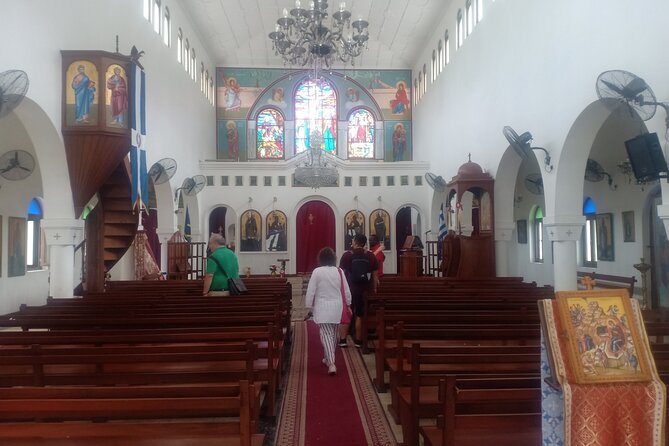
Azania Front Lutheran Church offers a sharp change of mood. Built in 1891 by German missionaries, the church has a red roof, a coastal position, and a quiet interior that gives you a break from the noise of the market.
The 30-minute stop is short, but that is probably enough for the building and a concise explanation of its origins. Your guide can connect the church to German missionary activity, colonial rule, and the continuing life of the local community.
This is not the sort of stop that will fill an entire morning. Its appeal is contrast. After the fish market, you get stillness. After the modern commercial streets later in the day, you see an older layer of Dar es Salaam.
Dress and behave respectfully, as you would at any active place of worship. The tour description does not promise a service visit or a special church event, so think of this as a brief historical and architectural stop.
National Museum: the best place to connect Tanzania’s story
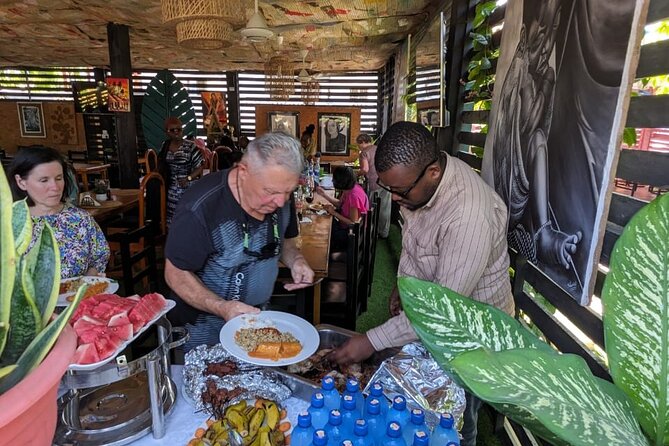
The National Museum receives about 90 minutes, making it one of the day’s main stops. It covers ancient hominid fossils, cultural material, colonial-era objects, and the independence period.
This is where the wider country comes into focus. The fish market tells you about Dar’s coast. The museum helps place that city within Tanzania’s long human and political story. I especially like the role of a guide here. Museum displays can be interesting but disconnected, while a good explanation can show how the objects relate to Tanzania today.
The stop is included in the tour price, so you do not need to manage a separate admission. Still, 90 minutes is not enough for every exhibit in detail. Your guide may shape the visit around the most important rooms and themes, which is useful if you are new to Tanzania but less ideal if you prefer to read every label.
If you enjoy archaeology, national history, or cultural museums, this is likely one of the strongest sections of the day. If museums are not your thing, the route gives you plenty of outdoor stops to balance it.
A different kind of day out entirely:
- MIKUMI NATIONAL PARK – 3 Days
★ 4.5 · 63 reviews - 2 nights 3 days safari to mikumi national park
★ 5.0 · 62 reviews - 2 Days 1 Night Mikumi National Park from Dar es salaam
★ 5.0 · 60 reviews - The Best/Top Rated Cultural City Tour in Dar es Salaam
★ 5.0 · 57 reviews
Askari Monument: a brief stop with serious meaning
The Askari Monument is a 30-minute visit in central Dar es Salaam. The bronze statue honors African soldiers who served during World War I under British colonial rule.
The monument is more than a convenient city landmark. It opens questions about military service, colonial power, African sacrifice, and the long road toward independence. Your guide can give the statue a meaning that a quick photograph would miss.
Half an hour should work well. You can see the monument, hear its background, and move on without losing too much time. The drawback is that the stop is mainly interpretive. There is no long visit or major indoor attraction attached to it, so its value depends on the quality of the explanation.
I would pay attention to how your guide handles this subject. The best version of the stop should recognize both remembrance and the difficult political setting in which the monument was created.
Kariakoo Market: the busiest hour of the day
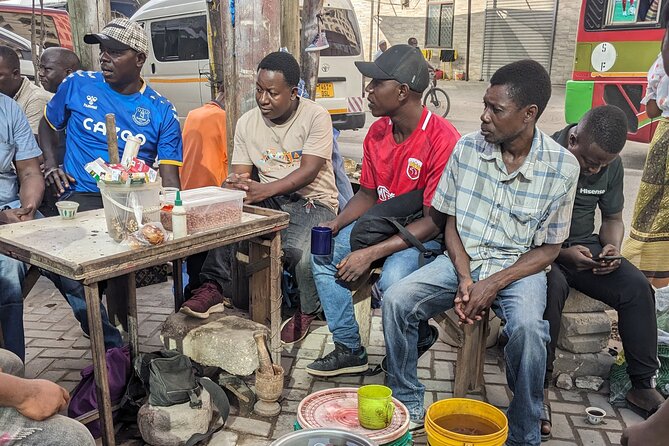
Kariakoo is the tour’s full-volume commercial stop. Vendors, shoppers, porters, and street sellers move through a dense district selling produce, clothing, electronics, and food.
The one-hour visit gives you a glimpse of the city’s retail engine. This is not the place for a slow, peaceful wander. Streets can feel crowded, and the sheer amount of activity may be tiring. That is why a private guide is particularly useful here. You can follow someone who knows how to move through the area and pause when something catches your eye.
I like Kariakoo because it shows urban Dar beyond official landmarks. The district reflects ordinary commerce and the practical business of feeding, clothing, and supplying a large city. It also gives you a chance to see how different this setting feels from the waterfront and museum quarter.
Keep your personal belongings secure and stay close to your guide. Those are sensible habits in any crowded market. The tour provides guidance, but it does not turn Kariakoo into a controlled attraction. Its appeal is the real-world setting.
Village Museum: traditional homes from across Tanzania
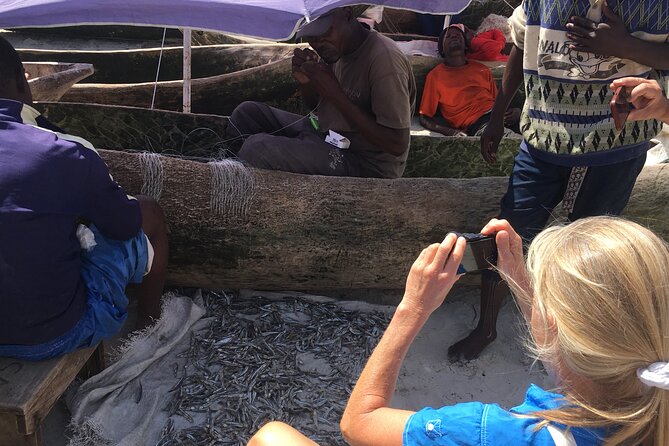
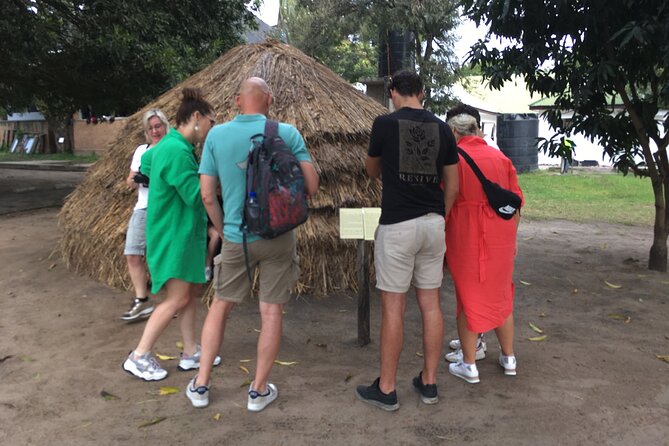
Makumbusho Village, also called the Village Museum, shifts attention from city life to Tanzania’s many cultural groups. The open-air museum includes traditional homes made with authentic materials, along with objects and customs linked to more than 200 tribes.
The 90-minute visit gives you time to walk between structures and hear why they were built in particular ways. Your guide can explain how homes, materials, and community practices reflect different parts of Tanzania.
This stop works well after the National Museum. The National Museum presents the country through artifacts and historical periods. Village Museum gives those ideas physical form. You walk around houses rather than only looking at objects behind glass.
There is a risk of trying to cover too much. A collection representing more than 200 groups cannot be fully understood in one visit. Treat this as an introduction, not a complete course in Tanzanian culture. Ask your guide to focus on a few examples rather than rushing through every structure.
The outdoor format also means the experience depends on the conditions of the day. The supplied information does not specify shade, weather arrangements, or walking surfaces, so comfortable clothing and sensible shoes are a good idea.
Tingatinga Arts Cooperative Society: art with a chance to buy
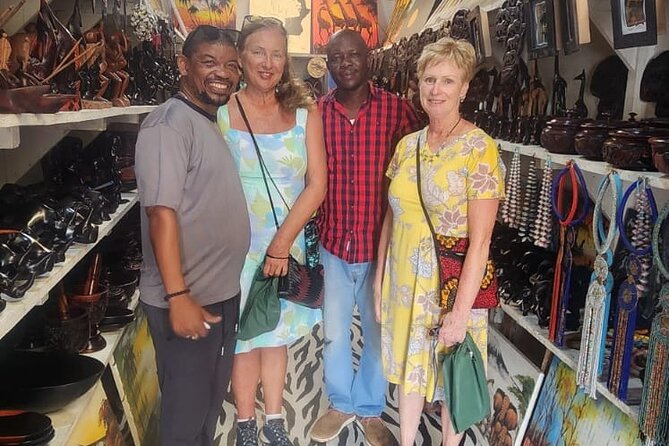
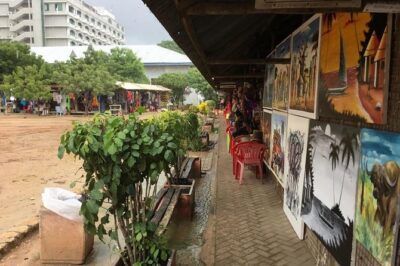
The Tingatinga Arts Cooperative Society brings a creative and commercial element to the route. You can see wood carvings, fabrics, handmade jewelry, and painted works while learning about local techniques and artisan work.
This is a useful place to buy a souvenir with a clearer connection to Tanzania than a generic airport item. The cooperative setting also lets you meet the people behind the work and understand that art is part of local business, not simply decoration.
The stop lasts about an hour. That gives you time to look, ask questions, and decide if something suits you. The tour does not state that purchases are included, so bring a payment method if you want to shop. Prices, payment options, and shipping details are not provided, so ask before committing to a larger piece.
I would treat this as an opportunity rather than an obligation. You can enjoy the craft even if you do not buy anything.
Coco Beach: a taste of how Dar relaxes
Coco Beach gives the day an Indian Ocean finish. It is a popular local retreat, especially on weekends, with sand, sea air, music, food sellers, and ocean views.
The one-hour stop is designed more for atmosphere than for a long swim or a full beach afternoon. You might try freshly fried cassava or coconut juice served from the shell, then watch the local rhythm around you.
This is one of the tour’s most appealing contrasts. After markets, museums, and monuments, the coast lets you see how Dar unwinds. It also gives you a chance to slow down without leaving the city.
Do not expect a private resort setting. Coco Beach is presented as a lively public coastal area, so its charm comes from local activity rather than quiet luxury. The tour does not specify swimming arrangements, changing facilities, or food costs. Plan around the visit as a short coastal stop, not a beach holiday.
Suburban Dar es Salaam: finish with everyday neighborhood life
The final 40-minute stop takes you through suburban neighborhoods and ordinary streets away from the main tourist sights. You may see produce sellers, neighbors greeting one another, and daily routines unfolding at street level.
I appreciate this addition because it prevents the tour from ending with only monuments and attractions. The city is also its homes, small businesses, conversations, and errands. A guide can help you observe respectfully and explain what you are seeing without turning private community life into a performance.
The short duration limits how far you can go, but it is enough to add a final human scale to the day. You will not come away with a complete picture of Dar’s suburbs. You will get a brief look at the city beyond its official stops.
Stay aware of local etiquette and follow your guide’s lead when taking photographs. The supplied details do not state specific photography rules, so ask before photographing people.
What $90 per person buys you
The $90 price needs to be judged against the amount of ground covered. You are paying for a private experience, pickup, a guide and driver, a full day of sightseeing, and admission to the National Museum and Village Museum. The tour also handles the difficult part of linking nine different places across Dar es Salaam.
For a solo visitor, the price may feel high compared with joining a large group. For two or more people, the private format becomes easier to justify, especially if you value personal attention and do not want to spend time arranging separate transport.
The strongest value comes from the range. You receive coastal culture, religious history, national heritage, commerce, traditional architecture, art, a public beach, and suburban life in one outing. The weaker value appears if you want only one theme. A museum fan may prefer more time indoors, while a beach lover may find the schedule too packed.
No meal is listed, so plan your food budget separately. The route includes market and beach food sights, but the supplied details do not confirm that food or drinks are included.
Guide style, private pacing, and practical fit
The guide is central to this experience. The description promises local stories, customs, and context rather than a simple transfer between attractions. One named guide and driver, Said, is praised for being friendly, caring, and devoted. If Said is assigned to your group, that personal service is a strong reason to value the private format.
The tour suits you best if you:
- Have limited time in Dar es Salaam
- Want both major sights and ordinary city life
- Prefer a private guide to a large group
- Enjoy markets, museums, local art, and cultural sites
- Want pickup arranged rather than planning every ride yourself
It may not suit you if you dislike crowded markets, want a slow schedule, or prefer a single relaxing activity. Nine stops require curiosity and energy. You should also allow for the fact that the advertised duration can range from 6 to 9 hours.
Confirmation arrives at booking, service animals are allowed, and the tour is near public transportation. Most people can participate, and only your group joins the activity. Free cancellation is available if you cancel at least 24 hours before the local start time. Inside that window, refunds are not provided and changes are not accepted.
Should you book this Dar es Salaam city tour?
Book it if you want a broad, personal introduction to Dar es Salaam and you are happy with a busy day. The best parts are the working fish market, the clear contrast between the two museums, the energy of Kariakoo, and the final look at everyday neighborhoods.
I would especially recommend it for a first visit, a short stay, or anyone who wants a guide to explain the city rather than simply point at it. The $90 cost is fair when shared among a small private group and when you use the full range of stops.
Skip it if your ideal day means long museum visits, a quiet beach, or plenty of unplanned time. For everyone else, this is a useful way to meet Dar es Salaam from several angles, with enough local contact to make the city feel like more than a checklist of sights.
FAQ
How long does the private Dar es Salaam tour last?
The experience lasts approximately 6 to 9 hours. The exact length can depend on the pace of the group and the day’s arrangements.
How much does the tour cost?
The listed price is $90 per person.
Is pickup available?
Yes. Pickup is offered.
Is this a private tour?
Yes. Only your group participates in the activity.
Are admission tickets included?
Admission is included for the National Museum of Tanzania and the Village Museum. The listed entries for Kivukoni Fish Market, Azania Front Lutheran Church, Askari Monument, Kariakoo Market, Tingatinga Arts Cooperative Society, Coco Beach, and the suburban Dar es Salaam stop are free.
Can I cancel for a full refund?
Yes, if you cancel at least 24 hours before the experience start time. Cancellations or changes made less than 24 hours before the start time are not refunded or accepted.
Just added in Dar es Salaam
- Zanzibar: 3 Days to Mikumi and Chizua Waterfalls★ 3.5 · 5 reviews
- 3 Days and 2 Nights Mikumi Private Safari Adventure★ 5.0 · 2 reviews
- UDZUNGWA NATIONAL PARK AND WATERFALLS – 3 Days★ 4.5 · 2 reviews
- Explore Dar es Salaam: Full-Day Private City Tour★ 5.0 · 18 reviews
- Stone Town & Spice Tour★ 4.5 · 2 reviews
- Trip to the old City of Bagamoyo★ 5.0 · 1 review
- 2 Day Wildlife Experience and Masai Culture Mikumi Park★ 5.0 · 5 reviews
- Sunrise Beach Walk with Picnic Breakfast Activity★ 5.0 · 3 reviews
City Tours, compared.


Arusha Guided Walking City Tour, Culture, Lifestyle & History
Read our review →
The Best/Top Rated Cultural City Tour in Dar es Salaam
Read our review →
Browse the lists this tour appears in