
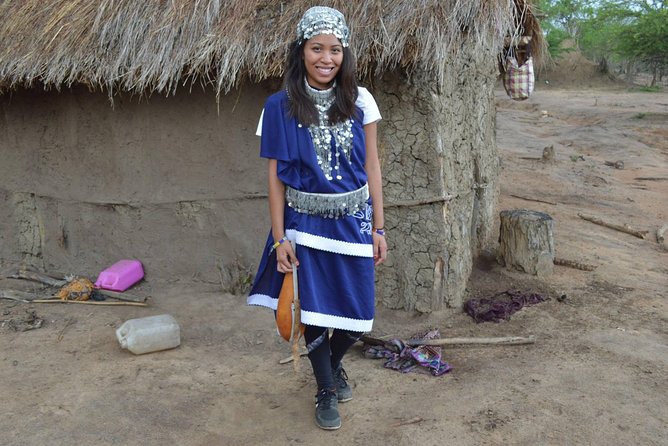
Reviewed · MAASAI VILLAGE VISITS
Maasai Boma Cultural Tour
Meet Maasai life beyond the photo stop. This two-hour visit in Tanzania’s Morogoro Region takes you into a family boma to learn about Southern Maasai language, history, homes, food, medicine, healing, and daily work. I like the direct village setting and the fact that your ticket supports a village development fund. Pickup is also offered, which makes this a smart short outing if your schedule is tight.
The main consideration is time. Two hours gives you a useful introduction, not a full picture of Maasai life. Group size can reach 25 people, although some bookings have felt private, so the amount of personal attention may vary.
In This Review
- Key points to know before you go
- Entering a Maasai family boma near Mikumi
- A short visit with a broad subject list
- The guide and the welcome
- What you learn about age sets and shared work
- Food, medicine, and healing methods
- Dancing, jumping, and taking part
- What the $30.77 price includes
- Pickup and planning the two-hour visit
- Who will enjoy this cultural tour most
- How to make the most of your visit
- Should you book the Maasai Boma Cultural Tour?
- FAQ
- Where does the Maasai Boma Cultural Tour take place?
- How long does the tour last?
- How much does the tour cost?
- Is hotel pickup available?
- What does the tour cover?
- How many people can join the tour?
- Is the village development fund included?
- Is the tour available every day?
- Can I cancel for a full refund?
Key points to know before you go
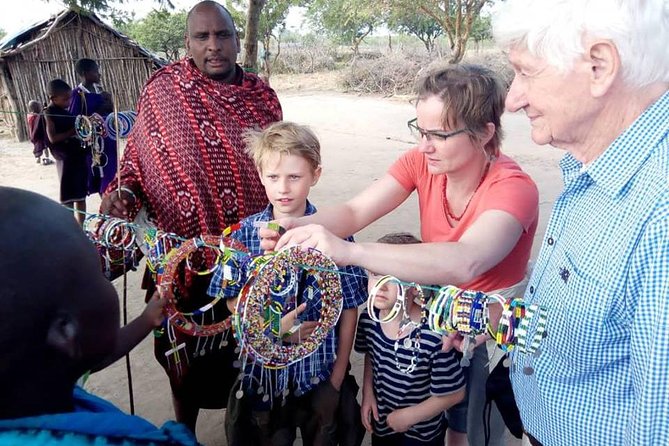
- A family boma, not a staged museum: You visit a Maasai family setting and learn how daily life is organized.
- Southern Maasai culture takes center stage: The visit covers language, history, homes, food, medicine, healing, and work.
- Your fee helps the village: The price includes the village development fund, so the visit has a local benefit built into it.
- Only about two hours long: This fits neatly into a busy day around Mikumi and the Morogoro Region.
- Pickup is offered: You do not need to arrange all your own transport to the meeting point.
- Expect a warm, active welcome: Dancing and jumping are part of the experience, according to the tour details and visitor accounts.
Entering a Maasai family boma near Mikumi
The heart of this experience is the boma, described as a Maasai family setting. That matters because you are not simply looking at objects behind glass or hearing a broad lecture about East Africa. You are being invited to learn about a living community and the practical choices that shape daily life.
The tour focuses on the Southern Maasai people. You can expect discussion of their language, history, homes, food, medicine, healing methods, and everyday routines. You also learn about age-set divisions and the way labor is shared. These subjects give the visit useful structure. Instead of reducing Maasai culture to clothing, dancing, or photographs, the tour connects those visible elements to family life and work.
I especially like the focus on how people live indoors. A home tells you a great deal about a culture, including how space is used, what materials matter, and how household life is arranged. The available information does not promise a particular house design or building method, so you should treat this as a chance to ask questions rather than expect a fixed demonstration.
The same applies to food and medicine. You learn about what the Maasai use and how healing methods fit into community life. The tour details do not list individual dishes, plants, or treatments, so you will want to listen carefully and ask the guide to explain the examples presented on the day.
More Maasai Village Visits in Morogoro:
- 3 Days 2 Nights Amazing Masai Tour & Mikumi National Park
★ 5.0 · 3 reviews - 5 Days Camping Tarangire, Serengeti & Ngorongoro crater & Visiting Maasai
★ 5.0 · 229 reviews - Maasai village visit, Materuni waterfalls & coffee experience
★ 4.5 · 95 reviews
A short visit with a broad subject list
Two hours is a good length for an introduction. You get enough time to see several parts of Maasai life without giving up an entire day of sightseeing. If you are staying near Mikumi or fitting cultural activities around a safari schedule, that compact format is useful.
Still, the schedule creates a trade-off. Language, history, housing, food, medicine, healing, work, age sets, and daily life are a lot to cover in one visit. I would approach it as a focused welcome, not as a complete course in Maasai culture.
The quality of the visit will depend partly on the conversation. You may have time to ask about subjects that matter most to you, but a full group of 25 can make individual questions harder. If you want a quieter exchange, ask at booking how many people are expected for your date. The tour has a maximum of 25 participants, but that is a ceiling, not a promise that every departure will be full.
Two accounts describe private visits with only two people. That can happen, but you should not assume you will receive a private tour. The sensible expectation is a small to medium group, with the possibility of a more personal visit depending on the date.
The guide and the welcome
A guide called Melami is identified as a Maasai guide who lives in the village. That is an important detail. A local guide can connect the explanation to real family and community life rather than delivering only a general script.
You can expect the welcome to be warm and participatory. The experience includes dancing and jumping, and the tone is meant to invite you into the visit rather than keep you at a distance. If you enjoy cultural activities that ask you to join in, this should be a good fit.
I would still keep your approach respectful. Take part when invited, ask clear questions, and remember that this is someone’s community and home setting. The strongest part of the visit is not the performance element alone. It is the chance to understand how that welcome connects with identity, age groups, work, and family life.
The guide’s role also helps with questions that may not be answered in a quick presentation. Accounts of the experience describe an enthusiastic guide who answered many questions. That suggests you should arrive ready to ask about the things you have just seen instead of waiting for every explanation to come unprompted.
What you learn about age sets and shared work
One of the more useful subjects is the Maasai age-set division of labor. The tour explains how work is divided by age group, giving you a way to understand community roles beyond the familiar images associated with Maasai culture.
This topic can make the visit feel more substantial. You are not only seeing how people live indoors or learning about food and medicine. You are also being introduced to the system that helps organize responsibility and daily tasks.
The supplied information does not give a full list of age sets or assign particular duties to each one. That is a good reason to treat this as an opening conversation. Ask the guide how age affects work, status, responsibility, and daily routine during your visit.
This is also where the two-hour format has limits. You may receive a clear overview, but you will not have time to explore every social role in great detail. For most people, that is fine. The value lies in leaving with better questions and a more grounded sense of Maasai community life.
More History Tours in Morogoro:
- Zanzibar: Stone Town Historical Cultural Walking Guided Tour
★ 4.5 · 179 reviews - Arusha Guided Walking City Tour, Culture, Lifestyle & History
★ 5.0 · 150 reviews - Stone Town Historical Walking Tour
★ 5.0 · 143 reviews - Stone Town’s Hidden History: Private Guided Walking Tour
★ 4.6 · 94 reviews
Food, medicine, and healing methods
The tour includes food, medicine, and healing methods, three subjects that bring culture into everyday experience. They show how knowledge is passed through a community and how people respond to ordinary needs.
You should expect explanation rather than assume a hands-on cooking or medical demonstration. No specific meal, ingredient, plant, or treatment is listed. The safest way to make this part useful is to listen for the examples offered and ask how they fit into daily life.
I like this part of the program because it gives the visit practical depth. Cultural tours can sometimes focus heavily on ceremony and appearance. Here, the stated subjects include the things people eat and the ways they care for themselves, which can offer a more balanced view.
At the same time, be careful not to treat cultural healing information as medical advice. The tour is a cultural learning experience. Its purpose is to help you understand Maasai practices, not to replace professional healthcare.
Dancing, jumping, and taking part
Dancing and jumping are among the details that make this visit active. You may be invited to join in, and the experience is designed to make you feel welcome rather than simply observe from the side.
That participation is likely to be most enjoyable if you are comfortable with a lively welcome. If you prefer a quiet, lecture-style tour, this may feel more social than expected. The description presents the Maasai as welcoming to visitors who want to learn and experience their culture.
I would not judge the tour only by the performance. The dancing and jumping provide a memorable point of contact, but the stronger value comes from placing them alongside language, homes, work, food, medicine, and history. You get a fuller introduction when you pay attention to both the lively moment and the explanation around it.
What the $30.77 price includes
At $30.77 per person, this is priced as an accessible cultural outing rather than a major full-day excursion. The fee includes all tour charges and the village development fund. That second part matters because your payment is intended to support local development.
The value is good if you want a short, organized introduction and do not want to arrange every detail yourself. Pickup is offered, and the visit lasts about two hours. You are paying for access to the village experience, local cultural interpretation, and a direct contribution connected with the community.
The price does not turn this into a private tour. The maximum group size is 25, and transport details beyond pickup being offered are not specified. Ask where pickup applies and how the meeting arrangement works before you go, especially if you are not staying near the main activity area.
I also like that the community contribution is clear. It gives the cost a purpose beyond admission. You should still view it as a modest contribution, not as a guarantee that every part of village development is funded by this one activity.
Pickup and planning the two-hour visit
Pickup is offered, so you do not need to arrange all travel independently. The available details do not state the pickup radius, exact pickup times, vehicle type, or whether transport is included in the listed price. Confirm those points when booking.
The activity is listed as available Monday through Sunday, with opening hours shown from 12:00 AM to 11:30 PM. Those broad hours indicate daily availability, but they do not tell you the exact departure time for your booking. Your confirmation should provide the practical details.
Confirmation is received at the time of booking. The tour is also listed near public transportation, which gives you another possible way to reach the area if pickup does not suit your plans. Since exact transit instructions are not provided, do not rely on that phrase alone. Get the meeting information in advance.
Most people can participate. No special participation limits are stated. If you have a personal mobility concern or another need, ask the provider before booking rather than assuming the village setting will suit you.
Who will enjoy this cultural tour most
I would recommend the Maasai Boma Cultural Tour to you if you want a direct introduction to local life but have only a small gap in your schedule. It works particularly well for people visiting the Mikumi area who want something beyond wildlife viewing.
It also suits curious families and first-time visitors to Tanzania who want clear cultural context. The range of subjects means you can learn about home life, food, medicine, work, language, and history in one compact outing.
You may prefer another type of activity if you want a long academic discussion, a full-day community visit, or a detailed workshop in one subject. The two-hour length is its strength for busy schedules, but it also limits how far each topic can go.
The possible group size is another factor. A private visit has occurred for some bookings, but the tour can include up to 25 people. If personal conversation is your priority, check the expected group size before committing.
How to make the most of your visit
Go in with a few thoughtful questions. You might ask how age sets divide work, how homes are used, which foods are important, or how healing methods fit into family life. These questions can turn a short introduction into a more useful exchange.
Give equal attention to explanation and participation. Enjoy the welcome, dancing, and jumping, but also listen closely when the guide describes language, history, work, and household routines.
Remember that the boma is a family and community setting. Ask before taking photographs if photography comes up, and follow the guide’s lead on where to stand and how to take part. The supplied details do not state a photography policy, so it is better to ask than guess.
Finally, leave room in your schedule. The activity itself is about two hours, but pickup and return timing are not fully specified. A little flexibility will keep this short cultural visit from making the rest of your day feel rushed.
Should you book the Maasai Boma Cultural Tour?
Book it if you want a reasonably priced, two-hour introduction to Southern Maasai life with pickup offered and a village development contribution included. I like the range of subjects, the local connection through Melami, and the chance to meet people in a family boma rather than only hear general facts.
Go with realistic expectations. This is a compact cultural visit, not a complete study of Maasai society, and a group of up to 25 could reduce personal attention. If you value authentic contact, practical cultural detail, and a welcoming activity that fits around other plans, it is an easy tour to consider.
Free cancellation is available if you cancel at least 24 hours before the local start time. Changes or cancellations made less than 24 hours ahead are not accepted for a refund.
FAQ
Where does the Maasai Boma Cultural Tour take place?
The tour takes place in the Morogoro Region of Tanzania, at a Maasai boma, described as a family setting. It is associated with the Mikumi area.
How long does the tour last?
The experience lasts approximately two hours.
How much does the tour cost?
The listed price is $30.77 per person.
Is hotel pickup available?
Pickup is offered, so you do not need to arrange all travel independently. The provided details do not specify the pickup area or exact transport arrangements.
What does the tour cover?
You learn about Southern Maasai language, history, homes, food, medicine, healing methods, daily life, age-set divisions, and the division of labor.
How many people can join the tour?
The activity has a maximum capacity of 25 travelers.
Is the village development fund included?
Yes. All fees, including the village development fund, are included in the price.
Is the tour available every day?
The stated opening hours cover Monday through Sunday, from 12:00 AM to 11:30 PM, for the listed operating period. Your booking confirmation should provide the specific start time.
Can I cancel for a full refund?
Yes, if you cancel at least 24 hours before the experience start time. Cancellations or changes made less than 24 hours before the local start time are not accepted for a refund.
Just added in Morogoro
- Zanzibar to Nyerere National Park by flight=(2-Days 1-Night)★ 5.0 · 1 review
- Zanzibar: Jozani forest, Butterfly center and Mtende beach★ 4.5 · 2 reviews
- Zanzibar: Fly to Nyerere National Park – 2-Day Safari★ 5.0 · 6 reviews
- Wonderful 3 Day Safari From Zanzibar to Mikumi National Park★ 5.0 · 1 review
- Uluguru Mountains Hiking To The Peak 2 Days 1 Night Camping★ 5.0 · 4 reviews
- Uluguru mountain overnight 2 nights 3 days★ 5.0 · 9 reviews
- Multiple day hike in the uluguru mountains★ 5.0 · 1 review
- 2 Days Morogoro- Selous Game Reserve(Nyerere national park)★ 4.5 · 8 reviews
Maasai Village Visits, compared.

5 Days Camping Tarangire, Serengeti & Ngorongoro crater & Visiting Maasai
Read our review →
Maasai village visit, Materuni waterfalls & coffee experience
Read our review →5 Days Camping Tarangire, Serengeti & Ngorongoro crater & Visiting Maasai
Read our review →

Maasai village visit and Chemka hot-springs with hot lunch.
Read our review →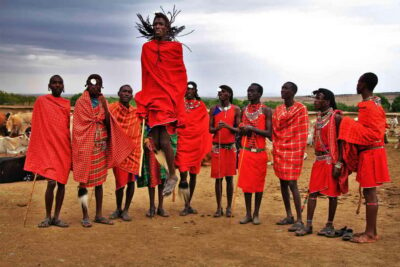
Kilimanjaro: Maasai Village Visit, Waterfalls, & Coffee Tour
Read our review →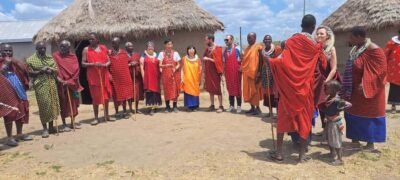
Browse the lists this tour appears in