

Reviewed · LUNCH EXPERIENCES
Moshi: Thrive Nest Foundation School Visit with Lunch
Small moments can make a lasting difference. This five-hour visit to Thrive Nest Foundation gives you a close look at a small, home-based school in Moshi, where children receive free education, meals, and care. I like the direct contact with students and teachers, and I like that the visit includes a traditional Tanzanian lunch shared with the school community. The main consideration is that this is not a polished sightseeing attraction. It takes place in a modest home with limited formal classroom space, so you should come ready for a simple, personal experience.
I also appreciate the small-group format, limited to 10 people, and the clear link between your fee and the school’s work. The tour is priced at $19 per person, while the activity description says the roughly $20 fee can help provide education and care for one child for a month. That is meaningful value, but you should book this for human connection and practical support, not for a conventional guided tour with lots of sights.
In This Review
- Key points to know before you go
- Why this Moshi school visit feels different
- Hotel pickup makes the half-day easy
- Meeting Eve and entering the foundation
- Classroom activities with the children
- Games, songs, and crafts beyond the lessons
- Sharing a traditional Tanzanian lunch
- What the $19 fee really buys
- Who should book this experience
- How to prepare for a respectful visit
- Booking flexibility and practical limits
- Should you book the Thrive Nest Foundation visit?
- FAQ
- How long does the Thrive Nest Foundation visit last?
- What is included in the price?
- Where does the tour take place?
- What language is used during the activity?
- What should I bring?
- Can I cancel or pay later?
Key points to know before you go

- A home becomes a school: Thrive Nest Foundation operates from the founder Eve’s home rather than a purpose-built campus.
- Lunch is part of the connection: You share a traditional Tanzanian meal with students and teachers, not just eat separately after the visit.
- The visit is hands-on: You can help with lessons, crafts, reading, games, sports, and songs.
- Your fee has a clear purpose: The tour payment supports free education, meals, supplies, and care for children facing serious financial hardship.
- Plan for five hours: Hotel pickup, the school visit, activities, lunch, and the return trip fill much of a half-day.
- The group stays small: A maximum of 10 participants allows more direct interaction than a large volunteer outing.
Why this Moshi school visit feels different
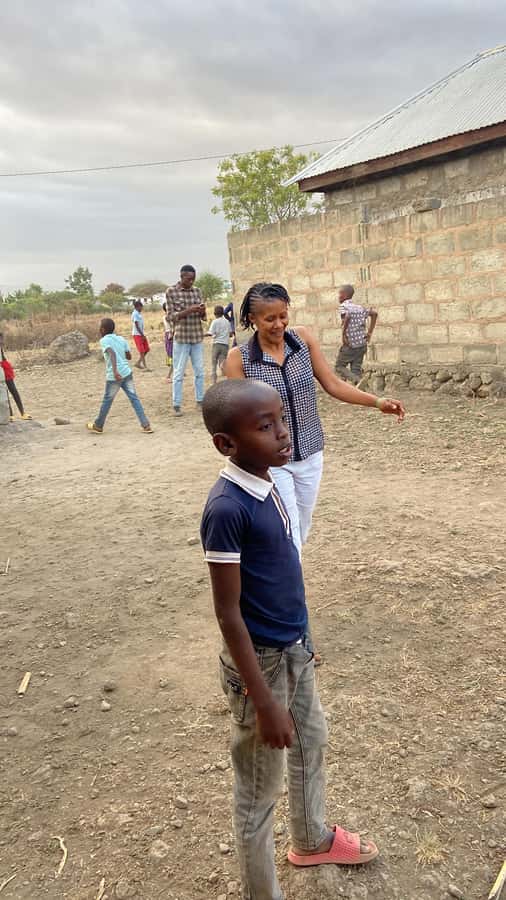
Many educational or community visits can feel carefully staged for outsiders. This one is more intimate. Thrive Nest Foundation works from a modest home because Eve opened her doors to children who could not afford traditional schooling. That setting tells you something important before the activities even begin: this is a practical response to local need, built with limited resources.
I would approach the visit with respect and patience. You are not arriving at a large school with several formal classrooms, displays, and a visitor center. You are entering a working educational space where children study, play, and share daily life. The home setting may feel informal, but it also makes the contact more direct.
The foundation’s goal is to give children facing severe financial hardship a chance at education. It provides free lessons, meals, and necessary supplies. Your visit helps fund that work while giving you time to meet the students and teachers in person.
That combination is the heart of the experience. You are not simply donating money from a distance, and you are not just sightseeing. You are spending part of your day in a place where your payment supports an ongoing program.
A few more options to weigh up in Moshi
- Materuni Waterfall, Coffee Tour and Picnic Hot Lunch
★ 5.0 · 128 reviews - Kilimanjaro: Village Walk, Coffee Tour, Waterfall, and Lunch
★ 4.5 · 56 reviews - Maasai village visit and Chemka hot-springs with hot lunch.
★ 5.0 · 33 reviews
Hotel pickup makes the half-day easy
The experience includes pickup and drop-off from your hotel or accommodation in Moshi. The school is described as being in Moshi, directly across from the airport, and the pickup instructions ask you to provide your hotel name so the host can meet you at the front.
This is useful if you are staying in Moshi and do not want to work out local transport. You take a bus to the foundation and return together afterward. Because the full activity lasts about five hours, hotel transfers also help keep the visit organized.
The tour is conducted in English. It is limited to 10 participants, which matters here. A small group gives you a better chance to speak with students, assist with activities, and avoid turning the visit into a crowd around the children.
The start time depends on availability, so check the schedule before booking. Wear comfortable walking shoes and easy clothing. Bring a sun hat, water, a reusable bottle, and insect repellent. Moshi can be warm, and the visit includes movement and outdoor play.
Meeting Eve and entering the foundation

Your first stop is an introduction to Thrive Nest Foundation and its mission. Eve, the founder, opened her home to children who could not manage the cost of regular schooling. The setting is modest, but the purpose is clear: create a safe place where children can learn, eat, and take part in activities that support their development.
I find this kind of introduction valuable because it gives context before you meet the students. You understand why the foundation exists and why the school operates in a home rather than a formal building. It also helps you see the visit as support for a working organization, not as a staged performance.
The school does not have formal classrooms in the usual sense. That may be the biggest adjustment for you. Some visitors expect desks, large rooms, and a standard school layout. Here, you might find a more compact learning environment, with teaching shaped by the space available.
The benefit is closeness. You can see how the teachers use creative lessons and active learning to keep children engaged. You can also take part rather than simply watching from the side.
Classroom activities with the children

After the introduction, you have the chance to participate in lessons and creative projects. The activities may include helping with schoolwork, reading together, and making crafts. The supplied information does not give a fixed lesson plan, so the exact activity can vary on the day.
That flexibility is worth keeping in mind. You are not buying a rigid sequence of demonstrations. You are joining the school’s routine and responding to what is happening there. If a lesson is underway, you might help with it. If the children are working on a creative project, you may take part in that instead.
The best approach is to follow the teachers’ lead. They know the children and the learning needs of the group. Your role is to encourage, listen, and join in without taking over.
Reading together can be especially rewarding because it creates a simple point of contact. You do not need special teaching qualifications to be useful during a shared activity. A patient attitude and willingness to participate are more important for this short visit.
The classroom portion also gives you a clearer picture of the foundation’s work. Free education is not just about providing a room or books. It requires teachers, supplies, meals, and regular care. Your time in the learning space shows how those pieces come together.
A different kind of day out entirely:
- Kilimanjaro climb by Lemosho Route (7-day)
★ 5.0 · 651 reviews - Safari Serengeti And Ngorongoro
★ 5.0 · 288 reviews - Kilimanjaro climb, Machame Route (7-day)
★ 5.0 · 262 reviews - Kilimanjaro Climbing Lemosho Route 8 Days.
★ 5.0 · 186 reviews
Games, songs, and crafts beyond the lessons
The school day includes more than academic work. Students take part in sports, games, singing, and other activities that support social and emotional development. You can join these activities and spend relaxed time with the children.
This is where the visit becomes less formal. You might play a group game, sing along, or help with a craft. The information provided does not name particular games or songs, so it is better to expect shared activities rather than arrive with a fixed idea of what will happen.
I like that play is treated as part of the children’s development, not as a filler between lessons. Games give children a chance to cooperate and express themselves. They also make it easier for you to connect without relying on long conversations.
Still, remember that the children are not there to entertain you. A respectful visitor joins in gently, follows the school’s guidance, and avoids forcing attention on any child. Keep the focus on shared participation.
The small group helps here. With no more than 10 participants, the activities should feel more manageable than a large volunteer group arriving all at once. You have room to interact without making the school feel overrun.
Sharing a traditional Tanzanian lunch
Lunch is one of the most meaningful parts of the day. You share a traditional Tanzanian meal with the students and teachers, rather than treating the meal as a separate tourist stop.
The food introduces you to local culinary traditions, but the social side matters just as much. Eating together reinforces the foundation’s sense of community. It gives you time to sit with the people you have met and continue the conversation in a relaxed setting.
The exact dishes are not specified, so do not book this expecting a particular menu. You should also plan around your own dietary needs by checking with the provider ahead of time if you have allergies or food restrictions. Personal expenses are not included, although the traditional lunch itself is part of the experience.
A shared meal can sometimes feel more personal than a formal tour talk. It lets you see how education, food, and community support fit together at Thrive Nest Foundation. Meals are part of the care the foundation provides, so lunch also connects directly to the organization’s wider mission.
What the $19 fee really buys

At $19 per person, this is an inexpensive half-day activity in Moshi. The value is not based on the number of sights you visit. It comes from the combination of transport, direct school contact, activities, lunch, and financial support for the foundation.
The activity description explains the payment as roughly $20 that can contribute to one child’s education and care for a month. The headline price is listed as $19, so check the final booking total, but the central message is clear: your money is intended to support the school rather than simply cover entertainment.
That makes the fee more meaningful than a standard admission charge. It helps with free education, meals, and necessary supplies for children who might otherwise have limited access to school.
You should still keep your expectations realistic. A short visit cannot solve the financial pressures facing the foundation or replace long-term support. What it can do is provide useful income, introduce you to the school’s work, and give you a more personal understanding of the community.
For me, that is a fair exchange. You get an honest local experience, and the organization receives money tied to its educational mission.
Who should book this experience
This visit suits you if you want a people-focused activity during a stay in Moshi. It is a good fit for visitors who value local contact, simple community projects, and learning how a small organization works with limited resources.
It may also suit families with older children, although children under 2 are not considered suitable for the activity. Young participants should be comfortable joining group activities and following instructions around the school.
You should be reasonably comfortable walking, sitting, and taking part in games or crafts. The experience is not suitable for wheelchair users, pregnant women, or people with back problems according to the provided restrictions.
This is not the right choice if you want a sightseeing tour centered on Kilimanjaro views, wildlife, architecture, or major cultural landmarks. It is also not ideal if you prefer to stay at a distance from local residents. The point is participation and conversation.
Respect is essential. Dress comfortably and appropriately, avoid smoking, alcohol, and drugs, and bring the practical items listed for the day. A sun hat, water, comfortable clothes, walking shoes, and insect repellent will make the visit easier.
How to prepare for a respectful visit
Before you go, send the provider the name of your hotel or accommodation in Moshi. Pickup is included, but the host needs to know where to meet you. Be ready to travel by bus with the group and return together after the visit.
Bring a reusable water bottle rather than relying on a purchase during the activity. Moshi’s warm conditions and the five-hour schedule make hydration important.
Your clothing should allow you to sit, walk, play, and join classroom activities without worry. Insect repellent is sensible, especially if you spend time outdoors during games or sports.
Most of all, bring a flexible attitude. The foundation operates from a home, not a large institution with a fixed visitor program. The day may feel informal, and that is part of what makes it personal. Let the teachers guide the activities and give the children space to take the lead.
Only two verified ratings are available, both contributing to a five-star score. One written comment praised the incredible time spent with the children and Eve’s loving work at the foundation. That praise points to the part of the experience most likely to matter: the warmth of the personal contact.
Booking flexibility and practical limits
You can cancel up to 24 hours in advance for a full refund. You can also reserve now and pay later, which helps if your Moshi plans are still changing.
The tour lasts five hours, but starting times depend on availability. The host speaks English, and the group is capped at 10 people.
The activity includes hotel pickup and return, student interaction, classroom participation, playtime, and lunch. Personal expenses are not included. The separate entrance arrangement is listed as part of the booking details, though the main benefit here is avoiding a complicated arrival process.
Keep the health and mobility restrictions in mind before booking. The experience is active enough to require comfortable movement, and the home-based setting may not meet the needs of wheelchair users.
Should you book the Thrive Nest Foundation visit?
Book it if you want a direct, small-scale encounter with a Moshi school and you like knowing where your money goes. The chance to meet students, join lessons, play games, sing, make crafts, and share lunch gives the five-hour visit real substance.
I would especially recommend it if you have already seen Moshi’s main sights and want an experience centered on community rather than scenery. The modest home setting may not suit everyone, but it makes the foundation’s work easy to understand.
Skip it if you expect a polished attraction, a fixed professional workshop, or a standard tourist meal. This is a simple visit with a serious purpose. For the right visitor, the $19 fee offers both a personal connection and practical support for children who need access to education.
FAQ
How long does the Thrive Nest Foundation visit last?
The experience lasts five hours, including hotel pickup and drop-off, the foundation visit, activities with students, and lunch.
What is included in the price?
The price includes hotel pickup and drop-off in Moshi, interaction with students, classroom activities, playtime, and a traditional Tanzanian lunch with the students and teachers.
Where does the tour take place?
The visit takes place at Thrive Nest Foundation in Moshi, Kilimanjaro. The foundation operates from a modest home and is located directly across from the airport.
What language is used during the activity?
The host or greeter speaks English, and the activity is offered in English.
What should I bring?
Bring a sun hat, water or a reusable water bottle, comfortable clothing, comfortable walking shoes, and insect repellent.
Can I cancel or pay later?
You can cancel up to 24 hours in advance for a full refund. Reserve now and pay later is also available.
Just added in Moshi
- THE BEST 2 DAYS ON TREK – MARANGU ROUTE TOUR ADVENTURES★ 5.0 · 1 review
- Mount Kilimanjaro National Park Day Trip★ 5.0 · 7 reviews
- Mount Kilimanjaro Climbing in Tanzania Full-Day Trip★ 5.0 · 1 review
- Mount Kilimanjaro Day Hike – All-Inclusive, No Hidden Fees★ 4.0 · 7 reviews
- Mount Kilimanjaro Trekking Tour – Climb with Local Guides★ 5.0 · 1 review
- Mount Kilimanjaro: 7 Days Hike Lemosho Route★ 5.0 · 1 review
- Moshi:Chemka Hot Springs, Materuni Waterfalls & Coffee Tour★ 5.0 · 1 review
- Moshi Town: Walking Tour: Theme Urban lifestyle★ 3.1 · 4 reviews
Lunch Experiences, compared.

Stone Town, Spice Tour, Prison Island with Lunch
Read our review →
Prison Island and Nakupenda Boat Trip with Lunch
Read our review →
Mnemba Island: Dolphin Swim & Snorkeling with Optional Lunch
Read our review →
Prison Island & Nakupenda Boat Tour with BBQ Lunch
Read our review →
Stone Town, Spice tour & Prison Island with Lunch
Read our review →
Safari Blue Lagoon Trip with Snorkeling and Lunch
Read our review →
Prison Island & Nakupenda Sandbank Tour with Lunch
Read our review →
Prison Island and Nakupenda Sandbank With Lunch
Read our review →Browse the lists this tour appears in