
Reviewed · STONE TOWN TOURS
Spice farm,Stone town and Jozani forest tour with lunch
Zanzibar’s best lessons grow under your feet. This $85 tour links an organic spice farm, Jozani Forest, and Stone Town in one culturally full day. I like the hands-on spice tasting most, and the chance to see Zanzibar’s red colobus monkeys in their forest home adds a strong wildlife stop.
I also like that lunch is included, with local spice food such as pilau, and that the farm workers’ tips are already covered. The main drawback is simple: transport is not included in the listed price, although it can be arranged separately at a low extra cost.
The tour is led in English, French, or German. Mohamed receives especially warm praise for clear explanations, careful timing, and good communication, while driver Eddy is noted for reliable hotel pickup and drop-off. If you want three major Zanzibar sights without arranging each one yourself, this is a practical combination.
In This Review
- Key points to know before booking
- Why this three-stop Zanzibar tour works
- Walking through the spice farm
- Seeing red colobus monkeys at Jozani Forest
- Ending in Stone Town’s heritage center
- Lunch with a taste of Zanzibar
- Is $85 a fair price?
- Guides, drivers, and the pace of the day
- What to bring and what to know
- Who should book this experience?
- Should you book this Zanzibar tour?
- FAQ
- What does the Zanzibar spice farm, Jozani Forest, and Stone Town tour include?
- Is transportation included in the $85 price?
- What spices and plants can I see at the farm?
- Can I taste the spices and fruit?
- Will I see red colobus monkeys at Jozani Forest?
- Is lunch included?
- Which languages are available?
- Should I bring cash?
- Can I cancel the tour for a full refund?
Key points to know before booking

- Taste spices at an organic shamba: Walk among cloves, cinnamon, nutmeg, vanilla, turmeric, cardamom, and other plants rather than seeing spices only in market packets.
- Look for red colobus monkeys at Jozani: The forest visit gives you a chance to see Zanzibar’s famous monkeys in their natural setting.
- Eat a local pilau lunch: The included meal connects directly with the island’s spice culture.
- Finish in historic Stone Town: The final stop adds architecture, culture, and old trading history to the day.
- Ask about transport when you book: Hotel transfer is extra, but the operator can arrange it separately.
- Plan for cash: The spice stall accepts cash only, and you may want money for optional tips or purchases.
Why this three-stop Zanzibar tour works

Zanzibar can tempt you into spending every day beside the sea. That is pleasant, but it leaves out the island’s farming traditions, wildlife, and historic center. This tour gives you a broad introduction to Unguja South Region by connecting three very different places.
The order also makes sense. At the spice farm, you learn how plants grow and are harvested. At Jozani Forest, you shift from cultivated plants to protected woodland and wildlife. Stone Town then brings you back into the human story of the island, with its old streets and heritage setting.
I would not choose this experience if you want a slow, single-site visit. You are covering several major stops, so the day is built around variety rather than lingering at one place. But if you have limited time in Zanzibar, this mix gives you more context than a beach-only schedule.
More Stone Town walking tours:
- Zanzibar: Stone Town, Spice Tour, Prison Island with Lunch
★ 4.4 · 1,219 reviews - Zanzibar: Prison Island, Stone Town, & Spice Farm Tour
★ 4.5 · 579 reviews - Zanzibar: Stone Town, Spice tour & Prison Island with Lunch
★ 4.6 · 453 reviews
Walking through the spice farm
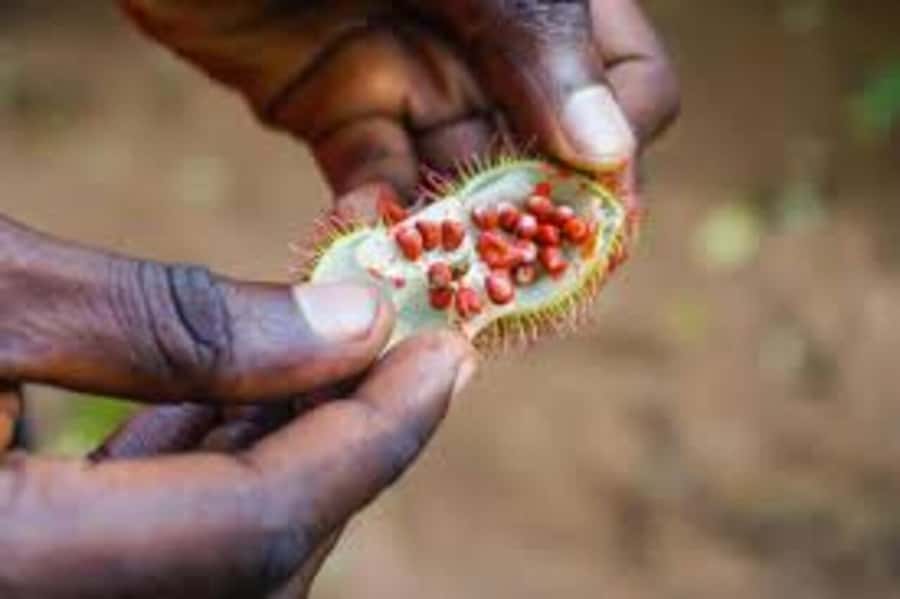
The spice farm is the heart of the experience. This is a walking tour through a shamba, the Swahili word for a small farm or cultivated plot. Instead of simply being shown finished jars, you see the plants themselves and learn how they are grown and collected.
That difference matters. Many people know cinnamon as a stick, nutmeg as a hard brown seed, or vanilla as a dark pod. Seeing the source plants gives those familiar kitchen items a clearer connection to the island. The tour is designed around smelling and tasting, so your guide can turn ordinary ingredients into a practical lesson.
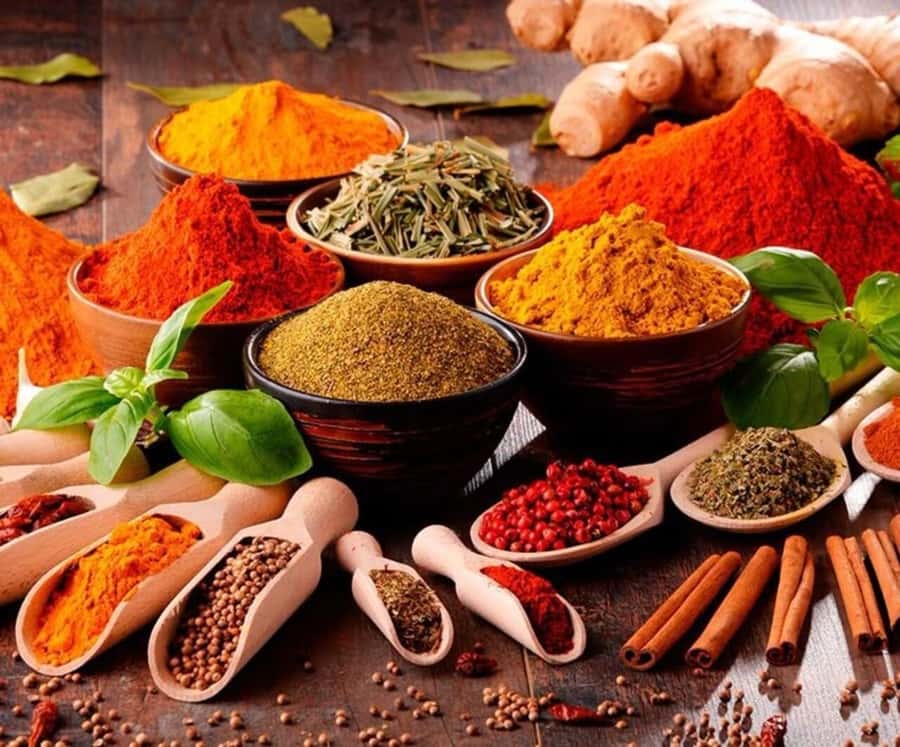
The farm grows a wide range of spices, herbs, and tropical fruits. You may encounter:
- Cloves
- Lemongrass
- Nutmeg
- Cinnamon
- Turmeric
- Vanilla
- Coconuts
- Papaya
- Chili
- Black pepper
- Jackfruit
- Cardamom
- Cassava
- Oranges
The exact plants you see can vary by season and farm conditions. Still, the list gives you a good idea of the tour’s scope. You are not visiting a display garden with only one famous crop. The aim is to show how different plants are cultivated and used.
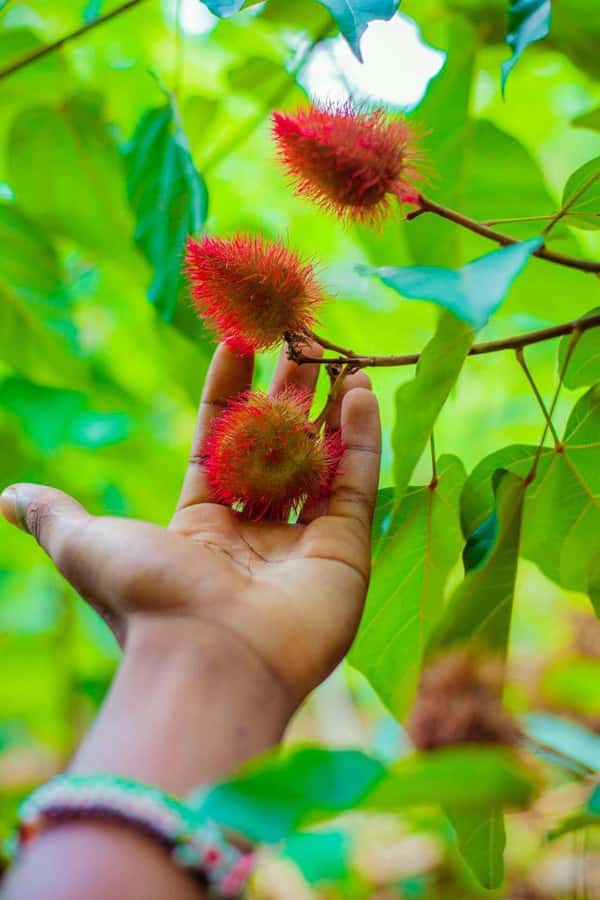
The tasting element makes this especially good for curious eaters. You will smell herbs and spices, taste selected ingredients, and sample tropical fruit. I would bring a camera, but do not let photography replace the sensory part of the stop. The scent of fresh clove or lemongrass is part of what makes the farm visit memorable.
Zanzibar’s nickname, Spice Island, is not just a marketing label. Clove, nutmeg, and cinnamon once made the island a major spice producer, and the farm helps explain why these crops became so important. The visit is not presented as a formal academic lecture, but it gives you a useful starting point for understanding local agriculture.
There is also a practical shopping stop at the end of the farm visit. A spice stall sells fresh, packaged spices, and it accepts cash only. Bring local currency or another accepted form of cash if you want to buy something. The purchase is optional, and the tour price already includes tips for the farm workers, so you do not need to feel pressured to add money at the farm.
Seeing red colobus monkeys at Jozani Forest
Jozani Forest changes the mood of the day. After the cultivated rows of the shamba, you enter a forest setting known for Zanzibar’s red colobus monkeys. The chance to see many monkeys was a highlight for one party, but wildlife never follows a script, so sightings can vary.
That uncertainty is part of the appeal. You should visit Jozani hoping to see the monkeys, not treating a sighting as a guaranteed performance. The tour information specifically identifies red colobus monkeys as the main reason for the stop, and the positive feedback suggests that the visit can produce excellent sightings.
Your guide matters here. Mohamed is praised for explaining what you see at each destination, and a guide who communicates well can make a short forest visit far more useful. You will get more from the stop if you ask questions about the monkeys and the forest rather than simply taking photographs.
The practical side is easy. Wear comfortable clothes and bring a camera if wildlife photography interests you. Weather conditions can affect how comfortable the walk feels, so check the forecast before leaving. You should also consider your own health and walking ability when deciding if the combined itinerary suits you.
The forest is not the same sort of stop as the spice farm. The farm is about touch, taste, and cultivation. Jozani is about observation and patience. If you want a quick succession of guaranteed attractions, this may feel less predictable. If you like the possibility of seeing animals in a natural setting, it adds welcome variety.
Ending in Stone Town’s heritage center
Stone Town gives the tour its urban and cultural finish. The information provided describes a visit to the Stone Town heritage center, rather than a detailed walking route through every street or monument. You should therefore expect a heritage-focused stop, not assume that every major building or museum is included.
Even with that limit, Stone Town completes the story well. The spice farm shows the source of Zanzibar’s agricultural wealth, while Stone Town points you toward the island’s trading and cultural past. The two stops belong together: one explains the products, and the other helps place them in the wider history of Zanzibar.
I like having Stone Town at the end because it prevents the tour from feeling like a farm-and-wildlife outing only. You get time to shift from rural Zanzibar to the island’s historic center. Depending on the schedule and exact arrangements, the amount of time for exploring may vary, so ask the operator what the Stone Town visit covers if this is your main reason for booking.
The tour description does not promise a specific list of buildings, a market visit, or a set walking route. That is useful to remember when setting expectations. You are booking a combined experience with a Stone Town heritage stop, not a detailed specialist architecture tour.
More Jozani Forest trips:
- Zanzibar: Jozani Forest & Sea Tortoises Sanctuary Tour
★ 4.6 · 204 reviews - Dolphin tour, Jozani Forest, Jambiani Kuza Cave, Paje Beach &The Rock restaurent
★ 4.5 · 164 reviews - Zanzibar full day Jozani forest + Spice farm and stone town
★ 4.7 · 90 reviews - Zanzibar: Jozani nature walk and wildlife tour
★ 4.5 · 89 reviews
Lunch with a taste of Zanzibar
Lunch is included, which makes the $85 price easier to judge. The meal is local spice food, including pilau. That is a fitting choice after the farm visit, where you have just handled and tasted the ingredients that shape Zanzibar cooking.
Pilau is a spiced rice dish and a familiar part of the island’s food culture. The meal gives you more than a break between sights. It helps turn the spice lesson into something you can taste as a finished dish.
I value included lunch on a full sightseeing outing because it removes one decision from the day. You do not need to stop and search for a restaurant between Jozani and Stone Town. At the same time, the supplied information does not specify the menu beyond local spice food and pilau, so contact the operator in advance if you have dietary needs.
Is $85 a fair price?
At $85 per person, the tour is reasonably priced if you want a packaged cultural day with entry fees, a guide, government tax, and lunch included. The price covers three distinct attractions, not just a single farm visit.
The important qualification is transport. Hotel transfer is not part of the listed price. You can request transportation from the operator, and the supplied details say it may be offered at a low extra cost. I would ask for the exact transfer price before booking, especially if you are staying far from the main tour area.
The price also includes tips for the farm workers. That is a helpful detail because it removes uncertainty at the shamba. An optional tip may still be offered elsewhere, but tipping is not presented as compulsory.
The value is strongest for someone who wants convenience and variety. If you already have a private driver and plan to visit Stone Town and Jozani separately, you may prefer to compare the total cost of individual entries, transport, meals, and guiding. For a visitor who wants one organized plan, the included components make the rate easier to justify.
Guides, drivers, and the pace of the day
The human side of a combined tour can make or break it. Mohamed receives repeated praise for being friendly, clear, patient, and good at explaining each destination. One useful detail is that he tries to reach locations before they become very busy, which can improve the experience at popular sites.
That timing is worth discussing when you reserve. Arriving early can make the spice farm, Jozani, or Stone Town feel easier to handle, although the exact schedule is not provided. Ask what pickup time is planned and whether the order of stops can change.
Eddy is praised as a good driver, with hotel pickup and drop-off handled well. Since transport is not automatically included in the advertised price, confirm whether Eddy or another driver will provide your transfer and what the extra cost will be.
The available languages are English, French, and German. That gives you a useful choice when arranging the guide. Clear communication is particularly valuable at the spice farm, where the experience depends on understanding what you are smelling, tasting, and seeing.
What to bring and what to know
Keep your packing simple. Comfortable clothes matter because the spice farm and forest involve walking. A camera is recommended, especially if you hope to photograph plants, fruit, or red colobus monkeys.
Bring cash. The spice stall is cash only, and cash can also be useful for optional tips or purchases. The listing does not specify which currencies the stall accepts, so ask before relying on a particular type of money.
Weapons, sharp objects, alcohol, drugs, and flashlights are not allowed. Check the weather conditions before you leave, and consider your health condition honestly. This combination may not suit someone who finds walking or outdoor heat difficult.
The tour is not suitable for babies under one year or people over 95 years. Those age limits are quite specific, so families and older couples should check the policy before paying. Cancellation is allowed up to 24 hours in advance for a full refund, and you can reserve now and pay later, which gives you some flexibility.
Who should book this experience?

I would recommend it to first-time visitors who want a broad introduction to Zanzibar. It suits people who enjoy food, plants, wildlife, and history more than those who want a pure relaxation day.
It is also a good fit if you want a guide to connect the stops. The farm, forest, and heritage center are more useful when someone explains how they relate to the island. Mohamed’s communication skills and careful pacing are strong reasons to request him if the operator can confirm availability.
Families with older children may enjoy the tasting and monkey sightings, though the baby restriction matters. Couples and small groups who want a simple way to cover several sights should also find the format useful.
I would hesitate if you dislike changing locations, want a highly specialized Stone Town tour, or already have transport and a detailed private plan. You may get better value from booking separate visits that match your own pace.
Should you book this Zanzibar tour?
Book it if you want three very different sides of Zanzibar in one outing: farming at the shamba, wildlife at Jozani, and heritage in Stone Town. The included pilau lunch, entry fees, guide, and government tax add real value, while the positive feedback about Mohamed and Eddy gives the service side a strong record.
Before paying, confirm the transport charge, pickup time, language, and exactly what the Stone Town heritage stop includes. If those details suit your plans, $85 per person is a fair price for a varied introduction to Unguja. Just bring comfortable clothes, a camera, and cash for the spice stall.
FAQ
What does the Zanzibar spice farm, Jozani Forest, and Stone Town tour include?
The price includes entry fees, a tour guide, government tax, and lunch featuring local spice food such as pilau.
Is transportation included in the $85 price?
No. Transfer is not included in the listed price. You can request transportation from the operator for an additional low-cost fee.
What spices and plants can I see at the farm?
The farm may include cloves, lemongrass, nutmeg, cinnamon, turmeric, vanilla, coconuts, papaya, chili, black pepper, jackfruit, cardamom, cassava, and oranges.
Can I taste the spices and fruit?
Yes. The farm visit includes smelling and tasting spices, herbs, and tropical fruits.
Will I see red colobus monkeys at Jozani Forest?
Jozani Forest is visited specifically for its red colobus monkeys. Sightings are possible, but wildlife cannot be guaranteed.
Is lunch included?
Yes. Lunch is included and is described as local spice food, including pilau.
Which languages are available?
The tour is available in English, French, and German.
Should I bring cash?
Yes. The spice stall at the end of the farm visit accepts cash only. Cash may also be useful for optional tips or purchases.
Can I cancel the tour for a full refund?
Yes. You can cancel up to 24 hours in advance for a full refund. You can also reserve and pay later.
More Lunch Experiences in Zanzibar
- Zanzibar: Prison Island and Nakupenda Boat Trip with Lunch
★ 4.1 · 882 reviews - Mnemba Island: Dolphin Swim & Snorkeling with Optional Lunch
★ 4.3 · 591 reviews - Zanzibar: Prison Island & Nakupenda Boat Tour with BBQ Lunch
★ 4.4 · 554 reviews - Zanzibar: Safari Blue Lagoon Trip with Snorkeling and Lunch
★ 4.5 · 336 reviews
More Spice Farm Tours in Zanzibar
- Full-Day Private Stone Town +Spice Farm and Prison Island Tour
★ 4.5 · 216 reviews - Spice Tour + Stone Town Tour + Prison Island
★ 4.5 · 130 reviews - Zanzibar: Spice Tour & Stone Town Walking Tour
★ 4.8 · 115 reviews - Zanzibar: Stone Town & Spice Farm Tour with Lunch
★ 4.5 · 97 reviews
Just added in Zanzibar
- Best of Zanzibar: Spice Tour & Stone Town Visit★ 4.4 · 5 reviews
- THE GREEN TOUR: Jozani Forest & Mangrove Kayaking Experience★ 4.7 · 6 reviews
- Stone Town: Private Walking Tour in the Heart of Zanzibar.★ 5.0 · 1 review
- The rock restaurant and blue Lagoon★ 5.0 · 1 review
- Tea House, Zanzibar Coffee House, Spice Tour with Lunch★ 5.0 · 1 review
- Swimming with sea turtles in salaam cave★ 5.0 · 1 review
- Swim with Turtles at The Lagoons Zanzibar & Stone Town Tour★ 4.8 · 4 reviews
- Stonetown & Prison island Cultural Tour★ 5.0 · 2 reviews
Stone Town Tours, compared.
Stone Town, Spice Tour, Prison Island with Lunch
Read our review →

Stone Town, Spice tour & Prison Island with Lunch
Read our review →
3 Hours Private Stone Town walking Tour with Guide
Read our review →
Full-Day Private Stone Town +Spice Farm and Prison Island Tour
Read our review →
Stone Town Historical Cultural Walking Guided Tour
Read our review →
Browse the lists this tour appears in