
Reviewed · STONE TOWN TOURS
Spice tour+ Stone town walking tour
Zanzibar’s story begins with scent. This six-hour private tour pairs a walk through tropical spice fields with a close look at Stone Town’s slave-trade history, giving you two very different sides of Unguja in one day. I like the contrast: one part is green, fragrant, and hands-on, while the other brings you into the city’s complicated past.
I also like that hotel pickup, guide services, and entrance fees are included in the $100 per-person price. The main consideration is the pace. You are combining a plantation visit with a long walking tour in town, so heat, uneven streets, and the amount of history may make the day feel full.
In This Review
- Key points to know before booking
- Why combine a spice plantation with Stone Town?
- Walking through Zanzibar’s spice plants
- The coconut-climbing human butterfly
- Entering Stone Town through its layered past
- Darajani Fish Market and daily Stone Town
- House of Wonders and the old fort
- Finding Freddie Mercury’s Stone Town connection
- What the $100 price includes
- Who will get the most from this tour?
- Languages, pickup, and planning details
- Should you book this Zanzibar tour?
- FAQ
- Where does the tour take place?
- How long does the tour last?
- Is hotel pickup included?
- Is this a private tour?
- Which languages are available?
- What spices and plants can I see?
- Which Stone Town sights are included?
- What is included in the $100 price?
Key points to know before booking
- Two major Zanzibar experiences in six hours: You visit a spice plantation and then explore Stone Town on foot.
- A private group keeps the day personal: The tour is arranged for your own group rather than a large shared party.
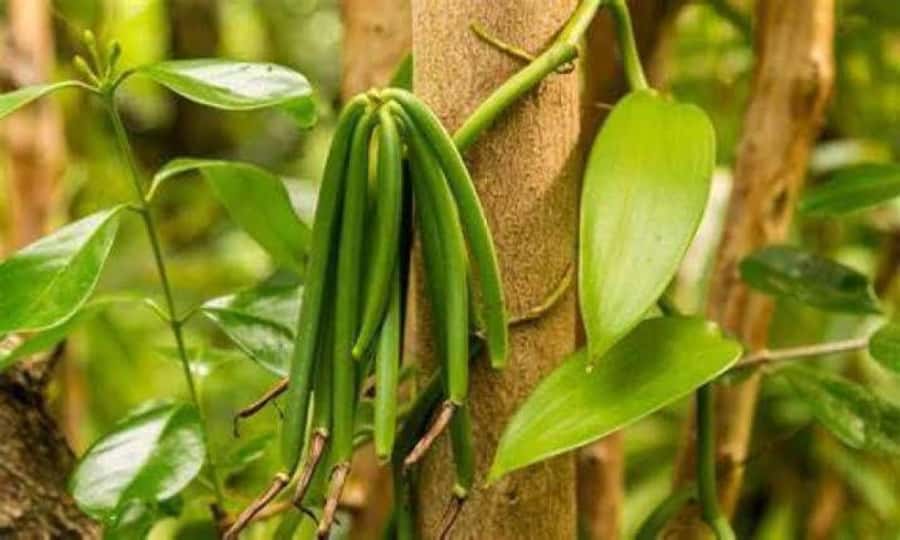
- The spice visit is sensory: You can see, smell, and taste cinnamon, cardamom, black pepper, chili, ginger, vanilla, turmeric, cloves, and other plants.
- The human butterfly adds a memorable touch: Watch a coconut climber reach the top of a palm while singing Hakuna Matata.
- Stone Town covers difficult history: The route includes the old slave market site and explains Zanzibar’s role in the slave trade from the 17th century.
- English, French, and German guides are available: That makes the historical section easier to follow for many visitors.
Why combine a spice plantation with Stone Town?
At first, the two halves may seem unrelated. The plantation shows Zanzibar as a place of farming, trade, and tropical crops. Stone Town shows how those products, people, and outside powers helped shape the island’s urban center.
I like this pairing because it gives you more than a pleasant half-day in the countryside. You get smells and flavors first, then streets and stories. The spice tour helps explain why Zanzibar attracted traders, while Stone Town shows the human cost and political history behind that trade.
The experience lasts six hours, including transportation from your hotel and the return trip. That is enough time for a useful introduction, but not enough for a slow visit at every stop. You should expect a guided overview rather than a day spent studying one site in great detail.
More Walking Tours in Zanzibar
- Stone Town Private Walking Tour
★ 5.0 · 371 reviews - Zanzibar: 3 Hours Private Stone Town walking Tour with Guide
★ 4.6 · 301 reviews - Zanzibar: Stone Town Historical Cultural Walking Guided Tour
★ 4.5 · 179 reviews
Walking through Zanzibar’s spice plants
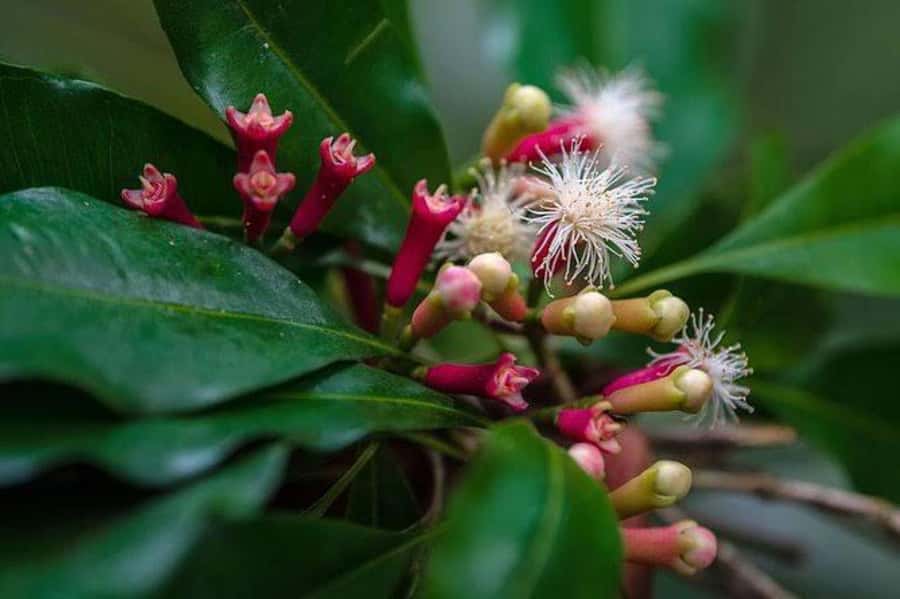
The first portion takes you to a spice plantation, where you walk among plants and learn how they grow in Zanzibar. This is more useful than simply seeing dried spices in a market because you can connect the finished product with the living plant.
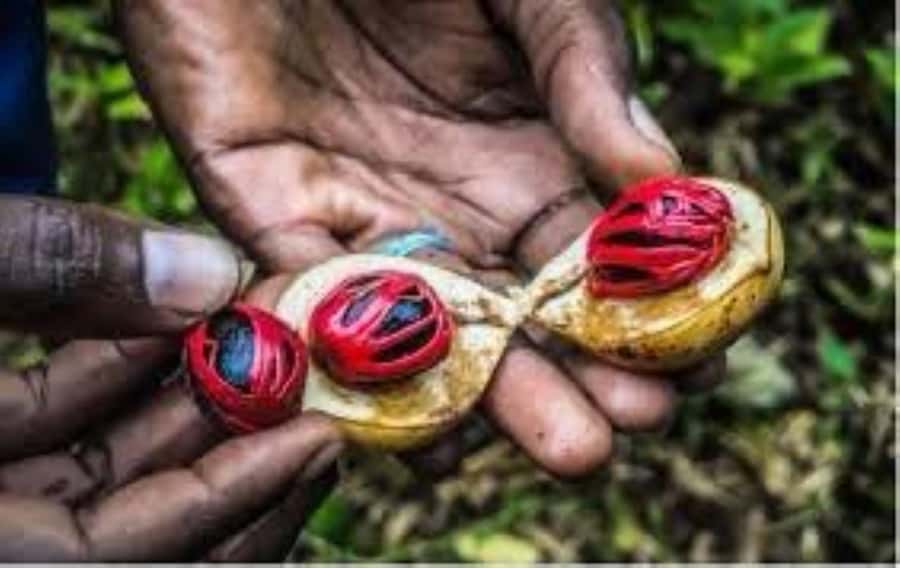
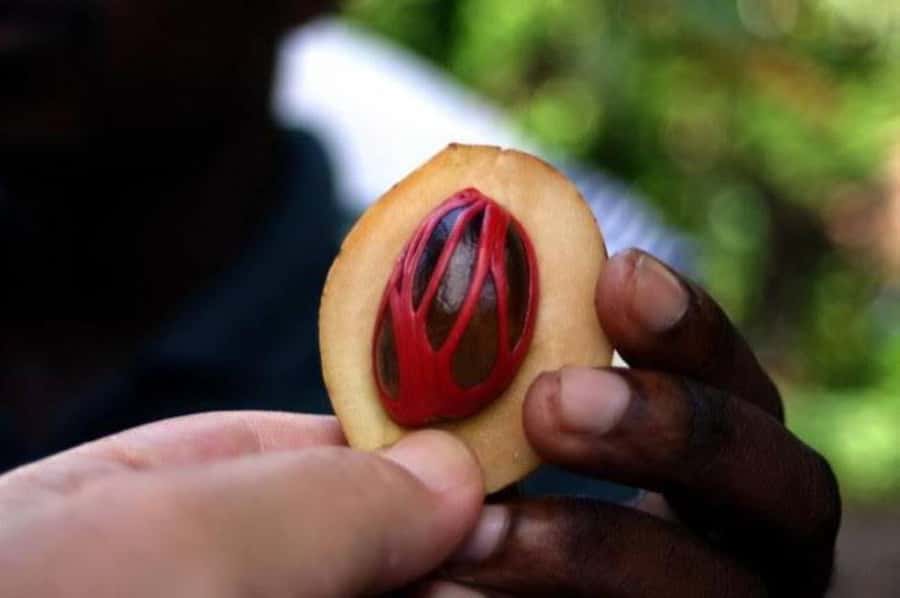
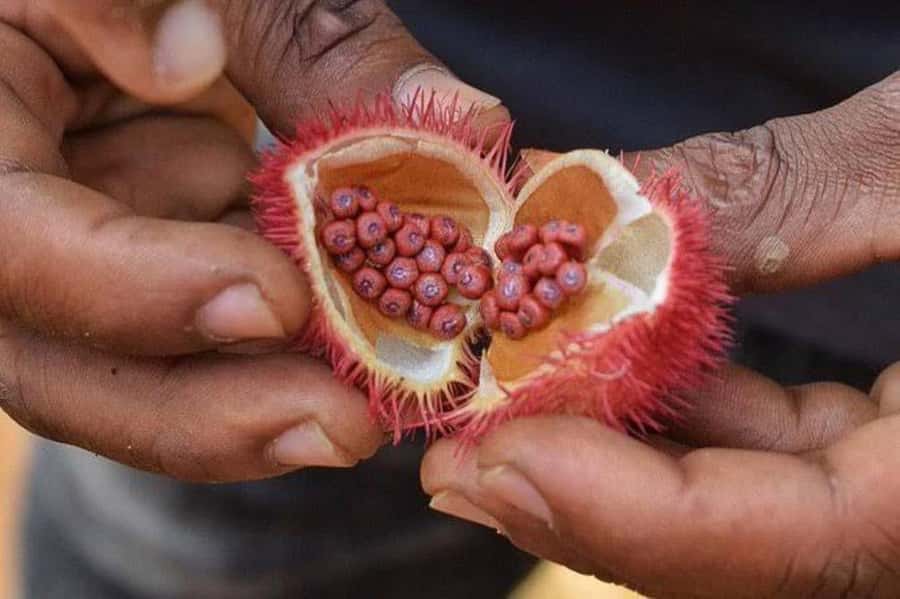
The tour includes cinnamon, cardamom, black pepper, chili, ginger, vanilla, lemongrass, lemon mint, turmeric, nutmeg, and cloves. You have the chance to see, smell, and taste several of these ingredients. For you, that sensory element is the main reason to value this section. A guide can point out what to look for, while tasting helps you remember the plants after you leave.
Some names are familiar from your kitchen, but their appearance in the field may surprise you. Vanilla is described as a vanilla stick, while cloves, nutmeg, and turmeric show how different parts of tropical plants become everyday cooking ingredients. The experience is not only about buying spices. It explains how they are grown and how Zanzibar became associated with them.
I would pay close attention to the growing methods rather than rushing from one plant to the next. The real value is learning the difference between a plant in the soil, a climbing vine, a tree, and a prepared spice. If you have never visited a plantation before, this part can change the way you think about ordinary pantry items.
The coconut-climbing human butterfly
One of the plantation’s more unusual moments is a performance by a coconut climber known as the human butterfly. He climbs a coconut tree to the top while singing Hakuna Matata.
This is clearly a lighthearted break from the more serious material later in the day. It gives the plantation visit a local performance element and makes the walk easier to remember. I also like that it shows a practical skill connected with the coconut palms around Zanzibar, rather than offering only a formal explanation of spices.
Keep your expectations sensible. The information provided does not give a specific performance length or guarantee the exact timing, so treat it as part of the plantation visit rather than the central reason to book. The focus remains the plants, their scents, and how they are grown.
Entering Stone Town through its layered past
After the plantation, you continue to Stone Town for a private walking tour. This section focuses on the city’s history, including the slave trade from the 17th century onward and Zanzibar’s position as a center of slave trading.
The old slave market site is an important stop. It is not an easy subject, and the tour is meant to help you understand what happened rather than treat the place as just another photo stop. I appreciate that the historical material is included directly in the route. A visit to Stone Town feels incomplete if you see only the architecture and skip the people who suffered there.
The city’s past also includes several outside influences. The tour explains that Persian visitors from Iran were among the first people to reach Zanzibar, followed by Portuguese control connected with Vasco da Gama, and later Arab and British influence. This gives you a basic framework for understanding why Stone Town looks and feels different from a single-culture historic center.
You should hear these changes as a sequence of arrivals, control, trade, and political change. The tour does not present Stone Town as a simple old town with attractive buildings. It connects the streets to the forces that shaped the island.
More Stone Town walking tours:
- Zanzibar: Stone Town, Spice Tour, Prison Island with Lunch
★ 4.4 · 1,219 reviews - Zanzibar: Prison Island, Stone Town, & Spice Farm Tour
★ 4.5 · 579 reviews - Zanzibar: Stone Town, Spice tour & Prison Island with Lunch
★ 4.6 · 453 reviews - Full-Day Private Stone Town +Spice Farm and Prison Island Tour
★ 4.5 · 216 reviews
Darajani Fish Market and daily Stone Town
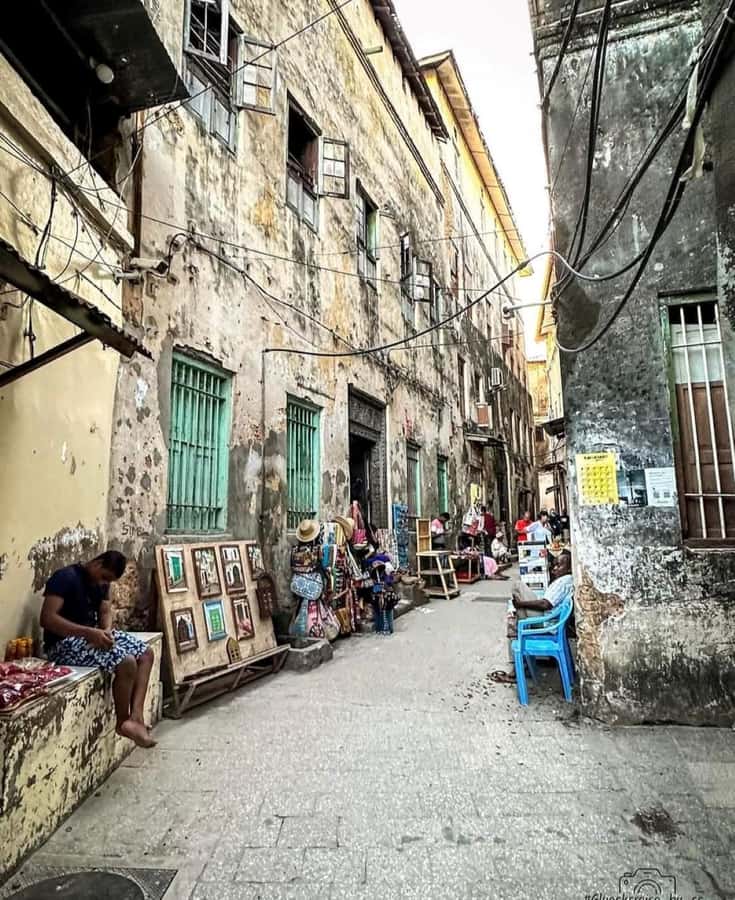
Darajani Fish Market brings you into a more active part of the city. It is a useful contrast with formal historic buildings because it shows Stone Town as a working place, not only a historic district.
The market is included among the main stops, along with the old slave market site. Since the tour is on foot, you see the city at street level and move between its historic and everyday sides. That can make the route feel more immediate than a drive past the main sights.
A market visit can also be intense. Fish markets have strong smells, crowded working areas, and a practical rhythm that is different from sightseeing. I would keep an open mind and follow your guide’s instructions. This stop may be more interesting for you if you enjoy seeing how a city functions, but less appealing if you want a quiet, polished museum-style visit.
House of Wonders and the old fort
The House of Wonders and the old fort add two major landmarks to the Stone Town walk. They help you see how the city developed around power, defense, and public life.
The House of Wonders is presented as one of the key places to visit, while the old fort represents the defensive side of Stone Town’s past. Together, they broaden the tour beyond the slave-trade story. You get a sense of the city as a place influenced by Persian, Portuguese, Arab, and British connections.
The supplied details do not specify how long you spend inside each building or whether every interior area is open during your visit. I would think of these as guided landmarks within a walking route, not as lengthy museum visits. If one building especially interests you, ask your guide how much time is available before moving on.
Finding Freddie Mercury’s Stone Town connection
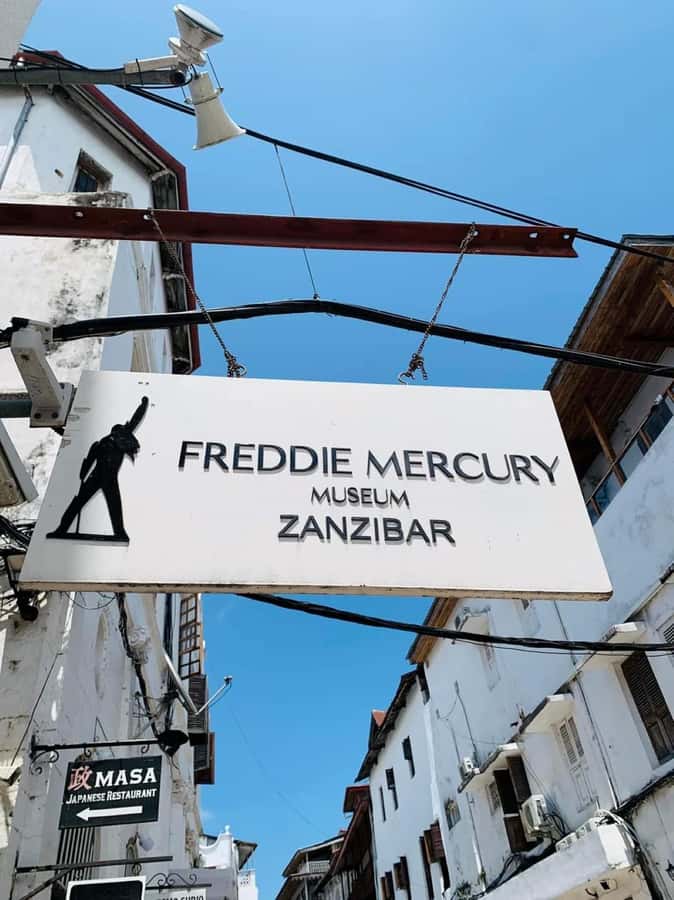
The route also includes Freddie Mercury’s house. This gives the tour a modern cultural link within a day otherwise centered on older history and trade.
The stop is useful because it shows how Stone Town’s identity reaches beyond forts, markets, and colonial-era buildings. It also adds variety to the walking tour. You move from the serious subject of slavery to music and popular culture, then back to the wider story of Zanzibar.
The details provided do not promise a museum visit or a special interior display, so you should expect to see the house as a point of interest on the route. It is best treated as one part of the city walk rather than a standalone attraction.
What the $100 price includes
At $100 per person, the price is easiest to judge by looking at what is bundled together. You receive hotel pickup and drop-off, a guide, entrance fees, a private group experience, the plantation visit, and the Stone Town walking tour.
That makes the price more reasonable than it might first appear, especially if you value private guiding and do not want to arrange separate transportation between the plantation and town. A private group also means the guide can speak to your group directly and may be able to adjust the explanation to your interests, although the exact flexibility is not specified.
The value is strongest if you want one organized day that covers nature, food crops, slavery, architecture, markets, and music history. It is weaker if you only want a quick spice visit or only want to explore Stone Town. In that case, you are paying for a combination you may not fully use.
Personal needs are not included, so budget separately for anything outside the tour package. The stated price covers the listed inclusions, not additional purchases or personal expenses.
Who will get the most from this tour?
I think this tour suits you best if you want context rather than a simple sightseeing loop. It works especially well for first-time visitors to Zanzibar who want an introduction to both the island’s rural production and its historic center.
It may also suit families and mixed-interest groups. One person can enjoy the spices and tropical plants, another can focus on architecture and history, and the coconut-climbing display adds a lighter moment for younger participants. The private format is helpful when different people in your group ask different questions.
You should be comfortable walking and spending much of the day outside. The tour includes a plantation walk and a Stone Town walking route, and no special transport is described for the city portion. Comfortable footwear, water, sun protection, and clothing suited to warm weather are sensible choices.
This may not be the best fit if you want a quiet beach day, a short activity, or a highly specialized history tour. The six-hour schedule covers a lot, so some stops may feel introductory.
Languages, pickup, and planning details
ALSA TRAVEL & TOURS provides live guides in English, French, and German. When booking, choose the language that will make the historical discussion easiest for your group, especially because the slave-trade section involves names, dates, and changing political control.
Pickup and drop-off are included in Zanzibar. The driver or guide will meet you in your hotel lobby using your names, so make sure the booking information matches the name your hotel can identify.
The start time is subject to availability. Because the tour combines outdoor walking with a city visit, check the available departure time before booking. You can cancel up to 24 hours in advance for a full refund, and the reserve-now, pay-later option allows you to hold your plans without paying at the time of booking.
Should you book this Zanzibar tour?
Book it if you want a private, all-in-one introduction to Zanzibar and appreciate a day that balances pleasant sensory experiences with difficult history. The spice plantation, coconut climber, Darajani Market, old slave market site, House of Wonders, old fort, and Freddie Mercury’s house create a varied route.
Skip it if your priority is a slow, specialist visit to just one place. The tour covers a great deal in six hours, and the Stone Town portion may leave you wanting more time at certain sites. For most first-time visitors who want practical transport and a broad view of Zanzibar, the $100 cost offers solid value.
FAQ
Where does the tour take place?
The experience takes place in Zanzibar’s Unguja South Region, with a spice plantation visit and a walking tour in Stone Town.
How long does the tour last?
The tour lasts six hours.
Is hotel pickup included?
Yes. Hotel pickup and hotel drop-off are included, with the driver or guide meeting you in the hotel lobby.
Is this a private tour?
Yes. The activity is organized as a private group experience.
Which languages are available?
Live tour guides are available in English, French, and German.
What spices and plants can I see?
The tour includes cinnamon, cardamom, black pepper, chili, ginger, vanilla, lemongrass, lemon mint, turmeric, nutmeg, and cloves.
Which Stone Town sights are included?
The route includes the old slave market site, Darajani Fish Market, Freddie Mercury’s house, the House of Wonders, and the old fort.
What is included in the $100 price?
The price includes hotel pickup, hotel drop-off, a guide, and entrance fees. Personal needs are not included.
More Spice Farm Tours in Zanzibar
- Spice Tour + Stone Town Tour + Prison Island
★ 4.5 · 130 reviews - Zanzibar: Spice Tour & Stone Town Walking Tour
★ 4.8 · 115 reviews - Zanzibar: Stone Town & Spice Farm Tour with Lunch
★ 4.5 · 97 reviews - Zanzibar: The Swahili Spice Experience – Spice Tour + Culinary Journey
★ 4.7 · 96 reviews
Just added in Zanzibar
- Best of Zanzibar: Spice Tour & Stone Town Visit★ 4.4 · 5 reviews
- Stone Town: Private Walking Tour in the Heart of Zanzibar.★ 5.0 · 1 review
- The rock restaurant and blue Lagoon★ 5.0 · 1 review
- THE GREEN TOUR: Jozani Forest & Mangrove Kayaking Experience★ 4.7 · 6 reviews
- Tea House, Zanzibar Coffee House, Spice Tour with Lunch★ 5.0 · 1 review
- Swimming with sea turtles in salaam cave★ 5.0 · 1 review
- Swim with Turtles at The Lagoons Zanzibar & Stone Town Tour★ 4.8 · 4 reviews
- Stonetown & Prison island Cultural Tour★ 5.0 · 2 reviews
Stone Town Tours, compared.
Stone Town, Spice Tour, Prison Island with Lunch
Read our review →
Stone Town, Spice tour & Prison Island with Lunch
Read our review →
3 Hours Private Stone Town walking Tour with Guide
Read our review →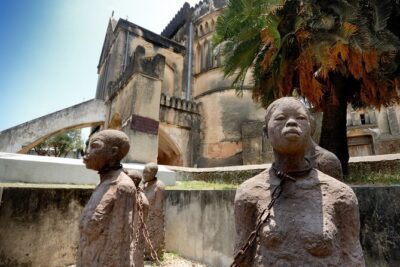
Full-Day Private Stone Town +Spice Farm and Prison Island Tour
Read our review →
Stone Town Historical Cultural Walking Guided Tour
Read our review →
Browse the lists this tour appears in