
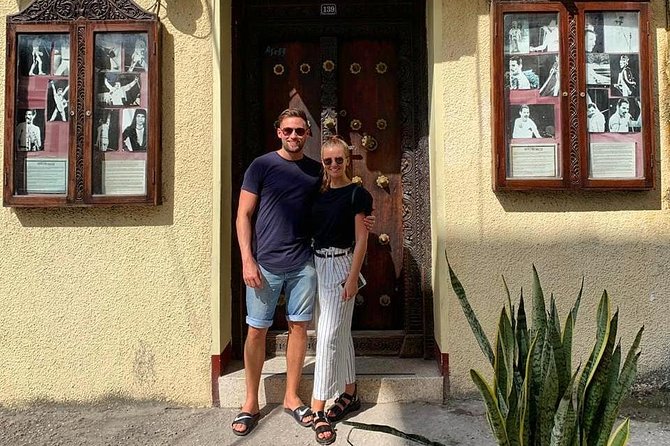
Reviewed · STONE TOWN TOURS
Stone Town & Spice Tour, Zanzibar secrets with Lunch – Zanzibar
Zanzibar’s best flavors come with a side of history. This roughly seven-hour outing joins two very different experiences: a guided walk through Stone Town and a visit to a working spice farm. I like the mix because you get Zanzibar’s carved doors, old forts, markets, and museums in the morning, then the scents of cloves, cinnamon, vanilla, and cardamom in the countryside.
I also like the included Tanzanian lunch and the chance to taste spices in their natural form, not just see them in packets at a shop. Hotel pickup and drop-off can make the day easy, too. The main caution is pace: Stone Town can feel hot and tiring after the farm visit, and the quality of the historical explanations may depend on which guide leads your group.
The price is listed at $30 per person, though the $10 entrance fee for the spice farm and former slave market is extra. Transfers outside Stone Town may also cost more. That still gives you a useful introduction to Zanzibar for a modest price, especially if you want both culture and food in one day.
In This Review
- Key points to know before booking
- Why combine Stone Town with a spice farm?
- Walking through Stone Town’s old market
- House of Wonders, Old Fort, and the city’s landmarks
- The spice farm’s most rewarding hour
- Lunch with Zanzibar’s signature flavors
- Guides and the human side of the tour
- Transport, timing, and the real price
- Who will enjoy this Zanzibar day trip?
- Should you book the Stone Town and Spice Tour?
- FAQ
- How long does the Stone Town and Spice Tour last?
- How much does the tour cost?
- Is hotel pickup included?
- Is lunch included?
- Is the spice farm entrance fee included?
- Which Stone Town sights are included?
- What spices can you see at the farm?
- Can you climb a coconut palm?
- What is the cancellation policy?
Key points to know before booking

- Stone Town covers major landmarks: Expect the Old Fort, House of Wonders, Tippu Tip House, Africa House, Old Dispensary, Palace Museum, and former Slave Market.
- The spice farm is the strongest part for many people: You can see black pepper, cardamom, cinnamon, nutmeg, cloves, and vanilla growing in the soil.
- Lunch is part of the experience: The Tanzanian meal uses local spices and is often praised for its home-cooked taste.
- Coconut climbing adds a playful moment: Local spice workers may guide you up a coconut palm.
- Guides can shape the day: Abraham, also called Abracadabra, Haji, Muda, Ibrahim, and Mike are among the guides associated with the experience.
- Budget for extra fees: The $10 entrance charge per person is not included, and transport from outside Stone Town may require an additional payment.
Why combine Stone Town with a spice farm?
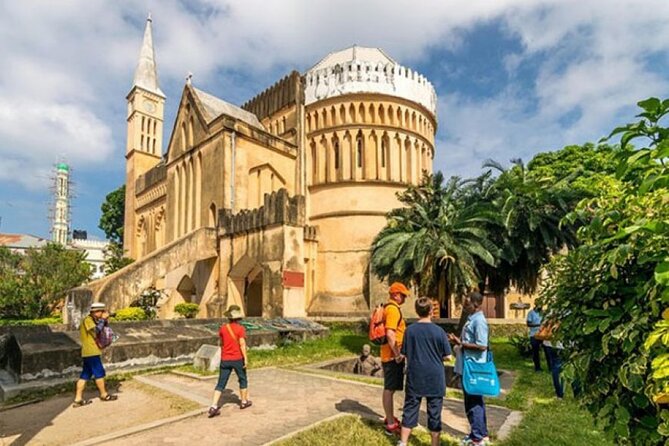
Zanzibar makes more sense when you see both sides of it. Stone Town shows you the island’s trading past, layered architecture, and religious and cultural mix. The spice farm explains one of the products that helped give Zanzibar its famous nickname, Spice Island.
I like this pairing because neither stop tells the whole story alone. A city walk gives you buildings and history, but it can become a string of names if you are tired or the explanations are brief. A farm visit is sensory and hands-on, but without some city context, it is easy to miss how important trade was to the island.
The schedule lasts about seven hours, so plan for a substantial day rather than a quick morning trip. The exact order may vary, but the experience includes both a walking tour and a countryside visit, with lunch along the way.
The group can include up to 20 people. That is small enough for a shared outing, but it is not the same as a private walking tour. If you want to stop often for detailed questions or study every doorway, a private Stone Town tour may suit you better.
More Stone Town walking tours:
- Zanzibar: Stone Town, Spice Tour, Prison Island with Lunch
★ 4.4 · 1,219 reviews - Zanzibar: Prison Island, Stone Town, & Spice Farm Tour
★ 4.5 · 579 reviews - Zanzibar: Stone Town, Spice tour & Prison Island with Lunch
★ 4.6 · 453 reviews
Walking through Stone Town’s old market
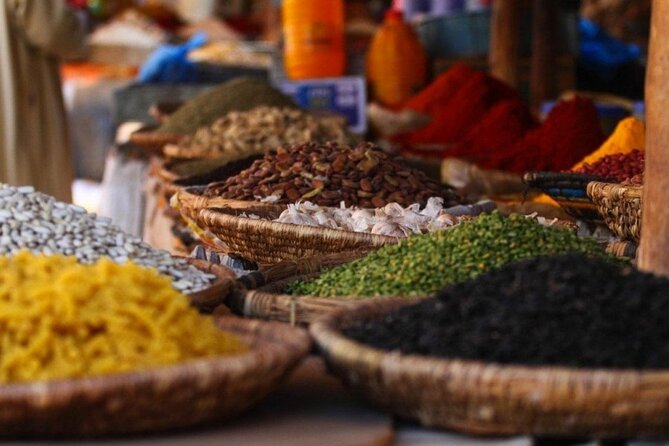
The Stone Town portion begins with an old market that opened in 1903. Its sections are arranged around fish, meat, vegetables, and fruit, with a spice market outside. This is a useful stop because it gives you a glimpse of everyday commerce rather than only grand monuments.
Markets can be strong on atmosphere, but they are not always comfortable for every visitor. You may encounter strong smells, narrow passages, and busy activity. Keep your belongings secure and wear shoes that are easy to walk in.
From the market, the route moves through Stone Town’s narrow alleys. The most memorable details may be above street level: carved wooden doors, balconies, and old facades packed tightly along the lanes. I would pay attention to the doors in particular. They are among the city’s most distinctive visual details, with designs that reflect the island’s long contact with African, Arab, Indian, and European cultures.
The narrow streets also mean shade is uneven. Bring water, use sun protection, and expect heat to affect your energy. One guide, Mike, was especially praised for finding ways to help when the heat became too much. That kind of practical care can make a real difference on a walking tour.
House of Wonders, Old Fort, and the city’s landmarks
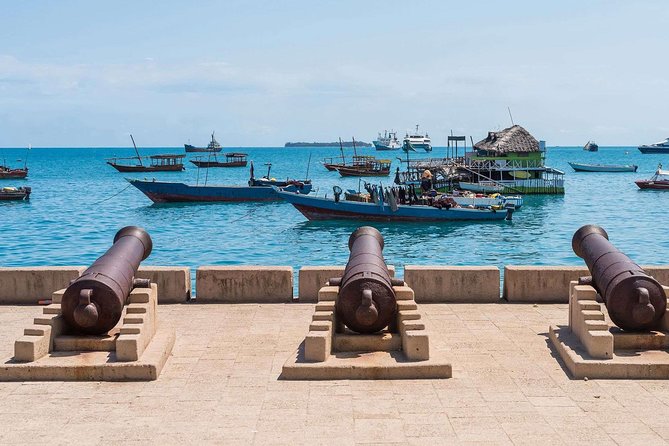
The route includes the House of Wonders, also known as the National Museum, along with Tippu Tip House, Africa House, the Old Fort, Palace Museum, Old Dispensary, and the former Slave Market.
These stops give the walk a clear historical framework. The House of Wonders and Palace Museum point to Zanzibar’s royal and political past. Tippu Tip House connects the city to a major figure in the region’s trading era. Africa House, once an English club, offers another reminder of the outside powers and communities that shaped Stone Town.
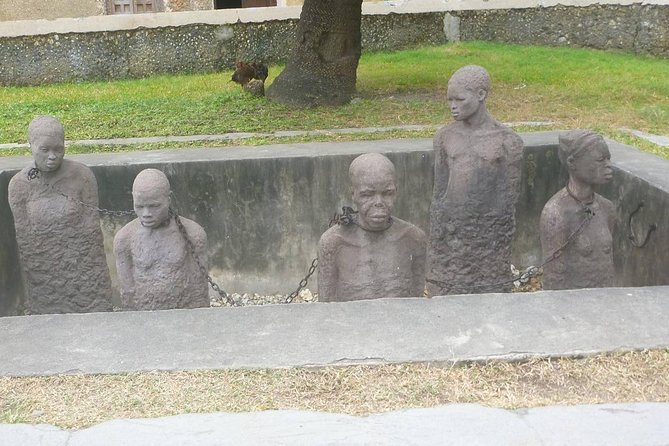
The Old Fort is one of the city’s most recognizable structures. The Old Dispensary is notable for its decorative frontage and position near the waterfront area. The former Slave Market is a more difficult stop, but an important one. It adds necessary context to Zanzibar’s past and should not be treated as just another photo stop.
The $10 entrance charge covers the spice farm and former slave market according to the tour details. Confirm how the fee is collected on your chosen date, since it is separate from the advertised tour price.
The strength of this portion is its range. You see markets, religious and civic buildings, fortifications, old homes, and narrow lanes in one walk. The weakness is that a lot is packed into a limited period. Some explanations may feel general, especially if you want a detailed account of each building.
The spice farm’s most rewarding hour
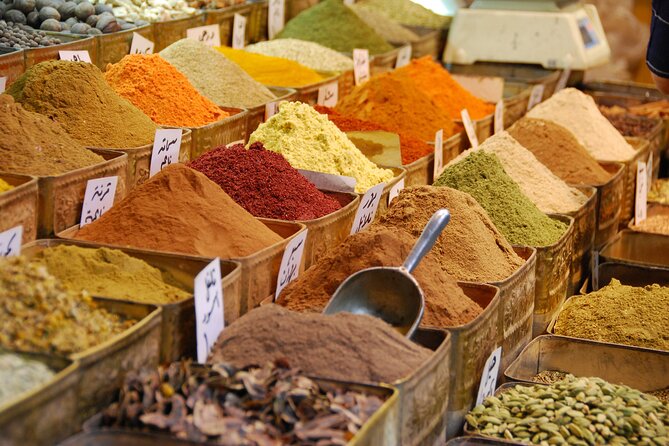
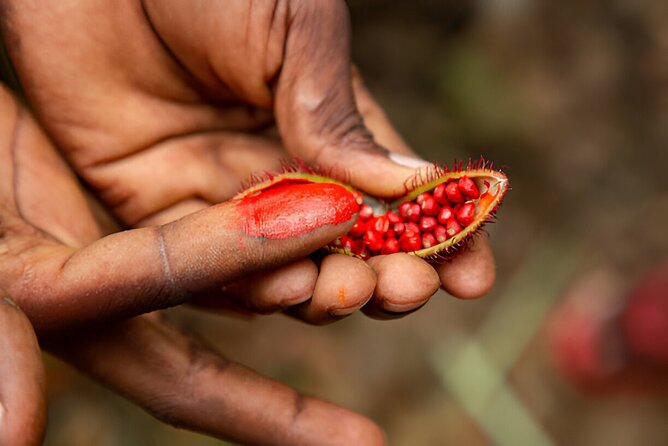
The farm is where the day becomes highly sensory. You can see black pepper vines, cardamom bushes, cinnamon trees, nutmeg, clove trees, and vanilla vines. Tropical fruit trees and other herbs are also part of the visit.
I like this format because it turns familiar kitchen ingredients into living plants. Cinnamon is not simply a brown stick in a jar. Vanilla is not just a flavor on a dessert menu. Seeing the plants helps you understand why Zanzibar’s spice trade mattered and why these crops remain central to the island’s identity.
The guide explains uses beyond cooking, including medicinal purposes. Listen for the practical links between plant, scent, taste, and traditional use. The farm is also a good place to ask questions, since the experience is more direct than looking at a packaged spice in a shop.
You should get the chance to smell or taste several products. A cup of spice tea is included, giving you a warm, fragrant pause during the visit. The spice workers may also offer locally grown items for purchase. If you plan to buy something, compare prices and quality before committing. The farm is a commercial stop as well as an educational one.
The local spice boys add humor and energy to this part of the outing. With guidance, you may try climbing a coconut palm. This is not the reason to book the tour, but it is a memorable extra and gives the farm visit a more playful feel.
More Spice Farm Tours in Zanzibar:
- Full-Day Private Stone Town +Spice Farm and Prison Island Tour
★ 4.5 · 216 reviews - Spice Tour + Stone Town Tour + Prison Island
★ 4.5 · 130 reviews - Zanzibar: Spice Tour & Stone Town Walking Tour
★ 4.8 · 115 reviews - Zanzibar: Stone Town & Spice Farm Tour with Lunch
★ 4.5 · 97 reviews
Lunch with Zanzibar’s signature flavors
Lunch is included and is one of the better reasons to choose this combined experience. The meal is described as Tanzanian and home cooked, with the spices from the farm used in the food.
I prefer this kind of meal to a generic restaurant break because it connects the explanation to something you can actually eat. The farm tells you about cloves, cinnamon, and other ingredients. Lunch shows how those flavors work in a local dish.
The meal has been praised for being delicious, but you should remember that group meals are not usually tailored to every preference. The supplied information does not specify a menu or dietary choices, so ask the operator in advance if you have food restrictions.
Lunch also affects the rhythm of the day. It gives you a chance to sit down after walking and exploring, but it may come late depending on the order of stops. Bring water and a small snack if you need food at exact times.
Guides and the human side of the tour
The guide is central to this experience. Names connected with the outing include Abraham, known as Abracadabra, Haji, Muda, Ibrahim, and Mike. Abraham has been associated with a lively style, humor, and stories that make the spice visit more entertaining. Haji has been praised as a friendly driver, while Muda and Ibrahim have been described as patient and helpful.
That said, the guiding experience is not completely predictable. The strongest accounts describe warm, flexible guides who answer questions and adjust when people get tired. One less positive experience involved a long pickup delay and trouble reaching the company. I would treat that as a warning to confirm your pickup details and keep the operator’s contact information handy.
The Stone Town explanations may also vary. Some visitors find the city walk only moderately satisfying, with less detail than they hoped for. If Stone Town history is your main goal, consider booking a separate private walking tour. If you mainly want a broad introduction plus a spice farm and lunch, this combined format makes more sense.
Transport, timing, and the real price
The advertised price is $30 per person. For a seven-hour outing that includes a guide, lunch, a spice farm visit, city sightseeing, and possible hotel transportation, that is a strong value on paper.
The important phrase is if the transfer option is selected. Hotel pickup and drop-off by air-conditioned vehicle are available under that option. Transport from outside Stone Town costs extra, so check the final price before booking. The tour details also indicate that pickup is offered, but do not assume every location is covered at the same rate.
The group limit is 20 people. That keeps the price low, but it may mean waiting for others in narrow streets or around the farm. A private option would likely be better for photographers, families with a strict schedule, or anyone who wants a slow historical walk.
The tour can be canceled for a full refund up to 24 hours before the start time. Changes or cancellations within 24 hours are not refunded, and the cutoff uses Zanzibar local time.
Who will enjoy this Zanzibar day trip?
I would choose this tour if you are staying in or near Stone Town and want a first look at the city plus a taste of rural Zanzibar. It works well for people who enjoy food, plants, local stories, and a broad mix of sights.
It is also a good match if you are watching your budget. The base price is low, and group discounts may be available. Just add the $10 entrance cost and any extra transfer charge when calculating the real total.
You may want another plan if your priority is detailed architecture or serious historical study. The Stone Town walk covers many important places, but the pace and guide style may not provide the depth of a dedicated private tour.
Most people can participate, and service animals are allowed. The walking and heat still call for reasonable stamina. Wear light clothing, use sun protection, and bring water. The tour is not ideal for someone who wants a quiet, unhurried day with no commercial stops.
Should you book the Stone Town and Spice Tour?
Book it if you want variety and good value in one day. The spice farm, tea, coconut climbing, and Tanzanian lunch give the experience its strongest character. Stone Town adds essential context, even if the city walk may feel rushed or uneven.
I would book this as an introduction, not as the final word on Zanzibar’s history. Confirm your hotel location, transfer cost, entrance fee, and pickup time before paying. If you approach it as a lively overview with food and plants at its center, you are likely to get a rewarding day for the money.
FAQ
How long does the Stone Town and Spice Tour last?
The experience lasts approximately seven hours.
How much does the tour cost?
The listed price is $30 per person. Group discounts may be available.
Is hotel pickup included?
Hotel pickup and drop-off by air-conditioned vehicle are included if you select the transfer option. Transfers from outside Stone Town may cost extra.
Is lunch included?
Yes. The tour includes a Tanzanian lunch, described as a home-cooked meal using local spices.
Is the spice farm entrance fee included?
No. The entrance fee for the spice farm and former slave market is listed as $10 per person, separate from the tour price.
Which Stone Town sights are included?
The route includes the Old Market, House of Wonders, Tippu Tip House, Africa House, Old Fort, Palace Museum, Old Dispensary, and former Slave Market.
What spices can you see at the farm?
You may see black pepper, cardamom, cinnamon, nutmeg, cloves, and vanilla, along with herbs and tropical fruit trees.
Can you climb a coconut palm?
Yes. The tour includes the chance to climb a coconut palm with guidance from local spice workers.
What is the cancellation policy?
You can cancel up to 24 hours before the start time for a full refund. Cancellations or changes made within 24 hours are not refunded.
More Lunch Experiences in Zanzibar
- Zanzibar: Prison Island and Nakupenda Boat Trip with Lunch
★ 4.1 · 882 reviews - Mnemba Island: Dolphin Swim & Snorkeling with Optional Lunch
★ 4.3 · 591 reviews - Zanzibar: Prison Island & Nakupenda Boat Tour with BBQ Lunch
★ 4.4 · 554 reviews - Zanzibar: Safari Blue Lagoon Trip with Snorkeling and Lunch
★ 4.5 · 336 reviews
Just added in Zanzibar
- Zanzibar:Ngoma local culture workshop,The Knowledge of Ngoma★ 5.0 · 1 review
- ZANZIBAR:Mnemba island, Spice farm and Jozani Forest★ 5.0 · 1 review
- Zanzibar: Zipline Adventure At Masingini Forest★ 4.6 · 2 reviews
- Zanzibar Walking Tour: Unveiling the Secrets of Stonetown★ 4.8 · 11 reviews
- Zanzibar: Walking Spice Farm with Local Cooking Class★ 4.4 · 9 reviews
- Zanzibar: Walking Tour★ 4.0 · 1 review
- Zanzibar: Uzi Island Mangrove Kayak Tour with Guide★ 5.0 · 1 review
- Zanzibar: Unique Guided Mangrove Tour by SUP or Kayak★ 5.0 · 1 review
Stone Town Tours, compared.

Stone Town, Spice Tour, Prison Island with Lunch
Read our review →

Stone Town, Spice tour & Prison Island with Lunch
Read our review →
3 Hours Private Stone Town walking Tour with Guide
Read our review →
Full-Day Private Stone Town +Spice Farm and Prison Island Tour
Read our review →
Stone Town Historical Cultural Walking Guided Tour
Read our review →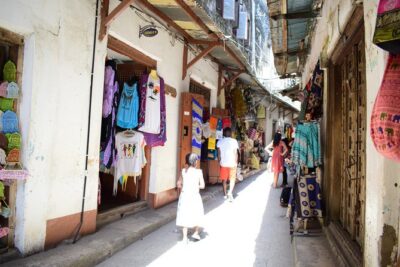
Browse the lists this tour appears in