

Reviewed · MAASAI VILLAGE VISITS
Zanzibar: Maasai village and Nungwi turtles experience trip
Two very different stops make this trip memorable. I like the friendly Maasai cultural visit, where a guided presentation and traditional dance turn a quick stop into a useful look at customs and daily life. I also like the chance to feed green turtles with seaweed and swim beside them in a natural coral-rock lagoon.
The main caution is that the turtle stop may feel less guided than the village visit. You may be shown toward the pool and left to explore it yourself, so this suits you best if you are happy with a hands-on animal encounter rather than expecting a long formal talk.
In This Review
- Key points to know before you book
- Why this Zanzibar day trip works
- The drive north from your Zanzibar hotel
- Meeting the Maasai village
- What makes the turtle lagoon different
- Feeding green turtles in the pool
- A closer look at conservation and animal care
- What $50 gets you
- Who will enjoy this experience most
- How to prepare for the five-hour outing
- Should you book the Maasai village and turtle trip?
- FAQ
- How long does the Zanzibar Maasai village and turtle trip last?
- What is included in the $50 price?
- Can I swim with the turtles?
- Do I have to pay for turtle food?
- What language is the tour conducted in?
- Is the tour suitable for people with mobility impairments?
Key points to know before you book
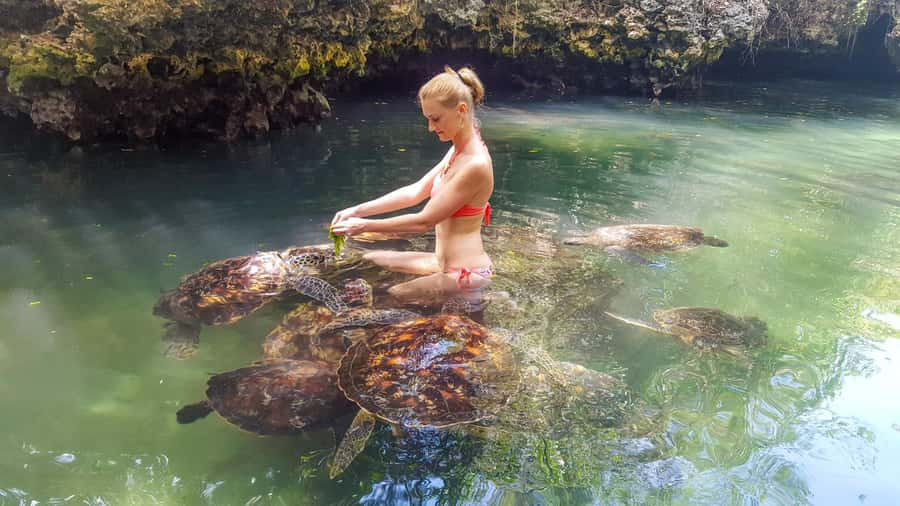
- The trip combines two distinct experiences: a traditional Maasai village visit and a sea turtle conservation lagoon near Nungwi.
- The turtle pool is a natural tidal lagoon: it sits in coral rock behind the beach, rather than in a standard indoor aquarium.
- You can feed and swim with the turtles: turtle food is purchased separately from the caretakers, and swimwear and a towel are essential.
- The Maasai stop is more structured: expect a guided visit, cultural explanations, photographs, and a traditional dance presentation.
- The $50 price includes private transport: hotel pickup, drop-off, an experienced driver, a guide, and the Nungwi entry ticket are covered.
- Plan for a full five hours: about two hours are spent in the van, leaving roughly three hours for the two stops.
Why this Zanzibar day trip works
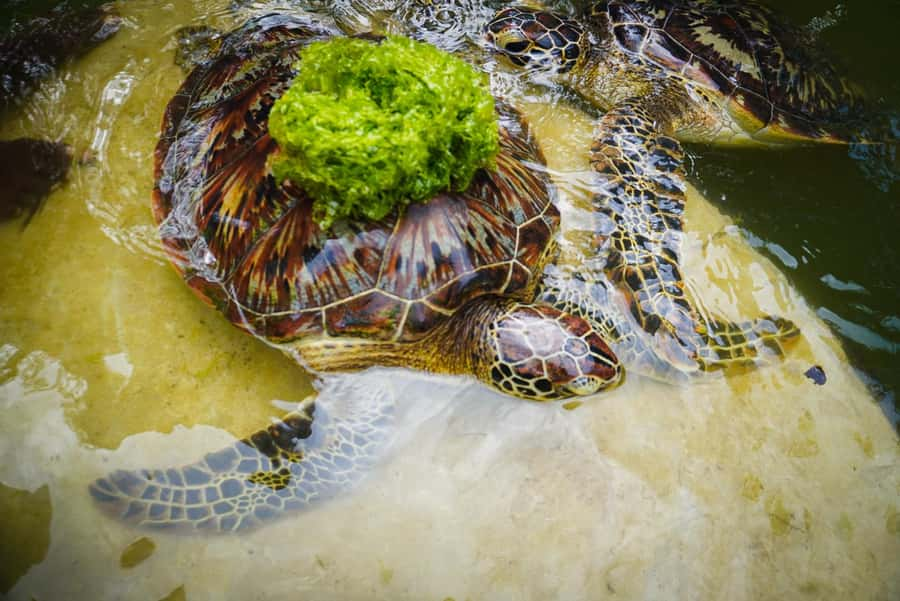
Zanzibar has no shortage of beach outings, but this five-hour trip gives you two kinds of contact with the island. At the Maasai village, you learn through people, presentation, and dance. At Nungwi, you get close to marine life and hear about the problems caused by fishing nets and pollution.
That mix gives the day a useful rhythm. You are not spending the whole morning in a vehicle, but you are also not treating the turtles as a stand-alone photo stop. The village adds a human and cultural side to the outing, while the lagoon gives you something physical to do.
I especially like the contrast between the two visits. The Maasai stop is mostly about watching, listening, and asking questions. The turtle stop is more active, with feeding and swimming. If your ideal excursion includes both culture and wildlife, the format makes sense.
Still, keep your expectations measured. This is not a long research tour or a large conservation course. It is a short introduction to Maasai customs and turtle protection, packaged with transport from your hotel.
More Maasai Village Visits in Zanzibar:
- Maasai World
★ 5.0 · 46 reviews - Zanzibar: Maasai World Tour with Cultural Practices
★ 4.0 · 4 reviews - 5 Days Camping Tarangire, Serengeti & Ngorongoro crater & Visiting Maasai
★ 5.0 · 229 reviews
The drive north from your Zanzibar hotel
Your driver collects you from the reception of your accommodation in Zanzibar. Be ready five minutes before departure, since the vehicle will be identified by the Beach & Safari Holidays and Crabs Tours logos.
The first drive takes about one hour. That is a meaningful part of a five-hour trip, so the pickup area of your hotel affects the day’s feel. The return journey also takes about one hour, with another twenty-minute drive between the village and the turtle site.
You travel in a van with an experienced driver, and the group is private. That is a real advantage if you want to set a comfortable pace within the limits of the schedule. You can ask questions without competing with a coach full of people, and hotel pickup saves you from arranging a separate taxi to Nungwi.
The tradeoff is simple: this is a road excursion, not a quick local outing. If you are staying far from Nungwi, two hours on the road takes up a large share of the day. For many visitors, though, the included transport makes the $50 cost easier to justify.
Meeting the Maasai village
The first stop is a traditional village, where you receive a guided visit and learn about Maasai customs. The program includes a photo stop and a traditional dance show, so this is not just a pass-by visit.
The cultural presentation has been praised for keeping a good pace. That matters. Village visits can feel awkward when they are too brief to explain anything or too long without a clear structure. Here, the guide helps connect the demonstrations and explanations, and the dance adds energy without taking over the whole stop.
I would treat this as an introduction, not a complete account of Maasai life. You will learn selected customs in a tourism setting, with presentations designed for a short excursion. That does not make the visit worthless. It simply means you should listen carefully, ask respectful questions, and avoid expecting every part of Maasai culture to be covered in one stop.
The strongest part for many people is the human contact. The Maasai participants are described as friendly, and the visit can be both informative and entertaining. That combination makes it a good choice if you want a cultural stop that is accessible and lively rather than highly academic.
You also get time for photographs. Ask before taking close portraits, and pay attention during the explanations instead of treating the village as a backdrop. The best value comes from understanding what you are seeing, not just collecting pictures.
What makes the turtle lagoon different

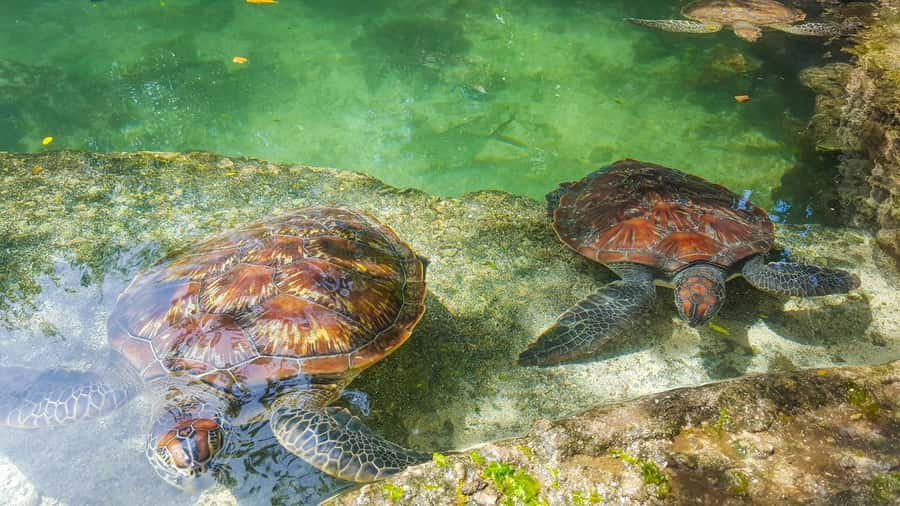
After about twenty minutes in the van, you reach the Zanzibar Aquarium area near Nungwi. The turtles are kept in a large natural tidal pool formed in coral rock behind the beach.
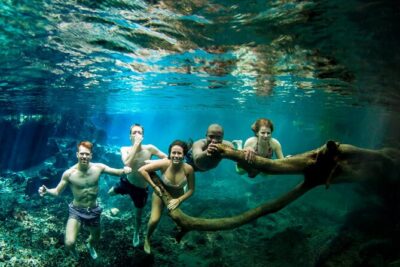
That setting is important. You are not simply looking through glass at animals in a display tank. The turtles swim in a lagoon pool, and you can enter the water for a closer encounter. The experience feels more direct, though the water may not look perfectly clear or polished. One visitor found the water disappointing, so bring the right expectations: this is a working conservation pool, not a luxury resort swimming area.
The lagoon was created to rehabilitate marine turtles caught in fishing nets and to support the protection of local baby turtles. Your guide or the caretakers can explain the rehabilitation work, the turtle life cycle, their food, and the dangers caused by fishing and pollution.
That conservation context gives the encounter a purpose. You are not only coming for a swim. You are seeing how injured turtles can be cared for after being caught in nets, and how a local project aims to protect young turtles. The visit is short, but it introduces the practical problems facing green turtles in coastal waters.
A few more options to weigh up in Zanzibar
- From Zanzibar: Mikumi Safari Day Trip with Flights and Meal
★ 4.7 · 1,470 reviews - Zanzibar: Quad Bike Adventure departing from Kendwa or Nungwi
★ 4.9 · 1,233 reviews - Zanzibar: Stone Town, Spice Tour, Prison Island with Lunch
★ 4.4 · 1,219 reviews - From Zanzibar: Day Selous Game Reserve Safari with Flights
★ 4.7 · 1,025 reviews
Feeding green turtles in the pool
If you want to feed the turtles, buy seaweed from their caretakers. Turtle food is not included in the tour price, so carry a little extra money if feeding is important to you.
The feeding session can be one of the most enjoyable parts of the day. You hold the special food near the turtles and watch them come close, which makes the animal encounter more active than simply standing beside the pool. You should follow the caretakers’ instructions and use only the food provided.
You can also get into the pool and swim with the turtles. Bring swimwear and a towel, along with comfortable shoes for the village visit and the area around the lagoon.
There is a practical difference between the two activities. Feeding lets you stay relatively dry and focus on the animals. Swimming gives you a closer view, but it requires more preparation and may not appeal if you dislike entering natural tidal water.
The level of guidance at this stop can vary. The village portion has a clear presentation, while the turtle visit may leave you more or less to your own devices after you are directed toward the pond. If you want detailed explanations, ask questions early and directly. Ask how the rehabilitation project works, which turtles are being treated, and what the caretakers do to protect hatchlings.
That small bit of preparation can make the turtle stop feel much more informative.
A closer look at conservation and animal care

The turtle project focuses on two connected problems. Some turtles arrive after injuries from fishing nets, while baby turtles need protection as they begin life near the coast.
You learn about the animals’ life cycle and food, as well as the wider effects of pollution and fishing. These details help you see why a seemingly simple lagoon visit matters. Marine conservation is not only about releasing animals or placing them in a pool. It also involves reducing hazards, caring for injured wildlife, and protecting young turtles.
The experience does not provide a long scientific lecture, and the available information does not promise a set feeding demonstration or a fixed talk by a conservation specialist. Think of it as a brief, personal introduction to the project.
This is also why the imperfect water is worth putting in context. A natural tidal pool may not have the neat appearance of a hotel pool. The setting is more functional than decorative. If clear water and spotless facilities are your top priorities, you may be underwhelmed. If you care more about being close to turtles and hearing how rescued animals are handled, the visit has stronger appeal.
What $50 gets you

At $50 per person, the trip offers good value for a private five-hour outing, especially because hotel pickup and drop-off are included. You also receive an experienced driver, a guide, and the Nungwi excursion entry ticket.
The price covers the costly practical part of the day: getting from your accommodation to northern Zanzibar and back. It also combines two paid stops instead of asking you to arrange separate transport and admissions.
Budget separately for food and turtle food. Food is not included, and the turtle feeding portion requires a purchase from the caretakers. Tips are optional.
The private-group format adds value for couples, families, and small groups who prefer not to follow a large bus schedule. It also lets you ask questions about the village and turtles more easily. However, private does not mean unlimited time. The total duration remains five hours, and the two drives take about two hours of it.
For a half-day outing, the price is sensible if you want both culture and wildlife. It is less compelling if you only want to swim with turtles, since a large part of the cost supports the round-trip drive and village visit as well.
Who will enjoy this experience most

I would recommend this tour to you if you want a compact introduction to northern Zanzibar and prefer variety over a single long activity.
It is particularly suitable for:
- Couples who want a private outing with two contrasting stops
- Families interested in animals, provided everyone can manage the walking and pool setting
- First-time visitors who want cultural contact and marine life in one morning
- People who enjoy swimming and do not mind natural water conditions
- Anyone looking for a guided experience with hotel transport already arranged
The trip is less suitable for you if you have mobility impairments, since it is specifically not recommended for people with mobility limitations. It may also disappoint you if you expect a highly structured conservation talk from start to finish.
The language listed for the tour is English. If detailed explanation is important to you, confirm your questions with the guide during the turtle visit rather than assuming a long formal presentation will happen automatically.
How to prepare for the five-hour outing

Wear comfortable shoes for the village and the paths around the lagoon. Bring swimwear and a towel if you plan to enter the water.
You should also bring a small amount of money for seaweed turtle food. Since food is not included, you may want to eat before departure or ask your accommodation about the day’s arrangements.
Keep your schedule reasonably open around the five-hour duration. Pickup times can vary, and the drive to Nungwi takes about an hour each way. Be at the hotel reception five minutes early so the driver does not have to search for you.
The tour offers free cancellation up to twenty-four hours before departure, and you can reserve now and pay later. Those terms are useful if your Zanzibar plans may shift, but the most important practical choice is deciding if you want the active pool visit. If you do not plan to swim or feed the turtles, the excursion becomes more of a viewing and cultural outing.
Should you book the Maasai village and turtle trip?
Book it if you want a friendly, varied half-day with a well-liked Maasai village visit, a traditional dance, and the chance to swim beside turtles in a natural lagoon. The included private transport makes $50 a fair price, and the conservation background adds more value than a simple animal photo stop.
Go in with realistic expectations. The village visit appears to have the stronger structure and explanation, while the turtle stop may require you to take the lead with questions. The water may not be especially attractive, and feeding costs extra.
For an easy cultural and wildlife combination from your hotel, I think this is a strong choice. If your priority is detailed marine biology, pristine water, or a full-day conservation workshop, choose something more specialized.
FAQ
How long does the Zanzibar Maasai village and turtle trip last?
The experience lasts five hours, including hotel pickup and drop-off. The drive to Nungwi takes about one hour, and the drive from the village to the turtle site takes about twenty minutes.
What is included in the $50 price?
The price includes hotel pickup, hotel drop-off, an experienced driver, a guide, and the Nungwi excursion entry ticket.
Can I swim with the turtles?
Yes. You can enter the natural lagoon pool and swim with the turtles. Bring swimwear and a towel.
Do I have to pay for turtle food?
Yes. Turtle food is not included. You can buy seaweed from the turtles’ caretakers if you want to feed them.
What language is the tour conducted in?
The live tour guide operates in English.
Is the tour suitable for people with mobility impairments?
No. The activity is listed as unsuitable for people with mobility impairments.
Just added in Zanzibar
- Zanzibar:Ngoma local culture workshop,The Knowledge of Ngoma★ 5.0 · 1 review
- ZANZIBAR:Mnemba island, Spice farm and Jozani Forest★ 5.0 · 1 review
- Zanzibar Walking Tour: Unveiling the Secrets of Stonetown★ 4.8 · 11 reviews
- Zanzibar: Zipline Adventure At Masingini Forest★ 4.6 · 2 reviews
- Zanzibar: Walking Spice Farm with Local Cooking Class★ 4.4 · 9 reviews
- Zanzibar: Walking Tour★ 4.0 · 1 review
- Zanzibar: Uzi Island Mangrove Kayak Tour with Guide★ 5.0 · 1 review
- Zanzibar: Unique Guided Mangrove Tour by SUP or Kayak★ 5.0 · 1 review
Maasai Village Visits, compared.

5 Days Camping Tarangire, Serengeti & Ngorongoro crater & Visiting Maasai
Read our review →
Maasai village visit, Materuni waterfalls & coffee experience
Read our review →5 Days Camping Tarangire, Serengeti & Ngorongoro crater & Visiting Maasai
Read our review →
Maasai village visit and Chemka hot-springs with hot lunch.
Read our review →

Kilimanjaro: Maasai Village Visit, Waterfalls, & Coffee Tour
Read our review →
Browse the lists this tour appears in