
Reviewed · COOKING CLASSES
NGO Lifted Strong – Traditional Tanzanian Cooking Class
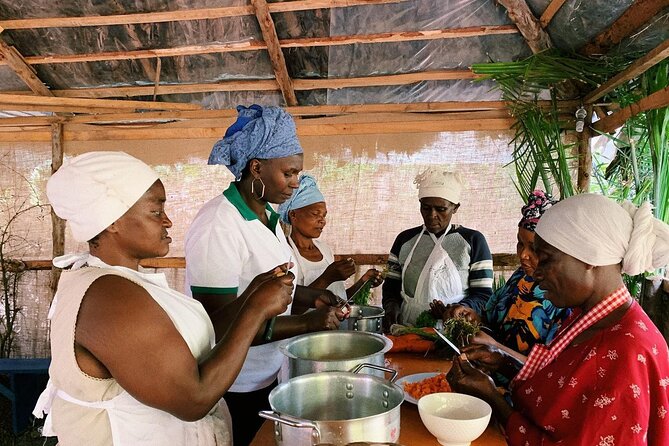
Food opens doors. In Arusha, this three-hour cooking class offers a friendly way to meet local women, learn the Swahili names for ingredients, and prepare traditional Tanzanian food with the Mama’s of Lifted Strong Community Organization. I like that your $50 fee supports LISCO’s work with women facing poverty, domestic violence, HIV, and poor health. I also like the small group size, capped at 10 people, which should make the kitchen feel more personal than a large commercial class.
The main consideration is that this may feel more like cooking together than a polished chef-led lesson. That is part of its charm, but you should not expect a formal demonstration kitchen or a fixed menu. The exact dishes can be discussed in advance, and past classes have included samosas, soup, ugali with vegetables, rice, and cooked bananas.
In This Review
- Key points to know before booking
- Why this Arusha cooking class feels different
- Arriving in Arusha at 2:00 p.m.
- Meeting the women behind Lifted Strong
- Preparing samosas, soup, and other local dishes
- Learning Swahili through food
- Vegetarian and vegan visitors are welcome
- What the meal adds to the afternoon
- Is $50 a fair price?
- The limits of a community-run cooking experience
- Who will enjoy this most?
- Booking, cancellation, and practical details
- Should you book the Lifted Strong cooking class?
- FAQ
- Where does the cooking class start?
- What time does the class begin?
- Can I arrange pickup?
- How many people can join the class?
- What food will I prepare?
- Can vegetarians and vegans join?
- What is the cancellation policy?
Key points to know before booking
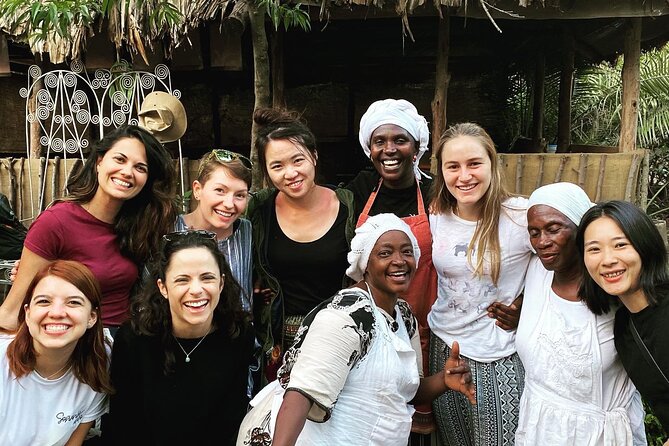
- Cooking with the Mama’s: Learn local methods and prepare Tanzanian food alongside women from the Lifted Strong community.
- A social cause built into the price: Your booking helps LISCO support women working through serious personal and economic hardships.
- A flexible menu: Past sessions have included samosas, soup, ugali, rice, vegetables, and cooked bananas. Dietary requests can be arranged ahead of time.
- Small groups only: The class accepts a maximum of 10 people, keeping the experience relatively intimate.
- Afternoon timing: The class starts at 2:00 p.m. and lasts about three hours, leaving your evening open.
- Pickup or meeting point: You can meet at MJHR+GF in Arusha or arrange pickup, depending on the arrangement made with the provider.
Why this Arusha cooking class feels different
Many cooking classes focus mainly on the meal. This one puts the people and the organization at the center. You are not simply paying for a recipe lesson. You are spending time with women connected to LISCO, an organization that works to support women facing difficult circumstances.
That gives the afternoon more weight than a standard food activity. You learn about Tanzanian cooking while also hearing about the work of Lifted Strong Community Organization. The class connects a simple act, preparing lunch or an afternoon meal, with a larger effort to help women build better lives.
I like this balance. The food keeps the experience relaxed, while the organization gives it a clear purpose. You can ask questions, help with preparation, and get to know the women without turning the visit into a formal lecture about charity work.
The class is also a useful choice if you want contact with the local community in Arusha. It is not a sightseeing trip, and there are no major landmarks to check off. Instead, you spend several hours in a shared activity where conversation, food, and practical work carry the afternoon.
More Cooking Classes in Arusha:
- Arusha: Traditional Tanzania Cooking Class & Food Market Tour
★ 5.0 · 34 reviews - Cooking and Sewing & Jewelry Workshops in Arusha
★ 5.0 · 14 reviews - Arusha: Traditional Tanzania Cooking class& Food Market Tour
★ 4.9 · 12 reviews
Arriving in Arusha at 2:00 p.m.
The listed meeting point is MJHR+GF, Arusha, Tanzania. The activity finishes back at the same meeting point. You can arrange pickup or meet the group at the center, so it is worth confirming the details before the day of the class.
One useful point from the experience is its location near public transportation. A past participant also noted that the center is a little way from the main street and that walking there is manageable. I would allow extra time if you plan to walk, especially if you are unfamiliar with Arusha or need to find the center without help.
The class begins at 2:00 p.m. and lasts around three hours. That schedule works well after a morning tour, a visit to Arusha’s markets, or a relaxed start to the day. You should have the rest of the evening free for dinner or another activity.
The small-group limit of 10 matters here. Cooking requires shared work, and a crowded room can turn a hands-on activity into a spectator event. With fewer people, you have a better chance to help with preparation and speak with the women who lead the class.
Meeting the women behind Lifted Strong
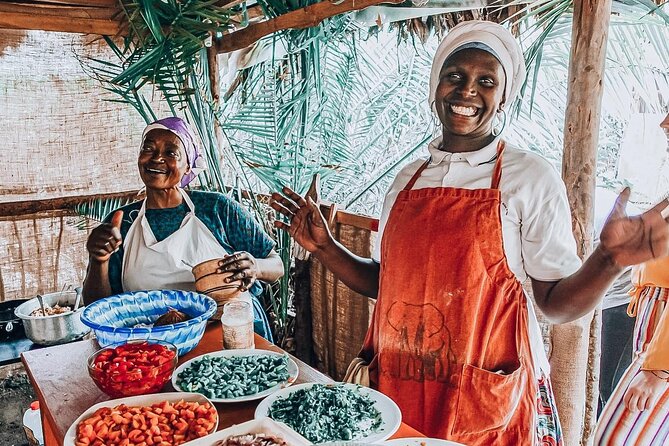
The first part of the experience introduces you to the work of LISCO and the women involved with the organization. Joyce and her team have been praised for being welcoming and accommodating, including helping participants change the class time when needed.
The organization supports women who have faced serious hardships, including HIV, domestic violence, poverty, and poor health. You learn about that work as part of the class, giving context to the people preparing food with you.
This is best approached with respect and curiosity. You are not visiting a staged cultural display. You are entering a community organization that uses activities such as cooking to help raise support and connect with visitors.
Several past groups especially valued the welcome from the Mama’s and girls. A school group found the women encouraging with children, and couples appreciated being able to meet local people while doing something practical. That suggests the class can work for different types of visitors, not just solo food lovers.
The tone appears warm and informal. That is good news if you want a personal afternoon, but it also explains why the class may not follow a rigid, restaurant-style format.
Preparing samosas, soup, and other local dishes
The exact menu can vary. Joyce has contacted people before the class to discuss what they would like to prepare, and past sessions have included samosas, soup, ugali with vegetables, rice, and cooked bananas.
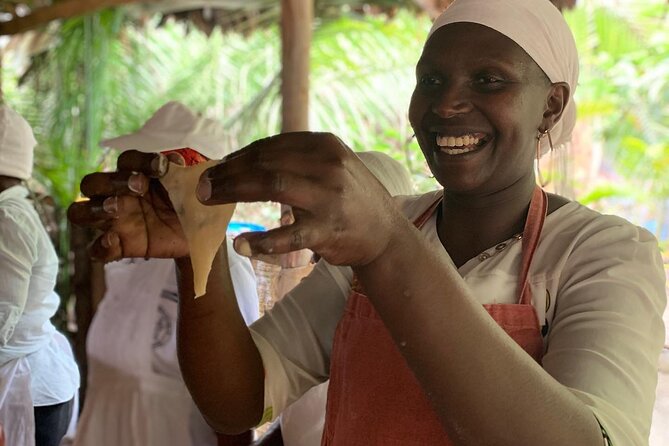
Samosas are a popular choice because they give you several steps to work through. You learn how the filling and pastry come together, and one school group specifically enjoyed learning the techniques from start to finish. The dish is familiar to many visitors, but making it with local cooks adds useful context.
Ugali offers a different lesson. This staple food is made from a maize-based mixture and is often served with vegetables or other accompaniments. One group prepared ugali with vegetables, rice, and cooked bananas, then had enough food to take some home. That detail tells you the class is generous with the meal and not just a quick tasting session.
Soup may also be included, depending on the plan made with the team. You should confirm your preferred dishes ahead of time rather than assume a particular menu is guaranteed.
The cooking focuses on hands-on preparation. You may help prepare produce, learn traditional techniques, and hear the Swahili names for ingredients as you work. This is more useful than memorizing a list of food words because you connect each term with something you are touching, cutting, mixing, or eating.
A few more options to weigh up in Arusha
- Balloon Safari & Bush Breakfast in Serengeti – Miracle Experience
★ 5.0 · 1,646 reviews - Tanzania Classic – 7 Days
★ 5.0 · 1,151 reviews - 4 Days Group Camping Safari
★ 5.0 · 1,101 reviews - 5 Days Group Camping Safari
★ 5.0 · 730 reviews
Learning Swahili through food
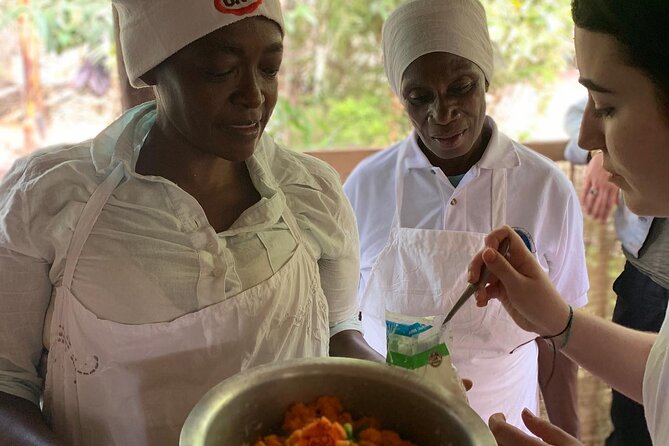
The language element is small but worthwhile. You learn the Swahili names for ingredients and dishes during the preparation. Food gives you an easy set of words to remember, especially when you hear them repeated in the kitchen.
Do not book this as a full Swahili lesson. It is a cooking class with language woven into the activity. Still, the words are practical, and the setting gives you a natural reason to ask questions and repeat them.
I like this part because it encourages direct conversation. Instead of simply watching a cook work, you have a reason to ask what something is called, how it is used, or what goes into a dish. Even a handful of new Swahili words can make later meals and market visits more rewarding.
Vegetarian and vegan visitors are welcome
Vegetarians and vegans can take part, as long as you tell the team in advance. The class can also address allergies and other food preferences when arranged ahead of time.
That advance contact is important. The class menu is flexible, but the information does not suggest that every dietary need can be handled at the last minute. Give the provider clear details before your visit.
A past German-speaking participant described the team as accommodating with vegetarian food and allergies. That supports the practical advice to discuss your needs early, rather than arriving and hoping the menu will work.
If you are a devoted meat lover, remember that the experience is built around local cooking and community connection, not a restaurant tasting menu. The focus may be on vegetables, grains, pastry, and shared preparation. That can be a welcome change during a busy safari trip, when meals often follow a predictable pattern.
What the meal adds to the afternoon
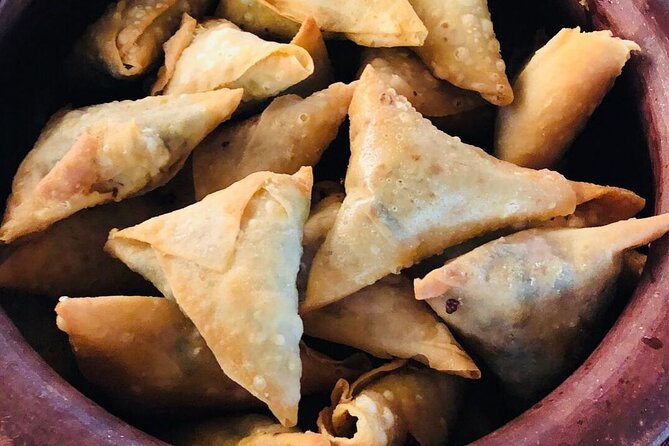
The meal is the reward at the end, but it is not the only point. You have spent time preparing the food, learning names, and talking with the women. Eating together gives the activity a natural finish.
Past groups particularly enjoyed the results. Samosas were described as delicious, and the ugali, vegetables, rice, and cooked bananas were also well received. One group made enough to take some food home, although you should treat that as a pleasant possibility rather than a promised feature.
The meal also helps you understand the work involved in everyday Tanzanian cooking. You see the ingredients before they become a finished dish and take part in the process instead of simply ordering from a menu.
That said, food preferences vary, and traditional cooking may not match every palate. The menu is not described in full, so I would not book this expecting a specific dish unless the team confirms it with you first.
Is $50 a fair price?
At $50 per person, this class costs more than simply buying a local meal in Arusha. You are paying for about three hours of instruction, food, conversation, and organization. Part of the price also supports LISCO’s work with women in the community.
The value depends on what you want. If you want the cheapest possible meal, this is not the right comparison. If you want a hands-on activity with a social purpose, the price is easier to justify.
The class also replaces several separate activities. You get a meal, a cultural exchange, a basic introduction to Tanzanian food, some Swahili vocabulary, and an opportunity to learn about a local organization. That makes it a sensible use of an afternoon, especially if you have already seen Arusha’s main sights.
The maximum group size of 10 improves the value. You are less likely to spend the whole session standing behind other people while one person does the work. The experience still has an informal quality, but a small group gives you a fair chance to participate.
The limits of a community-run cooking experience
The strongest quality of this class can also be its limitation. Because it is run through a community organization, you should expect a relaxed, human setting rather than a highly polished tourism product.
The session may feel flexible and conversational. That is ideal if you enjoy adapting to the moment, asking questions, and working alongside local cooks. It may be less appealing if you want exact measurements, a printed recipe book, a professional chef, or a tightly timed sequence.
The wording cooking together is useful here. You are likely to learn by doing and watching rather than through a formal classroom presentation. I see that as a positive for most people, but it is worth knowing before you book.
The menu can also change. Participants have discussed dishes with Joyce in advance, and different groups prepared different meals. That flexibility helps with dietary needs and personal interests, but it means the class is not a fixed production with a guaranteed list of dishes.
Who will enjoy this most?
I would choose this for you if you want a meaningful local activity in Arusha and prefer meeting people to ticking off sights. It is especially suitable for couples, small groups, families with older children, school groups, and visitors who want their spending to support a community project.
Vegetarians and vegans should find the class workable with advance notice. Food-focused visitors will enjoy the practical preparation, while first-time visitors to Tanzania will appreciate the chance to hear Swahili food terms and learn about dishes such as ugali.
It may be less suitable if you have only a short time in Arusha and need a tightly scheduled activity with guaranteed transport. Pickup can be arranged, but you should confirm it. It may also disappoint anyone expecting a professional culinary school or a fixed menu.
The class is not designed as an all-day experience. After roughly three hours, you return to the meeting point and have the rest of the day free. That makes it easy to pair with another Arusha activity, provided you leave enough time for transport and the cooking session.
Booking, cancellation, and practical details
Confirmation is provided when you book, and the experience is available with a mobile ticket. The tour has a maximum of 10 people, and it requires a minimum number to operate.
You can cancel for a full refund up to 24 hours before the local start time. Changes or cancellations made less than 24 hours before the 2:00 p.m. start are not accepted for a refund. If the provider cancels because the minimum number is not met, you can choose another date or experience, or receive a full refund.
Service animals are allowed, and the center is near public transportation. For the smoothest visit, contact the team ahead of time about pickup, menu choices, allergies, vegetarian or vegan food, and the exact meeting arrangement.
Should you book the Lifted Strong cooking class?
Yes, if you want an afternoon that combines food with direct community support. The warm welcome from Joyce and her team, the small group size, the chance to prepare dishes such as samosas and ugali, and the organization’s work with women give this class real substance.
Book it with the right expectations. You are joining a local cooking session, not entering a professional kitchen school. The format is flexible, the menu can change, and the lesson may feel like a shared meal preparation rather than a formal course.
For most visitors with an open mind, that is exactly the appeal. You leave with a full stomach, a few Swahili food words, a better sense of Tanzanian home cooking, and the knowledge that your payment supports Lifted Strong’s work. In Arusha, that is a useful and good-hearted way to spend three hours.
FAQ
Where does the cooking class start?
The listed meeting point is MJHR+GF, Arusha, Tanzania. The activity ends back at the same meeting point.
What time does the class begin?
The class starts at 2:00 p.m. and lasts about three hours.
Can I arrange pickup?
Yes. You can either meet at the center or arrange pickup with the provider.
How many people can join the class?
The maximum group size is 10 people.
What food will I prepare?
The menu can vary. Past classes have included samosas, soup, ugali with vegetables, rice, and cooked bananas. You can discuss the dishes with the team in advance.
Can vegetarians and vegans join?
Yes. Vegetarian and vegan options are available when requested in advance. You should also provide allergy information before the class.
What is the cancellation policy?
You can cancel up to 24 hours before the local start time for a full refund. Cancellations or changes made less than 24 hours before the start are not accepted for a refund.
Just added in Arusha
- Safari “Kifaru” – 5 days in the most famous Parks in the world★ 5.0 · 4 reviews
- Saadani Day Trip★ 5.0 · 13 reviews
- 3 Days Tanzania Short and Spicy★ 5.0 · 6 reviews
- 5 Day Tanzania Safari Camping Adventure Private Tour★ 5.0 · 2 reviews
- Day Trip to Ngorongoro Crater from Arusha★ 5.0 · 1 review
- SERENGETI NATIONAL PARK Tour★ 4.5 · 5 reviews
- 3 Days Serengeti Park & Ngorongoro Crater Adventure Safari★ 5.0 · 8 reviews
- 6 Days Tanzania Bush Experience Safari★ 5.0 · 6 reviews
Cooking Classes, compared.
Half-Day Kuza Cave Swimming Adventure and Cooking Class
Read our review →
Traditional Tanzania Cooking Class & Food Market Tour
Read our review →
Cooking and Sewing & Jewelry Workshops in Arusha
Read our review →
Mnemba Dolphin Tour, Clear Kayak, Cooking Class, Horse Riding
Read our review →Traditional Tanzania Cooking class& Food Market Tour
Read our review →Browse the lists this tour appears in