
Reviewed · COOKING CLASSES
Cooking and Sewing & Jewelry Workshops in Arusha
Make something, then share the moment. This three-hour WEHAF workshop gives you a close look at community work in Arusha while you learn a practical local skill. I like the warm welcome built into the visit, and I like that your activity supports women, children, and families affected by HIV/AIDS. The main point to check is the price structure: the listed $33 covers the experience details provided, but the selected cooking or sewing and jewelry workshop is noted separately as not included.
I also like the choice between cooking and handcrafts. You can make chapati or pilau with the mamas, or choose fabric and create jewelry with a local Maasai mama while your sewn item is prepared. The meeting information names both Larry V Garden and Pillars Bar & Lounge, so confirm the exact starting point before setting out.
In This Review
- Key Points at a Glance
- Why This Arusha Workshop Feels Different
- Arriving at WEHAF and Meeting Glory
- Cooking Chapati or Pilau with the Mamas
- Sewing and Jewelry: Two Crafts in One Visit
- What the Three Hours Are Really Worth
- Group Size, Access, and Simple Planning
- Who Will Enjoy This Most
- Should You Book the WEHAF Workshop?
- FAQ
- Where does the workshop start?
- How long does the experience last?
- Is the experience private?
- What cooking dishes can I learn to make?
- Who leads the cooking and craft activities?
- What happens during the sewing and jewelry option?
- Is food or a drink included?
- Is the workshop itself included in the listed price?
- Can I cancel for a full refund?
Key Points at a Glance
- Choose cooking or handcrafts: Learn chapati or pilau, or combine sewing with Maasai-style jewelry making.
- Meet the WEHAF mamas: The workshop takes place within a community organization that supports widows, children, and people affected by HIV/AIDS.
- See the mama center and daycare: Your visit includes an introduction to the sewing center and the children’s learning and play space.
- Work with named local staff: Glory, an English-speaking guide, helps explain the visit and workshop.
- Take home something personal: The sewing option lets you select an item and fabric, while the jewelry session gives you a handmade souvenir.
- Plan for a private visit: Only your own group participates, and the activity ends back at the meeting point.
Why This Arusha Workshop Feels Different
Many short activities in Arusha are built around sightseeing. This one is about sitting down, learning a skill, and meeting people whose work supports their families. That makes the experience feel more personal than a quick stop at a souvenir shop.
WEHAF means Widows Encouragement & HIV/AIDS Foundation. Its work focuses on health, social justice, and economic empowerment for widows, children, and people affected by HIV/AIDS. Your workshop takes place within that wider effort, not in a detached demonstration space.
I like this connection because it gives the activity a clear purpose. You are not simply buying a bracelet or eating a local meal. You are spending time at an organization that teaches practical skills and creates opportunities for women.
The visit is also private. Your group participates on its own, which should make it easier to ask questions, take your time, and work at a comfortable pace. A private format can be especially helpful if you are traveling with children, friends, or relatives who want different levels of hands-on activity.
The published rating is 4.9 from 14 ratings, with 100 percent recommending the experience. That is a small sample, so I would not treat it as a guarantee. Still, the strongest praise is clear: the welcome, the sense of fun, and the chance to make jewelry and receive beautiful tote bags made by women learning to sew.
More Cooking Classes in Arusha:
- NGO Lifted Strong – Traditional Tanzanian Cooking Class
★ 5.0 · 39 reviews - Arusha: Traditional Tanzania Cooking Class & Food Market Tour
★ 5.0 · 34 reviews - Arusha: Traditional Tanzania Cooking class& Food Market Tour
★ 4.9 · 12 reviews
Arriving at WEHAF and Meeting Glory
The stated meeting point is Larry V Garden on Olkereyan Bypass Road in Arusha. The visit description also says the group meets at Pillars Bar & Lounge, close to the organization. Since both locations appear in the details, confirm which one applies to your booking.
That small bit of planning matters. You do not want to spend the first part of a three-hour activity trying to find the right entrance. Confirmation is provided when you book, and the activity ends at the meeting point.
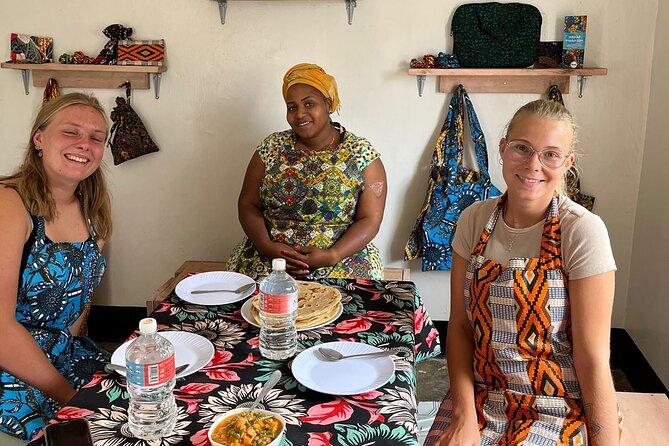
Once you arrive, Glory, the English-speaking guide, introduces you to WEHAF. She shows you the mama center, where women learn sewing and cooking skills. You also see the daycare, where the children of the women receive a place to learn and play.
This introduction gives the workshop some needed context. You can see that the activity is tied to a working organization with several roles, not only a class prepared for visitors. The children’s daycare is an important part of the picture because it helps support the women while they build new skills.
You should expect a friendly, direct welcome rather than a formal museum tour. The appeal is in meeting the people and seeing the work up close. If you prefer polished displays, a tightly scripted presentation, or a large cultural show, this may feel simple. If you value contact with a local project, that simplicity is part of the charm.
Cooking Chapati or Pilau with the Mamas
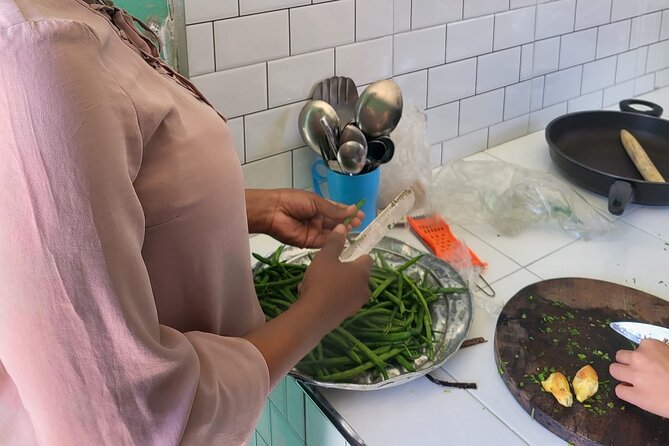
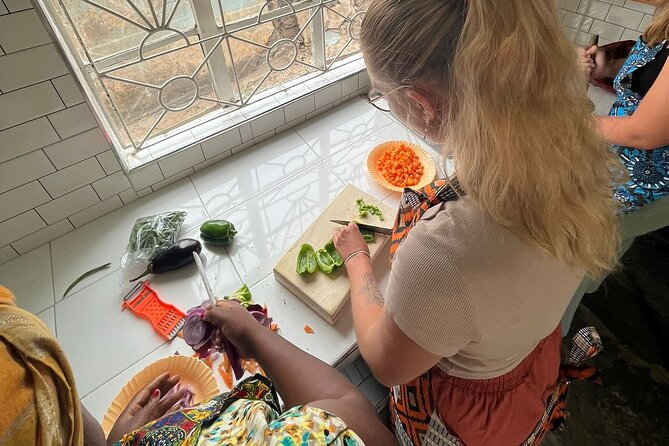
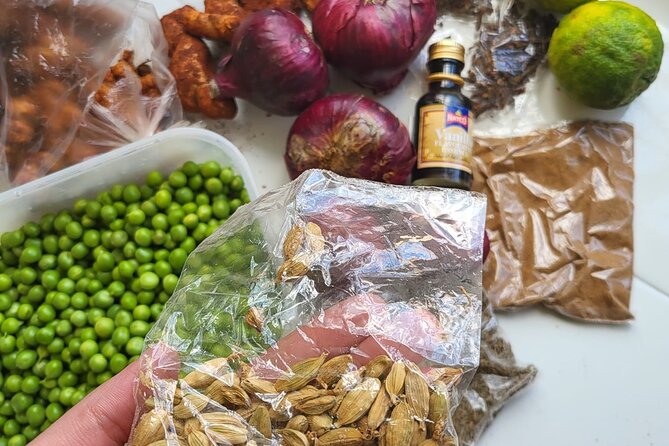
Choose the cooking option and you go to the kitchen at the daycare. Glory explains the spices used in Tanzanian dishes before the cooking begins. This is a useful first step because spices are not just decoration in local food. They help explain how an everyday meal gets its flavor and character.
The mamas then teach you, step by step, how to prepare either chapati or pilau. Chapati is a flatbread, while pilau is a spiced rice dish. The choice gives you two different kinds of kitchen work, one focused on dough and one centered on seasoned rice.
The wording suggests a hands-on lesson rather than a cooking demonstration where you only watch. You should be ready to follow instructions, handle ingredients, and work at a relaxed local pace. The session is not presented as a professional culinary course, so do not expect a long recipe lecture or a formal kitchen setup.
The best part comes after the preparation, when you sit down and enjoy the local lunch together. Food is a natural way to make conversation, and sharing the finished dish gives the class a clear payoff. There is also a surprise at the end, though its nature is not specified, so it is better to treat that as a pleasant extra rather than plan around it.
This option suits you if food is your favorite way to connect with a place. It also works well if you want a souvenir you can use later, since recipes and cooking methods often travel home better than fragile objects.
The possible drawback is that the exact dish may not be fully flexible. You choose chapati or pilau, but the information does not describe substitutions, dietary accommodations, or a menu of several dishes. If you have food restrictions, ask before booking.
Sewing and Jewelry: Two Crafts in One Visit
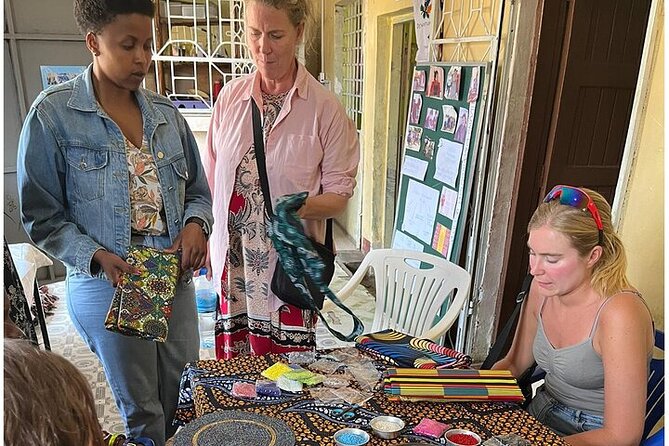
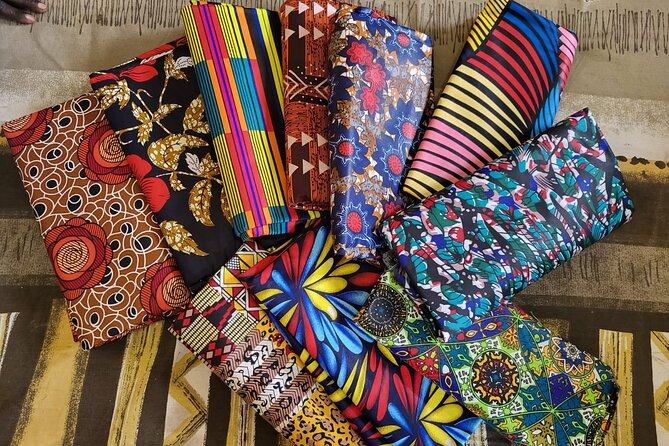
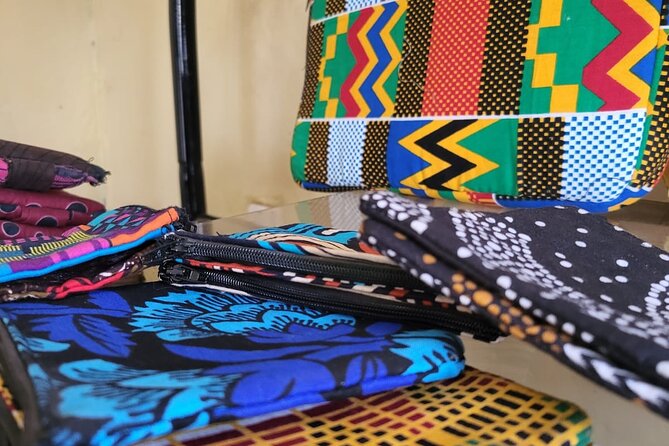
The sewing and jewelry choice begins at the mama center with Glory. The women can sew items from their collection, and you select the item and fabric. One of the mamas then starts sewing your chosen piece.
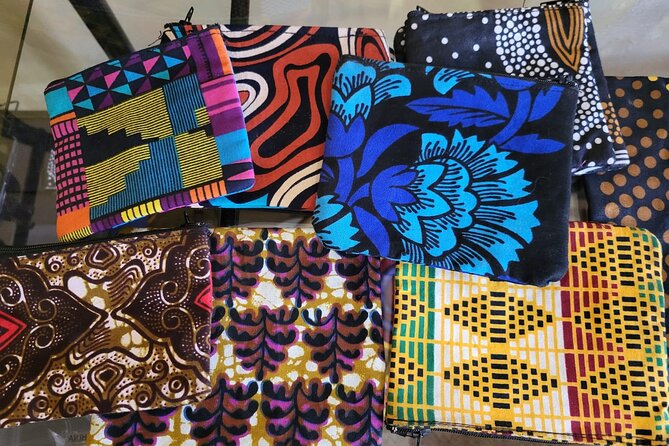
This is a nice arrangement because you are not limited to picking a finished object from a shelf. You have some say in the fabric and final item, so your souvenir can feel more personal. The exact collection is not listed, so ask to see the available choices when you arrive.
While the sewing is underway, you learn to make your own jewelry with a local Maasai mama. That gives this option two parts: a sewn item prepared for you and a small piece you make yourself.
The timing is practical. Sewing can take longer than a short visit allows, so the jewelry lesson gives you something active to do while the mama works on your selection. It also means you get to meet two sides of the craft program rather than simply watching one person use a machine.
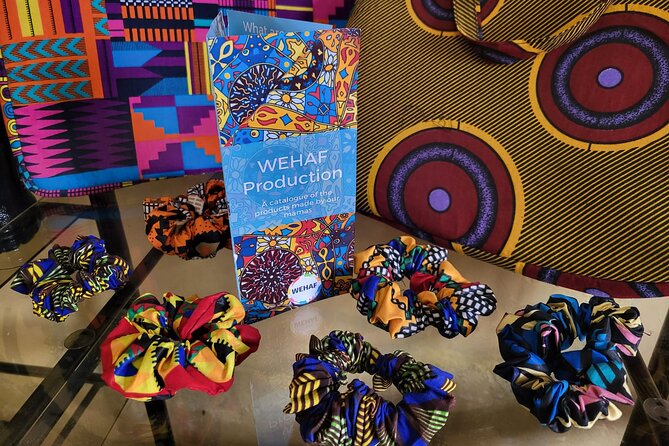
The handcraft session earned the clearest praise in the available feedback. The experience was described as a great initiative and a fun time creating jewelry, with beautiful tote bags made by the mamas learning to sew. That detail is useful. A tote bag may be among the possible sewn items, but it is not promised for every booking, so think of it as an example rather than a guaranteed inclusion.
The local Maasai connection adds interest, but you should keep your expectations grounded. The information does not promise a lecture about Maasai culture, a market visit, or a large jewelry selection. The focus is learning how to make one piece in a supportive setting.
This option is best for you if you enjoy making things with your hands and want a tangible reminder of Arusha. It is also a good pick if you prefer a workshop to a meal-based activity.
A few more options to weigh up in Arusha
- Balloon Safari & Bush Breakfast in Serengeti – Miracle Experience
★ 5.0 · 1,646 reviews - Tanzania Classic – 7 Days
★ 5.0 · 1,151 reviews - 4 Days Group Camping Safari
★ 5.0 · 1,101 reviews - 5 Days Group Camping Safari
★ 5.0 · 730 reviews
What the Three Hours Are Really Worth
The listed price is $33 per person, and the experience is usually booked about 34 days ahead. That advance booking pattern suggests that you should not leave it until the last day if this activity is important to your schedule.
Value depends on what you want from the visit. If you measure value by the amount of sightseeing packed into three hours, this may seem modest. You are not covering several Arusha attractions or taking a long guided tour around town.
If you value a small-group meeting with a community organization, practical instruction, and a personal souvenir or shared meal, the price can make good sense. You get more than an object. You get time with the people making it, plus a look at how WEHAF connects skills training, childcare, and family support.
Pay close attention to the inclusion wording. Coffee or tea and a snack are listed as included. The cooking or sewing and jewelry workshop is listed under not included, despite the $33 tour price. That may mean the activity fee is selected or charged separately, but the provided details do not explain it.
I would confirm the total cost and exactly what your chosen workshop includes before paying. Ask specifically about the cooking class, the sewing and jewelry class, the snack, and the finished item. This is the most important practical issue in the booking information.
Group Size, Access, and Simple Planning
This is a private activity, so only your group participates. That gives you a quieter setting than a large class and should allow more direct contact with the guide and the mamas.
The experience is near public transportation. Service animals are allowed. No special mobility details are provided, so you should ask the provider if you need precise information about the kitchen, mama center, or daycare access.
The mobile ticket makes the booking easy to carry on your phone. Confirmation arrives at the time of booking. The activity lasts about three hours, which fits well into a free morning or afternoon in Arusha.
The cancellation terms are generous if your plans change early. You can cancel at least 24 hours before the local start time for a full refund. Inside that 24-hour window, you receive no refund, and changes are not accepted.
I would leave enough space around this workshop for the meeting point and the class itself. The published duration is approximate, and the sewing option may involve waiting while your item is prepared. A loose schedule will serve you better than a tight connection to another activity.
Who Will Enjoy This Most
I would recommend the cooking option to you if you like local food, shared meals, and a lesson with a clear beginning and end. Chapati and pilau are familiar enough to understand, yet different enough to make the class feel local.
Choose sewing and jewelry if you want to create something and take home a physical reminder. The option to choose fabric makes it more personal, while the Maasai jewelry lesson adds another craft element.
Families may appreciate the daycare and the organization’s focus on children, though the information does not specify a minimum age or child pricing. Ask WEHAF before booking for young children.
This is also a good fit for visitors who want their spending to support a local program. The workshop is not presented as a donation visit, but the organization’s purpose is clear: help vulnerable groups gain skills, support, and better economic options.
You may want to skip it if you need a polished luxury experience, a large range of dishes, or a guaranteed list of finished products. The activity sounds warm and practical, but the details are intentionally local and flexible. That can mean the exact fabric, dish, or finished item depends on what is available that day.
Should You Book the WEHAF Workshop?
Book it if you want a friendly three-hour activity with a clear community purpose and a chance to make or share something local. I especially like the private format, Glory’s English guidance, and the way the visit connects the mama center, kitchen, sewing work, and daycare.
Choose your activity carefully. Cooking gives you chapati or pilau and a shared lunch. Sewing and jewelry gives you fabric choices, a sewn item in progress, and a handmade piece with a local Maasai mama.
Before confirming, ask WEHAF to clarify the exact meeting point and total price, since Larry V Garden and Pillars Bar & Lounge are both named and the workshop fee wording is not fully clear. Once those details are settled, this is a worthwhile choice for an authentic, hands-on afternoon in Arusha.
FAQ
Where does the workshop start?
The stated meeting point is Larry V Garden on Olkereyan Bypass Road in Arusha. The visit details also refer to meeting at Pillars Bar & Lounge near the organization, so confirm the exact starting location when booking.
How long does the experience last?
The activity lasts approximately three hours.
Is the experience private?
Yes. Only your group participates in the activity.
What cooking dishes can I learn to make?
You can learn to make chapati or pilau with the WEHAF mamas.
Who leads the cooking and craft activities?
Glory is the English-speaking guide. The WEHAF mamas teach the cooking and sewing activities, and a local Maasai mama teaches the jewelry making.
What happens during the sewing and jewelry option?
You choose an item and fabric from the available collection. A mama begins sewing your item, and you learn to make your own jewelry during that time.
Is food or a drink included?
Coffee or tea and a snack are listed as included.
Is the workshop itself included in the listed price?
The cooking or sewing and jewelry workshop is listed separately as not included. Confirm the final cost and inclusions with WEHAF before booking.
Can I cancel for a full refund?
Yes. You can cancel at least 24 hours before the local start time for a full refund. Cancellations or changes made within 24 hours are not refunded or accepted.
Just added in Arusha
- Safari “Kifaru” – 5 days in the most famous Parks in the world★ 5.0 · 4 reviews
- Saadani Day Trip★ 5.0 · 13 reviews
- 3 Days Tanzania Short and Spicy★ 5.0 · 6 reviews
- 5 Day Tanzania Safari Camping Adventure Private Tour★ 5.0 · 2 reviews
- Day Trip to Ngorongoro Crater from Arusha★ 5.0 · 1 review
- SERENGETI NATIONAL PARK Tour★ 4.5 · 5 reviews
- 3 Days Serengeti Park & Ngorongoro Crater Adventure Safari★ 5.0 · 8 reviews
- 6 Days Tanzania Bush Experience Safari★ 5.0 · 6 reviews
Cooking Classes, compared.
Half-Day Kuza Cave Swimming Adventure and Cooking Class
Read our review →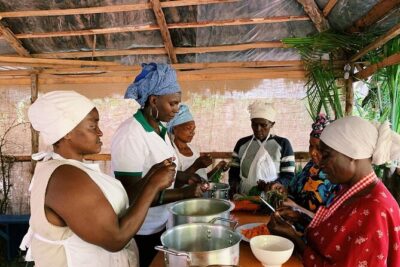
NGO Lifted Strong – Traditional Tanzanian Cooking Class
Read our review →
Traditional Tanzania Cooking Class & Food Market Tour
Read our review →

Mnemba Dolphin Tour, Clear Kayak, Cooking Class, Horse Riding
Read our review →Traditional Tanzania Cooking class& Food Market Tour
Read our review →Browse the lists this tour appears in