

Reviewed · STONE TOWN TOURS
Zanzibar: Spice tour + Stone Town Walking tour
Spices and sorrow share one unforgettable day. This six-hour private tour pairs a walk through a Zanzibar spice plantation with a guided visit to Stone Town’s slave-market site, old fort, Darajani Fish Market, Freddie Mercury’s house, and House of Wonders. I like the hands-on spice tasting and the chance to explore Stone Town with a guide who can explain its layered past in person. I also like that hotel pickup, transport, entry fees, and a private guide are included.
The main consideration is pace. You cover two very different parts of Zanzibar in one half-day, and the Stone Town section deals directly with the slave trade. That makes the tour meaningful, but not light entertainment. The current rating is 3.9 from seven ratings, with especially strong praise for guides, the comfortable vehicle, and the extra time given to questions.
In This Review
- Key points to know before you book
- Why this half-day pairing works
- Walking among Zanzibar’s spices
- The coconut-tree human butterfly
- Entering Stone Town’s difficult past
- Stone Town’s markets, forts, and famous addresses
- Transport, timing, and what the $85 covers
- Languages and guide style
- Who should book this experience
- Should you book the Zanzibar spice and Stone Town tour?
- FAQ
- How long does the Zanzibar spice and Stone Town tour last?
- What is the price per person?
- Is hotel pickup included?
- Is this a private tour?
- Which languages are available?
- What is included in the price?
- Is food included?
- Can I cancel for a full refund?
Key points to know before you book
- You taste and smell real tropical spices: Cinnamon, cardamom, black pepper, ginger, vanilla, turmeric, cloves, nutmeg, lemongrass, and more are part of the plantation visit.
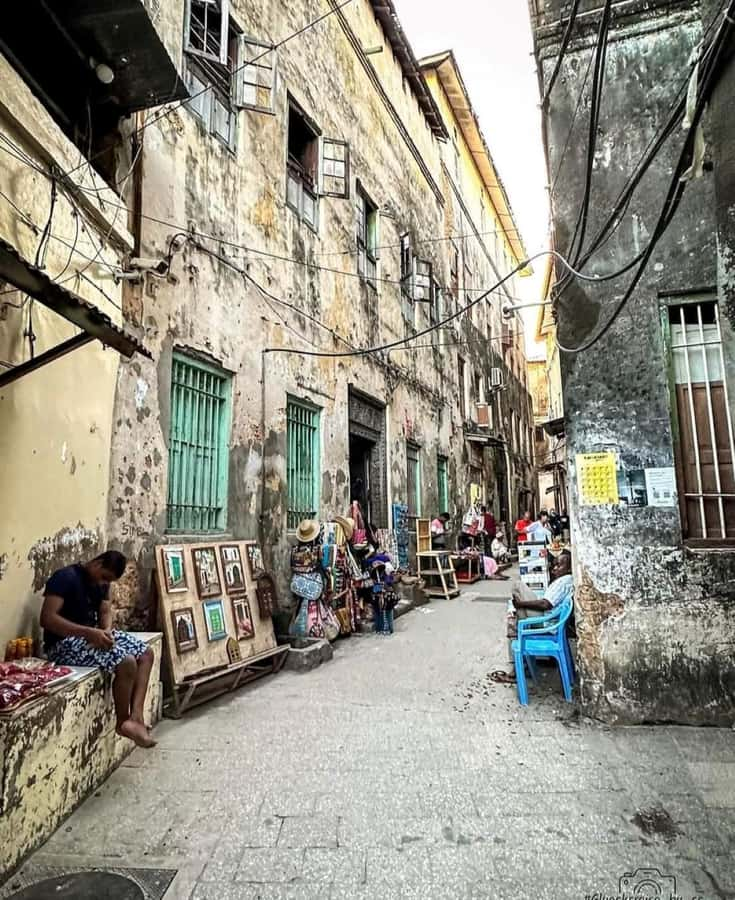
- The Stone Town walk covers difficult history: You visit the old slave-market site and learn about Zanzibar’s role in the slave trade during the 17th and 18th centuries.
- The tour is private: You can ask questions freely and may have more flexibility than on a large group outing.
- Hotel pickup and drop-off are included: A driver or guide meets you in your hotel lobby in Zanzibar.
- A coconut-tree performance adds local color: You may see the person known as the human butterfly climb a coconut tree while singing Hakuna Matata.
- Guide quality matters here: Mu was praised for patient answers about Swahili life, while another guide was praised for broad local knowledge and a comfortable, well-maintained vehicle.
Why this half-day pairing works

At first glance, a spice plantation and a slave-market site may seem like an odd combination. In practice, the contrast gives you a sharper picture of Zanzibar. One part shows the island through plants, farming, smell, and food. The other shows how trade shaped Stone Town and caused great human suffering.
I like this format because it avoids spending the whole day on only one subject. You get a taste of rural Zanzibar, then return to the city for architecture and history. Six hours is long enough to make the trip worthwhile, but short enough to fit into a busy Zanzibar schedule.
The private format is especially useful in Stone Town. The streets and landmarks carry details that are easy to miss, and you can stop to ask what a building was used for or how different foreign powers affected the city. If you are curious about Swahili life, guide Mu was specifically praised for answering many questions with patience, including questions about the Swahili language and daily life.
The tradeoff is that you should not expect a slow, specialist tour of every site. You are combining two outings into one. If you want extended time at the spice plantation or a long architectural study of Stone Town, a dedicated full-day tour may suit you better.
More Walking Tours in Zanzibar
- Stone Town Private Walking Tour
★ 5.0 · 371 reviews - Zanzibar: 3 Hours Private Stone Town walking Tour with Guide
★ 4.6 · 301 reviews - Zanzibar: Stone Town Historical Cultural Walking Guided Tour
★ 4.5 · 179 reviews
Walking among Zanzibar’s spices
The plantation visit begins with a walk through the growing area. This is not just a stop at a shop filled with packaged spices. You get to see how plants grow and learn how Zanzibar produces some of the tropical ingredients used in local cooking and trade.
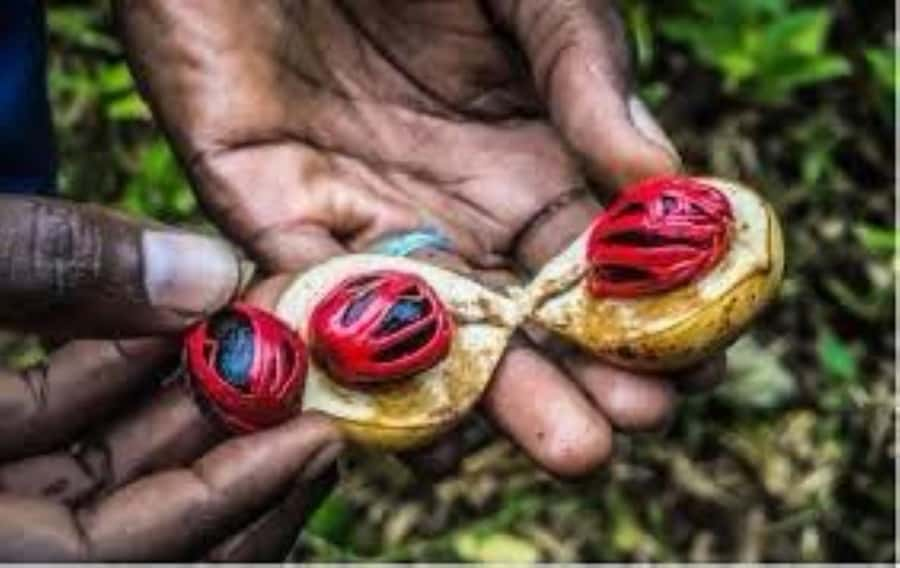
The most interesting part is the sensory element. You can smell and taste several products as the guide introduces them. The list includes cinnamon, cardamom, black pepper, chili, ginger, vanilla, lemongrass, lemon mint, turmeric, nutmeg, and cloves.
I find this more useful than simply hearing a list of spice names. Cinnamon looks very different from the powder in a kitchen jar. Vanilla is presented as a stick, while turmeric, ginger, and pepper plants show you where familiar flavors begin. The guide can also explain how the plants are grown, giving you a better sense of the work behind Zanzibar’s famous spice trade.
The experience is likely to appeal to you if you cook, enjoy food history, or like learning through smell and touch. Children may also find the plants easier to remember when they can taste or handle them, although the tour data does not specify a minimum age.
You should bring an open mind about the tasting. The experience includes tropical spices and fruit, but it does not include food as a meal. Food is not included in the $85 price, and you should plan for your own personal needs.
The coconut-tree human butterfly
One of the more unusual parts of the plantation visit is the human butterfly performance. This is the name used for a person who climbs a coconut tree to the top while singing the Hakuna Matata song.
It is a small moment, but it gives the plantation stop a playful edge. After learning about crops and the island’s trading past, you see a physical skill connected with coconut trees, one of Zanzibar’s familiar tropical plants.
I would treat this as an extra rather than the main reason to book. The central value of the plantation visit is learning how spices grow and getting to smell and taste them. The coconut climb adds entertainment, but the timing and length of the performance are not specified.
Entering Stone Town’s difficult past
The Stone Town portion is a private walking tour focused heavily on the slave trade. You visit the old slave-market site and learn how Zanzibar became a center of slave trading during the 17th and 18th centuries.
This is the most serious part of the day. The subject is not softened into a simple tale of merchants and old buildings. You are asked to understand how trade, power, and outside influence shaped the city, and how enslaved people suffered within that system.
The tour also helps explain why Stone Town has such a distinctive identity. The history presented includes Persian visitors from Iran, Portuguese influence associated with Vasco da Gama, later Omani Arab rule, and British involvement. These layers help explain why the city’s buildings, streets, and culture do not fit neatly into a single national or architectural category.
The exact presentation will depend on your guide, which makes the private arrangement valuable. If you want to ask about dates, rulers, religion, trade, or daily life, you have room to do so. One recent booking described Mu as patient with many questions, while another praised a guide for explaining Swahili life as well as the tour stops.
Expect some walking on uneven city streets and enough time on your feet to notice. The material is also emotionally heavy. If you prefer a casual sightseeing outing, the slave-market section may feel intense. If you want a direct account of an important part of Zanzibar’s past, it is one of the strongest reasons to choose this tour.
More Stone Town walking tours:
- Zanzibar: Stone Town, Spice Tour, Prison Island with Lunch
★ 4.4 · 1,219 reviews - Zanzibar: Prison Island, Stone Town, & Spice Farm Tour
★ 4.5 · 579 reviews - Zanzibar: Stone Town, Spice tour & Prison Island with Lunch
★ 4.6 · 453 reviews - Full-Day Private Stone Town +Spice Farm and Prison Island Tour
★ 4.5 · 216 reviews
Stone Town’s markets, forts, and famous addresses
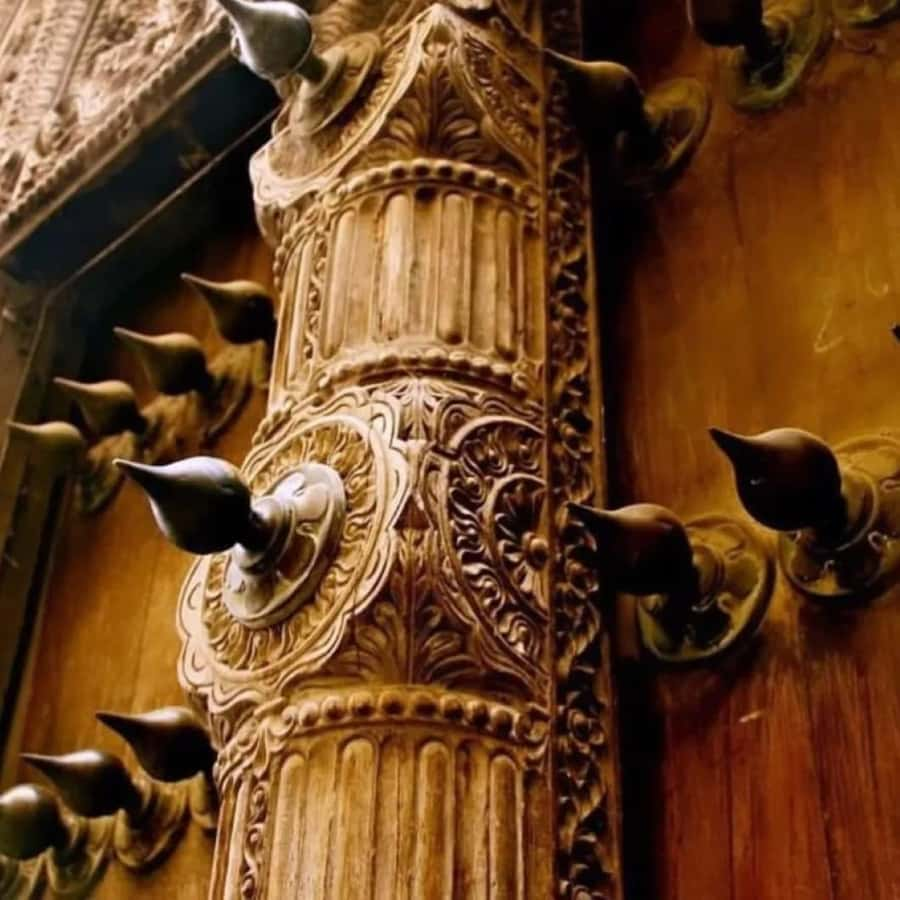
The walk includes several recognizable Stone Town landmarks. Each adds a different piece to the city rather than repeating the same story.
Darajani Fish Market gives you a look at everyday commerce. It is a working market, not a polished museum stop. The name points to fish trading, but the wider market area helps connect the old city’s history with ordinary buying and selling. Your guide can place the market within the trading life that made Stone Town important.
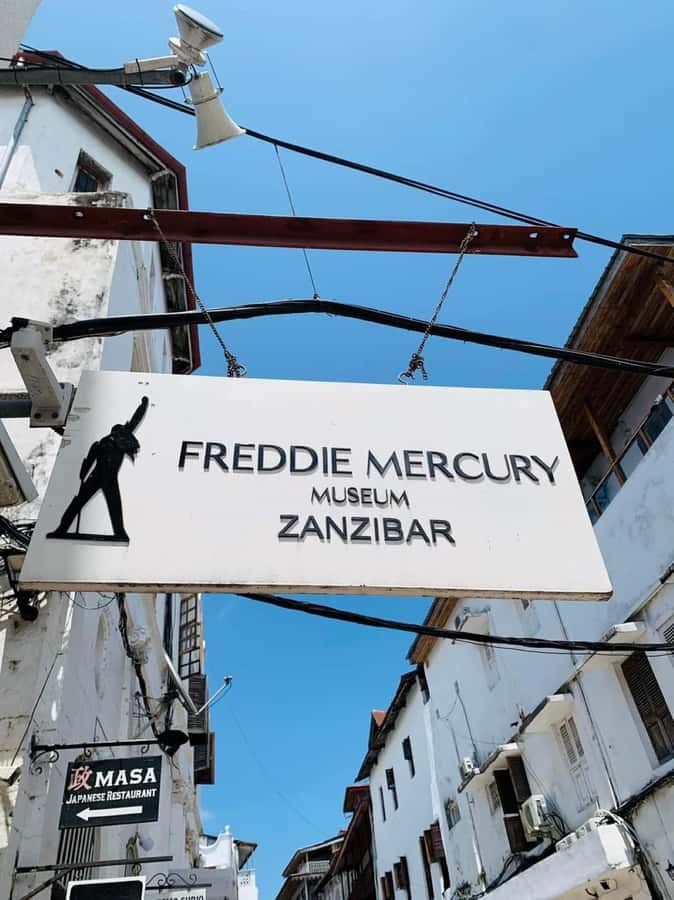
Freddie Mercury’s house links Zanzibar with one of the island’s best-known modern cultural figures. The stop is brief in the supplied itinerary, so you should think of it as a point of interest rather than a full museum visit.
House of Wonders introduces another major Stone Town landmark. Its name reflects the building’s importance and its association with the city’s changing political and cultural life. The tour information does not promise an interior visit, so do not assume you will spend time inside.
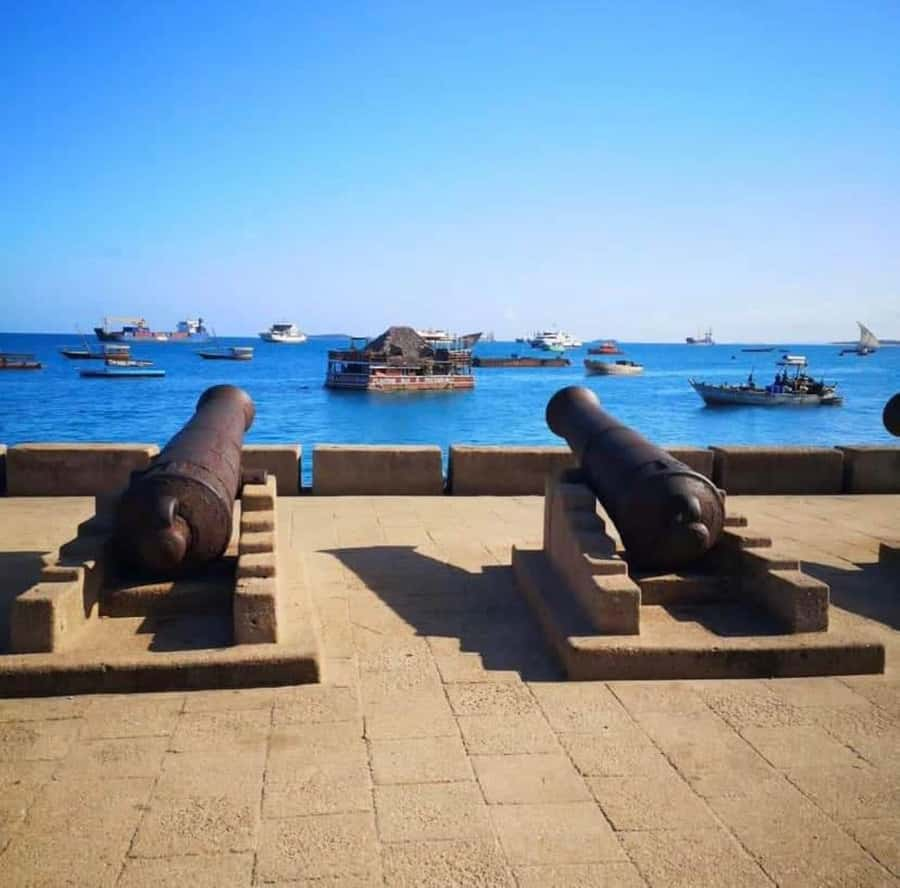
The Old Fort adds a military chapter. It helps you see Stone Town not only as a trading center but also as a place shaped by defense and competition among outside powers. Alongside the old slave-market site, it gives the walking route a strong sense of historical range.
The advantage of visiting these places with a private guide is the connection between them. Alone, they can seem like scattered old buildings. Together, they show how trade, military power, colonial rule, religion, and famous residents have all left marks on the city.
Transport, timing, and what the $85 covers
The price is $85 per person for six hours. That is not the cheapest way to see Stone Town, but the value improves if you want both the plantation and the city in one outing.
The package includes hotel pickup and drop-off, transport in a private arrangement, entrance to the spice farm, entrance to the slave-market site, and a tour guide. A recent booking specifically praised the vehicle as comfortable and well maintained. That matters because the plantation and Stone Town are separate parts of the day, and reliable transport keeps the schedule practical.
You do not pay separately for the listed entry fees. Food and personal needs are not included, so you should budget for those yourself. The activity begins and ends in Zanzibar, with the driver or guide meeting you in your hotel lobby.
The exact starting time depends on availability. Since the tour lasts six hours, check the departure time before booking if you have a flight, another excursion, or a fixed dinner plan later that day.
The private group format is a useful part of the price. You are not simply paying for transport between two attractions. You are paying for a guide who can adjust the conversation to your interests and, when time allows, give you longer at a stop. Mu allowed extra time for questions when the schedule permitted it, a good sign for anyone who likes to learn rather than rush from landmark to landmark.
Languages and guide style

Guiding is available in English, French, and German. That choice can make a real difference during the slave-trade section, where clear explanations matter.
The supplied information identifies Mu as one guide who led a recent tour, but you should not assume Mu will be assigned to every booking. Guide quality remains central to this experience because the plantation visit depends on clear explanations of the plants, while the Stone Town walk depends on accurate context and sensitivity.
I would tell your guide at the start what interests you most. You may want more time on spice cultivation, Swahili life, the slave trade, architecture, or the foreign powers that shaped Zanzibar. A private tour gives you a better chance to guide the conversation.
Who should book this experience

I would recommend this tour to you if you have one half-day and want both nature and city history. It is a good fit for first-time visitors who need an introduction to Zanzibar without arranging separate transport, tickets, and guides.
It also suits you if you prefer a private group, ask lots of questions, or want a tour in English, French, or German. The guide can make the difference between a list of stops and a connected story.
Food lovers and curious home cooks should enjoy the plantation section. History-focused visitors will value the slave-market site and Stone Town’s links to Persian, Portuguese, Omani, and British influence. The tour also works well for anyone who wants a flexible outing, since one guide allowed extra time when the schedule permitted it.
You may want to skip it if you dislike walking, want a relaxed beach day, or prefer not to visit sites connected with slavery. The tour is also not ideal if you want a detailed, full-day examination of Stone Town alone. Its strength is the combination.
Should you book the Zanzibar spice and Stone Town tour?
Book it if you want a well-organized introduction to two sides of Unguja: the plants that shaped its trade and the city shaped by that trade. The $85 price is reasonable for a private six-hour outing with hotel transport, entry fees, and a multilingual guide, especially if you would otherwise arrange each part separately.
Go in prepared for a serious history lesson, not just a photo stop at old buildings. Ask questions, wear comfortable shoes, and leave room in your schedule for the guide to explain the details. The best part of this tour is the human connection: a guide such as Mu can help turn spices, markets, forts, and difficult history into one clear story about Zanzibar.
FAQ
How long does the Zanzibar spice and Stone Town tour last?
The tour lasts six hours.
What is the price per person?
The price is $85 per person.
Is hotel pickup included?
Yes. Hotel pickup and drop-off are included, and the driver or guide meets you in the lobby of your hotel in Zanzibar.
Is this a private tour?
Yes. The activity is offered for a private group.
Which languages are available?
Live guiding is available in English, French, and German.
What is included in the price?
The price includes hotel pickup and drop-off, entrance to the spice farm, entrance to the slave-market site, and a tour guide.
Is food included?
No. Food and personal needs are not included.
Can I cancel for a full refund?
Yes. You can cancel up to 24 hours in advance for a full refund.
More Spice Farm Tours in Zanzibar
- Spice Tour + Stone Town Tour + Prison Island
★ 4.5 · 130 reviews - Zanzibar: Spice Tour & Stone Town Walking Tour
★ 4.8 · 115 reviews - Zanzibar: Stone Town & Spice Farm Tour with Lunch
★ 4.5 · 97 reviews - Zanzibar: The Swahili Spice Experience – Spice Tour + Culinary Journey
★ 4.7 · 96 reviews
Just added in Zanzibar
- Zanzibar:Ngoma local culture workshop,The Knowledge of Ngoma★ 5.0 · 1 review
- ZANZIBAR:Mnemba island, Spice farm and Jozani Forest★ 5.0 · 1 review
- Zanzibar: Zipline Adventure At Masingini Forest★ 4.6 · 2 reviews
- Zanzibar Walking Tour: Unveiling the Secrets of Stonetown★ 4.8 · 11 reviews
- Zanzibar: Walking Spice Farm with Local Cooking Class★ 4.4 · 9 reviews
- Zanzibar: Walking Tour★ 4.0 · 1 review
- Zanzibar: Uzi Island Mangrove Kayak Tour with Guide★ 5.0 · 1 review
- Zanzibar: Unique Guided Mangrove Tour by SUP or Kayak★ 5.0 · 1 review
Stone Town Tours, compared.

Stone Town, Spice Tour, Prison Island with Lunch
Read our review →

Stone Town, Spice tour & Prison Island with Lunch
Read our review →
3 Hours Private Stone Town walking Tour with Guide
Read our review →
Full-Day Private Stone Town +Spice Farm and Prison Island Tour
Read our review →
Stone Town Historical Cultural Walking Guided Tour
Read our review →
Browse the lists this tour appears in