

Reviewed · STONE TOWN TOURS
Zanzibar: Stone Town and Spice Tour from Stonetown hotels
Stone Town rewards slow eyes. This four-hour private tour combines Zanzibar’s layered past with a hands-on visit to a spice farm, so you get old doors, market life, historic buildings, and island agriculture in one outing. I like the personalized format and the chance to visit both the city and countryside without arranging separate transport. I also like that the farm visit supports the village, giving your shopping and tasting a more direct local connection. The main drawback is the pace: four hours is enough for an introduction, but not enough for long visits at every landmark.
You’ll walk through narrow lanes, visit the Old Fort, House of Wonders, Anglican Cathedral, and former Slave Market and Chambers, then continue to a plantation outside Stone Town. The tour suits an independent-minded visitor who wants a guide to explain what you’re seeing, though it is not suitable for wheelchair users or people with mobility impairments.
In This Review
- Key points to know before you book
- Why this Stone Town and spice combination works
- Walking through Stone Town’s old lanes
- House of Wonders, Sultan’s Palace, and the Old Fort
- The Anglican Cathedral and Zanzibar’s difficult past
- Darajani Market, Forodhani Gardens, and street food
- What happens at the spice plantation
- Transport, guides, and the private format
- What the four-hour schedule means for you
- What to bring and how to dress
- Is this Zanzibar tour worth booking?
- FAQ
- Where does the tour start?
- How long does the experience last?
- What is included in the price?
- Are meals included?
- Is the tour private?
- What languages are available?
- What should I bring?
- Can I touch the plants at the spice farm?
- Is the tour suitable for wheelchair users?
- Can I cancel the booking?
Key points to know before you book
- One tour, two sides of Zanzibar: Combine Stone Town’s Swahili, Arab, Persian, Indian, and European influences with the island’s spice-growing traditions.
- A private four-hour outing: The tour is sold for $130 per group up to one person, with ground transfers and entrance fees included. Confirm the exact group pricing if more than one person will join.
- Strong focus on local culture: Darajani Market, Forodhani Gardens, carved wooden doors, street food, and spice demonstrations give the tour more texture than a landmark checklist.
- A serious historical stop: The Slave Market and Chambers explain Zanzibar’s role in the slave trade, making this more than a pretty walk through old streets.
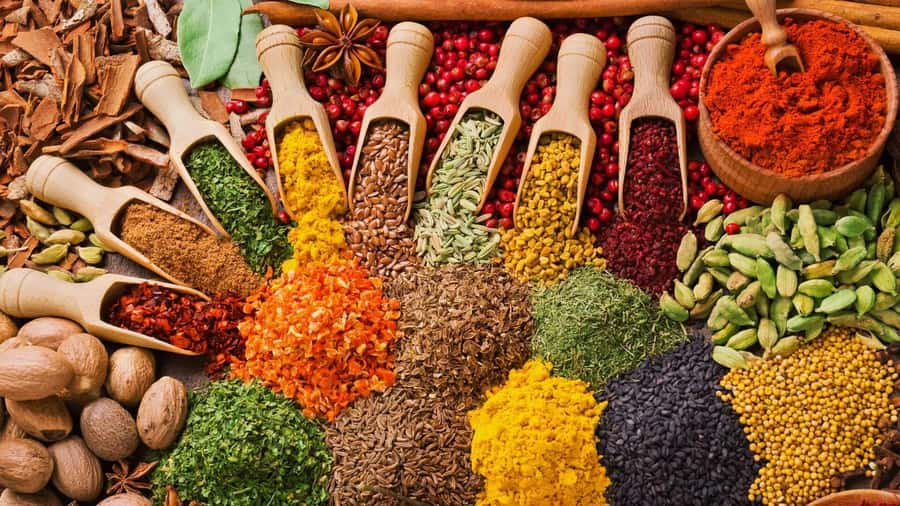
- Spices you can see and taste: Expect information about cloves, cinnamon, nutmeg, cardamom, turmeric, vanilla, black pepper, and ginger, along with fruit and spice drinks.
- Plan for heat and walking: Comfortable shoes, water, a hat, sunscreen, and modest clothing will make the four hours much easier.
Why this Stone Town and spice combination works
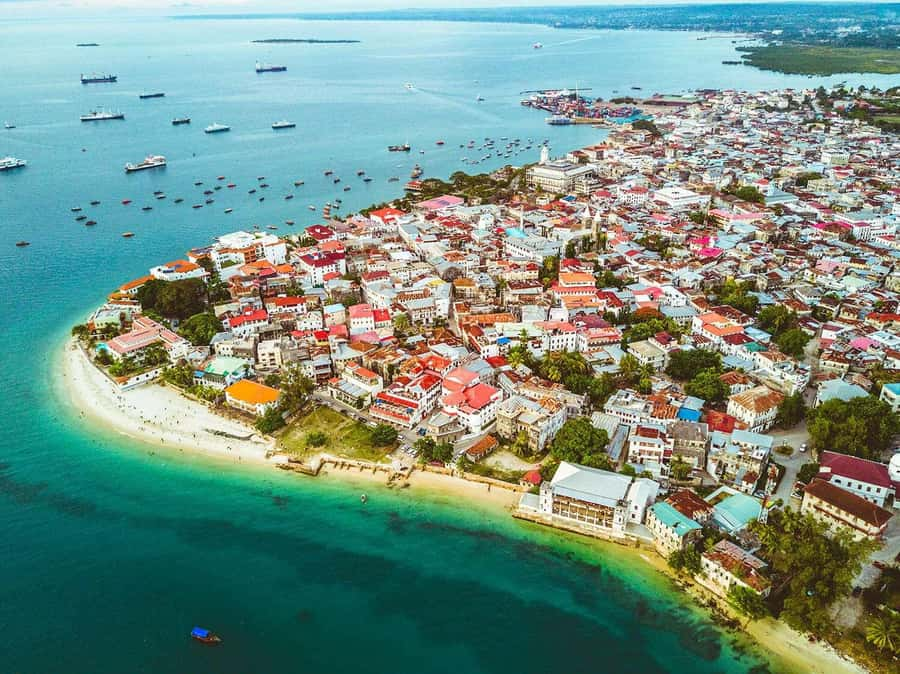
Stone Town and a spice plantation show two very different parts of Zanzibar. The old city is tight, crowded, and built for walking. The plantation is open, green, and focused on how familiar kitchen ingredients grow. Putting them together helps you understand why Zanzibar became such an important trading island.
I like this pairing because neither half has to carry the whole tour. Stone Town gives you architecture, religion, trade, and difficult history. The farm gives you scent, taste, farming knowledge, and a chance to buy local products. If you only have a short stay in Unguja, this arrangement covers a lot of ground.
The experience lasts four hours and includes transfers in both directions. That matters in warm weather. You do not have to arrange a taxi between the old city and the plantation, and a private group means the guide can shape the pace around your interests more easily than a large shared outing.
The listed price is $130 per group up to one person. For a solo visitor, that is not a bargain-priced walking tour, but it includes a private guide, transport, plantation visit, landmark entry, spice tasting, and entrance fees. If two or more people can share the booking, the value improves, although you should confirm the final group arrangement before paying.
More Stone Town walking tours:
- Zanzibar: Stone Town, Spice Tour, Prison Island with Lunch
★ 4.4 · 1,219 reviews - Zanzibar: Prison Island, Stone Town, & Spice Farm Tour
★ 4.5 · 579 reviews - Zanzibar: Stone Town, Spice tour & Prison Island with Lunch
★ 4.6 · 453 reviews
Walking through Stone Town’s old lanes
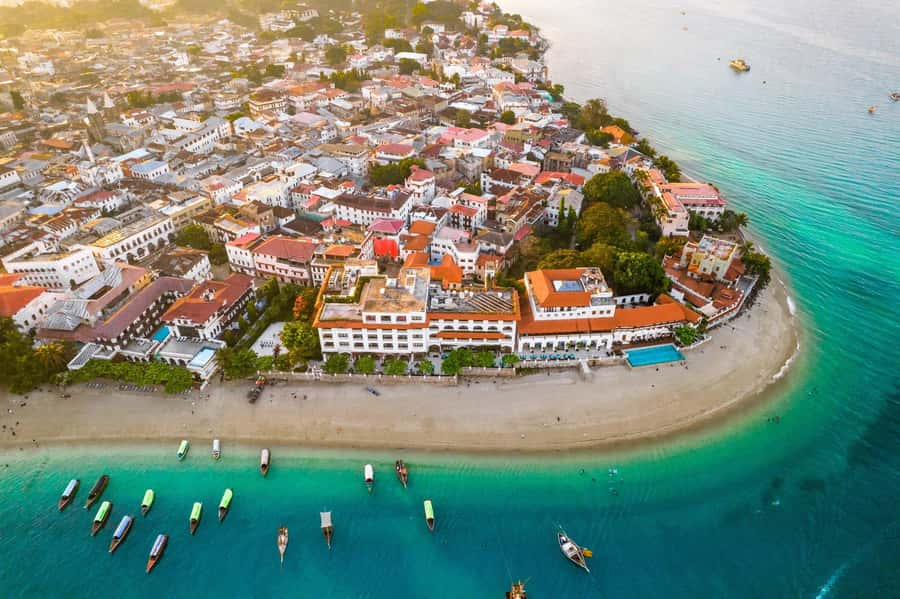
Your Stone Town portion takes place in a UNESCO World Heritage Site shaped by Swahili, Arab, Persian, Indian, and European influences. The narrow lanes are the point. They reveal how the city grew as a trading center, with buildings pressed close together and carved wooden doors marking homes and businesses.
The doors deserve your attention. Look for the detailed carving and heavy construction as you move through the streets. They are not just decorative backdrops for photographs. They reflect the wealth, beliefs, and trading links that shaped Stone Town’s architecture.
A guide is especially useful here because the city can feel confusing at first. The lanes do not always make a clear visual story on their own. A live guide can connect the buildings to Zanzibar’s past and explain why different cultural influences appear side by side.
You will want comfortable clothing and shoes. This is a walking-heavy experience, and the heat can make a short route feel longer. Bring water, sunscreen, and a hat. A camera is worthwhile, but keep your attention on the doorways, street scenes, and small architectural details rather than rushing from one named stop to the next.
House of Wonders, Sultan’s Palace, and the Old Fort
The House of Wonders is one of the major landmarks included in the city tour. Its name hints at its former importance, and the building helps frame Zanzibar’s connections to the sultanate and overseas trade. Your guide’s explanation is important here because the value comes from understanding the building’s role, not simply taking a photograph outside it.
The Sultan’s Palace adds another layer to the story. Together, these sites help explain how Stone Town functioned as a seat of power as well as a commercial port. You can expect a compact look at political and royal life within the old city.
The Old Fort gives you a different view of Stone Town’s past. Its thick walls and defensive character point to the island’s strategic position in the Indian Ocean. It is a useful stop for visitors who want more than palace architecture, since it brings military history into the walk.
The itinerary includes entry to historical landmarks and entrance fees, which makes the price easier to assess. Still, four hours requires sensible expectations. You are getting an introduction to several important places, not an in-depth museum day with long, unhurried stops at each site.
The Anglican Cathedral and Zanzibar’s difficult past
The Anglican Cathedral is one of the tour’s most meaningful stops because it is connected to the former Slave Market and Chambers. This part of Stone Town asks for a slower, more respectful approach than the market streets and photo-friendly doors.
Zanzibar played a role in the slave trade, and the tour addresses that history directly. The Slave Market and Chambers help you understand the human cost behind the island’s trading wealth. This is not a light sightseeing stop, but it is an essential one if you want an honest picture of Zanzibar.
I appreciate that the route includes this subject rather than smoothing it over. A city can be beautiful and still carry painful memories. The guide’s cultural context can help you connect the site to the wider story of trade, religion, and power across the Indian Ocean.
Be prepared for the mood to change. After the lively lanes and historic buildings, this section may feel heavy. That is appropriate. Give it your attention and follow local customs and instructions during the visit.
More Spice Farm Tours in Zanzibar:
- Full-Day Private Stone Town +Spice Farm and Prison Island Tour
★ 4.5 · 216 reviews - Spice Tour + Stone Town Tour + Prison Island
★ 4.5 · 130 reviews - Zanzibar: Spice Tour & Stone Town Walking Tour
★ 4.8 · 115 reviews - Zanzibar: Stone Town & Spice Farm Tour with Lunch
★ 4.5 · 97 reviews
Darajani Market, Forodhani Gardens, and street food
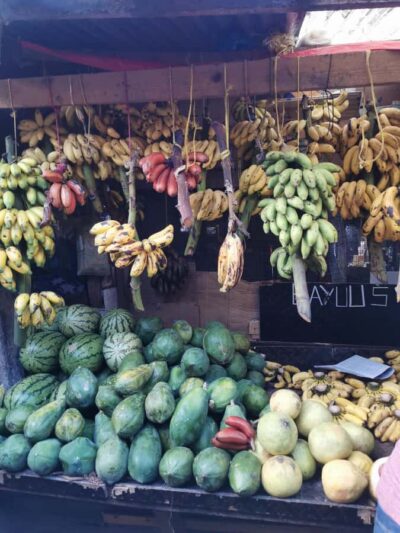
Darajani Market brings you into the working center of Stone Town. It is a useful contrast to the formal landmarks, with local goods, food, and daily activity taking priority over grand architecture. The tour includes the chance to sample local street food, though meals are not included, so do not treat this as a full lunch.
Food sampling is one of the better ways to connect the city’s cultures. Zanzibar’s cooking reflects the same Indian Ocean links visible in its buildings and history. You may find the market lively and crowded, so stay close to your guide and watch your belongings without letting that spoil the experience.
Forodhani Gardens offers another change of scene. The gardens are associated with evening food activity and public life, and the stop gives you a sense of how Stone Town works beyond its monuments. Since the tour lasts only four hours, the amount of time at each market or garden will depend on the schedule and your guide.
If you have strong food preferences or allergies, ask what is being sampled before eating. The supplied details confirm street-food sampling and spice tasting, but they do not specify a fixed menu or dietary alternatives.
What happens at the spice plantation
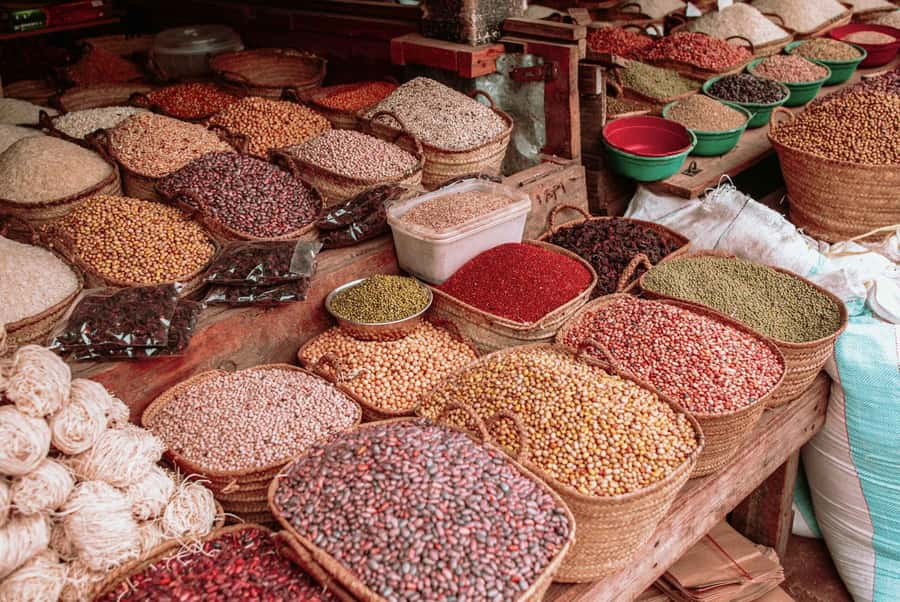
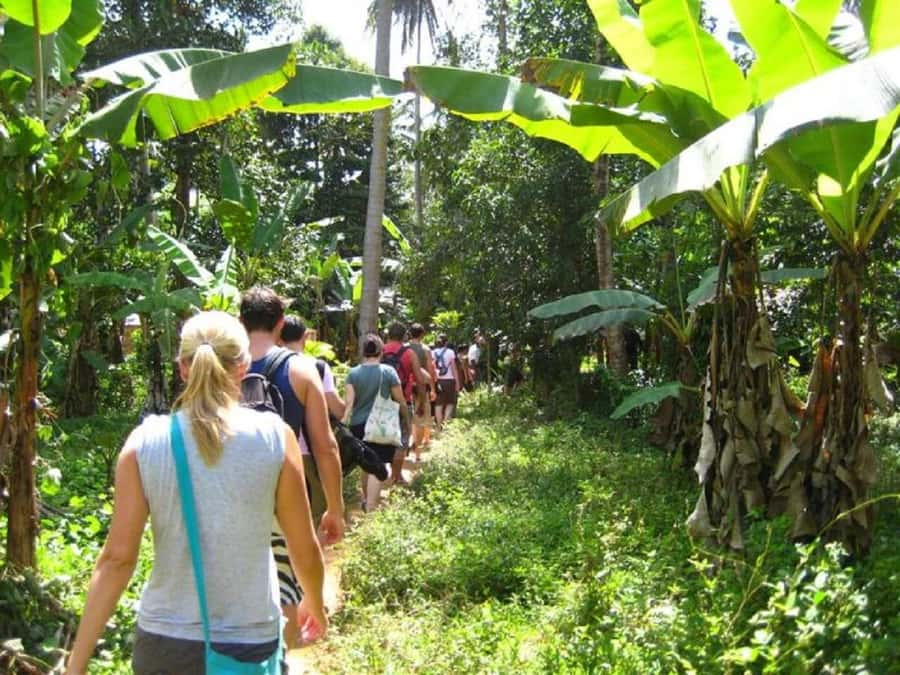
After Stone Town, the tour heads to a spice farm. Zanzibar is often called the Spice Island, and the plantation visit explains why. You walk through growing areas and learn how spices are cultivated and used rather than seeing them only as dried goods in a shop.
The listed spices include cloves, cinnamon, nutmeg, cardamom, turmeric, vanilla, black pepper, and ginger. This is a good chance to connect smell, appearance, and taste. Some spices are familiar in powdered form, but seeing how they grow can change the way you think about them.
The farm visit includes spice tasting, fresh fruit, and drinks made with spices. Demonstrations may include coconut oil extraction and spice grinding. These practical activities give the stop a useful rhythm: you see the plants, hear how they are used, then taste the results.
Do not touch the plants. That instruction is simple but important. Wear shoes suited to uneven ground and clothing that works in warm weather. You should also keep drinking water, especially after walking through Stone Town.
The farm shop sells Zanzibari spices, vanilla pods, and handmade crafts. Buying directly from the farm can be a pleasant way to take home something tied to the island, but check your own country’s customs rules before packing plant products or food.
Transport, guides, and the private format
Ground transfers are included at both ends, which removes one of the tour’s practical headaches. The starting point is Stonetown hotels, and the experience is designed as a private group rather than a large coach excursion.
Private touring matters most in Stone Town. A guide can pause at a carved door, explain a market custom, or adjust the walk if you need a slower pace. It also helps if you want to focus more on architecture, food, slavery history, or spices.
Guiding is available in English, Swahili, French, German, Romanian, Polish, and Hungarian. That language range is useful, but you should select your preferred language when checking availability.
The experience has received one especially positive account describing a personalized farm visit, a friendly and informative guide, and an excellent driver. Those details fit the design of the tour: the driver handles the connection between sites while the guide provides the interpretation. Since no guide or driver names are provided, you should not expect a named host in advance.
What the four-hour schedule means for you
Four hours is a sensible length for a first look at Stone Town and a nearby spice farm. It is short enough to fit into a day with other plans and long enough to cover the main themes of the island.
The tradeoff is limited time. You will probably see several landmarks from the outside or make brief stops rather than spending hours inside each one. If you want extensive museum visits, a long market meal, or a relaxed shopping session, you may need a separate afternoon.
The tour is best for you if you want an organized introduction and dislike spending half a day negotiating transport. It also suits first-time visitors who want context for Stone Town’s architecture and history.
It is less suitable if you have difficulty walking, use a wheelchair, or prefer a slow, unstructured day. The experience is not suitable for people with mobility impairments or wheelchair users, and the combination of lanes, market areas, heat, and plantation walking may be demanding.
What to bring and how to dress
Keep your packing simple:
- Comfortable walking shoes
- A hat
- Sunscreen
- Water
- A camera
- Light, respectful clothing suited to warm weather
Respect for local customs matters in Stone Town, especially around religious and historical sites. Modest clothing is the safer choice. You should also follow directions at the plantation and avoid touching plants.
Because meals are not included, eat beforehand if you know you need a substantial meal. Street-food sampling and spice tasting are part of the outing, but they do not replace a planned lunch.
Free cancellation is available up to 24 hours before the tour for a full refund. You can also reserve and pay later, which helps if your Zanzibar schedule is still shifting. Check the available start times when booking because the supplied details do not name one fixed departure hour.
Is this Zanzibar tour worth booking?
I would choose this tour if you want a private, efficient introduction to Stone Town and the spice-growing side of Unguja. The strongest reasons are the included transport, the serious stop at the Slave Market and Chambers, the market visit, and the farm activities that let you smell and taste the island’s signature products.
The $130 price makes the most sense for someone who values a private guide and simple logistics. It is less compelling if you only want a cheap city walk or if you plan to spend several days exploring Stone Town at your own pace.
Book it if you are comfortable walking in heat, want cultural context, and have only a few hours available. Skip it if you need wheelchair access, want a long food-focused excursion, or prefer to study each landmark in depth. For the right visitor, it is a compact way to connect Zanzibar’s architecture, difficult past, markets, and farms in one well-shaped outing.
FAQ
Where does the tour start?
The tour starts from hotels in Stonetown.
How long does the experience last?
The tour lasts four hours.
What is included in the price?
The price includes a guided Stone Town tour, a guided spice plantation tour, historical landmark entry, spice tasting, cultural information, ground transfers in both directions, and entrance fees.
Are meals included?
No. Meals are not included, although the tour includes local street-food sampling and spice tasting.
Is the tour private?
Yes. It is offered as a private group experience.
What languages are available?
The listed guide languages are English, Swahili, French, German, Romanian, Polish, and Hungarian.
What should I bring?
Bring comfortable shoes, a hat, a camera, sunscreen, and water.
Can I touch the plants at the spice farm?
No. Touching the plants is not allowed.
Is the tour suitable for wheelchair users?
No. The experience is not suitable for wheelchair users or people with mobility impairments.
Can I cancel the booking?
Yes. You can cancel up to 24 hours in advance for a full refund. Reserve now and pay later is also available.
Just added in Zanzibar
- Zanzibar:Ngoma local culture workshop,The Knowledge of Ngoma★ 5.0 · 1 review
- ZANZIBAR:Mnemba island, Spice farm and Jozani Forest★ 5.0 · 1 review
- Zanzibar: Zipline Adventure At Masingini Forest★ 4.6 · 2 reviews
- Zanzibar Walking Tour: Unveiling the Secrets of Stonetown★ 4.8 · 11 reviews
- Zanzibar: Walking Spice Farm with Local Cooking Class★ 4.4 · 9 reviews
- Zanzibar: Walking Tour★ 4.0 · 1 review
- Zanzibar: Uzi Island Mangrove Kayak Tour with Guide★ 5.0 · 1 review
- Zanzibar: Unique Guided Mangrove Tour by SUP or Kayak★ 5.0 · 1 review
Stone Town Tours, compared.
Stone Town, Spice Tour, Prison Island with Lunch
Read our review →

Stone Town, Spice tour & Prison Island with Lunch
Read our review →
3 Hours Private Stone Town walking Tour with Guide
Read our review →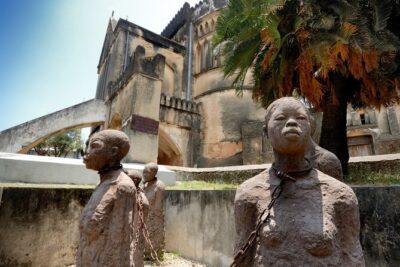
Full-Day Private Stone Town +Spice Farm and Prison Island Tour
Read our review →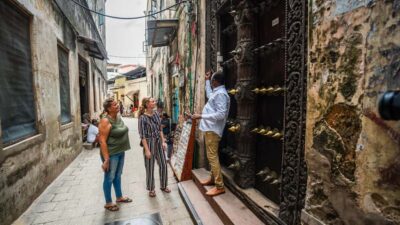
Stone Town Historical Cultural Walking Guided Tour
Read our review →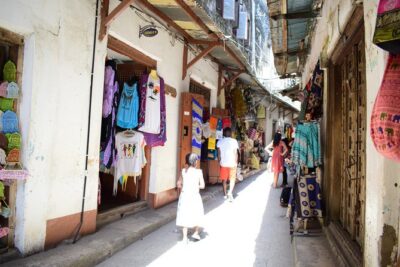
Browse the lists this tour appears in