
Reviewed · CAMPING SAFARIS
5-Day private Camping Safari Tour in Tanzania
Wild animals are the real schedule here. This five-day safari links Tarangire, Serengeti, and Ngorongoro Crater in one fast-moving trip, with long game drives, tented camping, picnic lunches, and a private 4×4 vehicle. I like the strong mix of parks, especially the two full Serengeti days, and I like that meals and guiding are built into the price. The main consideration is pace: you will spend many hours on rough park roads, and the advertised route needs clarification because Lake Manyara appears in the overview but not in the detailed five-day plan.
You start and finish at AIM Mall in Arusha, with pickup after breakfast on the first morning. The experience is rated five out of five from 86 submitted ratings, with every recommendation marked positive. The strongest praise goes to guides such as Rocky, Mandela, Gordon, Fredy, Golden, and Baraka, along with the camp cooks, whose hot meals often receive almost as much attention as the animals.
In This Review
- Key points to know before booking
- What $2,300 buys you
- Day 1: Elephants and baobabs in Tarangire
- Day 2: The long road into the Serengeti
- Day 3: A full day among Serengeti wildlife
- Day 4: Leaving the Serengeti for Ngorongoro
- Day 5: Down into Ngorongoro Crater
- Guides, food, and the human side of the safari
- Private tour or shared camping departure?
- Who will enjoy this five-day route?
- Should you book it?
- FAQ
- Where does the safari start?
- Where does the safari end?
- How long is the safari?
- Which parks and conservation areas are included?
- Is the tour private?
- What meals are included?
- Is airport or departure tax included?
- Can I cancel for a full refund?
Key points to know before booking
- Three major safari areas in five days: Tarangire, Serengeti, and Ngorongoro receive the main attention.
- Two nights in the Serengeti: This gives you more than a quick pass through Tanzania’s best-known park.
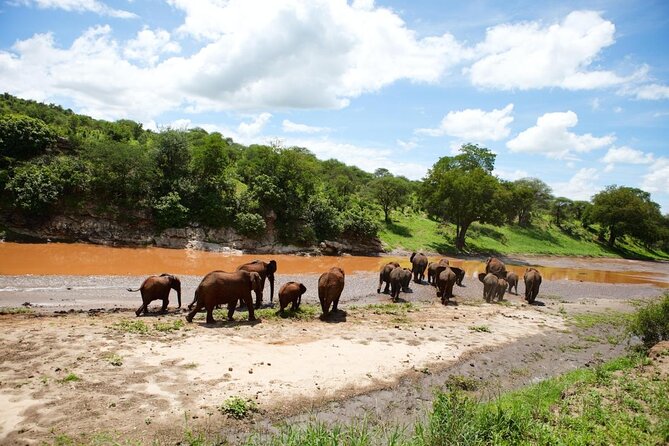
- Wildlife-rich Tarangire: Elephants, baobabs, giraffes, zebra, wildebeest, buffalo, and many smaller animals are possible.
- Camping with meals included: Four breakfasts and dinners, plus five lunches, are included in the listed package.
- Private tour wording matters: The product is described as private, but some available descriptions refer to shared tent departures, so confirm the exact setup.
- Free cancellation until 24 hours before departure: Later cancellations or changes are not accepted for a refund.
What $2,300 buys you
The price is $2,300 per person. That is a serious amount of money, but a five-day northern Tanzania safari includes much more than a standard sightseeing tour. You are paying for a private 4×4 safari vehicle, a driver-guide, park access arrangements, camping support, meals, and long transfers between Arusha and the parks.
I see the value in the route. Tarangire gives you a strong first wildlife day, the Serengeti gets two full days, and Ngorongoro provides a final concentrated game-viewing experience. You are not spending the whole trip in one small reserve.
The price makes more sense if your priority is wildlife rather than comfort. This is a camping safari, not a lodge-hopping holiday. The strongest praise centers on organized camps, sleeping equipment, and unusually good food, including hot lunches and changing daily menus. Still, you should confirm exactly what kind of tent, bedding, washing facilities, and campsite arrangement are included before paying.
There is one important wrinkle. The detailed schedule names Tarangire, Serengeti, and Ngorongoro, while the general description also names Lake Manyara. Some accounts of five-day departures describe Lake Manyara, and others describe different park orders, including Tarangire on the final day. Ask for your exact route in writing. A safari operator may adjust the order for park conditions, availability, or the needs of a particular departure.
The package includes four dinners, five lunches, and four breakfasts. Airport or departure tax is not included. That sounds minor, but it is worth checking the current amount and payment method before you travel.
More Camping Safaris in Arusha:
- 4 Days Group Camping Safari
★ 5.0 · 1,101 reviews - 5 Days Group Camping Safari
★ 5.0 · 730 reviews - 3 Days Serengeti & Ngorongoro Group Camping Safari
★ 5.0 · 574 reviews
Day 1: Elephants and baobabs in Tarangire
Pickup is scheduled between 8:30 and 9:00 after breakfast. Your private guide collects you in Arusha, and the safari vehicle heads toward Tarangire National Park.
Tarangire is an excellent first stop because it has a clear personality. The park is famous for large elephant groups and its enormous baobab trees. These trees give the game drive a memorable setting even before you spot an animal.
The plan takes you to a lodge for lunch, followed by an afternoon game drive. The listed timing allows about six hours at the stop, though the actual day will include the drive from Arusha and the park entry process.
From June through November, the dry season can bring large herds of zebra, wildebeest, and Cape buffalo. Tarangire also supports giraffes, waterbuck, dik-dik, impala, eland, Grant’s gazelle, vervet monkeys, banded mongooses, and olive baboons.
Predators include lions, leopards, cheetahs, caracals, honey badgers, and African wild dogs. Wildlife is never guaranteed, but Tarangire gives you a good range of possible sightings without relying only on the Big Five.
I would pay attention to the smaller animals here. A dik-dik or banded mongoose can be as interesting as a lion if your guide explains how it lives. Several guides connected with this safari, including Rocky and Mandela, are praised for spotting animals and explaining their habits, so ask questions early. That helps you learn how to look rather than simply wait for the guide to point.
Day 2: The long road into the Serengeti
After an early breakfast, you drive toward Serengeti National Park with a picnic lunch. The route passes through the Ngorongoro Conservation Area, with game viewing along the way.
This is a long transfer day, listed at about six hours. You need to accept that time on the road is part of the safari. The reward is the change in scenery and the arrival in one of Africa’s most famous wildlife areas.
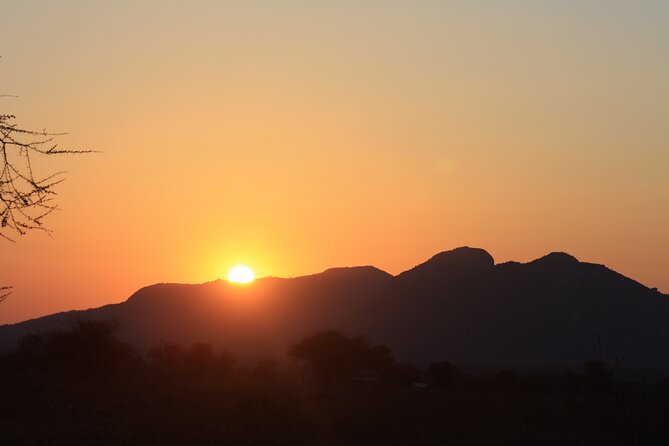
You spend the night at Seronera Campsite, in the central Serengeti area. Seronera is a useful base because it places you inside the park rather than outside its boundaries. That gives you a better position for the following day’s full game drive.
The picnic lunch keeps the day moving. You will not return to a lodge for every meal, so bring patience and keep your camera ready during the drive. The route itself is part of the experience, but it can be tiring after an early start.
The detailed plan says dinner and overnight camping at Seronera. It does not explain the tent style or bathroom setup. Ask whether staff pitch the tents, whether sleeping bags are supplied, and whether the camp is a permanent public campsite or a mobile setup.
Day 3: A full day among Serengeti wildlife
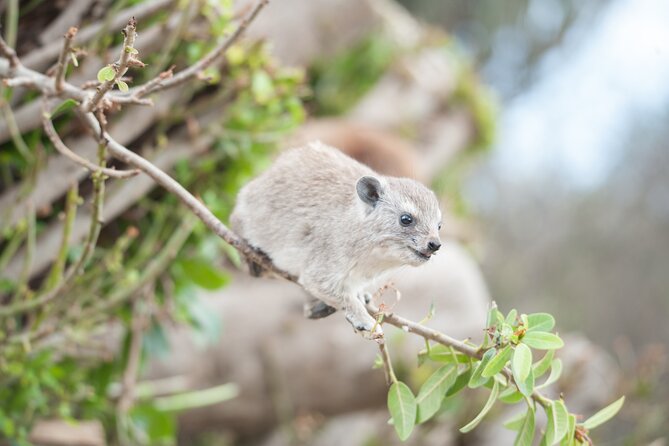
Day three is the safari’s main wildlife day. After breakfast, you leave camp for a full-day game drive with a picnic lunch, take a short midday break, then continue until late afternoon.
A full day matters. You are not forced to pack up and leave for another park after a few morning sightings. Your guide can spend more time with an animal encounter, search for predators, or adjust the route after information from other safari vehicles.
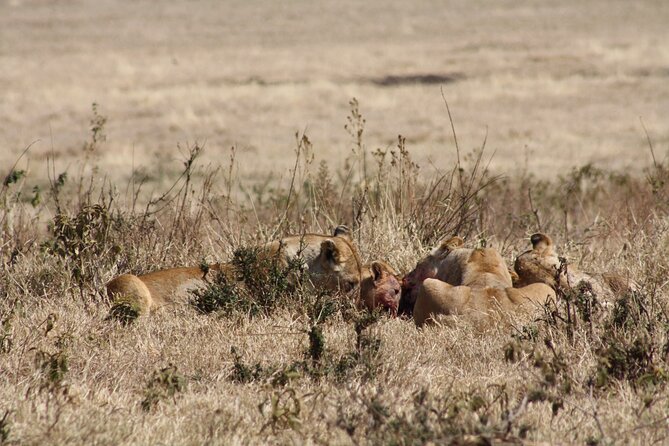
The Serengeti is especially suited to this kind of patient viewing. The possible sightings include lions, leopards, cheetahs, hyenas, jackals, wildebeest, zebra, buffalo, giraffes, and many birds. The exact mix depends on season, weather, and luck.
Several guides receive high praise for their field skills. Rocky is singled out for finding the Big Five as well as the so-called ugly five and beautiful five. Fredy is praised for wildlife and bird knowledge, while Mandela is described as able to answer a wide range of questions. Those details matter because a good guide turns a sighting into an understanding of animal behavior.
You return to Seronera Campsite for dinner and another night. Two nights in one area also mean less packing and unpacking. That is a small comfort, but it becomes important on a camping trip.
The drawback is the length of the day. Game drives can be dusty, bumpy, and hot, followed by a campsite dinner and an early start. If you want a soft bed, private bathroom, and short daily drives, this is not the right style of safari.
A few more options to weigh up in Arusha
- Balloon Safari & Bush Breakfast in Serengeti – Miracle Experience
★ 5.0 · 1,646 reviews - Tanzania Classic – 7 Days
★ 5.0 · 1,151 reviews - Materuni Waterfalls, coffee tour & Kikuletwa Hot Springs
★ 5.0 · 643 reviews - 7-Day Premium Luxury Tanzania Safari All-Inclusive
★ 5.0 · 426 reviews
Day 4: Leaving the Serengeti for Ngorongoro
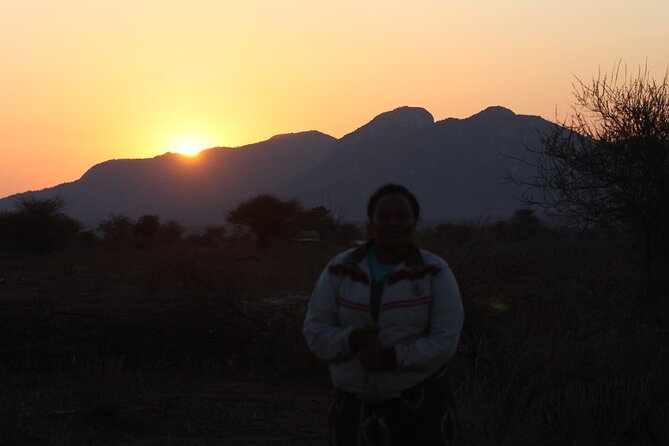
The day begins with coffee, tea, and biscuits, followed by an early morning game drive with lunch boxes. The listed game-drive period runs from about 8:00 to 14:30, after which you leave for the Ngorongoro Conservation Area with wildlife viewing along the route.
This early section gives you another chance to see animals when they are active. It also avoids wasting the morning on camp packing and a late departure.
Later, the road climbs toward Ngorongoro. The change from open Serengeti plains to the high conservation area is one of the trip’s major visual shifts. Dinner and overnight accommodation take place in the conservation area, though the exact camp or lodge is not specified.
Day four can feel like a lot of movement. You have a morning game drive, a transfer, and more wildlife viewing on the way. Still, it positions you for an early crater descent, which is the best use of your final day.
I recommend keeping your camera accessible rather than packed away. The schedule specifically includes game viewing en route, so the drive is not simply dead time.
Day 5: Down into Ngorongoro Crater
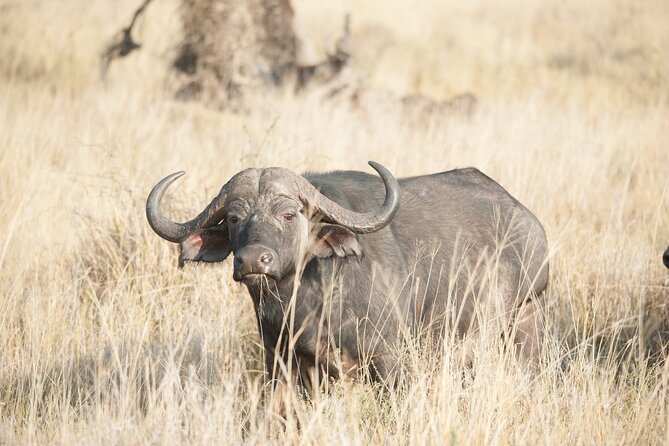
After an early coffee-based breakfast, you descend more than 600 meters into Ngorongoro Crater for wildlife viewing. The crater has year-round water and grazing, which supports large numbers of animals in a compact area.
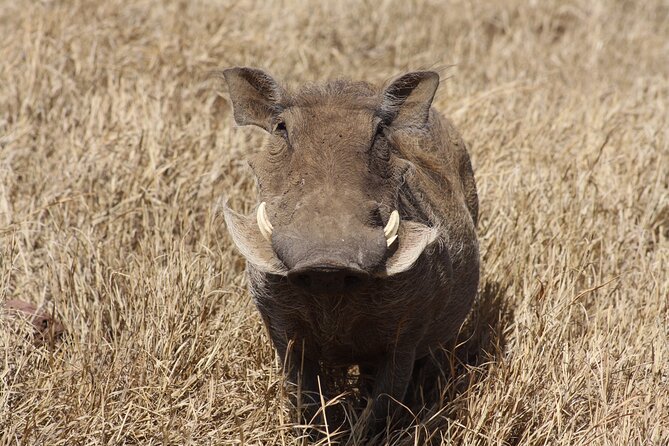
You may see wildebeest, zebra, buffalo, eland, warthogs, hippos, and giant African elephants. The area is also known for predators, including lions, hyenas, jackals, cheetahs, and leopards. A trained guide’s sharp eyes are useful here, especially when a leopard is resting in cover.
Lake Magadi is one of the main features inside the crater. It is a large, shallow alkaline lake in the southwestern part of the crater and can attract wildlife and birds. The crater’s enclosed setting makes it feel different from the wide Serengeti plains.
The day is listed at about eight hours, making it the longest stop in the itinerary. That gives you a substantial amount of time for game viewing, but it also means another early start after several demanding days.
Ngorongoro is a strong final act because wildlife can be concentrated in a relatively contained area. You should not treat it as a guaranteed Big Five visit, but the mix of water, grazing, and predators gives you a strong chance of varied sightings.
Guides, food, and the human side of the safari
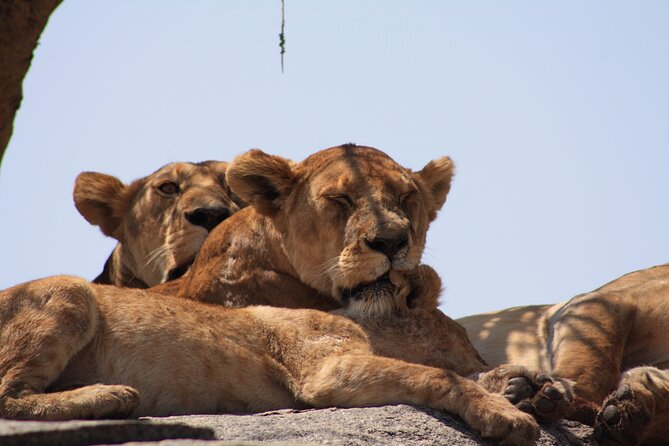
The guide can make or break a safari. Here, the named guides most often praised include Rocky, Mandela, Gordon, Fredy, Golden, and Baraka. The recurring strengths are animal spotting, clear explanations, friendliness, and the ability to adjust the day around what you want to see.
Golden is praised for knowing park roads very well. Rocky receives repeated praise for his wildlife explanations and companionship. Fredy is noted for his bird knowledge and radio communication with other guides. These are practical skills, not just pleasant extras. Finding a leopard or a distant cheetah often depends on experience and attention.
Food is another strong point. The safari includes all main daily meals listed in the package, and the camp chef is repeatedly praised for hot lunches, fresh ingredients, and varied dishes. One account calls the food extraordinary, while another describes every day as a different feast.
You should still remember that camping meals are served in a remote setting. The menu can be excellent, but this is not a restaurant tour. If you have allergies or dietary needs, state them before departure and confirm how they will be handled.
The organization also receives strong praise, especially for transport, tents, sleeping bags, and staff support. At the same time, one account notes a few glitches that the company worked to address. That is a useful reminder to speak up quickly if something is wrong. Do not wait until the final day.
Private tour or shared camping departure?
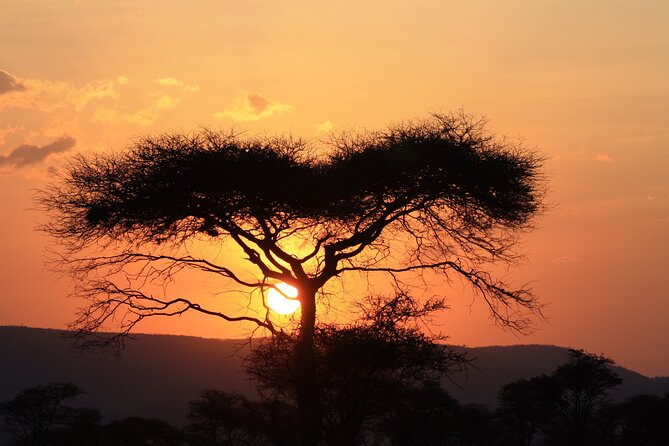
The experience is advertised as a private activity, with only your group participating. That should mean greater control over the pace, stops, and discussion than a large coach tour.
Yet some descriptions of this same five-day safari refer to shared tent departures and groups of five or six people. This may reflect different packages or departures, but you should not assume the word private tells you everything.
Before booking, ask:
- Is the vehicle reserved only for your party?
- How many people will sleep in the camp?
- Is the tent private, shared, or family-sized?
- Are the guide and chef dedicated to your group?
- Does the route include Lake Manyara?
Those answers affect the value of the $2,300 price more than small differences in meal service.
Who will enjoy this five-day route?
I would choose this safari if you want a broad introduction to northern Tanzania and care more about wildlife time than luxury. Families, couples, photographers, and first-time safari visitors can all benefit from the combination of Tarangire, Serengeti, and Ngorongoro.
It also suits you if you enjoy learning as you go. The guides are praised for explaining animal behavior, park roads, birds, and local context. You get more from the trip if you ask questions and tell the guide which animals matter most to you.
I would hesitate if you dislike rough roads, early breakfasts, long drives, or camping. Five days is efficient, but it is not leisurely. You are covering major distances, and the schedule leaves little spare time.
The starting point is AIM Mall in Mbauda, Arusha, and the activity returns there at the end. Confirmation is provided at booking, the ticket is mobile, and the experience is listed as suitable for most participants and near public transportation. Free cancellation is available until 24 hours before the start time. After that point, refunds and changes are not accepted.
Should you book it?
Book this safari if you want maximum wildlife variety in five days, appreciate a capable guide, and are comfortable with camping and long road days. Tarangire’s elephants, two days in the Serengeti, and the Ngorongoro descent form a very strong route.
I would book only after confirming the exact park order, Lake Manyara’s inclusion, the private versus shared setup, and the camping facilities. If those details match your expectations, $2,300 can be fair value for a guided safari with transport, meals, park access arrangements, and support throughout the trip.
FAQ
Where does the safari start?
The safari starts at AIM Mall, Mbauda, Arusha, Tanzania.
Where does the safari end?
The activity ends back at the meeting point at AIM Mall in Arusha.
How long is the safari?
The safari lasts approximately five days.
Which parks and conservation areas are included?
The detailed schedule includes Tarangire National Park, Serengeti National Park, and the Ngorongoro Conservation Area. The general description also mentions Lake Manyara, so you should confirm whether it is included in your specific departure.
Is the tour private?
The experience is described as a private tour or activity in which only your group participates. Some available descriptions refer to shared camping departures, so confirm the group arrangement before booking.
What meals are included?
The package includes four dinners, five lunches, and four breakfasts.
Is airport or departure tax included?
No. Airport or departure tax is listed as an additional cost.
Can I cancel for a full refund?
Yes. You can cancel at least 24 hours before the experience start time for a full refund. Cancellations or changes made less than 24 hours before departure are not accepted for a refund.
Just added in Arusha
- Safari “Kifaru” – 5 days in the most famous Parks in the world★ 5.0 · 4 reviews
- Saadani Day Trip★ 5.0 · 13 reviews
- 3 Days Tanzania Short and Spicy★ 5.0 · 6 reviews
- 5 Day Tanzania Safari Camping Adventure Private Tour★ 5.0 · 2 reviews
- Day Trip to Ngorongoro Crater from Arusha★ 5.0 · 1 review
- SERENGETI NATIONAL PARK Tour★ 4.5 · 5 reviews
- 3 Days Serengeti Park & Ngorongoro Crater Adventure Safari★ 5.0 · 8 reviews
- 6 Days Tanzania Bush Experience Safari★ 5.0 · 6 reviews
Camping Safaris, compared.
3 Days Serengeti & Ngorongoro Group Camping Safari
Read our review →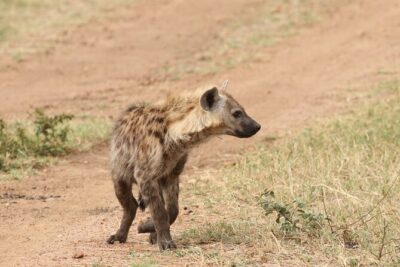
2 Days Tarangire and Ngorongoro Group Camping Safari
Read our review →
3 Days Tarangire, Ngorongoro & Lake Manyara Group Camping Safari
Read our review →
4 Days Group Joining Camping Safari to Tarangire Serengeti Ngorongoro Crater
Read our review →Browse the lists this tour appears in