
Reviewed · MACHAME ROUTE CLIMBS
6 Day: Hiking Kilimanjaro via Machame Route
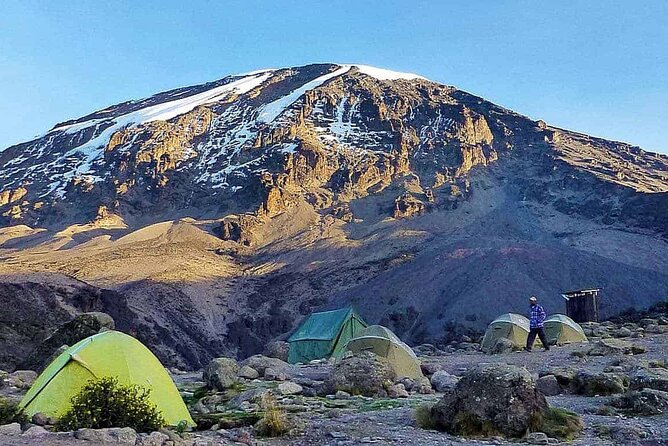
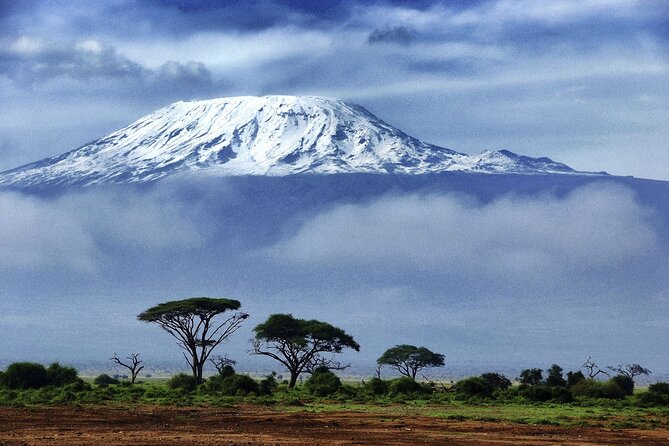
Africa’s highest summit demands more than good shoes. This six-day Machame Route climb takes you from Kilimanjaro’s rainforest to its alpine desert and finally Uhuru Peak at 5,895 meters. I like the changing scenery, from colobus monkeys and heather to giant senecio plants and the stark slopes of Kibo. I also like the small private group, limited to six people, which should make guide support more direct.
The route gives you a real mountain challenge rather than a gentle walk, with steep sections, high camps, and a midnight summit start. The main drawback is the short schedule. Six days leaves little room for extra acclimatization, so you need strong fitness, a careful pace, and a clear understanding that reaching the top is never guaranteed.
In This Review
- Key points before you book
- What the six-day Machame Route is really like
- Day 2: Heather, rock, and Shira Hut at 3,845 meters
- Day 3: Lava Tower and the Barranco Valley
- Day 4: The Barranco Wall and Barafu Camp
- Day 5: Midnight on Kibo and Uhuru Peak
- Day 6: Rainforest descent and Mweka Gate
- What $2,200 includes, and what it does not
- Guides, planning, and the value of a private group
- Fitness, gear, and preparation
- Getting there and practical details
- Who should choose this Kilimanjaro climb?
- Should you book the Machame Route?
- FAQ
- Where does the tour start?
- Where does the tour end?
- How long does the Kilimanjaro hike last?
- How many people can join the private tour?
- What is the highest point reached?
- Are meals and water included?
- Is climbing gear included?
- Are park fees and taxes included?
- What happens if bad weather cancels the climb?
Key points before you book
- A dramatic route in six days: You pass through rainforest, heath, moorland, alpine desert, and the Barranco Valley before the summit attempt.
- A private group of up to six: This is a better setup for personal help on steep ground and for managing a steady pace.
- A serious summit day: You start around midnight, reach Stella Point in roughly five to seven hours, then continue along the crater ridge to Uhuru Peak.
- Guides named in the trip arrangements: Livingstone handled one pre-climb briefing, while Babaluu and Daniel guided another successful six-day climb.
- Meals, water, permits, and transport are included: You still need to supply or rent your own personal climbing clothing and equipment.
- The price is $2,200 per person: That is a substantial fee, but it covers the core mountain services rather than just a guided walk.
What the six-day Machame Route is really like
Machame is often chosen for its scenery and its demanding character. You do not simply walk uphill through one type of vegetation. The mountain changes around you, and each zone signals a new stage of the climb.
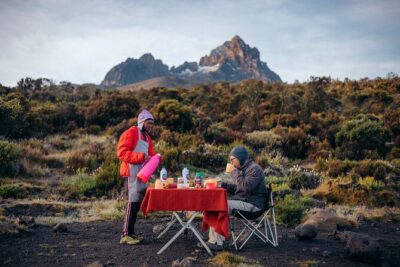
The first day starts near Moshi, with pickup at about 8:00 a.m. and a drive of roughly an hour to the Kilimanjaro National Park entrance. From there, you walk into the rainforest. Black and white colobus monkeys may watch from the trees as you leave the road behind.
The route takes about five to six hours to reach Machame Camp at 3,010 meters. The day is not technically the hardest, but it sets the tone. You are gaining altitude from the start, and a warm, wet forest can make clothing management tricky. Keep your rain protection easy to reach, even if the morning begins dry.
The first day’s description refers to the direction of Shira Cathedral, while the overnight stop is Machame Camp. The practical point is simple: you spend your first night in the forest zone, not on the high Shira Plateau.
More Machame Route climbs:
- 7-Day Machame Kilimanjaro Summit Tour from Arusha
★ 5.0 · 125 reviews - 6 Days: Hiking Kilimanjaro via Machame Route
★ 5.0 · 24 reviews - 6-Day Guided Tour in Machame Route Mt Kilimanjaro
★ 5.0 · 17 reviews
Day 2: Heather, rock, and Shira Hut at 3,845 meters
After breakfast, the forest gives way to open heather and moorland. The path climbs across a small valley, then follows a steep, rocky ridge. You continue toward a river gorge at about 3,658 meters before reaching Shira Hut campsite at 3,845 meters.
This five to seven-hour day is shorter on paper than summit day, but altitude changes the effort. A slope that felt easy near the gate can feel slow here. I would treat the walking time as a guide, not a promise. Your pace, rest stops, and response to altitude will matter more than the clock.
The Shira area gives you wider views and a sense of the mountain opening up. You may catch views toward Mount Meru, Shira Ridge, and Kibo, depending on weather and visibility. The reward is space, but the protection of the forest is gone. Wind, cold, and sun can all feel stronger.
Day 3: Lava Tower and the Barranco Valley
Day three is one of the most useful parts of the route for altitude adjustment. You climb above the Shira Plateau toward Lava Tower at 4,640 meters, where the plants become sparse and the ground takes on an alpine desert character.
You do not sleep at Lava Tower. After reaching the high point, the route continues into the Barranco Valley. This pattern of climbing high and sleeping lower can help your body adjust, although no itinerary can remove the risk of altitude sickness.
The full day takes about six to seven hours. The Barranco Valley is described as the prettiest camp on the mountain, and it has a fine mix of stark rock, lobelia, and giant senecio plants. These large plants give the valley an almost prehistoric feel without requiring any extra storytelling.
Barranco Camp is more than a scenic overnight stop. It also prepares you for the next morning’s most recognizable obstacle, the Barranco Wall. If you dislike exposed or steep scrambling, this is the point to pay close attention to how the guide manages the group.
Day 4: The Barranco Wall and Barafu Camp
The Barranco Wall requires steady hands and careful foot placement. It is not presented as a technical climbing section, but it is steep enough that you will want help. The guides are expected to assist where needed, and that matters more than speed.
After the wall, you descend through the Karanga Valley and stop for lunch. Then you climb for another two to three hours toward Barafu Camp at 4,640 meters. The day’s listed walking time is three hours, but the route description also includes the wall, valley, lunch stop, and final climb. Plan for a demanding mountain day rather than relying on the shortest figure.
Barafu is the launch point for the summit. You eat an evening meal, rest, and try to sleep early before the midnight start. Sleep can be difficult at this altitude, and the schedule gives you little time to recover. Use the afternoon for rest, organize your headlight and warm clothing, and avoid wasting energy.
This is where the short six-day schedule becomes most obvious. You have already reached high camps, and the summit attempt comes soon after. The private group and guide attention are valuable here, but your own physical condition remains the deciding factor.
More treks in Arusha:
- 8-Day Small-group Lemosho Kilimanjaro Summit Trekking
★ 5.0 · 186 reviews - Mountain Kilimanjaro Day Hike
★ 5.0 · 102 reviews - Private Full Day Hiking Experience to Marangu Route
★ 5.0 · 61 reviews - 4 Days Mount Meru Trekking
★ 5.0 · 55 reviews
Day 5: Midnight on Kibo and Uhuru Peak
The summit day begins around midnight with hot tea and light snacks. You climb in darkness, using a headlight to follow the scree slopes of Kibo. The ascent to Stella Point takes roughly five to seven hours.
This is likely the hardest physical and mental section of the entire trip. The cold, darkness, altitude, and slow progress can make the climb feel much longer than the distance suggests. You should expect a steady effort, not a quick march.
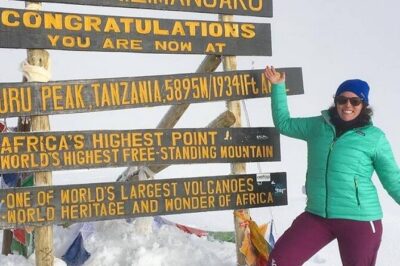
At Stella Point, you join the crater ridge and continue toward Uhuru Peak. The summit stands at 5,895 meters, and the reward is a 360-degree view across the surrounding country when the weather allows it. The summit moment may be brief. You will want photographs, but you also need to protect your energy and begin descending promptly.
The route returns to Barafu for a warm meal and a rest. Then you continue to Mweka Hut campsite at 3,080 meters, with the full return from the summit area taking about five hours after the initial ascent. The day is listed as seven hours, but the description includes the midnight climb, summit time, descent to Barafu, meal break, and walk to Mweka. In practical terms, this is an exceptionally long day.
I would not treat a successful summit as the only measure of a good trip. Reaching Stella Point or turning back safely can also be the right decision if altitude or exhaustion becomes serious. A good guide should help you make that call without pressure.
Day 6: Rainforest descent and Mweka Gate
The final morning takes you down through the rainforest to Mweka Gate. After several days above the trees, the thicker vegetation and lower altitude should feel welcome, though tired knees can make downhill walking surprisingly hard.
At the gate, the group gathers to congratulate the climbers. You can write in the guest book, and a certificate is provided. The driver then returns you to your hotel or the meeting point.
The descent is often treated as an afterthought, but it deserves respect. Trekking poles, controlled steps, and patience can help protect your knees. The day takes about six hours, and your body may feel the accumulated strain even though you are losing altitude.
What $2,200 includes, and what it does not
The cost is $2,200 per person. For a private climb with a maximum of six people, that price has meaningful value because it includes the main operating costs: park fees, taxes, a professional driver and guide, meals, and water.
The food package lists six breakfasts, six lunches, and five dinners. The final day’s meal arrangement is not spelled out, so I would confirm exactly what is served on departure morning before setting out. Water is included, but the quantity and refill arrangements are not given.
The fee does not include international flights, visas, travel insurance, or personal climbing gear. You are specifically expected to bring or arrange items such as:
- A headlight
- Gloves and a balaclava
- Hiking pants and a sweater
- Thermal underwear and thermal pants
- Other climbing equipment
That list matters. The summit night is not an ordinary hike, and missing warm layers can turn a hard climb into an unsafe one. The package also excludes tips for porters and the chief, so plan a separate cash budget for gratuities.
The value is strongest if you want one company handling the permit, transport, food, guiding, and camps. It is less attractive if you already have all logistics arranged and only want a basic guide.
Guides, planning, and the value of a private group
The trip includes a pre-climb briefing and equipment check. Livingstone led one such briefing, explaining the climb and checking the available equipment before the group started. That is useful because it gives you a chance to identify missing items before you are high on the mountain.
Babaluu and Daniel guided another successful six-day climb. The feedback about the mountain crew was especially positive, with the guides helping throughout the trek. That kind of support is important on the Barranco Wall and during the summit push, when tired legs and altitude can make simple decisions harder.
A group limit of six is a practical advantage. You are not lost in a large line of walkers, and the guide can pay closer attention to pace and condition. It also means the group’s ability may vary less widely, though you should still be ready to walk at the pace set for safe progress.
The tour is private, so only your own group participates. That gives you more control than a shared departure, but it does not turn the climb into a flexible custom itinerary. The route, camps, and six-day schedule remain demanding.
Fitness, gear, and preparation
You need a strong level of physical fitness. This is not a sightseeing walk with a few steep hills. You spend several days walking uphill, sleep at high altitude, climb above 4,600 meters, and then attempt Uhuru Peak after a midnight start.
Your preparation should focus on long walking days, uphill effort, and downhill control. The provided information does not specify a training plan, so I would not assume that ordinary holiday fitness is enough. If you are unsure, ask the operator what level of preparation they expect before booking.
Your equipment deserves the same attention as your fitness. The operator does not include the headlight, gloves, balaclava, hiking pants, sweater, thermal layers, or other climbing gear. Ask before departure if rental equipment is available, since the trip details do not confirm it.
The equipment check is one of the most useful planning features. Use it fully. Do not wait until Barafu to discover that your headlight is weak or your warm layers are incomplete.
Getting there and practical details
The meeting point is in Moshi, Tanzania, although the tour is associated with Arusha and includes pickup. The start time is 8:00 a.m. The activity ends back at the meeting point after the drive from Mweka Gate.
The group can have no more than six people. The experience offers a mobile ticket, and confirmation is provided at booking. Free cancellation is available until 24 hours before the local start time. Changes or cancellations inside that window are not accepted, and poor weather may lead to a new date or a full refund.
The tour provider is Serengeti Camping Safari. Since the available information gives both Arusha and Moshi as location references, I would confirm your pickup point and hotel transfer details before the climb.
Who should choose this Kilimanjaro climb?
I would recommend this trip to a fit, determined hiker who wants the classic Machame scenery and prefers a small private group. You should be comfortable with steep ground, long days, basic mountain camps, and a summit attempt that starts while most people are asleep.
It suits you if you value guide support, included meals, water, park costs, and transport more than luxury. The changing scenery is a major reason to choose it, especially if you want rainforest, heather, the Shira area, Barranco Valley, and alpine desert on one route.
I would be cautious if you are new to strenuous hiking, have not trained, or want a relaxed schedule with more acclimatization time. Six days is efficient, but it is not generous. You should also confirm the equipment plan, food details, pickup location, and expected tipping budget before paying.
Should you book the Machame Route?
Book it if you want a serious six-day challenge with strong scenery, a private group of up to six, and a guide team that includes names such as Livingstone, Babaluu, and Daniel. The $2,200 price is reasonable for an organized climb covering core fees, guiding, meals, water, and transport, though your personal gear and insurance add to the real cost.
Skip it if your priority is maximum acclimatization time or an easy summit attempt. The route is beautiful, but the short schedule, high camps, Barranco Wall, and midnight climb require honest preparation. For the right hiker, it offers a focused and memorable path to Africa’s highest point.
FAQ
Where does the tour start?
The meeting point is in Moshi, Tanzania, with an 8:00 a.m. start time. Pickup is offered.
Where does the tour end?
The activity ends back at the meeting point after the driver collects the group at Mweka Gate.
How long does the Kilimanjaro hike last?
The experience lasts approximately six days.
How many people can join the private tour?
The private hiking tour has a maximum of six travelers.
What is the highest point reached?
The summit goal is Uhuru Peak at 5,895 meters.
Are meals and water included?
Yes. The package includes meals and water, with six breakfasts, six lunches, and five dinners listed.
Is climbing gear included?
No. Personal climbing gear is not included. The listed exclusions include a headlight, gloves, balaclava, hiking pants, sweater, thermal underwear, thermal pants, and other equipment.
Are park fees and taxes included?
Yes. All fees and taxes are included in the price.
What happens if bad weather cancels the climb?
If poor weather causes cancellation, you will be offered another date or a full refund.
Just added in Arusha
- Zanzibar: Prison island half day tour★ 5.0 · 3 reviews
- Zanzibar: 4-Day Tarangire, Serengeti & Ngorongoro Safari★ 5.0 · 1 review
- Walking Safari Arusha National Park★ 5.0 · 1 review
- Two Days Shared Safari to Tarangire & Ngorongoro Crater★ 5.0 · 2 reviews
- 8 Days Serengeti Migration safari★ 5.0 · 11 reviews
- tarangire, ngorongoro & lake manyara park 3 days private tour★ 5.0 · 11 reviews
- tarangire & ngorongoro 2 days tour★ 5.0 · 14 reviews
- mount meru 4 days hike★ 5.0 · 2 reviews
Machame Route Climbs, compared.

Climbing Kilimanjaro through 7 days Machame Route
Read our review →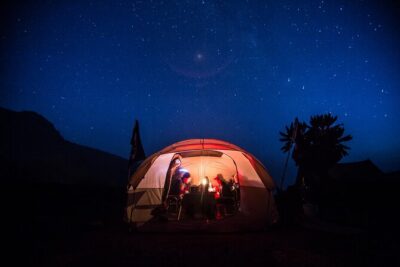
7-Day Machame Kilimanjaro Summit Tour from Arusha
Read our review →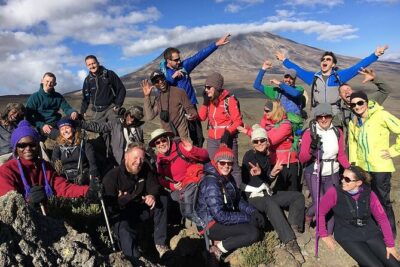
7 Days Kilimanjaro via Machame route affordable price
Read our review →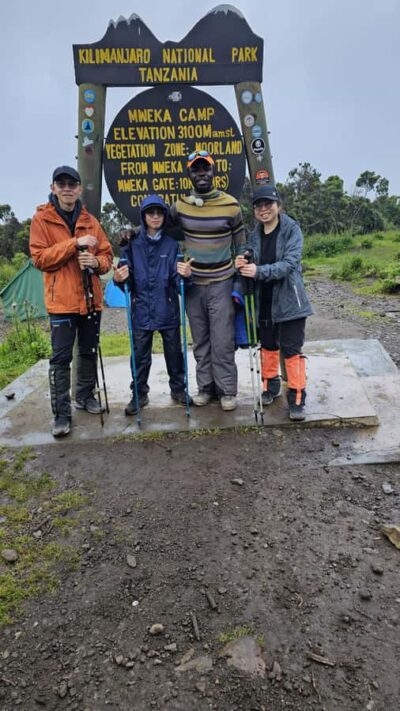
#1. Best Kilimanjaro Day hike Tour-Machame Route-ISMANI
Read our review →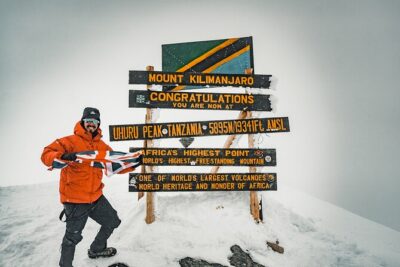
The Best of Machame Route in 6 Days: Your World’s Summit Guide
Read our review →Browse the lists this tour appears in