
Reviewed · MACHAME ROUTE CLIMBS
6-Day Guided Tour in Machame Route Mt Kilimanjaro
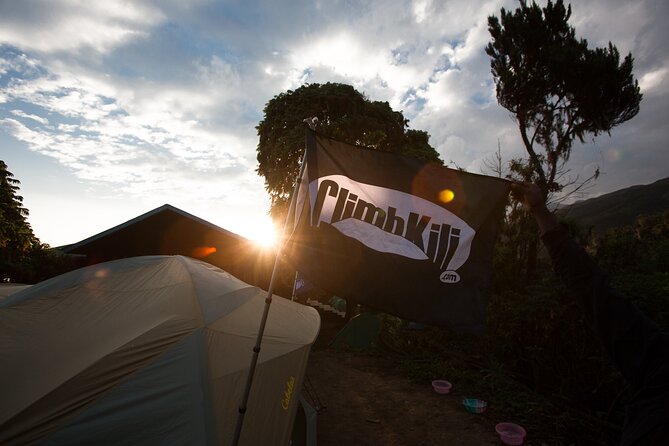
The summit is only half the story. This six-day climb with Climb Kili takes you from Arusha through rainforest, moorland, high desert, glaciers, and the Arctic-like summit zone of Mount Kilimanjaro. You sleep in mountain camps, walk with a small group of no more than six people, and finish at Uhuru Peak, Africa’s highest point.
I like the varied scenery and the strong support system provided by guides, porters, and cooks. I also like the small group size, which should make it easier for your guide to watch your pace and condition. The main concern is the schedule: six days is a demanding amount of time for acclimatization, especially when the final summit push lasts through the night.
The climb costs $2,495 per person, with pickup offered and park admission included. That is a serious price, but the value rests in the mountain crew, camp service, meals, transportation, and careful handling of a difficult high-altitude route. The company reports a 98 percent summit success rate, though no operator can remove the effects of altitude, weather, or individual fitness.
In This Review
- Key points to know before booking
- Why the Machame Route is a good choice
- Day 1: Machame Gate to the rainforest
- Day 2: Heather and moorland on the way to Shira
- Day 3: Lava Tower and the descent to Barranco
- Day 4: Up the Barranco Wall and across Karanga Valley
- Day 5: Stella Point, Uhuru Peak, and the long descent
- Day 6: Mweka Camp to the gate and back to Arusha
- The guides, porters, and camp service
- Is $2,495 a fair price?
- Who should book this climb?
- Practical advice for a smoother climb
- Should you book the Climb Kili Machame Route?
- FAQ
- Where does the tour start?
- Where does the tour end?
- How long is the Mount Kilimanjaro tour?
- How many people can join the group?
- Is pickup available?
- How fit do I need to be?
- What is the cancellation policy?
Key points to know before booking
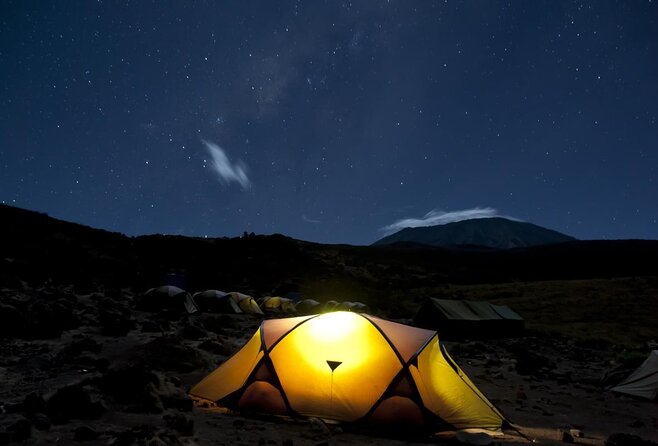
- A six-day route with a midnight summit start: You climb toward Stella Point overnight, then continue to Uhuru Peak before descending to Mweka Camp.
- Five distinct climate zones: The route begins in thick rainforest and progresses through heather, moorland, alpine desert, and the cold summit zone.
- A small maximum group of six: This is useful for setting a steady pace and keeping communication simple on long, tiring days.
- Strong praise for the mountain crew: Guides including Goodluck and Herment, along with assistant guides and porters, receive repeated praise for care, motivation, and organization.
- The hardest day covers 13 miles: The summit day includes roughly six to seven hours upward and four to six hours back down.
- A demanding fitness requirement: You should have a strong physical fitness level and be ready for steep walking, cold, fatigue, and altitude.
Why the Machame Route is a good choice
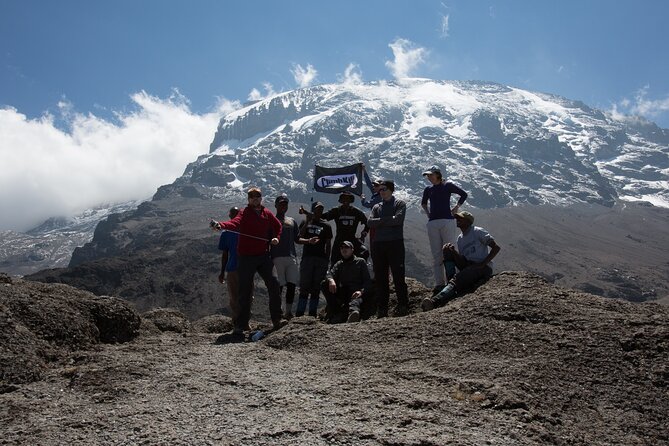
Machame is often called the Whiskey Route, a name that hints at its tougher, more scenic character compared with easier trekking routes. Here, the path changes constantly. You start beneath tall forest, then walk into open high country where the views widen and the air thins.
I like this route because it does not feel like one long uphill corridor. The trail rises, drops, bends around valleys, and uses an acclimatization climb to Lava Tower before descending to Barranco Camp. That rhythm gives you a chance to walk high and sleep lower, at least for part of the route.
The route also gives you the Barranco Wall, one of the most memorable sections of the mountain. It is not described as a technical climbing route, but you should expect a steep, adventurous section that requires care and concentration.
The catch is the six-day format. The mountain is high enough that acclimatization matters more than speed. A seven-day version is referred to in the tour description, while the detailed schedule covers six days, so confirm the exact number of nights and walking days before paying. The six-day plan can work for a fit person, but it leaves less margin if you need a slower pace.
More Machame Route climbs:
- 7-Day Machame Kilimanjaro Summit Tour from Arusha
★ 5.0 · 125 reviews - 6 Days: Hiking Kilimanjaro via Machame Route
★ 5.0 · 24 reviews - KILIMANJARO MACHAME ROUTE, (Climb 7days)
★ 5.0 · 16 reviews
Day 1: Machame Gate to the rainforest
Your morning begins with breakfast at the hotel, followed by a transfer from Summit Lodge in Arusha to Machame Gate. The stated meeting time is 8:00 a.m. After park formalities, you start walking through the rainforest toward Machame Camp.
The first day covers about 6.8 miles and takes roughly five to seven hours, although the schedule also lists four hours in its summary. That difference is worth noting. Mountain walking times depend on trail conditions, group pace, breaks, and weather, so you should plan for the longer estimate rather than the shorter one.
The rainforest section is lush but not effortless. Lower down, the path can be muddy and slippery. Gaiters and trekking poles are practical here, not decorative extras. Good footwear matters from the first step.
You finish at Machame Camp, around 9,400 feet. Your tent is expected to be set up when you arrive, with personal belongings ready and dinner served. That camp support is important because you will be tired after the transfer and first climb. It lets you focus on eating, drying wet gear, and sleeping rather than managing camp chores.
Day 2: Heather and moorland on the way to Shira
After breakfast, the forest begins to thin. You cross a small valley and follow a steep, rocky ridge into the heather and moorland zone. The scenery opens up, but the trail becomes more exposed and continues to gain height.
The day covers roughly 2.8 miles and takes four to six hours, with Shira Camp at about 12,500 feet. The short distance can fool you. At this altitude, a few miles uphill can feel like a full day, especially if you are still adjusting to the mountain.
The route eventually turns west into a dry river gorge. This change in direction gives the day a more remote feel, with fewer signs of the forest below. You reach camp in time to rest before dinner.
This is a good day to follow the classic mountain rule of walking slowly. Do not try to match the fastest person in the group. Your guide’s job is not simply to get you to camp, but to help you arrive with enough energy for the higher days ahead.
Day 3: Lava Tower and the descent to Barranco
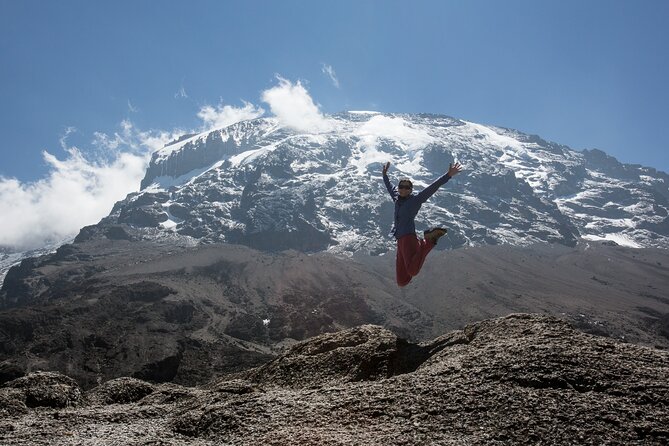
Day three is the route’s major acclimatization day. You climb toward Lava Tower, listed at about 15,000 feet, then descend to Barranco Camp at approximately 13,000 feet.
The schedule contains two different distance and time entries for this portion, one describing about 4.3 miles and four to six hours, and another listing 5.6 miles and six to eight hours. Treat this as a long high-altitude day rather than relying on an exact mileage figure.
Lava Tower is valuable because you reach a higher elevation and then sleep lower. That gives your body a useful test without forcing you to spend the night at the highest point reached that day. You may feel headache, fatigue, or shortness of breath here. Tell the guide early if something feels wrong.
After a rest at the tower, the trail descends through a large Senecio forest and passes a waterfall before reaching Barranco Camp. The camp sits beneath the Barranco Wall, with clouds often moving up from the valley. This is one of the route’s most dramatic settings.
The day can feel confusing because you gain height only to lose it again. That is intentional. The descent is not wasted effort. It is part of the acclimatization plan and helps make the next stages more manageable.
A few more options to weigh up in Arusha
- Balloon Safari & Bush Breakfast in Serengeti – Miracle Experience
★ 5.0 · 1,646 reviews - Tanzania Classic – 7 Days
★ 5.0 · 1,151 reviews - 4 Days Group Camping Safari
★ 5.0 · 1,101 reviews - 5 Days Group Camping Safari
★ 5.0 · 730 reviews
Day 4: Up the Barranco Wall and across Karanga Valley
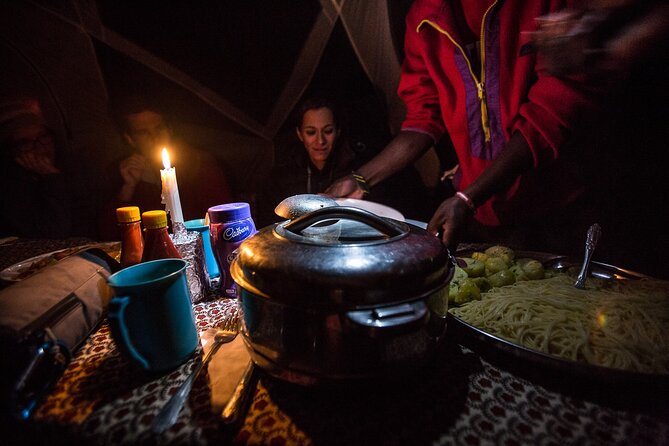
Day four begins with the Barranco Wall. This is the point where the Machame Route feels adventurous rather than simply strenuous. You climb a steep rocky section into the higher zone of the mountain, using hands and feet at times if needed, though the route remains non-technical.
The scheduled walking distance is about 2.2 miles, with four to five hours of walking. Again, distance does not tell the whole story. The wall takes concentration, and the trail beyond it continues through the South Circuit toward Karanga Valley.
The camp sits around 13,100 feet. You may have time to rest, organize your summit clothes, and think through the midnight departure ahead. Do not waste that rest period. The next day is the physical and mental center of the entire climb.
I like this day because it gives you a sense of progress without the punishing distance of summit day. You are high above the forest now, surrounded by a stark mountain world. The drawback is that the short mileage can create false confidence. The altitude remains the real challenge.
Day 5: Stella Point, Uhuru Peak, and the long descent
Summit night begins around midnight. You leave Karanga Camp and climb through the darkest and coldest part of the route toward Stella Point on the crater rim.
The ascent to Stella Point takes about six to seven hours. The trail is steep and covered in heavy scree, so every step can slide backward slightly. This is often the section where the climb becomes a test of patience. Your guide sets a slow pace, and you should keep your breathing controlled rather than racing toward the people ahead.
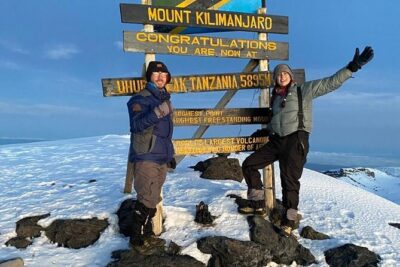
The reward is sunrise near Stella Point. From there, Uhuru Peak is about another hour away. The route continues between the Rebmann and Ratzel glaciers before reaching the summit at 19,340 feet, or 5,895 meters.
The summit moment is likely to be brief. At that altitude, cold, wind, exhaustion, and limited oxygen make it difficult to linger. Take your photos, recognize the achievement, and follow your guide’s advice about starting down.
The full day is listed at about 13 miles, including roughly five kilometers of ascent and 12 kilometers of descent. The upward section takes six to seven hours, while the descent can take four to six hours. You then continue to Mweka Camp for dinner and a celebration.
That last part matters. Reaching Uhuru Peak is only half of the day. The descent can be hard on tired knees, and scree can make footing awkward. Keep water and snacks accessible, and do not assume the day is finished once you leave the summit.
Some past climbs have had an early start advantage over groups camped lower on the mountain. If that is still part of your arrangement, it may help with the sunrise timing and reduce congestion on the upper trail. Confirm it directly, since permits and mountain procedures can change.
Day 6: Mweka Camp to the gate and back to Arusha
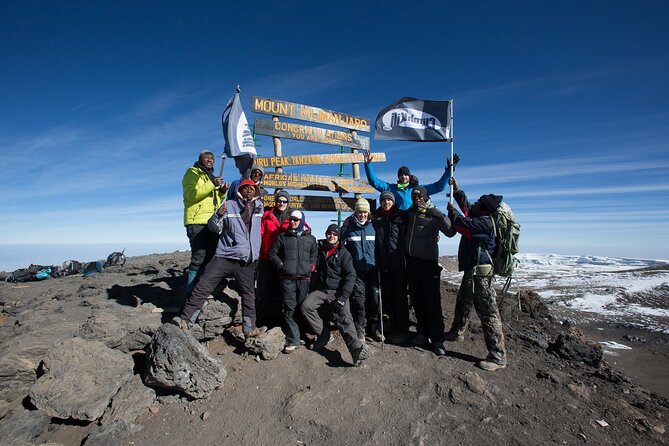
The final morning is a 6.4-mile walk to Mweka Gate, usually taking three to four hours. Compared with summit day, this is gentler, but your legs may still feel every step.
The route brings you back toward lower elevations, where the air becomes easier and the vegetation changes again. At the gate, the Climb Kili vehicle transfers you back to your hotel for a much-needed shower.
This transfer is a small but important part of the service. After six days in tents and a night without normal sleep, you will appreciate not having to arrange your own ride from the park.
The guides, porters, and camp service
The strongest part of this experience is the human support. The guide names that appear repeatedly in connection with these climbs include Goodluck, Herment, Amani, Emanuel, Minja, Florian, Gabby, Godlove, Leberatos, Gabi, Omi, and Lede.
You should not assume that one particular guide will lead your group, but these names give you a sense of the company’s guide pool and the kind of service expected. The praise focuses on calm encouragement, safety, organization, and genuine care when someone struggles with altitude.
The porters receive equally strong attention. Camp is often ready before the group arrives, and the crew handles tents and personal belongings. Meals are prepared three times a day, with hot food repeatedly described as a major help on the climb. Vegetarian meals have also been accommodated.
That level of support changes the nature of the trip. You are still doing the walking, and nobody can carry your lungs up the mountain, but you do not have to set up camp after a hard day or prepare food when you are cold and exhausted.
The company’s reported 98 percent summit success rate is encouraging, but read it properly. It is a company figure, not a promise. Altitude sickness, weather, and individual health can affect anyone. A responsible guide may turn someone around, and that is a safety decision, not a failed service.
Is $2,495 a fair price?
At $2,495 per person, this is not a bargain trek. It may be fair value if the price covers the full operating package represented by the experience: park admission, transfers, guides, porters, camp setup, and meals.
The price is easier to justify if you value close supervision and organized logistics. A maximum group of six is especially attractive because large groups can move at different speeds and make it harder for one guide to monitor everyone.
You should ask for a clear list of inclusions before booking. The information confirms pickup is offered and admission tickets are included, but it does not spell out every item such as hotel nights, gear rental, tips, or airport transfers. Those details can change the real cost.
The service described here is more supportive than a bare-bones walking package. Hot meals, prearranged camps, and a dedicated crew matter on a mountain where small comforts can make a long day feel possible.
Who should book this climb?
I would consider this tour a good fit if you are physically fit, comfortable sleeping in mountain camps, and ready for long days at high altitude. It can suit a first-time high-altitude trekker because the route is guided and the crew support is substantial.
You do not need to be an advanced climber in the technical sense. The route is described as suitable for beginning trekkers as well as experienced climbers, and it is non-technical. You do need stamina, patience, and the discipline to walk slowly.
Families have used the service, including a group with teenagers, but the physical demands remain serious. A young age alone does not make the climb easy. Anyone in your group should be prepared for cold, fatigue, steep trails, and the possibility of altitude trouble.
Solo climbers can also fit into the small-group format. One solo woman specifically praised the sense of safety and support. Still, you should be comfortable sharing the mountain experience with a small group rather than expecting a private climb.
Book it if you want a structured, well-supported ascent and can accept the intensity of a six-day schedule. If you prefer more time to acclimatize, ask about the seven-day version mentioned in the tour description before choosing your dates.
Practical advice for a smoother climb
Pack gaiters and trekking poles for the muddy rainforest section. Bring layers for major temperature changes, since you will move from humid forest to cold summit conditions.
Use the rest periods well. Keep personal items organized, protect anything that must stay dry, and prepare your summit clothing before going to sleep on day four. At midnight, you will not want to search through every bag for gloves or a warm layer.
Walk at the pace set by the guide. The mountain rewards slow progress, and a rushed start can cost you later. Eat even when your appetite is low, drink regularly, and report symptoms early.
Ask Climb Kili to confirm the exact itinerary because the description includes both six-day and seven-day wording, as well as different distance estimates for part of day three. Also clarify what the $2,495 price includes beyond park admission and transport.
Should you book the Climb Kili Machame Route?
I would book this tour if you want a small, highly supported group and you value the work of a full mountain crew. The repeated praise for guides, porters, camp preparation, hot meals, and support during difficult moments is meaningful, especially on a climb where service affects both comfort and safety.
I would hesitate only if you need a slower acclimatization plan or dislike uncertainty in the schedule. Confirm the six-day versus seven-day format, ask for the full list of inclusions, and be honest about your fitness.
For a strong walker who wants the classic rainforest-to-summit experience without handling the logistics alone, Climb Kili’s Machame Route is a serious but appealing choice.
FAQ
Where does the tour start?
The meeting point is Summit Lodge, Sakina Raskazone, Arusha, Tanzania. The stated start time is 8:00 a.m.
Where does the tour end?
The activity ends back at the meeting point after transportation from Mweka Gate to the hotel.
How long is the Mount Kilimanjaro tour?
The detailed schedule covers six days. The overview also refers to a seven-day Machame route, so you should confirm the exact duration when booking.
How many people can join the group?
The maximum group size is six people.
Is pickup available?
Yes. Pickup is offered, and the schedule includes a vehicle transfer from the hotel to Machame Gate and from Mweka Gate back to the hotel.
How fit do I need to be?
The experience requires a strong physical fitness level. The route includes steep walking, high altitude, a midnight summit start, and a summit day of about 13 miles.
What is the cancellation policy?
You can cancel at least 24 hours before the local start time for a full refund. Cancellations or changes made less than 24 hours before the start time are not accepted for a refund.
Just added in Arusha
- Safari “Kifaru” – 5 days in the most famous Parks in the world★ 5.0 · 4 reviews
- Saadani Day Trip★ 5.0 · 13 reviews
- 3 Days Tanzania Short and Spicy★ 5.0 · 6 reviews
- 5 Day Tanzania Safari Camping Adventure Private Tour★ 5.0 · 2 reviews
- Day Trip to Ngorongoro Crater from Arusha★ 5.0 · 1 review
- SERENGETI NATIONAL PARK Tour★ 4.5 · 5 reviews
- 3 Days Serengeti Park & Ngorongoro Crater Adventure Safari★ 5.0 · 8 reviews
- 6 Days Tanzania Bush Experience Safari★ 5.0 · 6 reviews
Machame Route Climbs, compared.
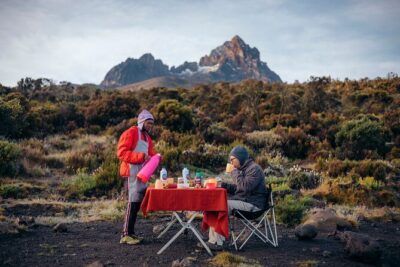
Climbing Kilimanjaro through 7 days Machame Route
Read our review →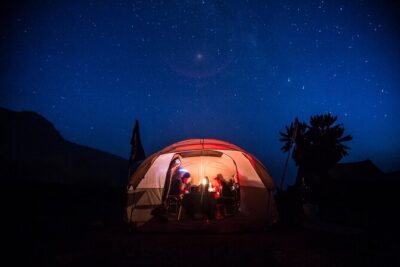
7-Day Machame Kilimanjaro Summit Tour from Arusha
Read our review →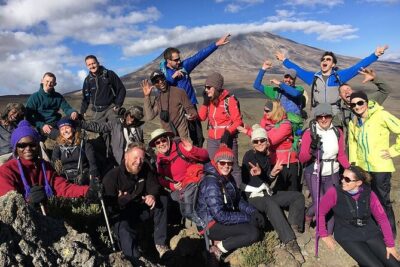
7 Days Kilimanjaro via Machame route affordable price
Read our review →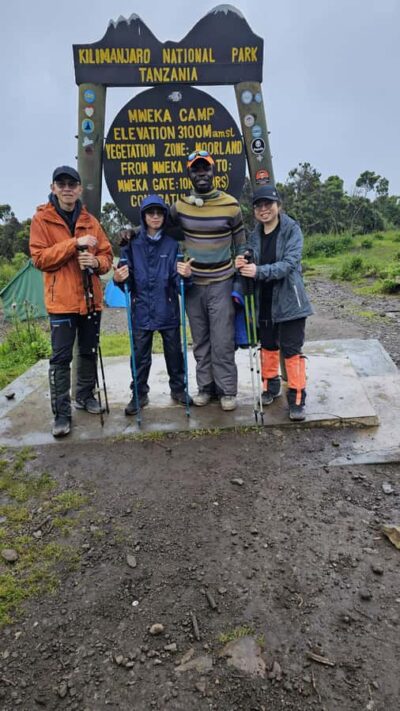
#1. Best Kilimanjaro Day hike Tour-Machame Route-ISMANI
Read our review →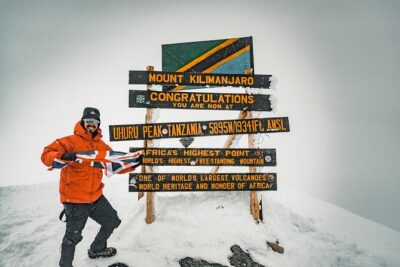
The Best of Machame Route in 6 Days: Your World’s Summit Guide
Read our review →Browse the lists this tour appears in