
Reviewed · MARANGU ROUTE CLIMBS
6 Days Trekking Marangu Route Mount Kilimanjaro
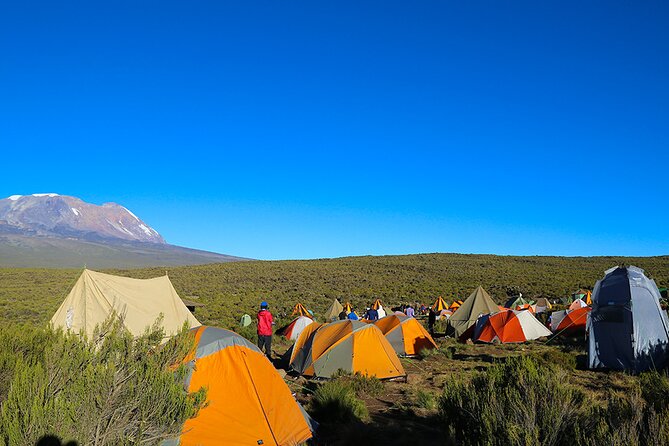
Kilimanjaro rewards steady feet. This six-day Marangu Route climb gives you a gradual ascent, simple mountain huts instead of tents, and an extra night at Horombo for acclimatization. I like the route’s practical design and its hut accommodation, which removes some camping work from an already demanding climb. I also like the small group limit of six people, which should make the pace and guide support more personal.
The main caution is summit night. The lower sections are moderate, but the final climb begins around 11:30 p.m. and includes steep scree, cold, darkness, and high altitude. The route is often called the easier Kilimanjaro option, but that does not make Uhuru Peak easy.
In This Review
- Key things to know before booking
- Why the Marangu Route works for some climbers
- Day 1: Arusha or Moshi to Mandara Hut
- Day 2: Leaving the forest for Horombo Hut
- Day 3: Acclimatization near Zebra Rocks
- Day 4: Horombo to Kibo and an early bedtime
- Day 5: The steep climb to Gillman’s Point and Uhuru Peak
- Day 6: Descending through the forest to Marangu Gate
- What the $1,900 price includes
- Guides, food, and organization
- Who should choose this six-day climb?
- Should you book the Marangu Route?
- FAQ
- How long is the Marangu Route experience?
- What time does the tour start?
- Where do you sleep during the climb?
- Is there an acclimatization day?
- What is included in the $1,900 price?
- What is not included?
- Can I cancel for a full refund?
Key things to know before booking
- Mountain huts replace tents: You sleep in simple huts at Mandara, Horombo, and Kibo, a useful comfort for anyone who does not want several nights of camping.
- The extra Horombo night matters: Day three is set aside for acclimatization, with a recommended hike toward Mawenzi and Zebra Rocks.
- Summit night is the hard part: The climb to Gillman’s Point begins shortly before midnight and involves a steep, rocky ascent.
- The group is limited to six: A small party can help with pacing, communication, and support on the mountain.
- The price covers major essentials: At $1,900 per person, the package includes park fees, guides, porters, a cook, transport, huts, and meals.
- Guide care earns strong praise: Michael and Yano are specifically named in one account for looking after the group, while the company is also praised for communication and organization.
Why the Marangu Route works for some climbers
The Marangu Route follows a steady line up the eastern side of Kilimanjaro. It is well developed, and the climb is mostly constant and moderate until the summit approach. That makes it a sensible choice if you prefer a clear trail and fixed hut accommodation.
The huts are basic, not hotel rooms. Still, a roof, a bed, and shelter from mountain weather can feel like a major luxury after a long day of walking. This route is often selected by people who would rather carry day essentials and sleep indoors than spend the entire climb in tents.
I also see value in the six-day schedule. The added night at Horombo gives your body more time to adjust before you move higher. At altitude, a slower schedule is not wasted time. It can make the difference between enjoying the mountain and simply trying to endure it.
The route does have a tradeoff. Because it is the most direct and popular route up Kilimanjaro, you may find more people on the trail than on less-used routes. The information provided does not give exact hut conditions or sleeping arrangements, so you should ask the operator what bedding and shared facilities are supplied before departure.
More Kilimanjaro climbs:
- Mount Kilimanjaro Day Hike Through Marangu Route to Mandara Hut
★ 5.0 · 37 reviews - Mount Kilimanjaro Day Hike
★ 4.5 · 23 reviews - 7 Day Kilimanjaro Climb Lemosho Route & 2 Day Safari
★ 5.0 · 16 reviews
Day 1: Arusha or Moshi to Mandara Hut
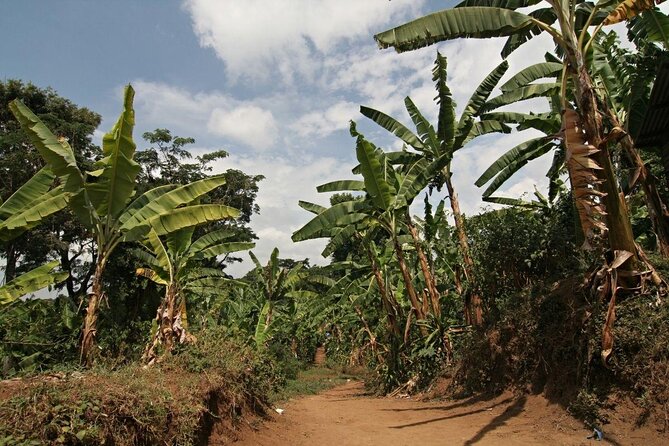
The day begins with departure from Arusha or Moshi at about 8:00 a.m., with the stated meeting time at 7:00 a.m. You travel to Marangu Gate, complete mountain registration, and begin walking through Kilimanjaro’s cloud forest.
The first day is a pleasant introduction to the climb. The trail runs through rainforest for most of the route, with a narrow path and steadily rising ground. You stop for a picnic lunch at Kisambioni, roughly halfway through the day, then continue toward Mandara Hut.
At Mandara, you can rest for the afternoon or take a short walk to Mahundi Crater. I would treat that optional walk as worthwhile if your legs feel good. On a clear day, you can look east toward Taveta and northwest toward Mawenzi Peak. Those views give you an early sense of the scale of the mountain.
The first day is not only about distance. It also teaches you how the group walks, how your guide sets the pace, and how your body responds to the climb. Keep your daypack light and make water, a rain layer, and warm clothing easy to reach.
Day 2: Leaving the forest for Horombo Hut
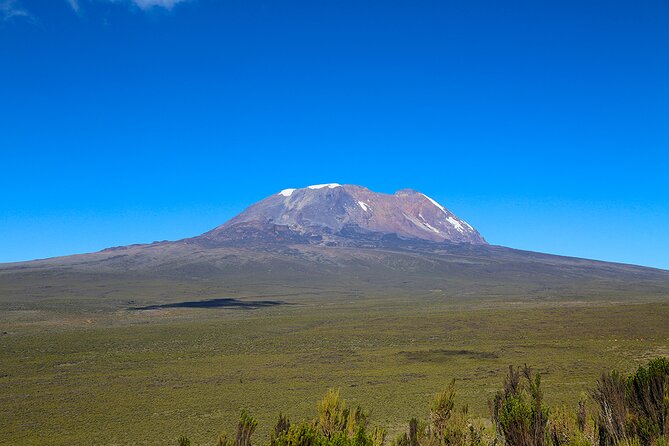
After breakfast, the route leaves the forest and enters Kilimanjaro’s moorland. The scenery changes quickly. You move into a rocky, open area with desert-like plants, and the trees no longer provide the same shelter.
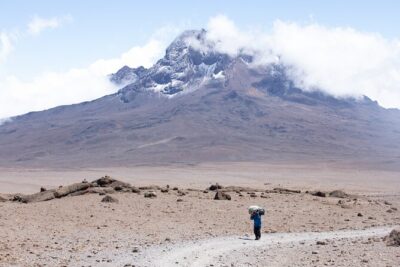
A picnic lunch is planned at Kambi ya Taabu before you continue to Horombo Hut. If the sky is clear, Mawenzi and Kibo Peaks provide the day’s main views. These two peaks help you understand the mountain’s shape, with Mawenzi’s sharp form contrasting with Kibo’s broad summit area.
Arrival at Horombo is expected around 3:00 p.m. That leaves time to relax, sort your gear, and prepare for the next stage. Do not treat the afternoon as a chance to prove your fitness. Rest is part of the program, especially before the higher sections.
Horombo is also where the hut-based format becomes especially useful. You are high enough for the altitude to matter, and having a fixed place to eat and sleep keeps the evening simpler than a camp setup.
Day 3: Acclimatization near Zebra Rocks
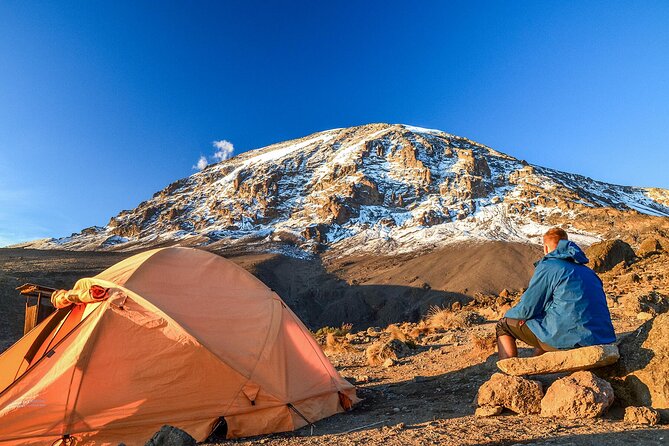
Day three is the schedule’s smartest feature. You spend another night at Horombo rather than gaining more altitude immediately. That extra time helps your body adjust before the route moves into the Alpine desert.
The recommended outing heads toward Mawenzi and passes Zebra Rocks. The walk takes about three hours up and one and a half hours down. It is a useful way to gain some height during the day, then return to the same hut for the night.
You should not judge this day by how much distance you cover. Its purpose is adjustment, not speed. If you feel tired, the information provided does not require you to complete the optional walk, so discuss your condition with your guide.
This is also a good time to check gloves, headlamp, water containers, and summit clothing. The final ascent will begin late at night, and small packing mistakes are harder to fix when you are tired and walking in darkness.
More Marangu Route climbs:
- Private Full Day Hiking Experience to Marangu Route
★ 5.0 · 61 reviews - From Arusha/Moshi: Kilimanjaro Hike Marangu Route Day Trip
★ 4.5 · 54 reviews - Marangu waterfall & Coffee making Cultural Tour | BURIGI CHATO SAFARIS CO LTD
★ 5.0 · 12 reviews - Climb Kilimanjaro – Marangu Route 8 Day Program
★ 5.0 · 10 reviews
Day 4: Horombo to Kibo and an early bedtime
After breakfast, you continue upward through the Alpine desert. The route passes the last water point at about 13,550 feet, or 4,130 meters. You must fill your bottles with enough water for the climb and the return to Horombo two nights later, unless you choose to buy mineral water at Kibo Hut.
That water instruction deserves attention. Carrying what you need adds weight, but running short at high altitude is a far worse problem. Ask before departure how much water your porter or support team will carry and how your personal daypack will be handled.
Kibo Hut is the staging point for the summit attempt. The summit is listed as another 3,921 feet, or 1,195 meters, above this area. You are expected to go to bed around 6:30 p.m., then wake near 11:30 p.m. for tea and biscuits.
This is a short evening, and sleep may be difficult. Even so, lie down, organize your clothing, and keep your summit gear ready. You will not want to search through bags at midnight.
Day 5: The steep climb to Gillman’s Point and Uhuru Peak
This is the day that tests the climb. Around 11:30 p.m., you leave Kibo after tea and biscuits and begin along a rocky trail toward Hans Meyer Point at about 17,225 feet, or 5,250 meters.
Hans Meyer Point is described as a useful resting place. From there, the trail zigzags toward Gillman’s Point on the crater rim, at about 18,639 feet, or 5,681 meters. The route becomes very steep, with loose stone scree underfoot. You need both physical effort and mental patience here.
The darkness changes the character of the climb. You focus on the ground immediately ahead, your breathing, and the steady pace set by the guide. The schedule does not promise a particular summit arrival time, so expect the climb to be governed by conditions and your group’s progress.
Gillman’s Point is an important achievement, but the stated gold-certificate destination is Uhuru Peak, listed at 19,341 feet, or 5,895 meters. Climbers who reach Gillman’s Point receive silver certificates. Those who reach Uhuru Peak receive gold certificates.
The difference between the two points matters. Reaching the crater rim does not necessarily mean you have reached the highest point. Ask the operator before departure how the final section from Gillman’s Point to Uhuru Peak is handled, including expected timing and support.
After the summit attempt, you return toward Kibo and continue down to Horombo Hut according to the route plan. This makes day five exceptionally long and demanding. The schedule information does not provide exact walking hours, so conserve energy early and follow your guide’s instructions about breaks.
Day 6: Descending through the forest to Marangu Gate
After breakfast, you make the final descent to Marangu Gate. The trail returns through Kilimanjaro’s cloud forest, giving you a welcome change from the open, dry upper zones.
The descent may feel easier than the climb, but it still demands care. The trail can be slippery, so watch your footing, especially when tired. Trekking poles, if you use them, can be helpful here, though they are not listed as included equipment.
At Marangu Gate, you sign out and receive your summit certificate if you reached Gillman’s Point or Uhuru Peak. The vehicles then take you back to Arusha.
The return transfer is included, along with arrival and departure transfers and private transportation. That is useful after a long descent because you do not need to arrange a separate ride from the gate.
What the $1,900 price includes
At $1,900 per person, this is not a budget walk, but the price includes many of the costs that make a Kilimanjaro climb possible. The package covers park fees, guides, porters, a cook, porter and staff salaries, taxes, private transport, accommodation before climbing, and meals.
Breakfast, lunch, and dinner are listed as seven meals each. Since the trip is described as six days, confirm the exact meal count and accommodation nights before paying. The package also includes the mountain huts, although it does not describe their room layouts or bedding.
The strongest value comes from the support system. You are not simply paying for a marked trail. You are paying for permits, mountain staff, food preparation, transport, and a planned acclimatization schedule. The small maximum group of six should also help keep communication clear.
You still need to budget for international or domestic flights, alcoholic drinks, visa fees, tips, and mountaineering insurance. Insurance is particularly important to check carefully because ordinary travel insurance may not cover high-altitude trekking.
Guides, food, and organization
The available feedback gives special credit to the company’s organization and communication. One account specifically names guides Michael and Yano, saying they took good care of the group. Another describes the food and accommodation as good and praises the overall planning.
A separate account describes the trekking crew as eager to help, including carrying luggage and walking toward the group to assist with smaller backpacks. That suggests a useful level of practical support, but you should still ask what baggage allowance applies and how much you are expected to carry yourself.
The company, Meru Slopes Tours and Safaris, also handles more than mountain climbs. A custom program combining Kilimanjaro with a three-day safari was arranged for one party. That may be useful if you want to add wildlife viewing before or after the trek, though this six-day package itself does not include a safari.
Who should choose this six-day climb?
I would consider this route a good match if you want:
- Hut accommodation instead of a full camping setup
- A gradual route with an extra acclimatization night
- A small group, limited to six people
- Private transportation and organized transfers
- A package covering park fees, staff, food, and mountain support
- A clear summit goal at Gillman’s Point or Uhuru Peak
I would think twice if you want a quiet route with little foot traffic, a long summit schedule with more recovery time, or detailed information about hut facilities before booking. The final night is tough, and the route’s easier reputation can create false confidence.
Most travelers can participate according to the supplied details, but you still need to be honest about your fitness and altitude concerns. The summit section requires sustained effort, and good weather is necessary for the activity to operate.
The tour offers free cancellation if you cancel at least 24 hours before the start time. Changes made inside that period are not accepted, and poor weather can lead to a different date or a full refund.
Should you book the Marangu Route?
I would book this six-day Marangu climb if hut accommodation, organized support, and acclimatization time matter more to you than choosing the quietest route. The price is reasonable for a package that includes park fees, mountain staff, meals, transport, and pre-climb accommodation.
Before confirming, ask about hut bedding, water-carrying arrangements, exact meal and accommodation counts, insurance requirements, and the plan between Gillman’s Point and Uhuru Peak. If those details suit you, this is a practical, well-supported way to attempt Kilimanjaro, with the important warning that summit night remains a serious high-altitude climb.
FAQ
How long is the Marangu Route experience?
The experience lasts approximately six days, starting from Arusha or Moshi and ending with a transfer back after the descent from Marangu Gate.
What time does the tour start?
The listed meeting time is 7:00 a.m. Departure from Arusha or Moshi is planned for around 8:00 a.m. on the first day.
Where do you sleep during the climb?
Accommodation is in simple mountain huts rather than tents. The route uses huts at Mandara, Horombo, and Kibo.
Is there an acclimatization day?
Yes. Day three is an additional night at Horombo Hut. A hike toward Mawenzi, passing Zebra Rocks, is recommended to support acclimatization.
What is included in the $1,900 price?
The price includes fees and taxes, private transportation, pre-climb accommodation, guides, porters, a cook, park fees, staff salaries, arrival and departure transfers, and listed breakfasts, lunches, and dinners.
What is not included?
International and domestic flights, alcoholic drinks, visa fees, tips, and mountaineering insurance are not included.
Can I cancel for a full refund?
Yes, if you cancel at least 24 hours before the experience starts. Cancellations or changes made less than 24 hours before the start time are not accepted for a refund. If poor weather causes the operator to cancel, you are offered another date or a full refund.
More Treks in Arusha
- 8-Day Small-group Lemosho Kilimanjaro Summit Trekking
★ 5.0 · 186 reviews - Mountain Kilimanjaro Day Hike
★ 5.0 · 102 reviews - 4 Days Mount Meru Trekking
★ 5.0 · 55 reviews - 4 days Best experience Kilimanjaro Hike, Serengeti &Ngorongoro
★ 5.0 · 54 reviews
Just added in Arusha
- Safari “Kifaru” – 5 days in the most famous Parks in the world★ 5.0 · 4 reviews
- 3 Days Tanzania Short and Spicy★ 5.0 · 6 reviews
- 5 Day Tanzania Safari Camping Adventure Private Tour★ 5.0 · 2 reviews
- Saadani Day Trip★ 5.0 · 13 reviews
- Day Trip to Ngorongoro Crater from Arusha★ 5.0 · 1 review
- SERENGETI NATIONAL PARK Tour★ 4.5 · 5 reviews
- 3 Days Serengeti Park & Ngorongoro Crater Adventure Safari★ 5.0 · 8 reviews
- 6 Days Tanzania Bush Experience Safari★ 5.0 · 6 reviews
Marangu Route Climbs, compared.
Private Full Day Hiking Experience to Marangu Route
Read our review →
From Arusha/Moshi: Kilimanjaro Hike Marangu Route Day Trip
Read our review →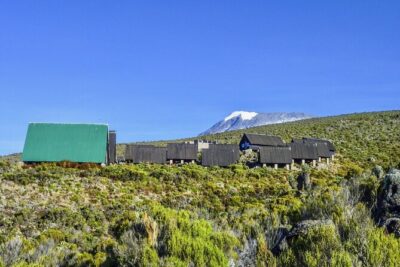
Mount Kilimanjaro Day Hike Through Marangu Route to Mandara Hut
Read our review →
Marangu waterfall & Coffee making Cultural Tour | BURIGI CHATO SAFARIS CO LTD
Read our review →
Climb Kilimanjaro – Marangu Route 8 Day Program
Read our review →Browse the lists this tour appears in