
Reviewed · 7-DAY EXPERIENCES
7 Day Grand Tanzania Safari
Wildlife begins before the Serengeti. This seven-day Tanzania safari links four major wildlife areas in one carefully packed route, from elephant country in Tarangire to the Ngorongoro Crater. I like the chance to see the Big Five and the private format, where only your own group takes part.
I also like that meals, park visits, daily transport, and overnight arrangements are handled for you. The main caution is the amount of time spent on rough roads and long drives, especially on the way to and from the Serengeti. This is an active safari, not a gentle holiday with lots of free time.
In This Review
- Key details before you book
- What the seven-day route really offers
- Day 1: Tarangire’s elephants and baobab country
- Day 2: Lake Manyara beneath the Rift Valley escarpment
- Day 3: The long road into the Serengeti
- Day 4: Two game drives in central Serengeti
- Day 5: Sunrise choice, balloon flight, and the road to Karatu
- Day 6: Ngorongoro Crater and the Big Five possibility
- Day 7: Return to Arusha by midday
- Meals, camps, and the practical tradeoffs
- Who will get the most from this safari?
- Should you book the 7 Day Grand Tanzania Safari?
- FAQ
- Where does the safari start?
- How long does the experience last?
- Which national parks and conservation areas are included?
- Is this a private tour?
- Are meals included?
- Is the hot-air balloon flight included?
- Does the safari guarantee sightings of all the Big Five?
Key details before you book
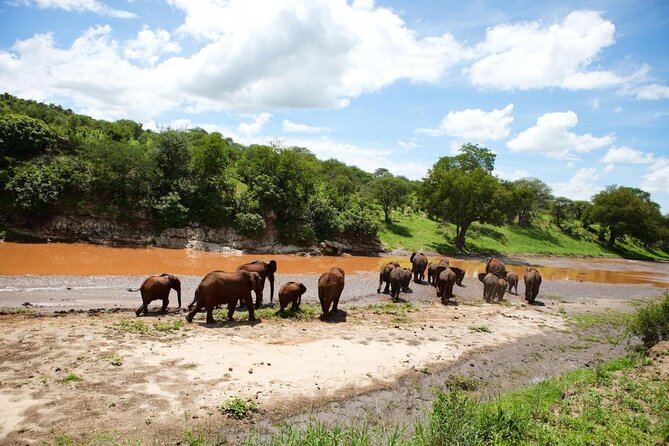
- Elephants in Tarangire: The park is one of Tanzania’s best places for close elephant sightings, with baobabs and seasonal marshes setting the scene.
- Four distinct wildlife areas: You visit Tarangire, Lake Manyara, Serengeti, and the Ngorongoro Conservation Area.
- Two full Serengeti days: This gives you more than a quick drive-through of Tanzania’s most famous park.
- A private safari vehicle: Only your group participates, allowing some flexibility in the daily pace and wildlife stops.
- Optional hot-air balloon flight: You can arrange a sunrise balloon ride over the Serengeti at an extra cost.
- Strong overall satisfaction: The tour carries a 4.9 rating from 13 ratings, with 100 percent recommending it.
What the seven-day route really offers
At $2,800 per person, this safari sits in the range where you are paying for a broad, organized route rather than a minimalist camping trip. The price covers breakfast each day, six dinners, seven lunches, park admission at the listed stops, and the basic safari program. Personal expenses and optional activities are extra.
The greatest value is the variety. In one week, you see giant baobabs, a soda lake beneath the Great Rift Valley escarpment, open Serengeti plains, Maasai cultural life, and the enclosed wildlife world of Ngorongoro Crater.
That variety comes with a tradeoff. Tanzania’s parks are spread out, and the route involves long stretches in a safari vehicle. You should expect bumpy roads, early mornings, and several days built around six hours of activity. The payoff is that you do not spend your entire holiday in one park.
The private setup is important. Your group alone takes part, rather than joining a large shared vehicle. That can make it easier to ask for a longer wildlife stop or discuss what you most want to see. The actual flexibility will depend on the guide, road conditions, park rules, and the day’s schedule.
A few more options to weigh up in Kilimanjaro
- 7 Days Kilimanjaro via Machame route affordable price
★ 5.0 · 110 reviews - Great Migration Safari In Tanzania
★ 5.0 · 71 reviews - Kilimanjaro Airport taxi to/from Moshi town/Arusha town
★ 5.0 · 60 reviews
Day 1: Tarangire’s elephants and baobab country
The safari begins with a morning briefing, followed by an approximately two-hour drive to Tarangire National Park. The first game drive lasts about six hours, so you get a substantial introduction to Tanzania’s wildlife rather than a brief afternoon visit.
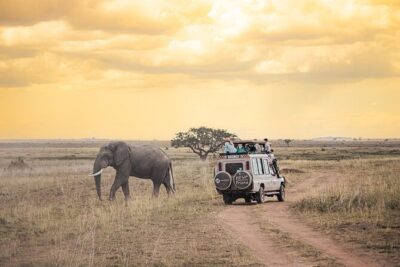
Tarangire is known for its large elephant population. You may also see buffalo, zebra, wildebeest, and lions. Leopards appear from time to time, while cheetahs are rarely spotted here. That distinction matters if your main goal is a particular predator. The park gives you a strong opening for elephants and herbivores, but no safari can promise every species.
The park’s giant baobab trees give Tarangire a look unlike the open plains of the Serengeti. Bush savannah and seasonal marshes draw animals to different parts of the park as water conditions change. From the open roof of the safari vehicle, you can watch wildlife while taking in the broad setting around it.
You spend the night at Eileen’s Tree Inn after leaving the park in the late afternoon. Since the first day begins with a briefing and a drive, expect an early start and a full day before dinner.
Day 2: Lake Manyara beneath the Rift Valley escarpment
After breakfast, you travel to Lake Manyara National Park for another six-hour wildlife day. The park is compact compared with the Serengeti, but its setting is dramatic: a shallow soda lake occupies much of the park, with the Great Rift Valley’s western escarpment rising nearby.
Lake Manyara’s mix of water, woodland, and open areas brings a good range of animals into a relatively small area. The park is associated with large numbers of elephants and its famous tree-climbing lions. Flamingos gather at the lake when algae draws them in, adding a flash of color to an already striking setting.
I like the contrast between this day and Tarangire. Tarangire is about baobabs and elephant country, while Manyara gives you water, birds, and the Rift Valley setting. The limitation is that this itinerary gives each of these first parks one main day. If you want a slow, specialist visit focused on birdlife or botany, the schedule may feel quick.
The daily rhythm remains demanding. You return to accommodation after a long game drive, and the following morning brings another early departure. Pack patience along with your camera. Safari roads can be rough, and lunch quality may vary. One particularly useful warning is that packed lunches have not always pleased everyone, so bringing a few preferred snacks may be wise if you have dietary concerns or simply want something more satisfying between sightings.
Day 3: The long road into the Serengeti
After an early breakfast, the route heads toward Serengeti National Park. The journey climbs from the Rift Valley area toward the wide plains, changing the feel of the safari as the day goes on.
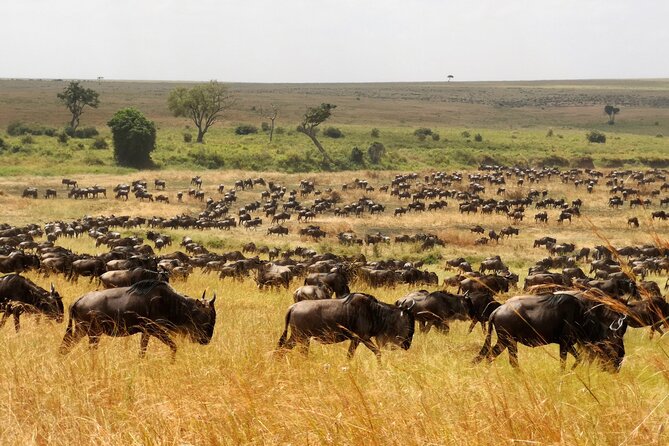
The Serengeti was founded in 1951 and forms part of a much larger migration system that includes the Ngorongoro Conservation Area and Kenya’s Maasai Mara. The annual movement includes more than 1.4 million wildebeest, nearly 300,000 Thomson’s gazelles, and about 200,000 zebras. These figures explain why the Serengeti is so famous, but timing and location still matter. You might see large concentrations of animals, or you might find the herds spread across a broad area.
This is one of the longest-feeling days because the park is far from the starting point. Still, traveling into the Serengeti is part of the experience. You are not simply being dropped at a viewing area. The surroundings change from escarpment country to open plains, and the sense of distance helps explain the scale of the ecosystem.
Admission is included for the listed park visits. The schedule allows about six hours for the day’s main activity, but road time is a major part of this transfer. If you dislike long vehicle journeys, consider that carefully before booking.
A different kind of day out entirely:
- 6 Days Tanzania Classic Safari
★ 5.0 · 52 reviews - 6 Days Climbing Mount Kilimanjaro Machame Route
★ 5.0 · 40 reviews - 8 Days Kilimanjaro Hike via Lemosho Route
★ 5.0 · 39 reviews - 7-Day Machame Route Kilimajaro
★ 5.0 · 28 reviews
Day 4: Two game drives in central Serengeti
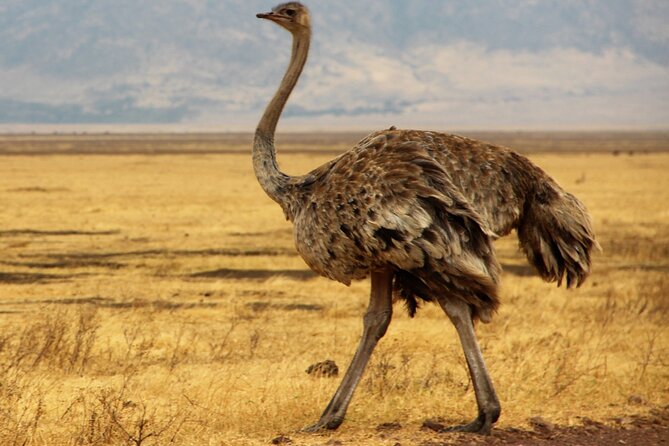
Day four gives you the most concentrated Serengeti time. You begin with an early morning game drive, return to camp for breakfast, then set out again for a second drive into the central Serengeti.
The early start is worthwhile because the day begins when the bush is waking up. Wildlife behavior can change with the light and temperature, and a morning drive gives your guide a chance to search before the heat of the day. After breakfast, the second drive lets you continue exploring instead of spending the middle of the day only at camp.
You finish in the Seronera area, the central part of the Serengeti. This is a useful base for the itinerary because it places you in the heart of the park rather than treating the Serengeti as a quick scenic crossing.
The camp experience is another part of the tour to clarify before you pay. The accommodation is described as better than expected by at least one person, but this is still a safari program with campsites and changing locations, not a conventional city hotel holiday. If you need luxury facilities every night, ask the operator exactly which properties and camps are planned for your dates.
Your guide can make a major difference here. Godlove received especially warm praise for his care, safety focus, and ability to explain what was happening. Amos was also credited with going out of his way to make the trip work, while Martin and Idi were singled out for memorable guiding on other departures. Guide assignments can change, so treat these names as examples of the service level reported, not a guarantee that one particular person will lead your trip.
Day 5: Sunrise choice, balloon flight, and the road to Karatu
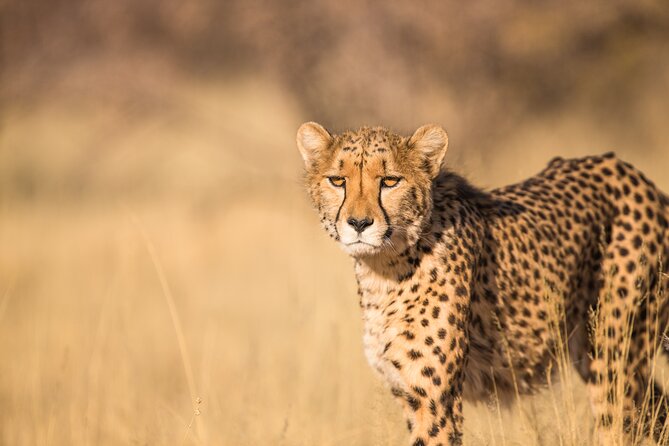
Day five offers two different starts. At extra cost and with advance arrangement, you can take a hot-air balloon flight over the Serengeti. The ride is described as a silent view over the awakening plains, rivers, small villages, and wildlife below.
The balloon is a special add-on, but it is not necessary for a good safari. If you skip it, you begin with a sunrise game drive, return for breakfast, and continue exploring until lunch. This gives you more time at ground level and avoids adding another expense to an already substantial trip price.
After lunch, you head toward Ngorongoro for the night, passing through the conservation area. The route includes an opportunity to encounter Maasai traditional life and gain some context for the people living in the region. That cultural element helps balance the heavy focus on animals, though the supplied schedule does not specify the length or format of the interaction. Keep your expectations respectful and flexible.
The overnight area is Karatu. This transition day links the Serengeti and Ngorongoro, but it is still a full safari day. You should not expect a leisurely transfer with many hours at the accommodation.
Day 6: Ngorongoro Crater and the Big Five possibility
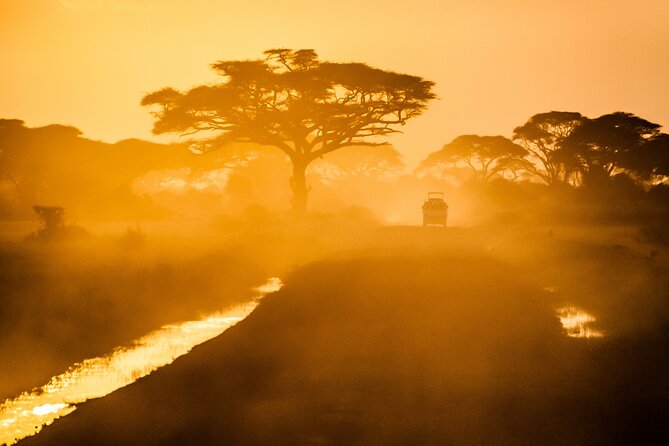
After breakfast at daybreak, you return to the Ngorongoro Conservation Area and descend into the crater for a major game drive. The crater is a collapsed volcano with a dense concentration of wildlife, including more than 25,000 mammals and over 500 bird species in the wider area.
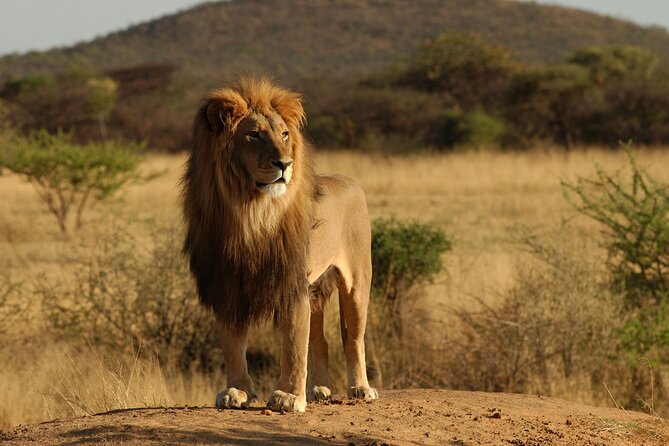
The crater is the tour’s best single setting for hoping to see several major species in one day. The Big Five listed for the area are lion, elephant, buffalo, rhino, and leopard. You might also see spotted hyenas and other wildlife, including rare wild dogs in the broader conservation area.
The promise of seeing all the Big Five is best understood as an opportunity, not a certainty. Wildlife is free to move, leopards stay elusive, and rhino sightings cannot be guaranteed. Still, combining Tarangire, Serengeti, and Ngorongoro gives you a sensible chance to encounter a wide range of animals.
A picnic lunch is included during the crater visit. After the game drive, you leave the caldera in the afternoon and return to your lodge for dinner and the night. This is another six-hour day, and the early start may be tiring, but the crater is a fitting climax to the route.
Day 7: Return to Arusha by midday
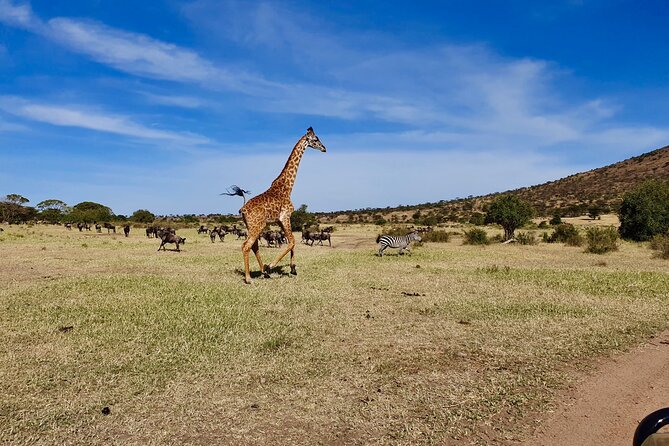
The final morning is more relaxed. After breakfast, you travel back to Arusha and should arrive around midday. Drop-off is available in the city center or at the airport.
This timing is useful if your onward plans begin later in the day, but you should still allow a buffer for road delays. The tour information gives an approximate arrival, not a hard guarantee. If you have a flight, confirm the timing with Safari360 before making a tight connection.
The start point is Kilimanjaro International Airport, with an 8:00 a.m. start time and pickup offered. Confirmation is received at booking, and the activity is described as suitable for most people. The private format is especially helpful for couples, families, or friends who want to share a vehicle rather than split up or join a large group.
Meals, camps, and the practical tradeoffs
Breakfast is included on all seven days, along with six dinners and seven lunches. The program is designed to keep you moving, so meals are part of the safari logistics rather than long restaurant occasions.
The weak point is lunch. One account specifically criticized the packed meals, including a carrot sandwich that did not go over well after a rough drive. That does not mean every lunch will be poor, but it is a fair reason to ask about menus, dietary needs, and whether you can supplement the provided food.
Accommodation is arranged as part of the trip, with Eileen’s Tree Inn named for the first night and camps in the Serengeti. The camping standard may suit you if you value location and wildlife access over polished hotel service. Ask for the exact accommodation plan before booking, since the experience of a lodge differs greatly from that of a campsite.
The tour also excludes personal expenses and optional tours. The hot-air balloon flight is the clearest extra. Budget for drinks, tips, souvenirs, and any other personal purchases separately.
Who will get the most from this safari?
I would choose this trip if you want a broad first look at northern Tanzania in one week. It suits you if your priorities are seeing several parks, having transport and meals organized, and traveling privately with your own group.
It is also a good match if you are combining the safari with a Kilimanjaro climb. One person booked the safari as motivation for summiting the mountain and found the pairing rewarding.
You should think twice if you want a slow schedule, premium accommodation, or a food-focused holiday. The route is full, and the six-hour activity blocks do not include every transfer. You also need to accept that the Big Five are a goal, not a promise.
Safari360’s communication received high praise, including help with last-minute arrangements and trip planning. That is useful if you are anxious about coordinating airport pickup, parks, accommodation, meals, and the return to Arusha. Still, ask clear questions before payment, especially about the exact vehicle, lodging, guide, lunch plan, and any costs not covered by the $2,800 price.
Should you book the 7 Day Grand Tanzania Safari?
Book it if you want maximum park variety in seven days and are willing to trade comfort and spare time for a full wildlife route. Tarangire gives you elephants and baobabs, Manyara adds the Rift Valley and flamingos, the Serengeti supplies the wide-open drama, and Ngorongoro brings the strongest concentration of animals.
The price is reasonable for a private safari that includes meals, park visits, transport, and organized accommodation, provided the lodging level matches your expectations. I would ask for the final accommodation and meal details in writing, then book with the understanding that roads are rough and animal sightings are never guaranteed.
The tour’s strong rating, repeated praise for guides such as Godlove and Amos, and smooth handling of transport make it an appealing choice. Pack lightly, bring snacks, start early, and leave room for the wild to set the timetable.
FAQ
Where does the safari start?
The safari starts at Kilimanjaro International Airport on Kilimanjaro Airport Road, Tanzania. The stated start time is 8:00 a.m., and pickup is offered.
How long does the experience last?
The safari lasts approximately seven days. The final day returns you to Arusha around midday.
Which national parks and conservation areas are included?
The route includes Tarangire National Park, Lake Manyara National Park, Serengeti National Park, and the Ngorongoro Conservation Area.
Is this a private tour?
Yes. Only your group participates in the private tour or activity.
Are meals included?
Yes. Breakfast is included for all seven days, along with six dinners and seven lunches.
Is the hot-air balloon flight included?
No. The Serengeti hot-air balloon flight is optional, costs extra, and must be arranged in advance.
Does the safari guarantee sightings of all the Big Five?
No. The itinerary gives you a chance to see lion, elephant, buffalo, rhino, and leopard, but wildlife sightings cannot be guaranteed.
Just added in Kilimanjaro
- Tanzania Wildlife Encounters – 6 Days★ 5.0 · 1 review
- Day Trip To Tarangire National Park★ 4.5 · 2 reviews
- Mount Kilimanjaro 7 Days – Machame Route★ 5.0 · 5 reviews
- 5 days Serengeti Wildebeest Migration Safari★ 5.0 · 3 reviews
- Mount Kilimanjaro 6 days – Machame route★ 4.0 · 5 reviews
- Marangu Cultural tour.★ 5.0 · 1 review
- Lemosho Route★ 5.0 · 21 reviews
- Airport Transfers at Kilimanjaro International Airport – JRO★ 5.0 · 2 reviews
7-Day Experiences, compared.

7-Day Premium Luxury Tanzania Safari All-Inclusive
Read our review →
Group Safari 7 Days in Tanzania’s Main Parks
Read our review →

Climbing Kilimanjaro through 7 days Machame Route
Read our review →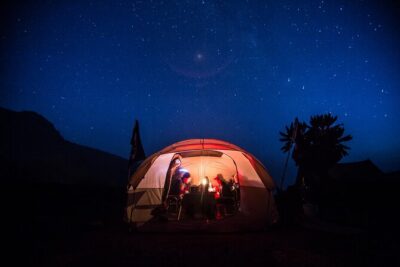
7-Day Machame Kilimanjaro Summit Tour from Arusha
Read our review →Browse the lists this tour appears in