
Reviewed · MACHAME ROUTE CLIMBS
7-Day Kilimanjaro Hiking Tour via Machame Route
The mountain saves its hardest work for sunrise. This 7-day Machame Route climb gives you a scenic path up Kilimanjaro, a tented camp each night, and a slower schedule that gives your body more time to adjust to altitude. You hike through rainforest, rocky high country, volcanic terrain, and the summit zone before descending through forest to the Mweka Gate.
I like the seven-day pacing and the fact that the price includes guides, porters, meals, tents, rescue fees, water, and park-related costs. I also like the small maximum group size of 12, which should make camp routines and trail decisions more manageable. The main drawback is simple: this is not a casual walk. You need strong fitness, some hiking experience, and the ability to handle a long summit day of 10 to 14 hours or more.
In This Review
- Key points to know before you book
- Why the Machame Route works well over seven days
- Day 1: Machame Gate to Machame Camp
- Day 2: Machame Camp to Shira Camp
- Day 3: Shira Camp, Lava Tower, and Barranco Camp
- Day 4: Barranco Wall to Karanga Camp
- Day 5: Karanga Camp to Barafu Camp
- Day 6: Barafu Camp to the summit and Mweka Camp
- Day 7: Mweka Camp to the park gate and Arusha
- Camping, food, water, and crew support
- Is $2,150 a fair price?
- Who should choose this climb?
- Practical details before departure
- Should you book the Machame Route?
- FAQ
- How long is the Kilimanjaro Machame Route tour?
- What time does the tour start?
- Where do you sleep during the climb?
- Is food and drinking water included?
- How difficult is the Machame Route?
- What is included in the $2,150 price?
- Are flights and visas included?
Key points to know before you book
- Machame is scenic and physically demanding: The route earns its Whiskey nickname with steep climbs, rocky paths, and a challenging summit push.
- Seven days helps with altitude adjustment: The route rises gradually enough to include an acclimatization hike to Lava Tower before dropping to Barranco Camp.
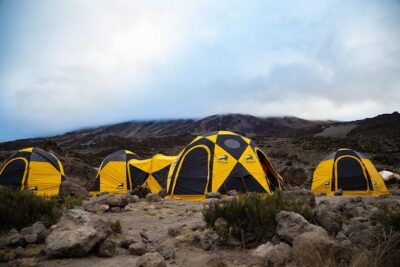
- Every night is in a tent: Tents are included, with meals served in a mess tent or outside on a blanket.
- The summit day begins just after midnight: You climb roughly 1,100 meters to Uhuru Peak before descending to Mweka Camp.
- The $2,150 price covers major essentials: Transport, crew, meals, water, rescue fees, tents, and park fees are included, though flights and visas are not.
- Kitau uses a certified wilderness guide: The lead guide is described as an English-speaking Wilderness First Responder and CPR-certified professional.
Why the Machame Route works well over seven days
Machame is one of Kilimanjaro’s most popular routes because it offers changing scenery without requiring you to sleep in mountain huts. You begin in tropical forest and eventually reach bare volcanic slopes, with broad views opening up as the trees disappear.
The route is also known as the Whiskey route, a nickname that hints at its tougher character. You should expect steep sections, uneven rock, cold nights, and a summit morning that starts while most sensible people are still asleep.
The seven-day version is important. A shorter climb can save time and money, but it gives your body less opportunity to respond to altitude. Here, the route includes a high point at Lava Tower followed by a descent to Barranco Camp. That high-climb, lower-sleep pattern is useful for acclimatization, although it does not remove the risk of altitude sickness.
I would choose this route if you are physically fit and already comfortable with long hiking days. You do not need technical climbing skills based on the information provided, but you do need patience, steady footing, and the ability to keep moving when the trail becomes steep.
More Machame Route climbs:
- 7-Day Machame Kilimanjaro Summit Tour from Arusha
★ 5.0 · 125 reviews - 6 Days: Hiking Kilimanjaro via Machame Route
★ 5.0 · 24 reviews - 6-Day Guided Tour in Machame Route Mt Kilimanjaro
★ 5.0 · 17 reviews
Day 1: Machame Gate to Machame Camp
The first morning begins with pickup and a drive to Machame Gate. The stated start time is 7:00 a.m., though registration at the gate comes before the walking begins. Once permits and entry formalities are handled, you start through Kilimanjaro’s tropical rainforest.
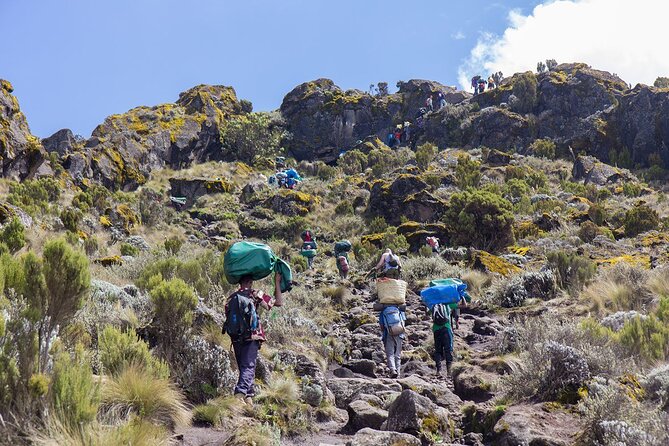
This is the gentlest day on paper, with about six hours of hiking. The forest is a pleasant introduction to the mountain. You might spot colobus monkeys and wild birds as the path winds under the trees.
Machame Camp is your first overnight stop. You sleep in an included tent and eat a prepared dinner. The camp routine is basic but practical: your crew manages cooking, tents, and meals while you focus on rest.
Do not treat this first day as a free pass. The damp forest can make the trail feel slow, and six hours on foot is still a proper hike. I would use the day to establish a comfortable pace and pay attention to how your body responds.
Day 2: Machame Camp to Shira Camp
Day two leaves the forest and follows a steeper, rockier ridge toward Shira Camp. The trail crosses a stream and moves along the western bank before criss-crossing upward.
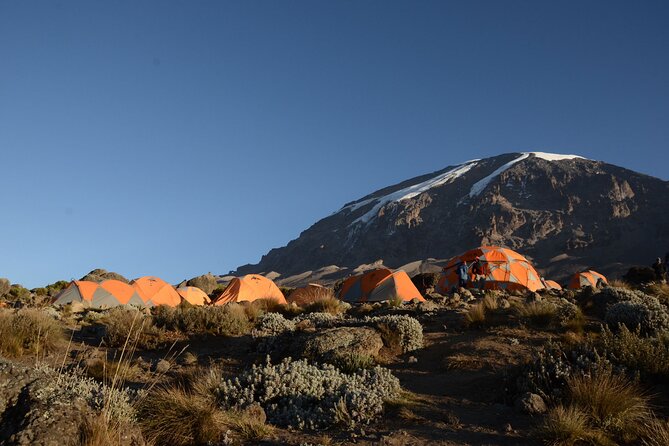
The walking time is again listed at about six hours, but the effort increases. The trees thin out, the ground becomes rougher, and the steady climb begins to feel more serious. Shira Camp sits at the base of a semi-circular wall of rock, giving the evening a more open mountain setting than the previous night.
This is one of the first points where your footwear matters. The route is rocky, so secure hiking shoes and careful foot placement will help. Your guide and porters are there to support the climb, but they cannot make steep ground disappear.
The included full-board meals are especially useful here. You do not need to arrange food on the mountain, and the crew provides breakfast, lunch, and dinner according to the trip plan. Exact menus are not specified, but the package promises mountain rations and full-board service.
Day 3: Shira Camp, Lava Tower, and Barranco Camp
Day three is one of the most valuable parts of the route because it combines scenery with altitude preparation. From Shira Camp, you hike toward Lava Tower at roughly 15,000 feet before descending to Barranco Camp.
The point is not simply to reach a high spot. You climb high and sleep lower, giving your body a chance to respond to the thinner air while avoiding an immediate overnight stay at Lava Tower.
The descent leads to the Great Barranco Wall and Barranco Camp. This camp is often regarded as one of the best placed on the mountain, and it is easy to understand why. The terrain feels more dramatic here, with rock walls and open mountain views replacing the earlier forest.
Although the day is listed as six hours, altitude can make a normal walking day feel much longer. You should keep your pace slow and follow your guide’s instructions. The professional guide is described as an English-speaking Wilderness First Responder and CPR-certified leader, an important inclusion on a high-altitude trek.
One guide named Josia has received particular praise for helping a group reach the summit safely. You cannot assume he will lead every departure, but the mention gives you a useful question to ask before booking: find out who your assigned guide will be and how the company handles altitude checks.
More treks in Arusha:
- 8-Day Small-group Lemosho Kilimanjaro Summit Trekking
★ 5.0 · 186 reviews - Mountain Kilimanjaro Day Hike
★ 5.0 · 102 reviews - Private Full Day Hiking Experience to Marangu Route
★ 5.0 · 61 reviews - 4 Days Mount Meru Trekking
★ 5.0 · 55 reviews
Day 4: Barranco Wall to Karanga Camp
The morning begins with the climb up the edge of the Great Barranco Wall. This is one of the route’s most memorable physical tests.
The path is steep, and you may need to use your hands for balance in places. It is not described as technical climbing, but it is more demanding than a standard trail. The reward comes at the top, where the views open up and the effort begins to feel worthwhile.
From the wall, you continue toward Karanga Camp. The day is again estimated at six hours. Karanga is a shorter step toward the summit than Barafu, which helps break the approach into manageable pieces.
This is also a good day to watch your energy. A common mistake on a mountain is to push hard when you feel strong, then pay for it later. I would keep the same slow rhythm, drink the provided water regularly, and eat even if your appetite is reduced.
The group limit of 12 is helpful on a route with narrow and steep sections. A smaller party can make it easier for the guide to keep track of everyone, though the actual group size may vary up to that maximum.
Day 5: Karanga Camp to Barafu Camp
Day five is shorter than the previous days, but it carries a great deal of importance. You hike to Barafu Camp, the final camp before the summit attempt.
Barafu means ice in Swahili, and this high camp is a stark place to prepare for the final climb. The itinerary advises you to rest because the next day requires all your energy. Take that advice seriously.
You will need to organize your clothing, water, headlamp, snacks, and any rented equipment before turning in. The included equipment rental option can reduce the amount you need to bring from home, but you should confirm exactly what is available and what it costs before departure.
Do not expect a long, comfortable night at Barafu. The summit push starts just after midnight, so the real task is to rest as much as possible and keep your mind calm. A full dinner and an early attempt at sleep are more useful than wandering around camp.
Day 6: Barafu Camp to the summit and Mweka Camp
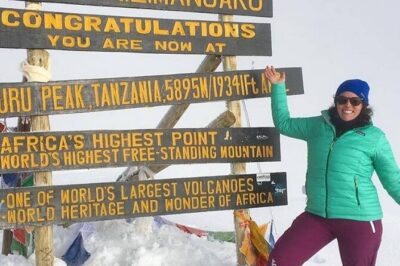
This is the hardest day by far. You start shortly after midnight for a climb that can take 10 to 14 hours or more from camp to the summit and down to Mweka Camp.
The ascent covers about 1,100 meters over just more than three kilometers, with the uphill section taking roughly six to eight hours. The slow pace is deliberate. You climb through darkness, aiming to reach the summit around sunrise and look across toward the Great Rift Valley.
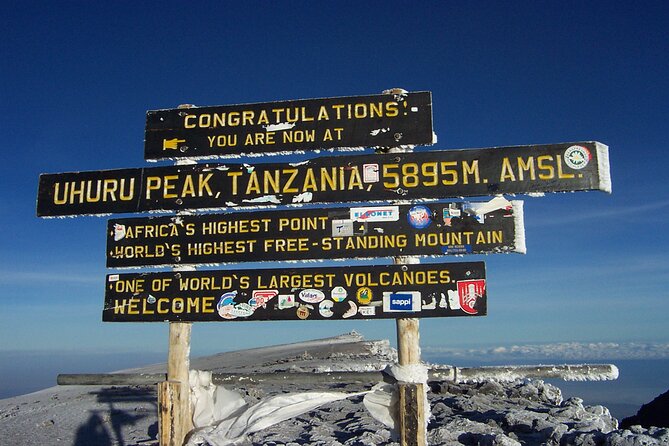
The sunrise is the emotional high point of the trip, but the summit is not the end of the day. After time for photographs, you begin the long descent. This is where tired legs can become a problem, particularly on loose volcanic ground.
You then continue below the tree line to Mweka Camp. Dinner and overnight accommodation are included there, giving you a proper place to recover after the summit effort.
I would judge your success by more than reaching the top. A safe ascent, a careful descent, and listening to your guide are the real goals. If symptoms of altitude sickness appear, the guide must be able to change the plan. Rescue fees are included, which adds reassurance, but no inclusion should encourage you to ignore serious symptoms.
Day 7: Mweka Camp to the park gate and Arusha
The last day is a shorter walk of about three hours through lush forest. After the stark upper mountain, the return of trees and warmer air should feel welcome.
You finish at Mweka Park Gate, where the vehicle meets you for the drive back to your hotel in Arusha. Private transportation and gate transfers are included, so you do not need to arrange your own ride after the trek.
The itinerary lists six hours for this day even though the hike itself is described as about three hours. That difference may include gate procedures, waiting, and the transfer. I would treat the hiking estimate as the useful number and ask the operator for the expected arrival time in Arusha if you have onward plans.
Camping, food, water, and crew support
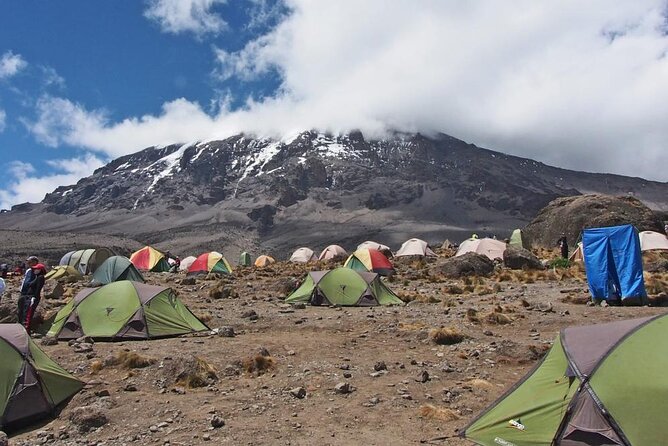
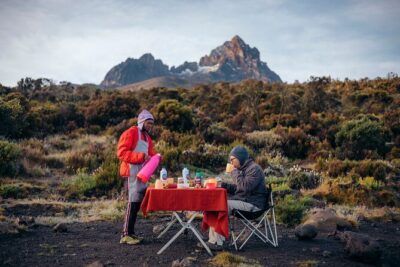
This is a fully tented trek. You do not sleep in mountain huts, and tents are included in the price. Meals are served in a mess tent with tables and chairs or outside on a blanket, depending on the setup.
The inclusion of quality mess tents, tables, and chairs matters more than it may sound. After six hours of walking, having a defined place to eat and organize yourself is a welcome bit of order.
The package includes drinking water and full-board meals. It lists six breakfasts, six dinners, and seven lunches. That lunch count reflects the seven-day schedule, while breakfast and dinner are counted for the nights and mornings covered by the trip plan.
The crew includes a cook and porters, with stated fair and sustainable salary wages. That is important because porters carry much of the camp equipment and make the tented system possible. A well-supported crew also helps keep the group moving without asking you to manage camp logistics yourself.
The equipment rental option is useful if you do not want to buy every piece of mountain gear. Still, ask for a current rental list before you arrive. The supplied information confirms that rentals are available but does not specify the items.
Is $2,150 a fair price?
At $2,150 per person, this is not a budget day tour, but Kilimanjaro cannot be treated like an ordinary guided walk. The price includes private transportation, fees and taxes, a certified professional guide, cook and porters, meals, water, rescue fees, tents, gate transfers, and crew wages.
That list gives the price real value. You are paying for the people who manage safety, food, transport, permits, and camp support, not just for someone to point at the trail.
Flights, taxes connected with internal or international flights, visas, optional activities, and extras not listed are excluded. You should budget separately for those costs. The price also does not remove the need to bring personal clothing and other hiking essentials.
The limited party size is another positive. A maximum of 12 is small enough to feel more personal than a large group, while still spreading the cost of the mountain crew across several people.
Who should choose this climb?
I would recommend it to a fit hiker who wants a scenic route and is comfortable sleeping in tents for six nights. You should have some hiking experience and be ready for steep trails, cold conditions, altitude, and a very long summit day.
This is a good match if you value:
- A seven-day schedule rather than a rushed ascent
- A route with forest, rock walls, volcanic terrain, and summit views
- Full-board meals and organized camp support
- Private transportation and included gate transfers
- A small group capped at 12 people
- A guide with wilderness first-aid credentials
I would hesitate if you dislike camping, have no experience with long hikes, or want a relaxed holiday with plenty of free time. The word hiking in the title should not fool you. The summit day is an endurance test.
The experience may also suit families with older teenagers, but the strong fitness requirement still applies. One separate booking account describes a daughter celebrating her 18th birthday on a Tanzania trip, but that does not establish a specific age policy for this Kilimanjaro departure. Ask the operator directly if age or medical restrictions apply to your group.
Practical details before departure
Pickup is offered, and the stated start time is 7:00 a.m. Confirmation is received at booking, and the tour is near public transportation, though private pickup is part of the experience.
The tour requires good weather. If poor weather causes cancellation, you are offered another date or a full refund. You can also cancel for a full refund if you do so at least 24 hours before the local start time. Changes or cancellations inside that 24-hour window are not accepted.
The operator is Kitau Tanzania Safaris. Before paying, I would confirm the exact hotel pickup point, guide name, rental equipment, expected group size, and the day-by-day meal plan. Those questions are especially useful because the stated times are approximate and the summit day can run longer than planned.
Should you book the Machame Route?
Book this tour if you want a well-supported, seven-day Kilimanjaro climb with strong route variety and a better acclimatization schedule than the shortest options. The included crew, food, tents, water, rescue fees, and transportation make the $2,150 price easier to justify.
Do not book it simply because the route is popular. You need strong fitness, hiking experience, and a willingness to sleep in tents and spend a full night climbing toward the summit. If that sounds like the kind of challenge you have been preparing for, Machame offers a serious but well-structured way to reach Kilimanjaro’s roof.
FAQ
How long is the Kilimanjaro Machame Route tour?
The tour lasts approximately seven days, including the final hike from Mweka Camp to the park gate and the vehicle transfer back to Arusha.
What time does the tour start?
The stated start time is 7:00 a.m. Pickup is offered, with the first day including transportation to Machame Gate and registration before hiking begins.
Where do you sleep during the climb?
You sleep in tents every night. Tents are included, and meals are served in a mess tent with tables and chairs or outside on a blanket.
Is food and drinking water included?
Yes. Drinking water and full-board meals are included. The package lists six breakfasts, six dinners, and seven lunches.
How difficult is the Machame Route?
The route is intended for people with strong physical fitness and some hiking experience. The summit day begins just after midnight and can take 10 to 14 hours or more.
What is included in the $2,150 price?
The price includes private transportation, fees and taxes, a professional English-speaking Wilderness First Responder and CPR-certified guide, cook and porters, food, water, rescue fees, crew wages, gate transfers, tents, and equipment rentals.
Are flights and visas included?
No. Internal and international flights, flight taxes, visas, optional activities, and extras not listed in the trip plan are excluded.
Just added in Arusha
- Safari “Kifaru” – 5 days in the most famous Parks in the world★ 5.0 · 4 reviews
- Saadani Day Trip★ 5.0 · 13 reviews
- 3 Days Tanzania Short and Spicy★ 5.0 · 6 reviews
- 5 Day Tanzania Safari Camping Adventure Private Tour★ 5.0 · 2 reviews
- Day Trip to Ngorongoro Crater from Arusha★ 5.0 · 1 review
- SERENGETI NATIONAL PARK Tour★ 4.5 · 5 reviews
- 3 Days Serengeti Park & Ngorongoro Crater Adventure Safari★ 5.0 · 8 reviews
- 6 Days Tanzania Bush Experience Safari★ 5.0 · 6 reviews
Machame Route Climbs, compared.
Climbing Kilimanjaro through 7 days Machame Route
Read our review →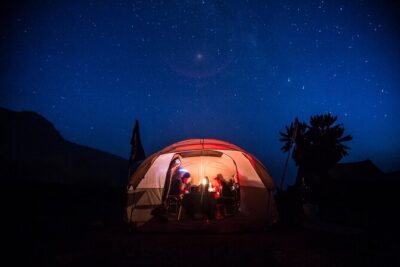
7-Day Machame Kilimanjaro Summit Tour from Arusha
Read our review →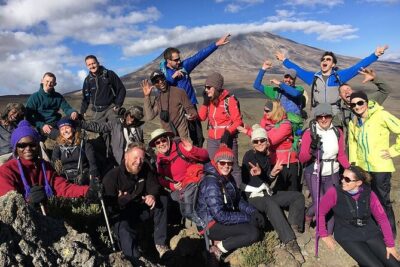
7 Days Kilimanjaro via Machame route affordable price
Read our review →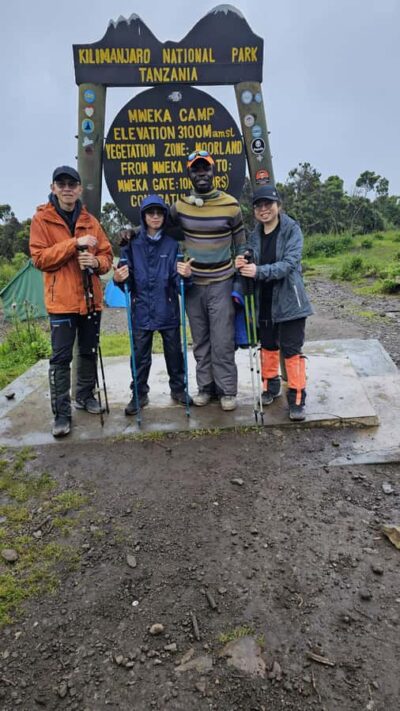
#1. Best Kilimanjaro Day hike Tour-Machame Route-ISMANI
Read our review →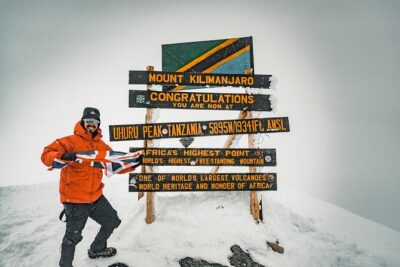
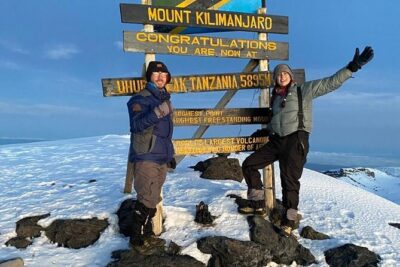
The Best of Machame Route in 6 Days: Your World’s Summit Guide
Read our review →Browse the lists this tour appears in