
Reviewed · MACHAME ROUTE CLIMBS
7-Day Mt. Kilimanjaro Hiking: Machame Route
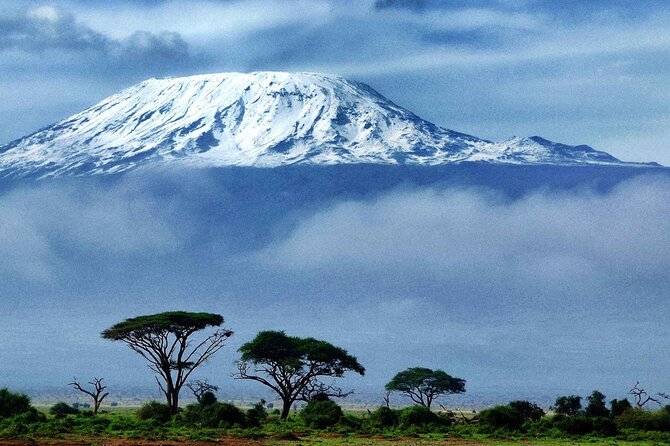
Kilimanjaro saves its hardest test for sunrise. This seven-day Machame Route trek appeals to hikers who want dramatic scenery and a well-supported climb to Uhuru Peak, Africa’s highest point. The route moves from rainforest to moorland, alpine desert, glacier views, and a cold, exposed summit ridge.
I like the steady change in scenery and the useful acclimatization pattern, especially the climb to Lava Tower followed by a descent to Barranco Camp. I also like the strong emphasis on personal support: guides Samuel, Justin, Edgar, and head guide Abouh are praised for keeping hikers calm, cheerful, and safe.
The main caution is the route’s difficulty. Machame is shorter and steeper than some other Kilimanjaro options, and summit night begins around 11:30 p.m. You need a good fitness base, patience with slow progress, and a real tolerance for cold, mud, altitude, and very little sleep.
In This Review
- Key points before you commit
- What the $2,500 price includes
- Day 1: From Arusha to the wet Machame rainforest
- Day 2: Climbing onto the Shira Plateau
- Day 3: Lava Tower and the value of climbing high, then sleeping lower
- Day 4: The Great Barranco Wall and a better rhythm
- Day 5: Karanga to Barafu Camp
- Day 6: The midnight climb to Stella Point and Uhuru Peak
- Day 7: Celebration, certificates, and the Mweka descent
- Guides, porters, and the human side of the climb
- Who should choose this Machame trek?
- Practical booking advice
- Should you book this seven-day Kilimanjaro climb?
- FAQ
- Where does the Kilimanjaro trek start?
- How long is the experience?
- How difficult is the Machame Route?
- What is the maximum group size?
- Is water included?
- Are meals included?
- Is mountain gear included?
- What happens if I cancel?
Key points before you commit
- Rainforest start: The first day can include a muddy three-kilometer walk to the gate if road conditions prevent the vehicle from continuing.
- High-value acclimatization: Day three takes you up to 4,630 meters at Lava Tower, then down to Barranco Camp.
- The Great Barranco Wall: This Class 2 section looks intimidating but is described as easier than it first appears.
- A serious summit night: You begin around 11:30 p.m. and climb through scree for about six hours to Stella Point.
- Small-group support: The maximum group size is 15, with professional English-speaking mountain guides, a cook, and porters.
- Pack carefully: Mountain gear is not included, and tips, flights, and visa fees are extra.
What the $2,500 price includes
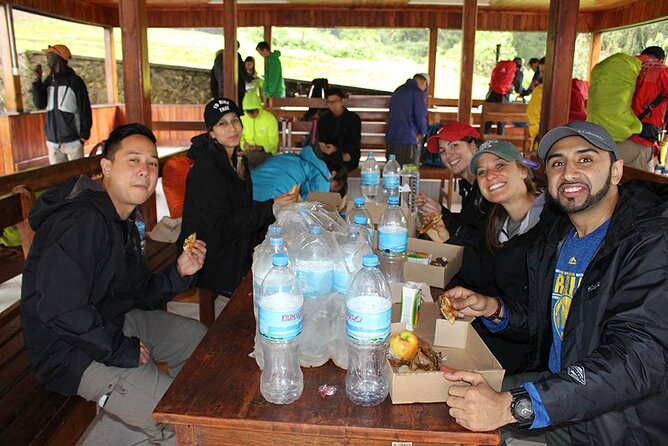
The price is $2,500 per person. That is a substantial amount, but a seven-day Kilimanjaro climb involves much more than walking on a trail. Your package includes park fees and taxes, camping equipment, portage, meals, bottled water, a professional English-speaking mountain guide, and a cook.
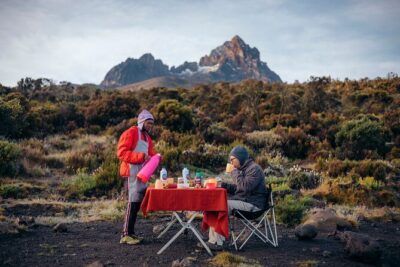
Food and water coverage matters here. You receive at least three liters of bottled water per day, along with six lunches, six dinners, and five breakfasts. The schedule does not include a breakfast on the first morning or a dinner on the final day, which fits the early departure and post-climb timing.
I see the cost as reasonable for a supported seven-day climb, provided the service is delivered as described. Porters carry equipment, the cook handles meals, and the guide team manages route decisions and altitude concerns. Those are not small extras on a mountain where you may be tired, cold, and short of breath.
The price does not include flights, visa fees, tips, or mountain gear. Gear can become a major extra cost, so check your clothing and equipment well before arrival. The package offers pickup, with the stated meeting point at Arusha Airport at 7:00 a.m., but you should confirm the exact pickup details before setting your travel plans.
More Machame Route climbs:
- 7-Day Machame Kilimanjaro Summit Tour from Arusha
★ 5.0 · 125 reviews - 6 Days: Hiking Kilimanjaro via Machame Route
★ 5.0 · 24 reviews - 6-Day Guided Tour in Machame Route Mt Kilimanjaro
★ 5.0 · 17 reviews
Day 1: From Arusha to the wet Machame rainforest
Your first morning begins with an early breakfast and pickup from Arusha, at about 1,400 meters. You travel to Machame Village, where you can buy mineral water and collect a packed lunch before heading toward the Machame Gate.
The road from the village to the gate depends on conditions. If it is too muddy, you may walk the final three kilometers, which takes about an hour. That is an important detail because it adds effort before the official hike even begins.
After registration at the gate, the trail enters the rainforest almost at once. This is a lush and shaded start, but rain is common. Expect the path to become soggy, muddy, and slippery. Waterproof footwear and a reliable rain layer are more than nice ideas here.
The hiking day takes about eight hours, including the approach and breaks. A welcome lunch stop comes roughly halfway through the climb, and you finish at Machame Camp. The first day is not the highest or most technical, but the mud and steady uphill walking can make it feel long.
I would treat this day as a test of pacing. Do not spend your energy trying to race through the forest. The route becomes more demanding later, and a calm first day gives you a better chance of arriving at camp in good shape.
Day 2: Climbing onto the Shira Plateau
Day two covers about nine kilometers in roughly six hours. You leave the forest behind, climb for about an hour, and then move through the moorland zone on a gentler gradient for around two hours.
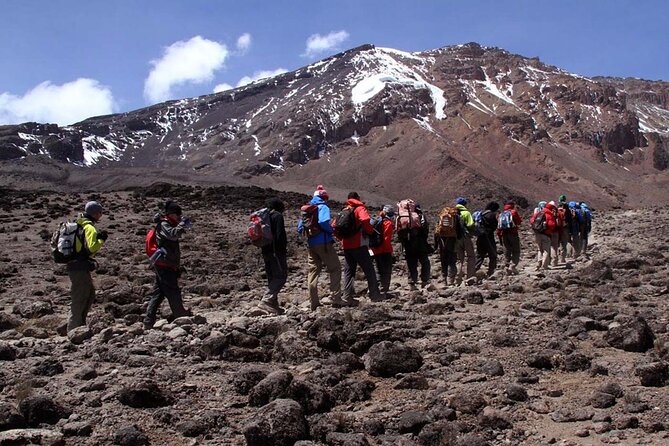
After lunch and a rest, the trail continues up a rocky ridge toward the Shira Plateau. The scenery changes quickly. The trees thin out, the air feels colder, and the route opens toward views of Kibo and the Western Breach, with its glaciers.
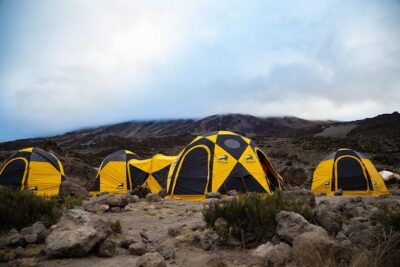
Shira Camp sits at approximately 3,840 meters. The camp is exposed, and temperatures can fall well below freezing at night. Porters boil water for drinking and washing, which is useful after a dusty and chilly day on the trail.
This is a shorter day than the first, but altitude begins to matter. You may feel fine while walking and then notice the cold or thin air once you stop. Keep warm, drink the water provided, and use the rest period rather than treating camp as a place for a long sightseeing break.
Day 3: Lava Tower and the value of climbing high, then sleeping lower
Day three is one of the most important days on the route. You walk into a semi-desert and rocky zone around Lava Tower, reaching about 4,630 meters after approximately five hours.
The climb to Lava Tower is demanding. Breathlessness, headaches, and irritability can begin to appear at this point, even in fit hikers. Those symptoms should be taken seriously and reported to the guides. The presence of a supportive guide team is especially valuable here.
After lunch, you descend by nearly 680 meters to Barranco Camp. The day totals roughly eight hours, and the descent may feel like an odd design when you are trying to reach the summit. It is not wasted effort. Spending time at a higher altitude and then sleeping lower gives your body a useful chance to adjust.
This is the route’s clearest acclimatization day. I like that the schedule does not simply push you higher each night. Still, the combination of a high point, altitude symptoms, and a long descent makes day three a serious physical and mental test.
More treks in Arusha:
- 8-Day Small-group Lemosho Kilimanjaro Summit Trekking
★ 5.0 · 186 reviews - Mountain Kilimanjaro Day Hike
★ 5.0 · 102 reviews - Private Full Day Hiking Experience to Marangu Route
★ 5.0 · 61 reviews - 4 Days Mount Meru Trekking
★ 5.0 · 55 reviews
Day 4: The Great Barranco Wall and a better rhythm
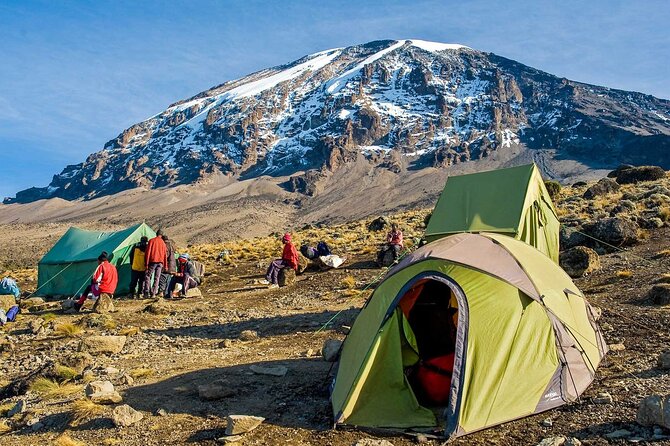
Day four covers about five kilometers in four to five hours. The main feature is the Great Barranco Wall, which you tackle after an early breakfast.
From below, the wall can look severe. The route is described as a Class 2 hike, and the practical message is that it is usually less frightening once you start moving upward. You will need to pay attention to your footing and follow the guides, but this is not presented as a technical climbing pitch.
At the top, you get views of Heim Glacier and the satisfaction of standing above the clouds. The route then winds through the Karanga Valley, with some climbing and descending along the way.
This is an ideal acclimatization day because the distance is relatively short, but the terrain still makes you work. You have time to move slowly, take in the views, and recover from the harder day before.
Day 5: Karanga to Barafu Camp
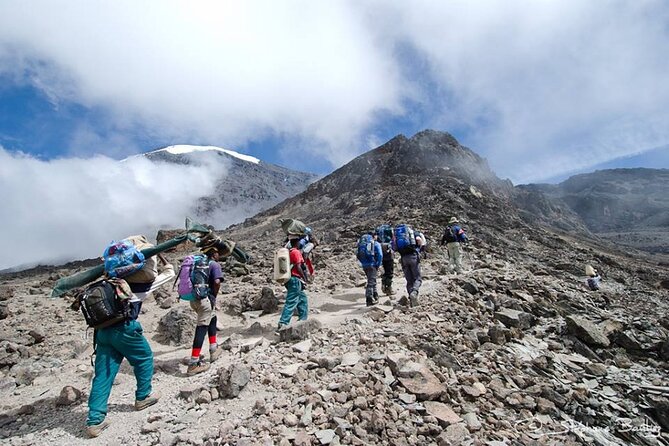
Day five is short on paper, about four kilometers and two to three hours of hiking. You leave Karanga Camp at roughly 3,959 meters and follow the trail toward Barafu Hut at approximately 4,550 meters.
The route joins the Mweka Route, which you use for the descent during the final two days. Barafu is the last water stop for the porters because there is no accessible water at the camp itself. That makes the water carried and prepared by the support team especially important.
Barafu means ice in Swahili. The camp sits on an exposed rocky ridge, with tents subject to wind and rocks underfoot. The advice here is practical: familiarize yourself with the campsite before dark. Once you return from the summit attempt, you will want to know exactly where to go.
An early dinner is served, followed by rest before the midnight wake-up. Do not expect this to feel like a full night of sleep. You are using the afternoon to lie down, organize your clothing, and prepare your headlamp, water, snacks, and warm layers.
Day 6: The midnight climb to Stella Point and Uhuru Peak
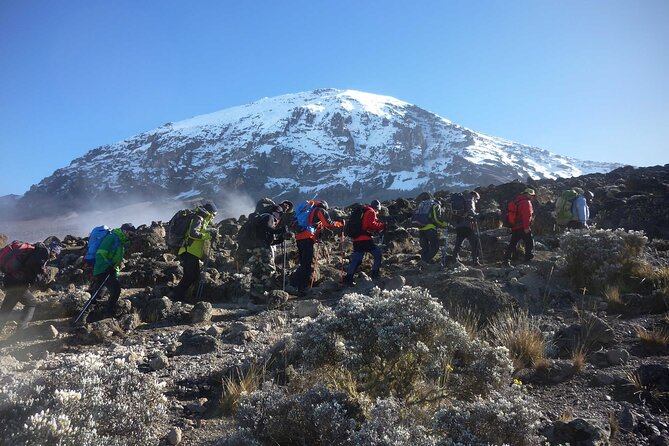
Summit day starts around 11:30 p.m. with tea and biscuits. You then begin the slow climb northwest through heavy scree toward Stella Point on the crater rim.
The walk to Stella Point takes about six hours and is often the hardest part of the entire route. You are climbing in darkness, after a short rest, on loose volcanic ground. The pace will be slow, and the cold can make simple tasks feel awkward.
At Stella Point, at approximately 5,685 meters, you can stop briefly and watch the sunrise if the weather allows. This is one of the strongest moments of the climb, but do not assume that reaching Stella Point means the day is over.
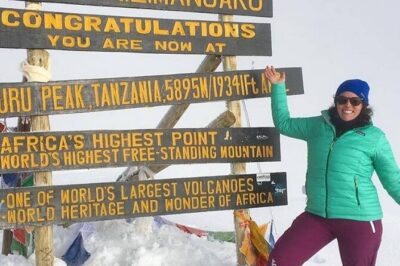
From there, you normally encounter snow during the roughly two-hour ascent to Uhuru Peak. The summit reaches 5,895 meters. Your time at the top depends on weather conditions, and you should follow the guides’ instructions about how long to stay.
The summit section is physically demanding, but altitude is the bigger concern. The schedule describes the possibility of breathlessness, headaches, and irritability earlier in the climb. At the top, you may feel tired rather than triumphant. That is normal. The goal is to reach the summit safely, take the required photographs if conditions permit, and descend before the altitude takes more from you.
After the summit attempt, you descend to camp. The provided schedule focuses on the ascent and summit experience, so confirm the exact camp arrangements for the rest period before continuing to the next stage.
Day 7: Celebration, certificates, and the Mweka descent
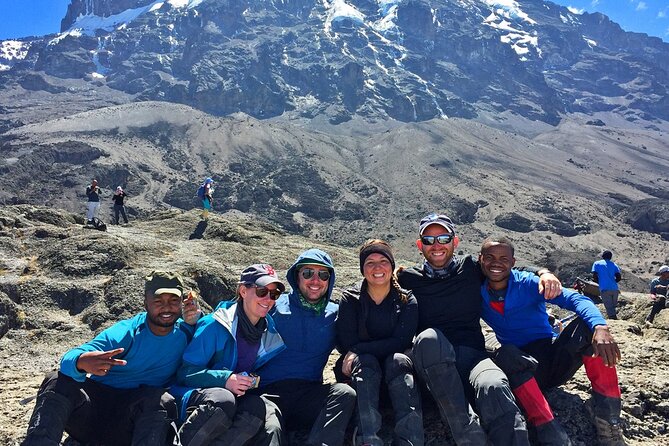
After a well-earned breakfast, the mountain staff hold a celebration with dancing and singing. This gives the final day a warm human touch after the long, cold summit effort.
You present tips to the guide, assistant guides, cook or cooks, and porters at this point. Tips are not included in the price, so plan for them separately. The staff’s work is central to the experience, and the support team carries much of the practical burden of the climb.
The descent to Mweka Gate takes about three hours and covers approximately 15 kilometers through forest. The habitat change brings you back toward thicker vegetation, but your legs may feel the descent more than you expect after summit day.
At the national park gate, hikers sign their names to receive completion certificates. Those who reach Stella Point receive green certificates, while those who reach Uhuru Peak receive gold certificates. From the gate, you descend for about one hour, or three kilometers, to Mweka Village.
The final day is not just a short walk out. Fifteen kilometers after a summit attempt is a proper finish, and tired knees can make downhill hiking uncomfortable. Use trekking poles if you have them, keep your pace controlled, and save enough energy for the full route to the gate.
Guides, porters, and the human side of the climb
The strongest praise for this experience centers on the staff. Abouh, the head guide, is described as cheerful, caring, and supportive throughout the climb. Samuel, Justin, and Edgar are also singled out for motivation, reassurance, attentiveness, and maintaining a good mood.
That matters on Kilimanjaro. The route is not just a test of leg strength. It includes cold camps, altitude symptoms, a late-night start, loose scree, and long descents. A guide who notices when you are struggling and keeps you moving at a sensible pace can change the whole experience.
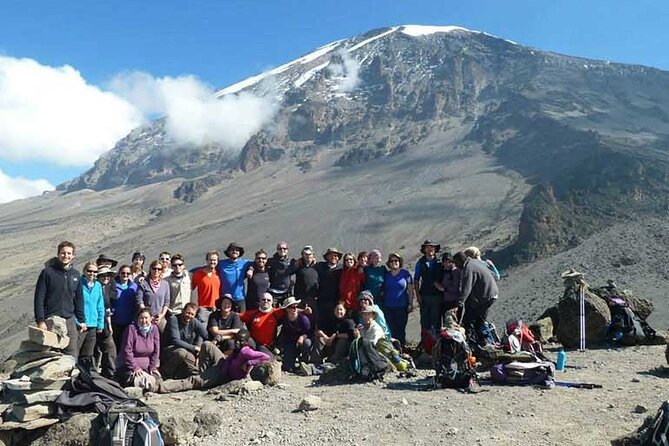
The maximum group size is 15 people. That is not an intimate private trek, but it is small enough for a guide team to keep track of the group. You should still ask how many guides and porters will be assigned to your specific departure, since the details provided name several guides but do not promise that all four will lead every group.
Who should choose this Machame trek?
I would recommend this route to a fit, adventurous hiker who accepts that Kilimanjaro is a demanding high-altitude climb, not a casual holiday walk. Previous hiking, backpacking, or high-altitude experience would make the steep trail and summit night easier to understand.
You do not need to be an elite athlete based on the information provided, but you do need moderate physical fitness. The itinerary includes eight-hour hiking days, steep sections, mud, cold, high camps, and a 15-kilometer final descent.
I would think twice if you dislike rough conditions or need a relaxed sleep schedule. The shorter Machame itinerary makes the route attractive, but that same compact timing leaves less room for an easy pace than a longer Kilimanjaro schedule.
Practical booking advice
Pickup is offered, and the stated start point is Arusha Airport at 7:00 a.m. Confirmation is provided at booking. The experience is near public transportation, though the mountain approach itself includes private driving and possible walking when road conditions are poor.
Free cancellation is available up to 24 hours before the start time for a full refund. Cancellations or changes made within 24 hours are not refunded or accepted, based on local time.
Before booking, check three things carefully: your mountain gear, your visa arrangements, and your flight timing. None of those costs is included. Also confirm what happens after the Mweka Village section, since the supplied schedule does not spell out the final transfer details.
Should you book this seven-day Kilimanjaro climb?
Book it if you want Machame’s changing scenery, a respected support team, and an itinerary that includes a genuine acclimatization climb to Lava Tower. The personal care associated with Abouh, Samuel, Justin, and Edgar is a major reason this option feels appealing.
Do not book it simply because seven days sounds efficient. The route is steep, summit night is severe, and the mountain gear and extra costs require planning. If you are moderately fit, comfortable with basic camping, and ready for a hard physical challenge, the $2,500 price can offer solid value. If you want a gentler ascent, look for a longer itinerary instead.
FAQ
Where does the Kilimanjaro trek start?
The stated meeting point is Arusha Airport in Tanzania, with a start time of 7:00 a.m. Pickup is offered.
How long is the experience?
The trek lasts approximately seven days.
How difficult is the Machame Route?
The route is considered difficult, steep, and challenging, particularly because of its shorter itinerary. A moderate level of physical fitness is required.
What is the maximum group size?
The maximum group size is 15 people.
Is water included?
Yes. Bottled water of three liters or more per day is included.
Are meals included?
Yes. The package includes six lunches, six dinners, and five breakfasts.
Is mountain gear included?
No. Mountain gear is not included in the price.
What happens if I cancel?
You can receive a full refund if you cancel at least 24 hours before the experience start time. Cancellations or changes within 24 hours are not refunded or accepted.
Just added in Arusha
- Safari “Kifaru” – 5 days in the most famous Parks in the world★ 5.0 · 4 reviews
- Saadani Day Trip★ 5.0 · 13 reviews
- 3 Days Tanzania Short and Spicy★ 5.0 · 6 reviews
- 5 Day Tanzania Safari Camping Adventure Private Tour★ 5.0 · 2 reviews
- Day Trip to Ngorongoro Crater from Arusha★ 5.0 · 1 review
- SERENGETI NATIONAL PARK Tour★ 4.5 · 5 reviews
- 3 Days Serengeti Park & Ngorongoro Crater Adventure Safari★ 5.0 · 8 reviews
- 6 Days Tanzania Bush Experience Safari★ 5.0 · 6 reviews
Machame Route Climbs, compared.
Climbing Kilimanjaro through 7 days Machame Route
Read our review →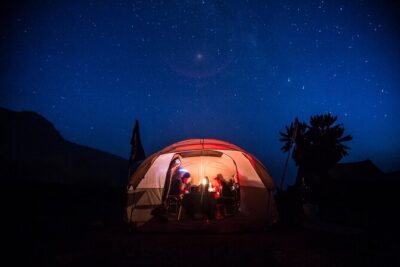
7-Day Machame Kilimanjaro Summit Tour from Arusha
Read our review →
7 Days Kilimanjaro via Machame route affordable price
Read our review →
#1. Best Kilimanjaro Day hike Tour-Machame Route-ISMANI
Read our review →
The Best of Machame Route in 6 Days: Your World’s Summit Guide
Read our review →Browse the lists this tour appears in