
Reviewed · MACHAME ROUTE CLIMBS
7-Day Private Kilimanjaro Hiking Tour via Machame from Arusha
Kilimanjaro rewards patience, not bravado. This seven-day private climb from Arusha uses the Machame Route, with changing climate zones and a carefully timed acclimatization day. I like the easy access from Arusha and the way the route includes Barranco Camp, a favorite stop among the mountain crew. The high-end equipment, guides, porters, and cooks also make a serious climb feel better organized.
The main catch is that Machame is the company’s second most popular route and one of the busiest camping routes on Kilimanjaro. You should also arrive ready for a demanding physical challenge, especially the midnight summit push and the steep climb to Stella Point.
In This Review
- Key points to know before booking
- What the $2,699 price means on Kilimanjaro
- Day 1: Arusha to Machame Gate and the cloud forest
- Day 2: Moving from forest to the Shira Plateau
- Day 3: The 4,530-meter acclimatization climb
- Day 4: Scrambling up the Barranco Wall
- Day 5: Alpine desert and Barafu Camp
- Day 6: Uhuru Peak and the long descent to Mweka
- Day 7: Forest descent to Mweka Gate
- The people and support behind the climb
- Fitness, altitude, and the real difficulty
- Popular route, authentic mountain experience
- Booking details worth checking
- Should you book the seven-day Machame climb?
- FAQ
- Where does the Kilimanjaro climb begin?
- How long is the tour?
- Which route does the climb use?
- Is this a private tour?
- How long is the drive from Arusha to Machame Gate?
- What is the highest point reached?
- How demanding is the climb?
- Can I cancel for a full refund?
Key points to know before booking
- Seven days from Arusha: The trip begins with a 9 a.m. pickup and returns to Arusha after the Mweka descent.
- Machame’s varied scenery: You move from coffee farms and cloud forest to heather, high-altitude plants, alpine desert, glaciers, and the summit zone.
- Barranco Wall is the day’s hands-on challenge: Expect about 90 minutes of scrambling, with hands useful in some sections.
- Day three helps your body adjust: You climb to 4,530 meters before descending to Barranco Camp, a smart route design for altitude preparation.
- The summit day is long and cold: You begin around midnight, reach Uhuru Peak after roughly six hours, then descend to Mweka Camp.
- Private group, shared mountain route: Your own group participates in the activity, but Machame’s camps and paths are popular with other climbers.
What the $2,699 price means on Kilimanjaro
At $2,699 per person, this is not a bargain-basement mountain trip. You are paying for a private seven-day arrangement from Arusha, along with guides, porters, cooks, route planning, campsite preparation, and stated high-end equipment.
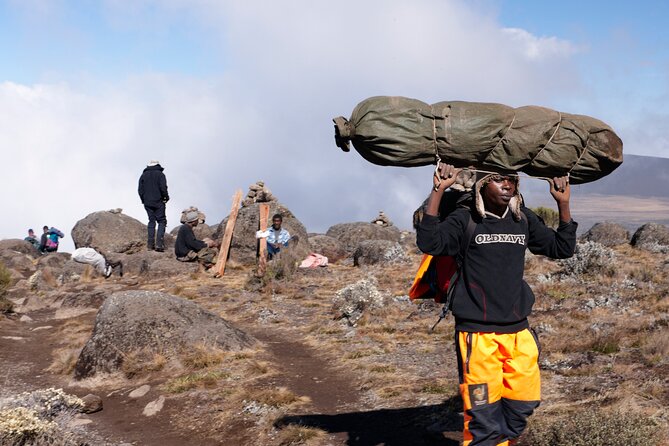
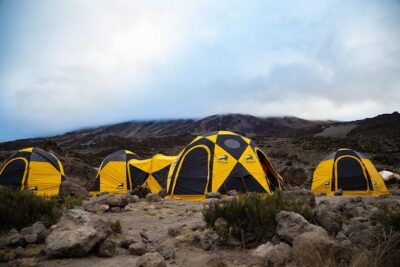
That matters on Kilimanjaro. This is not a simple walk where you carry a daypack and follow a marked path for a few hours. Your support crew handles much of the camp work while you focus on walking, eating, resting, and managing your energy. The porters and cooks leave ahead to prepare camp, which means you can arrive at a ready campsite rather than building your own shelter after a tiring day.
I also place value on the company’s long experience leading climbs on Kilimanjaro and Mount Meru. The company says mountaineering support has been central to its work for almost twenty years. That does not guarantee a summit, since altitude affects every person differently, but it suggests that route timing, camp placement, and mountain routines are not being improvised.
The strongest praise attached to this operator focuses on organization, food, equipment, and the mountain crew. Several accounts also describe guides as encouraging and good at keeping spirits up. One family specifically praised the gear and the way the staff supported a group that included teenagers and a ten-year-old. That gives me confidence in the practical side of the operation, although every participant still needs to meet the stated strong fitness requirement.
More Machame Route climbs:
- 7-Day Machame Kilimanjaro Summit Tour from Arusha
★ 5.0 · 125 reviews - 6 Days: Hiking Kilimanjaro via Machame Route
★ 5.0 · 24 reviews - 6-Day Guided Tour in Machame Route Mt Kilimanjaro
★ 5.0 · 17 reviews
Day 1: Arusha to Machame Gate and the cloud forest
The first day begins at 9 a.m. in Arusha. The drive to Machame Gate takes about 90 minutes and passes coffee farms and villages, giving you a short look at life around the mountain before the climb starts.
At the gate, allow time for registration and final preparations. This is not wasted time. Guides, porters, and cooks organize supplies, and you meet the crew who will remain with you for the next six days.
The trail then enters Kilimanjaro’s cloud forest. Moss-covered trees give the opening walk a cool, almost mysterious feel. As you gain height, the forest thins into heather, tall grasses, and wildflowers. On a clear day, you may catch your first strong view of Kibo Peak, the summit cone that will occupy your thoughts for the rest of the week.
The listed walking time is about one hour, though gate procedures and the full day’s movement make the schedule feel longer than that figure suggests. Your crew prepares Machame Camp before you arrive. I like this first night because it introduces the mountain gently, without pretending that the climb has already become extreme.
Day 2: Moving from forest to the Shira Plateau
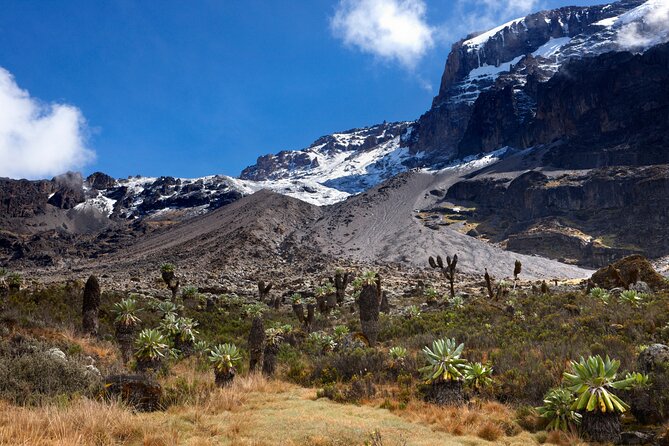
Day two is a roughly six-hour climb with several uphill sections. Carry plenty of drinking water, especially on a clear, hot day. The change in plant life is one of the best parts of the Machame Route: trees become smaller, and Kilimanjaro’s high-altitude plants, including giant senecio and lobelia, begin to appear.
Several viewpoints open toward the plains and forests below. Above you, Kibo and Mawenzi become more commanding. After lunch, the route climbs onto the Shira Plateau, formed when Kibo’s lava flows filled the Shira crater.
Shira Camp gives you a broad mountain setting rather than the enclosed feel of the forest. Kibo lies to the west and Mount Meru to the east, so the camp offers a useful sense of where you are within northern Tanzania’s mountain country.
This is a good day to settle into the correct pace. You do not need to prove anything on the lower sections. A steady rhythm, frequent drinks, and attention to your guide’s instructions are more useful than speed.
Day 3: The 4,530-meter acclimatization climb
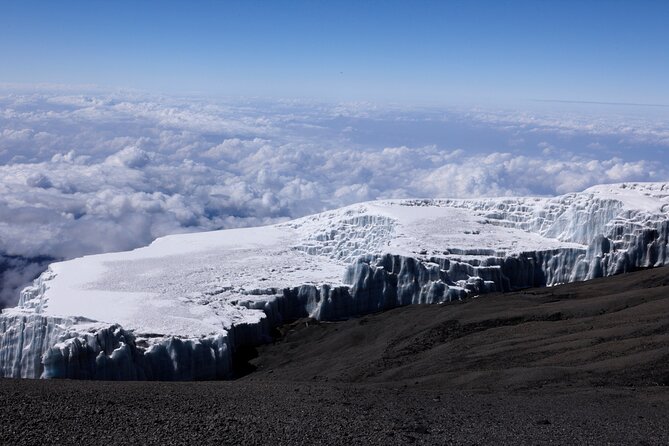
Day three is one of the most important parts of the route. You gain only about 110 meters overall by the time you reach Barranco Camp, but the route first climbs 690 meters to 4,530 meters before dropping down.
That up-and-down pattern helps your body experience greater altitude before you sleep lower. It also gives you a realistic preview of how altitude can affect your pace. You may feel strong at the start, then notice that a short uphill section takes more effort than expected.
After breakfast, you cross the Shira Plateau and reach the junction with the Shira and Lemosho routes. The setting becomes more barren as you continue. After lunch, you reach the day’s high point, then descend quickly to Barranco Camp.
Faster hikers can take a detour via Lava Tower, a 300-foot lava formation. The supplied schedule presents this as an option, not a promise, so discuss it with your guide. The main point of the day is acclimatization, not collecting extra distance.
Barranco Camp is a favorite among the mountain staff for good reason. It sits beneath the striking Barranco Wall, which you will tackle the next morning. The camp also gives you a close look at the rugged upper mountain before the route becomes even more severe.
More treks in Arusha:
- 8-Day Small-group Lemosho Kilimanjaro Summit Trekking
★ 5.0 · 186 reviews - Mountain Kilimanjaro Day Hike
★ 5.0 · 102 reviews - Private Full Day Hiking Experience to Marangu Route
★ 5.0 · 61 reviews - 4 Days Mount Meru Trekking
★ 5.0 · 55 reviews
Day 4: Scrambling up the Barranco Wall
The walk to Karanga Valley takes about five hours, but the opening climb is the day’s main event. From Barranco Camp, you spend around 90 minutes scrambling up the Barranco Wall.
This is not technical rock climbing, but it is more hands-on than the earlier trail. In some places, you may use your hands for balance and support. Your guide’s pace and positioning matter here, especially if you are nervous with exposed or uneven ground.
Once over the wall, the trail crosses fairly level terrain before dropping steeply into the green Karanga River Valley. That descent can feel unfair after the climb, but it is part of the route’s steady preparation for the upper camps.
I would not judge this day by distance alone. Five hours sounds modest, yet the scramble, altitude, and repeated changes in direction make it a proper mountain day. Wear footwear with reliable grip, keep your hands free when possible, and take the wall slowly.
Day 5: Alpine desert and Barafu Camp
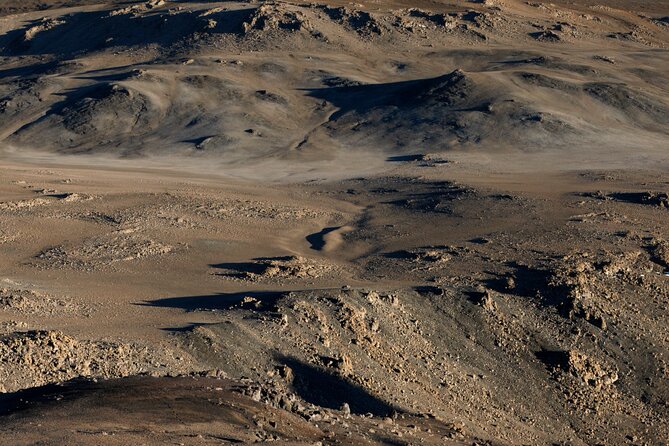
Day five is another five-hour walk, this time toward Barafu Camp. The vegetation becomes sparse, and the route passes through alpine desert. The absence of trees and shrubs makes the upper mountain feel more exposed and severe.
Along the way, you see several of Kibo’s glaciers and pass the junction where the Mweka descent route connects with the Machame trail. The route also offers views of the Heim, Kersten, and Decken Glaciers. These ice features are a reminder that you are entering the high section of a very tall mountain, even as the summit day draws close.
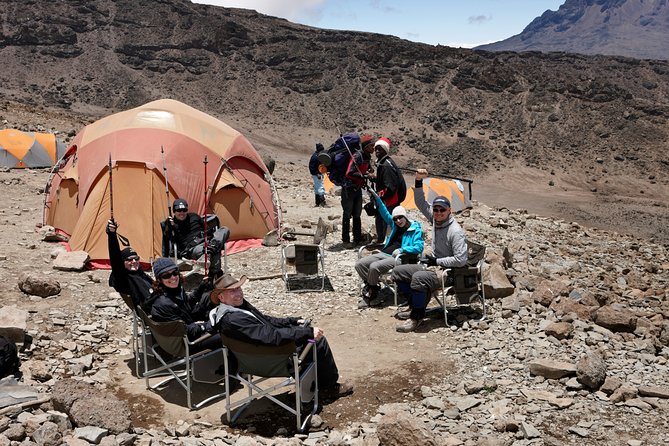
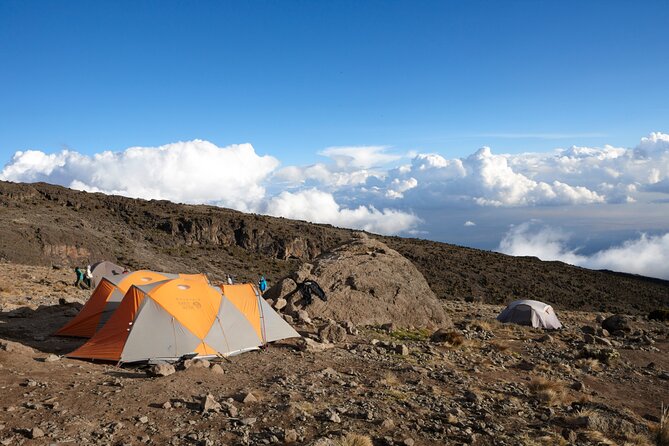
Barafu Camp offers views toward both Kibo and Mawenzi. The camp is also your launch point for the summit attempt, so the mood changes here. Dinner comes before an unusually early bedtime, since you wake before midnight.
This is the night when rest becomes part of the climb. You may not sleep well because of the altitude, the cold, or simple anticipation. I would keep your evening quiet, organize your summit clothing and headlamp before bed, and avoid wasting energy on unnecessary movement.
Day 6: Uhuru Peak and the long descent to Mweka
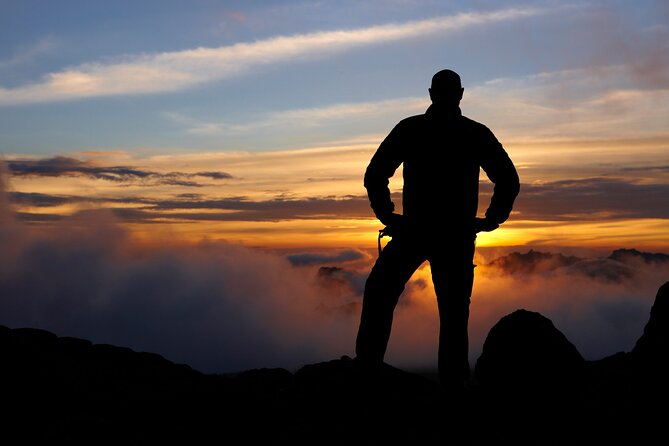
Summit day begins around midnight. For about six hours, you climb by headlamp toward the crater rim. The trail is steep until Stella Point, and this is the hardest section of the entire trek.
The challenge is not only the slope. At this altitude, every step can feel slow. Your guide sets a measured pace, and you should resist the urge to rush in the early hours. The goal is to keep moving while protecting your energy for the final stretch.
At Stella Point, the route follows a more gradual climb along the crater rim. The walk to Uhuru Peak takes about an hour and is technically easier than the steep section below, but altitude makes it tiring.
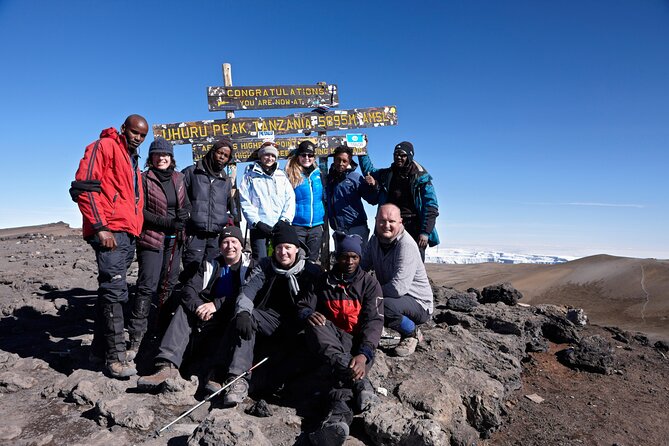
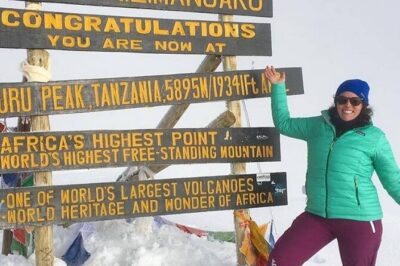
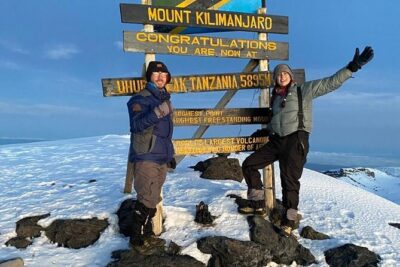
Reaching Uhuru Peak puts you at 5,895 meters, or 19,341 feet, the highest point in Africa. Plan for photos at the summit, but keep the stop sensible. Cold, fatigue, and altitude make the descent more important than lingering for a long celebration.
The way down offers views of the crater, clouds, mountain slopes, and glaciers. You return through Barafu Camp before continuing to Mweka Camp. The supplied timing lists only one hour for the summit stop, but the complete summit day is clearly much longer once the ascent, descent, and movement between camps are counted. Treat this as the toughest day by far.
Day 7: Forest descent to Mweka Gate
After breakfast, you finish the trek by descending through the forest to Mweka Gate. The walk takes about two hours, and the trail may be slippery after rain.
The forest feels different on the way down. After several days among bare rock and thin vegetation, the return of trees signals that the mountain section is ending. At the lower station of Mweka Gate, vehicles meet you for the drive back to Arusha.
This final day is short compared with the summit effort, but tired legs can make any descent awkward. Keep your footing careful, particularly if the trail is wet.
The people and support behind the climb
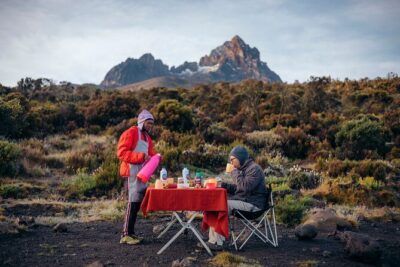
The mountain crew is a major part of the experience. Guides, porters, and cooks stay with your group for the six trekking days after the first meeting at Machame Gate. The porters and cooks move ahead to prepare camp, while the guides manage the walking pace and route.
The most repeated praise focuses on friendly, encouraging staff and strong organization. Specific guides praised in past climbs include Colman, Ernest, Ema, Shaban, and others. One safari account also credits a driver named Sifuni, though that comment relates to a different safari service rather than this exact Machame schedule.
Several groups describe the trip as carefully organized from arrival onward. One family praised the meals, equipment, and staff, while another large family group said the guides helped keep everyone moving toward the summit. The company also identifies itself as a founding partner of the Kilimanjaro Porters Assistance Project, an important point for anyone who wants to ask how porter welfare is handled.
Because this is a private activity, only your group participates in the arranged tour. That gives you more room to set a sensible pace and communicate with your guide. It does not make the mountain private. You will still share the Machame trail and camping areas with other climbing groups.
Fitness, altitude, and the real difficulty
You need a strong physical fitness level for this tour. The daily walking times range from about two to seven hours, but hours do not tell the full story. The steep Barranco Wall, high-altitude climb to Lava Tower territory, alpine desert, and midnight summit attempt all add strain.
Altitude is the biggest unknown. Day three is designed to help with acclimatization, but it cannot remove the risk of altitude problems. You should be prepared to follow your guide’s instructions and accept a slower pace or a change of plan if your condition requires it.
The summit ascent is especially demanding because it begins at night and reaches the highest elevation of the trip. You should expect the final approach to feel long, even after Stella Point becomes less steep.
This route suits you if you enjoy a structured challenge, can walk for several hours on uneven ground, and are comfortable camping for six nights. It is less suitable if you want a relaxed sightseeing holiday, dislike cold early starts, or are looking for a short introduction to mountain walking.
Popular route, authentic mountain experience
Machame offers varied scenery and a strong sense of progression. You begin among farms and villages, enter mossy forest, cross heather and high-altitude plant zones, reach the Shira Plateau, then continue through barren volcanic country to the glaciers and summit.
The price of that variety is popularity. The route is described as the most popular camping route overall, so you should expect to share sections of the trail and camps with many other climbers. If solitude is your top priority, this may frustrate you. If you prefer a route with established camps, clear staging, and plenty of company on a serious climb, the popularity can feel reassuring.
The private format gives you personal group support, but it does not turn Machame into an empty trail. That is an important distinction before you book.
Booking details worth checking
Pickup is offered, and the stated meeting time is 9 a.m. in Arusha. A mobile ticket is available, and confirmation is received at booking. The starting point is near public transportation, although the actual climb quickly leaves ordinary transport behind.
The experience can be canceled for a full refund up to three full days before the local start time. Cancellations made inside that window are not refunded, and late changes are not accepted. The trip also requires a minimum number of participants. If that minimum is not met, the provider offers another date or experience, or a full refund.
The experience has a 5 out of 5 rating from 11 ratings and a 100 percent recommendation rate. The strongest themes are staff support, organization, equipment, meals, and the satisfaction of reaching the summit. Those are useful signals, but they should not replace an honest look at the physical demands.
Should you book the seven-day Machame climb?
I would choose this tour if you want a private Kilimanjaro climb with varied scenery, a well-planned acclimatization profile, and a substantial support team. The Barranco Wall adds character, and the route gives you several distinct mountain environments rather than one long, repetitive ascent.
I would hesitate if your main goal is quiet hiking. Machame is popular, and the summit day is a serious test of stamina and altitude tolerance. You should also be comfortable paying $2,699 for organized support rather than trying to assemble the climb yourself.
For a fit and determined first-time high-altitude climber, this looks like a strong choice. Go in for the slow pace, the early nights, the shared camps, and the possibility that the summit plan may need to change. If you can accept those terms, the route offers a memorable path from Arusha’s coffee country to Uhuru Peak.
FAQ
Where does the Kilimanjaro climb begin?
The experience begins in Arusha, Tanzania, with pickup offered at 9 a.m. on the first day.
How long is the tour?
The tour lasts approximately seven days and includes six trekking days with the mountain crew.
Which route does the climb use?
The climb uses the Machame Route, approaching Kilimanjaro from the west.
Is this a private tour?
Yes. Only your group participates in the private tour activity, although you will share the popular Machame trail and camps with other climbers.
How long is the drive from Arusha to Machame Gate?
The drive takes about one and a half hours and passes coffee farms and villages.
What is the highest point reached?
The summit is Uhuru Peak at 5,895 meters, or 19,341 feet.
How demanding is the climb?
The experience requires a strong level of physical fitness. The most difficult sections include the Barranco Wall and the midnight ascent toward Stella Point and Uhuru Peak.
Can I cancel for a full refund?
You can receive a full refund if you cancel at least three full days before the experience start time, based on local time. Cancellations made later are not refunded.
Just added in Arusha
- Safari “Kifaru” – 5 days in the most famous Parks in the world★ 5.0 · 4 reviews
- Saadani Day Trip★ 5.0 · 13 reviews
- 3 Days Tanzania Short and Spicy★ 5.0 · 6 reviews
- 5 Day Tanzania Safari Camping Adventure Private Tour★ 5.0 · 2 reviews
- Day Trip to Ngorongoro Crater from Arusha★ 5.0 · 1 review
- SERENGETI NATIONAL PARK Tour★ 4.5 · 5 reviews
- 3 Days Serengeti Park & Ngorongoro Crater Adventure Safari★ 5.0 · 8 reviews
- 6 Days Tanzania Bush Experience Safari★ 5.0 · 6 reviews
Machame Route Climbs, compared.
Climbing Kilimanjaro through 7 days Machame Route
Read our review →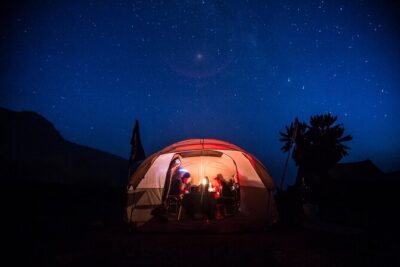
7-Day Machame Kilimanjaro Summit Tour from Arusha
Read our review →
7 Days Kilimanjaro via Machame route affordable price
Read our review →
#1. Best Kilimanjaro Day hike Tour-Machame Route-ISMANI
Read our review →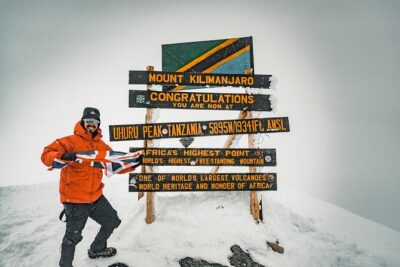
The Best of Machame Route in 6 Days: Your World’s Summit Guide
Read our review →Browse the lists this tour appears in