
Reviewed · 7-DAY EXPERIENCES
7 Days Highlight of Tanzania Mid-Range Standard
Big cats, elephants, and crater views await. This seven-day Tanzania safari packs four famous wildlife areas into one private journey from Arusha, with Tarangire’s elephant herds and the Serengeti’s predator country as major highlights. I like the private format and the chance to spend several days in the Serengeti, where patience can pay off with lions, cheetahs, leopards, and possibly the Big Five. The main drawback is the amount of time spent on the road, especially on the transfers between northern parks.
I also like the mix of wildlife and human encounters, particularly the stated visit to Lake Eyasi and the Busmen’s community. The mid-range standard keeps the trip more comfortable than basic camping without pushing the price into luxury territory. At $4,465 per person, though, you should confirm exactly which accommodation, airport transfers, and Lake Eyasi activities are included before paying.
In This Review
- Key points to know before booking
- What this seven-day Tanzania safari is really like
- Day one: elephants and baobabs in Tarangire
- Day two: forest, birds, and Lake Manyara
- Days three and four: entering the Serengeti
- Day five: an early Mara River game drive
- Day six: one last Serengeti search, then the crater rim
- Day seven: Ngorongoro Crater and Ngoitokitok
- Mid-range comfort and what the price covers
- The guide can make or break the safari
- Lake Eyasi needs confirmation before you commit
- Who should book this safari?
- Should you book the 7 Days Highlight of Tanzania?
- FAQ
- Where does the safari begin?
- How long does the experience last?
- Is this a private tour?
- Is pickup offered?
- Which national parks are included?
- Is Lake Eyasi included?
- Are park fees included?
- Are meals included?
- What is not included in the price?
- Can I cancel for a full refund?
Key points to know before booking
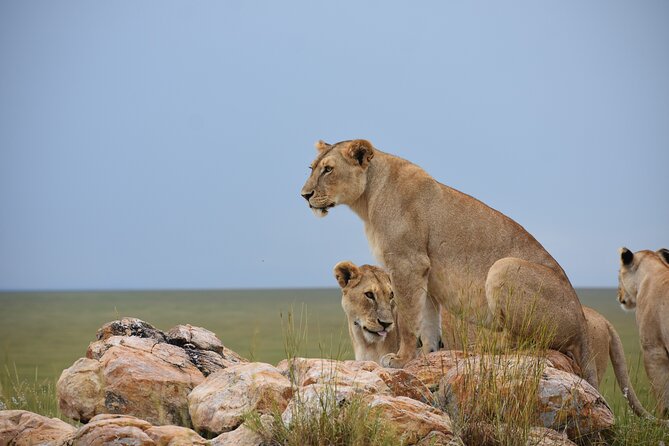
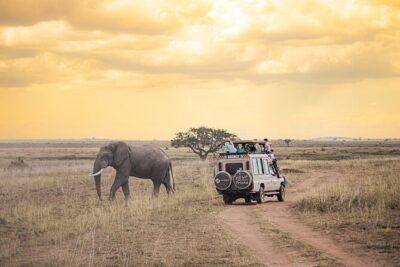
- Tarangire begins the safari with elephants: The park is known for Tanzania’s largest elephant population and strong dry-season wildlife viewing around the Tarangire River.
- The Serengeti receives three full sightseeing days: Days three through five focus on central and northern Serengeti, including the Mara River and Retima Hippo Pool.
- The Ngorongoro Crater adds compact Big Five viewing: The crater floor covers about 265 square kilometers and sits 610 meters below the rim.
- This is a private tour: Only your own group participates, with private transportation and a dedicated guide-driver.
- Picnic meals are part of the daily rhythm: Lunch is often eaten in or near the parks, including the Ngoitokitok Picnic Area, where hippos may be nearby.
- The itinerary needs one important clarification: Lake Eyasi appears in the main description, but the listed seven-day schedule ends at Ngorongoro Crater.
What this seven-day Tanzania safari is really like
This is a classic northern Tanzania route. You begin in Arusha, head toward Tarangire and Lake Manyara, spend extended time in the Serengeti, and finish at Ngorongoro Crater. The route covers the places most first-time safari visitors want to see, but it does so at a brisk pace.
The private setup matters. You are not being moved around with a large busload, and the guide can shape the day around wildlife activity and your interests. The supplied information names guides including Baraka, Hozza, Hoza, George, Nestor, Linus, Steven, and George Mollel in connection with different trips. You should request a preferred guide if that is important to you, but do not assume a particular person is guaranteed.
The days are long. Several are listed at about 10 hours, with early breakfasts, picnic lunches, game drives, and long transfers. That is normal for a safari route covering this much ground, but it is not a restful holiday in the usual sense. You will spend plenty of time in the vehicle, and the reward is access to a wide range of habitats and wildlife.
A few more options to weigh up in Moshi
- Kilimanjaro climb by Lemosho Route (7-day)
★ 5.0 · 651 reviews - Safari Serengeti And Ngorongoro
★ 5.0 · 288 reviews - Kilimanjaro climb, Machame Route (7-day)
★ 5.0 · 262 reviews
Day one: elephants and baobabs in Tarangire
You leave Arusha after breakfast with a packed picnic lunch and travel toward Tarangire National Park. The route passes through Rift Valley scenery before you enter a park that often receives less attention than the Serengeti, despite offering excellent game viewing.
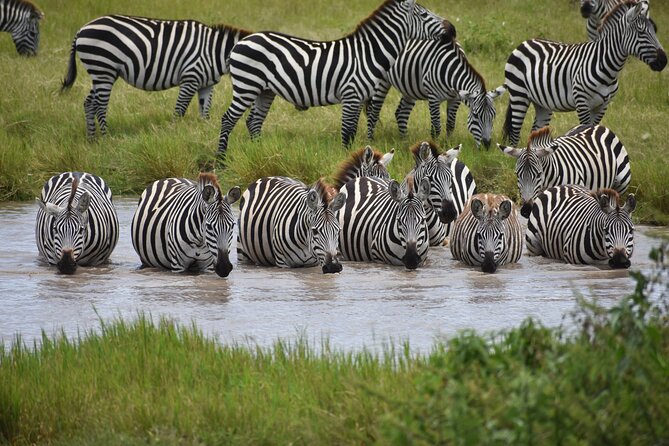
Tarangire is especially appealing for elephant lovers. It supports Tanzania’s largest elephant population, along with buffalo, giraffe, zebra, and many antelope species. During the dry season, wildlife gathers near the Tarangire River, making the animals easier to find and giving the park a strong sense of movement around water.
The park also works well as a first safari stop. You begin with a quieter setting before reaching the more famous Serengeti. That can make the first elephant sighting feel less hurried, though the quality of viewing depends on the season and animal movements.
The listed accommodation is Tortills Tented Camp, described as being near a park corridor used by elephants moving out of Tarangire. That location may offer a more immediate connection with the bush, but you should confirm the exact camp name and room style. The spelling appears in the supplied details as Tortills, while the description also refers to a tented camp.
Day two: forest, birds, and Lake Manyara
After breakfast, you continue game viewing in Tarangire until around midday. You then travel to Lake Manyara National Park with another picnic lunch.
Manyara is smaller than the Serengeti, but its variety is the attraction. The park includes underground-water forest, acacia woodland, grassland, swamps, marshes, and hot springs. Such a mix gives you a better chance to see changing scenery and different animal habitats within one day.
Birdwatchers have good reason to pay attention here. More than 400 bird species have been recorded, including flamingos and migratory water birds. Monkeys and birds fill the forest with sound, while the acacia areas are associated with the park’s famous tree-climbing lions.
The limitation is timing. You spend only part of the day in Manyara after a morning game drive in Tarangire and the transfer from camp. If Lake Manyara is a priority, ask how many hours will actually be spent inside the park. The itinerary gives the park a full stop, but the schedule makes it a partial sightseeing day.
Days three and four: entering the Serengeti
Day three takes you to the Serengeti after breakfast. You eat a picnic lunch on arrival, then continue with an afternoon game drive before reaching Serengeti Heritage Tented Camp for dinner and the night.
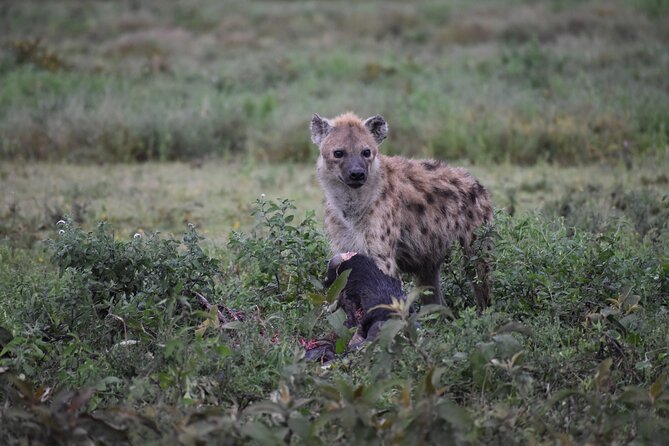
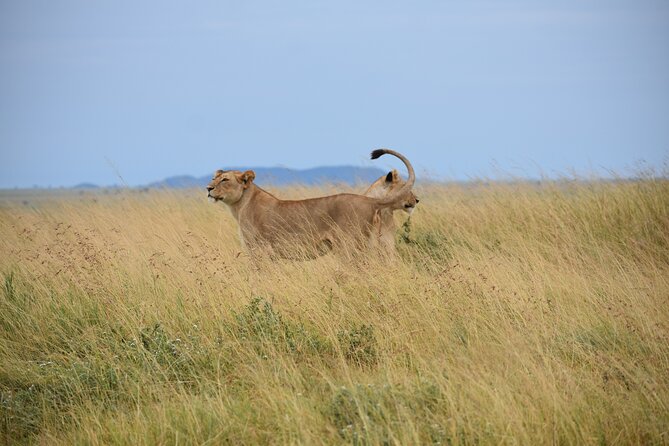
Central Serengeti is known for frequent sightings of lions, leopards, and cheetahs. You may also see hyenas, jackals, elephants, giraffes, hippos, buffalo, and other animals. The wide open plains make the scenery memorable, but the size of the park means your guide’s spotting skills and knowledge of current animal locations matter greatly.
I consider the two-night Serengeti stay one of the strongest parts of this trip. A single day can feel like a hurried introduction. Two or more days give you time to search different areas and accept that wildlife does not follow a schedule.
Day four shifts attention north toward the Mara River. The route is long, with about seven hours listed for the game drive, followed by time at Retima Hippo Pool. The pool provides a reliable place to see hippos while stopping for food, though the word reliable should not be confused with guaranteed close viewing of every animal you hope to find.
The famous wildebeest river crossings are seasonal. Depending on rainfall, crossings may begin as early as June or as late as August. Even at the right time, no guide can promise a crossing. The animals may gather, wait, turn back, or cross when you are elsewhere. That uncertainty is part of the real safari experience, but you should not book this trip solely for a dramatic river scene.
A different kind of day out entirely:
- Kilimanjaro Climbing Lemosho Route 8 Days.
★ 5.0 · 186 reviews - Climbing Kilimanjaro – Machame Route
★ 5.0 · 170 reviews - Climbing Kilimanjaro through 7 days Machame Route
★ 5.0 · 151 reviews - Kilimanjaro climb, Lemosho Route (8-day)
★ 5.0 · 148 reviews
Day five: an early Mara River game drive
Day five begins early with a morning drive along the Mara River. This is a smart use of the day. Early hours can bring active wildlife, and the itinerary focuses on the same predator-and-prey drama that makes the northern Serengeti so compelling.
You might see wildebeest and zebra near water, followed by lions or other predators. Hippos, elephants, giraffes, warthogs, cheetahs, and leopards are also listed as possible sightings. The endangered black rhino is a rarer possibility, so treat that as a fortunate bonus rather than an expected part of the day.
The schedule runs for about eight hours, including the afternoon game drive and return to camp. It is a demanding day, but it gives you a second serious chance at the Mara River instead of treating the area as a quick photo stop.
One practical point: the supplied details list admission as included for this day, while other days show admission ticket free. Since all national park fees are included overall, the distinction appears administrative, but you can still ask for a final cost breakdown.
Day six: one last Serengeti search, then the crater rim
After an early breakfast, you head out for another Serengeti game drive before traveling toward Ngorongoro Crater. The goal is a possible Big Five sighting: lion, elephant, buffalo, rhino, and leopard.
The Serengeti is unfenced, allowing animals to move across broad areas. That freedom is important for conservation and for the natural feel of the safari, but it also means sightings are never guaranteed. You may find a lion one day and search for one the next.
The drive to the crater rim changes the mood of the trip. After the open plains, you arrive above a volcanic caldera with streams, grassland, and animals visible below. The first view from the rim is one of the trip’s great visual moments, and the overnight stay nearby means you can descend early the next morning.
The accommodation is described as a carefully selected mid-range partner lodge with comfortable rooms and a restaurant. That sounds more settled than a basic tent, but the exact property is not named. Ask for the lodge name, room category, and whether the quoted price includes any extra crater-rim charges.
Day seven: Ngorongoro Crater and Ngoitokitok
The final day starts very early. You travel through the Ngorongoro Conservation Area before descending 610 meters to the crater floor.
Ngorongoro Crater is a compact wildlife destination. The floor covers about 265 square kilometers and supports roughly 25,000 large mammals. Open grassland makes animals easier to spot than in thick woodland, and the crater is known as a strong place to look for the Big Five, including black rhino.
You spend the day on the crater floor with a picnic lunch among grazing herds. The listed duration is about seven hours, followed by one hour at Ngoitokitok Picnic Area.
Ngoitokitok adds an unusual detail: hippos may be within walking distance while you eat. Your guide will direct you to the designated picnic area, but keep to the rules and follow instructions around wildlife. A picnic beside a hippo pool is memorable, but it is not a casual park lunch.
The crater is a fitting ending because it offers a concentrated final wildlife day after the larger, more open Serengeti. The drawback is that the day still includes a very early start and a long return journey, depending on where the safari ends.
Mid-range comfort and what the price covers
At $4,465 per person, this is a significant investment. The value depends on what the private arrangement and accommodation deliver for your group size.
The price includes:
- All national park fees
- Private transportation
- All fees and taxes
- Six breakfasts
- Six dinners
- Seven lunches
The meal count fits a seven-day trip, with breakfast and dinner on six days and lunch each day. Picnic lunches are built into the schedule, which is practical because game drives do not pause for restaurant dining.
The price does not include visas, tips, travel insurance, or personal items. Tips deserve advance planning because your guide-driver is central to the experience. Travel insurance is also your responsibility, and it is sensible to have cover for medical needs, delays, and cancellations.
For the price to feel worthwhile, you should receive a private vehicle, a strong guide, reliable park access, and lodging that matches the promised mid-range standard. Ask for a full accommodation list before booking. The named camps include Tortills Tented Camp and Serengeti Heritage Tented Camp, but the Ngorongoro-area lodge is not identified.
The guide can make or break the safari
Your guide will control the pace, explain animal behavior, find tracks, handle park roads, and decide how long to stay at a sighting. The strongest praise connected to this operator focuses on guides such as Baraka, Hozza, Hoza, George, Nestor, Linus, Steven, and George Mollel.
Baraka is repeatedly described as warm, enthusiastic, and committed to making the trip run well. Hozza is praised for sharp wildlife spotting, humor, flexibility, and a strong understanding of the parks. Nestor is described as professional, patient, friendly, and a careful driver. George Mollel receives especially warm praise for his knowledge of Tanzania, his care for wildlife, and his ability to balance close viewing with safety.
These comments give you useful questions to ask before departure. Find out who your guide will be, whether the person is also the driver, and how the company handles a guide change. A private tour gives you more control, but the quality of that control depends on the individual behind the wheel.
Lake Eyasi needs confirmation before you commit
The main description says the journey ends at Lake Eyasi, home of the Busmen’s people. That suggests a cultural visit and a chance to meet local residents, which would add something beyond wildlife viewing.
However, the seven-day schedule provided here ends with Ngorongoro Crater and Ngoitokitok Picnic Area. Lake Eyasi does not appear as a scheduled day or stop. This is the clearest detail to settle before booking.
Ask three direct questions: Is Lake Eyasi included in this exact seven-day version? If so, on which day? Does the visit include transport, community fees, and any guided cultural activity? Do not assume it is part of the trip simply because it appears in the overview.
Who should book this safari?
I would recommend this route to a first-time safari visitor who wants the major northern Tanzania parks in one organized trip. It suits couples, families, and small private groups that value their own vehicle and want a guide focused only on them.
It is also a good match for people who want cats and elephants but do not want to spend the whole trip in the Serengeti. Tarangire adds elephants and dry-country scenery, Manyara adds birds and varied habitats, and Ngorongoro gives you a compact final wildlife day.
I would hesitate to recommend it to anyone seeking slow travel, luxury lodging, or long periods away from the vehicle. The schedule is full, the transfers are substantial, and the mid-range accommodation is not fully specified. If your dream is a relaxed safari with several unscheduled afternoons, ask for a slower private itinerary instead.
Should you book the 7 Days Highlight of Tanzania?
Book it if you want a private, wildlife-heavy introduction to Tanzania and value seeing Tarangire, Serengeti, and Ngorongoro in one week. The strongest reasons are the extended Serengeti time, private transport, included park fees, and the consistently praised guiding associated with Enticing Journeys.
Before booking, get the exact lodge list, confirm your guide, clarify the Lake Eyasi discrepancy, and ask how the $4,465 price changes for your group size. If those answers match your expectations, this is a well-focused safari with a lot of wildlife packed into seven demanding but rewarding days.
Free cancellation is available when you cancel at least 24 hours before the experience start time. Cancellations within 24 hours are not refundable, and late changes are not accepted.
FAQ
Where does the safari begin?
The tour begins in Arusha after breakfast on day one.
How long does the experience last?
The safari lasts approximately seven days.
Is this a private tour?
Yes. Only your group participates in this private tour or activity.
Is pickup offered?
Yes. Pickup is offered, although the supplied details do not specify every pickup location.
Which national parks are included?
The scheduled route includes Tarangire National Park, Lake Manyara National Park, Serengeti National Park, and Ngorongoro Crater.
Is Lake Eyasi included?
Lake Eyasi is named in the tour description, but it is not included as a listed stop in the seven-day itinerary. Confirm this detail before booking.
Are park fees included?
Yes. All national park fees are included.
Are meals included?
Yes. The package includes six breakfasts, six dinners, and seven lunches.
What is not included in the price?
Visa fees, tips, travel insurance, and personal items are not included.
Can I cancel for a full refund?
Yes, if you cancel at least 24 hours before the experience start time. Cancellations made within 24 hours are not refundable.
Just added in Moshi
- THE BEST 2 DAYS ON TREK – MARANGU ROUTE TOUR ADVENTURES★ 5.0 · 1 review
- Mount Kilimanjaro National Park Day Trip★ 5.0 · 7 reviews
- Mount Kilimanjaro Climbing in Tanzania Full-Day Trip★ 5.0 · 1 review
- Mount Kilimanjaro Day Hike – All-Inclusive, No Hidden Fees★ 4.0 · 7 reviews
- Mount Kilimanjaro Trekking Tour – Climb with Local Guides★ 5.0 · 1 review
- Mount Kilimanjaro: 7 Days Hike Lemosho Route★ 5.0 · 1 review
- Moshi:Chemka Hot Springs, Materuni Waterfalls & Coffee Tour★ 5.0 · 1 review
- Moshi Town: Walking Tour: Theme Urban lifestyle★ 3.1 · 4 reviews
7-Day Experiences, compared.
7-Day Premium Luxury Tanzania Safari All-Inclusive
Read our review →
Group Safari 7 Days in Tanzania’s Main Parks
Read our review →
Climbing Kilimanjaro through 7 days Machame Route
Read our review →
7-Day Machame Kilimanjaro Summit Tour from Arusha
Read our review →Browse the lists this tour appears in