
Reviewed · MACHAME ROUTE CLIMBS
7 Days Kilimanjaro Climb Machame route
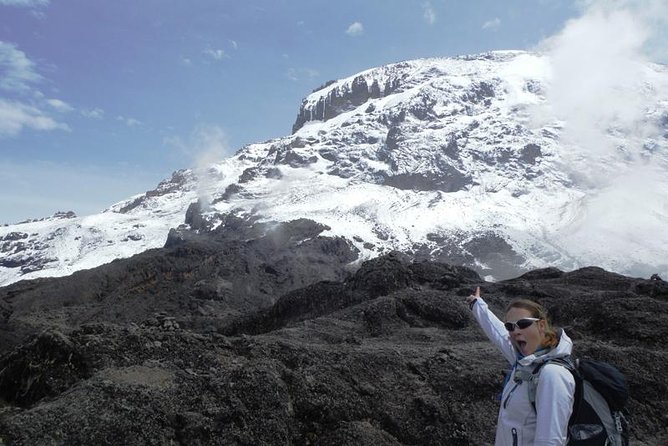
Kilimanjaro saves its hardest test for midnight. This seven-day climb takes you from Arusha or Moshi through mossy rainforest, open moorland, the Shira Plateau, and the high alpine desert beneath Kibo before the final push to Uhuru Peak. I like the seven-day pace, which gives you more time to adjust to altitude, and I like the changing scenery, especially the views of Mount Meru floating above the clouds. The main drawback is simple: this is a serious physical challenge, not a casual walking holiday.
The route also has a strong human side. Guides including Emmanuel, Mtui, and Noel lead the climb, while porters and cooks travel with your group and prepare camp ahead of you. The chance to share songs, language lessons, and local food adds warmth to long days on the trail. Still, you must bring or rent your own mountain gear, trekking poles, sleeping bag, and suitable clothing.
In This Review
- The important details at a glance
- Why seven days on Machame matters
- Day 1: Machame Gate and the first forest climb
- Day 2: Shira Plateau and the first open views
- Day 3: High acclimatization before Barranco
- Day 4: Scrambling up Barranco Wall
- Day 5: Karanga to Barafu Camp
- Day 6: Stella Point, Uhuru Peak, and the long descent
- Day 7: Mweka Gate and the return to town
- Guides, porters, food, and the human side
- What the $2,860 price really gives you
- Who should book this climb?
- FAQ
- Where does the Kilimanjaro climb begin?
- How long does the climb last?
- Is this a private climb?
- Are meals included?
- Is mountain equipment included?
- What level of fitness is required?
- What is the highest point reached?
- Can I cancel for a full refund?
- Should you book the seven-day Machame route?
The important details at a glance
- Seven days on the mountain: The schedule allows more acclimatization than a shorter Machame climb, with a gradual route toward Barafu Camp.
- A full southern approach: You walk through cloud forest, moorland, the Shira Plateau, barren high country, and the southern ice fields of Kibo.
- A private experience: Only your own group takes part, with pickup offered and group discounts available.
- A midnight summit attempt: You begin the climb to Uhuru Peak around midnight, reaching the crater rim at Stella Point before continuing to Africa’s highest point.
- Full board on the trek: Breakfast, lunch, and dinner are included for all seven days.
- A porter-supported camp: Porters and cooks move ahead to prepare camp, while guides accompany the group toward the summit.
Why seven days on Machame matters
The Machame route approaches Kilimanjaro from the southwest. It first passes through the forest, then joins the Shira route and crosses below Kibo’s southern ice fields before reaching Barafu Camp. The scenery changes often enough to keep the climb interesting, but the real advantage is the schedule.
Altitude is the great problem on Kilimanjaro. Seven days cannot remove the risk, but the itinerary gives your body more time to adjust than a rushed ascent. Day three is especially useful because you climb high during the day, reaching about 4,530 meters, then descend to Barranco Camp. This old mountain-climbing rule, climb high and sleep lower, is built into the route.
You still need strong physical fitness. The daily walks range from about six to eighteen hours, depending on the day and the exact pace. The summit day is the toughest by far, with a midnight start, steep ground to Stella Point, and a descent afterward.
The price is $2,860 per person. That is a substantial sum, but it covers seven days of breakfast, lunch, and dinner, as well as the guide, cook, and porter-supported mountain operation described for the trip. The private format and pickup option add convenience. You should still budget separately for mountain gear, trekking poles, sleeping bag, and clothing, since these are not included.
More Kilimanjaro climbs:
- Mount Kilimanjaro Day Hike Through Marangu Route to Mandara Hut
★ 5.0 · 37 reviews - Mount Kilimanjaro Day Hike
★ 4.5 · 23 reviews - 7 Day Kilimanjaro Climb Lemosho Route & 2 Day Safari
★ 5.0 · 16 reviews
Day 1: Machame Gate and the first forest climb
After breakfast, you leave Moshi for Machame Gate. The gate is where registration takes place and where you meet the porters and cooks who will support the climb. Use this pause to check your pack, inspect your footwear, and make sure every essential item is easy to reach.
The first walk leads through Kilimanjaro’s cloud forest. Moss-covered trees create a cool, shaded start, and the forest feels far removed from the town below. As you climb, the trees thin and give way to heathers, tall grasses, and wildflowers.
Machame Camp is the first night’s base. The stated walking time is about eighteen hours, which appears unusually long for a standard first day and is worth confirming with Hazzes Adventure before booking. The route description itself presents this as the day from Machame Gate to Machame Camp, with camp prepared ahead of your arrival.
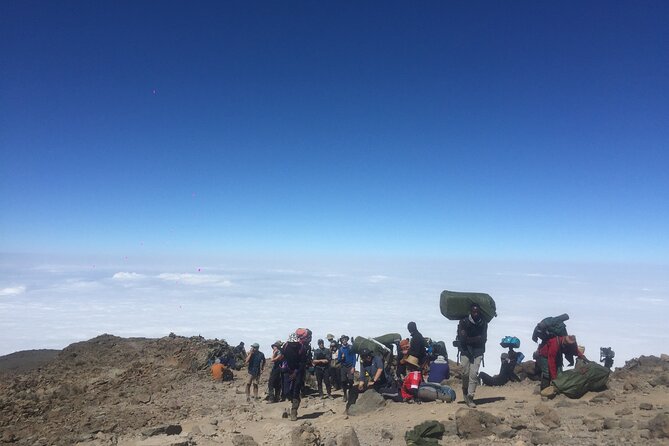
The support system is important here. Porters and cooks walk ahead to set up camp, so you are not carrying every item needed for a week in the mountains. You should still carry water, warm layers, rain protection, snacks, and anything needed during the day.
Day 2: Shira Plateau and the first open views
Day two is described as the easiest day on Machame, but that does not mean easy. You face several uphill sections, and the trail becomes exposed. On a clear day, sun and heat can be a bigger nuisance than the walking itself, so carry plenty of drinking water.
The reward is space and distance. From several viewpoints, you can look down across the plains and forests while Kibo and Mawenzi rise above. These two volcanic peaks give Kilimanjaro its familiar shape, and seeing them from the trail makes the scale of the climb clear.
Vegetation changes quickly as altitude increases. Smaller plants replace the forest, including the distinctive giant forms of Senecio kilimanjari and Lobelia deckenii. After lunch, you climb onto the Shira Plateau, formed when Kibo’s lava flows filled the Shira crater.
Shira Camp gives you a fine evening position, with Kibo to the west and Mount Meru to the east. I would treat this as a day for steady pacing rather than speed. The open trail offers little shelter, so sun protection and water matter.
Day 3: High acclimatization before Barranco
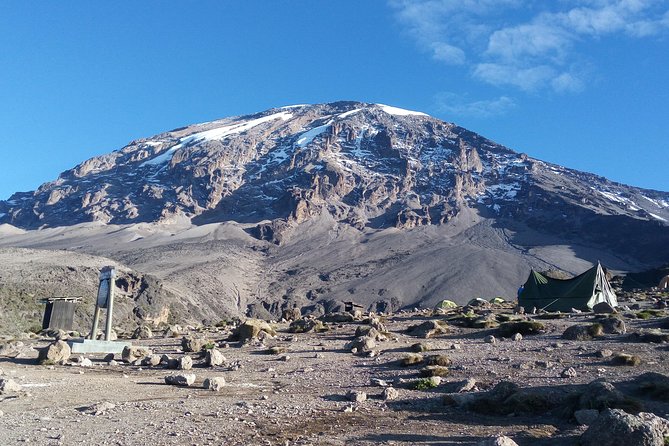
Day three is one of the most valuable parts of the seven-day plan. You walk east across the Shira Plateau, gaining only about 110 meters in sleeping altitude by the end of the day, but you climb much higher during the route.
By early afternoon, the trail reaches about 4,530 meters, after roughly 690 meters of ascent. You then descend to Barranco Camp. This up-and-down design can feel strange when your legs are working hard for little net gain, but it gives your body useful time at higher altitude before you sleep lower.
The scenery turns sparse and severe. After lunch, you reach the high point of the day, then descend through barren country toward Barranco. Faster groups can take a detour via Lava Tower, a roughly 300-foot lava formation jutting from the mountainside. The detour adds another high point, so it is not a decision to make casually if you are feeling the altitude.
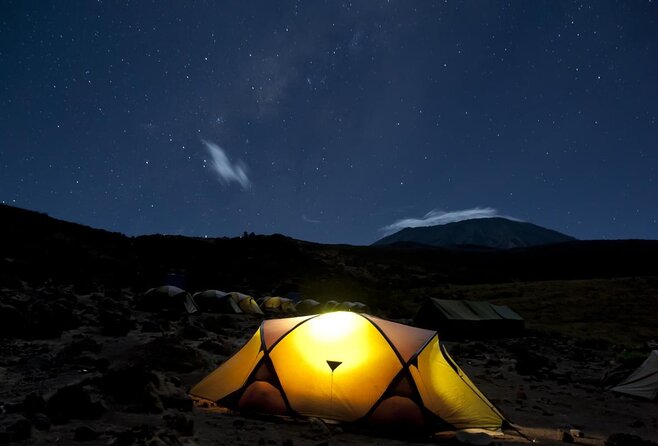
Barranco Camp is set below the impressive Barranco Wall. The camp location makes the next morning’s challenge visible before you even go to sleep. This is a long day, listed at about ten hours, and you should not judge your progress by the people in front of you. Slow and steady is the sensible approach.
More Machame Route climbs:
- 7-Day Machame Kilimanjaro Summit Tour from Arusha
★ 5.0 · 125 reviews - 6 Days: Hiking Kilimanjaro via Machame Route
★ 5.0 · 24 reviews - 6-Day Guided Tour in Machame Route Mt Kilimanjaro
★ 5.0 · 17 reviews - KILIMANJARO MACHAME ROUTE, (Climb 7days)
★ 5.0 · 16 reviews
Day 4: Scrambling up Barranco Wall
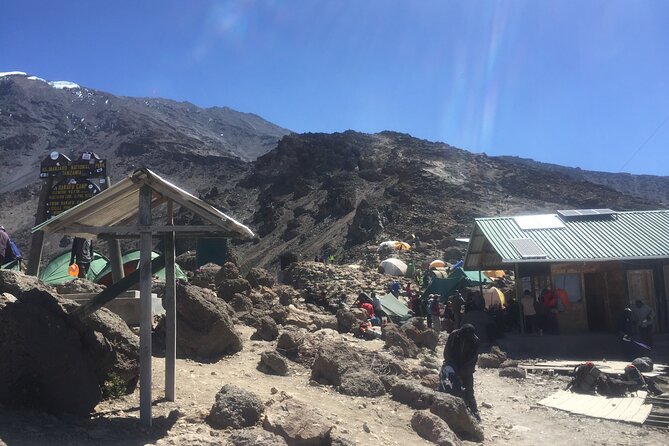
The morning begins with the most technical-feeling part of the route: a scramble up Barranco Wall. The climb takes about an hour and a half. In places, you use your hands to pull yourself upward, though this is not described as a rope climb.
The wall can look intimidating from camp. Once you are on it, the route is a sequence of rock steps and narrow sections rather than one uninterrupted cliff. Follow your guide’s instructions and keep your day pack close to your body.
At the top, the trail drops into the greener Karanga Valley. The contrast is welcome after the dry, open ground above the forest. The group generally camps on the ridge above the valley, which provides another useful night for acclimatization.
This is a shorter day, listed at about six hours, but it is not a day to underestimate. The scrambling uses different muscles from ordinary walking, and the descent into the valley comes after the hardest section. The ridge camp also puts you closer to the high country ahead.
Day 5: Karanga to Barafu Camp
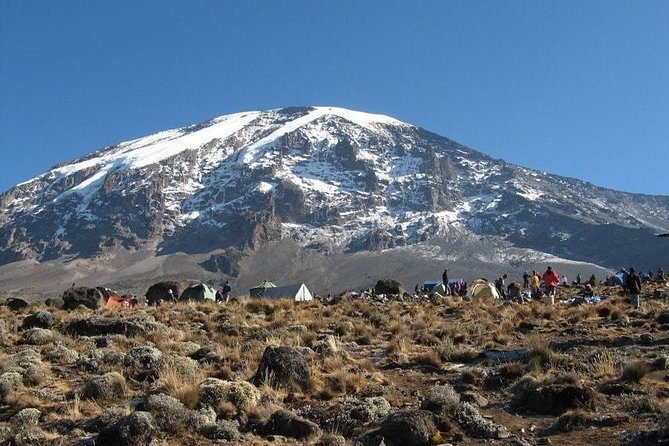
After breakfast, you continue toward Barafu Camp. The route passes through alpine desert, where vegetation becomes scarce and the mountain feels stark. Along the way, you can see several of Kibo’s glaciers and the junction linking the Mweka descent route with the Machame trail.
The route description refers to the Heim, Kersten, and Decken glaciers. These features are a reminder that Kilimanjaro is not just a high hiking trail. It is a volcanic mountain with ice fields near the summit, although the amount and appearance of ice can change.
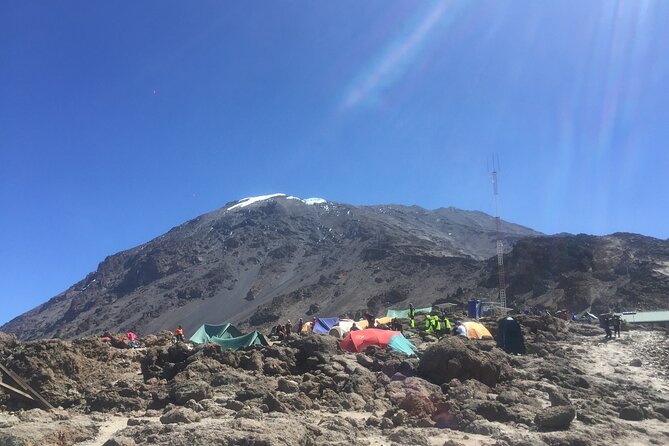
Barafu Camp offers views toward both Kibo and Mawenzi. It is also the place where the climb changes character. You are no longer simply moving from one camp to the next. You are preparing for the summit attempt.
The advice to sleep soon after dinner is practical. You will wake before midnight, and the coming ascent will last through the night and into the morning. Organize your headlamp, warm clothing, water, and summit layers before lying down. A calm evening is worth more than a long conversation at this point.
Day 6: Stella Point, Uhuru Peak, and the long descent
Around midnight, you begin the final ascent. For about six hours, the trail is lit by headlamps. The upper route is steep, and the section toward Stella Point at the crater rim is the hardest part of the trek.
Altitude makes every task slower. The climb is not only about leg strength. You must manage cold, fatigue, limited sleep, and the thin air. Your guide’s pacing matters, and you should be honest if you feel unwell.
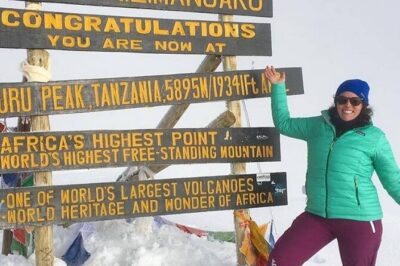
Stella Point marks the crater rim. From there, the trail to Uhuru Peak is a more gradual climb, although the altitude still makes it tiring. The crater-rim walk takes about an hour, and the final approach leads to Uhuru Peak at 5,895 meters, the highest point in Africa.
At the summit, take your photographs, enjoy the views, and do not linger longer than you comfortably can. The return journey begins at altitude and continues down toward Mweka Camp. The provided schedule lists about six hours for this stop, but the full summit day includes both the nighttime ascent and the descent, so you should expect a very demanding day.
This is the moment when the extra acclimatization days matter most. They cannot guarantee success, but they give you a better preparation than a compressed itinerary.
Day 7: Mweka Gate and the return to town
After breakfast, you finish the mountain walk by descending to Mweka Gate. The route returns through Kilimanjaro’s cloud forest, bringing cooler, greener scenery after the stark upper slopes.
The trail can be slippery, especially on the descent, so watch your footing. Tired legs make small hazards more serious. Trekking poles would be useful here, but they are not included in the price.
At Mweka Gate, you sign the registration book and receive your summit certificate if you reached the required point. Climbers who reach Stella Point receive green certificates. Those who reach Uhuru Peak receive gold certificates.
Vehicles wait at the lower station of Mweka Gate to take you back to Moshi or Arusha. A hot shower after seven days on the mountain will feel like a major event, and on this trip it is one of the few comforts you will have to wait for.
Guides, porters, food, and the human side
The strongest praise connected with this climb centers on the mountain crew. Emmanuel, Mtui, and Noel are named as guides, and the support team is described as including more than twenty porters on one climb.
That matters because a Kilimanjaro ascent is a group effort. Guides set the pace and help manage the route. Porters carry camp supplies. Cooks prepare the included meals. The arrangement lets you focus on walking, but it also means you should pack responsibly and avoid bringing unnecessary weight.
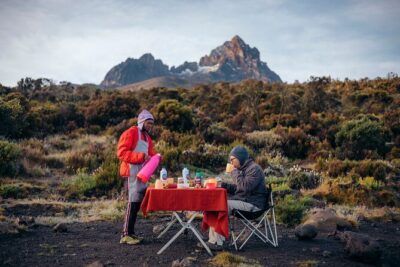
The human atmosphere is another appealing feature. Songs, language lessons, and local cuisine are part of the experience described by the operator. These details make camp feel less like a string of anonymous nights and more like a shared undertaking.
You should still ask clear questions before departure. Confirm the guide-to-climber ratio, the exact porter arrangements, what meals contain, and how equipment rental works. The supplied details confirm that food is included, but they do not provide menus or dietary arrangements.
What the $2,860 price really gives you
At $2,860 per person, this climb sits in the serious expedition category rather than the bargain day-trip category. The value comes from the length of the program and the labor behind it.
You receive seven days of breakfast, lunch, and dinner, transport pickup is offered, and your group has private use of the activity. The guides, cooks, and porters support the trek throughout the mountain section. Group discounts may improve the price for a larger party.
The main extra cost is equipment. Mountain gear, trekking poles, sleeping bag, and clothes are specifically excluded. Do not treat that line as a minor footnote. Warm sleeping equipment and proper clothing can make the difference between a manageable night and a miserable one.
The price is easier to justify if you want a slower Machame schedule, private group arrangements, and a full support team. It is less attractive if you already own all the gear and are comparing only the walking route. Ask for a current breakdown of inclusions before paying.
Who should book this climb?
I would choose this route if you want a full week on Kilimanjaro, prefer a private group, and value a gradual approach over a rushed summit attempt. It suits people who are comfortable with long walking days, exposed high-altitude terrain, a rocky scramble, and a midnight climb.
It is also a good fit if you want scenery that changes constantly. The cloud forest, Shira Plateau, giant high-altitude plants, Barranco Wall, glaciers, and volcanic summit each give the route a different feel.
I would hesitate if you have limited mountain experience and have not built strong fitness beforehand. The seven-day schedule improves your chances of adjusting to altitude, but it does not make the mountain easy. You also need to arrange excluded equipment and accept that poor weather can change the plan.
Hazzes Adventure offers free cancellation up to 24 hours before the local start time. If poor weather cancels the experience, you are offered another date or a full refund. That is useful flexibility for a mountain trip, where conditions can control the schedule.
FAQ
Where does the Kilimanjaro climb begin?
The experience is based in Arusha, with pickup offered. The first mountain transfer leaves Moshi for Machame Gate after breakfast.
How long does the climb last?
The climb lasts approximately seven days, ending with a descent to Mweka Gate and transport back to Moshi or Arusha.
Is this a private climb?
Yes. This is a private tour or activity, and only your own group participates.
Are meals included?
Yes. Breakfast, lunch, and dinner are included for all seven days.
Is mountain equipment included?
No. Mountain gear, trekking poles, sleeping bag, and clothes are not included.
What level of fitness is required?
You should have a strong physical fitness level. The route includes long walking days, steep sections, a scramble up Barranco Wall, and a demanding midnight summit ascent.
What is the highest point reached?
The summit goal is Uhuru Peak at 5,895 meters. Climbers who reach Stella Point receive green certificates, while those who reach Uhuru Peak receive gold certificates.
Can I cancel for a full refund?
You can cancel at least 24 hours before the experience start time for a full refund. Cancellations or changes made less than 24 hours before the start are not refunded or accepted.
Should you book the seven-day Machame route?
I would book it if your priority is a well-paced, fully supported Kilimanjaro climb with strong scenery and a private group. The extra day gives you more acclimatization time, and the route includes some of the mountain’s most memorable sections, from the forest to Barranco Wall and the crater rim.
Before booking, confirm the unusual first-day timing, the exact equipment plan, and the food and guide arrangements. If you are fit, prepared, and ready for a genuine high-altitude challenge, this seven-day Machame climb offers a sensible balance of support, scenery, and summit ambition.
Just added in Arusha
- Safari “Kifaru” – 5 days in the most famous Parks in the world★ 5.0 · 4 reviews
- Saadani Day Trip★ 5.0 · 13 reviews
- 3 Days Tanzania Short and Spicy★ 5.0 · 6 reviews
- 5 Day Tanzania Safari Camping Adventure Private Tour★ 5.0 · 2 reviews
- Day Trip to Ngorongoro Crater from Arusha★ 5.0 · 1 review
- SERENGETI NATIONAL PARK Tour★ 4.5 · 5 reviews
- 3 Days Serengeti Park & Ngorongoro Crater Adventure Safari★ 5.0 · 8 reviews
- 6 Days Tanzania Bush Experience Safari★ 5.0 · 6 reviews
Machame Route Climbs, compared.
Climbing Kilimanjaro through 7 days Machame Route
Read our review →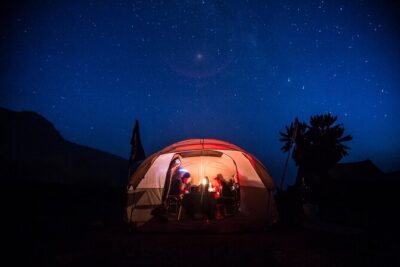
7-Day Machame Kilimanjaro Summit Tour from Arusha
Read our review →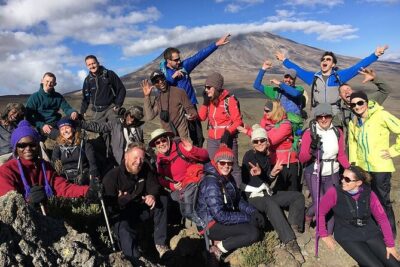
7 Days Kilimanjaro via Machame route affordable price
Read our review →
#1. Best Kilimanjaro Day hike Tour-Machame Route-ISMANI
Read our review →
The Best of Machame Route in 6 Days: Your World’s Summit Guide
Read our review →Browse the lists this tour appears in