
Reviewed · MACHAME ROUTE CLIMBS
7 Days Kilimanjaro Trekking Machame Route with Professional Guide
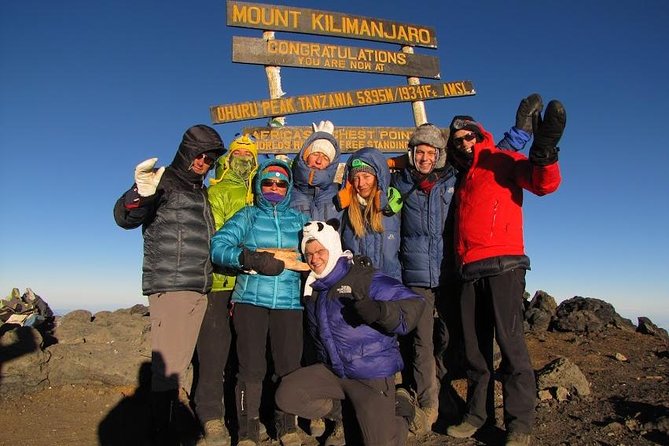
Kilimanjaro rewards patience, not speed. This private Machame Route trek gives you seven days on the mountain, professional guide support, camping beneath the Southern Icefields, and a serious but well-planned attempt at Uhuru Peak. I especially like the extra acclimatization time and the way the route climbs through several distinct zones, from rainforest to volcanic scree. I also like that airport transfers, lodging in Arusha, rescue fees, oxygen, meals, tents, and listed gear are included.
The main consideration is the physical demand. Summit day can involve 11 to 15 hours of walking, much of it beginning around 1 a.m. The advertised experience lasts about nine days in total, even though the mountain portion lasts seven days, so you need to set aside more than one week and arrive ready for long, tiring days.
In This Review
- Key points to know before booking
- What the $2,400 price really covers
- Day 1: Arrive in Arusha and check your equipment
- Day 2: Machame Gate and the first rainforest climb
- Day 3: Leaving the forest for Shira Plateau
- Day 4: Lava Tower, Barranco Valley, and the value of going higher
- Day 5: Climbing Barranco Wall to Karanga Camp
- Day 6: Barafu Camp and a short acclimatization hike
- Day 7: Stella Point, Uhuru Peak, and the longest day
- Day 8: Descending through forest to Arusha
- Day 9: Airport transfer or extra time in Tanzania
- Guide support, food, and group comfort
- Who should choose this Machame trek?
- Should you book this Kilimanjaro experience?
- FAQ
- How long does the experience last?
- Where does the trek begin?
- Where does the trip start and finish?
- What time does the experience start?
- How high is Uhuru Peak?
- How long is summit day?
- Are meals and accommodation included?
- Is this a private tour?
Key points to know before booking
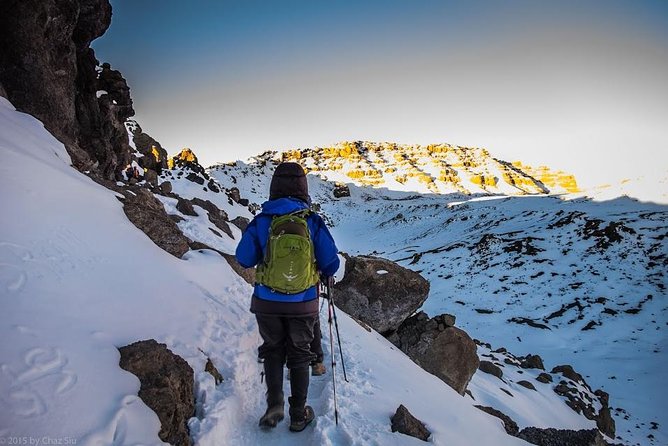
- Seven mountain days on the Machame Route: You climb through rainforest, moorland, the Shira Plateau, Barranco Valley, and high volcanic terrain before the summit attempt.
- The route reaches 19,345 feet: Uhuru Peak is the goal, with Stella Point at 18,800 feet serving as an important milestone.
- A full summit night comes early: You start around 1 a.m., reach the crater rim near sunrise, then descend to Millennium Camp the same day.
- The price covers major trip costs: At $2,400 per person, the package includes accommodation, meals, transport, park and rescue fees, professional guides, tents, oxygen, first aid, and listed gear.
- Guide support is a major strength: Guides named in past trips include Frankie, Nestor, Emmanuel, Bryson, Augustine, and Clinton.
- This is a private trip: Only your own group participates, which can make pacing and support more personal.
What the $2,400 price really covers
At $2,400 per person, this is not a cheap walk in the hills. Kilimanjaro requires park fees, camping equipment, porters and guides, meals, transport, rescue arrangements, and several nights of lodging. Here, the price includes all fees and taxes, private transportation, airport transfers, accommodation, a professional guide, rescue fees, oxygen, first aid, tents, breakfast, lunch, and dinner on the listed schedule.
That makes the package easier to budget. You are not adding separate national park charges or wondering how to get from Kilimanjaro International Airport to Arusha. The trip begins and ends at a lodge in Arusha, with private transfers included at both ends.
The important omission is gratuity. Tips are not included, so you should plan for that separately. The amount is not specified, and I would ask the operator for current tipping guidance before departure. You should also confirm exactly what all gears means for your group, especially if you need personal cold-weather clothing or specialist equipment.
The schedule includes one night at Arusha Safari Lodge before the climb and another after you descend. Those nights are useful, not decorative. The first gives you time for the equipment check and pre-climb briefing. The second gives you a bed, a proper base, and a chance to recover after the summit push.
More Machame Route climbs:
- 7-Day Machame Kilimanjaro Summit Tour from Arusha
★ 5.0 · 125 reviews - 6 Days: Hiking Kilimanjaro via Machame Route
★ 5.0 · 24 reviews - 6-Day Guided Tour in Machame Route Mt Kilimanjaro
★ 5.0 · 17 reviews
Day 1: Arrive in Arusha and check your equipment
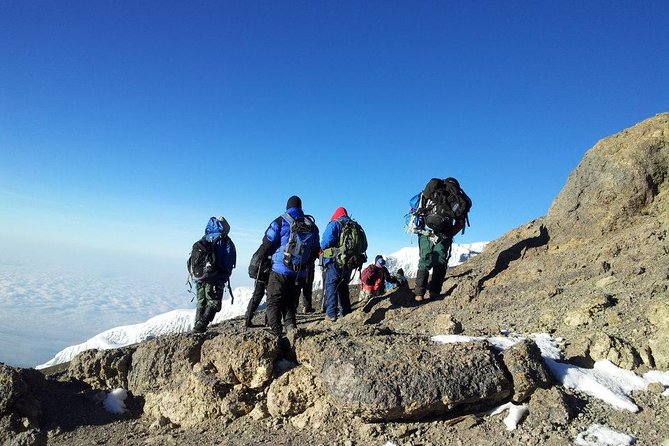
Your airport transfer from Kilimanjaro International Airport takes you to Arusha Safari Lodge. You can arrive at any time on the first day, which helps if your flight schedule is awkward.
The formal preparation happens in the late afternoon. A pre-trip meeting is planned for around 4:30 p.m., followed by dinner at about 6:30 p.m. The team checks your equipment and confirms that you have the required medical coverage and travel insurance.
I like this practical start. A Kilimanjaro trip is not the place to discover at the gate that your equipment is incomplete or your insurance excludes high-altitude trekking. Use this meeting to ask direct questions about the pace, sleeping arrangements, summit timing, meals, and what happens if you need to turn around.
Your first night includes bed, dinner, and breakfast. The accommodation is part of the package, and the listed schedule gives you nine breakfasts, eight dinners, and eight lunches overall.
Day 2: Machame Gate and the first rainforest climb
After registration at Machame National Park Gate, you begin in the rainforest on the lower slopes of Kilimanjaro. This is a steady introduction rather than a sprint, with about five to six hours of walking and a picnic lunch along the route.
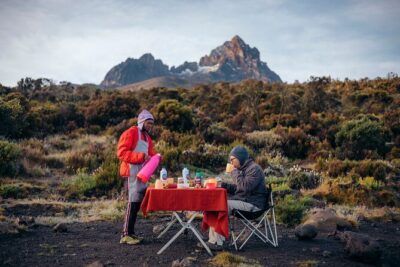
The forest is one of the pleasures of this route. The air is greener and cooler than the open mountain zones above, and the path gives you a strong sense of moving into a remote high-altitude environment. You finish at Machame Camp, around 9,800 feet.
The first day can feel manageable, but do not treat it as a warm-up to be rushed. Your guide’s pacing matters from the beginning. The goal is to arrive at camp with energy left, since the mountain will ask for more each day.
Day 3: Leaving the forest for Shira Plateau
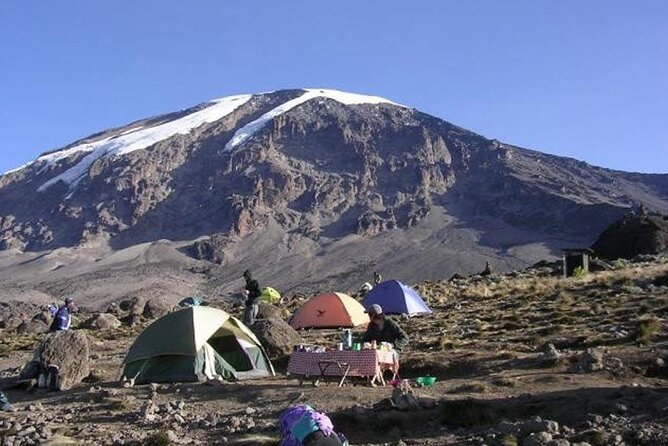
The forest soon gives way to moorland, where giant heather replaces the dense trees. The route climbs through rocky hills for about four to five hours, with broad views toward the Shira Plateau.
You camp near Shira Hut at approximately 12,600 feet. One of the memorable rewards here is the view toward Mount Meru, which may appear above or among the clouds. This is a shorter walking day than some that follow, and that matters because you are gaining altitude.
You should pay attention to how your body responds. Headaches, unusual tiredness, or a poor appetite are worth telling your guide about early. The company’s past trips have included strong praise for guides who adjusted the pace to suit the group, including Frankie, Nestor, Emmanuel, Bryson, and Augustine on different departures.
More treks in Arusha:
- 8-Day Small-group Lemosho Kilimanjaro Summit Trekking
★ 5.0 · 186 reviews - Mountain Kilimanjaro Day Hike
★ 5.0 · 102 reviews - Private Full Day Hiking Experience to Marangu Route
★ 5.0 · 61 reviews - 4 Days Mount Meru Trekking
★ 5.0 · 55 reviews
Day 4: Lava Tower, Barranco Valley, and the value of going higher
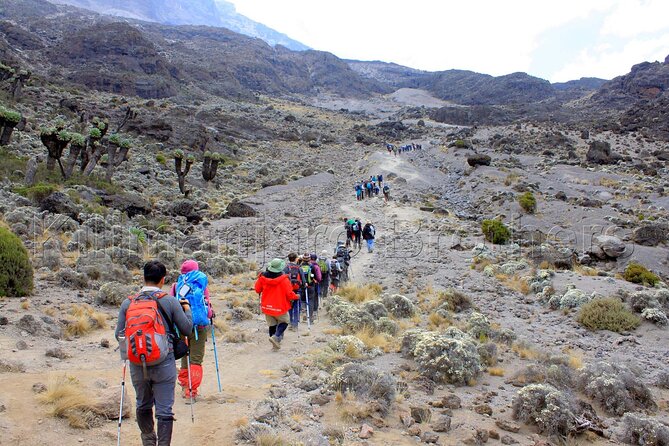
Day four is one of the most useful days for acclimatization, even though it is also one of the longest. You climb to Lava Tower at about 14,900 feet for lunch, then descend to Barranco Camp at around 12,800 feet.
The walking time is listed at seven to nine hours. You gain height, spend time at a higher elevation, and then sleep lower than the highest point you reached. That up and down pattern is a key reason this route can work well for acclimatization.
Barranco Camp sits below towering cliffs, with wide views toward the plains. The setting is dramatic, but the day can be tiring. Your legs have already handled several days of walking, and the repeated ascent and descent asks for steady concentration.
This is a good point to remember that Kilimanjaro is not only about fitness. Pacing, rest, hydration, food, and communication with your guide all matter. One past group ranged in age from 19 to 69 and included people without much hiking experience. That does not make the route easy, but it shows the value of a supportive team and sensible pacing.
Day 5: Climbing Barranco Wall to Karanga Camp
The morning begins with a steep climb up the Barranco Wall. This is one of the route’s more memorable physical sections, followed by an undulating trail along the southeastern side of Kibo.
You get excellent views of the Southern Icefields as the terrain turns to scree, with patches of vegetation in sheltered hollows. The day is about five to seven hours, and Karanga Camp sits at roughly 13,100 feet.
Karanga is the last water point before the summit approach. That detail gives the day practical importance. You are not simply walking to another camp. You are moving into the final high section, where preparation and careful use of supplies become more important.
The short distance can be deceptive. At this elevation, even a modest trail may feel slow. If your guide suggests a measured pace, follow it. On Kilimanjaro, pole pole, meaning slowly, is sensible advice even when it is not part of the official itinerary.
Day 6: Barafu Camp and a short acclimatization hike
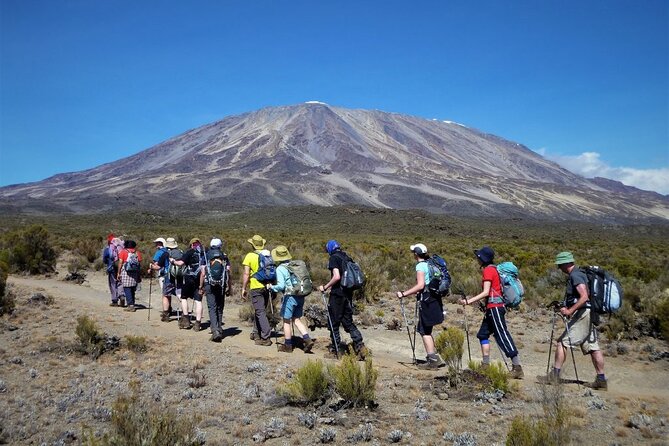
The route to Barafu Hut follows compacted scree and gains altitude steadily. You reach the camp at about 14,800 feet in three to five hours, with lunch scheduled there.
After lunch, you take a short acclimatization walk to about 15,700 feet at the bottom of the southeast valley. The rest of the day is for resting before the summit attempt.
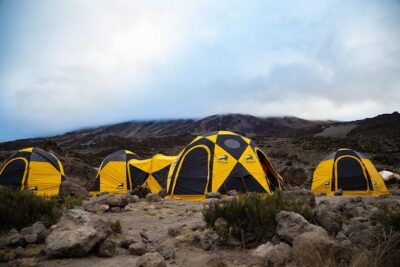
Barafu Camp is less about sightseeing and more about conserving energy. You should eat what you can, organize your summit clothing, keep your water ready, and listen carefully to the guide briefing. Since the final ascent starts around 1 a.m., the afternoon and evening may feel unusual. Try to rest, even if sleep comes in short stretches.
This is also where the private format can help. Only your group participates, so the guide team can focus on your condition and the group’s pace rather than managing a large mixed party.
Day 7: Stella Point, Uhuru Peak, and the longest day
Summit day is the test. You begin by torchlight around 1 a.m., climbing loose volcanic scree with a series of zigzags. The route to Stella Point takes about five or six hours, depending on conditions and pace.
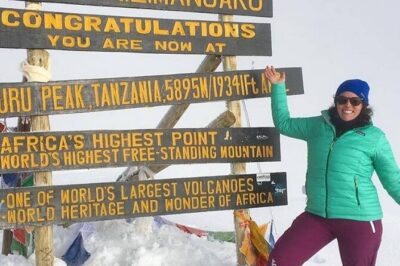
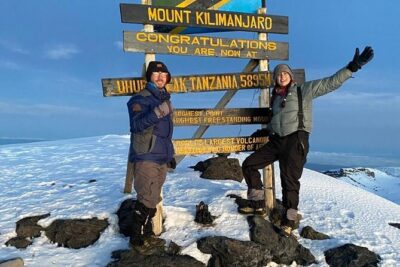
Stella Point sits at 18,800 feet on the crater rim. You get a short rest and, if the timing works, sunrise over Mawenzi. The final two-hour round trip to Uhuru Peak reaches 19,345 feet and passes near glaciers and ice cliffs in the summit area.
You should understand the wording here carefully. Reaching Stella Point is not the same as reaching Uhuru Peak. The additional route along the crater rim takes more time and energy, and the decision depends on how you feel at Stella Point. Your guide will be central to that judgment.
The full day is listed at 11 to 15 hours. After the summit effort, you descend to Barafu for refreshments and continue to Millennium Camp at about 12,500 feet. This is a very long day, and the descent does not make it easy. Loose ground can be hard on tired knees, while the high altitude may leave you drained.
The experience is rewarding, but you should not underestimate it. This is the part of the trip where professional support matters most. Past departures gave especially strong praise to the team’s organization, safety, positive attitude, food, and help carrying personal belongings and setting up tents.
Day 8: Descending through forest to Arusha
The final mountain day follows a well-built path down through tropical forest. Birds and thick undergrowth replace the bare volcanic terrain, and the descent has a more relaxed feel after the summit.
You reach the Kilimanjaro National Park gate at Mweka, around 5,400 feet, then continue through coffee and banana farms to Mweka village. From there, private transport takes you back to Arusha Safari Lodge.
The listed walking time is four to six hours. Your feet and knees may appreciate the lower altitude, but a sustained descent can still be uncomfortable after summit day. Plan on a quiet evening. Dinner, bed, and breakfast are included at the lodge.
Day 9: Airport transfer or extra time in Tanzania
After saying goodbye to the guides, a private departure transfer takes you from Arusha to Kilimanjaro International Airport. The transfer is included if you are flying home.
The operator also discusses options such as a short safari or another activity if you are not leaving immediately. No safari is included in the trek price, so treat that as an optional addition rather than part of the advertised package.
The nine-day schedule is worth keeping clear in your notes. There are seven days on the mountain, plus arrival and departure days in Arusha. The trip is marketed around a seven-day climb, but your holiday needs roughly nine days.
Guide support, food, and group comfort
The strongest praise attached to this experience centers on the guide and porter team. Specific names connected with past trips include Frankie, Nestor, Emmanuel, Bryson, Augustine, and Clinton. The most useful point is not the names alone. It is the reported attention to pacing, safety, organization, and morale.
That matters because Kilimanjaro can extract more from you than expected. A guide who notices fatigue and adjusts the pace may help you stay strong for the higher camps and summit night. The team has also been praised for friendly support, carrying personal belongings, setting up tents, and preparing good, healthy food.
Meals are included throughout the mountain portion, with breakfast, lunch, and dinner listed in the package. The exact menus are not specified, so ask if you have dietary needs. Oxygen and first aid are included, along with rescue fees, but you still need mandatory medical coverage and travel insurance.
The tour is private, but the exact maximum group size is not stated. Ask how many guides and porters will accompany your party, and confirm the sleeping setup before you go.
Who should choose this Machame trek?
I would consider this trip a good match for you if you want a structured Kilimanjaro climb with private transport, lodge nights, a professional team, and a route that allows time for altitude adjustment. It can suit people with moderate physical fitness, including some who are not experienced mountaineers, provided they prepare seriously.
It is not a casual sightseeing walk. You need to manage five to six hours on early days, up to nine hours on the Barranco day, and as much as 15 hours on summit day. You should also be comfortable camping and functioning with limited sleep before the summit.
The route is a strong choice if you want varied scenery. You move from forest to giant heather, then to the Shira Plateau, high volcanic ground, cliffs, scree, and the crater rim. If you prefer a shorter, less demanding holiday, this is not the right fit.
Booking confirmation is provided at the time of purchase. Free cancellation is available up to 24 hours before the experience starts, with a full refund. Changes or cancellations made inside that period are not accepted for a refund, and poor weather may lead to a different date or a full refund.
Should you book this Kilimanjaro experience?
I would book this trek if you want a serious, well-supported climb and value having major costs bundled into one price. The extra acclimatization day, private format, Arusha lodging, airport transfers, rescue fees, and highly praised guide support make the $2,400 price easier to justify.
Before paying, confirm the exact gear supplied, tipping expectations, group size, meal arrangements, and insurance requirements. If you prepare for the long summit day and accept that seven mountain days mean roughly nine days overall, this Machame Route program offers a strong balance of structure, support, and mountain scenery.
FAQ
How long does the experience last?
The full trip lasts approximately nine days. Seven days are spent trekking on Mount Kilimanjaro, with time in Arusha before and after the climb.
Where does the trek begin?
The mountain trek begins at Machame National Park Gate on the southern base of Mount Kilimanjaro.
Where does the trip start and finish?
The trip starts and ends at Arusha Safari Lodge in Arusha, Tanzania, with private airport transfers connected to Kilimanjaro International Airport.
What time does the experience start?
The listed meeting start time is 8:30 a.m. The pre-climb briefing and equipment check take place around 4:30 p.m. on the first day.
How high is Uhuru Peak?
Uhuru Peak reaches 19,345 feet. Stella Point, on the crater rim, is approximately 18,800 feet.
How long is summit day?
Summit day is listed at 11 to 15 hours of walking. The ascent begins around 1 a.m., followed by the summit attempt and descent to Millennium Camp.
Are meals and accommodation included?
Yes. Accommodation, breakfast, lunch, and dinner are included according to the listed schedule. The package includes nights at Arusha Safari Lodge before and after the mountain trek.
Is this a private tour?
Yes. Only your group participates in the activity. The exact maximum group size is not specified.
Just added in Arusha
- Safari “Kifaru” – 5 days in the most famous Parks in the world★ 5.0 · 4 reviews
- Saadani Day Trip★ 5.0 · 13 reviews
- 3 Days Tanzania Short and Spicy★ 5.0 · 6 reviews
- 5 Day Tanzania Safari Camping Adventure Private Tour★ 5.0 · 2 reviews
- Day Trip to Ngorongoro Crater from Arusha★ 5.0 · 1 review
- SERENGETI NATIONAL PARK Tour★ 4.5 · 5 reviews
- 3 Days Serengeti Park & Ngorongoro Crater Adventure Safari★ 5.0 · 8 reviews
- 6 Days Tanzania Bush Experience Safari★ 5.0 · 6 reviews
Machame Route Climbs, compared.
Climbing Kilimanjaro through 7 days Machame Route
Read our review →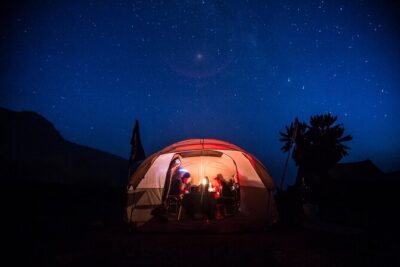
7-Day Machame Kilimanjaro Summit Tour from Arusha
Read our review →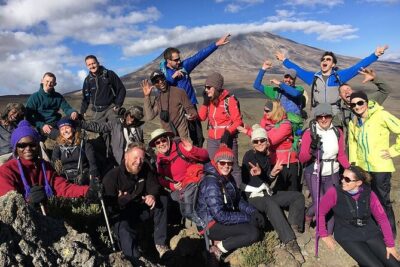
7 Days Kilimanjaro via Machame route affordable price
Read our review →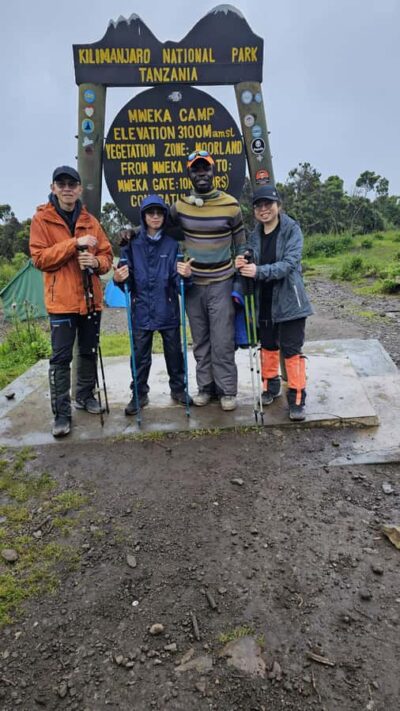
#1. Best Kilimanjaro Day hike Tour-Machame Route-ISMANI
Read our review →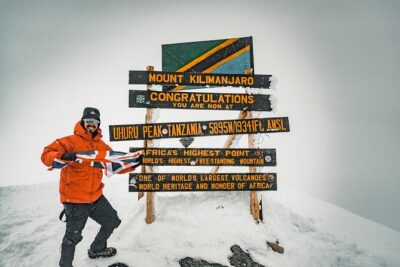
The Best of Machame Route in 6 Days: Your World’s Summit Guide
Read our review →Browse the lists this tour appears in