
Reviewed · MACHAME ROUTE CLIMBS
7 Days Machame Route Kilimanjaro Trekking
Kilimanjaro saves its best for the patient climber. The seven-day Machame Route gives you changing scenery, a steady acclimatization plan, and a serious shot at Uhuru Peak, Africa’s highest point. I like the route’s variety, from wet rainforest to icy summit rock, and I like that the price includes guides, porters, camping equipment, meals, park fees, and rescue fees.
The main catch is the schedule. Summit day can last up to 15 or 16 hours, with an early wake-up around 11:30 p.m. You also need to budget for a sleeping bag, rental gear if needed, insurance, visa fees, tips, and lodging before or after the trek. This is a demanding climb, not a casual mountain walk.
In This Review
- Key things to know before booking
- Why the Machame Route remains a popular choice
- Day 1: 18 kilometers through Kilimanjaro’s rainforest
- Day 2: Shira Plateau and a cold night at 3,840 meters
- Day 3: Lava Tower, altitude symptoms, and Barranco Camp
- Day 4: Climbing the Barranco Wall and crossing Karanga Valley
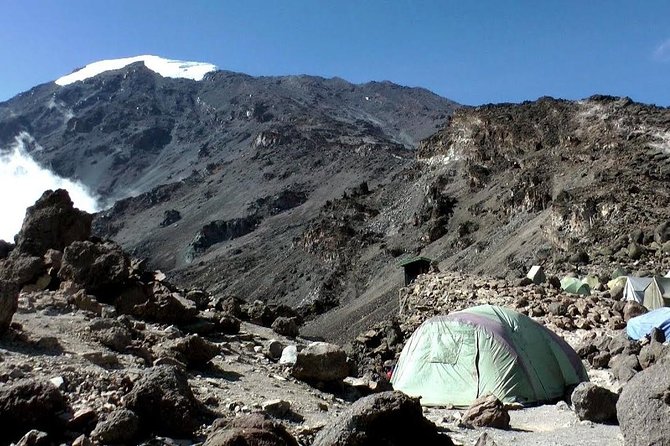
- Day 5: Karanga to Barafu, the exposed summit camp
- Day 6: Stella Point, Uhuru Peak, and the long descent
- Day 7: Forest descent, certificates, and the Mweka Gate
- What the $2,200.11 price includes
- The guides, porters, and camp support
- Who should book this Kilimanjaro trek?
- Should you book the seven-day Machame Route?
- FAQ
- Where does the trek start?
- How long is the Machame Route trek?
- How high is Uhuru Peak?
- How long does summit day take?
- Is camping equipment included?
- Are meals included?
- Are tips included in the price?
Key things to know before booking
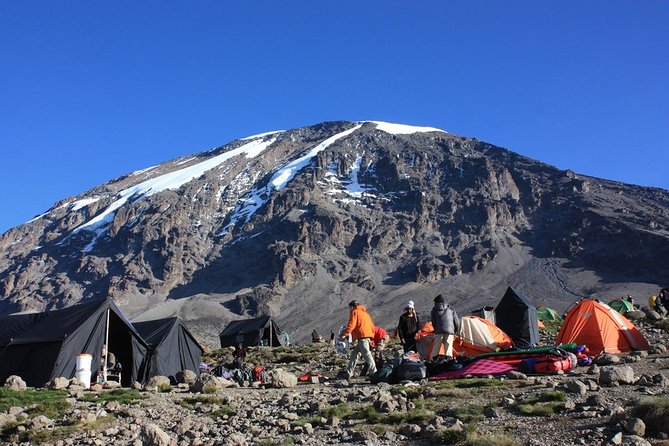
- The route crosses five distinct habitats: You move from montane forest through moorland, semi-desert, alpine desert, and stone scree near the summit.
- Lava Tower helps with acclimatization: You climb to about 4,630 meters, eat lunch, then descend to Barranco Camp at 3,950 meters.
- Summit day starts at 11:30 p.m.: Expect roughly eight hours to Uhuru Peak, followed by seven to eight hours descending to Mweka Camp.
- The Barranco Wall looks worse than it feels: This Class 2 section requires care but is usually less intimidating once you begin.
- Mafie Adventures uses a large support team: Guides named in customer accounts include Ombeni, Safaeli, Oliver, Mathew, and Godlove. Erastus is also praised for arranging transfers and trip details.
- The price covers the costly basics: At $2,200.11 per person, you receive camping equipment, meals, porter service, park-related charges, rescue fees, and a professional guide.
Why the Machame Route remains a popular choice
The Machame Route is often called the Whiskey Route, a nickname that hints at its tougher character compared with easier walking routes. It is also one of Kilimanjaro’s most popular approaches because it offers strong scenery without the cost of some longer routes.
The route begins in thick rainforest and climbs toward the Shira Plateau. From there, you pass volcanic rock, glaciers, high valleys, and exposed camps before reaching the summit. You get a real sense of Kilimanjaro as a living mountain with several climate zones packed into one climb.
I especially like the route’s climb-high, sleep-low pattern on Day 3. You reach Lava Tower at 4,630 meters, then lose altitude to Barranco Camp. That descent does not make the day easy, but it gives your body useful time at higher elevation before sleeping lower.
The seven-day version is also more sensible than a rushed five-day climb. You still need fitness, patience, and good luck with altitude, but the extra day gives you more time to adjust. The route is private, so only your group participates. That can make the pace and daily routine easier to manage.
More Machame Route climbs:
- 7-Day Machame Kilimanjaro Summit Tour from Arusha
★ 5.0 · 125 reviews - 6 Days: Hiking Kilimanjaro via Machame Route
★ 5.0 · 24 reviews - 6-Day Guided Tour in Machame Route Mt Kilimanjaro
★ 5.0 · 17 reviews
Day 1: 18 kilometers through Kilimanjaro’s rainforest
Your day begins early, with pickup from Arusha at about 1,400 meters. The scheduled start time is 4:00 a.m., so arrange your bags and breakfast the night before. The drive takes you to Machame Village, where you can buy mineral water and collect a packed lunch.
From the village, the vehicle may continue for about three kilometers toward Machame Gate, depending on road conditions. If the road is poor, you walk that section. At the gate, you register with Tanzania National Parks while the porters sort and pack the group’s equipment.
The hike then enters montane forest. The distance is about 18 kilometers, and hiking time is listed at roughly seven hours. The trail is not simply a warm-up. Rain, mud, and fog are common possibilities, so waterproof layers and shoes with reliable grip matter from the first afternoon.
The forest is one of the most enjoyable parts of the early climb. The air is cooler than in Arusha, the vegetation is thick, and the route feels far from ordinary road travel. The drawback is that wet conditions can slow you down, particularly if the trail is muddy.
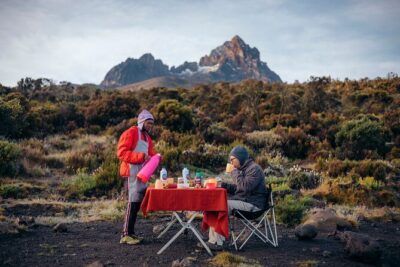
Your camping equipment includes a mess tent, mattress, and cooking gear. That means you are not carrying the full camp kitchen yourself, but you still need a comfortable daypack with water, rain protection, snacks, and warm layers.
Day 2: Shira Plateau and a cold night at 3,840 meters
Day 2 covers about nine kilometers in roughly six hours. You leave the rainforest behind and enter heathland and moorland, a big visual change after the damp trees of the lower slopes.
The trail crosses streams and climbs a rocky ridge toward the Shira Plateau. Shira Camp sits at about 3,840 meters beside a stream. From camp, you can see toward the Western Breach and its glaciers to the east.
This is a shorter day by distance, but altitude changes the effort. You may feel fine walking uphill and then notice the cold and thin air once you stop. Temperatures can fall below freezing at the exposed camp, so do not pack your warmest clothing at the bottom of your duffel.
The porters set up the tents before you arrive and prepare water for drinking and washing. Evening snacks and a cooked dinner are included. These simple camp routines matter. After a wet or tiring walk, a dry tent, warm food, and hot water can make the difference between feeling ready and feeling worn down.
Day 3: Lava Tower, altitude symptoms, and Barranco Camp
Day 3 is one of the most important days on the route. You walk about 15 kilometers over seven hours, leaving the moorland for a rocky semi-desert zone.
After around five hours, you reach Lava Tower at 4,630 meters. You eat your packed lunch there, and climbing the tower itself may be possible if weather allows. Do not treat this as a test of courage. The purpose of the stop is also to let your body experience high altitude before you descend.
Headaches and shortness of breath are normal possibilities at this point. You should tell your guide promptly if symptoms become troubling. A private trip does not remove the risks of altitude, but it may make communication easier because your group is not merged with a large crowd.
After lunch, the trail descends about 680 meters to Barranco Camp at 3,950 meters. That climb-high, sleep-lower pattern is a major reason the seven-day itinerary has value. You gain altitude during the day, then rest at a lower elevation.
Barranco Camp sits beneath the dramatic Barranco Wall. You will likely arrive tired, but the setting is memorable. The day’s main drawback is the combination of altitude and a long approach to Lava Tower. Keep your pace slow and save your energy for the days ahead.
More treks in Arusha:
- 8-Day Small-group Lemosho Kilimanjaro Summit Trekking
★ 5.0 · 186 reviews - Mountain Kilimanjaro Day Hike
★ 5.0 · 102 reviews - Private Full Day Hiking Experience to Marangu Route
★ 5.0 · 61 reviews - 4 Days Mount Meru Trekking
★ 5.0 · 55 reviews
Day 4: Climbing the Barranco Wall and crossing Karanga Valley
Day 4 is shorter, with about five kilometers and four to five hours of walking. It is not a rest day, but it gives you a useful break from the longer distances.
The morning challenge is the Barranco Wall. From below, the wall can look nearly vertical and rather alarming. The route is rated Class 2, and careful foot placement is more important than speed. Your guide should help you choose the easiest line through the rock.
At the top, you get views toward Heim Glacier and a high vantage point above the clouds. The trail then rises and falls through Karanga Valley before reaching camp.
I like this day because it combines a memorable physical feature with a shorter walking schedule. It also gives you another acclimatization day before Barafu Camp and the summit attempt. The valley section still has ups and downs, so do not assume the five-kilometer distance means an effortless afternoon.
Day 5: Karanga to Barafu, the exposed summit camp
Day 5 covers only about four kilometers and takes two to three hours. You leave Karanga Camp at roughly 3,959 meters and follow the trail toward Barafu Hut.
The path intersects with the Mweka Route, which you will use for the descent. After about an hour, you reach Barafu Hut, the final water stop for the porters. There is no accessible water at Barafu Camp itself, so the support team must carry supplies upward.
Barafu means ice in Swahili. The camp sits at about 4,550 meters on a rocky, exposed ridge. Wind and loose rocks are part of the setting, and the tents are exposed to the elements. Get familiar with your camp before dark, organize your summit clothing, and keep essential items within easy reach.
An early dinner is served, followed by rest before the midnight start. This is a short hiking day but not necessarily an easy one. You are high, the air is thin, and excitement can make it hard to sleep.
Use the afternoon to prepare rather than wander around camp. Put your headlamp, gloves, water, snacks, warm layers, and any personal altitude supplies where you can reach them quickly.
Day 6: Stella Point, Uhuru Peak, and the long descent
Summit day is the test. Your guide wakes you around 11:30 p.m. for tea and biscuits, and you begin the climb soon after midnight.
The ascent covers about seven kilometers and takes around eight hours to reach Uhuru Peak. The route heads northwest over stone scree. This is often the hardest part mentally because progress feels slow, the air is thin, and much of the walking takes place in darkness.
After about six hours, you reach Stella Point at 5,685 meters on the crater rim. Sunrise here can be spectacular, but the cold is serious. Keep moving at a steady pace and protect your hands, face, and head.
From Stella Point, you continue for about two hours over a snow-covered trail toward Uhuru Peak at 5,895 meters. The final section may feel strangely long despite the short distance. You have already climbed for hours, so small rises can demand real effort.
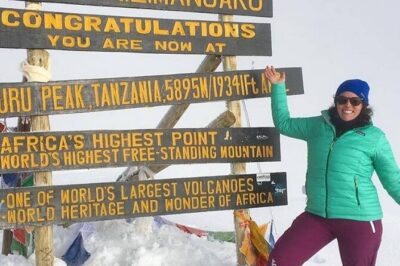
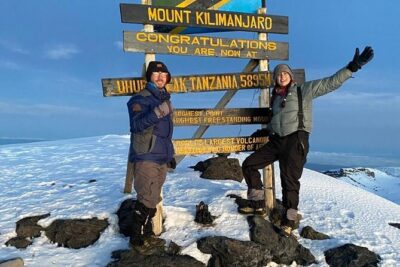
The reward is the summit marker and the view across the roof of Africa. Your exact summit experience depends on weather, health, and altitude response. Reaching Stella Point earns a green certificate, while reaching Uhuru Peak earns a gold certificate.
The descent is not an afterthought. You walk about 23 kilometers down to Mweka, with seven to eight hours listed for the descent. Loose scree can make the downward route awkward, and tired legs increase the chance of slips. This is where good boots, trekking poles if you use them, and careful pacing pay off.
You finish at Mweka Camp, tired but lower than Barafu. The long day is the largest drawback of the seven-day plan. It is also the part that demands the clearest understanding before booking. If you dislike early starts, steep uphill walking, or extended descents, Kilimanjaro may not be the right holiday.
Day 7: Forest descent, certificates, and the Mweka Gate
After breakfast, the crew holds a celebration with dancing and singing. It is also the point when tips are presented to the guides, assistant guides, chef or chefs, and porters.
Tips are not included in the listed price, so plan for that extra cost. The celebration is more than a photo opportunity. It gives you a chance to thank the people who carried equipment, prepared meals, organized camp, and helped you through the summit attempt.
The final descent takes about three hours over roughly 15 kilometers through forest. You then sign your name at Mweka Gate to receive your completion certificate. From there, the route continues to Mweka Village, listed as about one hour and three kilometers away, before returning to the meeting point in Arusha.
The final day is physically easier than summit day, but knees can feel the descent. Keep your pace controlled and do not rush simply because the finish is close.
What the $2,200.11 price includes
At $2,200.11 per person, this trek is not a cheap holiday, but the package includes many unavoidable Kilimanjaro costs:
- Camping equipment, including a mess tent, mattress, and cooking equipment
- Porter service
- A professional driver and guide
- Rescue fees
- Parking fees
- All accommodation during the trek
- Breakfast for six days
- Lunch for seven days
- Dinner for six days
- Taxes and VAT
That coverage gives the price solid value, especially because porterage, park charges, rescue fees, meals, and camping support quickly add up on a major mountain trek. The private format also matters if you want your own group rather than a shared departure.
You still need to pay for international flights, sleeping bag rental, climbing gear rental, personal items, insurance, visa fees, souvenirs, bath towels, tips, and any government tax or park fee increases. Lodging before and after the trek is also excluded.
Pickup is offered, and the meeting point is in Arusha. Customer accounts also describe airport pickup and hotel reservation assistance arranged through Erastus, so ask about those services when you book rather than assuming they are part of the listed package.
The experience is non-refundable and cannot be changed for any reason. That makes travel insurance especially important, although insurance itself is not included.
The guides, porters, and camp support
The strongest praise centers on the crew. Guides named in customer accounts include Ombeni, Safaeli, Oliver, Mathew, and Godlove. Erastus is described as the contact who helped with pickup, hotel arrangements, and pre-trip communication.
That human support is a major part of the value. On Kilimanjaro, the guide is not just there to point out the trail. You need someone who can manage pace, explain the route, help with camp routines, and respond when altitude starts affecting you.
The porters carry equipment and supplies, while the chef or chefs prepare the included meals. A private toilet was also provided for one group, but it is not listed among the standard inclusions, so treat that as something to request and confirm rather than a guarantee.
The available customer accounts repeatedly praise the crew’s friendliness, support, and professionalism. That is the area where Mafie Adventures receives its strongest positive attention, and it is worth asking for the guide names and staff arrangements before you commit.
Who should book this Kilimanjaro trek?
This route suits you if you want:
- A seven-day climb with several acclimatization opportunities
- Strong scenery and changing vegetation
- A private trip for your own group
- Porter support and cooked meals
- A direct route to Uhuru Peak
- Pickup support from Arusha
- A package that includes park, rescue, camping, and food costs
You should think carefully before booking if you have no experience with long mountain days, cold camping, or high-altitude walking. Most travelers can participate according to the supplied tour information, but the summit day is still strenuous and altitude affects people differently.
You also need to be comfortable with basic camping. The package includes a mattress and mess tent, but it does not include a sleeping bag or bath towels. Gear can be rented, yet you should arrange this before the climb rather than waiting until the first morning.
Should you book the seven-day Machame Route?
I would recommend this trek to fit hikers who want Kilimanjaro’s classic scenery and can accept a demanding summit day. The seven-day schedule offers better pacing than a rushed itinerary, and the Lava Tower descent gives the plan a useful acclimatization feature.
The best reasons to choose it are the variety of habitats, the private format, the strong crew support, and the broad list of included costs. Ask for confirmation about airport transfers, hotel arrangements, rental gear, and any private toilet before paying.
Skip it if you want a soft adventure or a flexible cancellation policy. Book it if reaching Africa’s highest summit is your main goal, you can train for long days, and you are ready for cold nights, thin air, and a very early summit start.
FAQ
Where does the trek start?
The trek starts in Arusha, Tanzania. Pickup is offered, and the scheduled start time is 4:00 a.m.
How long is the Machame Route trek?
The trek lasts approximately seven days.
How high is Uhuru Peak?
Uhuru Peak reaches 5,895 meters.
How long does summit day take?
The ascent to Uhuru Peak takes about eight hours. The descent to Mweka takes another seven to eight hours.
Is camping equipment included?
Yes. The package includes a mess tent, mattress, and cooking equipment. A sleeping bag is not included but is available for rent.
Are meals included?
Yes. Seven lunches, six dinners, and six breakfasts are included.
Are tips included in the price?
No. Tips for the guide, assistant guides, chef or chefs, and porters are not included.
Just added in Arusha
- Safari “Kifaru” – 5 days in the most famous Parks in the world★ 5.0 · 4 reviews
- Saadani Day Trip★ 5.0 · 13 reviews
- 3 Days Tanzania Short and Spicy★ 5.0 · 6 reviews
- 5 Day Tanzania Safari Camping Adventure Private Tour★ 5.0 · 2 reviews
- Day Trip to Ngorongoro Crater from Arusha★ 5.0 · 1 review
- SERENGETI NATIONAL PARK Tour★ 4.5 · 5 reviews
- 3 Days Serengeti Park & Ngorongoro Crater Adventure Safari★ 5.0 · 8 reviews
- 6 Days Tanzania Bush Experience Safari★ 5.0 · 6 reviews
Machame Route Climbs, compared.
Climbing Kilimanjaro through 7 days Machame Route
Read our review →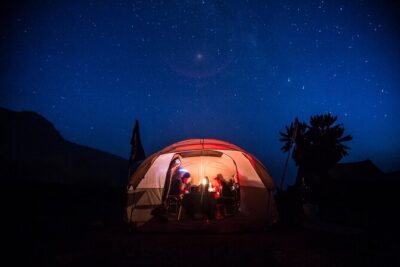
7-Day Machame Kilimanjaro Summit Tour from Arusha
Read our review →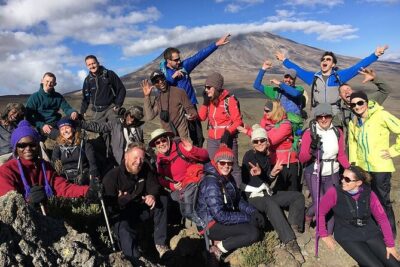
7 Days Kilimanjaro via Machame route affordable price
Read our review →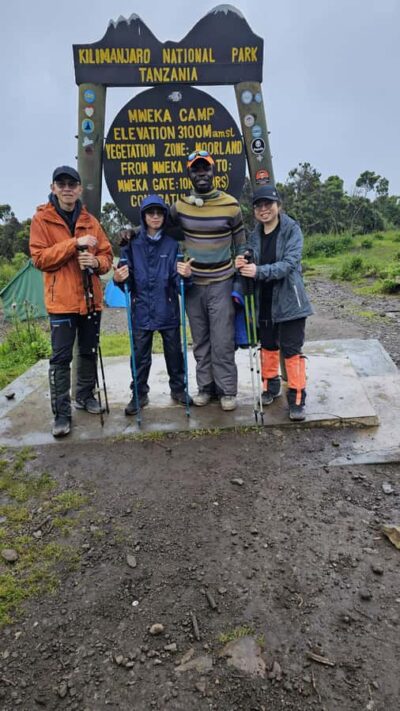
#1. Best Kilimanjaro Day hike Tour-Machame Route-ISMANI
Read our review →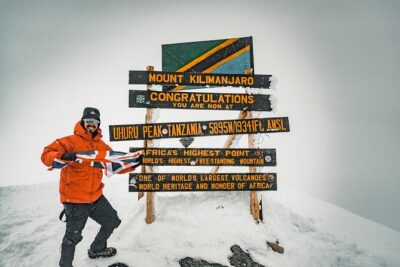
The Best of Machame Route in 6 Days: Your World’s Summit Guide
Read our review →Browse the lists this tour appears in