
Reviewed · MACHAME ROUTE CLIMBS
7 Days Machame Route Trek Mount Kilimanjaro
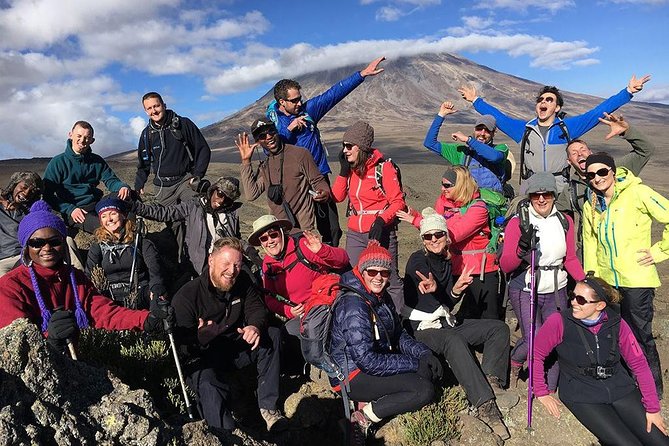
Kilimanjaro changes by the hour. This seven-day Machame Route trek carries you from rainforest and colobus monkeys to high moorland, alpine desert, and the icy summit of Uhuru Peak. I like the route’s careful acclimatization plan, especially the climb to Lava Tower before sleeping lower at Barranco Camp. I also like the small maximum group size of four, which should make it easier for your guide to watch your pace and condition.
The catch is simple: this is a serious high-altitude trek, not a long sightseeing walk. The midnight summit attempt, 5,895-meter peak, cold, thin air, and long descent demand patience and fitness. The $2,200 price may offer good value for a guided seven-day climb, but you should confirm exactly what is included before paying, since the supplied details do not list every cost.
In This Review
- Key points before you book
- Why the seven-day Machame Route works
- Day 1: Machame Gate to rainforest camp
- Day 2: Shira Camp and the end of the forest
- Day 3: Lava Tower at 4,640 meters, then Barranco
- Day 4: Across the Barranco Wall to Karanga
- Day 5: Barafu Camp and the waiting summit
- Day 6: Stella Point, Uhuru Peak, and the long descent
- Day 7: Rainforest return and the farewell
- Guides, cooks, porters, and the human side
- Is $2,200 good value?
- Who should choose this climb?
- Should you book the Machame Route trek?
- FAQ
- How long is the Machame Route trek?
- What is the price per person?
- Where does the experience take place?
- Is hotel pickup offered?
- What time does the trek start?
- How many people can join the group?
- Where do you sleep during the trek?
- How high is Uhuru Peak?
- Can you cancel for a full refund?
Key points before you book
- A route built around acclimatization: You climb to 4,640 meters at Lava Tower, then sleep at Barranco, helping your body adjust.
- Five distinct mountain zones: Expect rainforest, heath, moorland, alpine desert, and snowy summit terrain.
- A small group cap: The experience accepts a maximum of four people, a useful feature on a demanding climb.
- A midnight summit push: You leave Barafu Camp around midnight, reach Stella Point after roughly 5 to 7 hours, then continue to Uhuru Peak.
- A demanding but varied route: Barranco Wall requires hands for balance in places, though no technical climbing is needed.
- A proper crew-supported trek: An expert guide leads the route, while cooks and porters are part of the team described in past departures.
Why the seven-day Machame Route works
The Machame Route is appealing because it does not rush you straight upward. Your sleeping camps rise in stages, and Day 3 gives you one of the most useful altitude patterns on the mountain: climb high to Lava Tower, then descend to Barranco for the night.
That matters because altitude is the main unknown on Kilimanjaro. Strong legs do not guarantee a summit. Your body has to cope with thinner air, and the route gives you several days to find out how you respond before the final push.
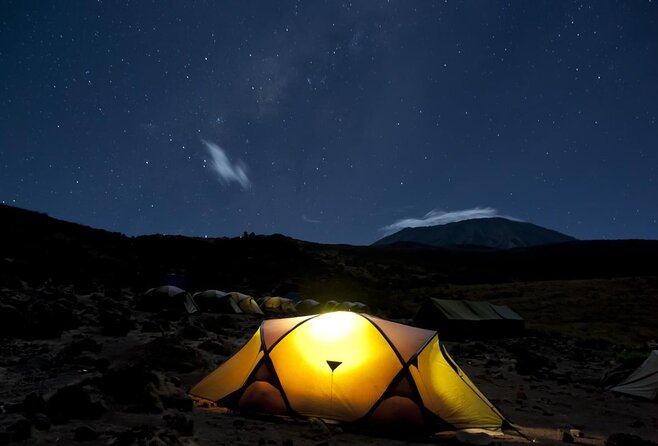
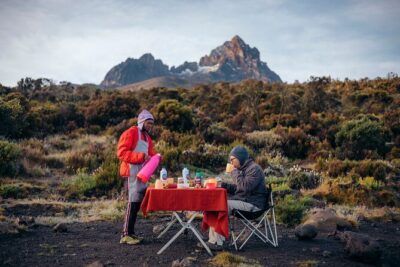
You will sleep in tents each night on the mountain. That gives the trip a real expedition feel, but it also means you should be ready for basic camp life, changing temperatures, and little privacy. After the descent, you return to a hotel for a shower and a relaxed day by the pool.
The group limit of four is another practical plus. On a mountain trek, a small group can move at a more even pace and make it easier for the guide to notice when someone needs a rest. The guide’s role is not just to point out the trail. It is to manage pace, encourage you through rough sections, and help you make sensible decisions at altitude.
More Kilimanjaro climbs:
- Mount Kilimanjaro Day Hike Through Marangu Route to Mandara Hut
★ 5.0 · 37 reviews - Mount Kilimanjaro Day Hike
★ 4.5 · 23 reviews - 7 Day Kilimanjaro Climb Lemosho Route & 2 Day Safari
★ 5.0 · 16 reviews
Day 1: Machame Gate to rainforest camp
After breakfast, pickup takes you from your hotel to the Kilimanjaro National Park gate. The morning includes the required paperwork, so do not expect to step straight from the vehicle onto the trail.
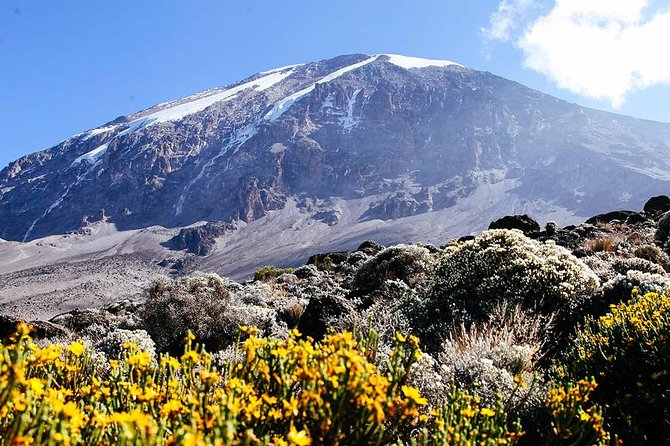
The first hike to Machame Camp takes about 5 to 6 hours. This is a steady introduction rather than a summit rehearsal, with the trail passing through thick rainforest filled with ancient trees, ferns, and endemic flowers such as Impatiens Kilimanjari.
This first section is one of the most memorable parts of the route. The forest feels cool and enclosed, and you may spot black and white colobus monkeys moving through the branches. The wildlife sighting is never guaranteed, but the vegetation alone gives the opening day plenty of character.
At camp, you have time to stretch, rest, and eat a hot meal before settling into your tent. The main drawback is that the opening hike can feel longer than expected if you arrive tired from travel or are not used to walking for several hours. Keep your pace slow from the start. There is no prize for reaching camp first.
Day 2: Shira Camp and the end of the forest
The early start on Day 2 is meant to get you to Shira Camp by mid-afternoon, not to force an especially long day. The surroundings change quickly as the dense forest gives way to heath and moorland.
This change is part of what makes Machame so satisfying. You are not walking through the same scenery for a week. Ferns and tall trees fade behind you, and the open high-country terrain gives you wider views of the mountain.
Shira Camp offers a view toward the mountain range, with Kibo’s glaciers catching the evening light. That sight is a good reminder that the summit is still far above you, even after two full days of walking.
The open terrain can bring more exposure to wind and weather. You also lose the shelter of the forest, so layers become more important. A hot evening meal and a tent provide comfort, but this is still a basic mountain camp rather than a lodge.
Day 3: Lava Tower at 4,640 meters, then Barranco
Day 3 is the key acclimatization day. From the Shira Plateau, you climb about 700 meters to Lava Tower, reaching 4,640 meters, before continuing down through the Barranco Valley to sleep at Barranco Camp.
The total walking time is about 6 to 7 hours. The route passes through alpine desert, with smaller lobelia plants and giant senecios adding unusual shapes to the otherwise stark surroundings. This is a high point of the trek, both literally and as a test of how you are handling altitude.
The clever part is the sleeping arrangement. You gain height during the day, then spend the night lower than Lava Tower. That gives you a useful chance to experience the thin air without sleeping at the highest point reached that day.
You may feel headache, tiredness, or shortness of breath here. The guide needs to know how you are feeling, even if the symptoms seem minor. The day is demanding, and the descent to Barranco does not make it a rest day. Still, the route design gives it real value and may improve your chance of reaching the summit.
More Machame Route climbs:
- 7-Day Machame Kilimanjaro Summit Tour from Arusha
★ 5.0 · 125 reviews - 6 Days: Hiking Kilimanjaro via Machame Route
★ 5.0 · 24 reviews - 6-Day Guided Tour in Machame Route Mt Kilimanjaro
★ 5.0 · 17 reviews - KILIMANJARO MACHAME ROUTE, (Climb 7days)
★ 5.0 · 16 reviews
Day 4: Across the Barranco Wall to Karanga
The Barranco Wall is the day’s main challenge. Some sections require you to use your hands for grip and balance, but the route does not involve technical climbing. Your guide stays with you and can offer help through the more awkward steps.
If you dislike exposed or scrambly sections, this may be the most intimidating part of the trek. The wall is not a climbing expedition, but you should expect to concentrate, place your feet carefully, and move at the guide’s pace.
After the wall, the trail rises and falls several times before reaching the mountain ridge. These repeated climbs and descents help with acclimatization, though they can be tiring because the distance gained is not always permanent.
The ridge brings sharp contrasts between bare desert terrain and patches of mountain vegetation. After roughly 3 to 4 hours, you reach Karanga Camp. The shorter day gives you time to rest, recover, and enjoy a quiet camp afternoon. The itinerary even suggests a game of rummy, which sounds like a welcome break from counting steps.
Day 5: Barafu Camp and the waiting summit
After breakfast, you set out for Barafu Camp. Kibo Summit remains on your left as you cross dry, desert-like ground, and the walk takes about 3 to 4 hours.
Barafu is an important staging point, not a place to plan a busy afternoon. You arrive early, eat an early dinner, and try to sleep before the midnight wake-up. The short walking time can look easy on paper, but the dry, high terrain and accumulated fatigue make it a day for conserving energy.
This is where practical discipline matters. Pack what you need for the summit attempt so you are not searching through your bags at midnight. Keep your warm clothing, headlamp, water, and personal essentials close at hand. The supplied plan does not list equipment or meals in detail, so ask the operator what is provided and what you must bring.
Day 6: Stella Point, Uhuru Peak, and the long descent
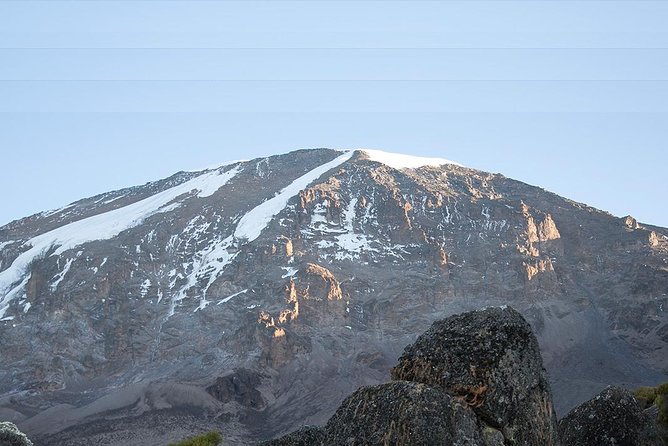
The summit day begins around midnight, when your guide wakes you with tea and biscuits. You set off in darkness, using headlamps and moonlight as the trail climbs toward Stella Point on the crater rim.
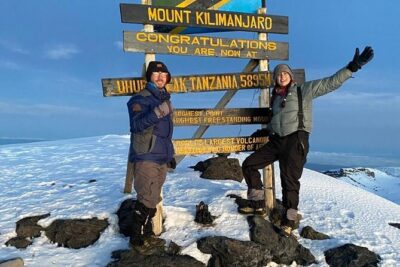
Reaching Stella Point takes about 5 to 7 hours. From there, you continue for another 1 to 2 hours to Uhuru Peak at 5,895 meters, the highest point in Africa. If conditions cooperate, sunrise brings pink light across the snowy summit and makes the glaciers sparkle.
This is the emotional high point of the trek, but it is also the hardest physical section. The cold, darkness, steep climb, and altitude can make every step feel slow. Your guide’s encouragement and pacing become especially important here. Several past departures specifically praised the guiding teams for assessing each person’s ability and keeping the group focused on the summit.
Do not underestimate the way down. After photographs and a short celebration at Uhuru Peak, you descend by the same route to Barafu Camp. The supplied itinerary indicates that the crew waits there for you, but the detailed timing after Barafu is incomplete. You should expect the summit day to be very long and tiring, with the descent often punishing tired knees and feet.
One useful point comes from a past climber’s advice: altitude medication such as Diamox was mentioned, but you should discuss any medication with a qualified medical professional before the trek. Do not treat a stranger’s medication choice as a prescription.
Day 7: Rainforest return and the farewell
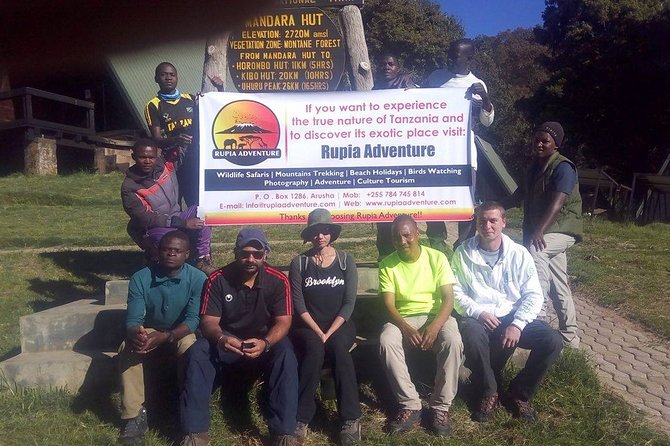
After breakfast, the mountain crew holds a traditional farewell ceremony before you make the final descent. The trail returns to rainforest, giving you another chance to see colobus monkeys and enjoy the cooler, greener setting.
The walk to Mweka Gate takes about 2 to 3 hours. After completing the park exit process, you are met at the gate and taken back to your hotel. A long shower and time by the pool should feel well earned.
This final day is short compared with summit day, but your body may still feel battered. Good footwear and careful downhill steps remain important. The return to the forest also gives the trek a satisfying visual ending: you finish among trees after beginning the climb in the same general zone several days earlier.
Guides, cooks, porters, and the human side
The experience is led by an expert guide, and the strongest praise attached to this operator focuses on the mountain crew. Past accounts name guides including Gideon, Laurent, Emanuel, Meshack, Frank, Julius, Johnny, and Mathias, although you should confirm who will lead your own departure.
The guiding team is described as supportive, professional, and attentive to individual ability. That is exactly what you want on Kilimanjaro. A guide who watches your pace and encourages you without rushing you can make a real difference on the summit night.
The crew also includes cooks and porters. Hot meals, camp support, and help with group logistics are important on a seven-day trek, especially when you are too tired to manage much beyond walking and sleeping. Ask how porter welfare, tipping, luggage limits, and meal arrangements are handled before booking. Those details affect both your comfort and the fairness of the trip for the people supporting it.
Is $2,200 good value?
At $2,200 per person, this is a major purchase, but a seven-day guided Kilimanjaro trek involves more than trail time. You are paying for park access arrangements, transport from your hotel, professional guiding, tented camps, camp support, meals described in the itinerary, and the work of the wider mountain crew.
The small group limit improves the value. A maximum of four people gives the trip a more personal feel than a large commercial departure, and it should help the guide respond to different walking speeds.
Still, the price alone does not tell you everything. The supplied information does not spell out airport transfers, hotel nights, gear rental, park fees, tips, medical support, or personal insurance. Ask for a written list of inclusions and exclusions. A cheaper quote can become expensive once these items are added.
Who should choose this climb?
I would recommend this trek to you if you want a classic Kilimanjaro route with changing scenery, tented nights, a small group, and a built-in acclimatization pattern. It suits people who can handle several hours of walking on consecutive days and who are ready for a very early summit start.
It is less suitable if you want a relaxed holiday, a lodge-based mountain experience, or a short scenic walk. The itinerary includes a high-altitude climb, a rough section at Barranco Wall, and a strenuous summit day followed by a long descent.
The experience is also a good fit if crew support matters to you. Past departures praised the company’s guides, cooks, and porters, with several climbers describing successful summits and strong encouragement from the team. That does not remove the risks of altitude, but it suggests the human support is one of the tour’s main strengths.
Should you book the Machame Route trek?
Book it if you want a demanding, well-paced Kilimanjaro adventure and you value scenery that changes from rainforest to snow. The seven-day plan is stronger than a rushed itinerary because Day 3 uses the climb-high, sleep-lower approach, and the four-person cap should keep the trek personal.
Before committing, confirm the full price breakdown, your guide team, equipment requirements, hotel arrangements, and the exact plan after the summit descent. If you accept that reaching Uhuru Peak is never guaranteed, prepare seriously for altitude, and want a real mountain challenge rather than a sightseeing tour, this is a strong choice.
Free cancellation is available if you cancel at least 24 hours before the start time. Poor weather or failure to meet the minimum group size can lead to a different date or a full refund.
FAQ
How long is the Machame Route trek?
The experience lasts approximately seven days.
What is the price per person?
The listed price is $2,200 per person.
Where does the experience take place?
The trek is based in Arusha, Tanzania, and travels through Kilimanjaro National Park.
Is hotel pickup offered?
Yes. Pickup is offered, and the itinerary begins with transport from your hotel to the Kilimanjaro National Park gate.
What time does the trek start?
The stated meeting time is 8:30 am.
How many people can join the group?
The experience has a maximum group size of four people.
Where do you sleep during the trek?
You sleep in tents during the Machame Route portion of the trek. After the final descent, you return to a hotel.
How high is Uhuru Peak?
Uhuru Peak is 5,895 meters above sea level.
Can you cancel for a full refund?
Yes. You can receive a full refund if you cancel at least 24 hours before the experience start time. Cancellations made less than 24 hours before the start time are not refunded.
More Treks in Arusha
- 8-Day Small-group Lemosho Kilimanjaro Summit Trekking
★ 5.0 · 186 reviews - Mountain Kilimanjaro Day Hike
★ 5.0 · 102 reviews - Private Full Day Hiking Experience to Marangu Route
★ 5.0 · 61 reviews - 4 Days Mount Meru Trekking
★ 5.0 · 55 reviews
Just added in Arusha
- Safari “Kifaru” – 5 days in the most famous Parks in the world★ 5.0 · 4 reviews
- Saadani Day Trip★ 5.0 · 13 reviews
- 3 Days Tanzania Short and Spicy★ 5.0 · 6 reviews
- 5 Day Tanzania Safari Camping Adventure Private Tour★ 5.0 · 2 reviews
- Day Trip to Ngorongoro Crater from Arusha★ 5.0 · 1 review
- SERENGETI NATIONAL PARK Tour★ 4.5 · 5 reviews
- 3 Days Serengeti Park & Ngorongoro Crater Adventure Safari★ 5.0 · 8 reviews
- 6 Days Tanzania Bush Experience Safari★ 5.0 · 6 reviews
Machame Route Climbs, compared.
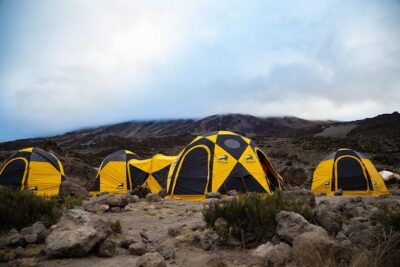
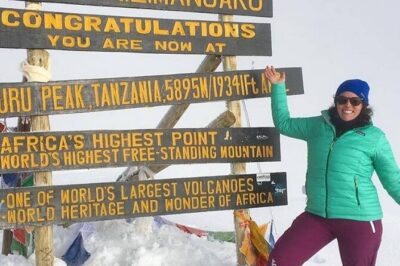
Climbing Kilimanjaro through 7 days Machame Route
Read our review →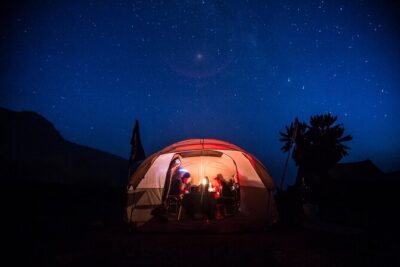
7-Day Machame Kilimanjaro Summit Tour from Arusha
Read our review →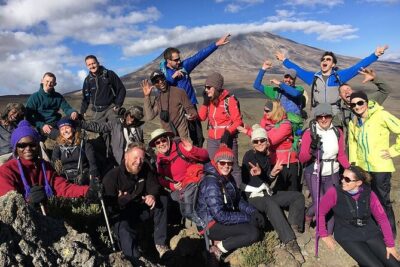
7 Days Kilimanjaro via Machame route affordable price
Read our review →
#1. Best Kilimanjaro Day hike Tour-Machame Route-ISMANI
Read our review →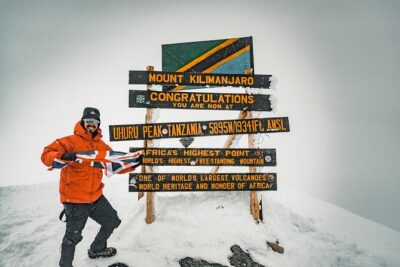
The Best of Machame Route in 6 Days: Your World’s Summit Guide
Read our review →Browse the lists this tour appears in