

Reviewed · WALKING TOURS
Arusha: City Walking Tour Historic and Modern Highlights
Arusha makes more sense on foot. This three-hour tour brings you into the city’s everyday rhythm, from Soko Kuu Central Market and the famous Clock Tower to the Natural History Museum, local snacks, beadwork, and handmade fabrics. It is a useful introduction to Arusha before a safari or a good way to see the city beyond its hotel district.
I especially like the chance to visit the market with a guide and the time set aside for local artisans. The tour also earns points for including hotel pickup and drop-off, plus a live English-speaking guide. The main drawback is the walking itself: this is not suitable for wheelchair users or people with mobility impairments, and Arusha’s sun can make comfortable shoes, water, a hat, and sunscreen essential.
The strongest praise has gone to the guides. Elia, in particular, was praised for explaining local plants and trees, showing everyday life, and taking time for questions. That personal attention can make the difference between simply seeing Arusha and understanding a little of how the city works.
In This Review
- Key points at a glance
- Why Arusha is worth seeing before your safari
- Starting at Soko Kuu Central Market
- The Clock Tower and Arusha’s geographic story
- Inside the Natural History Museum
- Snacks, beadwork, and fabrics along the way
- What the guide adds to the three-hour route
- Is $45 a fair price?
- Walking conditions and what to bring
- Who will enjoy this Arusha walk most?
- Should you book the Arusha City Walking Tour?
- FAQ
- How long does the Arusha City Walking Tour last?
- How much does the tour cost?
- Is hotel pickup and drop-off included?
- What language is the tour conducted in?
- Does the tour include food?
- What places are visited?
- What should I bring?
- Is the tour suitable for wheelchair users?
Key points at a glance
- Soko Kuu gives you Arusha’s daily pulse: Expect produce, spices, crafts, and plenty of ordinary city activity rather than a staged cultural display.
- The Clock Tower links Arusha to a larger story: The monument is associated with the midpoint between Cairo and Cape Town.
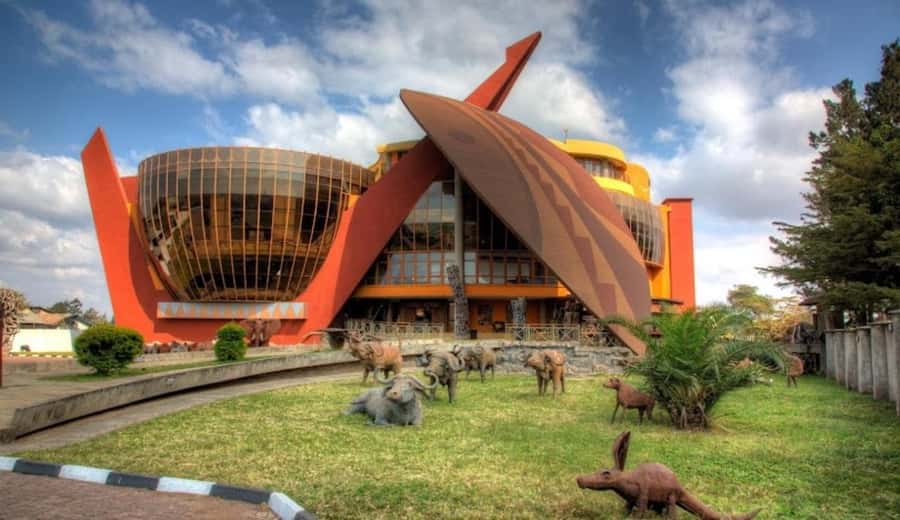
- The Natural History Museum adds useful context: Its setting in a former German colonial fort connects human evolution, local cultures, and Tanzania’s past.
- Snacks and artisans make the walk interactive: You can sample traditional Tanzanian food and see beadwork and fabrics being made.
- A good guide is central to the experience: Elia received special praise for answering questions and explaining details that are easy to miss alone.
- The $45 price is strongest for first-time visitors: Hotel transfers, guiding, food samples, and several major stops make it more than a simple stroll.
Why Arusha is worth seeing before your safari
Arusha is widely known as Tanzania’s safari capital, but many people use it only as a launching point. That is a shame. The city has its own character, with busy streets, market stalls, historic buildings, and people going about the practical business of daily life.
This tour gives you a short, organized way to get your bearings. You are not left to figure out the center on your own, and you do not have to choose between the market, museum, and Clock Tower. A local guide can also explain small details that are easy to overlook, such as plants, trees, fabrics, and the meaning of familiar landmarks.
I like the balance here. The walk is not limited to formal history, and it is not just shopping. You get a mixture of food, architecture, human stories, crafts, and street scenes. That combination makes the tour useful for a first afternoon in Arusha.
The three-hour length is also sensible. You get enough time to see several parts of the center without committing to an entire day on foot. Still, you should expect an active outing rather than a gentle sightseeing ride. Wear shoes you can walk in comfortably and bring water.
More History Tours in Arusha
- Arusha Guided Walking City Tour, Culture, Lifestyle & History
★ 5.0 · 150 reviews - Materuni Waterfalls & Coffee making Cultural Tour | BURIGI CHATO SAFARIS LTD
★ 5.0 · 15 reviews - Marangu waterfall & Coffee making Cultural Tour | BURIGI CHATO SAFARIS CO LTD
★ 5.0 · 12 reviews
Starting at Soko Kuu Central Market
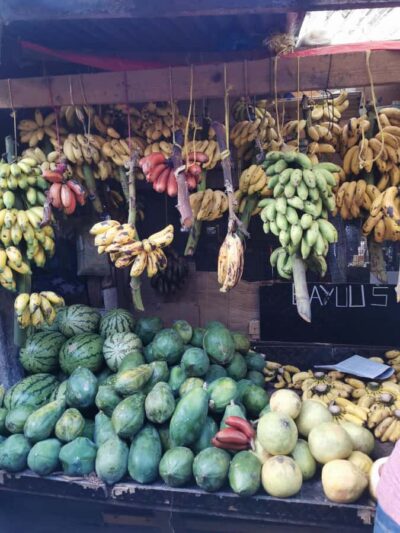
Soko Kuu, or the Central Market, is the natural place to begin. It is where the tour moves quickly from general sightseeing into the practical heart of Arusha. Stalls feature fresh produce, spices, handmade crafts, and other goods used or sold in everyday life.
A guide matters most here. Markets can be crowded and visually busy, and it is easy to see only a wall of colors and movement. With help, you can better understand what you are looking at, ask about local plants, and notice how food and goods fit into city life.
One especially useful detail from the tour experience is the guide’s attention to local plants and trees. That may sound like a small addition, but it gives the market and streets a stronger sense of place. You are not simply passing through a commercial area. You are learning about materials, food, and the natural setting that supports life around Arusha.
The market is also a good test of your expectations. This is not a polished shopping center, and the appeal lies in the real working atmosphere. If you want a quiet, highly controlled visit, you may find it hectic. If you want to see a functioning city market with a local escort, it is one of the tour’s best stops.
You may have opportunities to look at handmade crafts, but personal spending is not included. Bring money only if you want to buy something, and keep in mind that the tour’s stated inclusions cover samples and guiding, not purchases.
The Clock Tower and Arusha’s geographic story

From the market, the walk continues to the Clock Tower Monument. It is one of Arusha’s best-known landmarks and a simple place to pause, take photographs, and connect the city to a wider African map.
The Clock Tower is associated with Arusha’s position halfway between Cairo and Cape Town. That detail gives the monument more meaning than its appearance alone might suggest. It also helps explain why Arusha has long felt like a meeting point for people and routes moving through East Africa.
This stop is brief in physical scale, but it works well in the sequence. After the market’s close-up look at daily commerce, the Clock Tower gives you a clear public landmark. You get a moment to step back and place Arusha within a larger regional story.
Do not expect a long museum-style presentation here. The value comes from the guide’s explanation and from seeing one of the city’s recognizable symbols in person. If you want dramatic architecture, this will be a modest stop. If you enjoy landmarks with a geographical story, it earns its place on the route.
Inside the Natural History Museum
The Natural History Museum occupies a former German colonial fort, giving the visit an unusual setting before you even begin looking at the exhibits. The museum adds a more formal layer to the walking tour, with displays connected to human evolution and local cultures.
That combination is important. Arusha is often linked in the public imagination with wildlife and safari, but this museum points toward a broader understanding of Tanzania. Human origins, regional cultures, and colonial-era buildings all form part of the background you need to place the city properly.
The fort itself helps connect the past to the present. You are not visiting a modern exhibition hall separated from the city. You are entering an older building that reflects an earlier period and then using the museum’s displays to explore subjects that reach much further back.
The museum is also a welcome change of pace after the market and street walking. You can spend time taking in information rather than constantly moving through the city. Still, the tour is only three hours, so the amount of time available inside may depend on the day’s pace and the guide’s route. Think of it as a focused introduction, not an all-day museum visit.
If human evolution and local culture interest you, this stop adds real value to the $45 cost. Without it, the tour would lean more heavily toward markets and shopping. With it, you get a better mix of Arusha’s public history and present-day life.
More Walking Tours in Arusha
- 4 Days lodge safari Tarangire , Ngorongoro crater & Walking
★ 5.0 · 39 reviews - Tanzania – Arusha NP – Private Guided 4×4 Safari – Game Drive & Walking
★ 5.0 · 30 reviews - Street Food and Community Walking Tour
★ 5.0 · 12 reviews - Coffee walk day trip
★ 5.0 · 10 reviews
Snacks, beadwork, and fabrics along the way
Food is one of the easiest ways to make a city feel familiar, and this tour includes the chance to sample traditional Tanzanian snacks. The experience is not sold as a full meal, so you should not arrive expecting lunch. Meals and drinks are not included.
The snack tasting is valuable because it breaks down the distance between sightseeing and daily life. You are not only looking at a market stall or hearing a description of local culture. You get a small chance to taste something connected to the place.
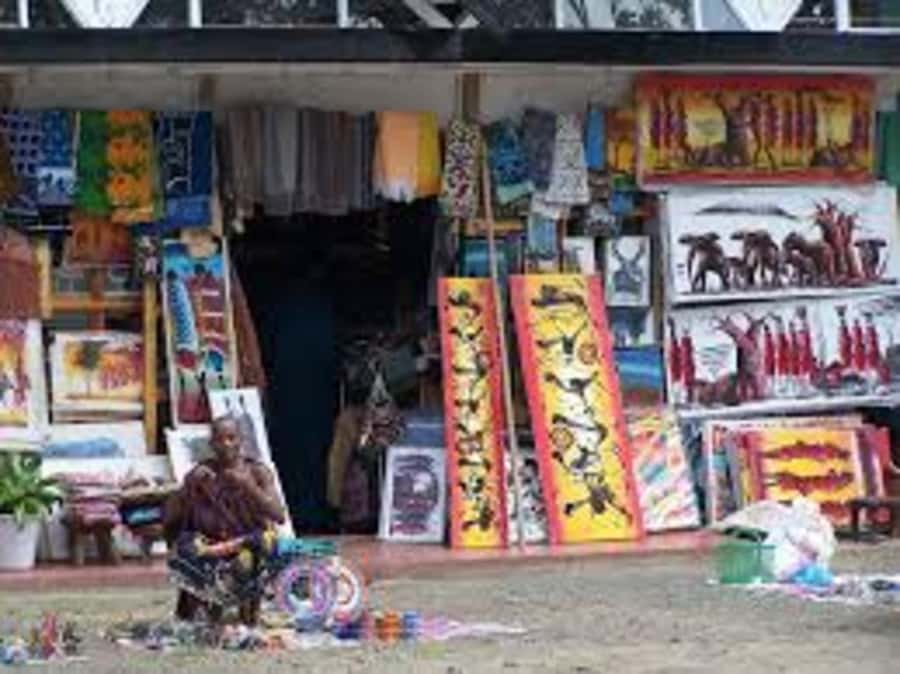
The artisan element works in much the same way. You can interact with local makers and see beautiful beadwork and fabrics. These details give the walk a hands-on quality and provide a chance to ask questions about craft traditions and materials.
The tour includes interaction with artisans, but it does not include personal expenses. If you see a piece you want, you would need to pay separately. I would treat shopping as optional rather than the main purpose of the outing. The real benefit is seeing the work and meeting the people behind it.
You may also find that these stops suit different interests within the same group. Someone interested in food gets the snack tasting. Someone who enjoys design gets beadwork and fabrics. Someone focused on history gets the museum and Clock Tower. That variety is one reason the route works well for couples, families with older children, or small groups with mixed interests.
What the guide adds to the three-hour route
A walking tour rises or falls on its guide, and the feedback connected with this experience is strongest in that area. Elia was praised for showing everyday life, explaining plants and trees, and giving people time to ask questions. Other comments also highlight a friendly, capable guide and an interesting city tour.
That tells you what to look for during the walk. Do not treat the guide as someone who simply leads you from one stop to the next. Ask questions. Ask about the market goods, the meaning of the Clock Tower, the museum, local plants, fabrics, or the snacks you taste.
The English-language guiding is useful for visitors who want direct explanations throughout the tour. Since the experience is built around street scenes and conversation, language access matters more here than it would on a sightseeing bus.
The guide also helps with the tone of the visit. A good escort can make the market feel approachable and can help you interact with artisans respectfully. That is particularly helpful if you are unsure when to take photographs, how to ask about crafts, or how much time to spend at a stall.
One three-star assessment suggests the experience may not feel equally memorable to everyone. That is a fair warning. The appeal depends on your interest in ordinary city life, walking, conversation, and cultural details. If you want a packed schedule of dramatic sights, this route may feel modest. Its strength is the quality of the explanation and the range of small encounters.
Is $45 a fair price?
At $45 per person, this is more than an independent walk through central Arusha, but you are paying for several useful pieces at once. The price includes hotel pickup and drop-off, a three-hour guided walk, traditional snack samples, and interaction with local artisans.
That package makes the cost reasonable for a first visit, particularly if you value convenience. You do not have to arrange transport to the meeting point, plan a route, or work out how to combine the market, Clock Tower, and museum. You are also paying for local interpretation, which is the part that cannot be replaced by a quick map search.
The value is less clear if you already know Arusha well or prefer exploring at your own pace. You may also spend extra on drinks, meals, crafts, or souvenirs because those costs are not covered. The tour is best understood as a guided introduction, not an all-inclusive city day.
The average rating is 4.5 from 12 reviews, with particularly strong praise for the guides and the interesting city route. That is a small sample, so I would not treat the number as a guarantee. Still, the repeated approval of the guide’s friendliness and willingness to answer questions is a good sign.
Walking conditions and what to bring
The practical side is simple but important. Wear comfortable walking shoes and light clothing. Bring water, a sun hat, sunscreen, and a camera.
The tour is not suitable for people with mobility impairments or wheelchair users. The route includes city streets, a market, and several stops on foot, so you should be comfortable walking for the full three hours.
Smoking is not allowed during the activity. Meals and drinks are not included, so plan accordingly. Traditional snacks are part of the experience, but they should not be treated as a substitute for a full meal.
Hotel pickup and drop-off are included, which takes away one common worry. The exact starting time is not fixed in the information provided, so you need to check availability when booking. Cancellation is free up to 24 hours in advance, and the reserve-now, pay-later option can help if your safari schedule is still changing.
Who will enjoy this Arusha walk most?
I would recommend this tour to a first-time visitor who wants a human-scale introduction to Arusha. It is especially suitable if you want to see a market, learn some local history, taste a snack, and meet artisans without spending a full day on an organized excursion.
It also suits people arriving for a safari who have a spare morning or afternoon. The tour gives you a clearer sense of the city that supports the safari industry, rather than leaving you with only hotel and airport impressions.
You should think twice if you dislike walking in the sun, prefer private vehicle sightseeing, or want a highly polished attraction with elaborate presentations. The route is grounded in everyday city life, and that means the experience can feel less controlled and less predictable than a standard museum visit.
Families with younger children may need to judge the walking length and market setting carefully. The activity is explicitly unsuitable for people with mobility impairments, and no special child-focused features are listed.
Should you book the Arusha City Walking Tour?
Book it if you want a practical, friendly introduction to Arusha and you value a local guide more than a long list of grand attractions. The best reasons are the Central Market, the former fort housing the Natural History Museum, the snack tasting, and the chance to see beadwork and fabrics in a real city setting.
I would be most inclined to book this early in your stay. The walk can help you understand the city before a safari and give you useful context for the people, plants, foods, and crafts you encounter elsewhere in Tanzania.
Skip it if three hours of walking sounds tiring or if your only goal is wildlife. For everyone else, $45 is a fair price for a guided route that combines transport, interpretation, food samples, and several distinct parts of Arusha. Just bring water, wear good shoes, and arrive ready to ask questions.
FAQ
How long does the Arusha City Walking Tour last?
The tour lasts three hours.
How much does the tour cost?
The price is $45 per person.
Is hotel pickup and drop-off included?
Yes. Hotel pickup and drop-off are included.
What language is the tour conducted in?
The live tour guide speaks English.
Does the tour include food?
The experience includes an opportunity to sample traditional Tanzanian snacks. Full meals and drinks are not included.
What places are visited?
The route includes Soko Kuu Central Market, the Clock Tower Monument, and the Natural History Museum. It also includes city streets, artisan interactions, beadwork, and fabrics.
What should I bring?
Bring comfortable shoes, a sun hat, water, sunscreen, and a camera. Light clothing is recommended.
Is the tour suitable for wheelchair users?
No. The tour is not suitable for wheelchair users or people with mobility impairments.
Just added in Arusha
- Safari “Kifaru” – 5 days in the most famous Parks in the world★ 5.0 · 4 reviews
- Saadani Day Trip★ 5.0 · 13 reviews
- 3 Days Tanzania Short and Spicy★ 5.0 · 6 reviews
- 5 Day Tanzania Safari Camping Adventure Private Tour★ 5.0 · 2 reviews
- Day Trip to Ngorongoro Crater from Arusha★ 5.0 · 1 review
- SERENGETI NATIONAL PARK Tour★ 4.5 · 5 reviews
- 3 Days Serengeti Park & Ngorongoro Crater Adventure Safari★ 5.0 · 8 reviews
- 6 Days Tanzania Bush Experience Safari★ 5.0 · 6 reviews
Walking Tours, compared.

3 Hours Private Stone Town walking Tour with Guide
Read our review →
Stone Town Historical Cultural Walking Guided Tour
Read our review →

Arusha Guided Walking City Tour, Culture, Lifestyle & History
Read our review →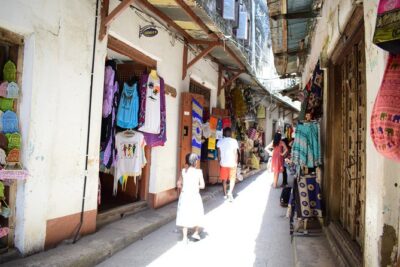
Browse the lists this tour appears in