
Reviewed · MAASAI VILLAGE VISITS
Arusha: Maasai-style Beaded Jewelry Lesson
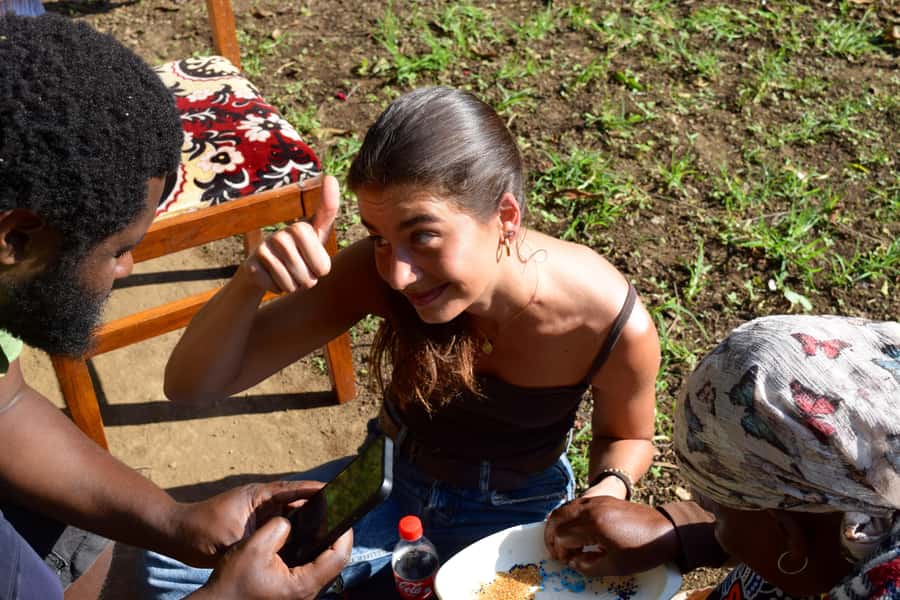
Small crafts can open big doors. This four to five-hour beading class at Mama Aziz Homestay in Sanawari gives you a direct, hands-on way to learn Maasai-style jewelry from a local artisan. You make your own bracelet, necklace, anklet, or custom piece, then take both the finished item and the basic skill home with you.
I like the personal setting in a local home, which feels more meaningful than simply buying a finished souvenir. I also like the choice of adding homemade brunch, with dietary needs accommodated. The main consideration is time: at four to five hours, this is a relaxed half-day activity, not a quick craft stop. Transport and brunch are optional, so check the final price before booking.
In This Review
- Key Details Before You Book
- Meeting Maasai-Style Beading in Sanawari
- What the Four to Five Hours Look Like
- Arriving at Mama Aziz Homestay
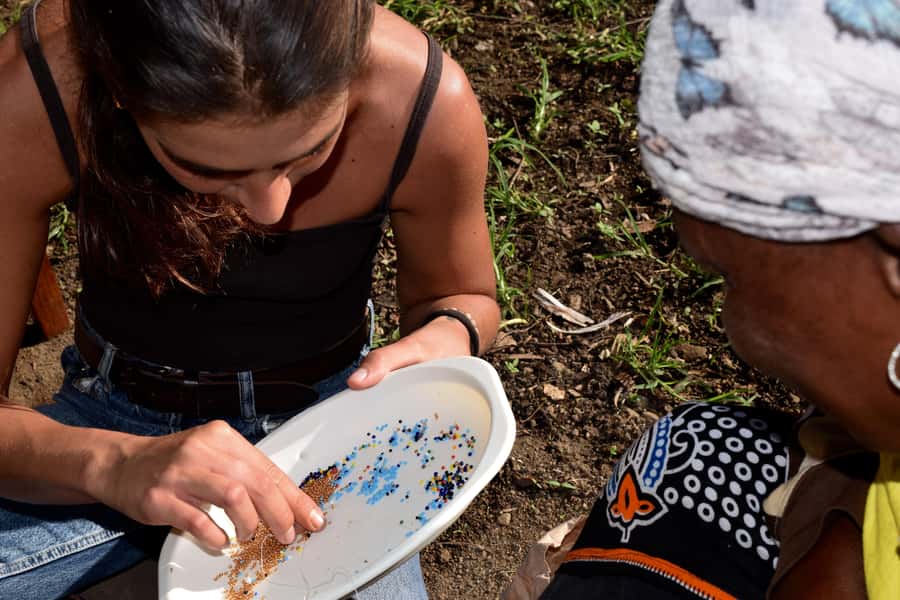
- Learning the Basic Beading Method
- Choosing Your Project
- Building and Finishing the Jewelry
- Adding Homemade Brunch
- Why Making the Souvenir Matters
- The Value of $20 Per Person
- Who Will Enjoy This Most
- Accessibility, Language, and Planning Notes
- What the Praise Tells You
- Should You Book the Arusha Beading Class?
- FAQ
- How much does the Maasai-style beading lesson cost?
- How long does the experience last?
- Where does the beading lesson take place?
- What can I make during the class?
- Is brunch included?
- Is transportation available?
- What languages are spoken, and is the activity wheelchair accessible?
Key Details Before You Book
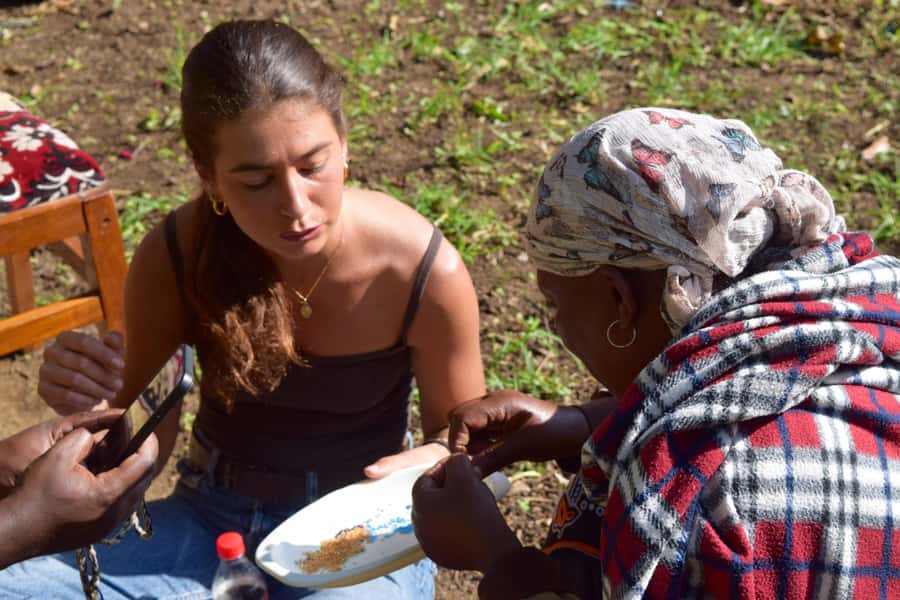
- Make your own jewelry: Choose a bracelet, necklace, anklet, or a custom Maasai-inspired design.
- Learn from a local artisan: The lesson is taught in English or Swahili at Mama Aziz Homestay in Sanawari.
- Enjoy a home-based cultural visit: The setting gives the activity a more personal feel than a standard workshop.
- Add homemade brunch: Food is optional, and all dietary needs can be catered for.
- Plan around a half day: The class lasts four to five hours, with hotel or residence pick-up and drop-off available as an option.
- Take home a useful souvenir: You leave with a handmade piece and a skill you can practice again later.
Meeting Maasai-Style Beading in Sanawari
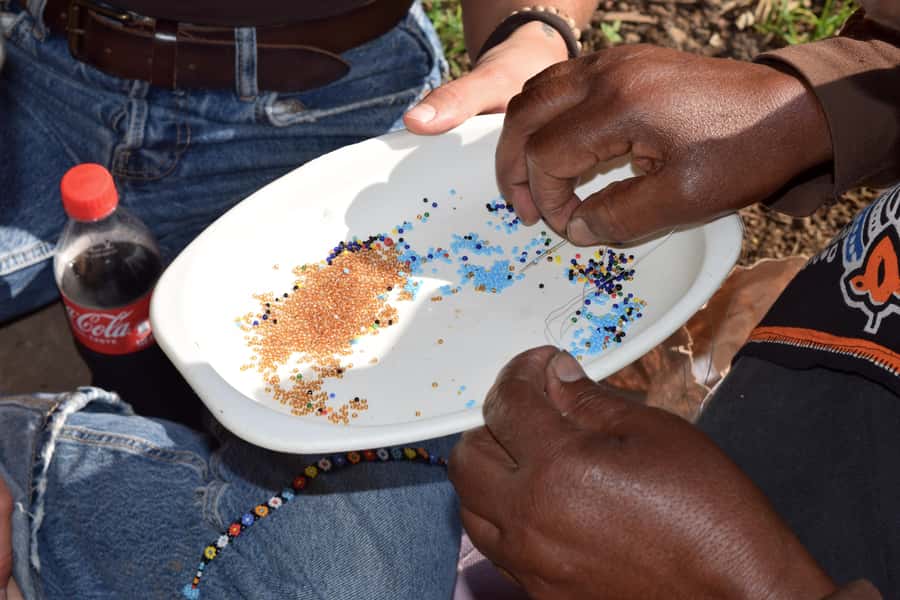
The activity takes place at Mama Aziz Homestay in Sanawari, an area of Arusha. You are not simply looking at finished jewelry behind a shop counter. Instead, you sit down with beads, thread, and a local teacher, then work through the process yourself.
That difference matters. A purchased bracelet may remind you of Tanzania for a few days. A piece you make yourself carries the memory of the time spent choosing colors, handling the beads, correcting small mistakes, and finishing the design. The result may not look perfectly polished, and that is part of the charm.
The class focuses on Maasai-style beading rather than claiming to reproduce every form of traditional Maasai ceremonial jewelry. That distinction is worth keeping in mind. You are learning an inspired craft from a local artisan and creating a wearable souvenir, not taking part in a formal cultural ceremony.
The home setting also means you should expect a more relaxed visit than a tightly scheduled museum tour. The lesson has room for conversation and social time. David is specifically associated with the warm, entertaining side of the experience, so you may find that the personality of your host or guide becomes as memorable as the jewelry itself.
More Maasai Village Visits in Arusha
- 5 Days Camping Tarangire, Serengeti & Ngorongoro crater & Visiting Maasai
★ 5.0 · 229 reviews - Maasai village visit, Materuni waterfalls & coffee experience
★ 4.5 · 95 reviews - Kilimanjaro: Maasai Village Visit, Waterfalls, & Coffee Tour
★ 4.9 · 27 reviews
What the Four to Five Hours Look Like
The exact order can vary, but you can expect the visit to center on several simple stages.
Arriving at Mama Aziz Homestay
If you arrange transport, pick-up and drop-off from your hotel or residence can make the visit easy to fit into an Arusha schedule. This is useful if you are unfamiliar with Sanawari or would rather not spend part of the day arranging local transport.
Transport is optional, so it may also be possible to make your own way there. Confirm the meeting details and the transport cost before you pay. The activity price is listed at $20 per person, but optional services may change the total.
Once you arrive, the focus shifts quickly from getting there to meeting the artisan and learning how the session will work. Since the class is held in a local home, you should approach it as a personal visit as well as a craft lesson. A little patience and curiosity will improve the experience.
Learning the Basic Beading Method
The artisan introduces you to the materials and shows you how the pieces fit together. You learn by watching, trying, and adjusting your work as you go.
Beading looks simple until you begin. Small beads can be slippery, patterns need attention, and a bracelet or necklace must hold together while still sitting comfortably. A teacher can save you from wasting materials and help you understand the rhythm of the work.
The instruction is available in English and Swahili. That makes the class accessible to a wide range of visitors, though the amount of detailed explanation may depend on the group and the particular instructor. You do not need to arrive with previous jewelry-making experience. The point is to learn through doing.
A different kind of day out entirely:
- Balloon Safari & Bush Breakfast in Serengeti – Miracle Experience
★ 5.0 · 1,646 reviews - Tanzania Classic – 7 Days
★ 5.0 · 1,151 reviews - 4 Days Group Camping Safari
★ 5.0 · 1,101 reviews - 5 Days Group Camping Safari
★ 5.0 · 730 reviews
Choosing Your Project
You can make a bracelet, necklace, anklet, or custom design. A bracelet is likely the most manageable choice if you want a straightforward project or have limited patience for tiny beads. A necklace or custom design gives you more room to create something personal, but it may take longer.
Think about who will wear the piece before you begin. A simple bracelet can be a practical gift, while a necklace or anklet may offer more space for color and pattern choices. If you are making something for yourself, consider the colors you normally wear. If you are making a gift, ask for help choosing a size and style.
The custom option is especially useful if you do not want a standard souvenir. You can use the basic method as a starting point and make a piece that feels connected to your own taste.
Building and Finishing the Jewelry
This is the most hands-on part of the visit. You thread the beads, follow or adapt a pattern, and work toward a finished piece.
Expect a few uneven sections. Handmade jewelry made by a first-time learner will rarely look like a professional artisan’s work, but the goal is not perfection. The value is in learning enough to continue making Maasai-inspired jewelry after you return home.
Your teacher can help with the practical parts, such as keeping the beads in place and finishing the ends. Pay close attention during the final steps. A beautiful pattern is not much use if the fastening is loose.
You leave with something tangible, but the lesson also gives you a repeatable skill. That makes the souvenir more useful than another mass-produced item from a tourist shop.
Adding Homemade Brunch
Homemade brunch is optional and can be added to the experience. All dietary needs can be catered for, which is helpful if you need vegetarian, vegan, allergy-conscious, or other special meals.
Because the brunch is optional, do not assume it is included in the $20 base price. Ask what is served and confirm the added cost when booking. The food gives the visit a longer social rhythm, but you may prefer to skip it if your schedule is tight or you already have meal plans.
If you choose brunch, allow yourself to slow down. The meal is part of the home-based character of the visit, not just a quick box checked on an itinerary.
Why Making the Souvenir Matters
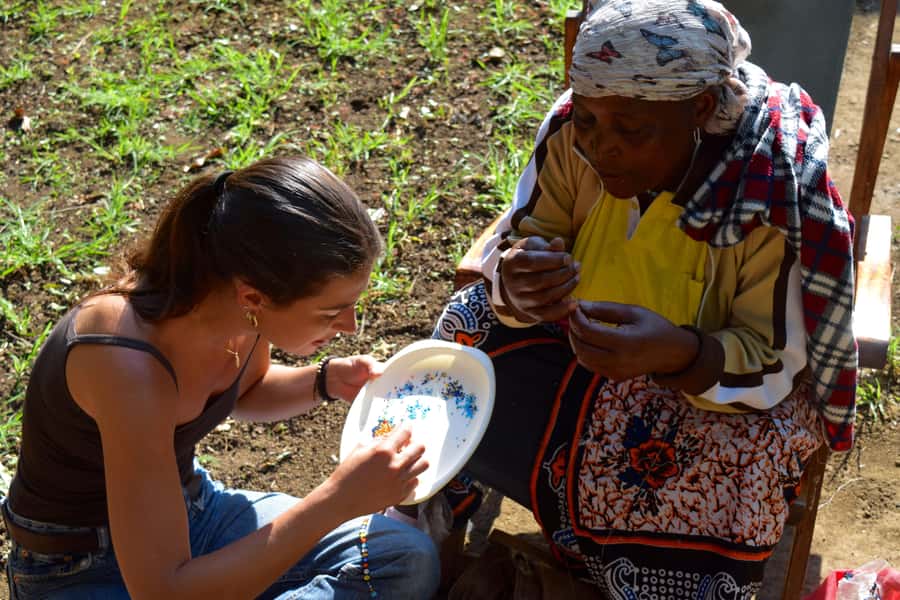
Arusha has no shortage of places to buy crafts. The advantage of this class is that you are not only purchasing an object. You are learning how that object comes together.
That offers three kinds of value. First, you get a personal keepsake. Second, you support a local artisan-led activity. Third, you gain a skill that can continue at home with new materials.
The cultural side also deserves a clear-eyed view. Maasai-style beadwork has strong cultural meaning, and a short tourist class cannot explain every tradition, symbol, or community practice behind it. Treat the session as an introduction, listen carefully, and avoid assuming that every color or pattern has one fixed meaning.
The experience is at its best when you remain open to the everyday side of craft. You may not receive an academic lesson on Maasai history. You will receive something more practical: a chance to sit with a local maker, ask questions, and create a piece with your own hands.
The Value of $20 Per Person
At $20 per person, the base price is reasonable for a four to five-hour activity, especially if you want a cultural experience that does not revolve around a major attraction or expensive excursion.
The value improves if you care about participation. You are paying for instruction, materials, time with a local artisan, and a finished piece. It is less compelling if you only want a quick souvenir and do not enjoy slow, careful handwork.
Remember that transportation and brunch are optional. Those extras may be worthwhile for convenience and comfort, but they should be treated as additions rather than part of the advertised base cost.
For a family, the activity can also offer good value because children and adults can work on their own pieces. The main question is patience. Younger children may enjoy choosing colors and making simple designs, but four to five hours could feel long if they need constant activity.
Who Will Enjoy This Most
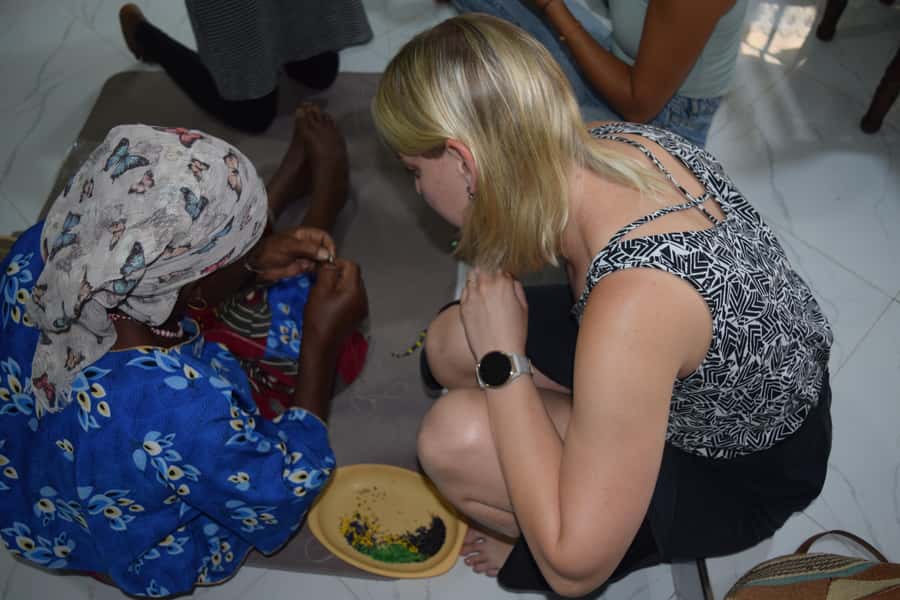
I would recommend this class to you if you like making things, meeting local people, or bringing home a souvenir with a story attached. It is a good match for couples, families, small groups, and solo visitors who prefer a calm cultural activity to another sightseeing stop.
It also suits anyone who wants a break from a packed safari schedule. After early starts and long drives, sitting down with beads gives you a quieter way to spend part of the day.
The activity may be less suitable if you dislike detailed handwork or want a short, highly structured visit. The four to five-hour duration is important. This is not something to squeeze between two tightly timed excursions.
You should also think about your preferred level of independence. The class offers guidance, but you still need to do the work. If you want to choose a finished piece and leave in ten minutes, shop for jewelry instead.
Accessibility, Language, and Planning Notes
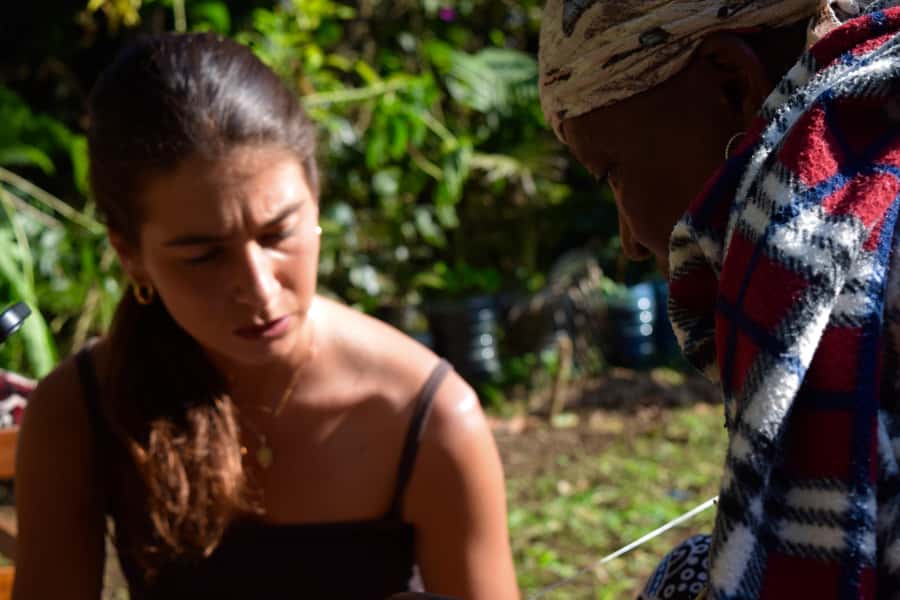
The activity is listed as wheelchair accessible. If you use a wheelchair or have specific mobility needs, confirm the details of the transport and the home setting before arrival, since accessibility can depend on the exact route and arrangements.
Instruction is available in English and Swahili. The class is therefore suitable for English-speaking visitors, while Swahili speakers may also communicate directly in that language.
Free cancellation is available up to 24 hours before the activity for a full refund. You can also reserve now and pay later, which helps if your Arusha plans may change.
Starting times depend on availability. Since the experience takes most of a day, I would book it on a day without another fixed morning or afternoon commitment. If you want brunch or transport, arrange those options ahead of time rather than assuming they will be available automatically.
What the Praise Tells You
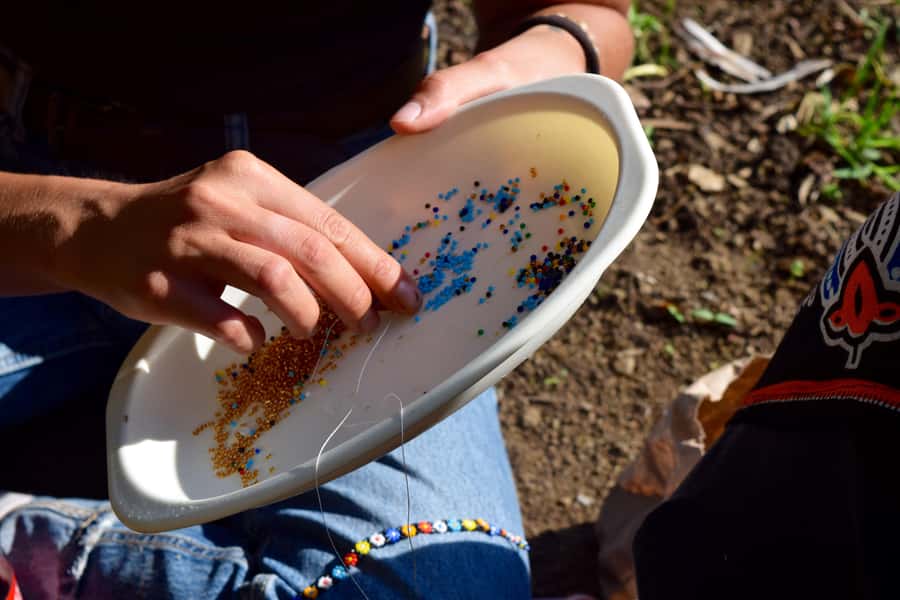
The strongest feedback centers on the friendly care and enjoyable atmosphere. Alia from Germany described feeling well looked after and having a great time together. That points to an experience where personal attention matters, not just the technical lesson.
Nele from Tanzania highlighted learning to make bracelets and chains, along with being entertained by David. That combination is useful to know. You are signing up for craft instruction, but the social side may be just as important.
The perfect five-star rating comes from three verified bookings, so the sample is small. I would not treat it as proof that every group will have exactly the same experience. Still, the comments consistently support two practical expectations: you should receive hands-on instruction, and the visit is likely to feel warm and companionable.
Should You Book the Arusha Beading Class?
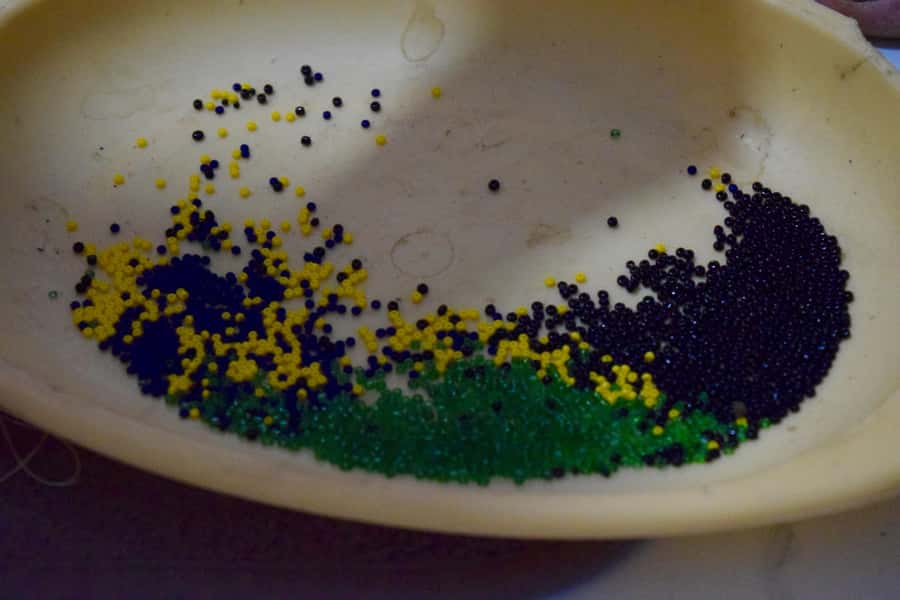
Book it if you want a personal, creative activity and like the idea of taking home something you made yourself. The local-home setting, optional brunch, English or Swahili instruction, and available transport make it easy to shape the visit around your needs.
I would choose the bracelet or anklet if you want a manageable first project. Pick a necklace or custom design if you enjoy detailed work and want a more distinctive souvenir.
Skip it if your Arusha schedule is packed or you have little interest in crafts. At four to five hours, this experience asks you to slow down. For the right person, that is the point. You leave with beads on your wrist, but also with a better sense of the patience and care behind handmade jewelry.
FAQ
How much does the Maasai-style beading lesson cost?
The listed price is $20 per person. Transportation and brunch are optional, so confirm whether either addition changes your total.
How long does the experience last?
The activity lasts four to five hours. Check availability for the starting times that work with your schedule.
Where does the beading lesson take place?
The class takes place at Mama Aziz Homestay in Sanawari, in the Arusha region of Tanzania.
What can I make during the class?
You can make a bracelet, necklace, anklet, or custom Maasai-inspired design.
Is brunch included?
Brunch is optional rather than part of the basic lesson. Homemade brunch is available, and all dietary needs can be catered for.
Is transportation available?
Hotel or residence pick-up and drop-off are offered as an optional service. Confirm the transport arrangements and cost when booking.
What languages are spoken, and is the activity wheelchair accessible?
The instructor speaks English and Swahili. The activity is listed as wheelchair accessible.
Just added in Arusha
- Safari “Kifaru” – 5 days in the most famous Parks in the world★ 5.0 · 4 reviews
- Saadani Day Trip★ 5.0 · 13 reviews
- 3 Days Tanzania Short and Spicy★ 5.0 · 6 reviews
- 5 Day Tanzania Safari Camping Adventure Private Tour★ 5.0 · 2 reviews
- Day Trip to Ngorongoro Crater from Arusha★ 5.0 · 1 review
- SERENGETI NATIONAL PARK Tour★ 4.5 · 5 reviews
- 3 Days Serengeti Park & Ngorongoro Crater Adventure Safari★ 5.0 · 8 reviews
- 6 Days Tanzania Bush Experience Safari★ 5.0 · 6 reviews
Maasai Village Visits, compared.

5 Days Camping Tarangire, Serengeti & Ngorongoro crater & Visiting Maasai
Read our review →
Maasai village visit, Materuni waterfalls & coffee experience
Read our review →5 Days Camping Tarangire, Serengeti & Ngorongoro crater & Visiting Maasai
Read our review →

Maasai village visit and Chemka hot-springs with hot lunch.
Read our review →

Kilimanjaro: Maasai Village Visit, Waterfalls, & Coffee Tour
Read our review →
Browse the lists this tour appears in