
Reviewed · WALKING TOURS
Dar es Salaam City Walking tour – Explore the Life of the Local People!
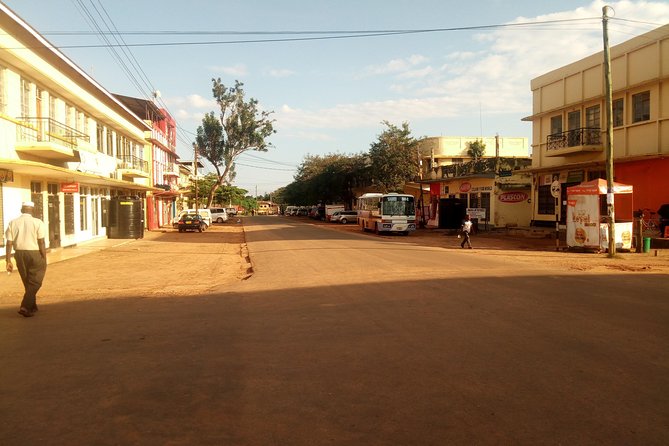
Dar es Salaam comes alive at street level. This private walking tour gives you a useful first look at Tanzania’s largest city, combining major sights with ordinary daily scenes, short rides on public transport, and explanations from guide Aloys E. Malekela. I like the private format and the chance to see the city by public bus rather than from behind a tour-van window. I also like the broad route, which links the National Museum, old religious buildings, the fish market, and Kariakoo Bazaar in one outing.
The main caution is the heat. One guest from northern Europe found the weather tiring and the fish market notably smelly, which is fair warning for anyone unused to Dar es Salaam’s conditions. The advertised price is $100 per person, and the experience lasts about five to seven hours, so you should be ready for a long day on foot, in busy public places, and on local transport.
In This Review
- Key things to know before you go
- A practical first look at Dar es Salaam
- The National Museum: one hour of useful context
- The fish market: daily life with all the senses
- Sultan Majjid Building and Missionaries House
- Three churches and the city’s religious past
- Kariakoo Bazaar: the busiest part of the route
- Mwenge Curio Shops and the final shopping stop
- Walking and public transport: the local perspective
- What $100 per person buys you
- Aloys E. Malekela as your guide
- Who should book this city walk?
- Should you book the Dar es Salaam City Walking Tour?
- FAQ
- How long does the Dar es Salaam City Walking Tour last?
- What is the price per person?
- Is this a private tour?
- What transport is used during the tour?
- What attractions are included?
- Is lunch included?
- Where does the tour start and finish?
- Can I cancel for a full refund?
Key things to know before you go
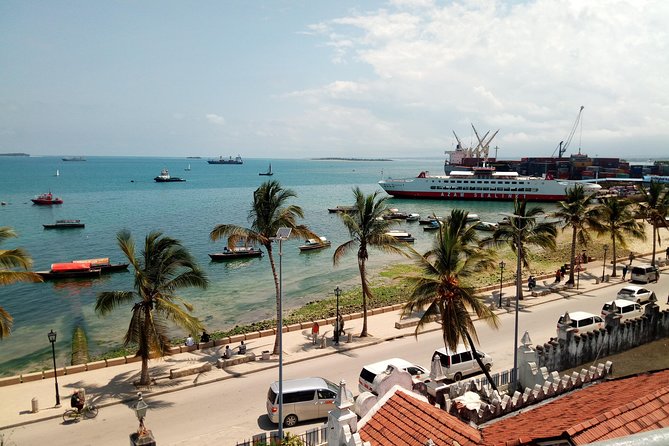
- The route covers several sides of Dar es Salaam: Museums, churches, historic buildings, markets, and local shopping all appear in one city tour.
- You use public transport: The included bus rides add a practical local touch, though they may feel less comfortable than private transport.
- Aloys is your guide: His approach is friendly and informative, with personal attention because this is a private activity.
- The National Museum gets the most time: Plan on about one hour there, making it the best stop for putting the city and Tanzania into context.
- Kariakoo and the fish market are sensory stops: They offer a close look at commerce and daily life, but strong smells, crowds, and heat are part of the deal.
- The price buys flexibility and coverage: At $100 per person, value is strongest if you want a private introduction rather than a simple landmark walk.
A practical first look at Dar es Salaam
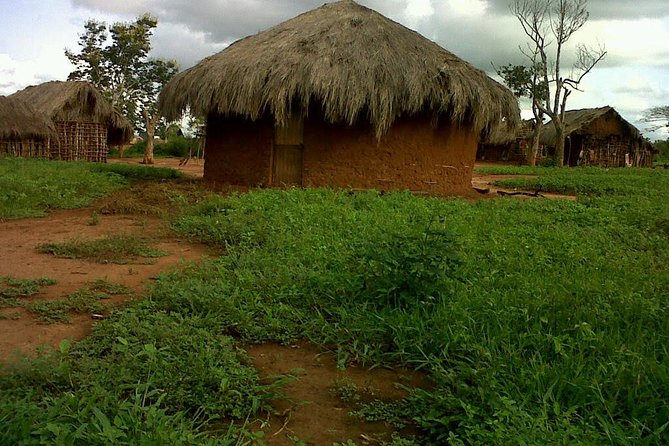
Dar es Salaam can be hard to read at first. Important places are spread through the city, traffic affects how quickly you move, and the most interesting parts are not always found at a single famous monument. This tour helps you connect the pieces.
The route operates within roughly a three to five kilometer radius, with regular stops for sightseeing and explanations. That makes the experience less about covering a huge area and more about understanding one central part of the city on foot, with public transport used to link sections of the route.
I especially like that the tour includes both formal sights and working parts of town. The National Museum gives you a historical frame. Kariakoo Bazaar and the fish market show how people shop, work, and move through the city today. The contrast is useful. You are not simply collecting photographs of old buildings.
The city’s founding story also receives attention. Dar es Salaam was established by Sultan Majjid in 1862. He lived in Zanzibar and used the city as a weekend retreat, a detail that helps explain the early connection between Zanzibar and the mainland coast.
More Walking Tours in Dar es Salaam
- Dar es Salaam City Center: Walking Tour
★ 4.8 · 102 reviews - 3 Days Nyerere NP [Selous GR] Game, Walking and Boat
★ 5.0 · 19 reviews - 5 Days Selous/Nyerere & Mikumi NP Game drive, Maasai and Walking
★ 5.0 · 13 reviews
The National Museum: one hour of useful context
The National Museum of Tanzania is scheduled for about one hour, making it the longest single stop. That timing matters. You get enough space for a proper introduction, but the museum does not consume the entire day.
I would treat this as the anchor of the tour. Before you visit markets and churches, the museum can help you place Dar es Salaam within Tanzania’s wider story. Your guide’s explanations are included, so you do not need to carry a guidebook or try to make sense of every display alone.
Because the rest of the experience is active and outdoors, the museum also provides a welcome change of pace. You can spend time looking, listening, and asking questions before returning to the streets.
The exact museum exhibits covered during your visit are not specified, so I would not book this expecting a tightly themed museum tour. Its value here is as part of a wider introduction to the city, not as a full museum study.
The fish market: daily life with all the senses
The fish market receives about 20 minutes. That is short, but it is enough to see a working market without allowing one stop to take over the afternoon.
This is one of the places where the tour feels most connected to everyday life. You can expect a market setting rather than a polished attraction. The smell may be strong, especially in the heat. One guest specifically found the fish market interesting but smelly, so bring a realistic attitude and do not expect a tidy, quiet stop.
I like the fact that the tour does not avoid places simply because they are less comfortable. A market can tell you more about ordinary routines than another monument. At the same time, twenty minutes is probably the right length for many people. You get the experience, then move on before the heat and smell become too much.
Sultan Majjid Building and Missionaries House
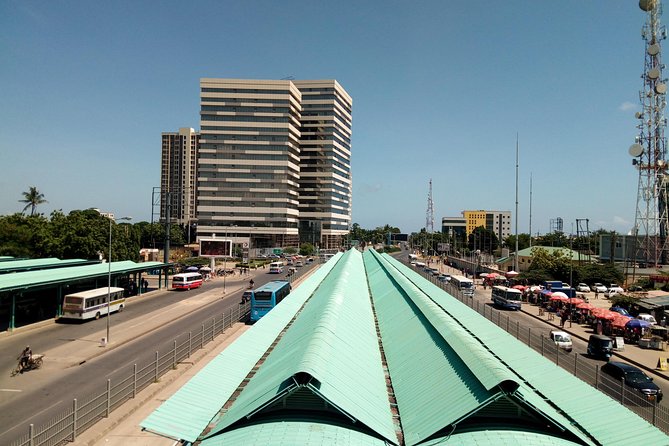
The Sultan Majjid Building receives about 40 minutes, one of the longer historic stops after the museum. It connects directly with the story of Dar es Salaam’s early development and the role of Sultan Majjid.
The tour also includes about 20 minutes at Missionaries House. These stops are useful because they broaden the city beyond markets and modern streets. You can ask Aloys how the buildings relate to the city’s past and how Dar es Salaam grew from a coastal retreat into a major urban center.
The information provided does not specify whether you enter every building or view some from outside. I would plan for a mix of sightseeing and explanation rather than assume that each stop is an interior museum visit.
That distinction matters. If you want extensive time inside historic buildings, this may feel brisk. If you want a city overview with several short historical pauses, the pace should suit you better.
A different kind of day out entirely:
- Dar es Salaam: City Tour
★ 4.7 · 159 reviews - Dar es Salaam City Tour – Everyday
★ 5.0 · 64 reviews - MIKUMI NATIONAL PARK – 3 Days
★ 4.5 · 63 reviews - 2 nights 3 days safari to mikumi national park
★ 5.0 · 62 reviews
Three churches and the city’s religious past
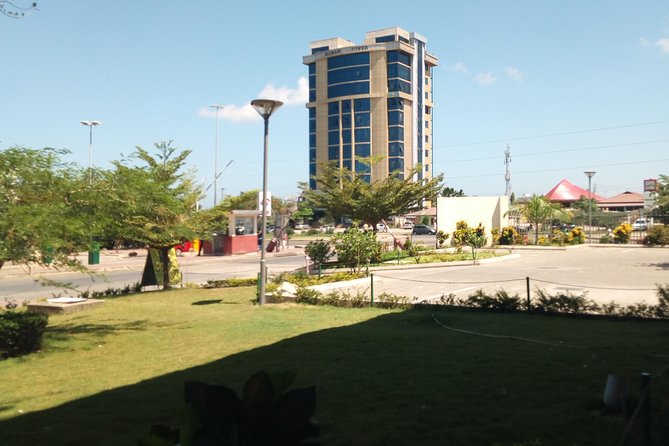
The route includes Saint Joseph Church for about 15 minutes and Azania Front Church for about 20 minutes. Together, these stops add another layer to the tour.
Short church visits work well on a walking route because you can see the buildings, hear about their role in the city, and continue without spending hours at one site. The schedule suggests that these are focused sightseeing stops rather than long services or detailed architectural studies.
I like having both religious buildings in the program because they help show the range of influences found in central Dar es Salaam. The tour is not limited to one version of the city’s past. It moves between royal connections, missionary history, religious buildings, markets, and public institutions.
You should dress and behave respectfully at the churches. The available details do not state specific clothing rules or whether services take place during the tour, so follow Aloys’s guidance on the day.
Kariakoo Bazaar: the busiest part of the route
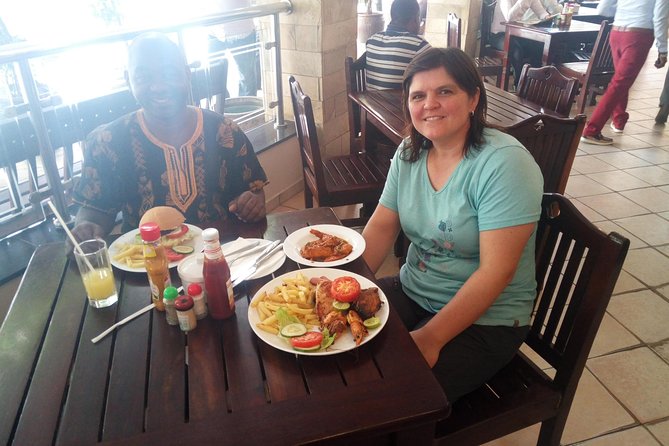
Kariakoo Bazaar receives about 30 minutes and is likely to be one of the most memorable stops. This is where the tour shifts firmly toward commerce and present-day city life.
A bazaar is best understood by watching how people use it. You can expect shops, goods, movement, and a more crowded setting than the museum or churches. The short visit gives you a taste without asking you to spend half the day inside a market.
Keep your belongings secure and stay close to Aloys. That is not a claim about any specific incident. It is simply sensible advice for any busy public market. You may also want to decide in advance whether you are browsing only or hoping to buy something, since a short stop can pass quickly.
The value here is not just shopping. Kariakoo helps you see Dar es Salaam as a working city rather than a collection of historic sights. It also gives Aloys a natural setting for explaining local habits and daily routines.
Mwenge Curio Shops and the final shopping stop
Mwenge Curio Shops appear at the end of the route. The supplied schedule contains a formatting error around this stop, so the precise time there is unclear. I would not plan a long, dedicated shopping session without confirming the timing with Aloys before departure.
The shops add a different type of market experience from Kariakoo. Kariakoo is linked with ordinary city commerce, while curio shops are more clearly aimed at decorative goods and souvenirs. That makes Mwenge a practical place to look for a small reminder of Tanzania, if shopping interests you.
Still, keep expectations measured. The tour is designed as a city walk, not a specialist craft-shopping excursion. You may have time to browse, but the main purpose is to see another part of Dar es Salaam and understand how the route fits together.
Walking and public transport: the local perspective
The tour’s use of public transport is one of its strongest features. You are not simply driven from one sight to another. Short bus rides show you how the city connects and give you a closer look at normal movement through Dar es Salaam.
This also means the day is less controlled than a private car tour. A bus can be hot, crowded, or slower than expected. That is part of the experience, but it may not suit you if you want air conditioning and fixed travel times.
The walking portion covers a compact area, roughly three to five kilometers in radius, with regular stops. Even so, five to seven hours in Dar es Salaam’s heat can feel demanding. Wear comfortable shoes, carry water, and use sun protection. The tour includes public transport, all fees, and taxes, but lunch and dinner are not included.
A useful tip comes directly from the experience: consider the time of day. Aloys has acknowledged that heat can be especially difficult for people from cooler northern European climates and has indicated that he can advise on a better time for future walks. Ask about timing before you set out.
What $100 per person buys you
At $100 per person, this is not the cheapest way to walk around Dar es Salaam. Its value comes from the private format, the guide’s attention, and the number of different places included.
You are paying for a route that combines the National Museum, fish market, Sultan Majjid Building, Missionaries House, two churches, Kariakoo Bazaar, and Mwenge Curio Shops. Public transport is included, as are all fees and taxes. You do not need to arrange separate admission payments along the way.
The price makes the most sense if you are new to Dar es Salaam and want a guided orientation in a single day. It is also useful if you prefer asking your own questions rather than following a large group.
The value is weaker if you only want a quick walk around central landmarks or if you dislike markets and public transport. In that case, the five to seven hour schedule may feel long for what you need.
The private setup is important. Only your group participates, so you can ask Aloys to explain a building, slow down, or clarify something you would otherwise miss. The tour is confirmed at booking, and free cancellation is available up to 24 hours before the start time.
Aloys E. Malekela as your guide
Aloys is repeatedly described in the supplied feedback as friendly and informative. One guest credited him with helping make the day educational while also taking good care of the group. That combination matters on a city walk, where practical help can be just as useful as facts about buildings.
His responses also show that he pays attention to suggestions. After the comment about heat, he noted the importance of advising people about the best time for a walk. That is a good sign for an experience affected by weather and energy levels.
His style appears warm and personal. He responded to one couple with a kind wish that they would return to Dar es Salaam, which suggests a host who takes pride in the city and enjoys forming a personal connection.
The overall rating is 4.7 out of 5 from 17 reviews, with 94 percent recommending the experience. That is a strong result, though the sample is small. I would give the most weight to the specific praise for Aloys’s friendliness, information, and care, while keeping the heat and fish-market smell firmly in mind.
Who should book this city walk?
I would recommend this tour if you want a broad first look at Dar es Salaam and prefer real city scenes to a polished sightseeing circuit. It suits curious first-time visitors, history fans who also enjoy markets, and anyone who wants a private guide to explain what they are seeing.
It is also a good fit if you like public transport as part of travel. The bus rides are not just a way to save time. They give the outing a more local feel and show you a practical side of the city.
I would be more cautious if you have limited stamina, dislike heat, or want a slow museum-and-architecture tour. The schedule covers many stops, and some visits last only 15 or 20 minutes. You will see a lot, but you will not study every place in depth.
The tour works best when you treat it as an introduction. Let Aloys give you the city’s basic outline, then use what you learn to decide where you want to return on your own.
Should you book the Dar es Salaam City Walking Tour?
Book it if you want a private, full-day introduction that mixes history, religion, shopping, markets, and public transport. The strongest reasons are the wide range of stops, Aloys’s friendly guidance, and the chance to see more than the usual postcard sights.
Before booking, accept the practical trade-offs: the day can last five to seven hours, the weather may be hot, the fish market can smell strong, and lunch is not included. For $100 per person, the tour offers good value when personal attention and local orientation matter more to you than comfort or a leisurely pace.
FAQ
How long does the Dar es Salaam City Walking Tour last?
The experience lasts approximately five to seven hours.
What is the price per person?
The price is $100 per person.
Is this a private tour?
Yes. Only your group participates in the activity.
What transport is used during the tour?
You explore by walking and public bus. Public transport is included in the price.
What attractions are included?
The route includes the National Museum of Tanzania, Dar es Salaam Fish Market, Sultan Majjid Building, Missionaries House, Saint Joseph Church, Azania Front Church, Kariakoo Bazaar, and Mwenge Curio Shops.
Is lunch included?
No. Lunch and dinner are not included.
Where does the tour start and finish?
The tour starts in Dar es Salaam, Tanzania, and ends back at the meeting point.
Can I cancel for a full refund?
Yes. You can cancel at least 24 hours before the local start time for a full refund. Cancellations or changes made less than 24 hours before the start time are not accepted for a refund.
Just added in Dar es Salaam
- Zanzibar: 3 Days to Mikumi and Chizua Waterfalls★ 3.5 · 5 reviews
- 3 Days and 2 Nights Mikumi Private Safari Adventure★ 5.0 · 2 reviews
- UDZUNGWA NATIONAL PARK AND WATERFALLS – 3 Days★ 4.5 · 2 reviews
- Explore Dar es Salaam: Full-Day Private City Tour★ 5.0 · 18 reviews
- Stone Town & Spice Tour★ 4.5 · 2 reviews
- Trip to the old City of Bagamoyo★ 5.0 · 1 review
- 2 Day Wildlife Experience and Masai Culture Mikumi Park★ 5.0 · 5 reviews
- Sunrise Beach Walk with Picnic Breakfast Activity★ 5.0 · 3 reviews
Walking Tours, compared.


3 Hours Private Stone Town walking Tour with Guide
Read our review →
Stone Town Historical Cultural Walking Guided Tour
Read our review →

Arusha Guided Walking City Tour, Culture, Lifestyle & History
Read our review →
Browse the lists this tour appears in