

Reviewed · MARKETS
Dar es salaam Fish Market Adventure
Fish, bargaining, and lunch make a memorable morning. This six-hour Dar es Salaam experience takes you into a working market, where fishers sell their catch, buyers compete at auction, and you choose seafood for your own meal. I especially like the hands-on auction and the chance to watch generational cleaning methods up close. The price also includes transport, lunch, bottled water, a guide, and museum entrance.
The main consideration is comfort. This is a real market, not a polished food demonstration, and the day may feel noisy, crowded, hot, and strongly scented. The tour is not suitable for children under six or wheelchair users, and you should bring a passport or copy, comfortable shoes, sun protection, and relaxed clothing. Almasi Rajab, Ashrafu Ramadan, and driver Hassan were singled out for making one recent outing run well.
In This Review
- Key Details Before You Book
- Why This Market Visit Feels Different
- Six Hours From Market Floor to Lunch Table
- Entering the Dar es Salaam Fish Market
- Choosing Tuna and Other Seafood at Auction
- Traditional Fish Cleaning Before the Frying Area
- Shopping for Fruit, Spices, and Extra Flavor
- A Local Lunch Built Around Your Catch
- What the $110 Price Really Covers
- Who Will Enjoy This Most?
- Booking Flexibility and the End of the Day
- Should You Book the Fish Market Adventure?
- FAQ
- How long does the Dar es Salaam Fish Market Adventure last?
- What languages are available for the guide?
- What is included in the $110 price?
- Do I choose the fish for my meal?
- Is the seafood cleaned and cooked during the experience?
- What should I bring?
- Who cannot take this experience?
Key Details Before You Book
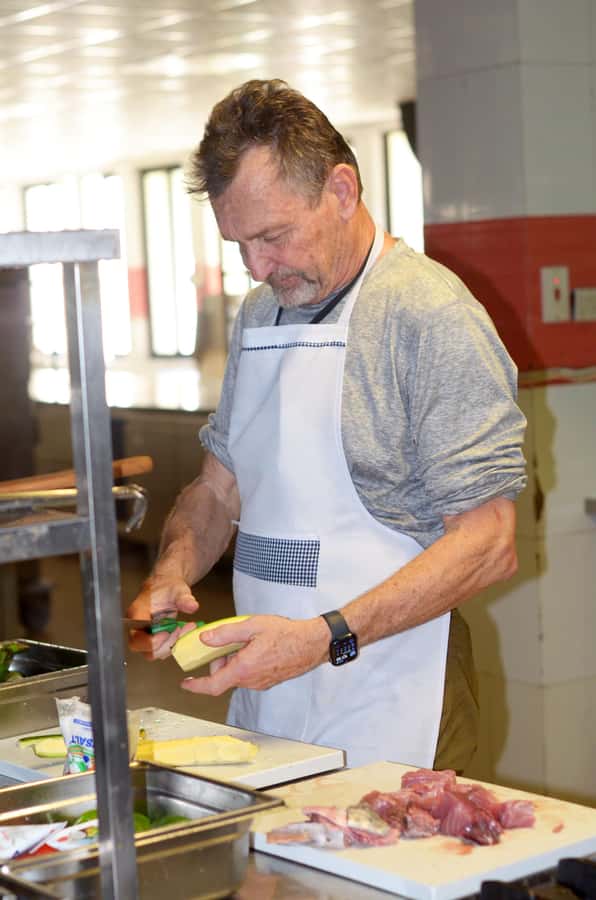
- A real fish auction, not a staged tasting: You select your seafood directly from market tables and take part in the buying process.
- Tuna can come straight from the day’s catch: One recent booking included tuna bought right off the water before the group shopped for other ingredients.
- Cleaning is part of the show: Local workers prepare the fish using methods passed down through generations.
- Your meal follows your choices: The seafood you select is prepared and cooked by local chefs before lunch.
- The day includes more than fish: Nearby fruit and spice markets may be part of the shopping experience, and museum entrance is included.
- Six hours with practical support: Transport, bottled water, lunch, and an English or French-speaking guide are included for $110 per person.
Why This Market Visit Feels Different

Many food tours keep you at a safe distance. You watch a chef cook, take a few photographs, and eat what has already been selected. This experience asks you to make the choices yourself.
You begin at a working fish market in the Dar es Salaam Region. Fishers sell to restaurant owners and local shoppers, and the auction has the quick pace of a trading floor. The Wall Street comparison is useful here: several transactions may happen at once, buyers are watching closely, and the catch changes hands through fast bargaining.
I like that the market is not treated as a backdrop. It is the main event. You see the buying, cleaning, preparation, and cooking as connected parts of one food chain. That gives lunch more meaning than a standard restaurant meal.
The market is also described as colorful and full of activity beyond the fish tables. You may see other shopping taking place around the auction, with fruit and spices becoming part of the meal. The result is a broader look at local food buying rather than a narrow seafood stop.
Still, you should arrive ready for a working environment. Fish markets can be wet, crowded, and pungent. If you prefer air-conditioned comfort or a quiet culinary class, this outing may feel rough around the edges. That is also its appeal, but it is worth knowing before you pay.
More market walks in Dar Es Salaam:
- Stone Town Guided Tour: Culture, Slave Market & Spice Market
★ 4.8 · 44 reviews - Arusha: Traditional Tanzania Cooking Class & Food Market Tour
★ 5.0 · 34 reviews - Arusha: Traditional Tanzania Cooking class& Food Market Tour
★ 4.9 · 12 reviews
Six Hours From Market Floor to Lunch Table
The experience lasts six hours, so it is not a quick photo stop. The schedule begins with market exploration, moves into the auction and fish cleaning, then continues to cooking and lunch. Transport is included, with drop-off at your hotel or a central location at the end.
Starting times depend on availability, so check the schedule before booking. The timing matters because a market auction is tied to the activity of buying and selling. You will get more from the visit if you are ready to take part rather than simply walk through.
The tour includes a live guide in English or French. That support is useful in a market setting, where local terms, prices, and fast negotiations can be hard to follow on your own. Guides can also help you understand what you are buying and how the process works.
Three staff members were named in the strongest available feedback: Almasi Rajab, Ashrafu Ramadan, and Hassan, the driver. That detail is worth noting because a day involving transport, market movement, shopping, and lunch benefits from an organized team.
Entering the Dar es Salaam Fish Market

The first part is market exploration. Expect a busy African fish market with sellers, buyers, and plenty of movement around the tables. Fishers bring their catch to sell to restaurants and households, so the scene reflects daily food supply rather than a performance designed for visitors.
I like this opening because it gives you context before you eat. You see how seafood reaches a plate and how much of the work happens before cooking begins. You also get a feel for the market’s pace, which prepares you for the auction.
The description compares the atmosphere to Wall Street stockbrokers. That is not a claim that the market operates like a financial exchange in every detail, but it captures the quick decisions and competitive energy. You will need to pay attention as different buyers inspect the catch and decide what they want.
This is a good place to keep your senses alert. Look at the range of seafood, listen to the calls and negotiations, and watch how buyers judge the catch. You are not only being shown a market. You are being brought into its buying rhythm.
The drawback is that the market may not feel orderly. You may move between tables as the auction unfolds, and the sensory side of the visit can be intense. Wear shoes that are comfortable and suitable for a potentially wet working area. The supplied advice also recommends sunglasses, a hat, sunscreen, and comfortable clothes.
Choosing Tuna and Other Seafood at Auction
The auction is the most unusual part of the experience. Instead of receiving a fixed menu, you choose your own fish or seafood directly from the catch. You take part in the bidding process and secure the ingredients that will later become your lunch.
That choice gives you a clear role. You are not just watching someone else shop. You decide what will be prepared, with guidance from the tour team as needed. A recent booking included tuna purchased right off the water, followed by a trip to nearby fruit and spice markets for additional ingredients.
I like the link between the auction and the meal. It makes the lunch personal without turning the activity into a formal cooking course. You can see the item you selected, watch it being prepared, and then taste the result a short time later.
You should also understand that the final cost is listed as $110 per person, and the experience does not describe a separate seafood allowance or a fixed amount for auction purchases. If you need exact information about how the fish purchase is handled, ask the provider before booking. The listed price covers the tour package, but the supplied details do not explain every auction payment arrangement.
The auction may suit curious eaters who enjoy making decisions under guidance. It may be less comfortable for someone who wants a predictable menu or does not eat seafood. The experience centers on fish and seafood, so check with the provider if you have dietary concerns not covered by the available information.
A few more options to weigh up in Dar Es Salaam
- Tanzanite experience tour – Tanzanite shopping in Arusha
★ 5.0 · 12 reviews - Zanzibar:Stone town Street food market walking tour,transfer
★ 4.5 · 9 reviews - 24 Hours in Arusha—Arusha Museum, Cultural Heritage, Maasai Market, Shanga
★ 5.0 · 4 reviews - Moshi, Kilimanjaro: Local Market Shopping Experience
★ 5.0 · 2 reviews
Traditional Fish Cleaning Before the Frying Area
Once you choose your catch, you watch it being cleaned. This is not a minor transition. The cleaning process is presented as a display of local methods passed down through generations.
That part adds a human skill element to the tour. You see how experience shapes the work, from handling the fish to preparing it for the pan. The process connects the market’s raw product with the meal that follows.
I find this especially useful for anyone interested in food beyond the restaurant plate. Cleaning and preparation are often invisible to diners. Here, they become part of the lesson, and you can better appreciate the work involved in turning a fresh catch into lunch.
The cleaning area may be graphic for some people. You are watching seafood being prepared, not attending a decorative food show. If you are comfortable with that, it is one of the tour’s most authentic sections. If you prefer not to see the preparation, this is the point to consider carefully before booking.
The tour then moves to the frying area. You can watch the fish or seafood cook while local chefs work with the ingredients you selected. The appeal is simple: the food is chosen by you, cleaned in front of you, and cooked as part of the same outing.
Shopping for Fruit, Spices, and Extra Flavor
The strongest available account includes shopping at fruit and spice markets near the fish market. The supplied itinerary places this within the broader market experience, so the exact order may vary with the day’s arrangements.
This extra shopping matters because it widens the food story. Seafood is not served in isolation. Fruit, spices, and other ingredients help show how a local meal is built around more than one market purchase.
You may find this part as interesting as the fish auction, especially if you enjoy comparing ingredients, colors, and aromas. It also gives you a chance to see a different side of local commerce. The fish market is fast and competitive, while fruit and spice shopping can offer another rhythm of buying.
Because no exact list of products or market names is provided, I would treat this as a likely part of the food-shopping portion rather than a guaranteed, detailed stop at a particular stall. The confirmed core of the experience remains the fish market, auction, cleaning, cooking, and lunch.
A Local Lunch Built Around Your Catch
The final food stop is a modest local restaurant. There, local chefs prepare and cook the fish or seafood you selected earlier. The meal is the payoff, but the setting is part of the point. This is not described as a grand restaurant or a formal dining room. It is a simple place where you can taste the result of the day’s market work.
That modest setting may be a plus for you if you want a local meal without a polished tourist presentation. I like the direct connection between the auction table and the plate. You know where the main ingredient came from and saw the steps before it reached the kitchen.
The cooking is described as expert preparation, with the seafood fried and brought to the table ready to eat. Exact side dishes, recipes, sauces, and cooking choices are not specified, so do not book expecting a set culinary curriculum or a promised menu beyond the prepared seafood lunch.
A recent booking described the meal as a strong finish after the market and ingredient shopping. The guide team also received specific praise, which suggests that the staff can make the moving parts of the day easier to manage.
Lunch is included in the $110 price, along with bottled water. For a six-hour outing that also includes transport, a guide, and museum entrance, the package can offer fair value, especially if you appreciate access to a working market rather than paying only for a meal.
What the $110 Price Really Covers
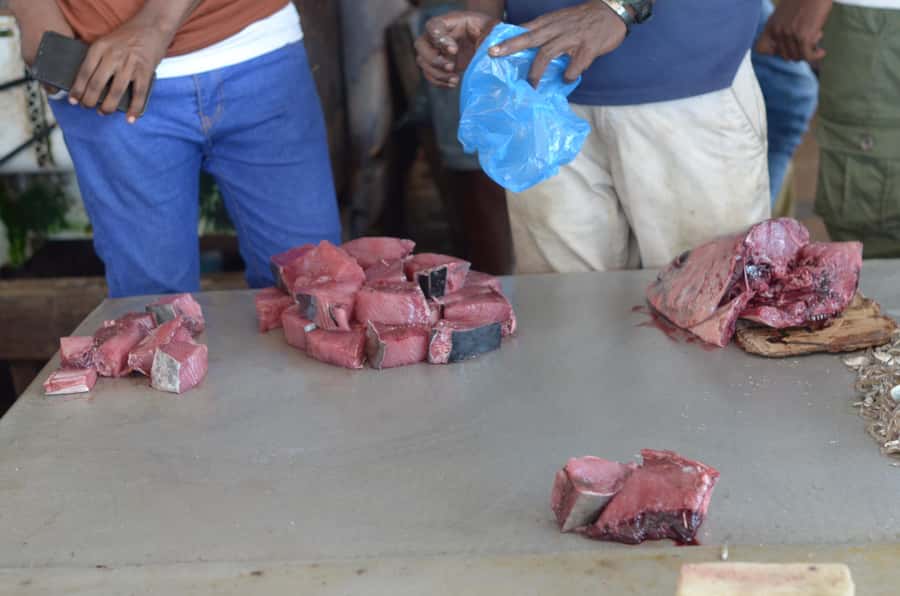
At $110 per person, this is not the cheapest way to eat seafood in Dar es Salaam. You could likely find a less expensive local meal. The value here comes from the complete experience: transport, a live guide, market access, fish selection, cleaning, cooking, lunch, bottled water, and museum entrance are included.
The price also buys time and support. Navigating a large market, handling an auction, and arranging a meal from a purchased catch would be harder without local assistance. An English or French-speaking guide helps make the experience more understandable and practical.
I would call the price reasonable for someone who values participation and structure. It is less compelling if your only goal is to eat fresh fish. In that case, a standard restaurant visit would be simpler and cheaper.
One point needs clarification before you book: the information does not specify whether the seafood you purchase at auction is included in the advertised price or handled separately. Ask directly so you know your full budget. The same applies if you need details about the museum portion, since admission is included but no specific museum stop is described.
Who Will Enjoy This Most?
I would recommend this outing to adults and older children who like food, markets, and everyday local life. It suits people who would rather handle ingredients and watch a real process than sit through a polished demonstration.
It is also a good match for photographers and curious eaters, although you should be respectful in a working market and follow your guide’s instructions. The auction gives you movement and drama, while the cleaning and cooking sections offer a closer look at skills that are often hidden from diners.
The experience may not suit young children, anyone using a wheelchair, or people over 95, since those groups are specifically excluded. It may also be difficult for anyone who dislikes strong market smells, crowded spaces, or seeing fish cleaned in front of them.
Bring comfortable shoes, sunglasses, a sun hat, sunscreen, and comfortable clothes. A passport is required, and a copy is accepted. These are small preparations, but they can make six hours in the sun and market activity much easier.
Booking Flexibility and the End of the Day
The tour offers free cancellation up to 24 hours before the start for a full refund. You can also reserve now and pay later, which helps if your Dar es Salaam plans are still changing.
At the end, you can be dropped at your hotel or at a central location for more exploring. That gives you a useful choice. Return to your room after a full morning, or continue into the city while you are already near a central area.
The experience has a rating of 5 from two reviews, including a verified November 2024 booking. That is a very small sample, so I would treat it as encouraging rather than final proof. The strongest praise centers on the amount of activity, the fresh tuna, the meal, and the work of Almasi Rajab, Ashrafu Ramadan, and Hassan.
Should You Book the Fish Market Adventure?
Book it if you want to take part in the food chain from auction to plate. The fish market, your own seafood choice, traditional cleaning, chef preparation, and local lunch create a full six-hour story. I especially like that the experience gives you a real decision to make instead of handing you a fixed plate.
Think twice if you need a quiet, accessible, or highly controlled outing. The market can be intense, the seafood purchase details should be confirmed, and the experience is not suitable for children under six or wheelchair users.
For the right person, $110 is a fair price for transport, guidance, lunch, and an active look at Dar es Salaam food culture. Bring sun protection, wear practical shoes, and arrive ready for a little noise, movement, and fish-market reality.
FAQ
How long does the Dar es Salaam Fish Market Adventure last?
The experience lasts six hours. Starting times depend on availability, so check the schedule when selecting your date.
What languages are available for the guide?
The live guide is available in English or French.
What is included in the $110 price?
The package includes a tour guide, museum entrance, lunch, bottled water, and transport.
Do I choose the fish for my meal?
Yes. You participate in the auction and choose your own fresh fish or seafood from the market catch.
Is the seafood cleaned and cooked during the experience?
Yes. You watch the fish being cleaned using local methods, then see your selected seafood prepared and cooked before lunch.
What should I bring?
Bring comfortable shoes, sunglasses, a sun hat, sunscreen, comfortable clothes, and a passport. A copy of the passport is accepted.
Who cannot take this experience?
The tour is not suitable for children under six, wheelchair users, or people over 95 years old.
Just added in Dar Es Salaam
- Zanzibar: Spice farm Private tour with Lunch★ 5.0 · 1 review
- Mbudya island from Dar es salaam safari.★ 4.2 · 3 reviews
- Maasai, Mikumi NP & Chizua Falls 3 Days From Dar es salaam★ 5.0 · 4 reviews
- From Dar es Salaam: Mikumi National Park Day Trip★ 5.0 · 3 reviews
- From Dar Es Salaam: Mikumi National Park 2 Nights and 3 Days★ 5.0 · 2 reviews
- Explore Dar es Salaam: Full-Day Private City Tour★ 5.0 · 2 reviews
- Escape to Paradise A day of sun, sand and adventure Mbudya★ 5.0 · 1 review
- DAR ES SALAAM:BONGOYO ISLAND SNORKELING TOUR & BEACH ESCAPE★ 4.7 · 9 reviews
Markets, compared.
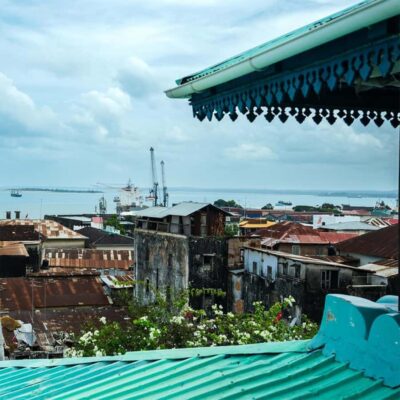
Stone Town Guided Tour: Culture, Slave Market & Spice Market
Read our review →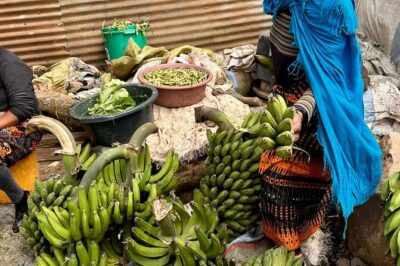
Traditional Tanzania Cooking Class & Food Market Tour
Read our review →Traditional Tanzania Cooking class& Food Market Tour
Read our review →
Stone town Street food market walking tour,transfer
Read our review →
24 Hours in Arusha—Arusha Museum, Cultural Heritage, Maasai Market, Shanga
Read our review →
Moshi, Kilimanjaro: Local Market Shopping Experience
Read our review →
Spice Farm, Prison Island, Stonetown Tour+Slave market visit
Read our review →
Browse the lists this tour appears in