
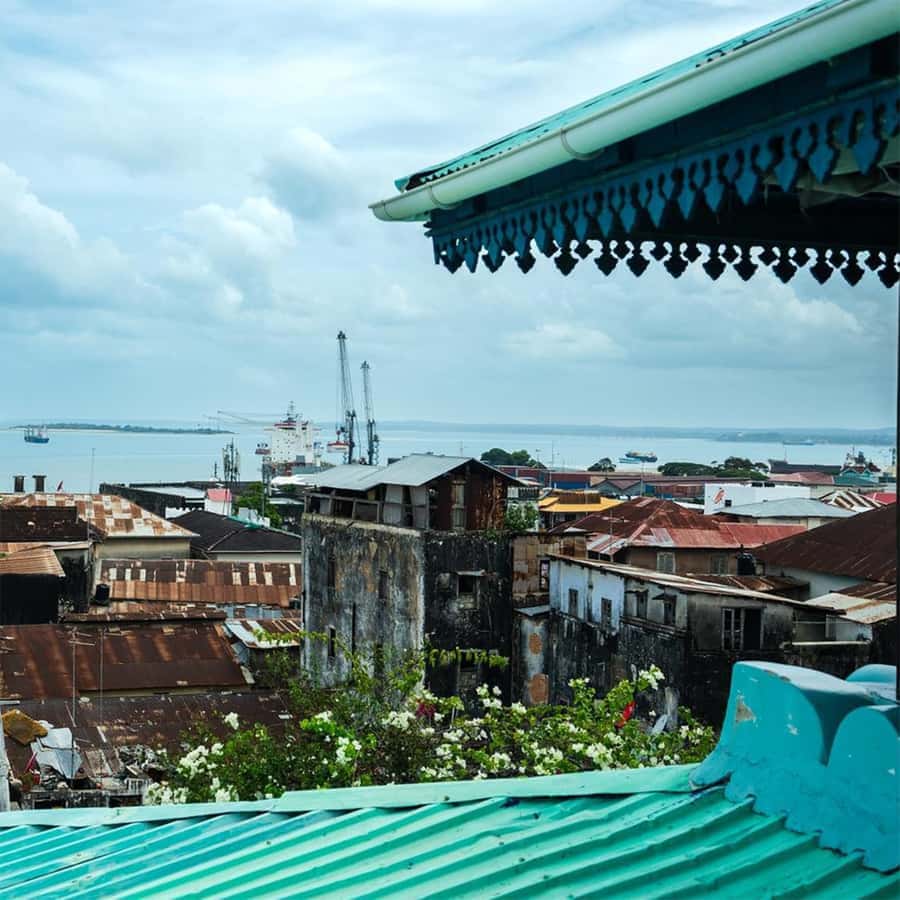
Reviewed · STONE TOWN TOURS
Stone Town Guided Tour: Culture, Slave Market & Spice Market
Stone Town rewards slow walking. I like the way this private walking tour links major sights with narrow lanes, carved doors, and Darajani Market, rather than treating the city as a string of photo stops. I also like the local guidance, especially from Abdul, who explains Zanzibar’s African, Arab, Indian, and European influences in clear English.
The main caution is cost clarity: the $29 price covers the guide, walking tour, water, and Stone Town transfers, but admission fees and food are not included. You should confirm exactly which museum tickets you want before paying for any optional admissions package.
In This Review
- Key points to know before you go
- Why a walking tour makes sense in Stone Town
- House of Wonders and the waterfront beginning
- Old Fort: a compact piece of Stone Town
- Freddie Mercury’s House and modern Zanzibar
- The Anglican Cathedral and the difficult history
- Darajani Market, where the city feels everyday
- The doors, alleys, and cultural connections
- Forodhani Gardens and the optional evening finish
- What the guide adds to the experience
- Is $29 a fair price?
- Who should book this Stone Town walk?
- Should you book it?
- FAQ
- How long does the Stone Town Guided Tour last?
- What is the price of the tour?
- Is hotel pickup included?
- Which language does the guide speak?
- Is this a private group tour?
- Which places are included on the walking route?
- Are entrance tickets included?
- Is food included?
- Is the tour wheelchair accessible?
- Can I cancel the booking?
Key points to know before you go

- Abdul earns repeated praise: He is friendly, patient, easy to talk with, and willing to adjust the start time or stop for practical errands.
- The tour covers Stone Town’s essential sights: Expect the Old Slave Market, Anglican Cathedral, House of Wonders, Old Fort, Freddie Mercury’s House, and Darajani Market.
- The walking is the point: You move through tight lanes where a map can be awkward, with time to notice doors, buildings, markets, and daily life.
- It fits a short visit: The route lasts about two to three hours, making it useful on a first morning or when you have only one day in Stone Town.
- Forodhani Gardens can extend the day: You can finish near the seafront for street food or a sunset, though this is optional and food costs extra.
- Stone Town pickup is included: Pickup and drop-off apply within the Stone Town area. Transport from outside town may cost more.
Why a walking tour makes sense in Stone Town

Stone Town is not best understood from a vehicle. Its old quarter is a maze of narrow streets and alleys, with buildings close together and plenty of small details at eye level. A guide helps you connect those details to Zanzibar’s past instead of simply leading you from one landmark to the next.
I like the scale of this experience. In two to three hours, you get a useful first look at the city without giving up an entire day. The route introduces the major historic sights, then leaves room for the ordinary places that give Stone Town its character, including a food and produce market.
This is also a good way to get your bearings fast. One solo visitor found the streets difficult to follow with a map and felt much more comfortable with Abdul leading the way. That matters here, since the lanes can feel confusing even when two locations appear close together on a phone.
The tour is described as a private group experience. That gives you more room to ask questions and may make it easier to adjust the pace. The exact size of your group is not stated, so ask when booking if that is important to you.
More Stone Town walking tours:
- Zanzibar: Stone Town, Spice Tour, Prison Island with Lunch
★ 4.4 · 1,219 reviews - Zanzibar: Prison Island, Stone Town, & Spice Farm Tour
★ 4.5 · 579 reviews - Zanzibar: Stone Town, Spice tour & Prison Island with Lunch
★ 4.6 · 453 reviews
House of Wonders and the waterfront beginning
The route includes the House of Wonders, one of the most recognizable buildings in Stone Town. Your guide gives you the setting for the building and explains how it fits into Zanzibar’s mix of African, Arab, Indian, and European influences.
The stop is planned for about 15 minutes, including walking time and a guided visit. That is enough for an introduction, but not a long museum session. The condition and access arrangements of individual buildings can change, so you should treat this as a guided exterior and cultural stop unless your guide confirms interior entry.
This part of town gives you an early sense of the contrast that defines Stone Town. Formal public buildings sit close to winding residential lanes, shops, and the sea. You are not only seeing monuments. You are learning how the old quarter developed as a trading center and political capital.
Bring your camera, but listen first. The best value here comes from the explanation of what you are looking at, not simply from taking a quick picture.
Old Fort: a compact piece of Stone Town

The Old Fort receives about 25 minutes, with a guided explanation. It is one of the tour’s main landmarks and a useful place to see how Stone Town’s past includes both African and outside powers.
The fort is more than a photo backdrop. Your guide can help you place it within the changing control of Zanzibar and the city’s long connection to Indian Ocean trade. The short visit works well for first-time visitors who want the basic story without spending hours inside one site.
Because the tour covers several stops, you should not expect an extensive archaeological visit or a long, quiet exploration of every corner. Think of the Old Fort as one chapter in a larger walk. If you want extra time for photographs or shopping, say so early.
That flexibility appears to be one of Abdul’s strengths. He has allowed time for shopping and adjusted the starting hour for people who wanted to reach the Forodhani night food market later. Still, the more time you spend at the fort or in shops, the less time remains for other stops.
Freddie Mercury’s House and modern Zanzibar
The route passes Freddie Mercury’s House, identified as the birthplace of the Queen frontman. A guided stop is planned for about 15 minutes, so this is a brief visit rather than a full music-focused excursion.
I see this as a useful change of pace. The Old Fort, cathedral, and slave market focus on earlier centuries, while Freddie Mercury’s connection gives you a more recent link to Zanzibar’s international identity. It also helps show that Stone Town is not only a collection of old buildings.
You should check what access is included before assuming you will enter a museum. The tour information lists a Freddie Mercury Museum stop, but admission charges are not included among the standard inclusions. One booking option involving admissions cost more, yet a visitor found that it covered only one museum ticket. Ask for a clear breakdown of every ticket before choosing an upgrade.
More market walks in Zanzibar:
- Zanzibar:Stone town Street food market walking tour,transfer
★ 4.5 · 9 reviews - Spice Farm, Prison Island, Stonetown Tour+Slave market visit
★ 5.0 · 1 review - Arusha: Traditional Tanzania Cooking Class & Food Market Tour
★ 5.0 · 34 reviews - Arusha: Traditional Tanzania Cooking class& Food Market Tour
★ 4.9 · 12 reviews
The Anglican Cathedral and the difficult history
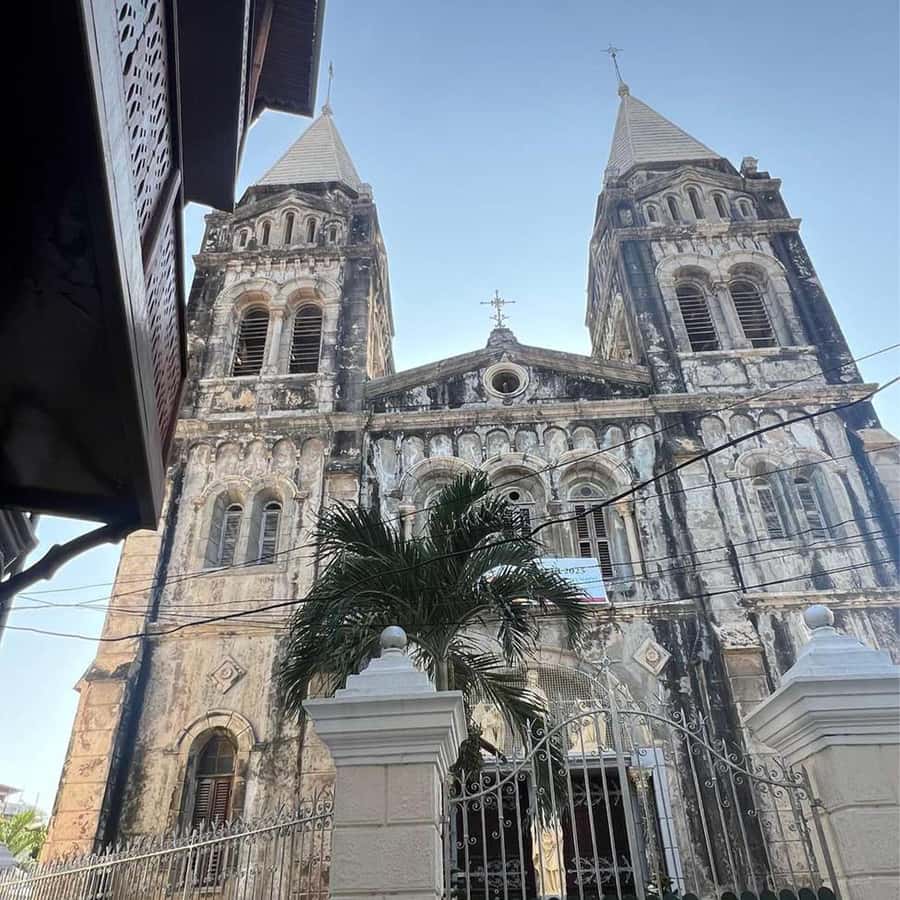
The Anglican Cathedral is one of the most important stops because it leads directly into Zanzibar’s history of enslavement. The guided visit is scheduled for about 15 minutes, followed by roughly 30 minutes at the Old Slave Market.
This is the most serious part of the walk. At the Old Slave Market, your guide explains the slave trade and its effect on Zanzibar. The subject is painful, and the site deserves attention rather than a rushed photo stop. A local guide can add context that you would miss by walking through on your own.
The Anglican Cathedral is tied to that history, making the two stops work better together than separately. You get a physical sense of how religious, political, and commercial forces overlapped in Stone Town.
Admission needs special attention here. The standard tour price does not clearly include entrance tickets, and one visitor paid an additional $5 to enter the slave market. Another paid $45 for an admissions-included option instead of $20 and felt the extra cost did not match what was received. I would ask these three questions before booking:
- Which sites require an entrance ticket?
- How much does each ticket cost?
- Does the optional admissions price cover all listed museums or only one?
That small bit of planning can protect the good value of the base tour.
Darajani Market, where the city feels everyday

Darajani Market is scheduled for about 20 minutes and includes a food market, arts and crafts market, and guided walking. This is one of the strongest parts of the route for anyone who wants more than monuments.
You might see the ordinary trade of Stone Town up close, including spices, vegetables, meat, and fish. The market gives your guide a chance to explain local foods and daily routines while you move through a working part of the city.
The stop is not a cooking class or a tasting tour. Food and drinks are not included, so budget separately if you want to buy something. You should also expect a real market environment, not a polished shop designed only for sightseeing.
I like this stop because it balances the formal attractions. After hearing about sultans, colonial influence, and the slave trade, you return to a place where people shop and work. That combination gives the tour a more useful picture of Zanzibar.
Shopping time may be possible, but keep your expectations sensible. Abdul has made room for shopping when guests requested it, yet the route has a fixed two to three hour window. If buying spices, crafts, or souvenirs is a priority, tell your guide at the start.
The doors, alleys, and cultural connections
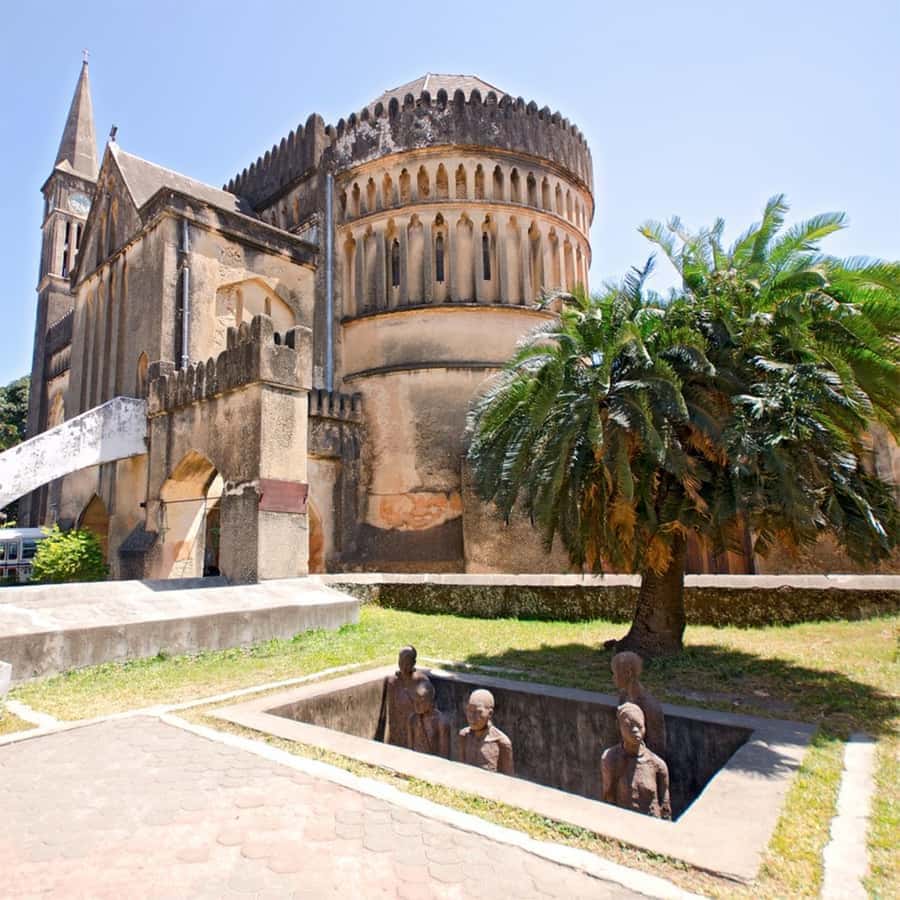
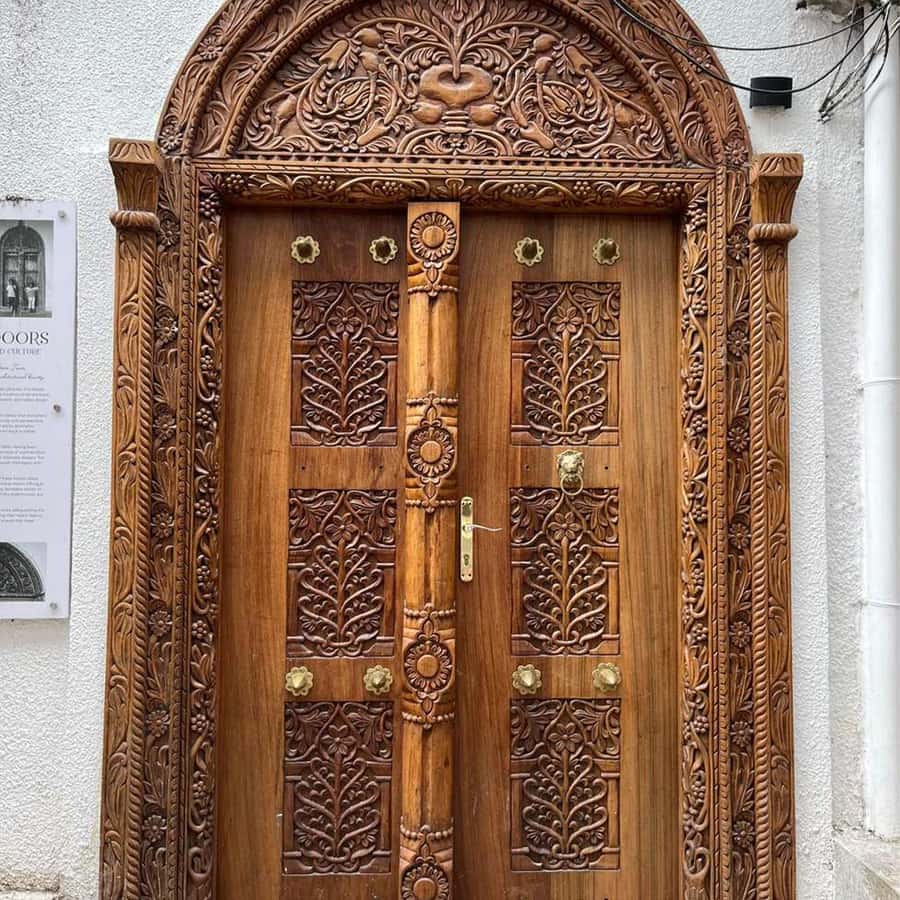
The best parts of the tour may happen between the scheduled stops. As you walk, your guide points out Zanzibari doors, building details, and the way different cultures shaped the old quarter.
The tour presents Stone Town through Swahili, Arab, Indian, European, and African connections. That does not mean every building tells a simple story. Instead, you get a practical introduction to how trade, religion, architecture, and daily life overlap here.
This is where a guide adds real value for me. You can notice an ornate door on your own, but you may not understand why its design matters or how it fits the neighborhood. You can also pass an alley without realizing that it links two major sights. A local guide turns the walk into a connected story.
Wear comfortable shoes. The route is entirely on foot, and the narrow streets are the main setting. The tour is listed as wheelchair accessible, but you should still confirm the exact route and conditions if you have mobility concerns, since the experience involves old lanes and several walking sections.
Forodhani Gardens and the optional evening finish
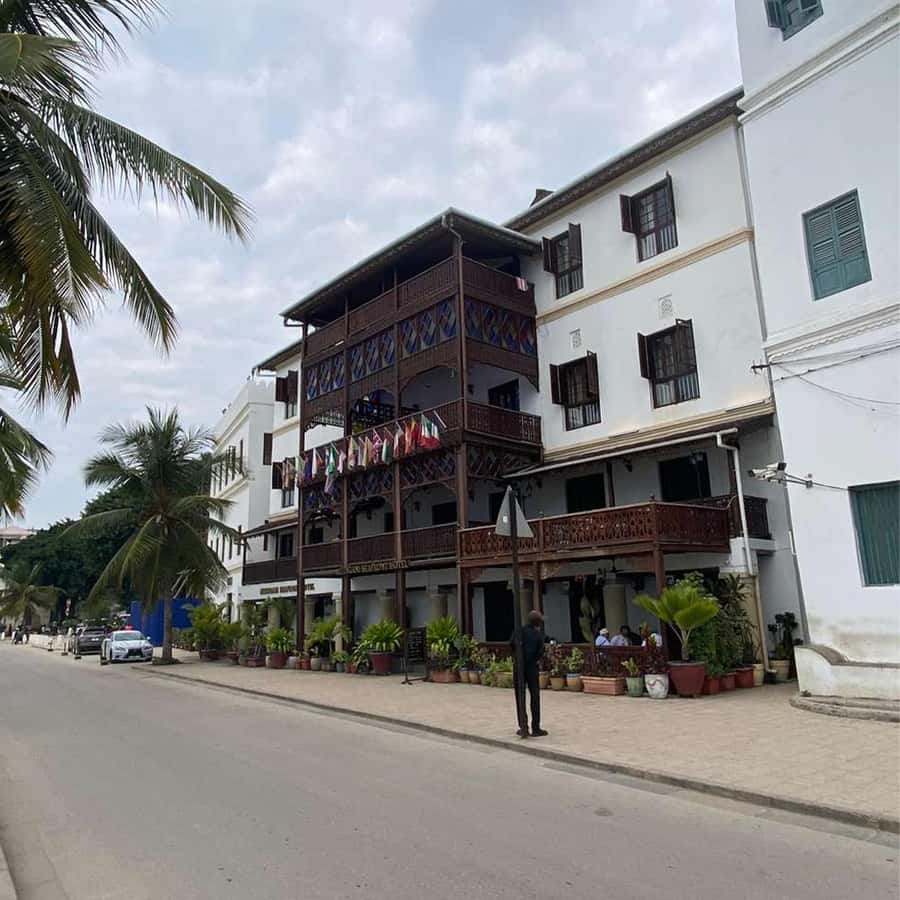
Forodhani Gardens is not listed as a required main stop in the timed route, but the tour can finish there by arrangement. The gardens are near the sea and are associated with street food and sunset views.
This option is especially useful if you want to turn the history walk into an evening plan. One guest requested a later start so the tour could connect with the Forodhani night food market. That kind of adjustment may be possible, but you should agree on the timing before the tour begins.
Food is not included. Treat the gardens as a separate stop where you pay for anything you eat or drink. Alcohol and drugs are not allowed on the activity.
If you prefer a focused morning tour, skip the extension and use the afternoon for another Zanzibar activity. If you have only one evening in Stone Town, staying near the seafront after the walk may make good use of your time.
What the guide adds to the experience
The strongest pattern in the feedback is the quality of the guiding. Abdul is repeatedly described as friendly, enthusiastic, patient, and clear in English. He encourages questions and adjusts his approach without making the walk feel rushed.
That practical attitude matters. He has helped with an ATM and a SIM card, and he has made solo visitors feel safe while moving through the city. Those errands are not listed as guaranteed tour services, so do not book this expecting a personal assistant. Still, they show the sort of local help that can make a first day easier.
Mundhir has also guided the tour and received praise for his pleasant manner and explanations. The provider is Chaby Tours, and the listed guide language is English.
You should still tell the guide what interests you. Ask for more architecture if you like doors and buildings. Request extra market time if you want spices or crafts. Ask for a slower explanation at the slave market if the subject matters to you. A private group makes those requests more realistic than a large coach excursion.
Is $29 a fair price?
At $29 per person, the tour offers good value if you want an introduction to Stone Town with a guide and hotel pickup within town. You receive a two to three hour walking experience, bottled water, and a route that covers several of the city’s best-known places.
The value drops if you assume museum admissions are included. They are not part of the standard inclusions, and extra charges may apply. Food, drinks, tips, and pickup outside Stone Town also cost extra.
For the best value, book the base tour, then confirm ticket prices directly. If you want every interior visit, ask for an itemized admissions total rather than accepting a vague upgrade. A tip is optional, but you may wish to budget one if the guide gives you the patient, personalized service that this tour is known for.
The 4.8 rating from 44 bookings supports the idea that the experience is reliable, though the written feedback is heavily positive. One four-star assessment still found the two-hour length ideal for a first visit, and another called it worthwhile when time in Stone Town was limited.
Who should book this Stone Town walk?
I would choose this tour if you are visiting Stone Town for the first time, have one day or less, or prefer learning the background before exploring alone. It suits solo visitors, couples, families, and anyone who wants a private English-speaking guide.
It is also a good match if you enjoy markets and architecture as much as formal monuments. The walk gives you the Old Fort and major museums, but it also includes lanes, doors, Darajani Market, and local life.
You may want something else if you dislike walking, want a long museum visit, or need all entrance fees bundled into one simple price. The tour is compact, so it cannot give every site the same depth.
Plan on comfortable shoes, water, and a camera. Pickups outside Stone Town may require an additional fee, and the tour starts and ends at Stone Town locations. Free cancellation is available up to 24 hours before the start, and you can reserve now and pay later, which helps if your Zanzibar schedule is still shifting.
Should you book it?
Book this tour if you want a well-priced introduction to Stone Town that combines difficult history, major landmarks, market life, and local explanations. Abdul appears to be the guide to request if available, thanks to his clear English, patience, flexibility, and helpful approach.
Before paying, settle the admissions question in writing. If you do that, the $29 base price is a sensible way to get your bearings, understand Zanzibar’s past, and avoid wandering Stone Town’s lanes without knowing what you are seeing.
FAQ
How long does the Stone Town Guided Tour last?
The tour lasts approximately two to three hours. The timed route includes several short guided stops and walking between them.
What is the price of the tour?
The listed price is $29 per person. Entrance fees, food, drinks, tips, and possible extra charges are not included in that base price.
Is hotel pickup included?
Hotel pickup and drop-off are included for hotels in the Stone Town area. Pickup outside Stone Town may require an additional fee.
Which language does the guide speak?
The live tour guide speaks English.
Is this a private group tour?
Yes. The activity is listed as a private group experience.
Which places are included on the walking route?
The route includes the House of Wonders, Old Fort, Freddie Mercury’s House or museum stop, Anglican Cathedral, Old Slave Market, and Darajani Market.
Are entrance tickets included?
Standard entrance tickets are not listed among the included services. Extra admission charges may apply, so confirm the cost of each museum or site before booking an admissions option.
Is food included?
No. Food and beverages are not included. You may optionally finish at Forodhani Gardens for street food, but you pay separately for anything you buy.
Is the tour wheelchair accessible?
The activity is listed as wheelchair accessible. Because the route involves narrow historic streets and walking, confirm the exact route details if you have specific mobility needs.
Can I cancel the booking?
You can cancel up to 24 hours in advance for a full refund. The tour also offers reserve now and pay later booking.
More Shopping Tours in Zanzibar
- Tanzanite experience tour – Tanzanite shopping in Arusha
★ 5.0 · 12 reviews - 24 Hours in Arusha—Arusha Museum, Cultural Heritage, Maasai Market, Shanga
★ 5.0 · 4 reviews - Moshi, Kilimanjaro: Local Market Shopping Experience
★ 5.0 · 2 reviews - Dar es salaam Fish Market Adventure
★ 5.0 · 2 reviews
Just added in Zanzibar
- Best of Zanzibar: Spice Tour & Stone Town Visit★ 4.4 · 5 reviews
- THE GREEN TOUR: Jozani Forest & Mangrove Kayaking Experience★ 4.7 · 6 reviews
- Stone Town: Private Walking Tour in the Heart of Zanzibar.★ 5.0 · 1 review
- The rock restaurant and blue Lagoon★ 5.0 · 1 review
- Tea House, Zanzibar Coffee House, Spice Tour with Lunch★ 5.0 · 1 review
- Swimming with sea turtles in salaam cave★ 5.0 · 1 review
- Swim with Turtles at The Lagoons Zanzibar & Stone Town Tour★ 4.8 · 4 reviews
- Stonetown & Prison island Cultural Tour★ 5.0 · 2 reviews
Stone Town Tours, compared.

Stone Town, Spice Tour, Prison Island with Lunch
Read our review →

Stone Town, Spice tour & Prison Island with Lunch
Read our review →
3 Hours Private Stone Town walking Tour with Guide
Read our review →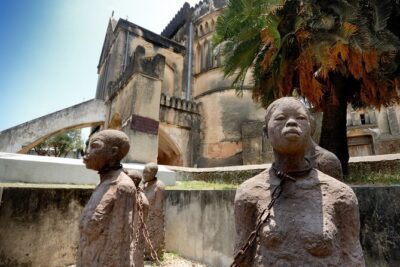
Full-Day Private Stone Town +Spice Farm and Prison Island Tour
Read our review →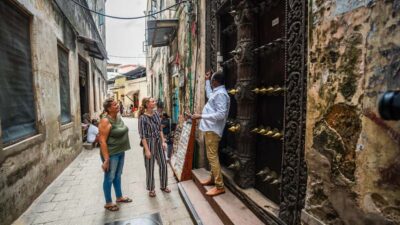
Stone Town Historical Cultural Walking Guided Tour
Read our review →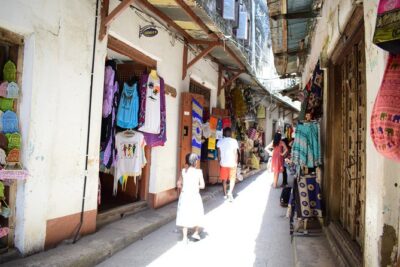
Browse the lists this tour appears in