
Reviewed · STONE TOWN TOURS
Stone Town Private Tour with Slave Market Tickets
History hides in the doorways. This private Stone Town tour brings Zanzibar’s Swahili, Arab, Indian, Portuguese, and European past into focus through the Old Slave Market, Darajani Bazaar, the Sultan’s Palace, and the town’s narrow lanes. I especially like the included slave-market admission and the chance to explore with a private guide, Maulid Omar, who is praised for his passionate storytelling. The main drawback is that the Freddie Mercury Museum costs extra, and the brisk schedule leaves limited time at each stop.
You meet at Forodhani Gardens at 8:30 am and return there after roughly three to four hours. I also like the way the tour mixes serious history with markets, coffee, architecture, and ocean views. Still, this is a walking-heavy city tour, and some stops last only 20 minutes, so you should expect an overview rather than a long visit inside every site.
In This Review
- Key points to know before you book
- Why this Stone Town tour works well
- Meeting at Forodhani Gardens at 8:30 am
- The Old Slave Market and Anglican Cathedral
- Freddie Mercury Museum, a short optional add-on
- Old Fort and the layers of Stone Town
- Darajani Bazaar and everyday Zanzibar
- Stone Town lanes and a coffee pause
- People’s Palace and the Sultan’s story
- Forodhani Gardens and Zanzibar’s food culture
- St. Joseph’s Cathedral and the Old Dispensary
- Tippu Tip’s House and a difficult past
- How much value do you get for $30?
- Who should book this experience?
- Booking, weather, and cancellation details
- Should you book the Stone Town private tour?
- FAQ
- How long is the Stone Town private tour?
- What time does the tour start?
- Where does the tour meet?
- Where does the tour end?
- Is the former slave-market admission included?
- Is the Freddie Mercury Museum ticket included?
- Is this a private activity?
- How much does the tour cost?
- Can I cancel for a full refund?
- What happens if bad weather cancels the tour?
Key points to know before you book
- The Old Slave Market is the tour’s emotional center: Admission is included, with time for the slave chambers, monuments, selling site, and Anglican Cathedral.
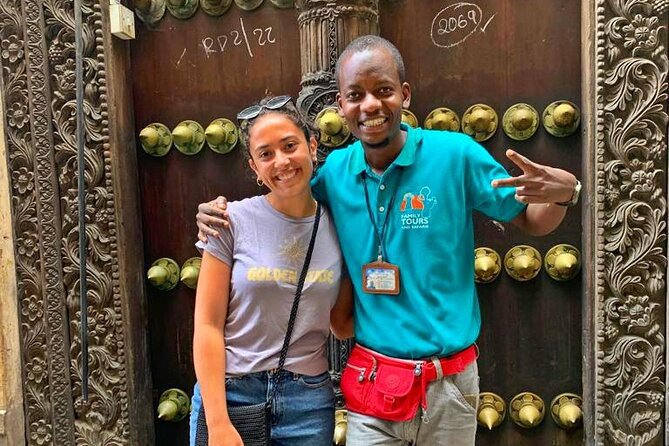
- Maulid Omar leads a private experience: Your group does not share the tour with other participants, allowing the route and explanations to feel more personal.
- Darajani Market adds daily Zanzibari life: You can see fish, meat, fruit, vegetables, spices, and local produce, with chances to shop, photograph, and sample foods.
- The Freddie Mercury Museum costs extra: The stop is planned for 20 minutes, but the museum admission is not included in the $30 price.
- The route covers a lot in one morning: You visit nine major places, including the Old Fort, Sultan’s Palace, Forodhani Gardens, and Tippu Tip’s House.
- Cancellation is flexible up to 24 hours ahead: Poor weather can also lead to a new date or a full refund.
Why this Stone Town tour works well
Stone Town can feel confusing at first. Its narrow streets turn sharply, old buildings crowd close together, and important places often sit beside ordinary homes, shops, and cafés. A private guide helps connect those pieces instead of leaving you to guess what you are seeing.
This tour is especially useful if you want a first look at Zanzibar’s capital without spending a full day on one museum or palace. The route covers slavery, sultans, religion, trade, music, food, architecture, and the Indian Ocean coast. That is a lot for $30 per person, particularly because bottled water, guiding services, and entry to the former slave market are included.
The private format matters. You are not moving through the city in a large group, and Maulid Omar can explain the places at a pace that suits your group. His ability to tell Stone Town’s story is one of the strongest reasons to consider this tour. One review describes him as passionate, while another praises the way he combines major landmarks with less familiar corners of town.
Do not expect a slow architectural study. Most stops last 20 minutes, and the complete route includes nine locations. You will get useful context and plenty of snapshots, but the schedule is designed to show you the character of Stone Town rather than give every building a long interior visit.
More Stone Town walking tours:
- Zanzibar: Stone Town, Spice Tour, Prison Island with Lunch
★ 4.4 · 1,219 reviews - Zanzibar: Prison Island, Stone Town, & Spice Farm Tour
★ 4.5 · 579 reviews - Zanzibar: Stone Town, Spice tour & Prison Island with Lunch
★ 4.6 · 453 reviews
Meeting at Forodhani Gardens at 8:30 am
The tour begins at Forodhani Gardens, listed as R5QQ+VJ6 Forodhani Park in Zanzibar. This coastal meeting point puts you close to several of the day’s main sights, and the tour ends back at the same place.
Starting in the morning is a practical choice. Stone Town’s markets and streets are easier to handle before the day becomes hotter and before the evening food stalls at Forodhani are fully active. The start time also gives you a clear anchor if you are staying nearby or arriving by local transport.
The activity is listed as being near public transportation. No hotel pickup is specified, so you should plan to reach Forodhani Gardens on your own. Bring comfortable shoes, water if you prefer more than the included bottle, and a phone or camera for the doors, markets, and coastal views.
The Old Slave Market and Anglican Cathedral
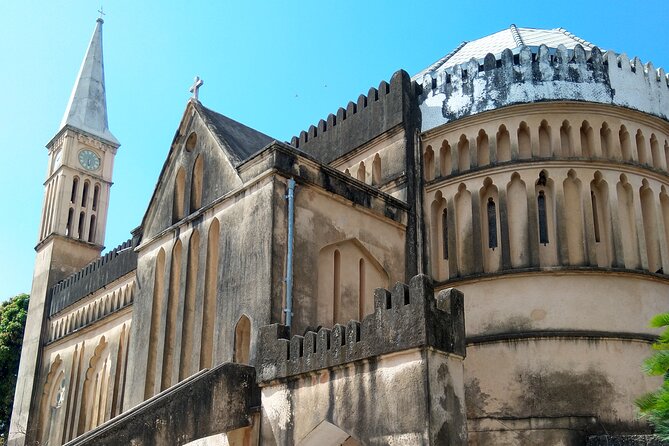
Allow about an hour here, making it the longest stop of the morning. Your included admission covers the former slave market site, where the guide explains the East African slave trade and Zanzibar’s role in it.
You will see the slave monuments, the chambers where enslaved people were held, and the place where people were sold. The site also contains artefacts, and Maulid can explain their historical meaning. This is not light sightseeing, but it gives essential context for understanding Zanzibar’s wealth, trade connections, and political history.
The Anglican Cathedral is part of the same stop. Its presence on the former slave-market site connects the abolition movement with the physical place where the trade operated. The tour also points to Dr David Livingstone and other missionaries associated with the campaign against slavery in East Africa.
Give this part your full attention. An hour is useful here, but the subject deserves respect and quiet thought. The tour moves on afterward, so you may want to return independently if you prefer more time with the memorials and exhibits.
Freddie Mercury Museum, a short optional add-on
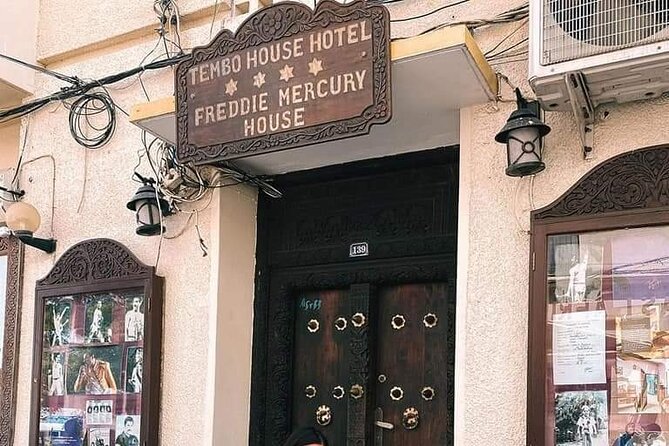
The next stop lasts about 20 minutes and focuses on Freddie Mercury, the singer, songwriter, guitarist, and Queen frontman who was born in Zanzibar. The tour explains his connection to the city and gives you a chance to visit the museum.
The entrance fee is not included. That detail matters when you compare the tour’s low price with the total cost of your morning. You can still enjoy the surrounding Stone Town setting without paying for the museum, but the planned stop is brief.
This is a good addition for Queen fans, while history-focused visitors may prefer to use the time for photographs or a little extra wandering. Ask Maulid how the timing works for your group, since the rest of the route remains fairly full.
More market walks in Zanzibar:
- Stone Town Guided Tour: Culture, Slave Market & Spice Market
★ 4.8 · 44 reviews - Zanzibar:Stone town Street food market walking tour,transfer
★ 4.5 · 9 reviews - Zanzibar: Stone Town Heritage & Slave Market Tour
★ 4.4 · 7 reviews - Zanzibar: Stone Town Tour with Slave Market Ticket
★ 3.5 · 5 reviews
Old Fort and the layers of Stone Town

The Old Fort, also called Ngome Kongwe, gets about 20 minutes. This sturdy building reflects the changing powers that shaped Zanzibar, including Portuguese and Omani Arab influence.
Inside, you will see an open amphitheatre and an old Portuguese chapel. The guide also explains the Busaid Arab fort and the events tied to the site. It is a compact stop, but it helps you read Stone Town’s architecture as a record of conquest, trade, and changing rulers.
The fort is close to other central sights, so it fits naturally into a walking route. Twenty minutes is enough for an introduction and photographs, though not for a detailed examination of every section.
Darajani Bazaar and everyday Zanzibar

Darajani Market is one of the most useful stops if you want to see daily life rather than only grand buildings. In about 20 minutes, you can look through stalls selling fruit, vegetables, fish, meat, spices, and other local produce.
The market is a sensory stop. You will see the day’s catch from the Indian Ocean, local crops, and the spices associated with Zanzibar’s trading past. You may shop, take photographs, and sample certain foods, though the tour information does not promise specific tastings or purchases.
This is where a private guide can make a real difference. Market etiquette, food names, and local customs are easier to understand when someone explains what you are seeing. The pace is short, so decide in advance if you care more about photographs, shopping, or simply watching the market work.
Stone Town lanes and a coffee pause
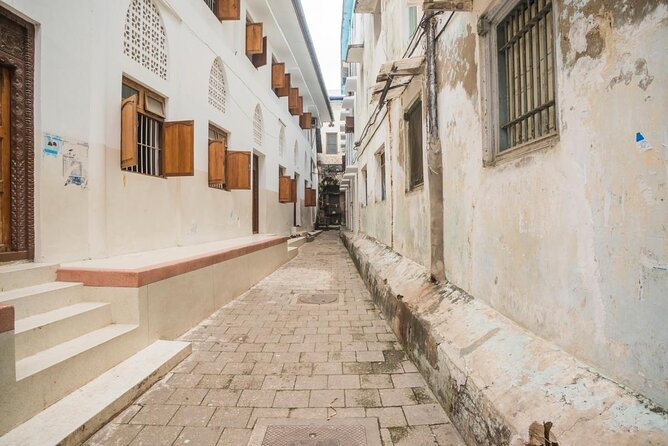
After Darajani, the route moves through the narrow streets of Stone Town toward Zanzibar Coffee House. The planned stop is about 15 minutes, giving you time to rest and enjoy a coffee.
That pause may sound small, but it breaks up a demanding walking route. Stone Town’s streets are the main attraction here: old doors, balconies, carved details, mosques, and buildings shaped by Arab, Indian, European, and Portuguese influences appear as you go.
The coffee stop is not a full meal break. If you need breakfast or a substantial snack, plan that separately. Still, a short coffee pause helps you reset before the palace and coastal sections of the tour.
People’s Palace and the Sultan’s story

The People’s Palace Museum, also called the Sultan Palace, receives about 20 minutes. Here, Maulid explains the Sultan dynasty and the role of the palace in Zanzibar’s political past.
The setting gives you a look at the world of the sultans and the relationships between Zanzibar, Oman, India, and wider Indian Ocean trade. The itinerary lists this stop as free, so no separate admission charge is specified for your visit.
Twenty minutes provides an introduction rather than a detailed museum visit. If palace interiors are your main interest, you may want to ask how much of the visit takes place inside and how much is spent outside explaining the building.
Forodhani Gardens and Zanzibar’s food culture
Forodhani Gardens is both the starting point and one of the tour’s final sights. The stop lasts around 20 minutes and introduces the area as an evening food market known for seafood, sugarcane juice, barbecue, Zanzibar pizza, and other local dishes.
Because the tour begins in the morning, you may not see the full evening market in action. The stop still gives you the setting and the food culture, but do not book this tour expecting a complete evening tasting session. If you want to eat here, return later when the stalls are operating at their fullest.
The seaside location also gives the route a welcome change of pace. After the tight streets and serious historical sites, the open waterfront offers views across the Indian Ocean and a chance to take a breath.
St. Joseph’s Cathedral and the Old Dispensary
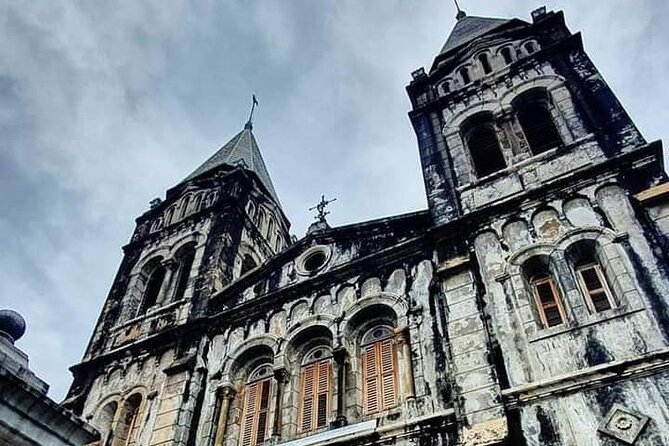
St. Joseph’s Roman Catholic Cathedral takes about 20 minutes. Known as the Notre Dame of Zanzibar, it is a French Catholic church with sculpted interior details and stories tied to the city’s religious mix.
The cathedral helps show why Stone Town cannot be reduced to one cultural influence. Mosques, churches, palaces, markets, and commercial buildings all sit within the same compact town, reflecting centuries of contact between communities.
The Old Dispensary is another 20-minute stop. It was the first dispensary in town and was established by Tharia Thopan, a business adviser to the Sultan. Its importance lies in both its public function and its architecture, which adds another piece to the story of commerce and civic life in Stone Town.
These two stops are best treated as focused introductions. You will have time to see the main features and hear the basic story, but not to linger at length.
Tippu Tip’s House and a difficult past
The final listed stop is Tippu Tip’s House on Shangani Street. Here, the tour examines the house of Tippu Tip, described as one of the most powerful and famous slave traders in the region.
This stop returns the tour to the subject introduced at the former slave market. Seeing the home associated with an influential slave trader makes the history more personal and physical. It also shows how wealth from the trade became tied to Stone Town’s buildings and elite districts.
The visit is planned for 20 minutes and admission is listed as free. You should expect an exterior or brief site visit unless Maulid confirms otherwise, since the provided details do not promise a full interior tour.
How much value do you get for $30?
At $30 per person, this is a strong-value introduction to Stone Town if you want a private guide and included admission to the former slave market. You receive bottled water, guiding, and the main entry ticket, while the route covers a wide range of historic and cultural sights.
The value is strongest for first-time visitors. Instead of paying separate fees and trying to connect distant pieces of history yourself, you get a single route that explains why slavery, spice trading, sultans, religion, architecture, markets, and music all belong in the same Stone Town story.
The price does not cover personal purchases, food, or the Freddie Mercury Museum. Those costs are easy to manage, but you should include them in your budget if you want coffee, market goods, street food, or the museum.
Because the tour is private, $30 per person is particularly appealing for couples, families, or small groups. The more people in your group, the more useful the private format can feel, provided the price remains charged per person as stated.
Who should book this experience?
I would recommend it to first-time visitors who want a clear introduction to Stone Town in one morning. It also suits anyone interested in the history of the slave trade, Zanzibar’s sultans, religious architecture, markets, or Freddie Mercury.
The tour is a good choice if you like moving through a city with a guide who can point out details you might miss alone. The positive comments about Maulid Omar focus on his passion, his storytelling, and his ability to include less obvious parts of town, which are exactly the qualities that matter on a walking tour.
You may want a different plan if you prefer slow museum visits, long food stops, or plenty of free time for shopping. The route is packed, and most stops last only 20 minutes. It is also less suitable if walking through narrow streets for several hours would be difficult, even though the activity states that most people can participate.
You should also think about the subject matter. The former slave market and Tippu Tip’s House are important, but emotionally heavy. This is a serious history tour with lighter breaks, not a simple sightseeing stroll.
Booking, weather, and cancellation details
Confirmation is provided at booking, and the activity ends where it begins, at Forodhani Gardens. Free cancellation is available if you cancel at least 24 hours before the 8:30 am start time.
Cancellations made within 24 hours are not refunded, and changes inside that period are not accepted. The tour also requires good weather. If poor weather causes cancellation, you are offered another date or a full refund.
Should you book the Stone Town private tour?
Book it if you want a compact, private introduction to Zanzibar’s capital with serious historical context and a strong local-market component. The included former slave-market entry, wide route, bottled water, and personal guiding make $30 a sensible price for a three to four-hour morning.
I would choose it especially for a first visit, a small private group, or anyone who wants Maulid Omar’s focused storytelling. Keep your expectations realistic: the tour gives you a well-connected overview, not hours inside each museum. If you want a broad, thoughtful look at Stone Town before exploring on your own, this is a sound choice.
FAQ
How long is the Stone Town private tour?
The tour lasts approximately three to four hours. The listed stops add up to about three hours and 25 minutes, with additional time needed to walk between locations.
What time does the tour start?
The tour starts at 8:30 am.
Where does the tour meet?
You meet at Forodhani Gardens in Zanzibar, listed at R5QQ+VJ6 Forodhani Park.
Where does the tour end?
The tour ends back at the Forodhani Gardens meeting point.
Is the former slave-market admission included?
Yes. Entry to the former slave market is included, along with the guiding service and bottled water.
Is the Freddie Mercury Museum ticket included?
No. The Freddie Mercury Museum admission is not included in the tour price.
Is this a private activity?
Yes. Only your group participates in the private tour.
How much does the tour cost?
The listed price is $30 per person.
Can I cancel for a full refund?
Yes, if you cancel at least 24 hours before the experience start time. Cancellations made less than 24 hours before the start are not refunded.
What happens if bad weather cancels the tour?
You will be offered a different date or a full refund if poor weather causes the activity to be canceled.
More Shopping Tours in Zanzibar
- Stone Town walking tour, shopping, history and culture
★ 5.0 · 6 reviews - Zanzibar: Stone town visit, Shopping tour &Night food Market
★ 4.4 · 2 reviews - Spice Farm, Prison Island, Stonetown Tour+Slave market visit
★ 5.0 · 1 review - Arusha: Traditional Tanzania Cooking Class & Food Market Tour
★ 5.0 · 34 reviews
Just added in Zanzibar
- Zanzibar:Ngoma local culture workshop,The Knowledge of Ngoma★ 5.0 · 1 review
- ZANZIBAR:Mnemba island, Spice farm and Jozani Forest★ 5.0 · 1 review
- Zanzibar: Zipline Adventure At Masingini Forest★ 4.6 · 2 reviews
- Zanzibar Walking Tour: Unveiling the Secrets of Stonetown★ 4.8 · 11 reviews
- Zanzibar: Walking Spice Farm with Local Cooking Class★ 4.4 · 9 reviews
- Zanzibar: Walking Tour★ 4.0 · 1 review
- Zanzibar: Uzi Island Mangrove Kayak Tour with Guide★ 5.0 · 1 review
- Zanzibar: Unique Guided Mangrove Tour by SUP or Kayak★ 5.0 · 1 review
Stone Town Tours, compared.

Stone Town, Spice Tour, Prison Island with Lunch
Read our review →

Stone Town, Spice tour & Prison Island with Lunch
Read our review →
3 Hours Private Stone Town walking Tour with Guide
Read our review →
Full-Day Private Stone Town +Spice Farm and Prison Island Tour
Read our review →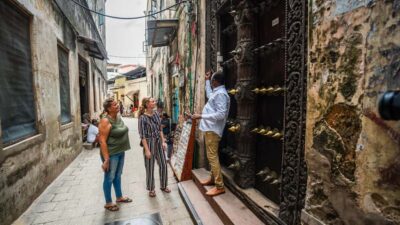
Stone Town Historical Cultural Walking Guided Tour
Read our review →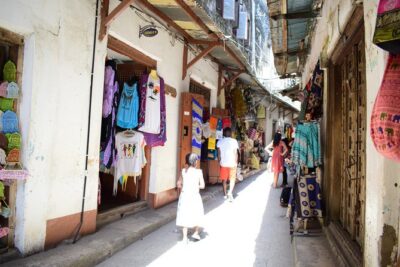
Browse the lists this tour appears in