
Reviewed · HIKING & TREKKING
Kilimanjaro 7 Day Private Trekking Experience
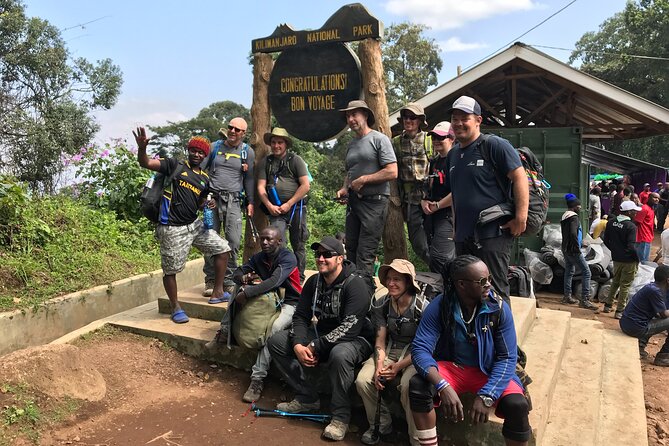
Africa’s highest summit demands patience and grit. This seven-day private trek takes you up Mount Kilimanjaro by the Machame Route, a path known for changing scenery, useful acclimatization days, and a demanding summit push. You move from rainforest to moorland, semi-desert, rock, ice, and finally back into the forest.
I like the careful climb-high, sleep-low pattern on Day 3, and I like the full camp team of guides, porters, cooks, and support staff. The main drawback is the price, $3,120 per person, plus tips, insurance, personal gear, and other extras. The summit day is also very long and begins around midnight, so this is not a casual holiday walk.
The private format gives your group more personal attention than a large shared departure. The company has operated for more than 10 years, and the strongest praise centers on prompt communication from Oscar, capable guides such as Saul, and porters and cooks who help keep the mountain routine running. Still, you need good physical fitness and a willingness to accept basic camping.
In This Review
- Key Details Before You Commit
- How the Seven Days Fit Together
- Day 1: Machame Gate to Rainforest Camp
- Day 2: Shira Camp and the Open Moorland
- Day 3: Lava Tower to Barranco Camp
- Day 4: Scrambling Up Barranco Wall
- Day 5: Karanga to Barafu Camp
- Day 6: Uhuru Peak and the Long Descent
- Day 7: Mweka Gate and a Hot Shower in Moshi
- What the $3,120 Price Really Covers
- Guides, Porters, and Day-to-Day Support
- Who Should Book This Climb?
- Practical Booking Advice Before You Pay
- Should You Book the Machame Route Trek?
- FAQ
- How long is the Kilimanjaro trekking experience?
- Which route does the trek use?
- Is this a private tour?
- What is the price per person?
- What meals are included?
- Are tents included?
- Are guides and porters included?
- Is personal climbing gear included?
- What fitness level do I need?
- What happens if poor weather cancels the trek?
Key Details Before You Commit
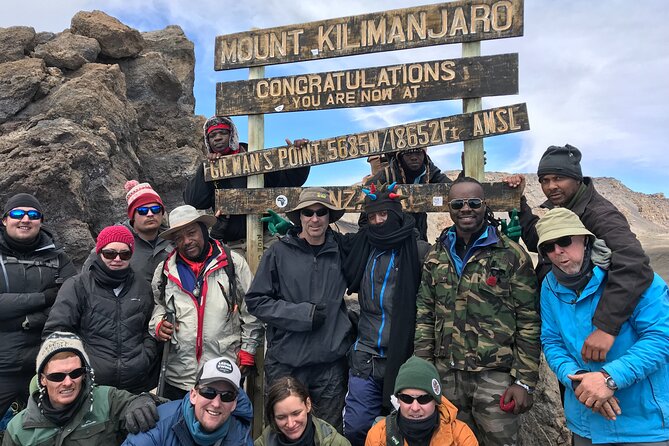
- Machame Route scenery: You pass through rainforest, open moorland, semi-desert, stone fields, glaciers, and ice before descending through forest.
- Private group arrangement: Only your own group participates, useful if you want a more personal pace and direct contact with your guides.
- Built-in acclimatization: Day 3 takes you up to Lava Tower at about 4,600 meters before descending to Barranco Camp.
- Large support team: Guides, porters, cooks, camping crew, food, tents, and specified transfers are included.
- Midnight summit start: You leave Barafu Camp around midnight for Uhuru Peak, followed by a long descent to the Mweka area.
- Moshi finish: The trip ends with a hot shower, lunch, and an achievement certificate at Kilimanjaro Wonders Hotel.
How the Seven Days Fit Together
This is a serious high-altitude trek, not seven equal days of walking. The first five days gradually take you upward, with several shorter stages designed to help your body adjust. Day 6 is the big test. Day 7 is a long but simpler descent.
Distances and walking times are approximate. Weather, trail conditions, rest breaks, and your group’s pace can change the schedule. Your guides will make the practical decisions on the mountain, but you should understand the effort required before paying.
More treks in Moshi:
- Private Kilimanjaro Hike 7 Day Lemosho Route
★ 5.0 · 60 reviews - Best Kilimanjaro hiking day trip tour with Kilinge Adventures
★ 4.5 · 54 reviews - #1. Best Kilimanjaro Day hike Tour-Machame Route-ISMANI
★ 4.2 · 47 reviews
Day 1: Machame Gate to Rainforest Camp
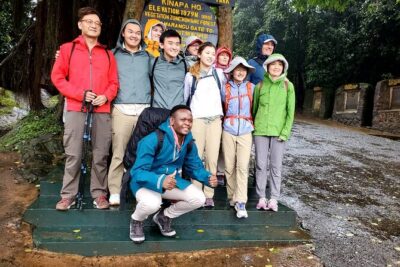
You meet the guides and porters at about 9 a.m. in Moshi or at the agreed starting point. The team checks equipment and supplies before driving to Machame Gate. Anything you do not need on the mountain can be left in a locked hotel facility.
Park registration comes first. You then receive a packed lunch and begin walking from about 1,800 meters toward Machame Camp at roughly 3,000 meters. The stated distance is 11 kilometers, with about six hours of trekking.
The first day is a pleasant introduction to Kilimanjaro, but do not mistake the thick forest for an easy warm-up. The route climbs steadily, and damp conditions can make the trail slower. The rainforest gives you shade and birdlife, though muddy ground and humidity are possible parts of the deal.
A break comes around the middle of the day for your packed lunch. You reach camp in the late afternoon, where the crew settles you into your tent and prepares the evening meal. The early start, organized equipment check, and hotel storage option help reduce pre-trek fuss.
Day 2: Shira Camp and the Open Moorland
A hot drink arrives at your tent around 6:30 a.m., followed by breakfast. This small routine matters on a cold mountain morning. Coffee, tea, or hot chocolate is a welcome replacement for fumbling with your own stove.
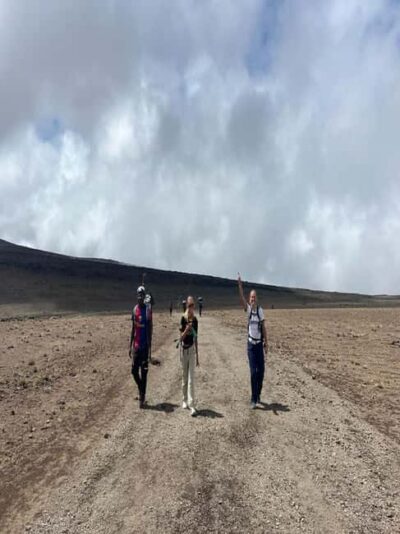
The trail rises from the forest toward open moorland. The vegetation becomes shorter and more scattered, and the feeling changes quickly. You cross a small valley, climb toward a rocky ridge, and continue by a river gorge toward the Shira Plateau.
This day covers about 9 kilometers and takes roughly six hours, climbing from 3,000 to 3,850 meters. It is a steady altitude gain, so the best approach is slow walking, regular water, and no heroics. Your goal is not to win the morning. Your goal is to arrive ready for the next day.
At Shira Camp, the cook provides boiled drinking water and hot washing water. These services are basic but valuable. On a multi-day mountain trek, clean water and the chance to wash your face and hands can improve your mood more than a fancy camp feature.
The plateau also gives you your first clear view toward the Western Breach and its glaciers. The open ground offers wider views than Day 1, but it provides less shelter from sun and wind. Pack layers that you can put on and remove without stopping for a long time.
Day 3: Lava Tower to Barranco Camp
Day 3 is the key acclimatization stage. You leave Shira Camp and climb from about 3,850 meters to Lava Tower at approximately 4,600 meters, then descend to Barranco Camp at about 3,950 meters.
The total distance is around 12 kilometers, with about seven hours on foot. The climb to Lava Tower takes four to five hours. After a lunch break, you descend for about two hours.
This follows the useful rule of climbing high and sleeping low. You spend time at a higher altitude without sleeping there, giving your body a better chance to adjust. It can also be the toughest day so far because the trail gains a lot of height before giving it back.
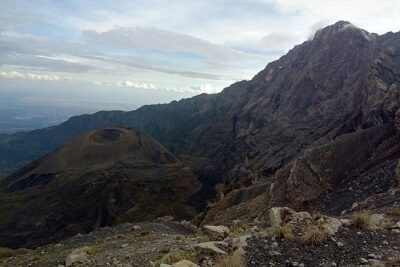
The surroundings become sparse and rocky, with a semi-desert feel. You see glaciers and broad mountain views, and there are good photo opportunities along the route. The scenery is impressive, but you should keep your attention on your breathing and pace.
Barranco Camp is one of the more memorable stopping points because the next morning begins with the Barranco Wall. Take the evening seriously. Eat what you can, drink the boiled water provided by the crew, and tell your guide if you feel unwell.
A few more options to weigh up in Moshi
- Kilimanjaro climb by Lemosho Route (7-day)
★ 5.0 · 651 reviews - Safari Serengeti And Ngorongoro
★ 5.0 · 288 reviews - Kilimanjaro climb, Machame Route (7-day)
★ 5.0 · 262 reviews - Kilimanjaro Climbing Lemosho Route 8 Days.
★ 5.0 · 186 reviews
Day 4: Scrambling Up Barranco Wall
After breakfast, you begin the short 7-kilometer stage toward Karanga Valley. The listed elevation gain is about 250 meters, but the day still takes around seven hours because the terrain is uneven and the Barranco Wall requires careful movement.
The wall takes about 1.5 hours to climb. In places, you use your hands to help pull yourself upward. This is a scramble rather than a technical rock climb, but it can feel intimidating if you dislike heights or narrow, rough trails.
Your guide will help you find the safest line. Move slowly, keep your hands free where possible, and do not worry about looking fast. The point is controlled progress. Once above the wall, you descend into the greener Karanga Valley and generally camp on the ridge above it.
This is one of the shorter mileage days, but the wall gives it real character. The ridge camp also helps with acclimatization before the push toward Barafu. You get time to recover, though the mountain routine remains basic: tent, meals, washing water, and an early rest.
Day 5: Karanga to Barafu Camp
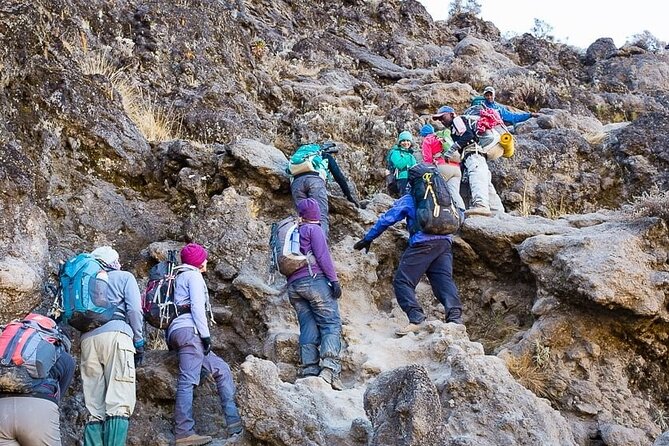
The route to Barafu Camp covers about 6 kilometers and gains approximately 400 meters. The walking time is listed as about seven hours, which tells you that the distance alone does not describe the day. Ridges, valleys, and rocky ground slow the pace.
Along the way, you can see several of Kibo’s glaciers. You also pass the junction where the Mweka descent route meets the Machame trail. From here, the route begins to feel more focused on the summit.
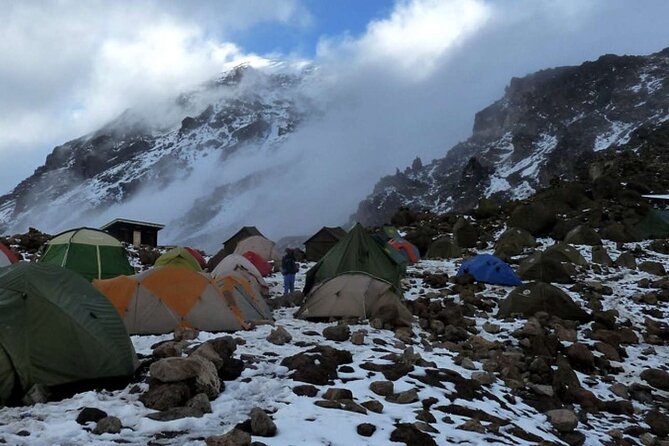
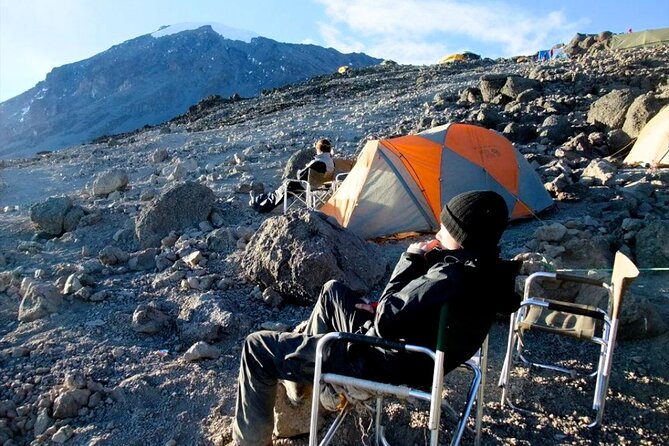
Barafu Camp sits high and exposed, with a stark stone setting. The South Circuit has taken you around different sides of Kibo, giving you several angles on the summit. At Barafu, that sightseeing phase gives way to preparation.
This is where you need to organize your summit clothing, headlamp, water, snacks, and personal gear. The exact gear list is not specified, and personal climbing equipment is not included, though items can be hired locally if needed. Ask about rentals before leaving Moshi rather than discovering a missing item at 4,600 meters.
You usually have an early meal and rest before the midnight departure. Try to sleep, even if the altitude, cold, or excitement makes that difficult. The next stage is the hardest part of the trek.
Day 6: Uhuru Peak and the Long Descent
Wake-up tea is scheduled for about 11:30 p.m., with departure around midnight. The summit ascent begins in darkness, guided by headlamps and the mountain crew.
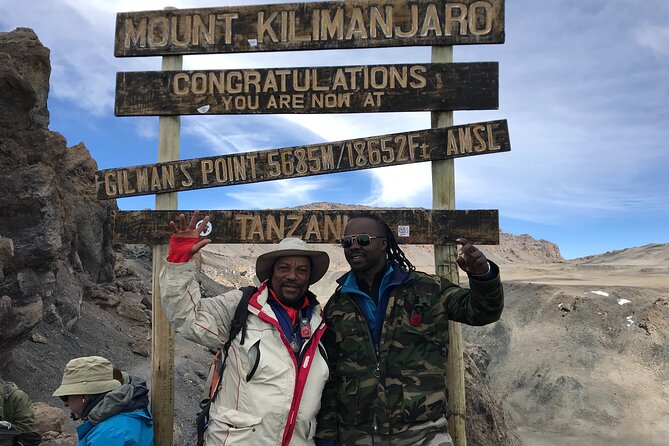
The route climbs through stone fields and toward the glaciers, including the areas associated with the Ratzel and Rebmann Glaciers. You first aim for Stella Point, then continue toward Uhuru Peak, the summit at about 5,895 meters.
The ascent takes approximately six to eight hours. The pace is slow and deliberate. Cold, thin air, darkness, steep ground, and fatigue all add up. Your guide’s role is especially important here, helping set a manageable rhythm and watching how you are coping.
Reaching Stella Point brings a major emotional lift, but it is not the final summit. From there, you continue along the crater rim toward Uhuru Peak. Sunrise can be spectacular, with glaciers and high mountain views catching the first light. The summit stop is normally short because cold and altitude are not good places for a long celebration.
Then comes the descent. The stated route includes about 23 kilometers of descending, taking another seven to eight hours, with the day ending around the Mweka area at approximately 3,100 meters. This is an exhausting schedule, even for a fit walker.
Your knees and feet may complain more on the way down than on the ascent. Trekking poles, well-tested boots, and careful foot placement matter. You should also expect the final camp arrival to feel less like a triumphant finish and more like a much-needed collapse into your tent.
Day 7: Mweka Gate and a Hot Shower in Moshi
The final day drops from about 3,100 meters to 1,800 meters at Mweka Gate. The distance is around 10 kilometers and takes three to four hours through rainforest.
After breakfast, the crew offers a final chance to thank the guides, porters, cooks, and support staff. Tips are not included, so plan for gratuities separately. The team’s work is substantial: carrying camp equipment and supplies, preparing meals, managing tents, and helping you through the mountain stages.
At Mweka Gate, equipment is loaded into the vehicle. The program includes a celebratory beer or champagne, followed by transport to Kilimanjaro Wonders Hotel in Moshi for a hot shower and lunch. After dinner, you receive a certificate of achievement.
That return to comfort is part of the appeal. Seven days of tents, cold mornings, basic washing, and long walks make an ordinary shower feel like a luxury resort.
What the $3,120 Price Really Covers
At $3,120 per person, this is not a budget hike. The price makes more sense when you consider that it covers a full private mountain operation rather than simple guiding.
Included services are:
- Food during the trek
- Tents
- Guide, transfers as specified, and meet-and-greet services
- Mountain crew salaries
- Pre-climb and post-climb accommodation
- Seven lunches
- Six dinners
- Six breakfasts
The wording around accommodation and transfers should be confirmed before you book, especially if you are arranging your own flights or extending your Tanzania trip. Group discounts are offered, which may improve the per-person value for a larger private party.
You still pay for personal climbing gear, local equipment hire if needed, guide and porter gratuities, travel and baggage insurance, telephone bills, and laundry. Those extras can add up, so include them in your real trip budget.
I see the strongest value in the private arrangement and the support crew. You are paying for organization, food, camp logistics, and help at altitude, not just access to the trail. If your main goal is the lowest possible price, this will not be the obvious choice. If you want a planned private climb with hotel support before and after, it is easier to justify.
Guides, Porters, and Day-to-Day Support
The company emphasizes more than 10 years of experience, and the service team receives the warmest praise. Oscar, who appears to manage customer communication, is noted for quick replies and for helping arrange wider Tanzania plans, including safaris and a half-day visit to Kikuletwa Hot Springs.
Several guides receive personal praise, especially Saul, Mvungi, Jonas, and Emmanuel. The names are useful to know, but you should confirm your exact guide team before departure because staffing can change.
The camp crew includes cooks and porters, with Jackie and Gaudence among the team members praised for their support. Meals, hot drinks, boiled water, tents, and washing water make the long days more manageable.
You should also remember that porters are working hard at altitude. Their salaries are included, but gratuities are not. Ask the company for current tipping guidance before you go, and set aside cash for the end of the trek.
Who Should Book This Climb?
This trek suits you if you:
- Have good physical fitness
- Want a private trip rather than a shared group departure
- Can manage several hours of walking on consecutive days
- Accept camping and basic washing facilities
- Want a route with varied scenery and a planned acclimatization day
- Prefer having guides, cooks, porters, and transfers arranged for you
It is less suitable if you want short walking days, hotel comfort every night, or a flexible cancellation arrangement. Children under 15 require special arrangements before trekking, so families must contact the company in advance.
The trip is also a poor fit if you have not prepared for the summit day. The midnight start and long descent are not minor details. You need to arrive ready for cold, fatigue, altitude, and a full day on your feet.
Practical Booking Advice Before You Pay
Confirmation is provided at booking, and pickup is offered. The listed operating hours run Monday through Sunday, from midnight to 11:30 p.m., but you should still agree on your hotel, airport, and pickup details in advance.
The experience is non-refundable and cannot be changed for any reason after cancellation or amendment. If bad weather forces the company to cancel, you are offered a different date or a full refund.
That policy makes travel insurance especially important, since personal illness, flight trouble, or a change of plans does not qualify for a refund under the stated terms. Travel and baggage insurance are not included.
Mobile tickets and group discounts are available. For a private group, ask for the final cost based on your group size and confirm exactly which hotel nights and transfers are covered.
Should You Book the Machame Route Trek?
I would recommend this experience to a fit adult who wants a private Kilimanjaro climb with strong logistical support and does not mind paying for a complete operation. The route offers an excellent sequence of forest, moorland, high rocky ground, glaciers, and summit ice, while Day 3 provides a sensible acclimatization pattern.
The decision comes down to expectations. You are not buying an easy walk or a luxury camp. You are buying a demanding mountain week supported by guides, porters, cooks, tents, meals, and Moshi accommodation.
Book it if prompt communication, private service, and a full crew matter to you. Before committing, confirm the accommodation, transfers, guide assignments, equipment rental, tipping expectations, and final group price. If those details suit your budget and fitness level, this can be a well-supported route to Uhuru Peak.
FAQ
How long is the Kilimanjaro trekking experience?
The trek lasts approximately seven days, including six nights on the mountain and the final descent and return to Moshi.
Which route does the trek use?
The experience follows the Machame Route, beginning at Machame Gate and descending by the Mweka Route after the summit section.
Is this a private tour?
Yes. Only your own group participates in the activity.
What is the price per person?
The listed price is $3,120 per person. Group discounts are available.
What meals are included?
The package includes seven lunches, six dinners, and six breakfasts, along with food during the trek.
Are tents included?
Yes. Tents are included in the package.
Are guides and porters included?
Mountain crew salaries, including guides and porters, are included. Guide and porter gratuities are not included.
Is personal climbing gear included?
No. Personal climbing gear is not included, but equipment can be hired locally if required.
What fitness level do I need?
You should have a strong physical fitness level. Children under 15 need special requirements before trekking.
What happens if poor weather cancels the trek?
If the experience is canceled because of poor weather, you are offered a different date or a full refund. Personal cancellations or requested amendments are non-refundable.
Just added in Moshi
- THE BEST 2 DAYS ON TREK – MARANGU ROUTE TOUR ADVENTURES★ 5.0 · 1 review
- Mount Kilimanjaro National Park Day Trip★ 5.0 · 7 reviews
- Mount Kilimanjaro Climbing in Tanzania Full-Day Trip★ 5.0 · 1 review
- Mount Kilimanjaro Day Hike – All-Inclusive, No Hidden Fees★ 4.0 · 7 reviews
- Mount Kilimanjaro Trekking Tour – Climb with Local Guides★ 5.0 · 1 review
- Mount Kilimanjaro: 7 Days Hike Lemosho Route★ 5.0 · 1 review
- Moshi:Chemka Hot Springs, Materuni Waterfalls & Coffee Tour★ 5.0 · 1 review
- Moshi Town: Walking Tour: Theme Urban lifestyle★ 3.1 · 4 reviews
Hiking & Trekking, compared.
8-Day Small-group Lemosho Kilimanjaro Summit Trekking
Read our review →
Private Full Day Hiking Experience to Marangu Route
Read our review →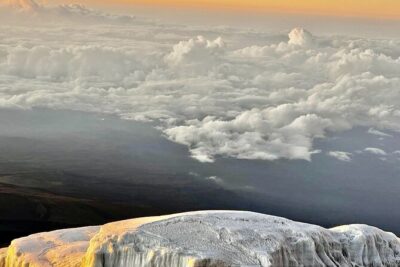
From Arusha/Moshi: Kilimanjaro Hike Marangu Route Day Trip
Read our review →
4 days Best experience Kilimanjaro Hike, Serengeti &Ngorongoro
Read our review →
Best Kilimanjaro hiking day trip tour with Kilinge Adventures
Read our review →Browse the lists this tour appears in