
Reviewed · MAASAI VILLAGE VISITS
Maasai Boma Cultural Experience (maasai village tour)
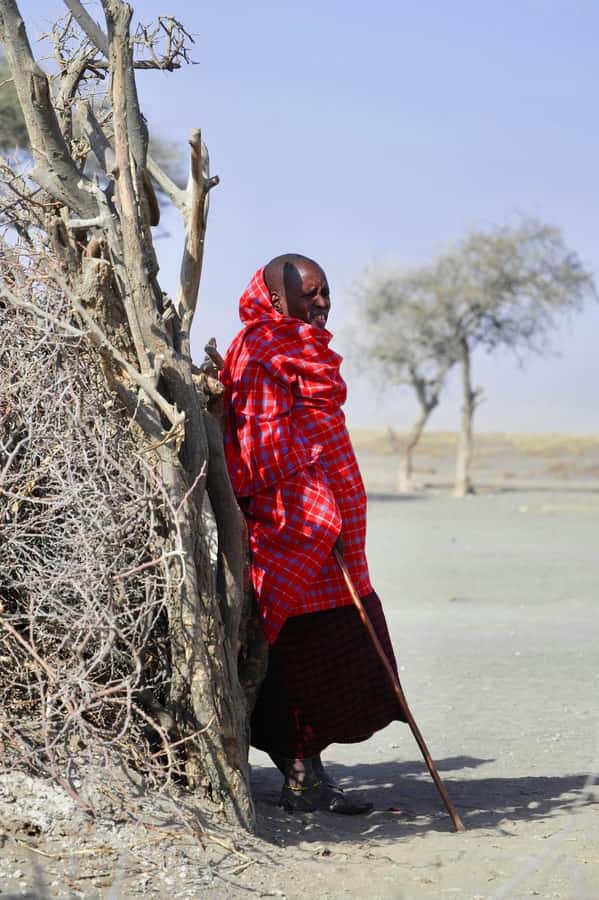
Welcome to the Maasai boma. This long day gives you a direct look at family life, daily work, and local traditions in Tanzania, not just a staged dance stop. I like the warm welcome from the women and the chance to try practical tasks such as making fire, milking cows, and fetching water. I also like the guides, especially Johnson and Arthur, who are praised for clear English, punctual pickups, and thoughtful explanations. The main drawback is timing: the full outing is advertised at seven to ten hours, but one booking lasted two to three hours less than expected.
For $90 per person, the value is solid if you want transport, a guide, food, drinks, and a substantial cultural visit in one package. You can start from Arusha or Moshi, and the same two towns are available for drop-off. Plan for a full day, though the time spent at the boma itself is listed at about three and a half hours.
In This Review
- Key points to know before you go
- Why this Maasai boma visit feels more personal
- The drive from Arusha or Moshi
- The song-filled welcome at the compound
- Walking through family life and daily work
- Joining the adumu jumping dance
- Lunch at the boma
- What the $90 price really covers
- Who will enjoy this most
- Simple ways to get more from the visit
- Should you book the Maasai boma experience?
- FAQ
- Where does the Maasai boma cultural experience take place?
- Can I start the tour from Moshi?
- How long does the tour last?
- What language does the guide speak?
- Is lunch included?
- Can I join the Maasai jumping dance?
- Can I cancel for a full refund?
Key points to know before you go
- Women greet you with song and dance: Your arrival begins with a lively welcome before the walking visit around the compound.
- Daily work is part of the lesson: You may see fire making, cow milking, water collection, and beehive checks.
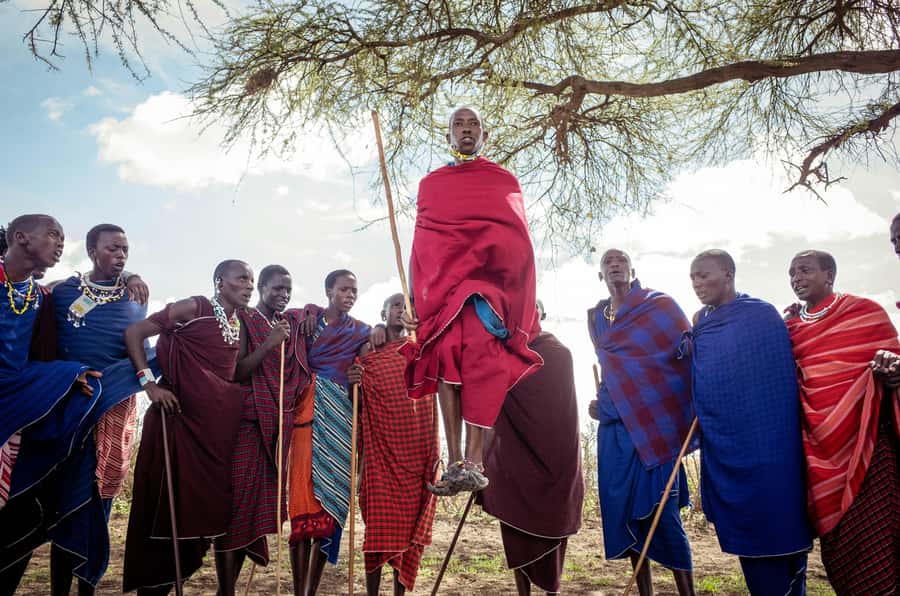
- Adumu is interactive: Maasai men perform the famous jumping dance, and you can join in if you wish.
- Clothing and jewelry may be provided: You might wear a shuka and traditional jewelry during the visit.
- Lunch is included: The meal is served at the boma, and one detailed account praised the generous lunch box.
- Transport adds real value: Pickup and return to Arusha or Moshi, guide fees, food, drinks, and entrance costs are included.
Why this Maasai boma visit feels more personal
Many cultural outings offer a quick performance, a few photographs, and a gift shop. This experience aims to show more of the day-to-day side of Maasai life, including food, household habits, work, family life, and local traditions.
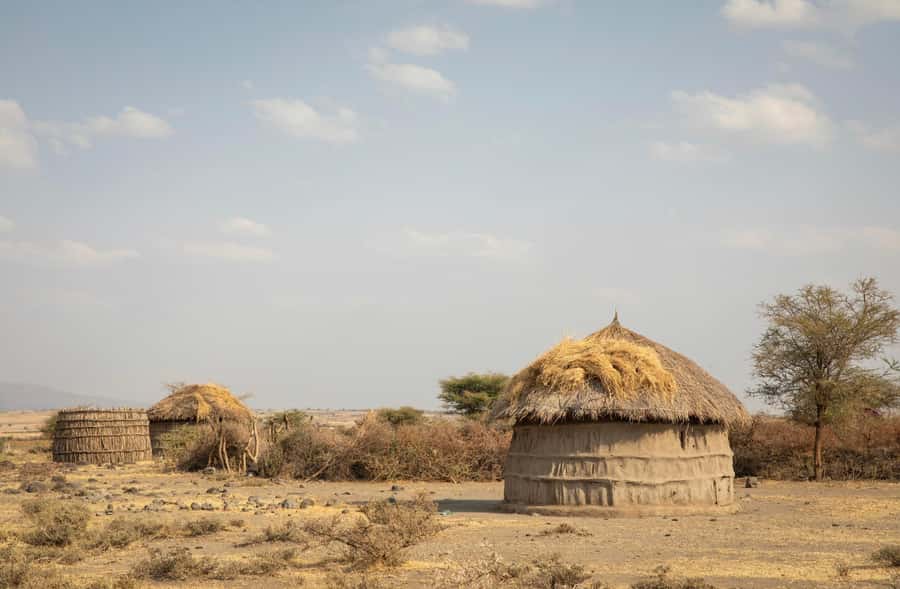
That difference matters. You are not simply watching a dance from a distance. You walk through a compound where several families live together, ask questions, and see demonstrations tied to ordinary tasks. The visit still has a planned structure, but it gives you more context than a short roadside stop.
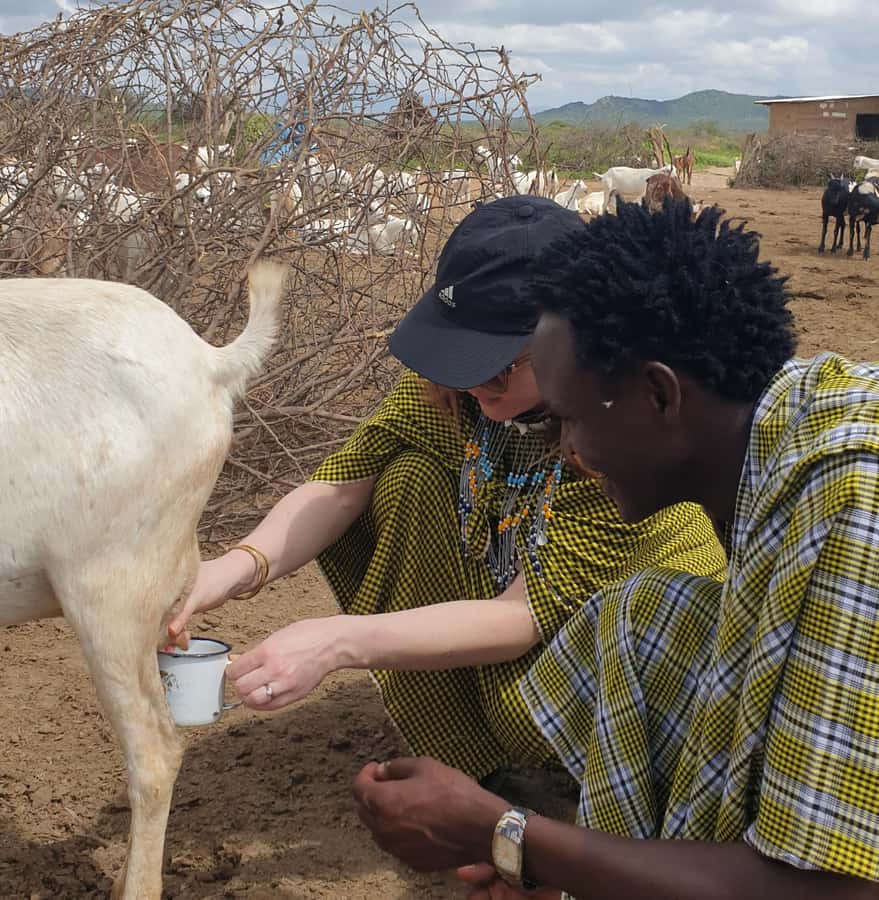
I especially like the focus on practical activities. Learning how fire is made or how water is collected helps you understand the time and effort behind daily life. You may also see how cattle fit into the rhythm of the community, from milking to checking on the animals.
The experience is described as an authentic cultural visit, but you should keep your expectations sensible. Any arranged cultural tour is prepared for visitors, and the welcome, clothing, dance, and lunch are all part of a planned program. That does not make the meeting meaningless. It simply means you are seeing a hosted presentation of Maasai life rather than dropping into an unplanned family visit.
More Maasai Village Visits in Arusha
- 5 Days Camping Tarangire, Serengeti & Ngorongoro crater & Visiting Maasai
★ 5.0 · 229 reviews - Maasai village visit, Materuni waterfalls & coffee experience
★ 4.5 · 95 reviews - Kilimanjaro: Maasai Village Visit, Waterfalls, & Coffee Tour
★ 4.9 · 27 reviews
The drive from Arusha or Moshi
You can arrange pickup in either Arusha or Moshi, then return to one of those towns at the end. This makes the tour useful before or after a safari, a Kilimanjaro trip, or a stay in northern Tanzania.
The total day lasts seven to ten hours, although the exact departure time depends on availability. The listed visit at the boma takes about three and a half hours, with the remaining time used for driving and the wider schedule.
The road journey is not just dead time. One detailed account reported seeing the first giraffes along the way, and another described views of Mount Kilimanjaro while walking toward a water source. These sightings are not promised, so do not book this as a wildlife drive. Still, they can add a pleasant bonus to the transfer.
Pickup reliability has been a strong point. Johnson and Arthur are specifically praised for arriving on time, explaining the schedule, and making the ride comfortable. That is useful on a long day, when a late start can leave you feeling rushed at the boma.
Because the drive time is not fixed in the details provided, ask for the expected pickup time and return time when you book. This is especially sensible if you have a flight, another tour, or a dinner reservation later that day.
The song-filled welcome at the compound
Arrival begins with Maasai women welcoming you through song. This sets the tone quickly: the visit is social and participatory, not a museum-style display.
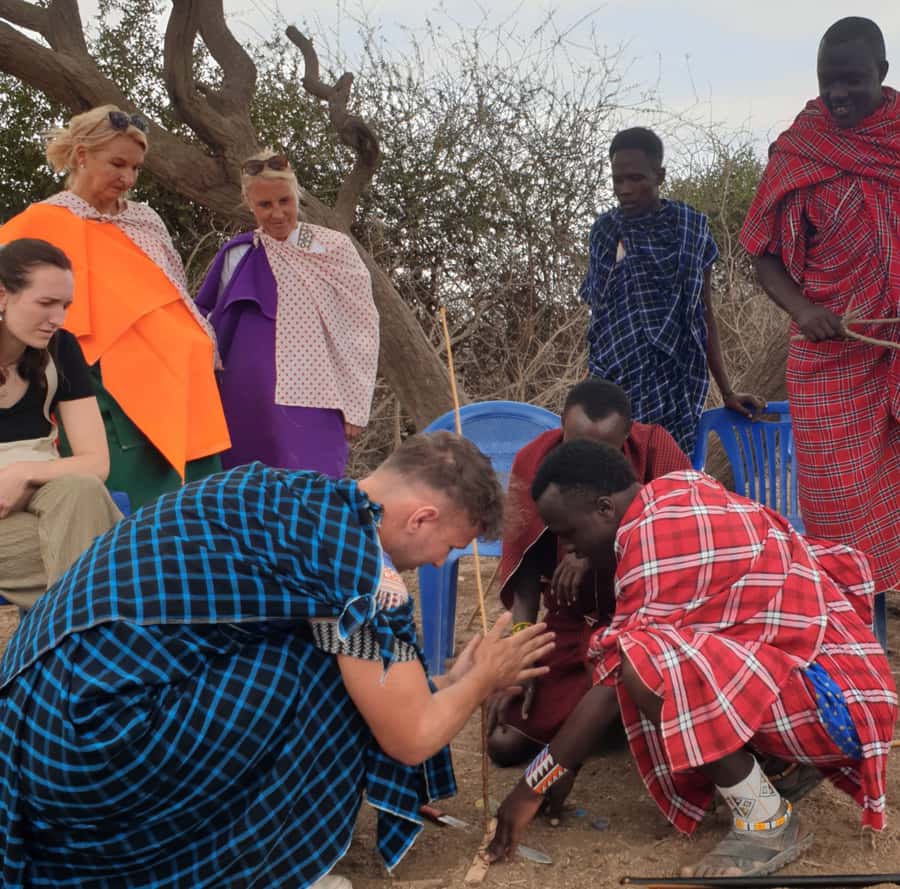
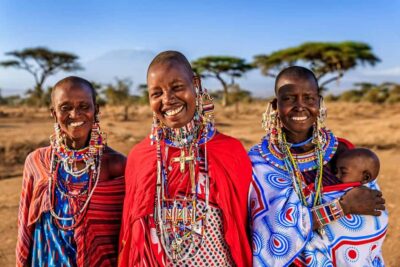
You may be given a shuka, the familiar Maasai cloth, along with traditional jewelry. Wearing these items can make the welcome more fun and helps you take part in the setting respectfully. The jewelry and clothing are also useful prompts for questions about appearance, custom, and daily life.
I would approach this moment with courtesy. Ask before taking close photographs, and follow your guide’s lead on what is appropriate. The supplied details do not set out a photography policy, so the safest habit is to request permission rather than assume it.
The opening songs and clothing can feel theatrical because they are arranged for your arrival. That is part of the experience, not a reason to dismiss it. The more valuable part comes when you use the welcome as a starting point for questions and conversation.
Walking through family life and daily work
The guided walk around the boma is the heart of the visit. You learn how several families share the compound and how daily routines shape life there.
The activities may include making a fire, milking cows, fetching water, and checking the progress of beehives. These are small demonstrations, but they give you something concrete to remember. Instead of hearing a general explanation about tradition, you see the work itself.
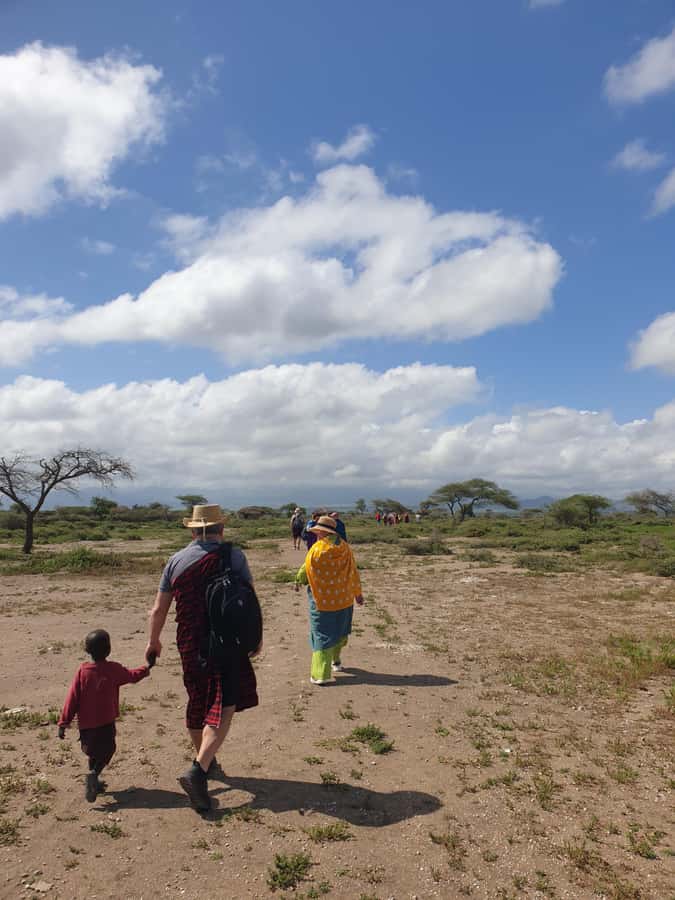
The water walk can be particularly helpful for understanding the practical side of the visit. One account described walking toward a waterhole, with views of Kilimanjaro and the surrounding scenery along the way. The exact route and views can vary, but you should expect walking rather than a purely seated presentation.
Wear shoes you can walk in and clothing suited to a full day outdoors. That is practical advice based on the walking portion and the length of the outing, not a promise about the ground conditions. Bring any personal items you normally need for a day out, since the supplied details do not list specific equipment.
The beehive activity adds another useful layer. It shows that the visit is not limited to cattle, dancing, and clothing. You get a wider picture of work and resources within the community.
A different kind of day out entirely:
- Balloon Safari & Bush Breakfast in Serengeti – Miracle Experience
★ 5.0 · 1,646 reviews - Tanzania Classic – 7 Days
★ 5.0 · 1,151 reviews - 4 Days Group Camping Safari
★ 5.0 · 1,101 reviews - 5 Days Group Camping Safari
★ 5.0 · 730 reviews
Joining the adumu jumping dance
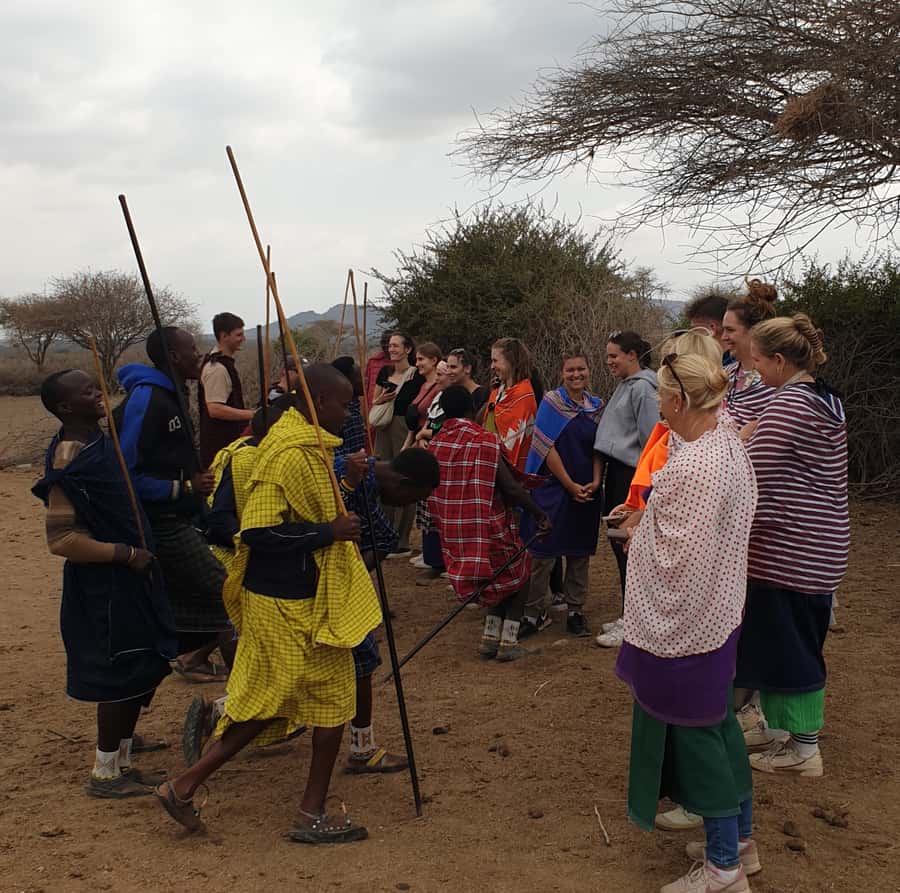
The Maasai men perform adumu, the famous jumping dance associated with young men displaying strength. You are welcome to participate, though you do not have to.
This is one of the tour’s liveliest moments, and it can also be the most awkward if you dislike being put on the spot. I like that participation is offered rather than required. You can watch, take photographs when appropriate, or step forward for a turn.
The dance is more meaningful when your guide explains its place within Maasai culture. The supplied information describes it as a display of the young men’s strength, so it is more than a random entertainment segment. Ask questions if the explanation leaves you curious about who performs it and when it is normally used.
Keep your expectations realistic. You are unlikely to become an expert jumper in one afternoon, and the point is participation, not performance quality. A good-natured attempt is enough.
Lunch at the boma
The tour ends with lunch at the compound, with food and drinks included in the price. This makes the meal part of the cultural visit rather than an extra stop that you need to arrange yourself.
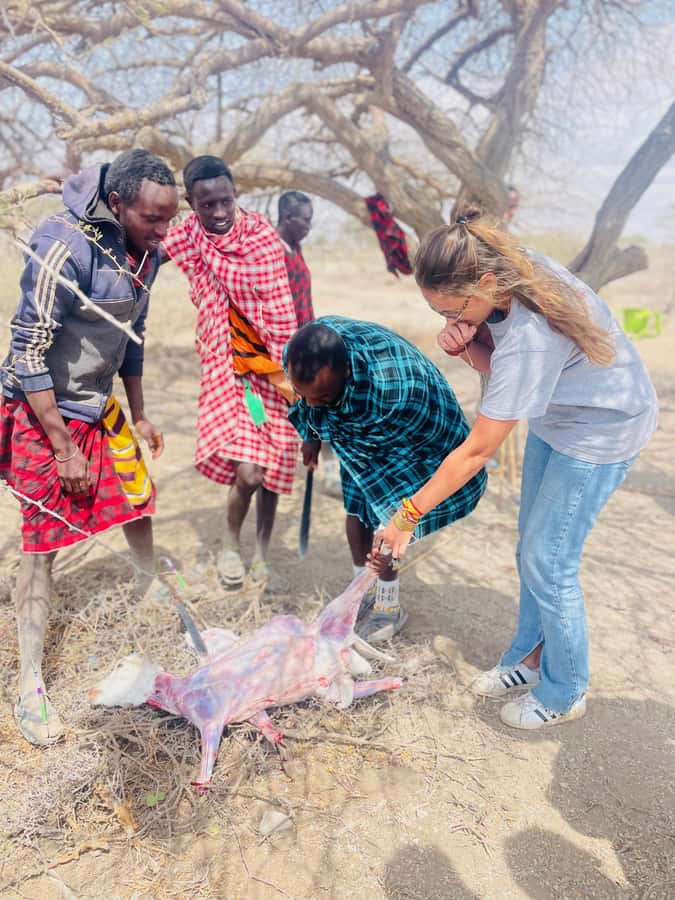
One detailed account praised the lunch box as generous and tasty. That gives you a useful reason to value the meal, though the exact menu is not specified. You should not assume a particular dish, dietary option, or serving style unless the operator confirms it directly.
Lunch also gives you a natural pause after the walking activities and dance. You can use the time to ask final questions or simply sit with the people you have met.
If you have allergies or dietary needs, ask before departure. Food is included, but the available information does not state how special diets are handled. That small check can prevent an avoidable problem on a long day away from town.
What the $90 price really covers
At $90 per person, this is not the cheapest way to spend a day around Arusha or Moshi. Its value comes from the number of separate costs bundled together: pickup, drop-off, food, drinks, guide services, and all stated fees.
The transport matters most. Reaching a rural boma independently could require arranging a vehicle, finding the right local contact, and managing the return trip. Here, the day has a set structure and an English-speaking guide.
The guide is also central to the price. Johnson is praised for answering questions, explaining the schedule, and keeping the day organized. Arthur is also praised for friendly service and clear English. Strong communication makes a cultural visit far more useful because you can ask about what you are seeing instead of guessing.
A private group is available, but the information does not say that every booking is private. If personal space or a quieter pace matters to you, confirm the group setup before paying.
The one value concern is the uncertain duration. The advertised seven to ten hours includes travel and the full schedule, while one account reported a day two to three hours shorter than described. That may be fine if the main activities are completed, but it is worth clarifying if you are comparing this with another full-day outing.
Who will enjoy this most
I would recommend this experience to you if you want cultural contact alongside a safari or mountain trip. It suits curious people who like asking questions, trying simple activities, and seeing how daily work connects to tradition.
Families may appreciate the hands-on elements, though the activity data does not give a minimum age or child policy. Couples and private groups can also benefit from the slower, conversational format, especially if they request a private booking.
This is less suitable if you want a completely spontaneous visit with no planned performance. The welcome songs, clothing, dance, and lunch follow a clear program. It is also not the right choice if you want a full day of wildlife viewing, since giraffes are only a possible sight along the route and wildlife is not the main purpose.
You should also consider the long transport time. A seven to ten hour day can feel tiring, particularly if you are already moving between Arusha and Moshi. The boma visit itself is listed at around three and a half hours, so the rest of the day may be spent on the road and related arrangements.
Simple ways to get more from the visit
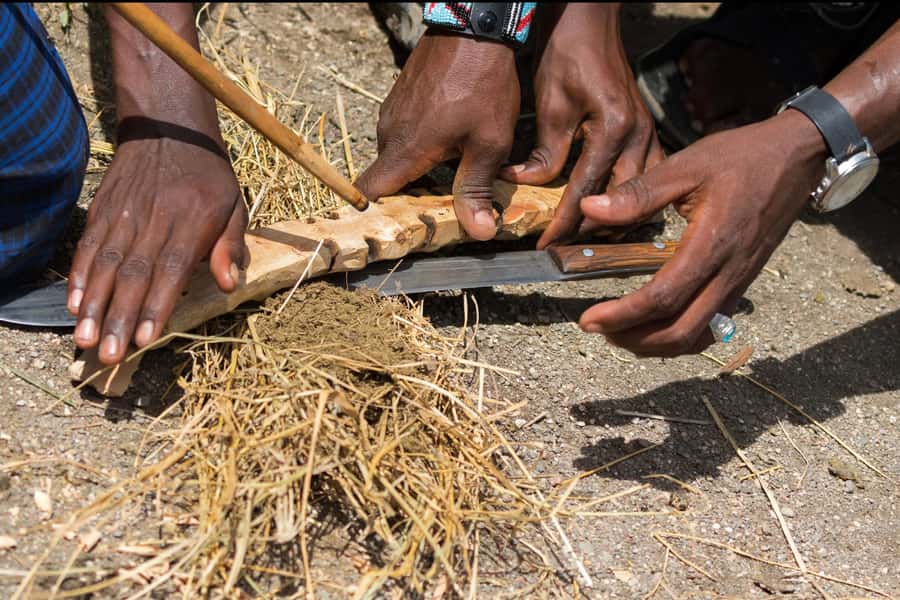
Ask your guide to explain the difference between a demonstration arranged for visitors and an activity used in ordinary daily life. That question can help you understand the visit without treating every moment as a show.
Take part in the adumu if you feel comfortable. If you do not, watching closely and listening to the explanation still gives you plenty to take away.
Use the walking time well. Ask about water collection, cattle, beekeeping, food, and how families share the boma. These subjects are specifically part of the visit, so your questions should fit naturally into the tour.
Keep some flexibility in your schedule after returning. The stated duration has a fairly wide range, and one booking ended earlier than expected. The bigger concern is not being late, but failing to allow enough time for changes in the day.
Should you book the Maasai boma experience?
Book it if you want a guided, organized introduction to Maasai culture with real conversation, practical demonstrations, a traditional dance, and lunch included. The friendly English-speaking guides, punctual pickups, and warm welcome make this a dependable choice for a first cultural visit in northern Tanzania.
I would hesitate only if you want an unstructured encounter, guaranteed wildlife, or a precisely timed full-day program. Confirm the pickup schedule, expected return, group size, and meal details before booking.
For most people, the strongest reason to choose this outing is its balance. You get more than a performance, but you do not need to arrange transport, food, or local interpretation yourself. At $90, that is a fair trade for a long day that puts Maasai daily life at the center.
FAQ
Where does the Maasai boma cultural experience take place?
The experience takes place in the Arusha region of Tanzania, at a boma where several Maasai families live together.
Can I start the tour from Moshi?
Yes. Pickup is available from either Arusha or Moshi, with drop-off also available in either town.
How long does the tour last?
The stated total duration is seven to ten hours. The visit at the boma is listed at about three and a half hours.
What language does the guide speak?
The live guide language is English.
Is lunch included?
Yes. Food and drinks are included, and lunch is served at the boma.
Can I join the Maasai jumping dance?
Yes. You are welcome to participate in the adumu jumping dance, though participation is optional.
Can I cancel for a full refund?
Yes. You can cancel up to 24 hours in advance for a full refund. You can also reserve now and pay later.
Just added in Arusha
- Safari “Kifaru” – 5 days in the most famous Parks in the world★ 5.0 · 4 reviews
- Saadani Day Trip★ 5.0 · 13 reviews
- 3 Days Tanzania Short and Spicy★ 5.0 · 6 reviews
- 5 Day Tanzania Safari Camping Adventure Private Tour★ 5.0 · 2 reviews
- Day Trip to Ngorongoro Crater from Arusha★ 5.0 · 1 review
- SERENGETI NATIONAL PARK Tour★ 4.5 · 5 reviews
- 6 Days Tanzania Bush Experience Safari★ 5.0 · 6 reviews
- 3 Days Serengeti Park & Ngorongoro Crater Adventure Safari★ 5.0 · 8 reviews
Maasai Village Visits, compared.

5 Days Camping Tarangire, Serengeti & Ngorongoro crater & Visiting Maasai
Read our review →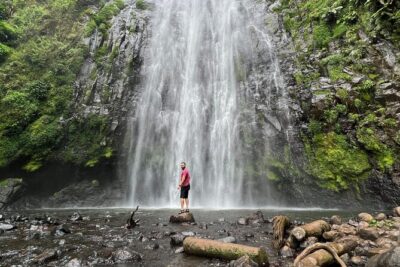
Maasai village visit, Materuni waterfalls & coffee experience
Read our review →5 Days Camping Tarangire, Serengeti & Ngorongoro crater & Visiting Maasai
Read our review →

Maasai village visit and Chemka hot-springs with hot lunch.
Read our review →
Kilimanjaro: Maasai Village Visit, Waterfalls, & Coffee Tour
Read our review →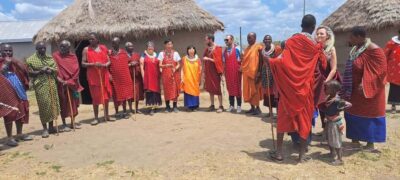
Browse the lists this tour appears in