
Reviewed · HIKING & TREKKING
Mt Kilimanjaro 360° Trek with Once-in-a-Lifetime Crater Camping
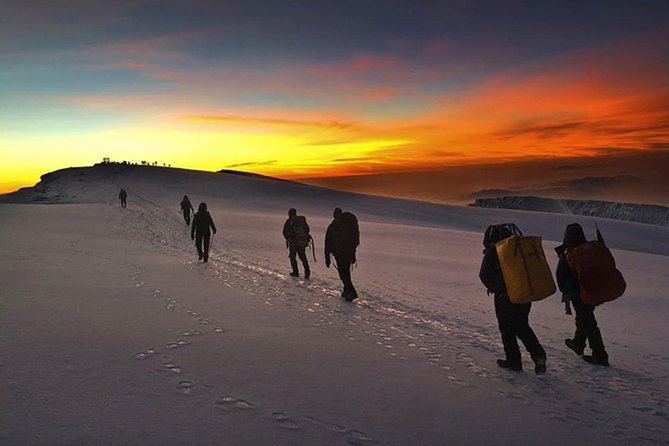
The quiet side of Kilimanjaro changes everything. This 10-day Northern Circuit trek gives you low trail traffic, wide views, and a rare night of camping inside the crater beneath the mountain’s glaciers. I especially like the slow acclimatization plan and the mix of rainforest, high plateau, alpine desert, and volcanic terrain. The main catch is simple: the price is high, and crater camping adds cold, altitude, and a very long summit schedule.
You’ll have a private trip with your own group, guide team, porters, and cook. That personal setup has earned Pinnacle strong praise for airport support, careful organization, and determined mountain crews. Still, you need moderate fitness, proper equipment, insurance, and a willingness to spend several hard days above 3,900 meters.
In This Review
- The Kilimanjaro details that matter most
- Why the Northern Circuit is worth the extra days
- Day 1: rainforest trails to Mti Mkubwa Camp
- Day 2: leaving the trees for Shira Camp One
- Day 3: crossing the high Shira Plateau
- Day 4: Lava Tower, Barranco, and the key altitude lesson
- Day 5: Moir Valley and the northern slopes
- Day 6: Buffalo Ridge to Rongai Third Cave
- Day 7: the Saddle and School Hut
- Day 8: Uhuru Peak and a night inside the crater
- Day 9: the Ash Pit and Millennium Camp
- Day 10: rainforest descent and the return to Moshi
- What the $4,211.27 price really covers
- The support team and private format
- Fitness, gear, and practical concerns
- Should you book this Kilimanjaro trek?
- FAQ
- How long does the Kilimanjaro trek last?
- Where does the trip start and finish?
- Is this a private tour?
- Is airport pickup included?
- What meals are provided?
- Is camping equipment included?
- Is personal trekking gear included?
The Kilimanjaro details that matter most
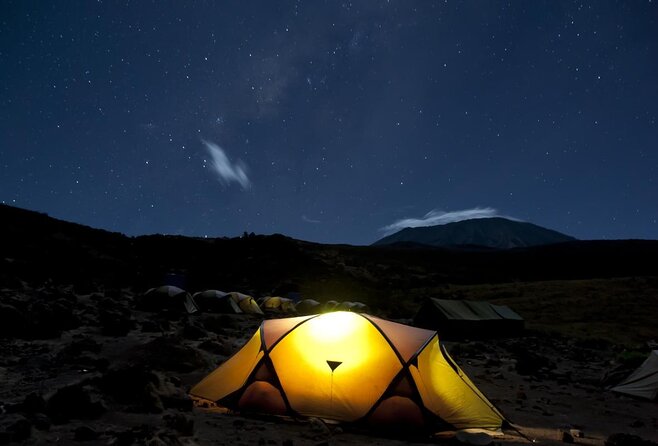
- Crater camping at about 5,895 meters: After reaching Uhuru Peak, you descend into Kilimanjaro’s crater for the night, a rare and demanding mountain experience.
- The Northern Circuit avoids the busiest paths: The route crosses the Shira Plateau, circles the northern slopes, and joins the summit approach from the east.
- Ten days gives you useful acclimatization time: The itinerary includes gradual gains, a high point near Lava Tower, and several nights at altitude before summit day.
- A private departure keeps the group together: Only your party participates, which can make pacing and guide support more personal.
- Most major costs are included: Park fees, transfers, accommodation after the climb, meals, porters, camping equipment, and emergency oxygen are covered.
- The price is $4,211.27 per person: That is a serious spend, but it includes a long route, a large support crew, and an unusual crater night.
Why the Northern Circuit is worth the extra days
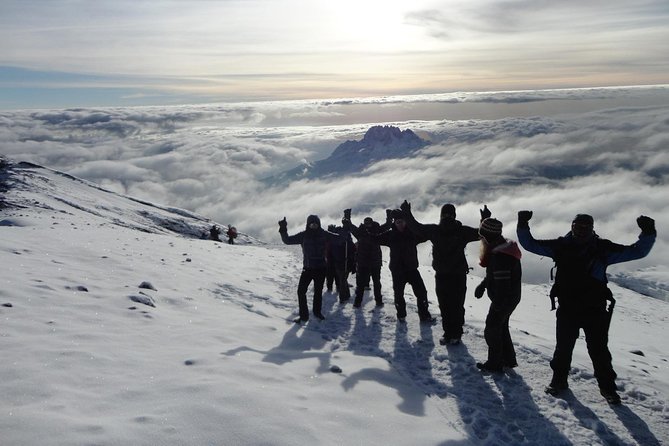
Most people picture Kilimanjaro as a single steep climb. The Northern Circuit is more like a long mountain journey, with the route taking you through several climate zones before the summit attempt.
You begin in rainforest, where the path can be muddy and slippery. Higher up, the trees thin out and the trail reaches the open Shira Plateau. From there, you cross broad, exposed ground, pass dramatic volcanic features, and circle the quieter northern slopes of Kibo.
That longer route matters because altitude is the real challenge on Kilimanjaro. The summit is not technically difficult in the mountaineering sense, but the thin air can make every step feel expensive. This schedule gives you time to sleep at increasing elevations and spend a crucial day climbing high before dropping to Barranco Camp.
I like the route for another reason: it does not rush you straight toward the summit. You get views of the western side, northern plains, Kenya, and Mawenzi Peak. The scenery keeps changing, which helps the long walking days feel purposeful.
The tradeoff is time and cost. Nine or ten days on the mountain means more camping, more meals on the trail, and more days dealing with cold, dust, tired legs, and basic washing facilities. If you want a quick Kilimanjaro climb, this is not it.
More treks in Moshi:
- Private Kilimanjaro Hike 7 Day Lemosho Route
★ 5.0 · 60 reviews - Best Kilimanjaro hiking day trip tour with Kilinge Adventures
★ 4.5 · 54 reviews - #1. Best Kilimanjaro Day hike Tour-Machame Route-ISMANI
★ 4.2 · 47 reviews
Day 1: rainforest trails to Mti Mkubwa Camp
Your morning begins in Moshi with a roughly 45-minute drive to the Kilimanjaro National Park Gate. The transfer passes through mountainside villages before reaching the busy gate area, where permits are issued and climbing crews prepare their loads.
The wait can be part of the experience, though it may feel slow after you are ready to walk. Once on the trail, the rainforest provides shade, bird calls, and a strong sense that you have left the town behind.
The first walk takes about four hours. You climb from 2,389 meters to Mti Mkubwa Camp at 2,785 meters, a gain of 396 meters. This is not the hardest day, but wet ground can make it awkward.
Pack gaiters and trekking poles if you have them. The trail may be muddy and slippery at these lower elevations, and a fall on the first afternoon is a poor opening act for a mountain trip.
Day 2: leaving the trees for Shira Camp One
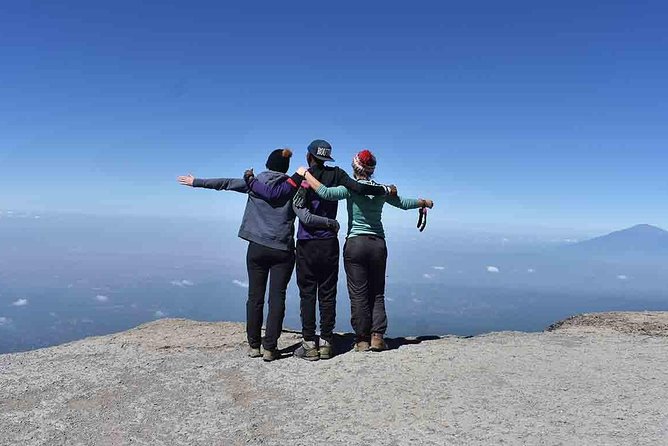
After breakfast, you continue upward and leave the rainforest behind. The trail climbs steadily to the rim of the Shira Plateau, with wider views and cooler air replacing the damp forest.
This six-hour day gains 719 meters, ending at Shira Camp One at 3,504 meters. You will notice the temperature drop, especially once the trail becomes more exposed.
Shira is one of the most memorable parts of the route because the setting feels open and remote. There is less shelter from wind, so keep warm layers close rather than buried in your duffel or daypack.
Day 3: crossing the high Shira Plateau
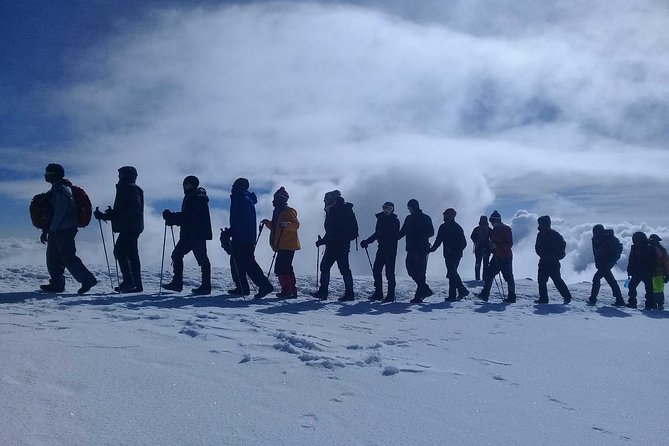
The walk from Shira Camp One to Shira Camp Two is shorter, about four hours, but the elevation makes it meaningful. You rise another 391 meters and sleep at 3,895 meters.
The plateau is broad and exposed. A short walk beyond camp gives you views across the valley and toward Kilimanjaro’s Western Breach. The area is beautiful, but do not mistake a shorter day for an easy one. The cold can be severe at night, with temperatures dropping below zero.
This is a good day to watch how your body responds. Tell your guide about headaches, nausea, dizziness, or unusual fatigue. The schedule is designed to help with acclimatization, but it cannot remove the risks of altitude.
A few more options to weigh up in Moshi
- Kilimanjaro climb by Lemosho Route (7-day)
★ 5.0 · 651 reviews - Safari Serengeti And Ngorongoro
★ 5.0 · 288 reviews - Kilimanjaro climb, Machame Route (7-day)
★ 5.0 · 262 reviews - Kilimanjaro Climbing Lemosho Route 8 Days.
★ 5.0 · 186 reviews
Day 4: Lava Tower, Barranco, and the key altitude lesson
Day four is one of the most useful days on the mountain. You climb from the Shira Plateau toward Lava Tower, also known as the Shark’s Tooth, at about 4,650 meters. The route then descends to Barranco Camp, ending around 3,986 meters.
The stated walking time is about seven hours. The net elevation gain is modest, only 91 meters, but that number hides the real value of the day. You climb high, spend time at a greater altitude, and then sleep lower. That pattern gives your body a better chance to adjust.
You pass junctions leading toward Kibo and the Arrow Glacier before continuing to Barranco. The volcanic formations make this a striking day, and the descent provides some relief after the high point.
This is also where you should conserve energy. You still have several days before the summit, and pushing too hard now can catch up with you later.
Day 5: Moir Valley and the northern slopes
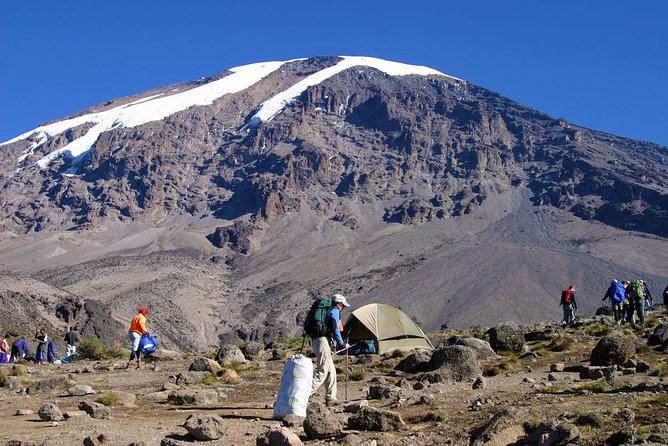
The itinerary places you around Moir Valley before the trail climbs out toward the northern side of Kibo. You can take a small detour to Little Lent Hill at 4,375 meters, then return to the main route.
The main walk takes about seven hours. You skirt the northern slopes through a series of rises and dips before reaching Buffalo Camp. The elevation changes from about 4,155 meters to 4,033 meters, so you actually lose a little height overall.
That up-and-down rhythm may feel harder than a steady climb. The reward is the view north toward the plains and the Kenya and Tanzania border. This is one of the quieter sections of the trek, and the open views are a major reason to choose the Northern Circuit.
If you are tired, skip the Little Lent Hill detour. It is optional, and saving strength for the summit is the sensible choice.
Day 6: Buffalo Ridge to Rongai Third Cave
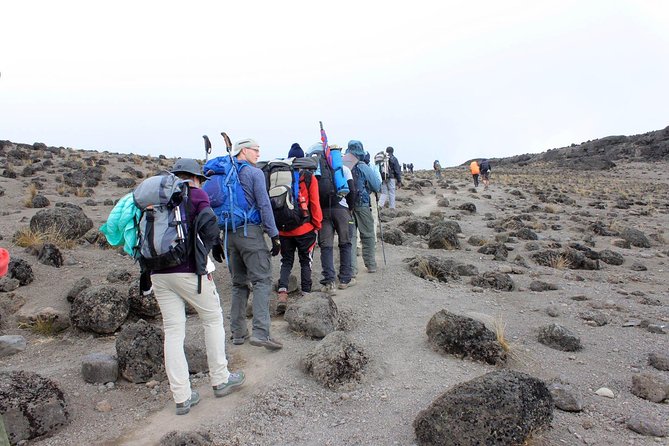
The sixth day starts with a climb up Buffalo Ridge, followed by a descent into Pofu Camp for lunch. You then continue east around Kibo to Rongai Third Cave.
The walking time is about seven hours, but the climb is shorter than the previous day. You finish at roughly 3,936 meters, slightly lower than Buffalo Camp.
By this point, you may feel better adjusted to the altitude, though that is not guaranteed. Keep your pace steady and drink regularly. Fresh water and hot water for washing are provided daily, which makes a noticeable difference after several dusty days.
You reach camp around mid-afternoon, leaving time to rest. Use it. A quiet afternoon in camp is more valuable than extra wandering when summit night is approaching.
Day 7: the Saddle and School Hut
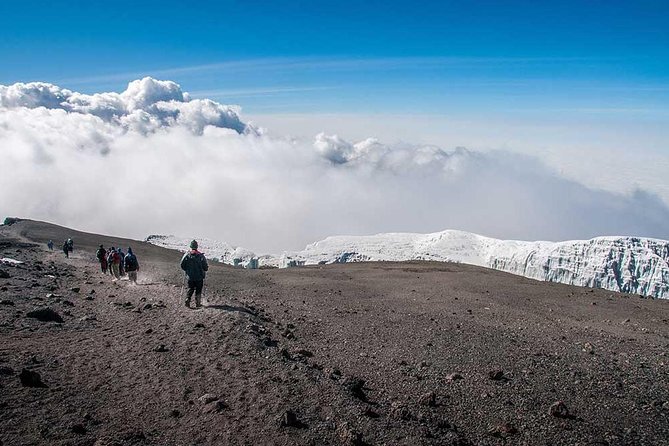
This day takes you across the Saddle between Kibo and Mawenzi Peak. You climb from about 3,936 meters to School Hut at 4,717 meters, gaining 781 meters over roughly seven hours.
The Saddle is stark and exposed. The open volcanic ground gives you a clear view of the two major peaks, but there is little cover from wind or cold.
At School Hut, you eat an early dinner and rest before the midnight summit attempt. Prepare your gear before lying down. You need warm clothing, insulated water bottles, snacks, a headlamp, and your camera ready to go.
This is the point where the schedule becomes physically demanding. You have already spent a week walking at altitude, and the overnight start can make sleep difficult. Follow your guide’s instructions and do not treat the midnight departure like a normal evening hike.
Day 8: Uhuru Peak and a night inside the crater
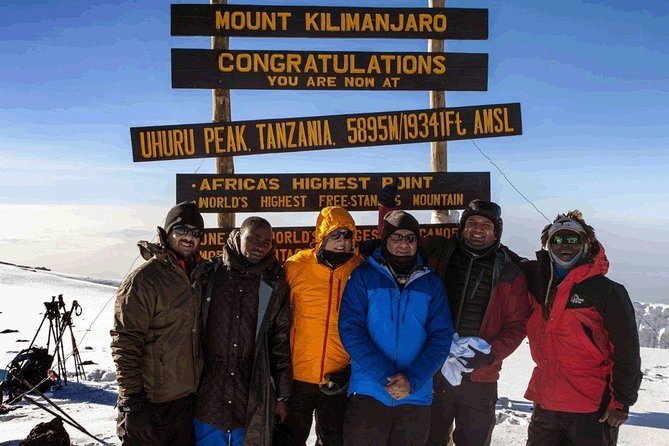
The summit push begins just before dawn. From School Hut, you climb toward Uhuru Peak, Africa’s highest point at 5,895 meters.
The summit section takes about seven to nine hours. The slow pace is deliberate. You need to manage your breathing, keep moving, and stay alert to how you feel.
Reaching Uhuru Peak is only part of the day. After celebrating at the summit, you descend into Kilimanjaro’s crater for the night. Crater Camp sits beneath the glaciers, creating the most unusual feature of this trip.
Crater camping is not a comfortable hotel stay with a dramatic view. At this height, conditions can be cold and tiring, and the summit day is already long. Still, the chance to sleep inside the crater is rare. If you want a standard summit itinerary with a quicker descent, this extra night may feel like too much. If you want a distinctive mountain experience, it is the reason to choose this route.
Day 9: the Ash Pit and Millennium Camp
The morning brings time to explore the Ash Pit inside the crater before descending to Millennium Camp. The day takes about five to six hours.
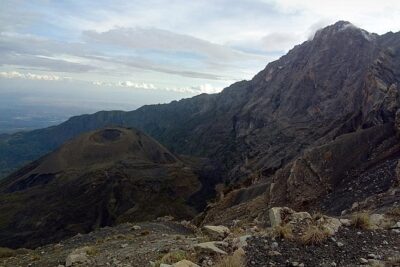
The Ash Pit gives you a closer look at Kilimanjaro’s volcanic character. After the summit and crater night, the descent to Millennium Camp should feel welcome, even though tired legs still have work to do.
The itinerary describes this as a well-earned rest day after the summit effort. That is accurate in spirit, but do not expect total relaxation. You are still moving down a high mountain, and the trail can remain demanding.
Day 10: rainforest descent and the return to Moshi
The final walk leads through rainforest to Mweka Gate and takes about four to five hours. The return to trees feels like a major change after the cold, exposed upper mountain.
At the gate, you receive a certificate of achievement before driving back to Moshi. The package includes a hotel night after the climb with breakfast, so you have a proper place to wash, sleep, and recover.
Airport transfers to and from Kilimanjaro International Airport are also included. That helps simplify the beginning and end of the trip, especially after a long flight or a strenuous descent.
What the $4,211.27 price really covers
At $4,211.27 per person, this is not a budget climb. The price makes more sense when you look at what is included.
Park fees and taxes are covered, along with airport transfers, a hotel night after the climb, camping tents, mattresses, camp chairs, and tables. You also receive breakfast, lunch, and dinner during the trek, plus fresh drinking water and hot water for washing.
The support team includes a qualified mountain guide, assistant guides, porters, and a cook. Wages are listed according to KINAPA standards. Emergency oxygen and a basic first aid kit are carried for emergencies, but oxygen is not provided as a way to assist your summit attempt.
You still need to budget for flights, visas, insurance, personal medicine, snacks, water purification tablets, and personal gear. Trekking equipment can be rented in Moshi. A portable toilet is optional but highly recommended, and it is not included.
The value is strongest for people who want the full supported experience and the crater night. It is weaker for someone who only wants to reach the summit at the lowest possible cost.
The support team and private format
This is a private activity, so only your group participates. That can help with pacing, rest stops, and communication, particularly during the summit attempt.
Pinnacle’s strongest praise has focused on its care from airport pickup through the mountain and back to the hotel. Past clients have also singled out guides such as JT, Jobeth, Jacob, and Kennedy on different Kilimanjaro trips. Those names show the company has an experienced guide pool, though you should confirm your assigned guide before departure.
One especially useful detail from past trips is the attention to food and supplies. A client recalled porters obtaining fresh fruits and vegetables during the climb. That is a small thing, but fresh food matters after days of walking and can make camp meals more pleasant.
The team includes porters and a cook, yet you should still pack light, protect valuables, and bring only the day’s essentials in your personal pack.
Fitness, gear, and practical concerns
The tour calls for moderate physical fitness, but I would treat the summit schedule as a serious challenge. You walk for several hours on most days, sleep at altitude, and finish with a summit push followed by crater camping.
Bring or rent suitable trekking clothing, gaiters, trekking poles, warm layers, gloves, a headlamp, insulated water bottles, snacks, and personal medication. The trip specifically advises preparing warm clothes, snacks, headlamp, camera, and insulated bottles before summit night.
Yellow fever vaccination is compulsory according to the tour information. Travel and health insurance are not included, so arrange those separately.
The cancellation terms are strict near departure. You receive a full refund if you cancel at least three full days before the start time. Cancellations or changes made within three days are not accepted and are not refunded.
Should you book this Kilimanjaro trek?
Book it if you want a quieter route, a long acclimatization schedule, private guiding, and the unusual chance to camp inside Kilimanjaro’s crater. The included support crew, meals, camping kit, transfers, and post-climb hotel make the high price easier to understand.
Think twice if you want a short climb, dislike cold camping, or are not ready for a strenuous overnight summit attempt. Before paying, confirm the exact number of days, your assigned guide team, rental gear costs, portable toilet arrangements, and the full list of insurance requirements.
For the right person, this is not just a summit trip. It is a slower, more varied crossing of Kilimanjaro, with the crater night serving as the grand finale.
FAQ
How long does the Kilimanjaro trek last?
The trek is listed as nine or ten days, with this itinerary covering ten days from Moshi and back.
Where does the trip start and finish?
It starts in Moshi Urban, Tanzania, and ends back at the meeting point after the descent.
Is this a private tour?
Yes. Only your group participates in the activity.
Is airport pickup included?
Yes. Return transfers between Kilimanjaro Airport and Moshi are included.
What meals are provided?
The package includes nine breakfasts, ten lunches, and nine dinners.
Is camping equipment included?
Yes. Tents, camp chairs, tables, and sleeping mattresses are included.
Is personal trekking gear included?
No. Personal hiking and trekking gear is not included, but you can rent equipment from stores in Moshi.
Just added in Moshi
- Zanzibar: Stone Town tour and Nakupenda beach with Lunch★ 5.0 · 1 review
- machame route★ 5.0 · 16 reviews
- day trip lake manyara★ 5.0 · 2 reviews
- Mt Kilimanjaro 6 days Marangu route hike★ 5.0 · 3 reviews
- Private Cycle to Kilimanjaro Bike Park Safari★ 5.0 · 6 reviews
- West Kilimanjaro cycling Adventures★ 4.5 · 8 reviews
- Wildlife Extravaganza: Manyara, Tarangire & Ngorongoro in 3 Days★ 5.0 · 3 reviews
- 3 Days Private E-Bike Tour in West Kilimanjaro★ 5.0 · 3 reviews
Hiking & Trekking, compared.
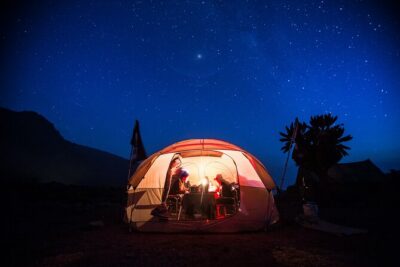
8-Day Small-group Lemosho Kilimanjaro Summit Trekking
Read our review →
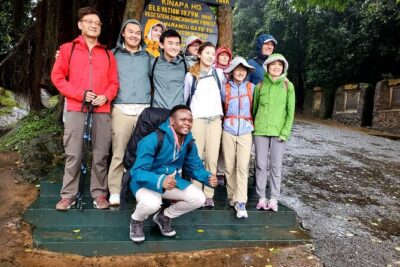
Private Full Day Hiking Experience to Marangu Route
Read our review →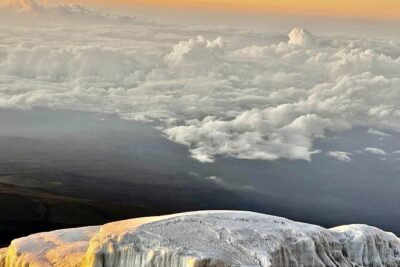
From Arusha/Moshi: Kilimanjaro Hike Marangu Route Day Trip
Read our review →
4 days Best experience Kilimanjaro Hike, Serengeti &Ngorongoro
Read our review →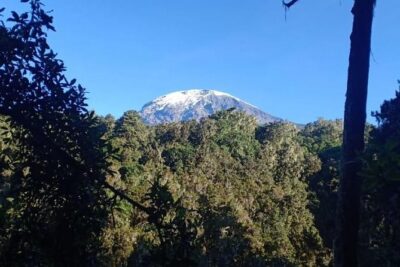
Best Kilimanjaro hiking day trip tour with Kilinge Adventures
Read our review →Browse the lists this tour appears in