
Reviewed · WILDEBEEST MIGRATION SAFARIS
PRIVATE Wildebeest Calving Safari, Tanzania, January to March
Calves, predators, and endless plains await. This eight-day private safari follows Tanzania’s wildebeest calving season from January through March, linking Tarangire National Park, Lake Manyara, the Serengeti, the Ndutu area, and Ngorongoro Crater. The small group limit of six means your 4×4 should feel more personal than a large coach tour.
I like the excellent mix of parks and the chance to spend a full day in Ndutu when wildebeest births and predator activity are at their best. I also like the practical setup: airport transfers, full-board safari accommodation, a viewing-roof vehicle, bottled water, and a bush lunch are included. The main drawback is the amount of road time. Several days are built around long drives, and international and domestic flights are extra.
The safari team includes guides named Martin, Marko, and Kileo. Marko is praised for careful driving and sharp animal spotting, while Kileo is noted for making the vehicle experience memorable. Still, no safari can promise a rhino, leopard, or newborn calf sighting, so you should book this for the overall wildlife experience, not one guaranteed photograph.
In This Review
- Key points to know before booking
- Why the January to March timing matters
- Day 1: Kilimanjaro Airport and an overnight in Moshi
- Day 2: Lake Manyara’s forest, lake, and escarpment
- Day 3: The road to Serengeti National Park
- Day 4: A full day among Serengeti herds and predators
- Day 5: From the Serengeti to the Ngorongoro Conservation Area
- Day 6: Ndutu and the heart of calving season
- Day 7: Ngorongoro Crater and the return to Moshi
- Day 8: A quiet morning before your flight
- What the $2,400.40 price really covers
- Guides, vehicle comfort, and the small-group setup
- Who should choose this safari
- Should you book the Wildebeest Calving Safari?
- FAQ
- When does this safari operate?
- How long is the safari?
- What parks and areas are included?
- How many people can join the safari?
- Are meals and airport transfers included?
- Are the Maasai village visit and Olduvai Gorge included?
Key points to know before booking
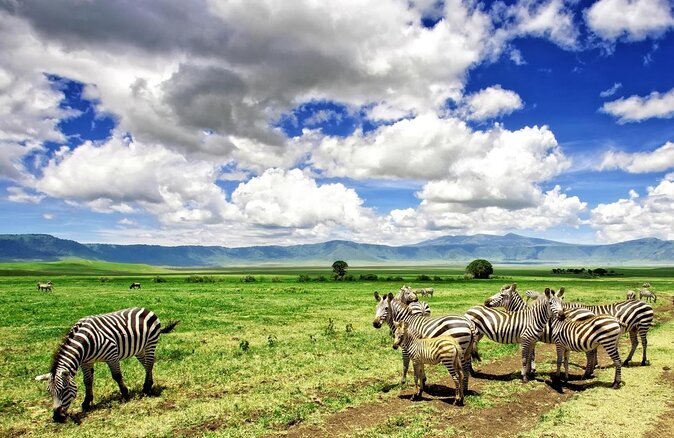
- January to March is calving season: The Ndutu plains are the main reason to choose this departure window, with wildebeest and zebra, newborn calves, lions, cheetahs, and other predators nearby.
- Six-person maximum: A small group gives you more room in the 4×4 and makes it easier to share viewing angles at animal sightings.
- Five major wildlife areas: Tarangire, Lake Manyara, Serengeti, Ndutu, and Ngorongoro Crater each offer a different setting and style of game viewing.
- Long overland transfers: The route covers a lot of ground, especially between Lake Manyara, Serengeti, Ngorongoro, and Moshi.
- Full board is included: Breakfast, lunch, and dinner are covered during the safari, along with bottled water in the vehicle and one bush lunch.
- Extra costs need planning: Visas, insurance, international flights, optional Maasai village and Olduvai Gorge visits, drinks, and some excursions are not included.
Why the January to March timing matters
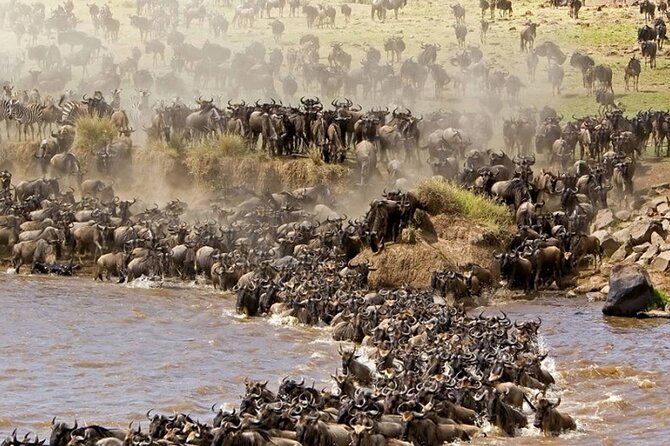
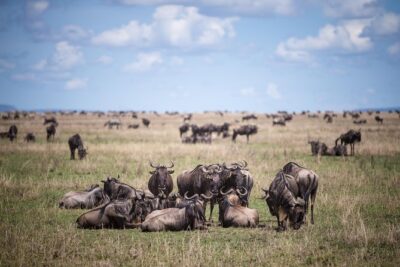
The great wildebeest migration is not one single event in one fixed place. It moves through a broad ecosystem, and from December to April, large herds are normally found on the short-grass plains around southern Serengeti and Ndutu.
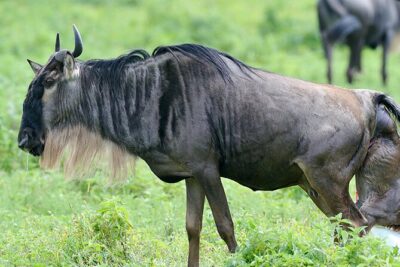
That makes this safari quite different from a general northern Tanzania circuit. The focus is not only on seeing large herds. It is on the life-and-death drama that follows them. Wildebeest calves can be born in large numbers, and the open plains attract lions, cheetahs, hyenas, and other predators.
You might see a calf running soon after birth, but nature does not run on a tour schedule. Weather, animal movement, park conditions, and the patience of your guide all matter. The strongest reason to choose this trip is the chance to spend meaningful time in the calving zone, rather than simply passing through it.
The January to March period can also bring a busy wildlife scene. That is good for sightings, but it may mean more safari vehicles gathering around a dramatic event. A small private vehicle helps, though it cannot remove the realities of a popular wildlife area.
More migration safaris:
- 8 Days Great Wildebeest Calving Migration Safari from Arusha
★ 5.0 · 254 reviews - 10-Day Serengeti Wildebeest Migration Safari from Arusha
★ 5.0 · 218 reviews - 8 Day Spectacular Migration Serengeti mid -Range Tanzania Safari
★ 5.0 · 161 reviews
Day 1: Kilimanjaro Airport and an overnight in Moshi
Your arrival time is to be advised, and the itinerary begins with a transfer from Kilimanjaro Airport to Moshi. You spend the night at Springlands Hotel, with dinner included.
This first night is useful rather than glamorous. It gives you a place to sleep before the early safari rhythm begins and keeps your arrival separate from the long drive to the parks. The tour lists a 7:00 am start time, so you should arrive ready for an early morning.
One point needs attention before you pay: the tour is listed from Arusha, but the arrival and departure arrangements use Kilimanjaro Airport and Moshi. Ask the operator to confirm the exact pickup point, airport timing, and final transfer plan. The included airport transfers are valuable, but the details should be clear before your flights are booked.
Day 2: Lake Manyara’s forest, lake, and escarpment
The safari heads to Lake Manyara National Park in the morning. The park sits below the steep Rift Valley escarpment and packs several habitats into a relatively small area: groundwater forest, acacia woodland, open grassland, swamp, a fan delta, and the lake itself.
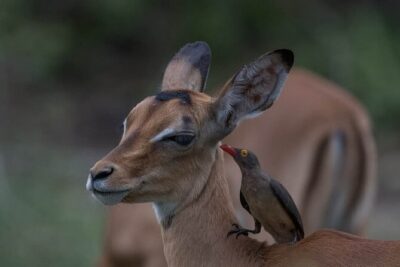
That variety explains why Manyara can feel so different from the open Serengeti. You may look for elephants near the lake, buffalo in the grass, giraffes among the trees, and hippos in or near the water. Impala, bushbuck, waterbuck, baboons, blue monkeys, olive baboons, and velvet monkeys add movement to the day.
Lake Manyara is also associated with tree-climbing lions. The sight is never guaranteed, but the possibility gives the park an extra sense of anticipation. The forest setting can make animal spotting more difficult than on open plains, so this is a day when a good guide matters.
The drawback is the schedule. The itinerary allows about eight hours for the stop, but the wider route includes driving, park entry, and game viewing. You will see a great deal, yet this is not a slow, private stay beside one waterhole. Think of Manyara as a varied opening chapter before the larger Serengeti section.
Day 3: The road to Serengeti National Park
After breakfast, you drive toward the Serengeti. The name comes from the Maasai language and means endless plain, a fitting description once the road opens into broad grassland.
The drive is part of the experience, but it is also one of the trip’s hardest sections. The day is listed at about eight hours, and road conditions and wildlife stops can affect the timing. You should be comfortable spending much of the day in a safari vehicle.
There are two optional additions on this route. A Maasai village visit can add a cultural element, while Olduvai Gorge and its museum connect the region with early human history. Neither is included in the price, so ask for the current cost and how much extra time each one requires.
I would not add both automatically. If wildlife is your clear priority, reaching the Serengeti earlier may be more useful. If you want cultural and archaeological context, one of these stops could make the transfer day more meaningful.
A few more options to weigh up in Arusha
- Balloon Safari & Bush Breakfast in Serengeti – Miracle Experience
★ 5.0 · 1,646 reviews - Tanzania Classic – 7 Days
★ 5.0 · 1,151 reviews - 4 Days Group Camping Safari
★ 5.0 · 1,101 reviews - 5 Days Group Camping Safari
★ 5.0 · 730 reviews
Day 4: A full day among Serengeti herds and predators
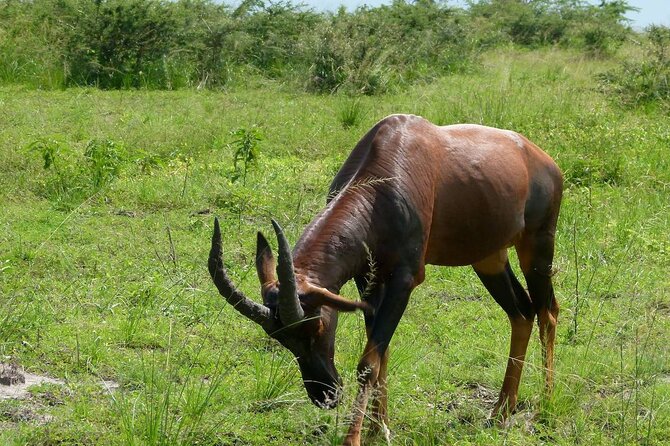
A full day in Serengeti National Park is one of the strongest parts of the plan. Instead of entering the park and quickly moving on, you have time to search the plains for wildebeest, zebra, antelope, lions, and cheetahs.
The scenery changes across the park. Southern areas are known for open short grass, the center has acacia trees and scattered rocky kopjes, the north is hillier and more wooded, and the west includes woodland and dark clay plains. These changes affect the animals you see and the way you look for them.
Kopjes are especially useful reference points. Lions may rest around the rocks, while cheetahs can be found on more open ground. Your driver and guide will be central to the day, not simply because they drive, but because they help read tracks, animal behavior, and the positions of other vehicles.
The included bush lunch adds a memorable break from lodge dining. The practical benefit is that you do not need to leave the park for a midday meal, giving you more time in the field. Bottled water in the vehicle is also included, a small detail that matters during long game drives.
Day 5: From the Serengeti to the Ngorongoro Conservation Area
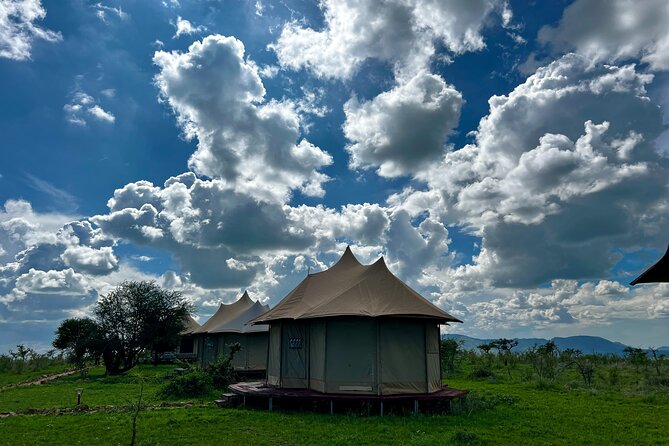
Day five begins with a morning game drive in the Serengeti before the transfer toward the Ngorongoro Conservation Area. This gives you one more chance to see the plains in the cooler morning hours, when animals may be active.
The route then shifts toward the southern Serengeti ecosystem and the Ndutu region. From December through April, this is usually the key area for the migration’s short-grass plains. Elephants, birds, and resident wildlife are also part of the picture, so the day is not limited to wildebeest.
The itinerary includes an afternoon game drive after lodge check-in. That is a good design choice. You are not using the entire day only for transport, and you get an early look at the area where you will spend the following full day.
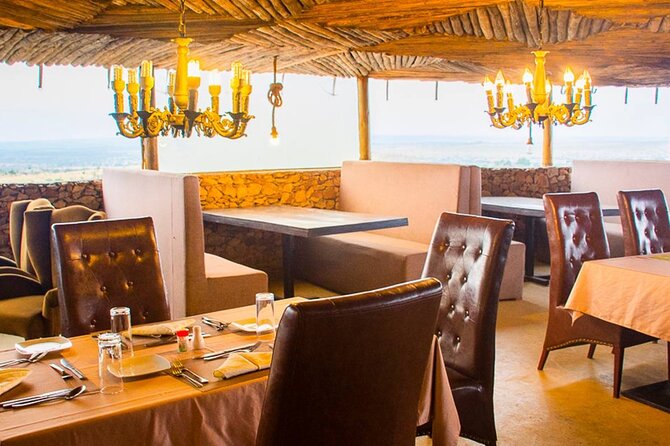
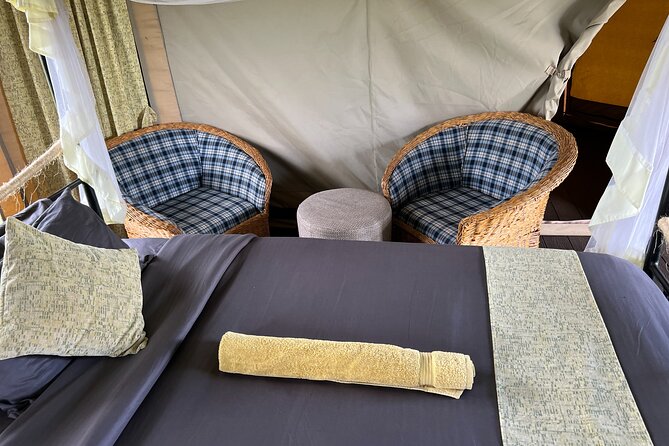
Still, this is another demanding day on the road. Accommodation is described as full board, but the specific lodges and room standards are not given. Ask where you will stay in the Serengeti and Ndutu area, particularly if comfort, power supply, Wi-Fi, or tented accommodation matters to you.
Day 6: Ndutu and the heart of calving season
This is the day that gives the safari its name. You spend a full day in Ndutu, exploring swamps, woodland, soda lakes, and the short-grass plains where large herds gather.
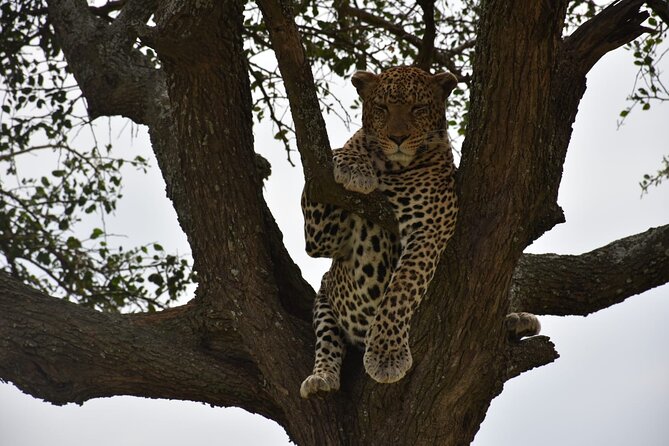
The mixture of habitats makes the day more than a search for wildebeest. Marshes and lakes can attract birdlife, while wooded ridges may hide animals until your guide spots movement. Lions have resident prides in the area, and cheetahs are often associated with the open plains.
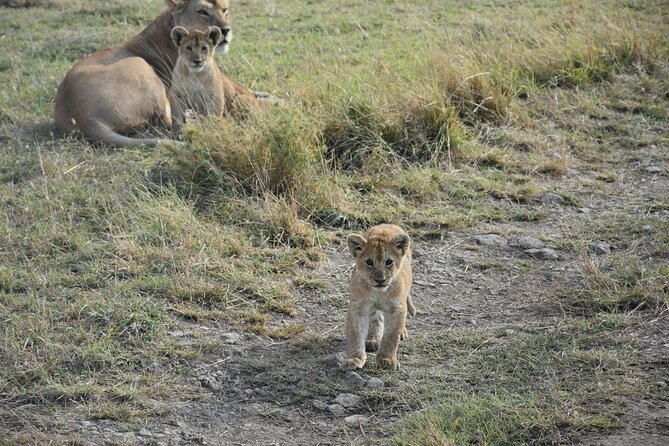
During calving season, you might see newborn wildebeest, zebra herds, and the predators that follow them. The timing can offer some of Tanzania’s most intense wildlife viewing, but it can also be emotional and raw. You may see animals resting, nursing, running, hunting, or simply trying to survive.
A full day is important here. The animals may be spread over a large area, and you need time to search without turning every sighting into a rushed photograph. Keep your expectations flexible. The most rewarding moments may be small ones, such as a calf finding its feet, a cheetah scanning the grass, or a pride of lions moving through the reeds.
Day 7: Ngorongoro Crater and the return to Moshi
You descend into Ngorongoro Crater for a game drive before returning to Moshi. The crater is about 600 meters deep, 16 kilometers across, and 265 square kilometers in area. Those figures help explain why the descent feels so dramatic.
The crater floor supports a large concentration of animals, including lions, cheetahs, elephants, buffalo, zebra, eland, and gazelle. It is also one of the better places on this route to look for black rhinos, though sightings are never assured.
Makat Soda Lake can attract flamingos and other birds. The contrast between the steep crater walls and the open floor gives this day a different feel from the Serengeti. In the Serengeti, you search across broad plains. In the crater, the enclosing walls make the animal-rich area feel more contained.
The caution is timing. After the crater game drive, you return to Moshi, making this a long day with substantial driving. You should not plan an important evening activity immediately afterward. The overnight at Springlands Hotel provides a sensible buffer before your flight home.
Day 8: A quiet morning before your flight
The final morning is at leisure before the transfer to Kilimanjaro Airport. If your flight leaves in the evening, optional add-on day trips may be available through the operator.
This flexible morning is welcome after several early starts. It also means the tour does not force you into another full game drive on departure day. Confirm the transfer time carefully, especially if your flight is international.
Domestic flights can also be arranged, including service from a Serengeti airstrip to Kilimanjaro Airport or Zanzibar Airport. These flights are not included, but they could reduce the amount of overland driving if added to a revised itinerary.
What the $2,400.40 price really covers
At $2,400.40 per person, the cost is not just a seat in a vehicle. It includes transport in a 4×4 with a viewing roof, a qualified driver-guide, park-related fees and taxes, airport transfers, full-board accommodation during the safari, bottled water, a bush lunch, and 24-hour support from the Moshi office.
That is a solid package for an eight-day northern Tanzania route, especially with a maximum of six people. The value improves if you use the included meals and spend most of your time on the planned game drives.
You still need to budget for a Tanzanian entry visa, travel and health insurance, international flights, optional cultural or archaeological visits, drinks and meals not listed, and any domestic flights. These extras can change the final cost considerably.
The price is most attractive for someone who wants a managed safari with transport, accommodation, food, and support arranged in advance. It is less attractive if you want a very high-end lodge selection, a completely private vehicle for only two people, or a short itinerary with minimal road time. The group limit is six, but the vehicle is not described as exclusively private to one booking, so confirm that point if it matters to you.
Guides, vehicle comfort, and the small-group setup
The 4×4 viewing roof is essential for safari. It gives you a better upward and outward view than a standard vehicle and helps when animals are in tall grass or near trees. The most important equipment, though, is still the guide’s ability to drive patiently and spot animals.
The named guides include Martin, Marko, and Kileo. Marko is praised for careful driving and finding wildlife, while Kileo is associated with strong service during the safari. Patrick is identified as a travel designer who helped with scheduling. These details suggest a team that pays attention to both the road and the organization behind it.
The small group limit of six should make it easier to take photographs, ask questions, and move between viewing positions. Even so, six people can have different priorities. Set expectations early about time at sightings, photography stops, and whether everyone is comfortable waiting quietly for an animal to appear.
The itinerary lists a 7:00 am start. Early mornings are normal on safari because wildlife activity can be strongest before the day grows hot. Pack clothing that works in layers, but the supplied information does not specify a packing list, vehicle charging setup, or luggage limit, so ask the operator before departure.
Who should choose this safari
You should consider this experience if you want:
- A first safari that covers several famous northern Tanzania parks
- A strong chance of seeing migration herds during the January to March calving period
- A group no larger than six
- Full-board planning with airport transfers included
- A guide-led trip rather than arranging every road transfer yourself
- A combination of wildlife, scenery, and optional cultural or archaeological stops
You may want a different plan if you dislike long drives, need guaranteed luxury accommodation, or have limited energy for several consecutive eight-hour safari days. Families can find the variety appealing, and the direct praise for careful driving and animal spotting is encouraging, but the long transfers may test younger children.
This is also a good match for photographers who value time in the field. It is not a specialist photography safari, though, and the schedule includes major transfers. Anyone seeking a slower trip should ask about replacing some road sections with domestic flights.
Should you book the Wildebeest Calving Safari?
I would book it if the January to March calving season is your main goal and you want a broad northern Tanzania route at a packaged price. The full day in Ndutu, the full Serengeti day, and the six-person limit give the trip a strong wildlife focus.
I would pause before booking if the price is close to your maximum budget. Add flights, visas, insurance, optional stops, drinks, and possible domestic air travel before comparing it with other safaris. Also confirm the exact lodges, airport arrangements, and whether your booking shares the 4×4 with other people.
The experience suits you best if you accept early starts and long drives in exchange for genuine time in major wildlife areas. If newborn wildebeest, cheetahs on open plains, crater rhinos, and elephant herds sound worth the road miles, this is a well-targeted safari. Its non-refundable policy means you should settle those practical questions before paying.
FAQ
When does this safari operate?
The safari is designed for January through March, during the wildebeest calving period in the southern Serengeti and Ndutu area.
How long is the safari?
The experience lasts approximately eight days, from arrival near Kilimanjaro Airport and an overnight in Moshi to the final airport transfer on day eight.
What parks and areas are included?
The route includes Lake Manyara National Park, Serengeti National Park, the Ngorongoro Conservation Area, the Ndutu area, and Ngorongoro Crater. Tarangire National Park is described in the tour overview, but it is not included as a scheduled stop in the day-by-day itinerary, so confirm this before booking.
How many people can join the safari?
The activity has a maximum of six people.
Are meals and airport transfers included?
Yes. Airport transfers, breakfast, lunch, and dinner during the safari are included, along with bottled water in the safari vehicle and a bush lunch in the Serengeti.
Are the Maasai village visit and Olduvai Gorge included?
No. The Maasai village visit and Olduvai Gorge tour are optional extras and are not included in the stated price. International flights, visas, insurance, domestic flights, drinks, and meals or excursions not described are also excluded.
Just added in Arusha
- Safari “Kifaru” – 5 days in the most famous Parks in the world★ 5.0 · 4 reviews
- Saadani Day Trip★ 5.0 · 13 reviews
- 3 Days Tanzania Short and Spicy★ 5.0 · 6 reviews
- 5 Day Tanzania Safari Camping Adventure Private Tour★ 5.0 · 2 reviews
- Day Trip to Ngorongoro Crater from Arusha★ 5.0 · 1 review
- SERENGETI NATIONAL PARK Tour★ 4.5 · 5 reviews
- 3 Days Serengeti Park & Ngorongoro Crater Adventure Safari★ 5.0 · 8 reviews
- 6 Days Tanzania Bush Experience Safari★ 5.0 · 6 reviews
Wildebeest Migration Safaris, compared.
8 Days Great Wildebeest Calving Migration Safari from Arusha
Read our review →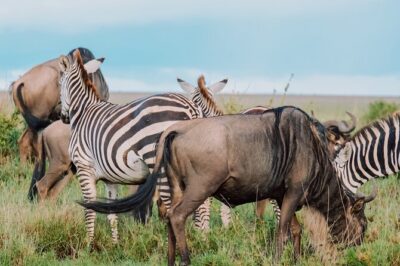
10-Day Serengeti Wildebeest Migration Safari from Arusha
Read our review →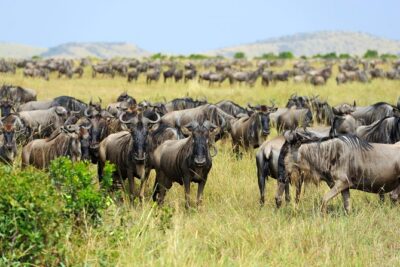
8 Day Spectacular Migration Serengeti mid -Range Tanzania Safari
Read our review →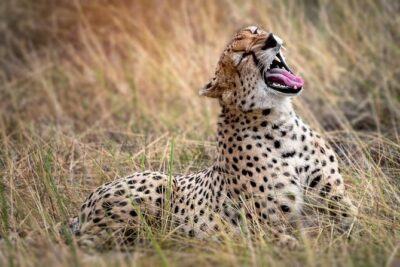
9-Day Serengeti Migration Footsteps Tanzania Safari
Read our review →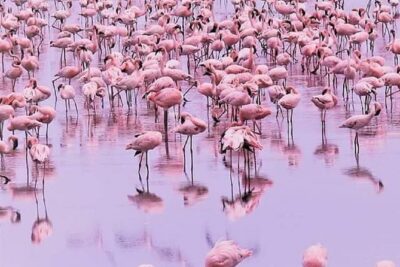
Private 6-Day Great Migration Ndutu Serengeti Safari Tour
Read our review →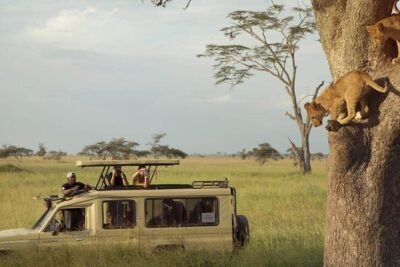
4 Day Great Migration Safari Serengeti & Ngorongoro Crater
Read our review →Browse the lists this tour appears in