
Reviewed · WALKING TOURS
Spice Walking Tour
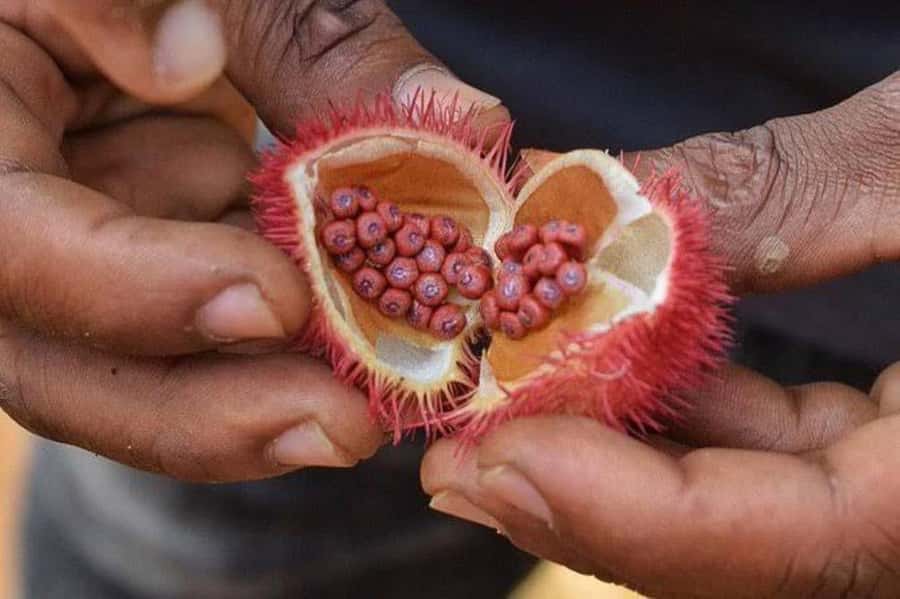
Spices tell Zanzibar’s story one scent at a time. This two-hour private walk in the Unguja South Region takes you into a spice plantation, where you can see, smell, and taste crops such as clove, vanilla, cinnamon, turmeric, and black pepper. I like the direct contact with the plants, and I like that the tour connects spices with medicine and cosmetics. The main consideration is the price: at $95 per person, it is not a quick, low-cost stroll, especially since food and drinks are not included.
The included hotel pickup and drop-off make the experience easy to fit into a day of sightseeing. I also appreciate the chance to sample tropical fruit rather than simply walk past the plants. The tour is only two hours, so you get a focused introduction rather than a full-day farm visit.
At the end, a performer known as the human butterfly climbs a coconut tree and sings Hakuna Matata. It is a playful finish, but you should book this tour mainly for the plantation walk and plant education, not for a long cultural program.
In This Review
- Key points at a glance
- What the two-hour spice walk is really about
- From cinnamon bark to vanilla pods
- Medicine, cosmetics, and everyday uses
- The human butterfly and the coconut finale
- What $95 per person includes
- Pickup, timing, and guide languages
- Who will enjoy this plantation visit
- Booking advice and cancellation flexibility
- Should you book the Spice Walking Tour?
- FAQ
- Where does the Spice Walking Tour take place?
- How long does the tour last?
- How much does the tour cost?
- Is hotel transportation included?
- Which spices can you see on the tour?
- Can you taste anything during the experience?
- Which languages are available for the guide?
- Can you cancel the tour for a refund?
Key points at a glance
- See spices growing in the soil: The walk introduces the plants themselves, including cinnamon, cardamom, black pepper, chili, vanilla, lemongrass, turmeric, and clove.
- Use more than one sense: You can smell and taste selected spices and tropical fruits instead of only hearing about them.
- Connect plants with daily life: The guide explains uses related to medicine and cosmetics.
- Keep the outing simple: Hotel pickup, hotel drop-off, admission, a guide, and tropical fruit are included.
- Choose a private experience: The activity is arranged for a private group, with a live guide available in English, French, German, or Italian.
- Finish with coconut-tree entertainment: The human butterfly climbs to the top of a coconut tree and sings Hakuna Matata.
What the two-hour spice walk is really about
This is a short plantation visit built around observation and participation. You walk toward and through a spice-growing area, stopping to examine plants and learn how they grow in Zanzibar. The appeal is simple: spices that usually arrive in small jars at home become living plants with leaves, bark, roots, pods, or fruit.
I like this format because it suits travelers who want a clear introduction without giving up half a day. Two hours leaves room for other Zanzibar plans, such as a beach afternoon or a town visit. The trade-off is that the experience cannot cover every crop in depth. You will get a useful sample of the plantation rather than a long agricultural lesson.
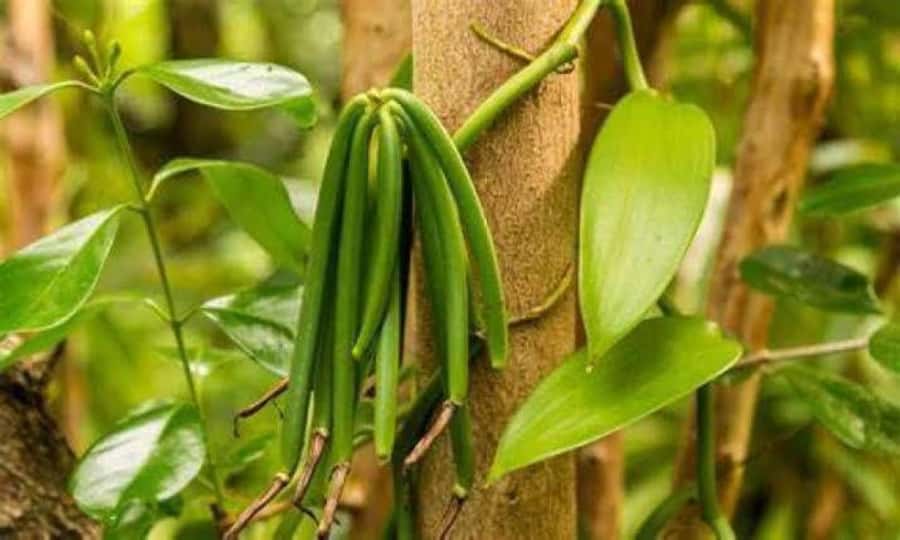
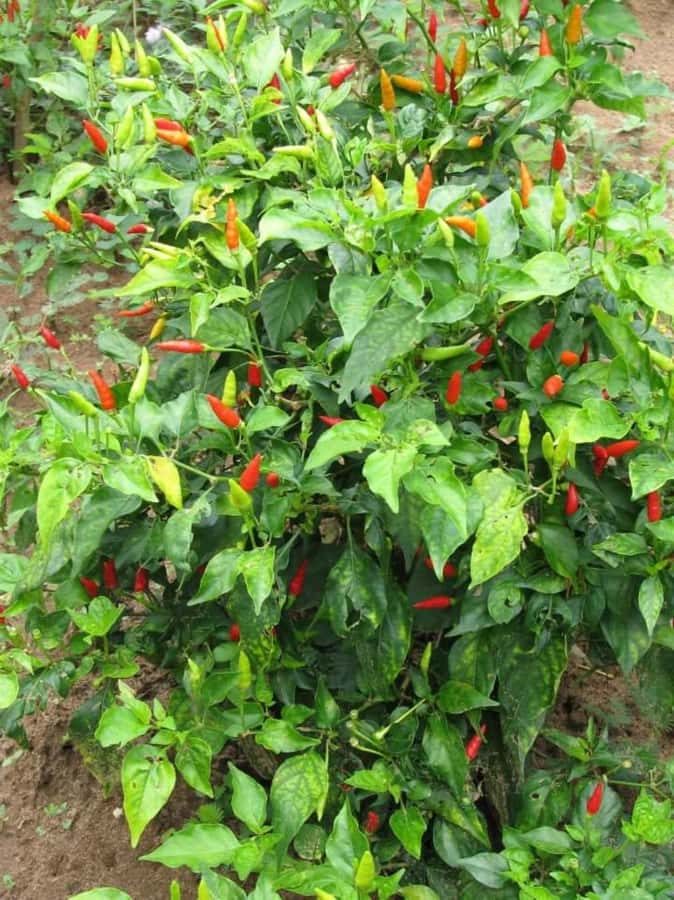
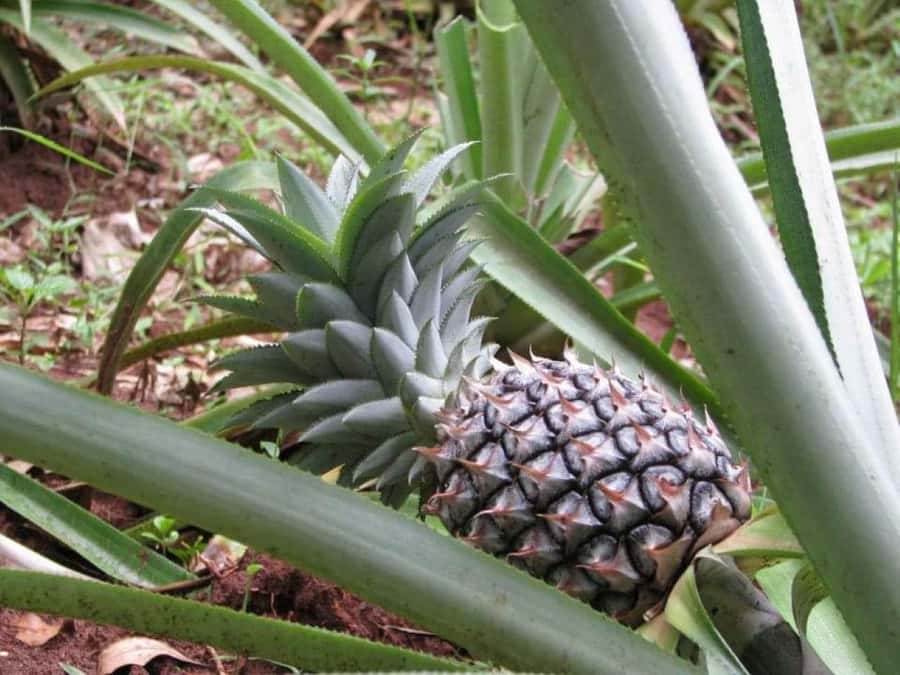
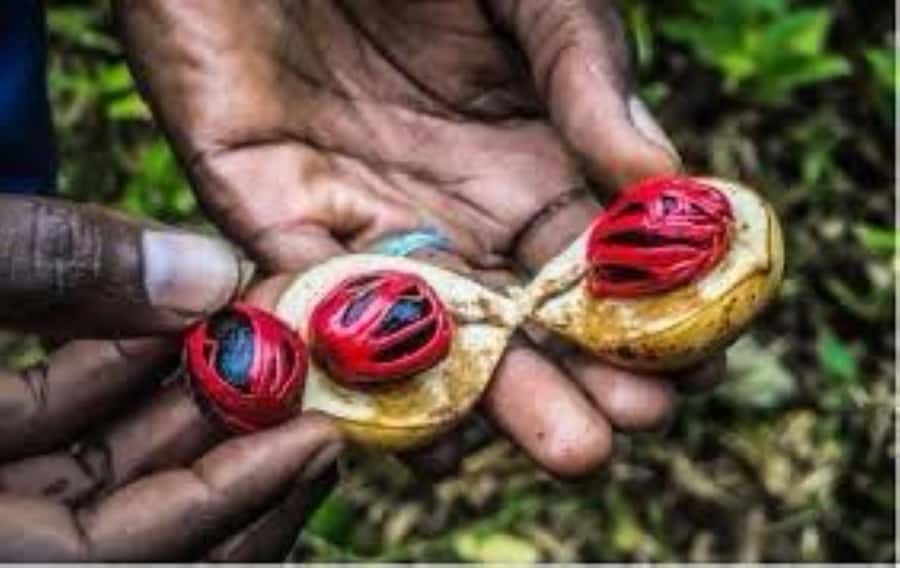
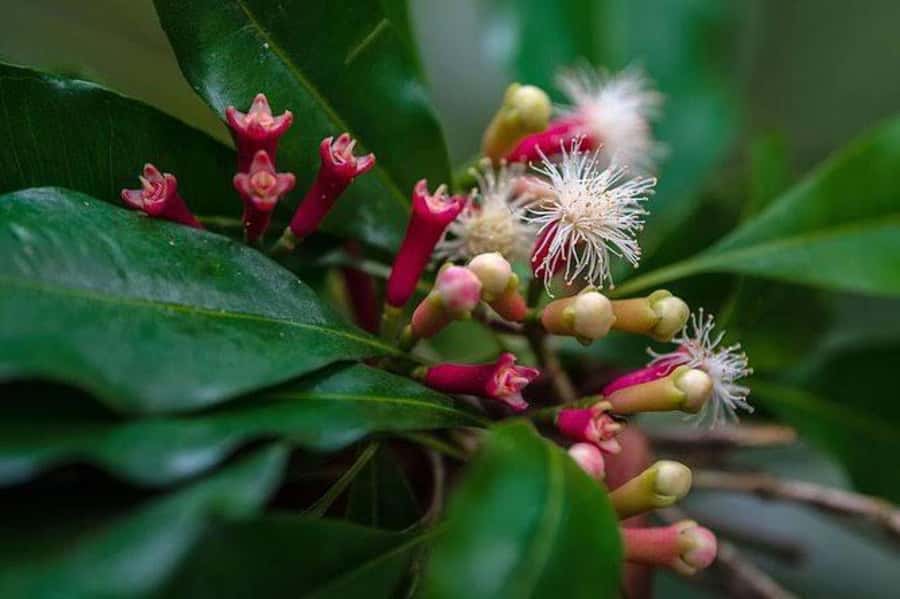
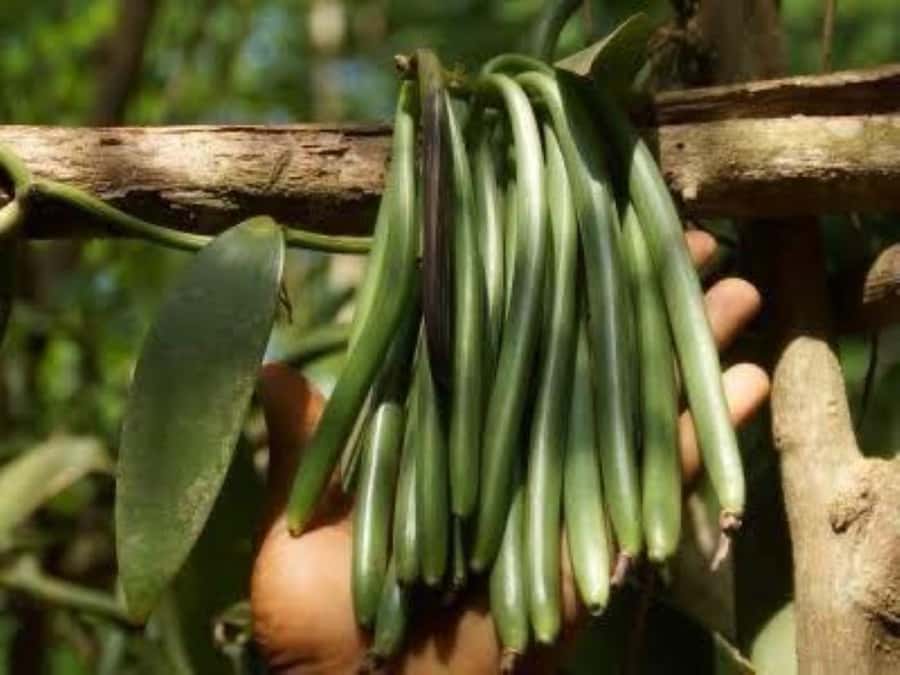
The tour description specifically names cinnamon, cardamom, black pepper, chili, vanilla, lemongrass, turmeric, and clove. That list gives you a good sense of the range. Some are familiar from cooking, while others are easier to recognize after you have seen the plant and handled the spice.
More Walking Tours in Zanzibar
- Stone Town Private Walking Tour
★ 5.0 · 371 reviews - Zanzibar: 3 Hours Private Stone Town walking Tour with Guide
★ 4.6 · 301 reviews - Zanzibar: Stone Town Historical Cultural Walking Guided Tour
★ 4.5 · 179 reviews
From cinnamon bark to vanilla pods
The most useful part of the walk is the chance to observe where spices come from. Cinnamon is not simply a brown powder. At the plantation, you can learn to associate it with the plant and its bark. Vanilla, likewise, becomes more than a flavoring used in desserts.
Black pepper, cardamom, chili, lemongrass, turmeric, and clove add different smells and textures to the walk. The experience invites you to test selected spices, which makes the information easier to remember. A scent can stay with you longer than a list of facts.
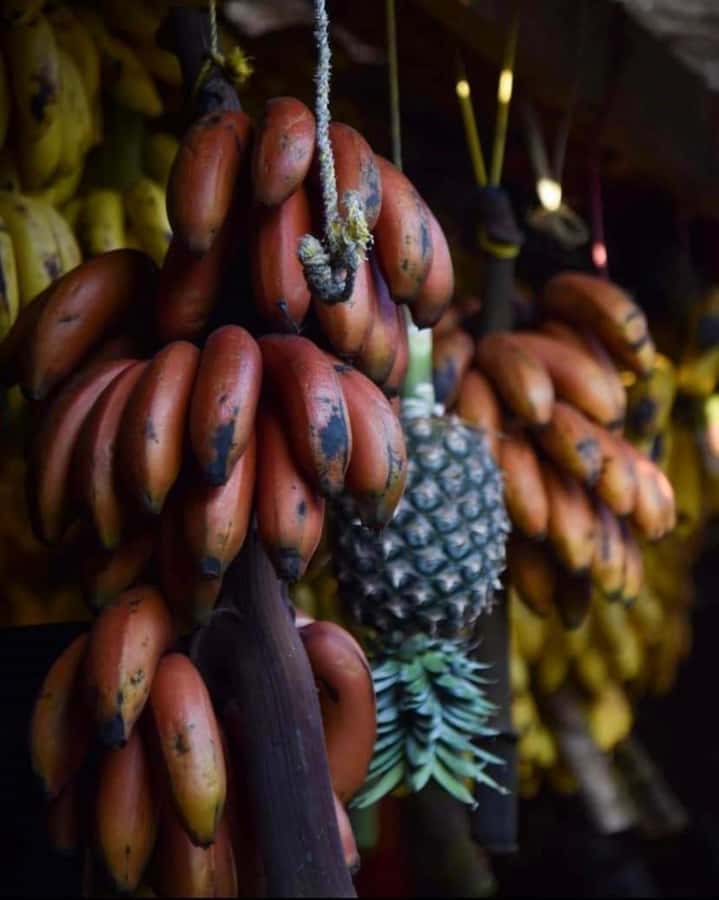
The tour also includes tropical fruit. That is a welcome addition because it breaks up the spice tasting and gives you another way to experience the plantation. The exact fruits are not specified, so you should treat this as a seasonal tasting rather than expect a fixed menu.
Do not expect a meal. Food and drinks are excluded, and personal purchases or other personal needs are also your responsibility. If you need more than the included tropical fruit, plan accordingly before or after the activity.
Medicine, cosmetics, and everyday uses
The walk is not limited to cooking. One of its stated aims is to explain the use of plants in medicine and cosmetics. That adds practical value, especially if you are curious about how these crops fit into daily life beyond the kitchen.
The guide can help you connect the raw plant with the finished product. You may encounter spices as ingredients, scents, or traditional household materials. The supplied information does not specify particular remedies or cosmetic products, so you should view this part as general education rather than medical advice.
That distinction matters. Plant-based uses can be interesting and culturally important, but the tour is not presented as a medical consultation. Listen carefully, ask questions, and avoid treating casual information as a substitute for professional guidance.
For me, this is where a guide earns the admission fee. A plantation can be pleasant to look at, but explanation gives the plants meaning. Since the tour is private, you can ask for clarification or spend a little more time on the spices that interest you most, within the two-hour schedule.
The human butterfly and the coconut finale
Near the end, you get a distinctly theatrical moment. The human butterfly climbs to the top of a coconut tree and sings Hakuna Matata. It is a light, memorable way to close the visit, particularly for families or anyone who enjoys a bit of performance with a sightseeing stop.
It is also the part to place in perspective. This is entertainment, not the main educational feature. If your interest lies in botany, farming, or cooking, the plantation walk will matter more. If you enjoy a fun photo opportunity and a cheerful ending, the coconut-tree performance adds character.
The description does not provide details about how long the performance lasts or whether there are other demonstrations. I would therefore avoid building your entire decision around it. Think of it as a short finale attached to the spice experience.
A different kind of day out entirely:
- From Zanzibar: Mikumi Safari Day Trip with Flights and Meal
★ 4.7 · 1,470 reviews - Zanzibar: Quad Bike Adventure departing from Kendwa or Nungwi
★ 4.9 · 1,233 reviews - Zanzibar: Stone Town, Spice Tour, Prison Island with Lunch
★ 4.4 · 1,219 reviews - From Zanzibar: Day Selous Game Reserve Safari with Flights
★ 4.7 · 1,025 reviews
What $95 per person includes
The $95 price includes several practical items:
- Hotel pickup
- Hotel drop-off
- Plantation admission
- A live tour guide
- Tropical fruits
- A private group format
That package can offer fair value if you place a high price on door-to-door transport and personal guiding. You do not need to arrange separate admission or find your own way to the plantation. The private format also gives the outing a more personal feel than a large shared group, although the exact group size is not stated.
The price is harder to justify if you are comparing the tour with a simple local walk or if you already have transport arranged. Since the activity lasts two hours and excludes food and drinks, you are paying chiefly for convenience, access, a guide, and a private experience.
I would compare the cost with your full-day plans. If this is your only organized activity in the area, the included transfers make it easier to manage. If you are booking several private tours, the total can rise quickly. Ask yourself if the plant explanations and hassle-free transport are worth more to you than a basic plantation visit.
Pickup, timing, and guide languages
Pickup is included from your point, where the guide or driver will meet you using your name. That is helpful in Zanzibar, where a planned meeting point can remove needless confusion. The information does not provide exact pickup times, so you need to check availability for the start times offered on your chosen date.
The tour lasts two hours. That makes it a useful morning or afternoon activity, but you should leave room around the scheduled start and finish for the vehicle transfer. The duration refers to the activity itself, and the total time from your hotel may be longer.
A live guide is available in English, French, German, or Italian. Select the language that lets you ask detailed questions about the plants and their uses. This matters more than it might on a simple sightseeing stop because much of the value comes through explanation.
The provider is ALSA TRAVEL & TOURS. The booking information describes the experience as a private group, but it does not give a specific maximum number of people. If group size is important to you, confirm that before paying.
Who will enjoy this plantation visit
I would recommend the tour to you if you enjoy food, scents, plants, and hands-on sightseeing. It also suits first-time visitors who want a short introduction to Zanzibar’s spice-growing traditions without committing to a long excursion.
Families may like the tasting element and the human butterfly performance. The two-hour schedule is also easier for children than a full-day tour, though the information does not specify age limits or child pricing.
Couples and small private groups can benefit from the flexible feel of a private guide. You can focus your questions on cooking, plant uses, or the crops that interest you most. People with a strong botanical background may find the basic introduction too brief, especially if they want detailed farming methods or a large number of plant species.
This is not the best choice if you want a full meal, a long cultural program, or an extensive market visit. None of those are included. It is a compact spice plantation walk with tasting, explanations, transfers, and a cheerful performance.
Booking advice and cancellation flexibility
You can cancel up to 24 hours in advance for a full refund. The reserve-now-and-pay-later option also lets you hold a place without paying immediately, which is useful while you arrange the rest of your Zanzibar schedule.
Check the available starting times before you commit. Since the tour includes hotel pickup, provide the correct meeting details and make sure the guide has the name needed for identification. If you have dietary, mobility, or other personal concerns, ask the provider directly because the supplied details do not explain those arrangements.
Should you book the Spice Walking Tour?
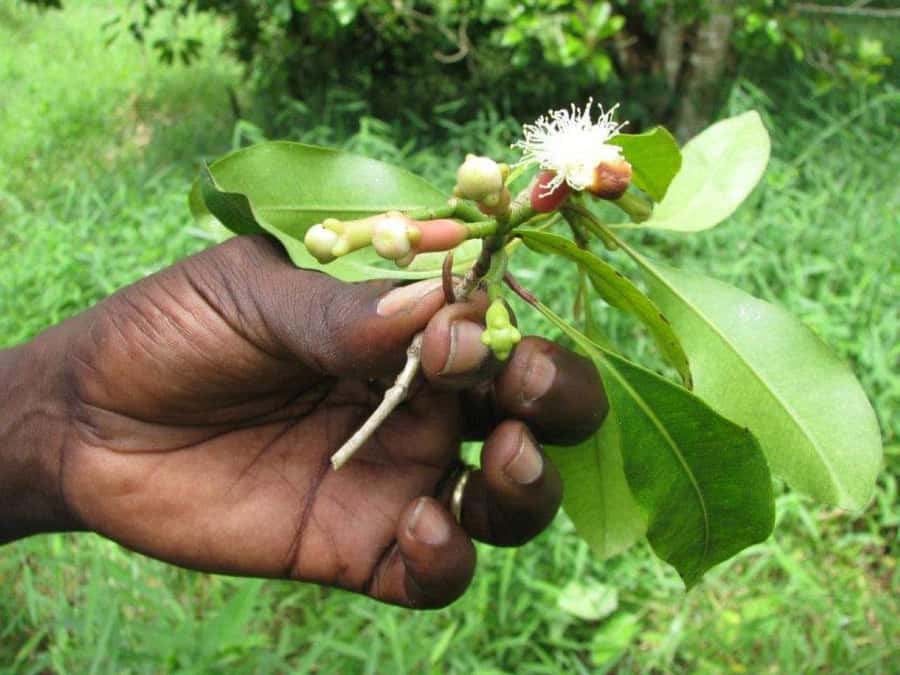
Book it if you want a convenient, private, two-hour introduction to Zanzibar’s spices, with real plants, tastings, tropical fruit, and a multilingual guide. The hotel transfers add useful value, and the connection between spices, medicine, and cosmetics gives the walk more substance than a simple photo stop.
Skip it if $95 per person feels high for a short activity, or if you want lunch, drinks, detailed agricultural training, or a longer cultural visit. For the right reader, this is an easy and entertaining way to understand the plants behind familiar flavors. Just keep your expectations focused: it is a compact plantation experience, with the coconut-tree singer as an amusing final note.
FAQ
Where does the Spice Walking Tour take place?
The tour takes place in the Unguja South Region of Tanzania, in Zanzibar.
How long does the tour last?
The walking tour lasts two hours.
How much does the tour cost?
The listed price is $95 per person.
Is hotel transportation included?
Yes. Hotel pickup and hotel drop-off are included.
Which spices can you see on the tour?
The tour may include cinnamon, cardamom, black pepper, chili, vanilla, lemongrass, turmeric, and clove.
Can you taste anything during the experience?
Yes. Tropical fruits are included, and the experience provides opportunities to smell and taste some tropical spices and fruits.
Which languages are available for the guide?
The live guide is available in English, French, German, and Italian.
Can you cancel the tour for a refund?
Yes. You can cancel up to 24 hours in advance for a full refund.
Just added in Zanzibar
- Best of Zanzibar: Spice Tour & Stone Town Visit★ 4.4 · 5 reviews
- THE GREEN TOUR: Jozani Forest & Mangrove Kayaking Experience★ 4.7 · 6 reviews
- Stone Town: Private Walking Tour in the Heart of Zanzibar.★ 5.0 · 1 review
- The rock restaurant and blue Lagoon★ 5.0 · 1 review
- Tea House, Zanzibar Coffee House, Spice Tour with Lunch★ 5.0 · 1 review
- Swimming with sea turtles in salaam cave★ 5.0 · 1 review
- Swim with Turtles at The Lagoons Zanzibar & Stone Town Tour★ 4.8 · 4 reviews
- Stonetown & Prison island Cultural Tour★ 5.0 · 2 reviews
Walking Tours, compared.
3 Hours Private Stone Town walking Tour with Guide
Read our review →
Stone Town Historical Cultural Walking Guided Tour
Read our review →

Arusha Guided Walking City Tour, Culture, Lifestyle & History
Read our review →

Browse the lists this tour appears in