
Reviewed · STONE TOWN TOURS
Zanzibar: Stone Town City Tour and Spice Farm with Lunch
Zanzibar’s strongest flavors begin in the street. This Stone Town and spice farm tour combines UNESCO-listed architecture, market life, tropical crops, and a local lunch for $32 per person, giving you a broad look at Unguja in one day. I like the mix of city and countryside, and I like that you can touch, smell, and taste spices directly from the plants.
I also appreciate the fresh coconuts, jackfruit, fish auction, and cooking activities, which make the day more than a walk past monuments. The main caution is extra cash costs and uneven timing: the $32 price does not include the $10-per-person Stone Town and spice farm entrance fee, and pickup delays have made the day much longer for some people.
In This Review
- Key points to know before you book
- Stone Town’s old streets and layered culture
- The City Market, fish auction, and tropical fruit
- Palace Museum and House of Wonders
- Why the spice farm changes the pace
- Cassava leaves, coconut milk, and fresh coconuts
- The real cost of a $32 tour
- Timing can make or break the day
- Guides, communication, and the buying pressure
- What to wear and bring
- Who will enjoy this Zanzibar tour?
- Should you book the Stone Town and spice farm tour?
- FAQ
- How much does the tour cost?
- Is hotel pickup included?
- What information is needed for pickup?
- How long does the tour take?
- Which languages are available?
- What places are visited in Stone Town?
- What happens at the spice farm?
- Is lunch included?
- Can I buy spices during the tour?
Key points to know before you book
- Stone Town packs several major sights into one walking tour, including the Old Slave Market site, Anglican Church, Palace Museum, House of Wonders, Old Fort, and Freddie Mercury’s House.
- The spice farm is hands-on, with opportunities to smell and taste cloves, nutmeg, cinnamon, and black pepper at the source.
- Fresh food is part of the experience, from young coconuts picked from the tree to jackfruit, cassava leaves, and lunch at the farm.
- The listed $32 price is not the full cost, since a $10-per-person entrance charge is paid in cash on the day.
- Pickup requires careful planning, especially if you are staying outside Stone Town. Transfers from other areas cost extra, and reported delays have affected the schedule.
- Guide quality matters, with Capuchino receiving especially warm praise for patience, kindness, and clear answers.
Stone Town’s old streets and layered culture
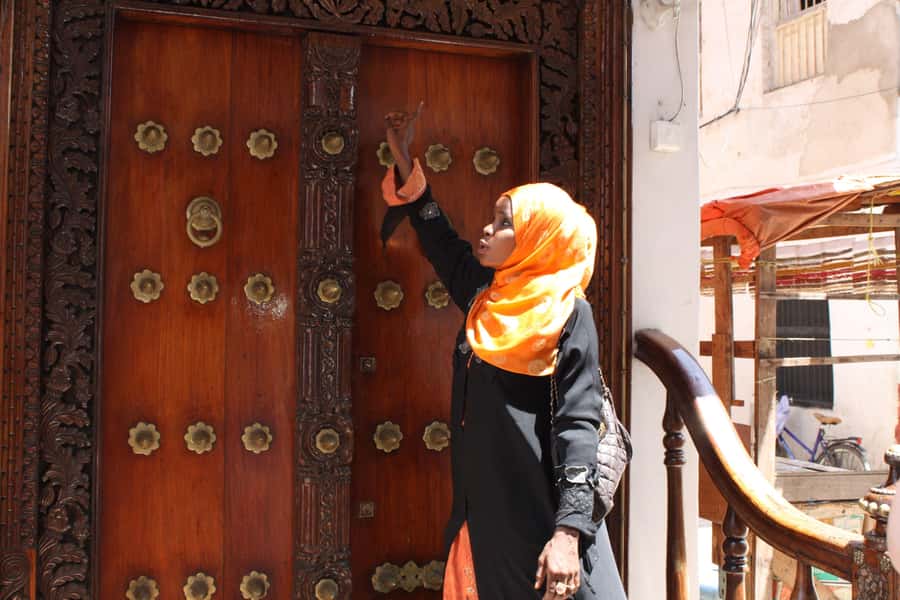
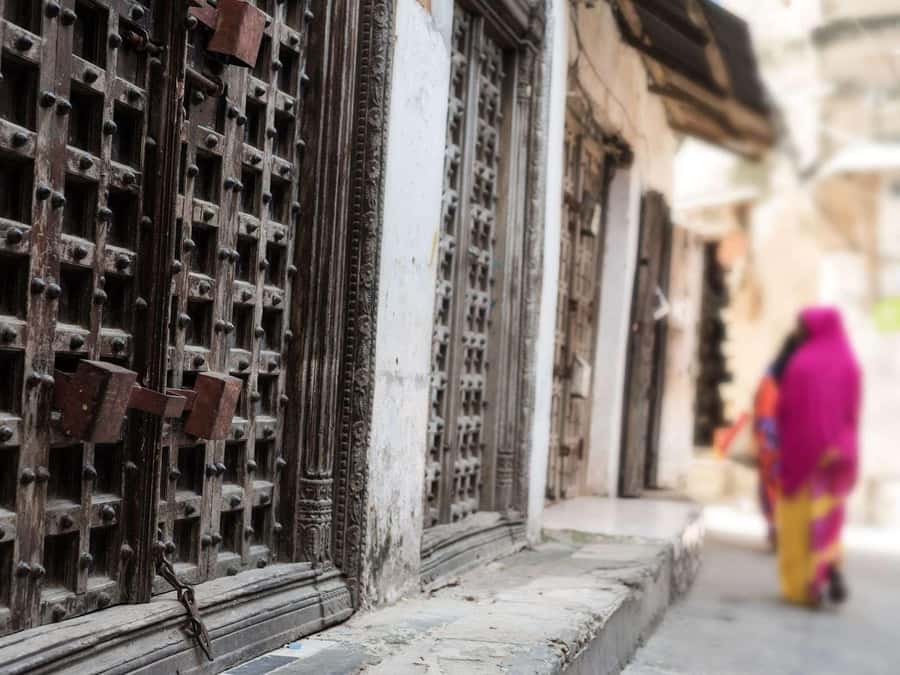
Stone Town is the right place to begin because its buildings tell Zanzibar’s story in brick, coral stone, carved doors, and narrow lanes. The town’s 19th-century architecture reflects Arab, Persian, Indian, Swahili, and European influences. That mixture is not a small footnote. It is the reason Stone Town feels unlike other East African coastal cities.
The town became a UNESCO World Heritage Site in 2000. On this tour, you see its major landmarks while walking through the old center, where the route can feel more revealing than any single museum. You move between busy commercial streets, old houses, religious buildings, and waterfront-era monuments.
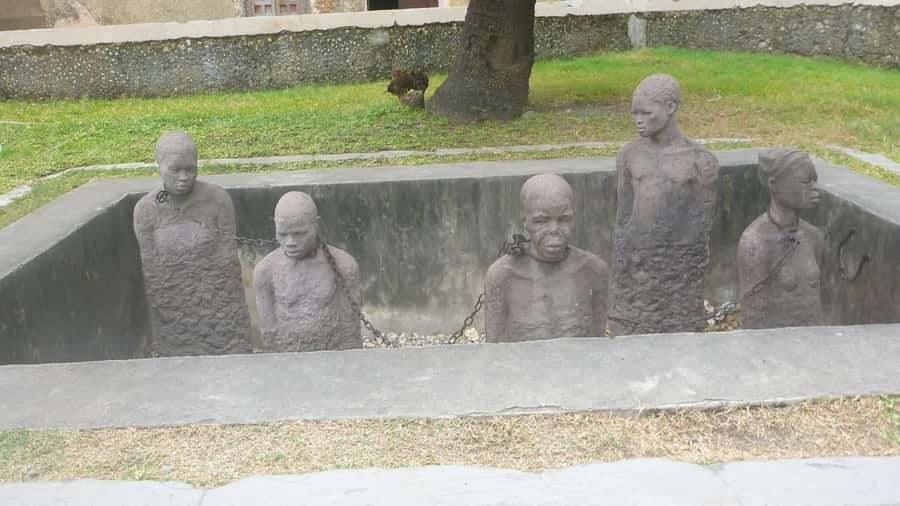
The first stop is the Old Slave Market site and the Anglican Church. This is one of the more serious parts of the day. The site connects Stone Town to the history of the East African slave trade, while the church occupies a place tied to the effort to end that trade. You should expect a reflective visit rather than a light sightseeing stop.
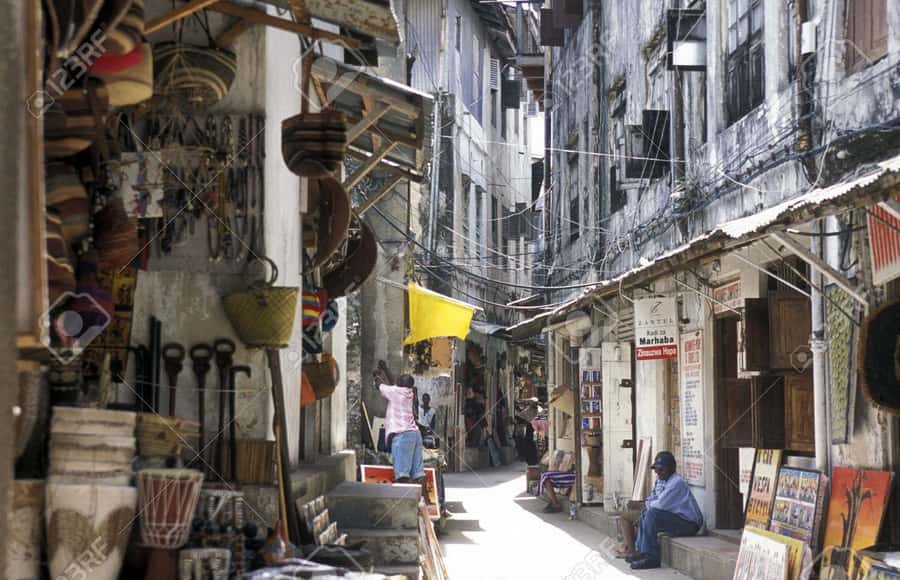
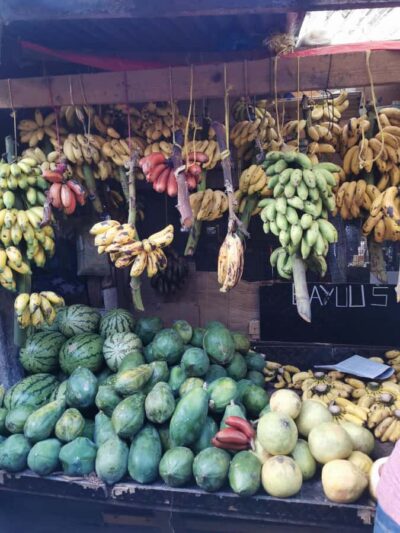
From there, the route continues through the narrow streets toward the City Market. This shift from historic buildings to daily life is one of the tour’s best features. You see fresh produce, local goods, and the constant movement of people buying and selling.
More Stone Town walking tours:
- Zanzibar: Stone Town, Spice Tour, Prison Island with Lunch
★ 4.4 · 1,219 reviews - Zanzibar: Prison Island, Stone Town, & Spice Farm Tour
★ 4.5 · 579 reviews - Zanzibar: Stone Town, Spice tour & Prison Island with Lunch
★ 4.6 · 453 reviews
The City Market, fish auction, and tropical fruit
The market is not polished for sightseeing, and that is its value. You get a look at the food economy that serves Stone Town residents rather than a staged cultural display. The fish auction is especially interesting if you enjoy seeing how local trade works.
The market can also be a strong sensory experience. Fresh produce, fish, and spices bring plenty of smells and activity, so this part may feel intense if you prefer quiet museum visits. Keep your belongings close and follow your guide through the crowded areas.
Jackfruit is one of the food highlights. It is often described as the largest fruit in the world, and you may have a chance to sample it during the day. The fruit has a distinctive sweet taste and a firm, fibrous texture. It is a small stop, but it gives the tour a useful connection to local food rather than just local buildings.
Palace Museum and House of Wonders
The sightseeing portion includes the Palace Museum and House of Wonders, also called Bait-al-ajab. The Palace Museum offers a look at Zanzibar’s royal past and the connections between the island’s ruling families and the wider Indian Ocean world.
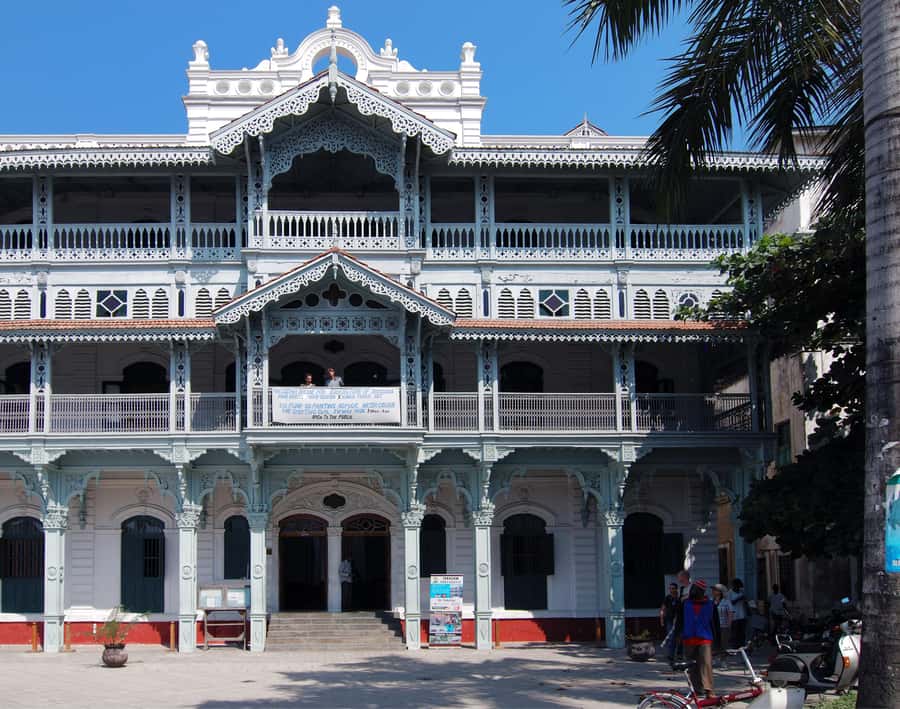
The House of Wonders is presented as the largest and tallest building in Stone Town. Its name comes from the sense of modern marvel it once created, with a scale and design unlike the surrounding houses. The building is an important visual marker even if your time inside is limited.
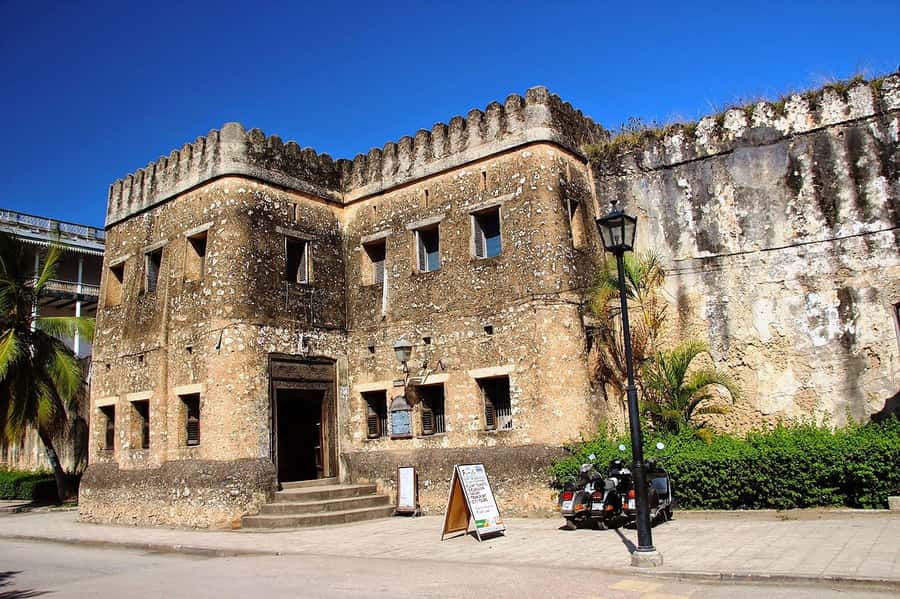
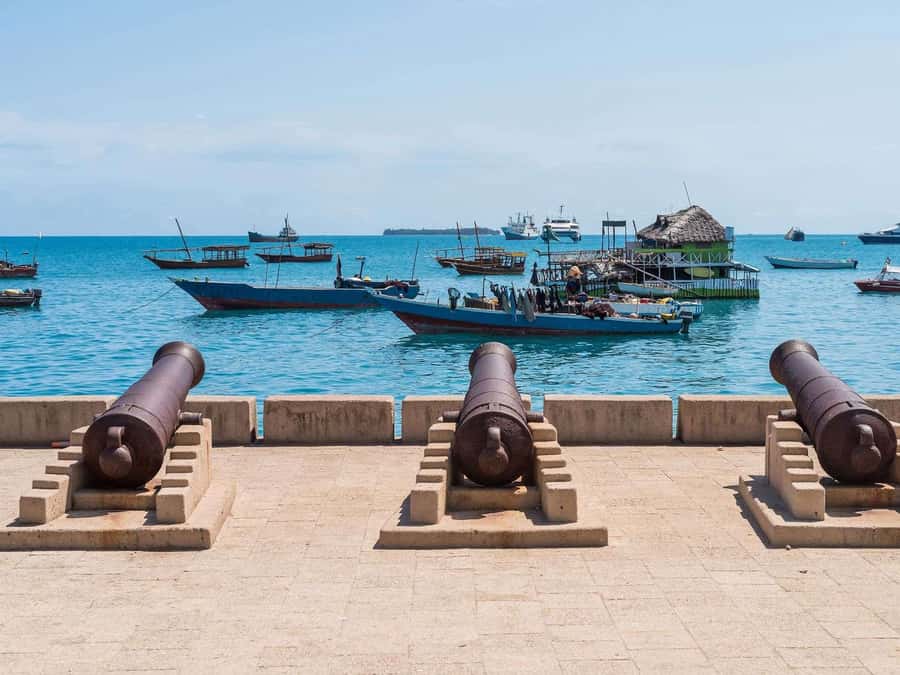
You also visit the Old Fort, one of Stone Town’s best-known structures. Its heavy walls contrast with the delicate carved doors and decorative facades found elsewhere in town. The fort helps you see how defense shaped the city before it became mainly a place of trade and tourism.
The route includes Tippu Tip’s House, connected with one of Zanzibar’s most famous and controversial historical figures, and Freddie Mercury’s House. The latter is a quick cultural link to the modern music world. It is not a full museum visit, so keep your expectations modest. You are seeing a notable address, not touring a large exhibition.
The Peace Memorial and Natural History Museum round out the city portion. Together, these stops make the tour useful for first-time visitors who want an introduction to Stone Town’s political, cultural, and architectural past without arranging several separate visits.
Why the spice farm changes the pace
After the old city, the tour turns to the countryside and Zanzibar’s best-known products. Cloves, nutmeg, cinnamon, and black pepper helped give the Zanzibar Archipelago and Tanzania’s Mafia Island the nickname Spice Islands.
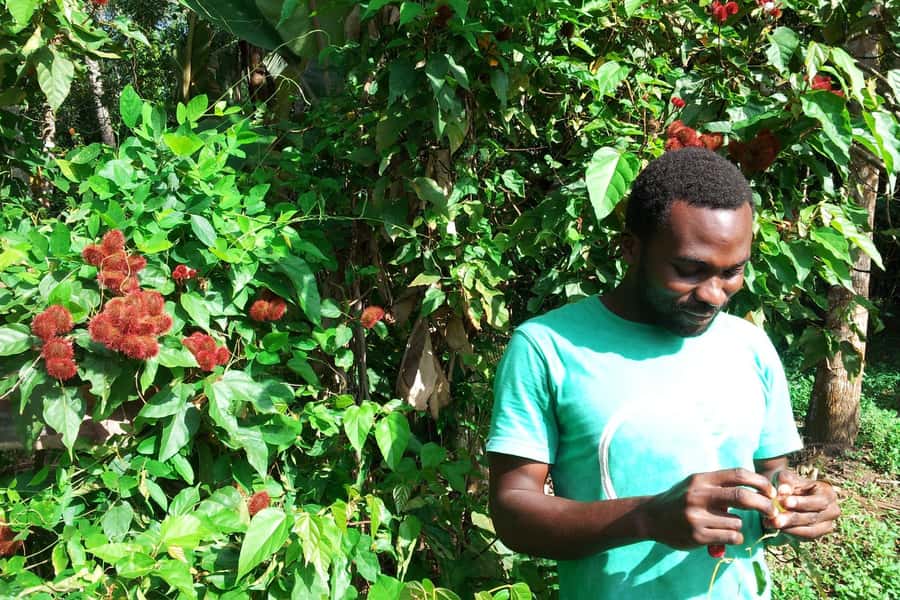
The farm visit is more useful than simply buying a bag of cinnamon in a shop. You learn how the plants grow and how the spices are used in cooking and traditional medicine. The guide is meant to let you touch, smell, and taste the spices while they are still connected to the plant.
That direct contact matters. A dried clove in a packet is easy to ignore. Seeing where it grows and smelling it at the source gives the product a place and a story. Cinnamon, nutmeg, and pepper also become easier to tell apart when you handle them rather than only hearing their names.
The farm is described as organic, but the available information does not give a certification or explain the farming methods in detail. Treat the visit as a practical introduction to spice cultivation, not a formal agricultural lesson.
More Spice Farm Tours in Zanzibar:
- Full-Day Private Stone Town +Spice Farm and Prison Island Tour
★ 4.5 · 216 reviews - Spice Tour + Stone Town Tour + Prison Island
★ 4.5 · 130 reviews - Zanzibar: Spice Tour & Stone Town Walking Tour
★ 4.8 · 115 reviews - Zanzibar: Stone Town & Spice Farm Tour with Lunch
★ 4.5 · 97 reviews
Cassava leaves, coconut milk, and fresh coconuts
The most hands-on part of the farm visit includes a cassava leaf harvest and a demonstration of making coconut milk. You also practice cooking techniques, which gives the visit a stronger connection to household food preparation.
These activities are valuable because they show how plants become food. You are not only looking at export crops such as cloves and black pepper. You also see ingredients connected to everyday meals.
A coconut tree climber picks young coconuts for you to drink. This is one of the tour’s most memorable details, especially if you have only encountered coconut water in a carton. The drink is fresh, simple, and tied directly to the farm setting.
The farm ends with lunch at a local restaurant. The exact menu is not specified, so you should not book expecting one particular dish. Still, lunch makes sense here: after learning about spices, cassava, and coconut, you get to taste a meal prepared with the kind of ingredients the visit has introduced.
The real cost of a $32 tour
At $32, this looks like a strong value for a private Stone Town and spice farm outing. You receive a guide, water, lunch, visits to both locations, and hotel pickup and drop-off if that option is selected.
But the advertised price is not the final amount. The Stone Town and spice farm entrance fee is $10 per person, paid in cash on the spot. That is a meaningful addition for a low-priced tour, so include it in your budget before booking.
Transfers from outside Stone Town cost extra. One account also says a requested pickup added about $20 per person, although the standard information does not clearly state that amount as a fixed charge. Ask for the exact transport price before you pay, especially if you are staying in Nungwi or another resort area.
The cost becomes better value if you want one guided day covering many different subjects. If you only want a short Stone Town walk, you may find the farm portion adds time and transport cost without matching your interests.
Timing can make or break the day
The planned schedule needs attention. The pickup time must be arranged using your hotel name and room number, but reported pickup delays have ranged from 35 minutes to about 1 hour and 40 minutes.
One particularly long day began with a late pickup, confusion while collecting another couple, and a Stone Town arrival around 12:30 p.m. The city tour reportedly began around 1 p.m., followed by the spice farm and a return to Nungwi just after 8 p.m. Another account described receiving only four hours of touring instead of the expected seven.
That does not mean every departure will run late. It does mean you should avoid booking this on a day when you have an evening flight, dinner reservation, or another fixed plan. The distance between resort areas and Stone Town can turn a compact sightseeing program into a full-day commitment.
If you are staying in Stone Town, the schedule may be easier and the transfer cost may be lower. If you are staying farther away, ask for the pickup window, the estimated return time, and the complete transport price before confirming.
Guides, communication, and the buying pressure
The tour is available in English, French, German, and Italian. The guide makes a major difference because the city section includes many sites and the farm depends on explanation.
Capuchino receives especially strong praise for being patient, kind, and willing to answer questions throughout the day. That is exactly what you want here. Stone Town has enough monuments to become a blur unless someone explains how the places connect.
Communication before pickup has also been described as good in at least one account. At the same time, guide arrangements have not always been smooth. One French-language booking reportedly produced a guide who did not speak the requested language, followed by confusion over who should lead the tour.
The most consistent concern is pressure to tip or buy products. You may be encouraged to support the farm, purchase spices, or give money to the guide. Supporting local producers can be worthwhile, but it should feel like your choice.
The spice shop accepts cash only. Bring enough local currency or US dollars if you want to buy spices, and keep the entrance money separate. If you do not carry cash, you may miss the chance to purchase products at the end.
What to wear and bring
The only stated clothing advice is to wear comfortable clothes. That is sensible because the day includes walking through Stone Town, market stops, and time at a farm.
You should also bring water protection for your belongings if needed, since the tour includes fresh food and outdoor farm activities, but no special equipment is listed. Most important, bring cash for the $10 entrance fee per person and for any spice purchases.
The tour includes water and lunch, so you do not need to plan a full day of meals. Since the lunch menu is not specified, anyone with dietary concerns should ask the provider before booking rather than assume a particular meal will be available.
Who will enjoy this Zanzibar tour?
I would recommend this experience to a first-time Zanzibar visitor who wants a broad introduction rather than a single focused attraction. You see Stone Town’s major sights, local market activity, historic buildings, island agriculture, cooking practices, and food in one outing.
It suits people who enjoy variety and do not mind a long day. Families may like the coconuts, fruit, and farm demonstrations, while food-minded visitors will appreciate the spices and coconut milk activity.
It is less suitable if you dislike shopping pressure, need a precise timetable, or want a quiet and deeply detailed museum tour. The city stops are numerous, so the explanations may feel brief. The farm can also feel commercial if you are repeatedly urged to buy products or tip.
The private-tour format should offer a more personal experience, but the transportation reports show that arrangements may involve collecting other people. Ask directly if your booking will remain private from pickup through drop-off.
Should you book the Stone Town and spice farm tour?
Book it if you want a wide sampler of Zanzibar in one day and are comfortable paying the extra entrance fee in cash. The combination of Stone Town landmarks, fish auctions, spices, fresh coconut, local food, and lunch gives you more variety than a basic city walk.
I would book with two conditions. First, confirm the total price, including pickup from your hotel and the $10-per-person entrance charge. Second, leave plenty of time around the tour because late pickups and long returns have been reported.
The 3.7 rating from 33 ratings reflects that mixed picture. Capuchino’s patient guiding and the farm’s hands-on food experiences can make the day special, but communication, timing, and sales pressure need attention. If those points are clear before departure, this is a reasonably priced way to connect Stone Town’s past with Zanzibar’s food and spice culture.
FAQ
How much does the tour cost?
The listed price is $32 per person. The Stone Town and spice farm entrance fee costs an additional $10 per person and must be paid in cash on the spot.
Is hotel pickup included?
Hotel pickup and drop-off are included if that option is selected. Transfers from outside Stone Town cost extra.
What information is needed for pickup?
You need to provide your hotel name and room number so the pickup time can be sent to you.
How long does the tour take?
The experience is presented as a full-day tour, but the exact length can vary. Reports describe schedules ranging from about four hours of touring to a day lasting until after 8 p.m., especially with pickup from Nungwi.
Which languages are available?
The tour is offered in English, French, German, and Italian. Confirm your requested language before departure.
What places are visited in Stone Town?
The route includes the Old Slave Market site, Anglican Church, City Market, Palace Museum, House of Wonders, Old Fort, Tippu Tip’s House, Freddie Mercury’s House, Peace Memorial, and Natural History Museum.
What happens at the spice farm?
You learn about cloves, nutmeg, cinnamon, and black pepper. You can touch, smell, and taste spices, harvest cassava leaves, make coconut milk, practice cooking techniques, and drink young coconuts picked from the tree.
Is lunch included?
Yes. Lunch at a local restaurant at the spice farm is included.
Can I buy spices during the tour?
Yes. The farm has a shop, but purchases are cash only. The entrance fee and shopping money are not included in the listed tour price.
More Farms in Zanzibar
- Zanzibar:Stone Town & Spice Farm Private Tour Lunch Included
★ 4.2 · 94 reviews - Zanzibar full day Jozani forest + Spice farm and stone town
★ 4.7 · 90 reviews - Zanzibar: Spice Farm Tour with Traditional Cooking Lesson
★ 4.8 · 77 reviews - A Private Full Day Tour To Stone Town & Spice Farm
★ 5.0 · 53 reviews
More Lunch Experiences in Zanzibar
- Zanzibar: Prison Island and Nakupenda Boat Trip with Lunch
★ 4.1 · 882 reviews - Mnemba Island: Dolphin Swim & Snorkeling with Optional Lunch
★ 4.3 · 591 reviews - Zanzibar: Prison Island & Nakupenda Boat Tour with BBQ Lunch
★ 4.4 · 554 reviews - Zanzibar: Safari Blue Lagoon Trip with Snorkeling and Lunch
★ 4.5 · 336 reviews
Just added in Zanzibar
- Best of Zanzibar: Spice Tour & Stone Town Visit★ 4.4 · 5 reviews
- THE GREEN TOUR: Jozani Forest & Mangrove Kayaking Experience★ 4.7 · 6 reviews
- Stone Town: Private Walking Tour in the Heart of Zanzibar.★ 5.0 · 1 review
- The rock restaurant and blue Lagoon★ 5.0 · 1 review
- Tea House, Zanzibar Coffee House, Spice Tour with Lunch★ 5.0 · 1 review
- Swimming with sea turtles in salaam cave★ 5.0 · 1 review
- Swim with Turtles at The Lagoons Zanzibar & Stone Town Tour★ 4.8 · 4 reviews
- Stonetown & Prison island Cultural Tour★ 5.0 · 2 reviews
Stone Town Tours, compared.
Stone Town, Spice Tour, Prison Island with Lunch
Read our review →

Stone Town, Spice tour & Prison Island with Lunch
Read our review →
3 Hours Private Stone Town walking Tour with Guide
Read our review →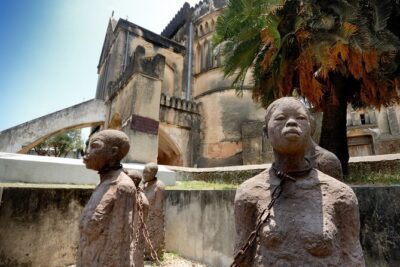
Full-Day Private Stone Town +Spice Farm and Prison Island Tour
Read our review →
Stone Town Historical Cultural Walking Guided Tour
Read our review →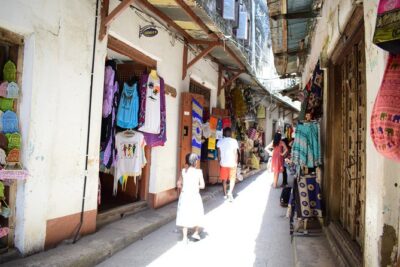
Browse the lists this tour appears in