

Reviewed · STONE TOWN TOURS
Zanzibar: Stone Town, Cooking Lesson, and Spice Farm Tour
Spices turn a city walk into lunch. This Zanzibar tour links Stone Town’s landmarks with a working spice farm and a hands-on Swahili meal, giving you history, food, and local agriculture in one day. I like that you do more than look at cloves and cinnamon: you smell them on the plant, learn their uses, then cook with some of them.
I also like the practical hotel pickup and drop-off from anywhere in Zanzibar, plus bottled water and lunch in the $96 price. The main consideration is that museum entry is extra, and drinks, tips, and personal expenses are not included, so the final cost can rise if you want to enter several sights or buy refreshments.
In This Review
- Key things to know before booking
- Why this Stone Town and spice farm combination works
- Starting with Stone Town on foot
- Palace Museum, Old Fort, and the city’s changing face
- Seeing cloves, cinnamon, and nutmeg at the spice farm
- Turning farm ingredients into a Swahili lunch
- What the $96 price really covers
- Who will enjoy this Zanzibar day most
- Practical advice for a smoother day
- The main strengths and limitations
- Should you book this Stone Town cooking and spice tour?
- FAQ
- Where does this tour take place?
- Is hotel pickup included?
- Where should I wait for pickup?
- Is the tour conducted in English?
- Does the tour include a Stone Town walking tour?
- Are museum entrance fees included?
- Is lunch included?
- Are drinks included?
- Can I cancel for a refund?
Key things to know before booking

- Stone Town comes first as a walking tour: You see landmarks such as the Palace Museum and Old Fort while learning how the city changed over time.
- The spice farm is hands-on: You smell fresh cloves, nutmeg, cinnamon, black pepper, and other plants rather than seeing only packaged spices in a shop.
- Lunch is part of the lesson: You help prepare a Swahili meal using spices introduced during the farm visit.
- Jackfruit is one of the tasting stops: You get to try fresh jackfruit, described here as the world’s largest fruit.
- Hotel transport covers the island: Pickup and drop-off are included from accommodation anywhere in Zanzibar.
- Museum visits cost extra: The walking tour passes museums, but entrance fees are paid separately at each location.
Why this Stone Town and spice farm combination works
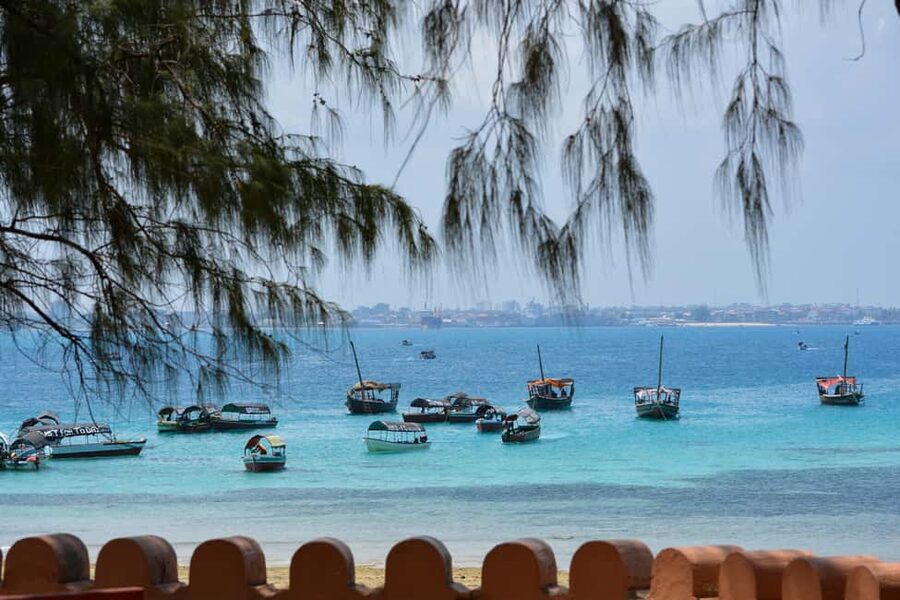
Zanzibar can be hard to understand if you see only its beaches. This tour gives you two useful pieces of the island: Stone Town’s urban past and the rural source of the spices that helped give Zanzibar its nickname, Spice Island.
I like the pairing because the two halves explain each other. In Stone Town, you hear about trade, old buildings, markets, and slavery. At the farm, you see the plants behind some of the island’s best-known products. The cooking lesson then turns those facts into something you can taste.
The price is $96 per person. That is not the cheapest way to see Stone Town, but it covers transport from your accommodation, an English-speaking guide, the city tour, spice farm visit, cooking lesson, Swahili lunch, and bottled water. If you arranged separate transport, a city guide, a farm visit, and lunch, the convenience could make the bundled cost reasonable.
Still, value depends on how much of the package you will use. If you already have transport and only want a short walk through Stone Town, this may feel expensive. If you want a full day built around food, local plants, and guided sightseeing, the package has a clear purpose.
More Cooking Classes in Zanzibar
- Zanzibar: Spice Farm Tour with Traditional Cooking Lesson
★ 4.8 · 77 reviews - Zanzibar Cooking Class & Spice Tour
★ 4.5 · 77 reviews - Half-Day Kuza Cave Swimming Adventure and Cooking Class
★ 4.5 · 44 reviews
Starting with Stone Town on foot
Your driver collects you from your hotel reception. You should be ready there five minutes before departure, which is a small but useful rule when vehicles are covering distances across the island.
The Stone Town portion is done on foot. That matters because the city is best understood at street level, where you can meet local people, pass through busy markets, and see the contrast between old buildings and everyday life. A vehicle can take you past a landmark, but walking lets the guide explain how the town has changed over time.
The tour includes popular sights such as the Palace Museum and Old Fort. These give you a starting point for Zanzibar’s political and trading past, although seeing them from outside is different from entering. If you decide to visit a museum, you pay the entrance fee at the site, so carry room in your budget for that choice.
The walking route also includes an introduction to the history of slavery on the island. This is an important part of understanding Stone Town, and it keeps the visit from becoming only a parade of attractive doors and old walls. You should expect the subject to be serious and handled as part of the city’s past rather than treated as a casual sightseeing detail.
Because this is a guided walk, comfortable footwear is a sensible choice. The supplied information does not give a walking distance or tour duration, so you should ask the operator about the expected pace if you have mobility concerns or prefer a shorter route.
Palace Museum, Old Fort, and the city’s changing face

The Palace Museum and Old Fort are not just names on a checklist. They help frame the story of Stone Town, from historic buildings to the trade that shaped the island.
The tour’s strength is the guide’s commentary between the sights. You are shown how the town has changed, and you can connect the old structures with the markets and streets around them. I find that approach more useful than racing from one photo stop to another.
The drawback is that the experience does not include museum admission. You may pass a building that catches your interest, only to find that entering requires an additional payment. That arrangement gives you control over your spending, but it also means the advertised price does not cover every possible sight.
The walking format also means this part is more active than a drive-by city tour. You will be out among the streets, meeting locals and observing the city at close range. That is a strong fit if you want context and contact with daily life, but less suitable if you want a quiet, private sightseeing day.
Seeing cloves, cinnamon, and nutmeg at the spice farm

After Stone Town, the driver takes you to a spice farm in the Unguja South Region. Here, the focus shifts from buildings and history to the plants that made Zanzibar famous.
The farm guide explains how cloves, nutmeg, cinnamon, black pepper, and other spices are grown. You learn what the plants look and smell like in fresh form, which is far more memorable than seeing the same products in jars.
I especially like the chance to smell favorite spices while they are still growing. A kitchen spice usually arrives dried, ground, or packaged. At the farm, you can connect the scent and appearance of the plant with the ingredient you use at home.
The guide also discusses the different roles of spices. They are not only flavorings for food, but have been used as medicinal components as well. The value here is not a long list of names. It is seeing how one plant can matter to farming, cooking, and traditional health practices.
You also get to taste fresh jackfruit. The fruit is presented as the largest fruit in the world, and it adds a welcome change from the more familiar spice samples. Since the farm visit includes both smelling plants and tasting fruit, it is not limited to a lecture. You have several ways to remember what you learned.
The exact crops and demonstrations can vary, and the supplied details do not promise a particular number of stops. You should think of the farm as an introduction to Zanzibar’s spice production rather than a specialist agricultural course.
More Stone Town walking tours:
- Zanzibar: Stone Town, Spice Tour, Prison Island with Lunch
★ 4.4 · 1,219 reviews - Zanzibar: Prison Island, Stone Town, & Spice Farm Tour
★ 4.5 · 579 reviews - Zanzibar: Stone Town, Spice tour & Prison Island with Lunch
★ 4.6 · 453 reviews - Stone Town Private Walking Tour
★ 5.0 · 371 reviews
Turning farm ingredients into a Swahili lunch
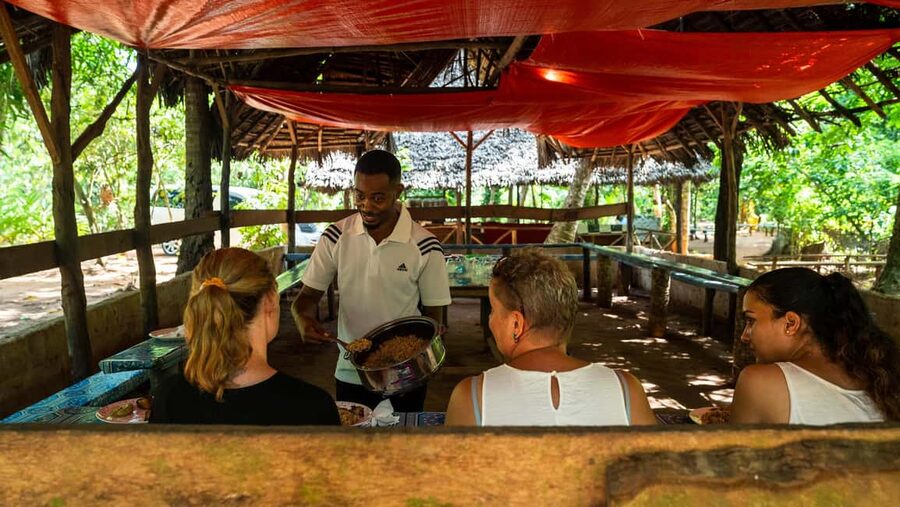
The cooking lesson is the part that gives the tour its strongest sense of participation. You use some of the spices you have just encountered and help prepare a traditional meal.
That order is smart. First you learn about the plants. Then you smell and taste them. Finally, you see how they work in a dish. Even if you do not consider yourself a cook, the lesson gives the spices a practical purpose.
Lunch is described as Swahili food, and you actively contribute to preparing it. That makes the meal more meaningful than a standard restaurant stop, since you have a clear connection between the farm visit and what arrives on your plate.
You should not expect a private chef class with advanced techniques based on the information provided. The focus is on traditional cooking and local flavors. I would book this for the chance to take part, not for a technical cooking curriculum.
Drinks are not included, although bottled water is. If you want a soft drink or another beverage with lunch, plan to pay separately. Tips and personal expenses are also outside the package.
The food portion is likely to suit curious eaters and families who enjoy doing something together. It may be less appealing if you prefer to spend the day sightseeing without a scheduled meal activity. Since the lunch is built into the tour, you are giving up some flexibility in exchange for a complete food experience.
What the $96 price really covers
At $96 per person, the tour combines four services that can be awkward to organize separately: island transport, a Stone Town guide, a spice farm visit, and a cooking lesson with lunch.
The hotel pickup and drop-off are especially useful if you are staying outside Stone Town. You do not need to arrange separate transfers to the city and the farm, and the return journey is included. The pickup applies to accommodation anywhere in Zanzibar, according to the tour details.
The English-speaking guide is another important part of the value. You are not simply being taken to a farm and left to inspect plants. You receive explanations in English in both the city and the agricultural portion, with different guides handling the local settings.
Bottled water is included, which is practical on a walking and outdoor-focused day. The price does not include museum admission, drinks beyond the supplied water, tips, or personal purchases. That is a fair division of costs, but you should know the headline price is not a complete spending limit.
The experience has a current rating of 5 based on one published rating. That is an encouraging sign, but it is too small a sample to treat as a guarantee. I would judge the tour mainly by whether its mix of walking, food, plants, and history matches your interests.
Who will enjoy this Zanzibar day most

I would recommend this tour to you if you want more than a beach stay. It gives you an introduction to Stone Town, a look at island agriculture, and a meal you help prepare.
It is also a good match if you like guided activities with a clear theme. The spice story runs through the day, from the history of trade to fresh plants and then to the kitchen.
Families may appreciate the range of activities. Children can smell spices, see plants, taste jackfruit, walk through the city, and help with lunch. The information does not specify a child age policy, so check with the operator if you are traveling with young children.
Food-focused visitors should find plenty to enjoy, especially if the cooking lesson matters as much as the sightseeing. The tour is less suitable for someone who wants a long, unhurried museum visit, because museum entry is optional and not included.
You should also think about the walking element. The Stone Town visit is explicitly a walking tour, but no distance, duration, or accessibility details are given. Ask before booking if you need a route with limited walking or particular facilities.
Practical advice for a smoother day

Be at your hotel reception five minutes before pickup. The driver will collect you there, and being ready avoids an unnecessary delay at the beginning of a day that already combines several locations.
Wear shoes suited to walking and clothing you can use comfortably during an outdoor farm visit and cooking activity. The tour details do not state a dress code, so keep your choices practical and respectful for a city, farm, and meal setting.
Bring money for museum entrance fees, drinks, tips, and personal expenses. Since those items are not included, deciding in advance which museums you want to enter will help you control your spending.
Keep your schedule flexible. The tour includes transport from your accommodation and several different activities, but no duration is provided. I would avoid booking a tight connection or another fixed activity immediately afterward.
The cancellation terms are friendly: you can cancel up to 24 hours before the experience for a full refund. You can also reserve now and pay later, which helps if your Zanzibar plans are still changing.
The main strengths and limitations

The strongest feature is the way the activities connect. Stone Town gives you the historical setting, the farm shows you the source of the spices, and the cooking lesson gives you a direct use for them.
The hotel transport also adds real value, particularly if your accommodation is not near the city. You get one organized outing instead of piecing together taxis, a guide, a farm visit, and lunch.
The main limitation is scope. This is an introduction to Stone Town and spice farming, not a full museum program or a specialist culinary course. Museum admission costs extra, the schedule is not stated, and the final bill can rise through drinks and personal spending.
The other limitation is the small amount of published feedback available. A 5 rating is positive, but one rating cannot tell you how the experience performs across different group sizes, weather conditions, or guide assignments. The tour is best chosen for its well-matched itinerary rather than for the rating alone.
Should you book this Stone Town cooking and spice tour?
Book it if you want a well-rounded introduction to Zanzibar and like the idea of learning by doing. The combination of Stone Town landmarks, spice plants, fresh jackfruit, and a Swahili lunch gives you a fuller picture of the island than a city walk or farm visit alone.
I would be more cautious if you only want beach time, dislike walking, or expect every museum to be included in the price. In that case, the $96 cost and added entrance fees may not feel worthwhile.
For most first-time visitors who want history, local food, and a practical look at Zanzibar’s spice culture, this is a sensible one-day choice. Ask about the tour duration and walking demands before you pay, then budget separately for museum entries and drinks.
FAQ
Where does this tour take place?
The experience takes place in Zanzibar’s Unguja South Region and includes Stone Town and a spice farm.
Is hotel pickup included?
Yes. Pickup and drop-off are included from accommodation anywhere in Zanzibar.
Where should I wait for pickup?
You should be ready at your hotel reception five minutes before the departure time.
Is the tour conducted in English?
Yes. An English-speaking tour guide is included.
Does the tour include a Stone Town walking tour?
Yes. The package includes a guided walking tour of Stone Town, with sights such as the Palace Museum and Old Fort.
Are museum entrance fees included?
No. If you choose to enter museums visited along the route, you pay the entrance fees separately at the location.
Is lunch included?
Yes. A Swahili lunch is included, along with a traditional cooking lesson.
Are drinks included?
Bottled water is included. Other drinks are not included.
Can I cancel for a refund?
Yes. You can cancel up to 24 hours in advance for a full refund. You can also reserve and pay later.
More Farms in Zanzibar
- Zanzibar:Stone Town & Spice Farm Private Tour Lunch Included
★ 4.2 · 94 reviews - Zanzibar full day Jozani forest + Spice farm and stone town
★ 4.7 · 90 reviews - A Private Full Day Tour To Stone Town & Spice Farm
★ 5.0 · 53 reviews - Zanzibar Private Spice Farm and Stonetown Tour(Include Lunch)
★ 5.0 · 53 reviews
More Spice Farm Tours in Zanzibar
- Full-Day Private Stone Town +Spice Farm and Prison Island Tour
★ 4.5 · 216 reviews - Spice Tour + Stone Town Tour + Prison Island
★ 4.5 · 130 reviews - Zanzibar: Spice Tour & Stone Town Walking Tour
★ 4.8 · 115 reviews - Zanzibar: Stone Town & Spice Farm Tour with Lunch
★ 4.5 · 97 reviews
Just added in Zanzibar
- Zanzibar:Ngoma local culture workshop,The Knowledge of Ngoma★ 5.0 · 1 review
- ZANZIBAR:Mnemba island, Spice farm and Jozani Forest★ 5.0 · 1 review
- Zanzibar: Zipline Adventure At Masingini Forest★ 4.6 · 2 reviews
- Zanzibar Walking Tour: Unveiling the Secrets of Stonetown★ 4.8 · 11 reviews
- Zanzibar: Walking Spice Farm with Local Cooking Class★ 4.4 · 9 reviews
- Zanzibar: Walking Tour★ 4.0 · 1 review
- Zanzibar: Uzi Island Mangrove Kayak Tour with Guide★ 5.0 · 1 review
- Zanzibar: Unique Guided Mangrove Tour by SUP or Kayak★ 5.0 · 1 review
Stone Town Tours, compared.
Stone Town, Spice Tour, Prison Island with Lunch
Read our review →

Stone Town, Spice tour & Prison Island with Lunch
Read our review →
3 Hours Private Stone Town walking Tour with Guide
Read our review →
Full-Day Private Stone Town +Spice Farm and Prison Island Tour
Read our review →
Stone Town Historical Cultural Walking Guided Tour
Read our review →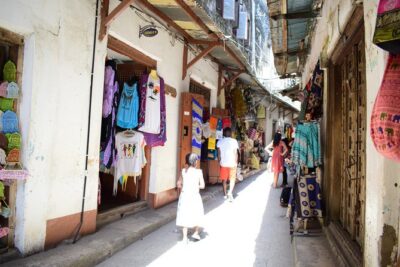
Browse the lists this tour appears in