
Reviewed · WALKING TOURS
Zanzibar: Walking Spice Tours with Guide
Spices tell Zanzibar’s story one leaf at a time. This three-hour walk from Stone Town takes you to Tangawizi Spice Farm, where you can see, smell, and taste cloves, cinnamon, vanilla, turmeric, lemongrass, nutmeg, tropical fruit, and more. I like the chance to see plants growing instead of meeting spices only as tidy packets in a market. I also like that pickup, entry, and a private guide are included in the $35 price. The main caution is that the experience can feel more like a sales stop than a full working-farm visit, especially if you expect to see drying or processing.
You walk through an organic shamba, the Swahili word for farm, with a guide explaining how plants are cultivated. Some guides have been named Omar, Rajem, and Pietro, and the tour is available in English, German, French, and Italian. The walk usually fits comfortably into a morning or afternoon, but the actual farm time may be closer to two and a half hours once driving is counted.
In This Review
- Key points to know before you book
- From Stone Town to Tangawizi Spice Farm
- A walking lesson among Zanzibar’s spice plants
- Smells and tastes make the farm memorable
- What you may and may not see on the farm
- The palm climb and the tipping question
- The spice stall at the end
- Is three hours enough?
- Who will enjoy this Zanzibar excursion?
- Languages, private groups, and guide quality
- Is $35 good value?
- Practical timing and cancellation advice
- Should you book the Tangawizi Spice Farm walk?
- FAQ
- How long does the Zanzibar walking spice tour last?
- Where does the tour start?
- What spices and plants can I see?
- Is food included?
- Is the tour private?
- Which languages are available?
- Do I need cash?
- Is the tour suitable for wheelchair users?
Key points to know before you book
- The farm is Tangawizi Spice Farm: You visit one organic shamba rather than several separate attractions.
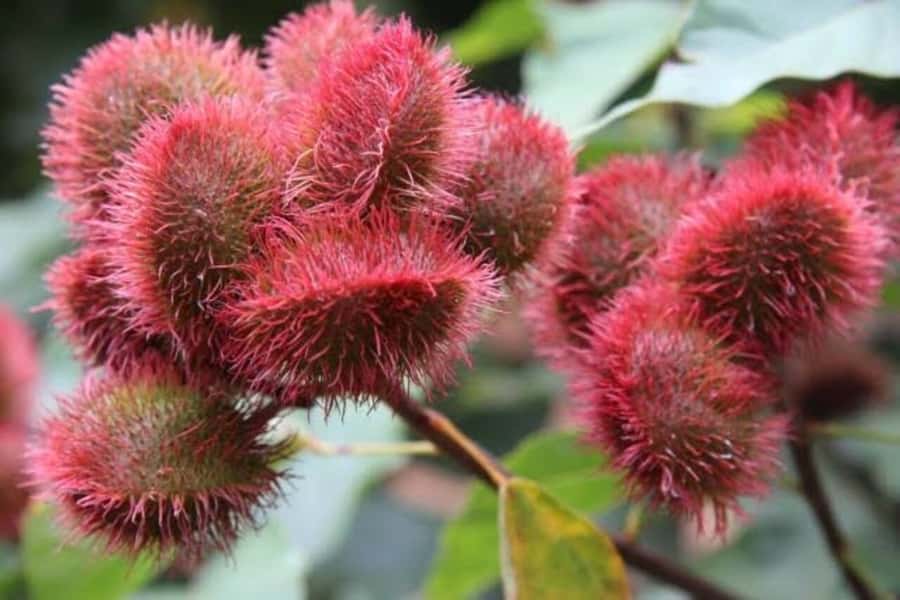
- You taste as you walk: Clove, cinnamon, vanilla, turmeric, cardamom, black pepper, chili, lemongrass, and fruit may all appear.
- Stone Town pickup is included: A hotel transfer saves you from arranging a taxi for a short countryside excursion.
- The private format is useful: Your group can ask questions, although guide quality may vary.
- The ending includes a spice stall: Fresh packaged spices are sold for cash, so bring Tanzanian shillings or another accepted cash currency.
- The price includes farm-worker tips: You should not need to tip the farm staff, though some visitors have felt pressured by extra requests.
From Stone Town to Tangawizi Spice Farm
The day begins with pickup at your Stone Town hotel. The drive to the farm can take about 30 minutes, depending on your starting point and road conditions. That transfer matters because the farm is outside the old town, and arranging a separate ride can eat into both time and budget.
At $35 per person, the package includes hotel pickup and drop-off, the farm entrance fee, and a live guide. For a private group, that is a fair price if you value simple transport and direct explanations. It is less attractive if you only want to walk among plants and would rather buy spices independently.
The farm is a useful change of pace from Stone Town. In the old city, spices are usually presented as finished goods. Here, you get a chance to connect the powder, bark, seed, or pod with the living plant. That difference is the heart of the excursion.
The name Tangawizi means ginger in Swahili, though the farm experience covers far more than ginger. You may see medicinal herbs, cooking spices, fruit trees, and plants used in everyday island life. The point is not a grand plantation tour with huge fields stretching in every direction. It is a guided walk through a farm area containing many kinds of useful plants.
More Walking Tours in Zanzibar
- Stone Town Private Walking Tour
★ 5.0 · 371 reviews - Zanzibar: 3 Hours Private Stone Town walking Tour with Guide
★ 4.6 · 301 reviews - Zanzibar: Stone Town Historical Cultural Walking Guided Tour
★ 4.5 · 179 reviews
A walking lesson among Zanzibar’s spice plants
The guide leads you from plant to plant, stopping so you can examine leaves, bark, roots, pods, and fruit. This is where the tour works best. A spice that seems ordinary in a kitchen can look surprisingly different before harvest.
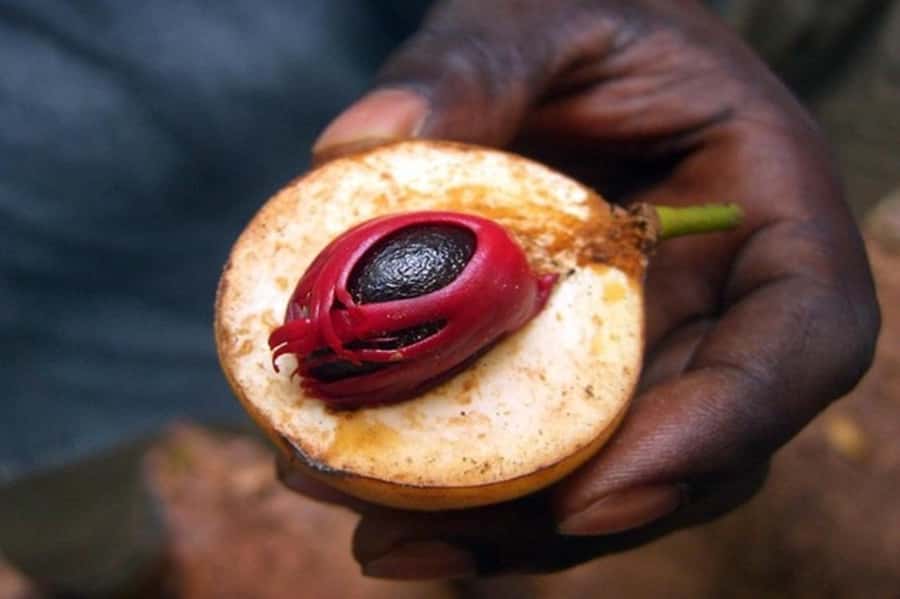
Cloves are especially important to Zanzibar’s identity. The island was once one of the world’s leading producers of cloves, along with nutmeg and cinnamon. Seeing the source of those familiar aromas adds context to Stone Town’s spice shops and to the nickname Spice Island.
Cinnamon is another good example. You do not simply hear the word and move on. You can see the plant and smell the familiar warm scent. Nutmeg, cardamom, black pepper, and chili help show how many different parts of a plant can become food seasoning.
Turmeric is useful for understanding the difference between a fresh crop and a dry kitchen spice. Lemongrass brings a sharp citrus smell, while vanilla offers a softer scent. The guide may invite you to smell leaves, rub plant material between your fingers, or taste small portions. Follow the guide’s instructions rather than sampling plants on your own.
The range can include:
- Clove
- Lemongrass
- Nutmeg
- Cinnamon
- Turmeric
- Vanilla
- Black pepper
- Chili
- Cardamom
- Cassava
- Curry plants
- Ginger
- Oranges
- Papaya
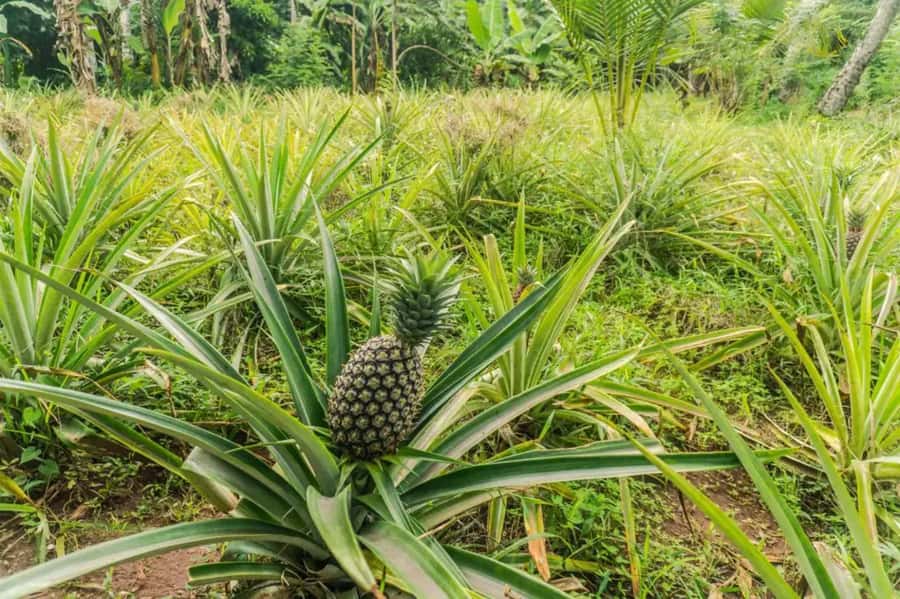
- Pineapple
- Guava
- Avocado
- Jackfruit
- Coconuts
The exact mix may change with the season. That is normal for a working farm. You will not necessarily see every item on every visit, and some plants may not be fruiting when you arrive.
Smells and tastes make the farm memorable
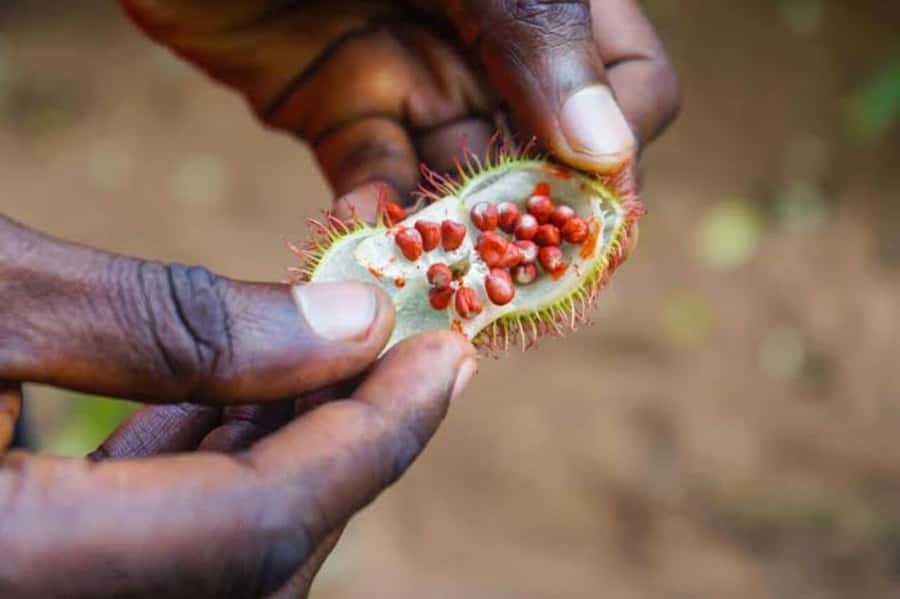
The strongest part of the experience is sensory. You are not only listening to a talk. You are smelling spices and tasting herbs or fruit as you move through the farm.
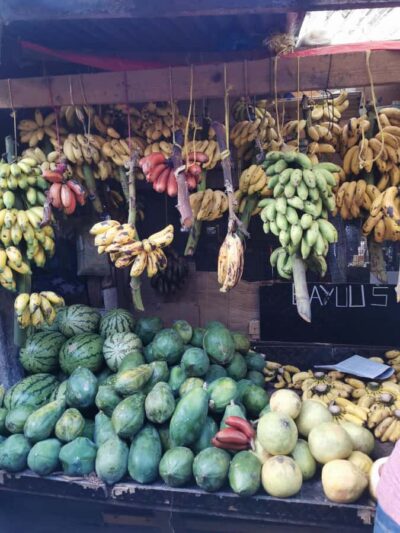
Fresh fruit gives the walk a welcome sweet turn. Pineapple, papaya, oranges, guava, avocado, jackfruit, and coconut may be available, followed by a small fruit tasting near the end. One account describes the fresh fruit tasting as a particular treat. It is a simple moment, but it helps break up the plant-by-plant explanations.
The tasting also gives you a better idea of how tropical produce differs from the dried goods sold in shops. A fresh coconut, for example, is not simply another item on a spice list. It shows how the farm supplies everyday food as well as seasoning.
You should not expect a full meal. Food and drinks are not included, so eat beforehand if you need something substantial. The tour’s food element is a tasting, not lunch.
What you may and may not see on the farm
This is the most important point for setting expectations. The walk shows you how spices, herbs, and fruit grow and are cultivated. It does not promise a detailed demonstration of drying, grinding, packing, or export.
If your idea of a spice farm includes large-scale production buildings, storage rooms, and a complete explanation of the supply chain, you may find the visit limited. Some people have found that much of the visible farm was concentrated around the walking route rather than spread across a huge open plantation.
That does not make the walk worthless. It simply defines the experience more accurately. You are paying for a guided introduction to plants and local farm products, not an industrial agriculture tour.
The guide is central to the quality. Strong guides make the plants easier to understand and answer questions about cultivation and use. Omar, assisted by Rajem on one reported visit, has led this walk, and Pietro has also been praised by name. Other feedback describes a guide who sounded as if he had memorized the standard speech and struggled with questions in both English and German.
That variation is worth considering. The tour is private, but private does not always mean personally tailored. If you care about botany, farming methods, or local history, ask questions early and clearly. A good guide should be able to move beyond the prepared explanation.
A different kind of day out entirely:
- From Zanzibar: Mikumi Safari Day Trip with Flights and Meal
★ 4.7 · 1,470 reviews - Zanzibar: Quad Bike Adventure departing from Kendwa or Nungwi
★ 4.9 · 1,233 reviews - Zanzibar: Stone Town, Spice Tour, Prison Island with Lunch
★ 4.4 · 1,219 reviews - From Zanzibar: Day Selous Game Reserve Safari with Flights
★ 4.7 · 1,025 reviews
The palm climb and the tipping question
A palm-climbing display may be part of the farm presentation. It can be fun to watch, and it adds a bit of theater to a walk that otherwise moves at a calm pace.
It can also create confusion about tipping. The advertised price includes tips for farm workers, so you do not need to prepare a separate payment for the staff included in the tour. Some visitors have still felt asked for several tips, including one for the guide, one for an assistant, and one for someone who climbed a palm without being asked.
I would handle this simply. Carry some cash for the spice stall, but do not assume every extra request is required. Ask your guide which gratuities are already covered. If a separate performer or assistant is introduced, decide for yourself rather than feeling obliged.
This matters because repeated tipping can change the mood of the afternoon. A farm walk should feel like an introduction to Zanzibar’s crops, not a series of small payment stops.
The spice stall at the end
The tour finishes at a stall selling fresh packaged spices. This is convenient if you want to take home cinnamon, cloves, turmeric, vanilla, or other local products without searching through Stone Town shops.
The stall is also the point where the sales element becomes most obvious. Buying is optional, and the visit should not be treated as part of the required cost. Bring cash because the stall is cash only.
Take a moment to compare prices and packaging before buying. You can ask what each spice is, how it is used, and how long it should keep. If you are flying onward, keep your purchases sealed and check the import rules for your next destination. The tour information confirms the cash-only policy, but it does not guarantee card payment or shipping.
For many people, this final stop is useful. You have just seen the plants, so a packet of spice has more meaning than one picked at random from a souvenir shelf. For others, it feels like a sales pitch added to a short farm walk. Your reaction will depend on how much shopping you want.
Is three hours enough?
The advertised duration is three hours, including the transfer from Stone Town and the farm visit. In practice, you should think of it as a compact half-day outing. A reported visit took about two hours of walking and tasting, with the rest of the time spent on transport.
That length is well suited to a busy Zanzibar schedule. You can combine it with Stone Town sightseeing, a beach afternoon, or another short activity. You do not need to sacrifice a full day at the coast.
The pace is usually manageable, but this is still a walking tour on farm ground. Wear comfortable shoes rather than sandals with thin soles. The directions specifically recommend comfortable footwear and a camera. Take water for the journey, since food and drinks are not included.
A camera is worthwhile because the plants make better subjects than a row of spice packets. You may also want photographs of the farm walk, fruit, and plant details, provided your guide permits it.
Who will enjoy this Zanzibar excursion?
I would recommend the tour to you if you want a straightforward introduction to Zanzibar’s crops and prefer a guide to explain what you are seeing. It is especially suitable for first-time visitors who have limited time and want to combine countryside scenery with tasting.
It also suits families with older children who enjoy smells, colors, fruit, and hands-on discovery. The private format lets you keep the pace comfortable and ask questions without joining a large group.
You may want a different activity if you are looking for a serious agricultural tour. This walk may not show enough of the farm’s full size, processing, or commercial work. It may also disappoint you if you dislike shopping stops or expect every guide to offer detailed answers.
The activity is not suitable for wheelchair users, people with back problems, babies under one year, or people over 95. Those limits make sense for a farm walk, but you should take them seriously when planning.
Languages, private groups, and guide quality
The guide can provide the tour in English, German, French, or Italian. That language range is helpful, but fluency and teaching style can still differ from one guide to another.
A private group gives you more control than a large shared excursion. You can ask to spend extra time on a particular plant or move along when a stop becomes repetitive. Still, the overall route and farm presentation remain fixed.
The strongest reported experiences praised the organization, the informative explanations, and the guides by name. A French-speaking visit led by Omar with help from Rajem covered turmeric, pineapple, vanilla, pepper, guava, avocado, cinnamon, curry, and nutmeg before ending with fruit tasting. Another visit specifically praised Pietro.
The less successful experiences focused on a flat delivery, difficulty answering questions, too many people at different stops, and the sense that the walk was mainly designed to sell spices. I would not ignore those concerns. The farm itself may be interesting even when the presentation is ordinary, but the guide determines how much you learn.
Is $35 good value?
The $35 price is reasonable for a private three-hour outing with Stone Town pickup and drop-off, entry, and a guide. Transport alone has value, especially if you do not want to negotiate a taxi or plan a rural route.
The price is strongest when you treat the excursion as a guided tasting and plant walk. You are paying for access, interpretation, and convenience. It is weaker if you expect a full plantation tour with demonstrations of drying and processing.
The included farm-worker tips help simplify the budget. You should not need to add a standard tip for those workers, though it is wise to clarify any extra requests. Food and drinks cost extra, and spice purchases at the final stall are also separate.
At $35, I would book it for the sensory experience and the easy transport, not for the promise of seeing every stage of spice production.
Practical timing and cancellation advice
You can check available starting times when booking. Since the total outing lasts three hours, leave room around it rather than scheduling a tight airport transfer or important reservation immediately afterward.
Pickup is included from hotels in Stone Town. If you are staying outside Stone Town, do not assume the same service applies, because the stated pickup option specifically covers Stone Town hotels.
Free cancellation is available up to 24 hours before the activity for a full refund. You can also reserve now and pay later, which is useful when your Zanzibar plans are still changing.
Should you book the Tangawizi Spice Farm walk?
Book this tour if you want to smell and taste Zanzibar’s spices, see how familiar crops grow, and get an easy private outing from Stone Town. The best parts are the range of plants, the fresh fruit tasting, and the chance to connect the island’s spice trade with real farm crops.
Skip it if you want a large working plantation, detailed processing demonstrations, or a no-shopping experience. Before you go, bring comfortable shoes, a camera, and cash for the stall, then ask clearly which tips are already included.
For most first-time visitors, this is a pleasant and useful three-hour introduction. Just keep your expectations at farm walk level, not full agricultural documentary level.
FAQ
How long does the Zanzibar walking spice tour last?
The activity is scheduled for three hours, including Stone Town pickup, transport, the guided farm walk, and return to Stone Town.
Where does the tour start?
Pickup is included from hotels in Stone Town. The farm visit takes place at Tangawizi Spice Farm in Zanzibar’s Unguja South Region.
What spices and plants can I see?
You may see cloves, lemongrass, nutmeg, cinnamon, turmeric, vanilla, chili, black pepper, cardamom, cassava, and curry plants. Tropical fruit may include coconuts, papaya, pineapple, jackfruit, oranges, guava, and avocado.
Is food included?
No. Food and drinks are not included, although the walk includes opportunities to taste spices, herbs, and tropical fruit.
Is the tour private?
Yes. The activity is offered as a private group experience with a live guide.
Which languages are available?
Guided tours are available in English, German, French, and Italian.
Do I need cash?
Yes. The final spice stall sells fresh packaged spices for cash only. The tour price includes tips for farm workers, but you may wish to carry extra cash in case separate tipping is requested.
Is the tour suitable for wheelchair users?
No. The activity is not suitable for wheelchair users, people with back problems, babies under one year, or people over 95.
Just added in Zanzibar
- Best of Zanzibar: Spice Tour & Stone Town Visit★ 4.4 · 5 reviews
- THE GREEN TOUR: Jozani Forest & Mangrove Kayaking Experience★ 4.7 · 6 reviews
- Stone Town: Private Walking Tour in the Heart of Zanzibar.★ 5.0 · 1 review
- The rock restaurant and blue Lagoon★ 5.0 · 1 review
- Tea House, Zanzibar Coffee House, Spice Tour with Lunch★ 5.0 · 1 review
- Swimming with sea turtles in salaam cave★ 5.0 · 1 review
- Swim with Turtles at The Lagoons Zanzibar & Stone Town Tour★ 4.8 · 4 reviews
- Stonetown & Prison island Cultural Tour★ 5.0 · 2 reviews
Walking Tours, compared.

3 Hours Private Stone Town walking Tour with Guide
Read our review →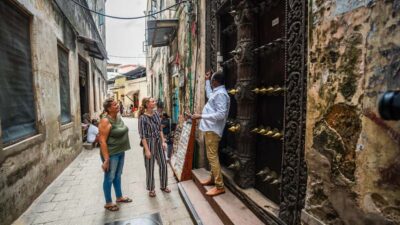
Stone Town Historical Cultural Walking Guided Tour
Read our review →

Arusha Guided Walking City Tour, Culture, Lifestyle & History
Read our review →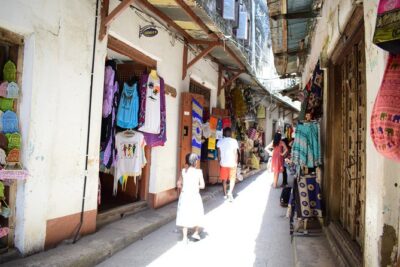


Browse the lists this tour appears in