
Reviewed · CYCLING TOURS
1-Day Moshi Villages bike tour
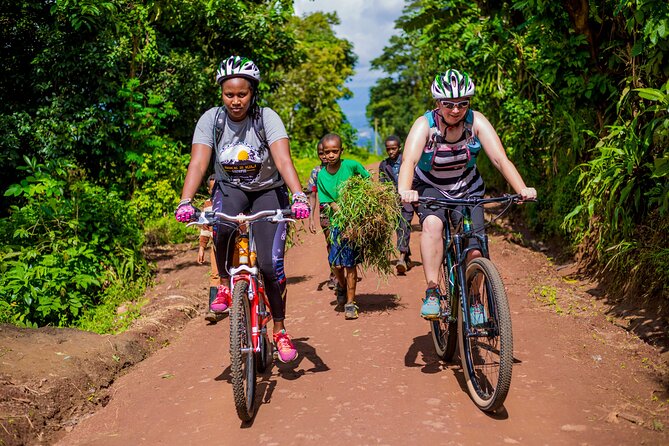
See Moshi at pedal speed. This half-day ride links Rau Forest, rice fields, sugarcane farms, village roads, and central Moshi in one active outing. I like the close look at Chagga farming life, and I like that the route includes local markets, an old railway station, and Clock Town rather than stopping at scenery alone. The main caution is the rough off-road riding, which can be hard on bad knees.
The tour costs $50 per person, including a bicycle, guide, transport, drinks, and lunch. That is a fair price for a four to five-hour private or small-group experience, especially if you want more than a standard town walk. The ride is not a gentle spin on smooth cycle paths, though. You should expect uneven ground, paved streets, and a steady amount of pedaling.
The strongest part is the variety. Within one morning, you can watch farming in rice paddies, scan the treetops for Colobus monkeys, pass churches and mosques, and reach Moshi markets by bicycle. Guides such as Alpha, Alfa, and Said have been praised for careful riding support and clear explanations, but the day still depends on weather, road conditions, and your own comfort on a bike.
In This Review
- Five things to know before you book
- Why a bicycle is a smart way to see Moshi
- Rau Forest and the first hour on the road
- Rice fields, sugarcane, and the Chagga countryside
- Arriving in Moshi through markets and old railways
- Mt. Kilimanjaro views without a climb
- Lunch, timing, and what the $50 covers
- Who will enjoy this ride, and who should think twice
- Weather, cancellation, and simple preparation
- Should you book the Moshi villages bike tour?
- FAQ
- How long does the Moshi villages bike tour take?
- What is included in the $50 price?
- Where does the tour start and finish?
- Does the route include Mt. Kilimanjaro?
- How large can the tour group be?
- What happens if the weather is poor?
Five things to know before you book
- Rau Forest brings the best chance of wildlife: Look into the tree crowns for Colobus monkeys with long, fluffy tails.
- The route mixes rough and paved roads: Rice fields, sugarcane plantations, village tracks, and town streets all feature in the ride.
- You see working countryside, not just scenery: The route passes farms, river crossings, small homes, mosques, and large Lutheran churches.
- Moshi’s city stops add local flavor: Mbuyuni Market, Manyema fish market, the old railway station, Clock Town, a Hindu temple, and Mama Africa shop are included.
- Lunch and transport are covered: You receive a lunch box, soda and mineral water, or a traditional hot restaurant meal, plus pickup and return transport.
- Allow five hours if you want the full route: The stated duration is four to five hours, and one past booking ran from 8 a.m. to 1 p.m., including lunch and pickup.
Why a bicycle is a smart way to see Moshi
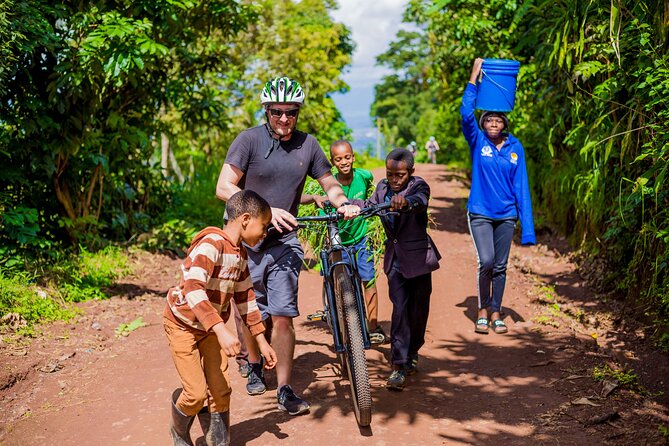
Moshi can be easy to admire from a vehicle, but a bicycle gives you a slower view of the area. You notice the change from forest to fields, the small roads between homes, and the way agriculture shapes daily life. You also cover more ground than you would on foot.
This is not a mountain-bike challenge in the race sense. It is a sightseeing ride with physical effort. The route includes off-road sections and rough terrain, then moves onto paved roads in Moshi. That mix gives the tour its appeal, but it also means you should not book it expecting a completely smooth ride.
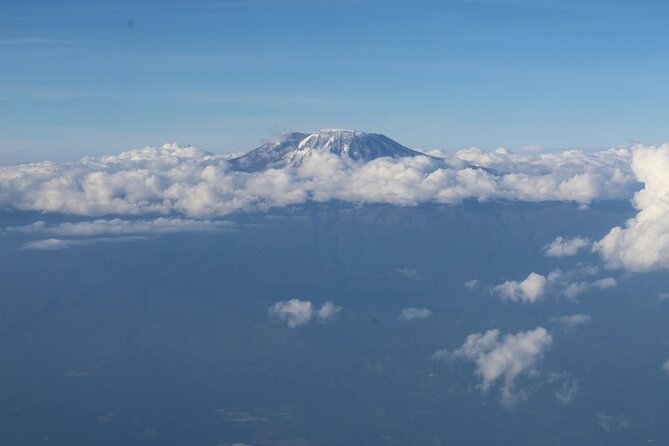
The ride passes through parts of the Kilimanjaro region where open countryside can offer distant views of Africa’s highest mountain. Mt. Kilimanjaro may be visible from the Moshi villages and rural sections, though mountain views always depend on cloud and weather. The absence of tall city buildings and thick urban growth helps keep the sightlines open.
The group limit is 20 people. That is a reasonable maximum for a cycling outing, though the actual group may be smaller. One booking became a one-to-one ride, which allowed the guide to adjust the pace closely. That can be especially useful if you do not cycle often.
A few more options to weigh up in Moshi
- Chagga Villages in Mount Kilimanjaro Cycling Day Trip
★ 5.0 · 42 reviews - Arusha:Canoeing/Kayaking &/or Cycling Adventure (with Lunch)
★ 4.9 · 28 reviews - Spice Farm Bike Tour: Pedal Through Aromatic Adventures
★ 3.8 · 8 reviews
Rau Forest and the first hour on the road
The opening stop is Rau Forest Reserve, reached by a route that also runs through rice fields and sugarcane plantations. This first section takes about one hour and includes both paved and off-road riding.
The forest is the most memorable natural part of the route. Keep your eyes above the road for Colobus monkeys sitting in the upper branches. Their long, fluffy tails make them easier to recognize if you get a clear view, but they are still wild animals in a forest setting, not a guaranteed performance.
The ride through Rau also gives you a look at a different side of Moshi. Instead of viewing the area only as a base for Kilimanjaro climbs, you see the lowland environment around the town. Rice paddies and sugarcane fields show how much of the nearby countryside is used for food and agricultural production.
You may find that the forest section feels more rewarding than the city portion if you prefer plants, animals, and open views. On the other hand, rough ground can slow the group. A past rider with knee trouble had to reduce the pace and skip later parts of the day. That is a useful warning: the route is manageable for most people, but it is not ideal if your knees are already painful.
Rice fields, sugarcane, and the Chagga countryside
The rural ride is where this experience feels most personal. You pass rice fields, sugarcane plantations, and other farming areas instead of simply driving past them. The route shows how farmers use available land and water, with the Karanga River and Rau River appearing along the way.
The Chagga people are closely associated with the Kilimanjaro area, and the tour offers a direct look at village life connected to that culture. The value is not in a staged cultural show. It is in seeing homes, farms, religious buildings, and roads woven into the same working countryside.
You pass small village houses, mosques, and large Lutheran churches built during the German colonial period. These details help explain the mix of faiths and outside influences visible around Moshi. Your guide is an important part of this section because the scenery alone will not explain how crops are grown or why particular buildings matter.
This is also the point where the guide’s care matters most. Alpha has been praised for his understanding of local people and the area, while Alfa is described as attentive and supportive. Said has also been praised for explaining the places along the route clearly. Names and guide assignments can change, but the operator’s strong guide feedback is one reason this tour scores so well.
Do not expect every field to look the same throughout the year. Farming views change with planting and harvest cycles. The route still gives you a useful look at rural work, but it is best approached as a real working area, not a fixed outdoor exhibit.
Arriving in Moshi through markets and old railways
After the forest and countryside, the ride turns toward Moshi town. This creates a good contrast. You move from quiet tracks and cultivated fields into market streets and central landmarks.
Mbuyuni Market is one of the named stops, followed by Manyema fish market. These places give the tour a more grounded feel than a quick drive through the center. Markets are where you get a sense of what people buy, sell, and eat, though the experience will vary with the time of day and local activity.
The old railway station is another unusual stop. It is described as being stuck in time, which captures its appeal better than calling it a standard attraction. The station gives you a look at an older transport network and a quieter side of Moshi’s past. It is a short stop, but it adds character to the route.
In the city center, you pass Clock Town and a large Hindu temple. Clock Town serves as an easy reference point in Moshi, while the temple adds another layer to the town’s religious and cultural mix. The tour also includes Africa Gift Shop, known here as Mama Africa shop, where you can browse local gifts.
These city stops are free to enter, but remember that personal purchases are not included. The gift shop can be useful if you want souvenirs without arranging another shopping trip, but you should treat it as an optional browsing stop rather than the main reason to book.
A different kind of day out entirely:
- Kilimanjaro climb by Lemosho Route (7-day)
★ 5.0 · 651 reviews - Safari Serengeti And Ngorongoro
★ 5.0 · 288 reviews - Kilimanjaro climb, Machame Route (7-day)
★ 5.0 · 262 reviews - Kilimanjaro Climbing Lemosho Route 8 Days.
★ 5.0 · 186 reviews
Mt. Kilimanjaro views without a climb
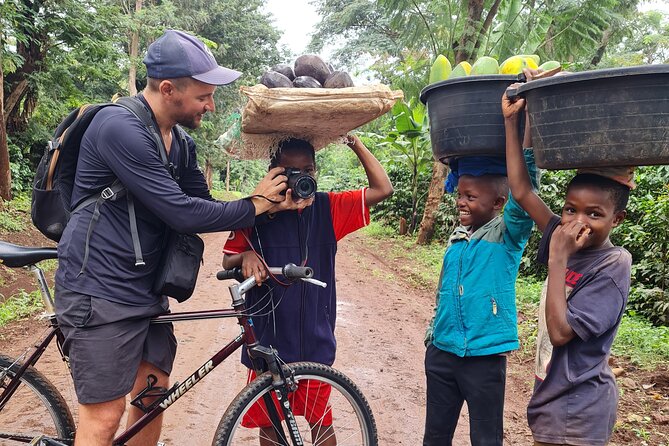
This experience does not take you up Kilimanjaro. Instead, it lets you see the mountain region from the lower countryside around Moshi. The ride through open rural areas is intended to provide distant sightseeing, with fewer tall buildings and trees blocking the view.
The mountain may be the image that first draws you to Moshi, but cloud can hide it. That is normal in the Kilimanjaro region and not a flaw in the tour. You still have the rice fields, sugarcane, rivers, villages, and forest even when the summit refuses to appear.
The route through the Karanga River area, Rau River, and TPC sugarcane fields gives you several settings for mountain viewing. If Kilimanjaro is clear, these open areas should offer better sightlines than central Moshi. If it is not clear, the countryside remains the main attraction.
I like this approach because it connects the famous mountain with the people who live around it. You are not only looking at a peak from a hotel garden. You are seeing farms, churches, rivers, and village roads in the same region that supports Kilimanjaro tourism.
Lunch, timing, and what the $50 covers
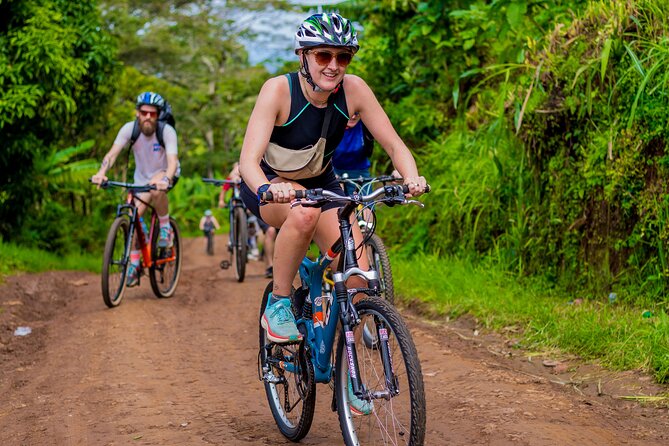
At $50, the tour offers solid value for a half-day activity. The fee includes the bicycle, cycling guide, private transportation, all fees and taxes, and lunch. You also receive a lunch box, soda, and mineral water, or a traditional hot lunch at a restaurant.
The meal is more than a practical refueling stop. Traditional food was singled out as a highlight, and it gives the ride a stronger local connection. Still, the exact lunch format can vary between a boxed meal and a hot restaurant meal, so you should not assume one specific menu.
The published duration is about four to five hours. The three main portions add up to roughly five hours: one hour in Rau Forest, two hours around Moshi, and two hours through the Kilimanjaro countryside. Actual timing can change because of cycling speed, stops, road conditions, lunch, and weather.
Pickup is offered, and the activity begins and ends at Bike2kili Safaris on Market Street, Mission Street, Tanzania. The listed operating days are Monday through Saturday, from 7 a.m. to 6:30 p.m. Confirmation is received at booking, and the tour is near public transportation.
You should plan around the full morning rather than squeezing this between two fixed appointments. A past ride ran from 8 a.m. to 1 p.m., including pickup and lunch. That is a useful planning guide even though your exact start time may differ.
Who will enjoy this ride, and who should think twice
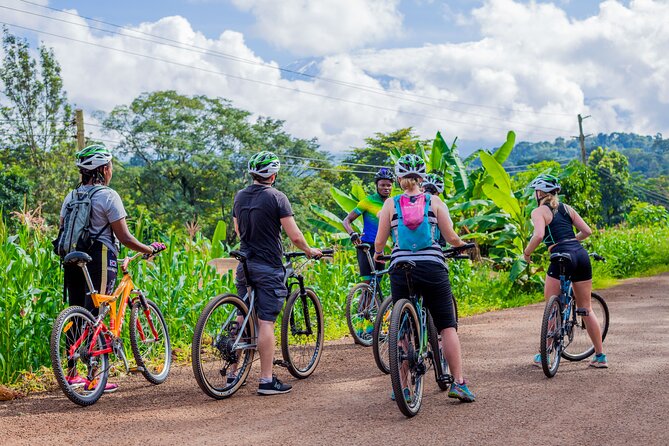
This tour suits you if you want active sightseeing and prefer seeing ordinary parts of a destination. It works well for people who like farms, markets, wildlife, local buildings, and changing scenery more than formal museum visits.
It is also a good option if you are not a frequent cyclist but can handle several hours of riding. One person who rarely rode a bike felt well supported because the guide kept a close watch and adjusted the experience. That said, comfort on a bike matters more here than athletic speed.
You should think carefully before booking if you have bad knees or struggle with uneven roads. Rough tracks can be demanding, and slowing down may mean skipping parts of the route, including lunch or the Moshi market. The tour is described as suitable for most people, but that does not remove the need for basic cycling ability.
A group of up to 20 can join, so ask about the expected group size if that affects your decision. A smaller group or one-to-one ride may feel calmer and make it easier to stop for photographs or ask questions.
Weather, cancellation, and simple preparation
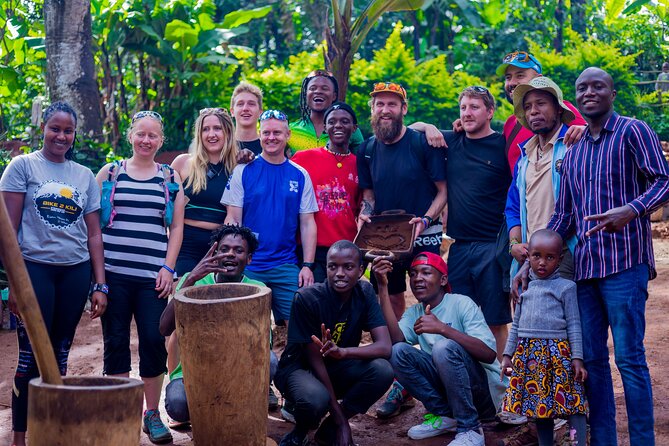
The experience requires good weather. If poor weather cancels the ride, you are offered another date or a full refund. You can cancel for a full refund up to 24 hours before the start time, based on local time. Cancellations or changes inside that 24-hour window are not refunded or accepted.
Wear clothes that are comfortable for exercise and suitable for warm outdoor conditions. Bring any personal items you need, since personal purchases and other private expenses are not included. Water is supplied, but you may still want to keep essentials easy to reach during the ride.
A small amount of flexibility will improve the day. Forest stops, monkey sightings, market visits, and mountain views cannot be timed like a theater show. The best part of the route is its ordinary, changing character.
Should you book the Moshi villages bike tour?
I would book this tour if you want to combine Moshi town, Rau Forest, and working farmland in one outing. The price is sensible because it includes equipment, transport, a guide, drinks, and lunch, while the route offers more variety than a simple city tour.
Book with care if you have knee problems, dislike rough roads, or need a tightly timed schedule. For everyone else, this is a strong choice for an active introduction to the Moshi area, especially if your guide is as attentive as Alpha, Alfa, or Said have been described. You may not get a clear Kilimanjaro view or a monkey sighting, but the farms, forest, markets, and village roads still make a worthwhile morning.
FAQ
How long does the Moshi villages bike tour take?
The activity lasts approximately four to five hours. A previous schedule ran from 8 a.m. to 1 p.m., including pickup and lunch.
What is included in the $50 price?
The price includes bicycle use, a cycling guide, private transportation, lunch, soda and mineral water, and all fees and taxes.
Where does the tour start and finish?
The tour starts at Bike2kili Safaris on Market Street, Mission Street, Tanzania. It ends back at the same meeting point.
Does the route include Mt. Kilimanjaro?
The ride takes place in the Kilimanjaro region and includes countryside areas where you can view the mountain from a distance. The tour does not climb Mt. Kilimanjaro.
How large can the tour group be?
The maximum group size is 20 people. Smaller groups and one-to-one rides may also be available.
What happens if the weather is poor?
The experience requires good weather. If it is canceled because of poor weather, you can choose a different date or receive a full refund. You can also cancel at least 24 hours before the start time for a full refund.
Just added in Moshi
- THE BEST 2 DAYS ON TREK – MARANGU ROUTE TOUR ADVENTURES★ 5.0 · 1 review
- Mount Kilimanjaro National Park Day Trip★ 5.0 · 7 reviews
- Mount Kilimanjaro Climbing in Tanzania Full-Day Trip★ 5.0 · 1 review
- Mount Kilimanjaro Day Hike – All-Inclusive, No Hidden Fees★ 4.0 · 7 reviews
- Mount Kilimanjaro Trekking Tour – Climb with Local Guides★ 5.0 · 1 review
- Mount Kilimanjaro: 7 Days Hike Lemosho Route★ 5.0 · 1 review
- Moshi:Chemka Hot Springs, Materuni Waterfalls & Coffee Tour★ 5.0 · 1 review
- Moshi/Arusha kikuletwa Hot Springs Tour★ 5.0 · 1 review
Cycling Tours, compared.
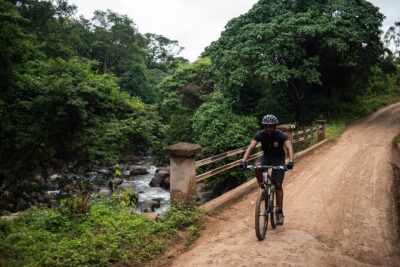
Chagga Villages in Mount Kilimanjaro Cycling Day Trip
Read our review →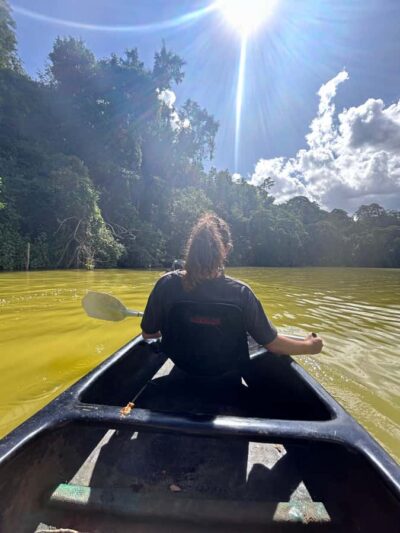
Canoeing/Kayaking &/or Cycling Adventure (with Lunch)
Read our review →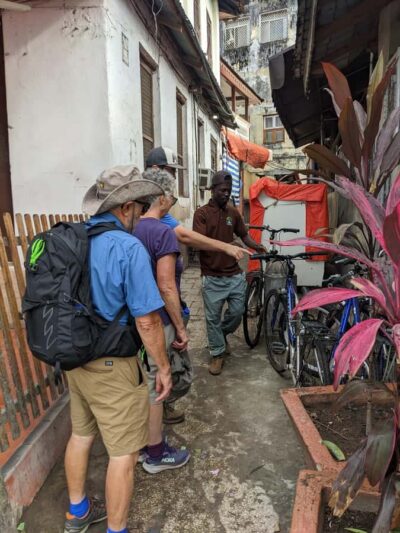
Spice Farm Bike Tour: Pedal Through Aromatic Adventures
Read our review →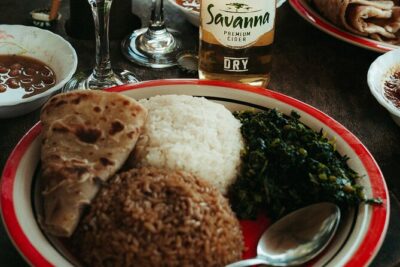
Lake duluti Canoeing/kayaking &/or cycling adventure with lunch
Read our review →
Private Canoeing, Cycling, Coffee and Hiking Tour in lake Duluti.
Read our review →
Mountain Bike Tour of the Foothills of Mount Meru
Read our review →
Browse the lists this tour appears in